
Kyushu National Museum
Museum · Dazaifu, Fukuoka
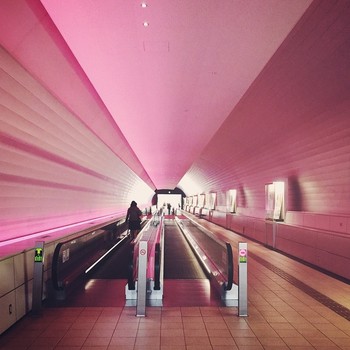
The Kyushu National Museum in Dazaifu, Fukuoka, was the fourth national museum in Japan after Tokyo, Kyoto and Nara. It tells the story of how Japanese culture took shape from the Paleolithic era to the end of the Edo period, with a focus on Kyushu's role as a gateway for exchange with Asia. The glass building with its curving roof sits in the forest behind Dazaifu Tenmangu shrine, reached through a colorful, glowing tunnel.
Good to know
- Japanese name
- 九州国立博物館
- Address
- 福岡県太宰府市石坂4丁目7−2In Japanese, to show a taxi driver or type into a map app.
- Nearest station
- Dazaifu Station
- Access
- About 10 minutes on foot from Dazaifu Station (Nishitetsu Dazaifu Line)
- Hours
- 9:30–17:00 (last entry 16:30)
- Closed
- Mondays (the next day if Monday is a holiday)
- Admission
- Adults ¥700, university students ¥350, high school students and younger free
- Official website
- kyuhaku.jp
Hours and prices can change. Check the official website before you go.
The building and the rainbow tunnel
From the Dazaifu Tenmangu grounds, an inclined lift and a long moving walkway lead up to the museum. The walls of this passage, known as the rainbow tunnel, change color as you ride, making it a hidden photo spot. The museum itself is a striking glass building surrounded by forest, with a gently curved roof and a wooden ceiling framework that brings a Japanese feel to the modern space.
The entrance hall, with an open cafe and a museum shop, is free to enter. A float from Hakata's Gion Yamakasa festival is displayed there, and photos are allowed in this area.
The collection
The permanent exhibition, called the Cultural Exchange Exhibition, follows the theme of the sea road and the path to Asia, reflecting Kyushu's history of exchange with the continent. It fills a huge fourth-floor gallery of about 3,900 square meters with 800 to 1,000 objects, including national treasures and important cultural properties, arranged by period. There is no set route: the idea is to wander and discover pieces like a treasure hunt. Exhibits change often, so repeat visits pay off.
On the first floor, Ajippa is a free hands-on room where children and adults can take off their shoes, play with toys and instruments from Asia and Europe, and try crafts.
Tips for visiting
The galleries are large, so allow plenty of time, and remember that last entry is 30 minutes before closing. Food is not allowed inside, but there are rest areas around the building, plus walking paths and a lotus pond.
From Dazaifu Station, walk along the Tenmangu approach, cross the arched bridge in the shrine grounds and follow signs to the tunnel; it takes about 10 minutes. Avoid carrying suitcases. Try umegae mochi, the local grilled rice cake filled with sweet bean paste, on the approach.
Nearby
 Dazaifu Tenmangu473m
 Nanzoin Temple11.7km
 Canal City Hakata14.2km
 Hakata Port Tower16.1km
 Ohori Park16.8km
 Kashii-gu Shrine17.0km
Featured in these guides
Recently viewed
More in Fukuoka
 Uminonakamichi Seaside ParkPark
 Marine World UminonakamichiAquarium
 Kawachi Fujien Wisteria GardenWisteria garden
 Mojiko RetroHistoric district
 Mount SarakuraMountain viewpoint
 Kyushu Railway History MuseumRailway museum
 Fukuoka TowerObservation tower
 Keya no OtoSea cave
 Kitakyushu Museum of Natural History and Human HistoryNatural history museum
 Kanmon Tunnel Pedestrian WalkwayUndersea tunnel
 Kokura CastleCastle
 Miyajidake ShrineShinto shrine