
Fukuoka Prefecture: 40 Places to Visit in Kitakyushu, Chikuho and Around Fukuoka City
40 places · Japanese version
Fukuoka Prefecture is roughly divided into four areas, Kitakyushu, Chikuho, Fukuoka and Chikugo, and each has its own character. Ramen and mentaiko draw food lovers, but the sights are just as good, and you can enjoy many of them while eating your way around. This is a selection of 40 places, from well-known classics to quieter spots, in three of those areas: Kitakyushu with its port town and castle, the old coal mining region of Chikuho, and the Fukuoka area, which includes Fukuoka City, Dazaifu, Itoshima and the islands of Hakata Bay.
Kitakyushu area
Itozu no Mori Park Kokurakita, Kitakyushu
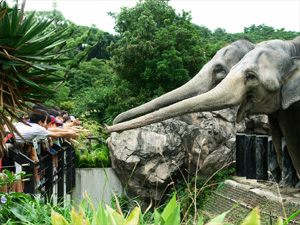
This park grew out of Itozu Yuen, an amusement park that opened in 1932 and was loved by people across Kitakyushu. When it closed, a citizens' campaign led the city to rebuild it as a park for getting close to nature and animals. Flowers bloom all year in themed zones, including rare species from South America and Africa, and a satoyama woodland has trees several hundred years old.
Zenrin Map Museum Kokura, Kitakyushu
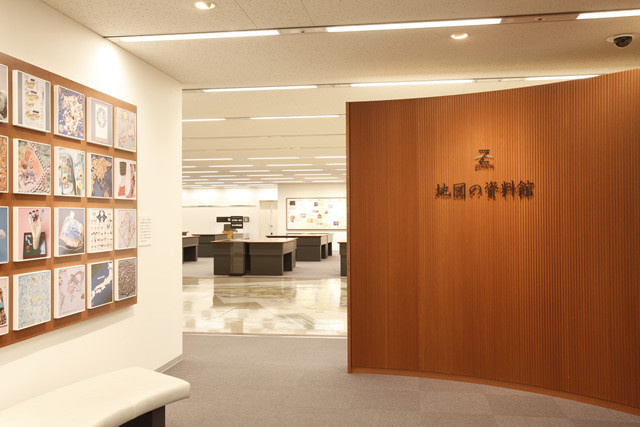
Map maker Zenrin runs this museum devoted to maps. It shows full-size copies of the medium-scale maps made by Ino Tadataka, old maps and topographic maps. Ino's map is spread across the floor, so you can walk on it and study details with a magnifying glass, and old European maps show how Europeans once pictured Japan. It is also a little-known spot with views over Kokura, on the 14th floor of Riverwalk Kitakyushu.
Kyushu Railway History Museum Moji, Kitakyushu
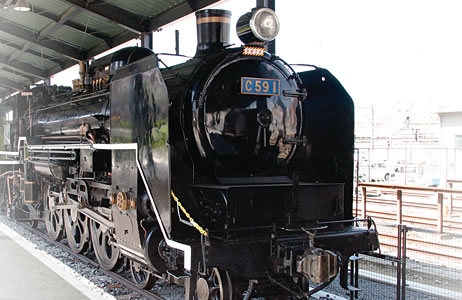
The museum is housed in the red brick former head office of the old Kyushu Railway, built in the Meiji era, and tells the history of railways in Kyushu. Trains that once ran in Kyushu are displayed outside, led by an impressive steam locomotive. Sit in a Meiji-era passenger car, try a driving simulator, study a detailed railway diorama, and let kids ride small trains in the mini railway park. It is three minutes on foot from Mojiko Station.
Kokura Castle Kokura, Kitakyushu
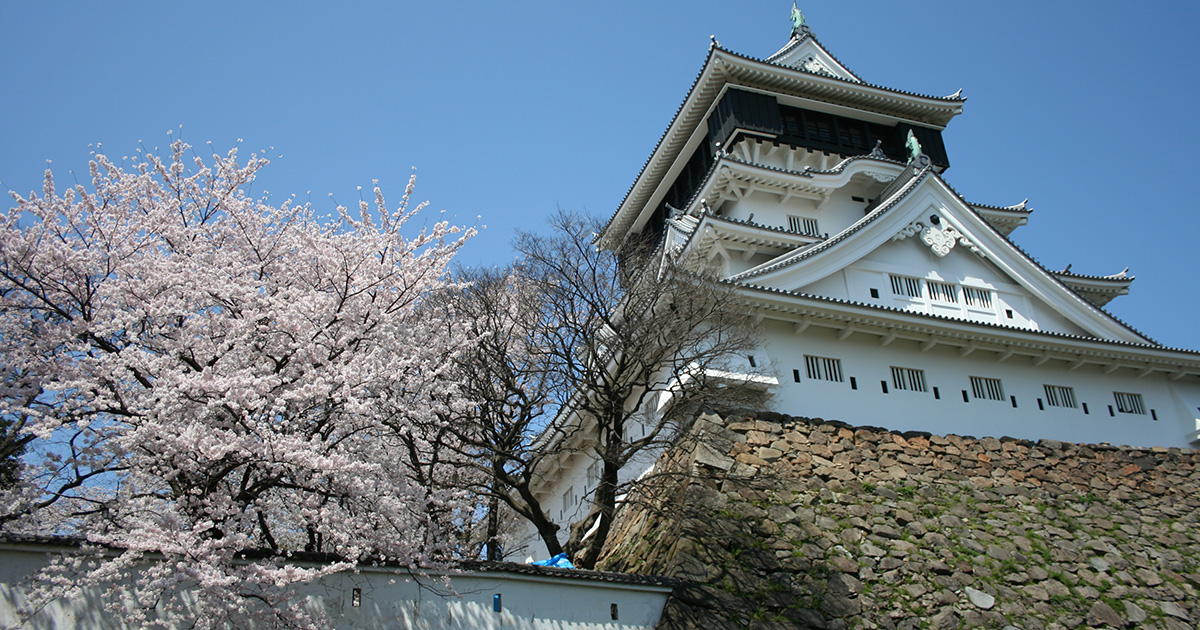
The Mori clan first built a castle here in the Warring States period, and in the Edo period it was home to the Ogasawara clan. The keep, rebuilt in 1959, has an unusual design in which the fifth floor is larger than the fourth. Cherry blossoms frame it in spring and red leaves in autumn. Inside are a diorama of the castle town, treasures, a lord's palanquin and festival floats, and a theater where mechanical karakuri puppets tell the castle's history.
Mount Sarakura Yahatahigashi, Kitakyushu
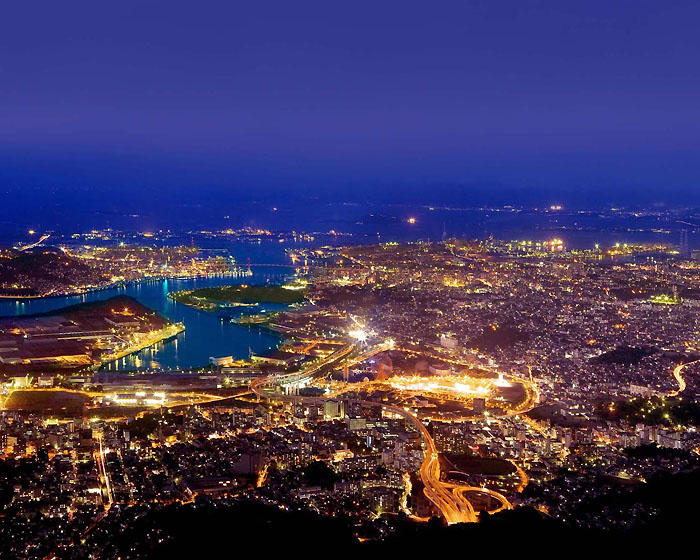
At 622 meters, Mount Sarakura is Kitakyushu's signature mountain. From the top you can see the city, Wakato Bridge and the Genkai Sea, and the night view is famous. A glass-walled cable car and then a slope car take you to the summit in about 10 minutes, with evening service in some seasons. The restaurant at the observation deck serves the local baked curry, so you can eat while you take in the lights.
Hibikinada Biotope Wakamatsu, Kitakyushu
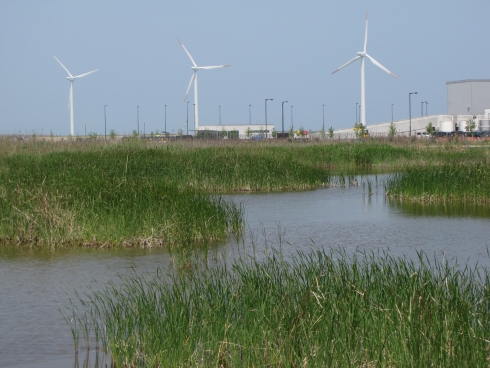
The city created this 41-hectare biotope, one of the largest in Japan, on a former industrial waste site. More than 40 kinds of birds, such as purple herons, mandarin ducks and great egrets, and nearly 30 kinds of insects have been seen here, including rare species. A nature center, a bird hide with small windows, decks over the wetland and a lookout make it easy to watch wildlife. Food may not be brought in, to protect the animals.
Mekari Shrine Moji, Kitakyushu
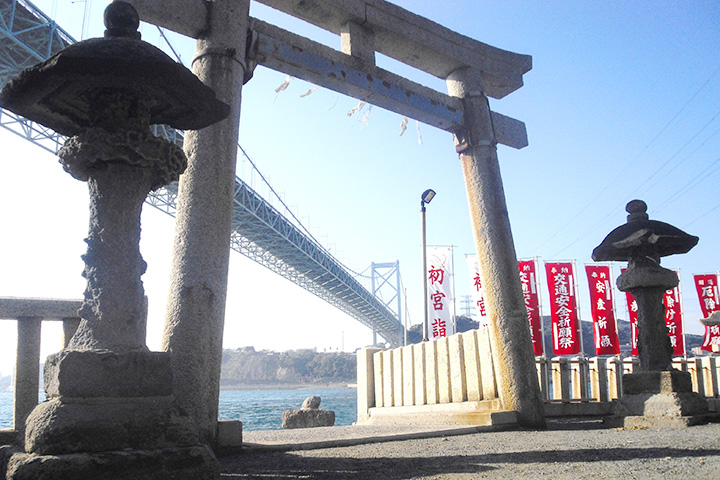
Mekari Shrine stands right below Kanmon Bridge, facing the Hayatomo Strait, and has some 1,800 years of history. It protects those at sea and is known for the Mekari Shinji ritual: every year on the lunar New Year, three priests walk into the sea to cut wakame seaweed and offer it to the gods. Buses run to the shrine from Mojiko Station but not often, so check the timetable. The Kanmon Pedestrian Tunnel entrance is nearby.
Trolley Train Shiokaze Moji, Kitakyushu
This sightseeing trolley train runs on an old harbor freight line between Kyushu Railway History Museum Station and Kanmon Kaikyo Mekari Station, linking Mojiko Retro with the Mekari area by the Kanmon Strait. The ride takes about 10 minutes each way and lets you enjoy the port town and the strait at a slow pace. It runs from mid-March to late November on weekends and holidays and during spring and summer school breaks.
Mojiko Retro Moji, Kitakyushu
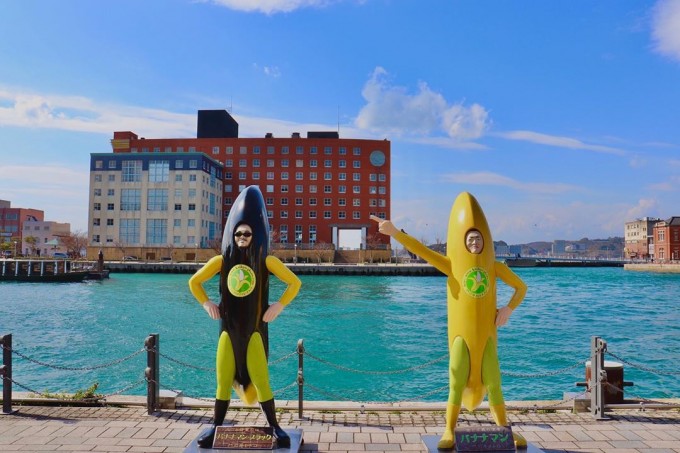
Moji once thrived as the Kyushu gateway on the Kanmon Strait. When the Kanmon Tunnel opened and the flow of people and goods changed, its buildings from the Meiji and Taisho eras were left standing, starting with the wooden Mojiko Station. Today the streets have a nostalgic, slightly exotic atmosphere that feels both old and fresh. The district spreads around Mojiko Station.
Inochi no Tabi Museum Yahatahigashi, Kitakyushu
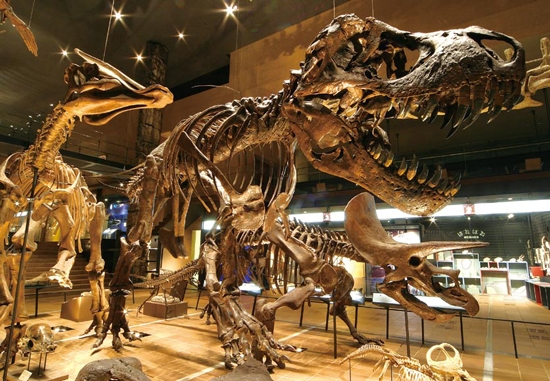
One of the largest natural and human history museums in western Japan, it introduces the nature, history and culture of the Kitakyushu area. The natural history zone recreates an ancient lake that once lay here, and the history zone shows the city's festivals, a reconstructed Yayoi-period house and company housing of the Yawata Steel Works as it looked around 1960. Kids love the huge dinosaur skeletons, including a Seismosaurus about 35 meters long and a Tyrannosaurus.
Hiraodai Kokuraminami, Kitakyushu
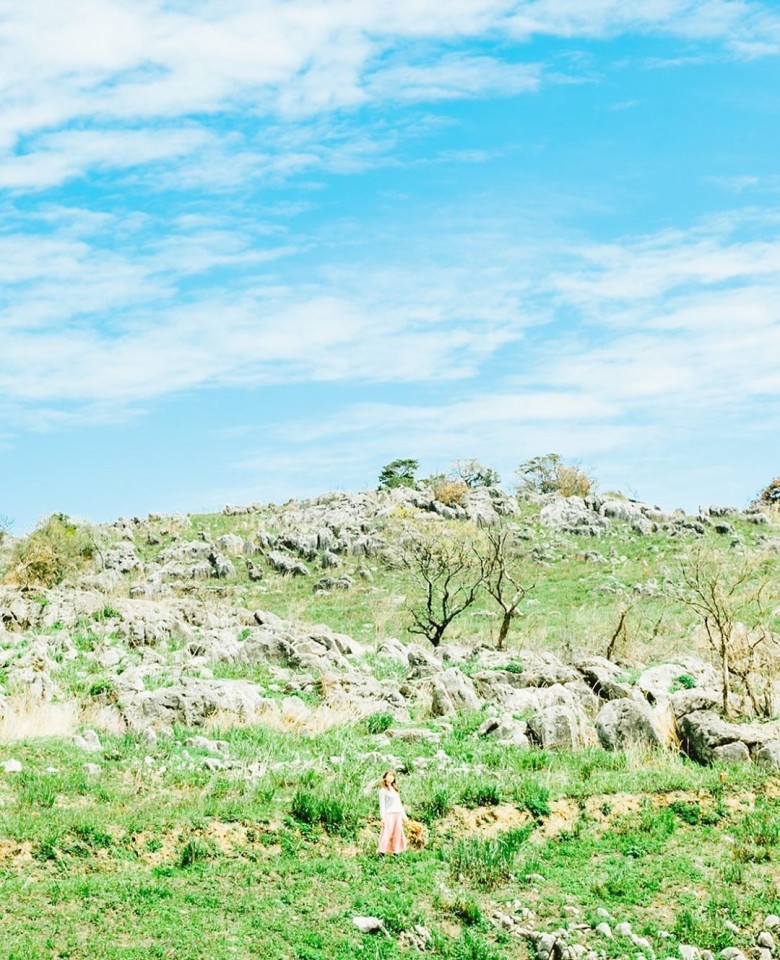
Hiraodai is one of Japan's best-known karst plateaus and a national natural monument. Limestone pinnacles that look like a flock of sheep give Yogunbaru its name, and sinkholes called dolines lead down to caves. Senbutsu Cave has a river flowing through it for 700 meters, and there are many other caves to explore. The Hiraodai Shizen no Sato area has a lookout, a doline deck, a wild plant garden and a playground with a big slide.
Kawachi Fujien Wisteria Garden Yahatahigashi, Kitakyushu
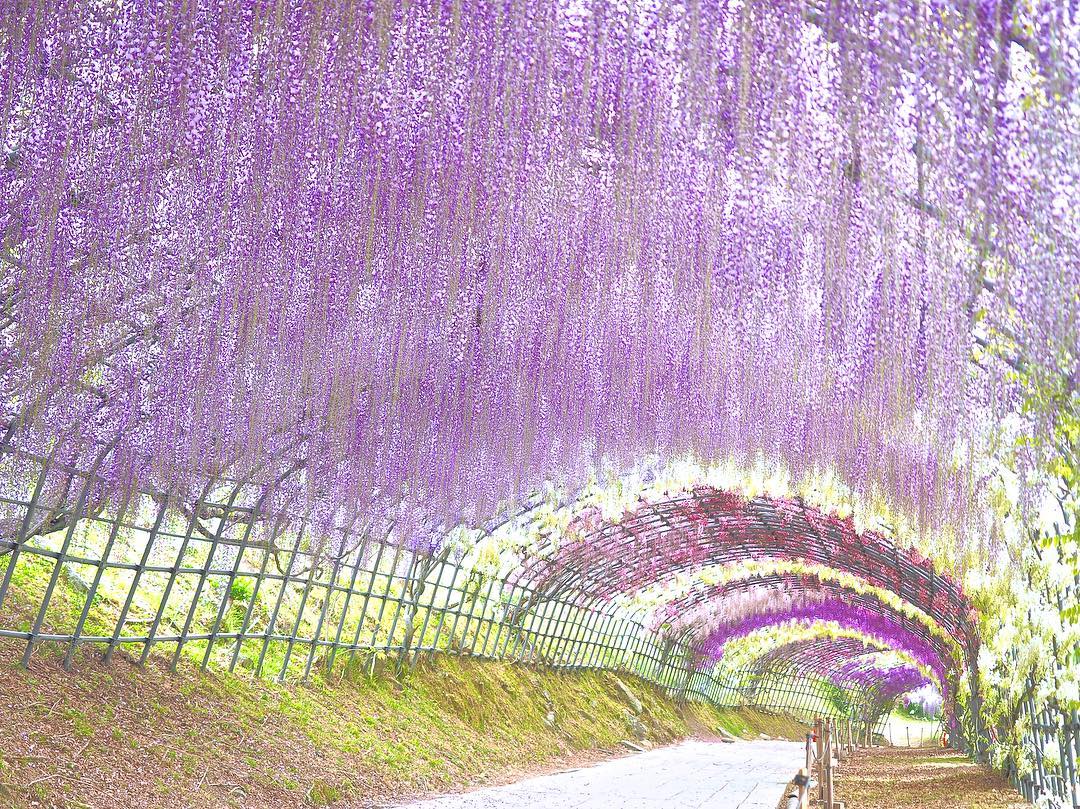
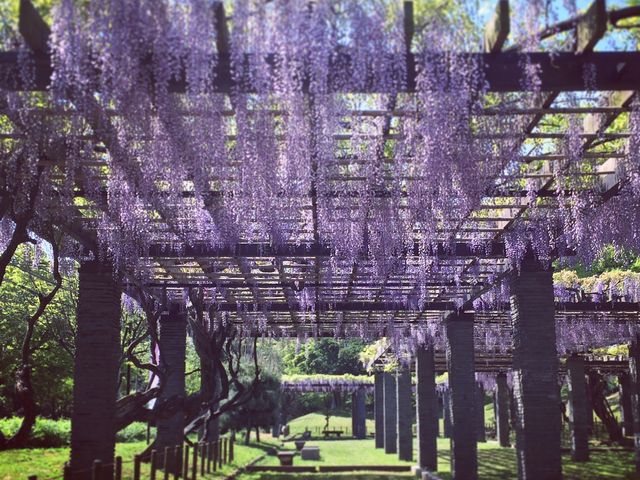
This private garden on the south side of Mount Sarakura is famous around the world. From mid-April to mid-May, about 150 wisteria plants of 22 kinds bloom, forming tunnels 80 and 200 meters long and a wisteria dome. It is also known for autumn leaves, when about 700 maples color from mid-November to mid-December. The garden opens only in these seasons, and wisteria season tickets are for a set date, bought in advance.
Kanmon Pedestrian Tunnel Moji, Kitakyushu
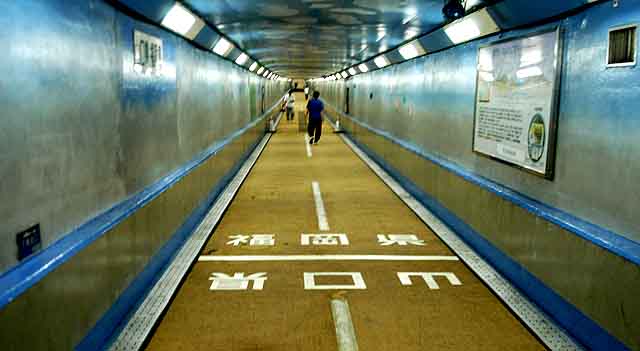
The Kanmon Tunnel has two levels: a road tunnel on top and a pedestrian tunnel below, which lets you walk under the sea across the strait to Shimonoseki. From the Moji entrance near Mekari Shrine you go down about 60 meters, then walk 780 meters, crossing the border between Fukuoka and Yamaguchi prefectures inside the tunnel. The walk takes about 15 minutes, past walls painted with seaweed and fish. It is free for pedestrians.
Chikuho area
Chikuho was once a major coal mining region, and its museums and theater keep the memory of those boom years alive.
Kaho Gekijo Iizuka
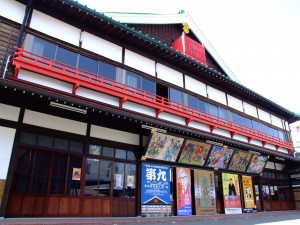
Opened in 1922, this wooden playhouse in the Edo-period kabuki style still stages popular theater and recalls the days when Iizuka thrived as a coal town. A huge 18-meter beam lets the hall seat 1,200 people with no pillars in the way. Look for the wooden box seats, two hanamichi runways and a hand-turned revolving stage 16 meters across. You can tour the inside on days without shows. It is 15 minutes on foot from Iizuka Station.
Tagawa Coal Memorial Park Tagawa
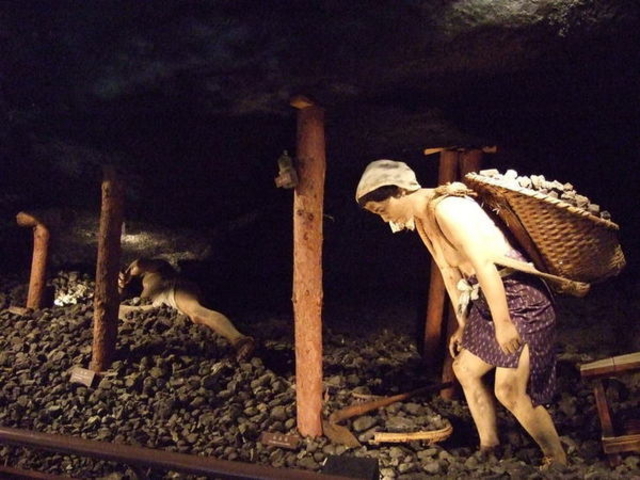
Tagawa was a center of the Chikuho coal field and the birthplace of the coal miners' song Tanko Bushi. This park on the site of the former Mitsui Tagawa mine keeps two large chimneys and the Ita shaft headframe, registered as national cultural properties, along with monuments and a statue of miners. The Tagawa City Coal Mining Historical Museum covers mining and miners' lives in the early Showa era, with recreated miners' houses and a steam locomotive.
Nogata Coal Museum Nogata
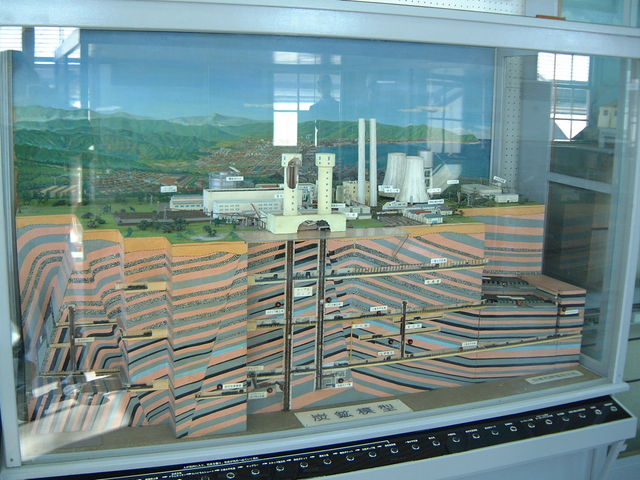
The main building was built in 1910 as the meeting hall of the Chikuho coal mining association. Its three buildings hold records and machinery from the coal field, and a training tunnel from 1922, used to practice rescue and recovery after mine disasters, is preserved. Outside are two steam locomotives, mining machines, a metasequoia and petrified wood. A few times a year, free open days bring events such as coal burning demonstrations.
Fukuoka area
The Fukuoka area covers Fukuoka City and Hakata, Dazaifu, the coast of Itoshima and Munakata, and the islands of Hakata Bay.
Anegonohama Beach Itoshima
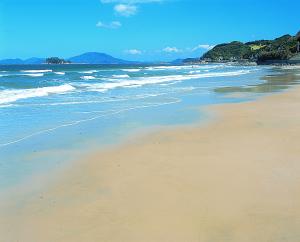
Walk on this beach and the sand squeaks under your feet. Singing sand is said to exist only on clean beaches. The sand here fell silent in the late 1960s but came back around 1994 thanks to local efforts. The shallow, curving white beach faces the Genkai Sea and is known for sunsets. The sound comes from grains of quartz rubbing together, and you hear it best from about February to May after a run of sunny days.
Uminonakamichi Seaside Park Higashi, Fukuoka
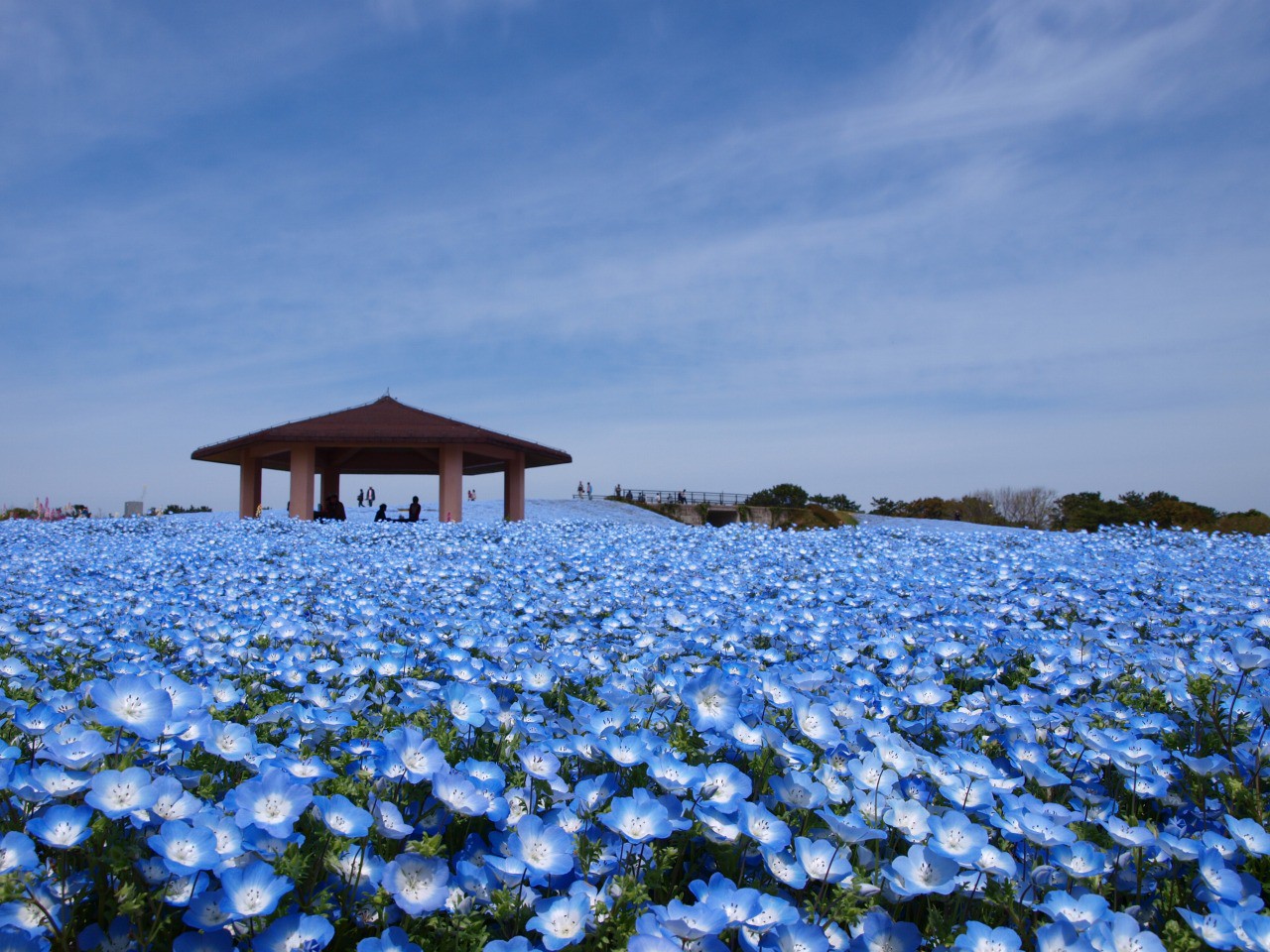
This park sits on Uminonakamichi, a long, narrow sandbar between the Genkai Sea to the north and Hakata Bay to the south that links Shikanoshima to the mainland. Enjoy seasonal flowers, meet animals, watch wild birds and ride a bike, and there is a big Ferris wheel too, so all ages can have fun. It is right by Uminonakamichi Station.
Ohori Park Chuo, Fukuoka
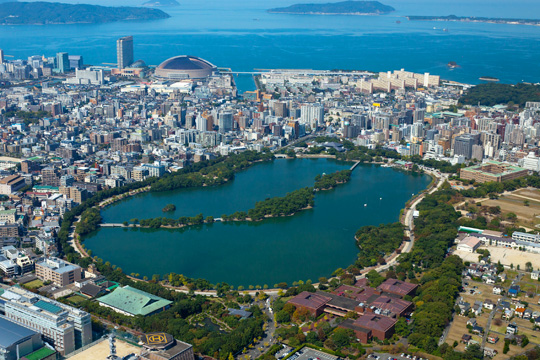
The pond at Ohori Park was once an inlet of Hakata Bay used as the outer moat of Fukuoka Castle. The park was modeled on West Lake in China and made for enjoying the water and the scenery. Right in the middle of Fukuoka, it has long been a favorite place for locals to relax and stroll. It is about seven minutes on foot from Ohorikoen or Tojinmachi Station.
Kashii-gu Shrine Higashi, Fukuoka
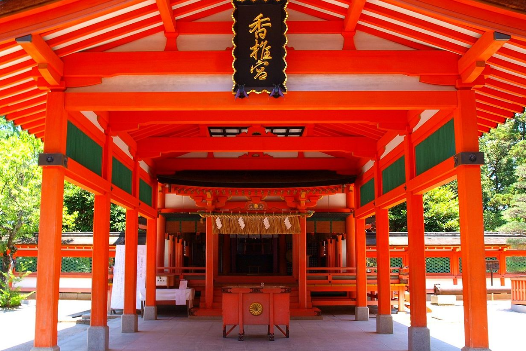
Tradition says this ancient shrine was founded in the 200s. Its main hall, rebuilt in the Edo period, is in the Kashii-zukuri style, found only at this shrine, and is a national Important Cultural Property. It is three minutes on foot from Kashii-Jingu Station.
Kyushu National Museum Dazaifu
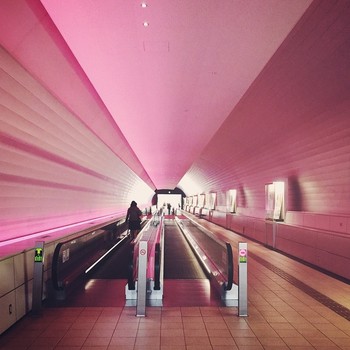
Opened in October 2005 on the hill behind Dazaifu Tenmangu, this museum presents Japanese culture through its historical ties with Asia. It was Japan's fourth national museum, the first new one in 108 years, and is the largest of them. It is about 10 minutes on foot from Dazaifu Station.
Kushida Shrine Hakata, Fukuoka
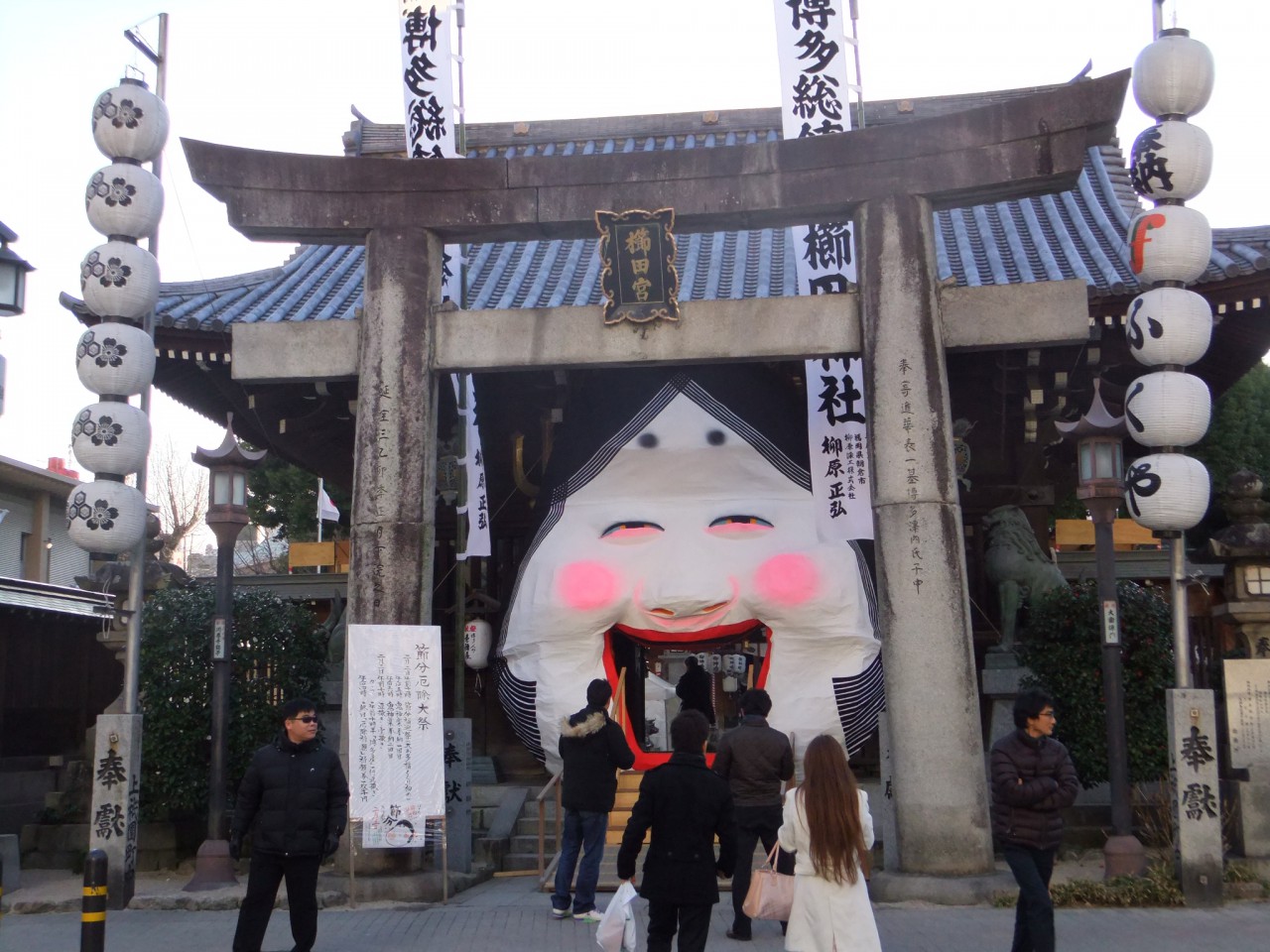
In the middle of Hakata, Kushida Shrine is the guardian shrine of the whole district, affectionately called Okushida-san. It is famous for the Hakata Gion Yamakasa festival in summer and Hakata Okunchi in autumn, and a towering decorated festival float stands in the grounds. It is about five minutes on foot from Gion Station.
Keya no Oto Itoshima
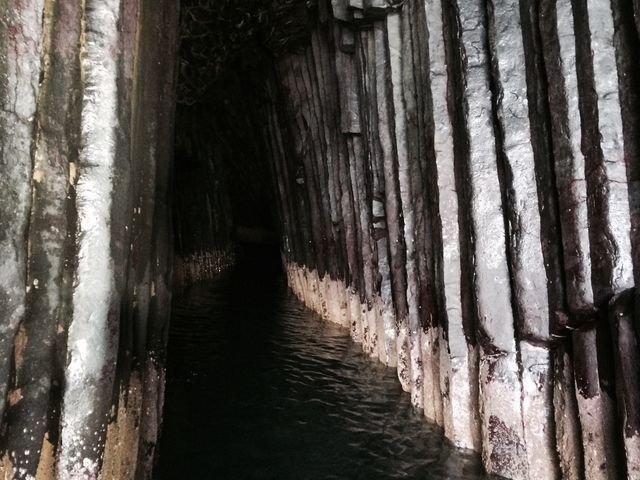
This sea cave is one of the three great basalt caves of Japan, 64 meters high and 90 meters deep with an opening 10 meters wide. The mysterious rocks and cave rise straight from the sea, so the best way to see them is from a sightseeing boat, which runs from April to November and takes about 30 minutes.
Sumiyoshi Shrine Hakata, Fukuoka
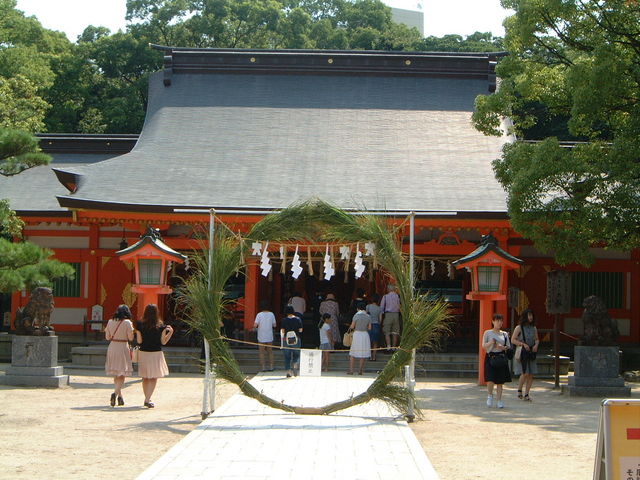
This shrine is said to be the original of all Sumiyoshi shrines in Japan. Its gods protect sailors and ships and are also honored as gods of waka poetry. The main hall is in the Sumiyoshi-zukuri style, an ancient form from before Buddhism reached Japan, and was rebuilt in 1623 by Kuroda Nagamasa. It is about five minutes on foot from the Sumiyoshi bus stop.
Sofuku-ji Temple Hakata, Fukuoka
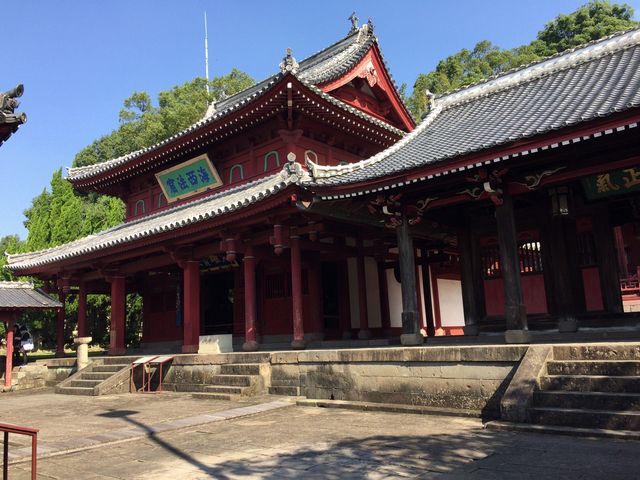
This prestigious temple was the family temple of the Kuroda clan, lords of Fukuoka. It holds the graves of Kuroda Kanbei and later lords, and of Shimai Soshitsu, one of the three great merchants of Hakata. The main gate was moved here from Fukuoka Castle, where it was the front gate, a sign of the temple's close ties with the Kuroda family.
Dazaifu Tenmangu Dazaifu
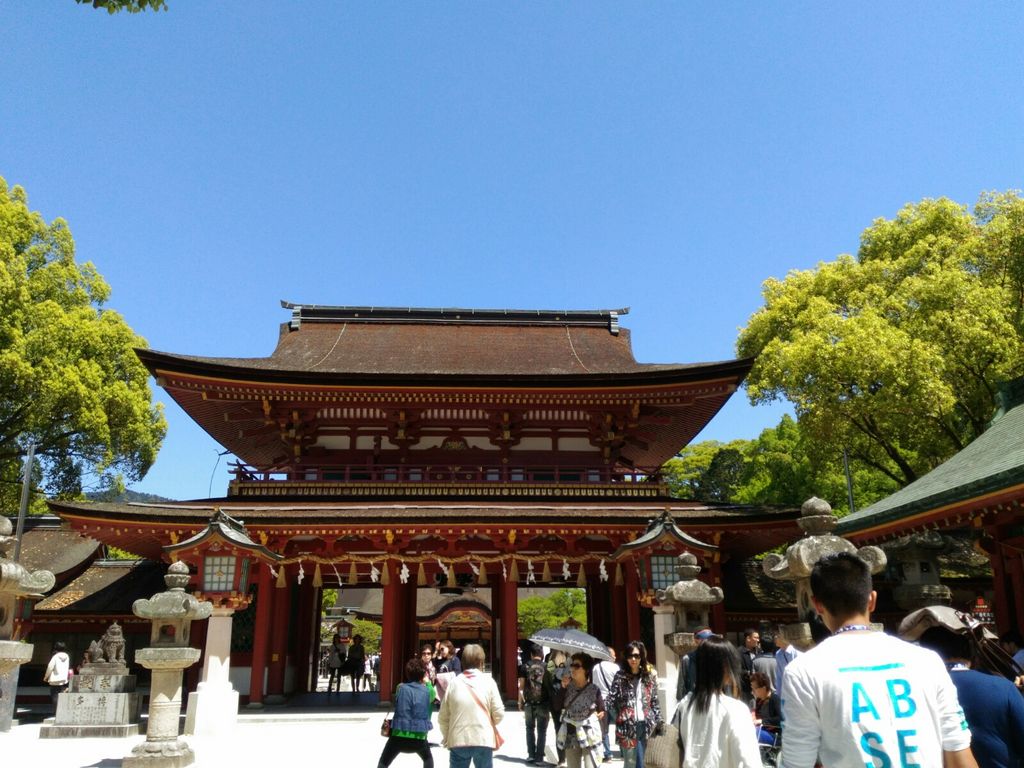
Dazaifu Tenmangu is the head shrine of all Tenmangu shrines in Japan and enshrines Sugawara no Michizane as Tenjin, the god of learning, sincerity and protection from misfortune. People from Hakata come for the first visit of the New Year and to pray, and visitors arrive from all over Japan. It is five minutes on foot from Nishitetsu Dazaifu Station.
Chikushi Yabakei Gorge Nakagawa
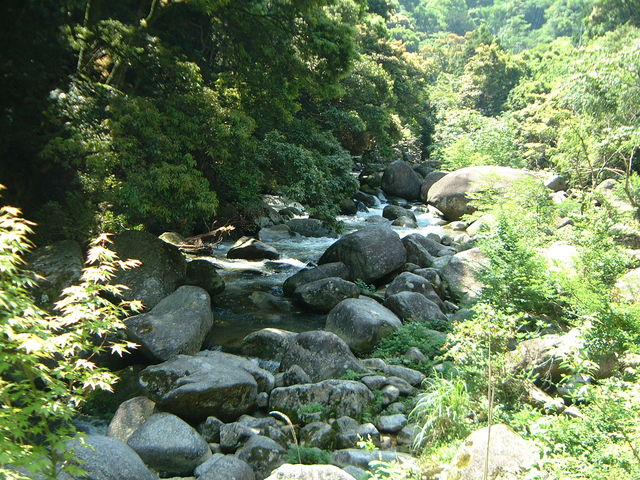
This gorge lies on the upper Naka River, the river that flows through the city and divides Fukuoka from Hakata. It was named after Yabakei, a famous scenic spot in Oita. Clear water, huge boulders, oddly shaped rocks and waterfalls change with the seasons, making it an easy escape into nature from Fukuoka. It is about 25 minutes by taxi from Hakata-Minami Station.
Hakata Traditional Craft Center Hakata, Fukuoka
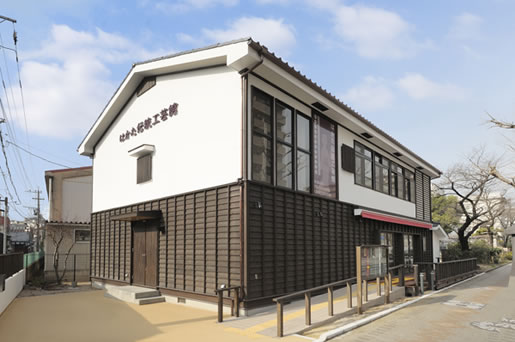
Hakata craftspeople have long made traditional crafts such as Hakata dolls and Hakata-ori textiles. This center introduces these beautiful, almost artistic pieces to visitors, and entry is free. It is about five minutes on foot from Gion and Nakasu-Kawabata stations.
Hakozakigu Shrine Higashi, Fukuoka
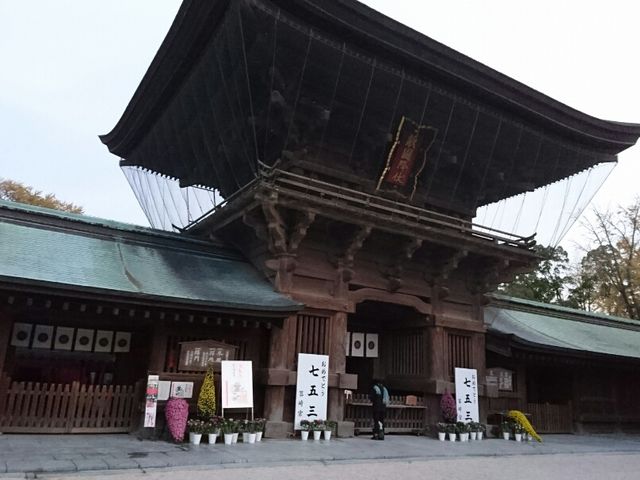
One of the three great Hachiman shrines of Japan, Hakozakigu has an approach that runs in a straight line toward the Genkai Sea. During the Hakata Gion Yamakasa festival each year, men in festival dress gather purifying sand on Hakozaki beach and bring it to Hakozakigu and Kushida Shrine. It is three minutes on foot from exit 1 of Hakozaki-miyamae Station.
Fukuoka City Zoo and Botanical Garden Chuo, Fukuoka
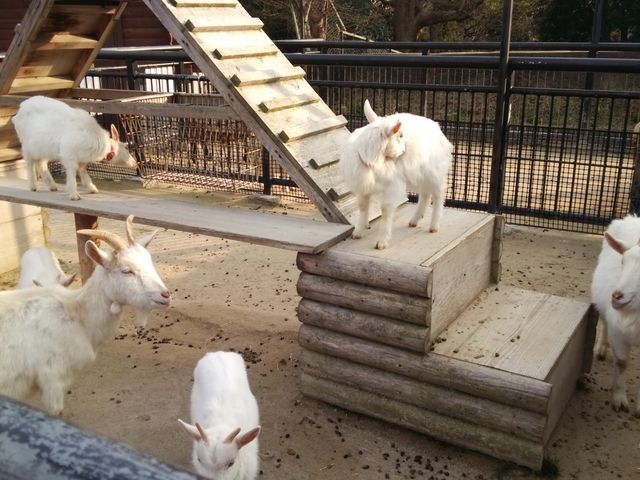
Along with Ohori Park, this zoo and botanical garden is a favorite place for locals to relax, with many animals and plants that change with the seasons. It stands on high ground in the center of the city, so it is also known for views over Fukuoka. Buses run from Tenjin and Hakata Station.
Fukuoka Tower Sawara, Fukuoka
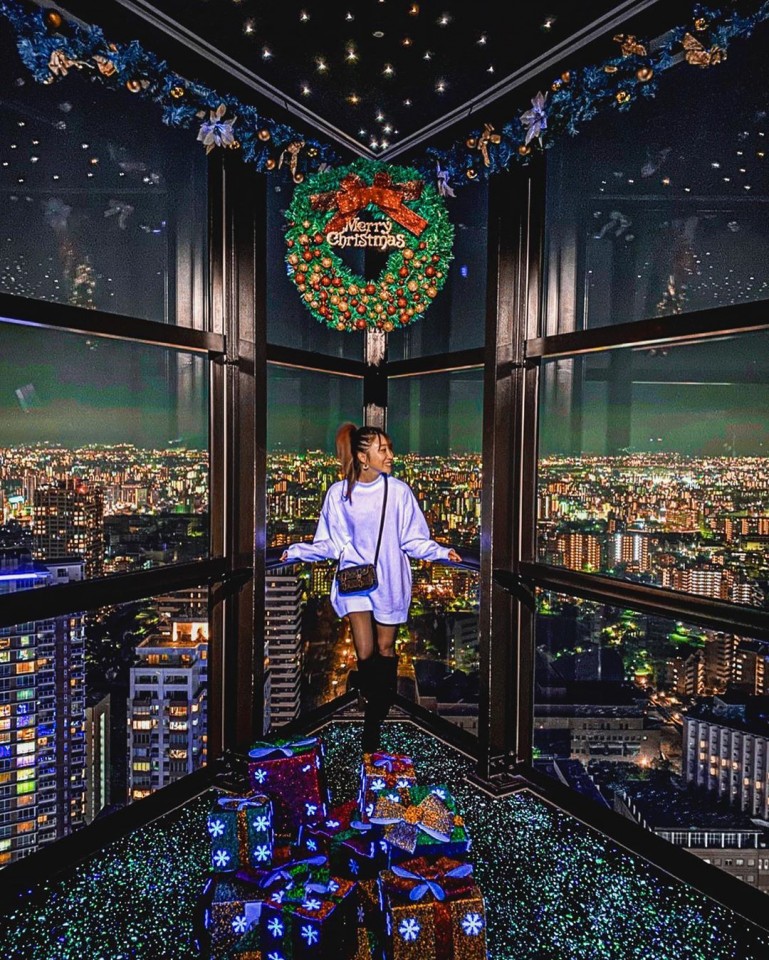
At 234 meters, Fukuoka Tower is the tallest seaside tower in Japan and a landmark of the city. Its surface is covered with 8,000 half mirrors, and the observation deck looks out over Fukuoka and Hakata Bay. It is about two minutes on foot from the Fukuoka Tower Minamiguchi bus stop.
Futsukaichi Onsen Chikushino
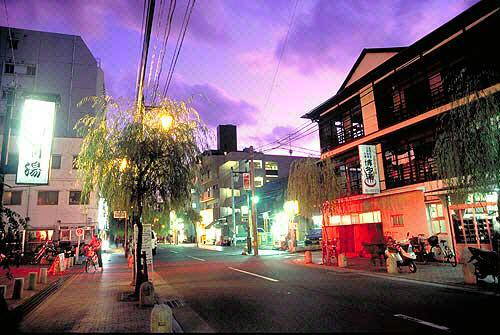
This hot spring town has more than 1,300 years of history, going back to the age of the Manyoshu poems. The poet Otomo no Tabito and the novelist Natsume Soseki are among the many writers who came here. Being close to Dazaifu and Hakata, it is popular for day bathing and as a base for sightseeing. It is about 10 minutes on foot from JR Futsukaichi Station.
Miyajidake Shrine Fukutsu
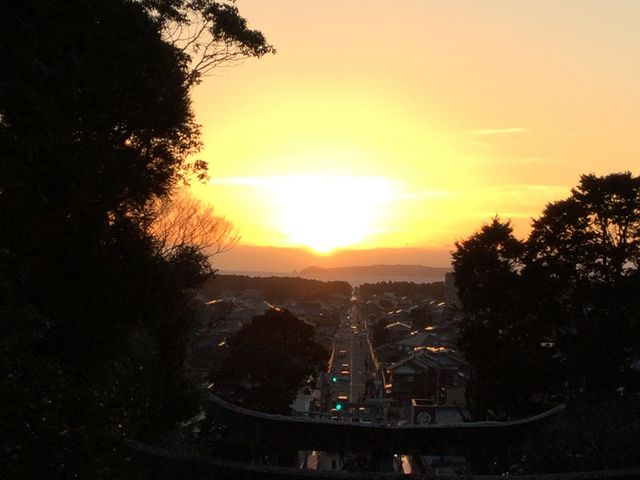
People visit Miyajidake Shrine all year to pray for good fortune and business success. It is known for three things said to be the biggest in Japan: a great shimenawa rope 2.5 meters thick, 13.5 meters long and weighing 5 tons, a great drum 2.2 meters across, and a bronze bell weighing 450 kilograms. It is about 10 minutes by car from Fukuma Station.
Munakata Taisha Munakata
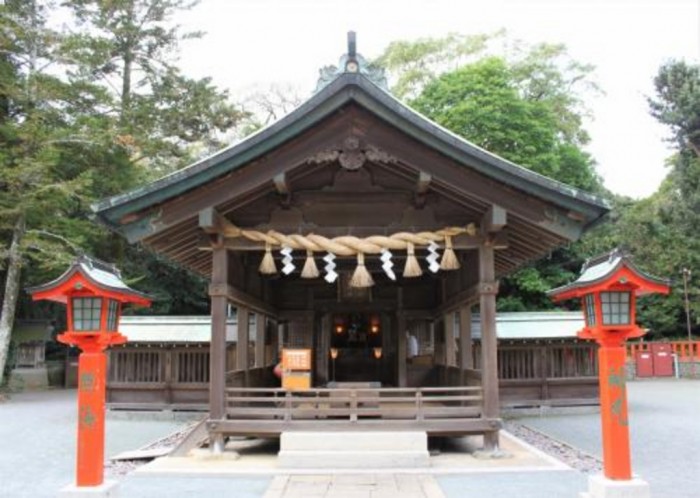
Munakata Taisha is the head shrine of the Munakata and Itsukushima shrines across Japan. Long worshipped as a god of roads, it draws people from all over Japan who pray for traffic safety. It enshrines three goddesses, daughters of Amaterasu, at Okitsu-miya, Nakatsu-miya and Hetsu-miya, and these three shrines together are called Munakata Taisha. It is a minute on foot from the Munakata Taisha-mae bus stop.
Meoto Iwa at Futamigaura Itoshima
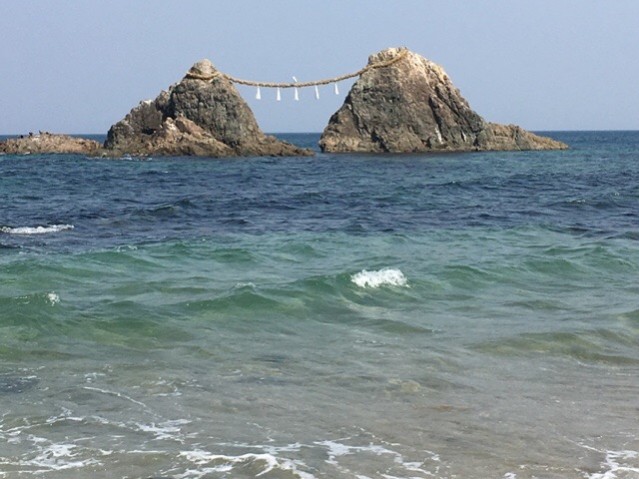
Futamigaura is known for its sunsets over the Genkai Sea, and its Wedded Rocks stand in beautiful scenery listed among the best sunsets and beaches in Japan. Each May, at a low spring tide, a new sacred rope 11.2 meters long and weighing a ton is hung between the rocks. The best time to visit is around the summer solstice.
Marine World Uminonakamichi Higashi, Fukuoka
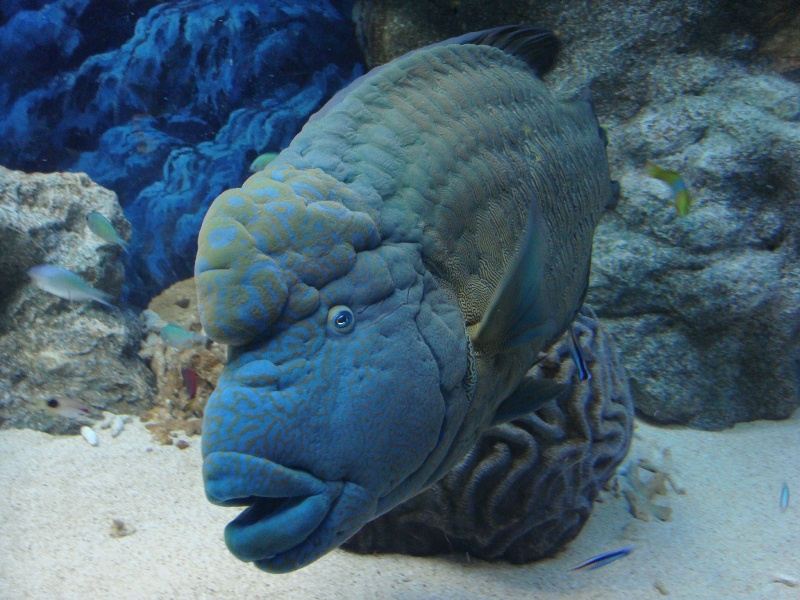
This aquarium shows about 30,000 sea creatures of 450 species and lets you learn while having fun. Do not miss the dolphin and sea lion shows and the sardine typhoon, where a diver feeds a swirling school of sardines. A big panoramic tank lets you watch sea life up close, and you can easily spend the whole day. It is five minutes on foot from Uminonakamichi Station.
Hakata Port Tower Hakata, Fukuoka
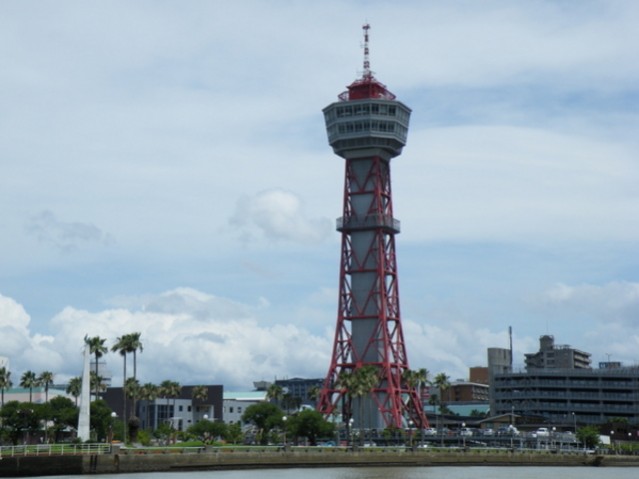
Standing at Hakata Port, this tower has a free observation deck 70 meters above the ground with a panoramic view over Hakata. At night it is lit up, making it a nice stop for couples.
Nokonoshima Island Nishi, Fukuoka
Nokonoshima is a local favorite beach getaway, a green island in the middle of Hakata Bay just 10 minutes by ferry from Meinohama, about 12 kilometers around. Besides a summer swimming beach, it has Nokonoshima Island Park, where canola flowers, cherry blossoms and cosmos bloom through the seasons, and an observatory with views over Hakata Bay, the city and Shikanoshima.
Shikanoshima Island Higashi, Fukuoka
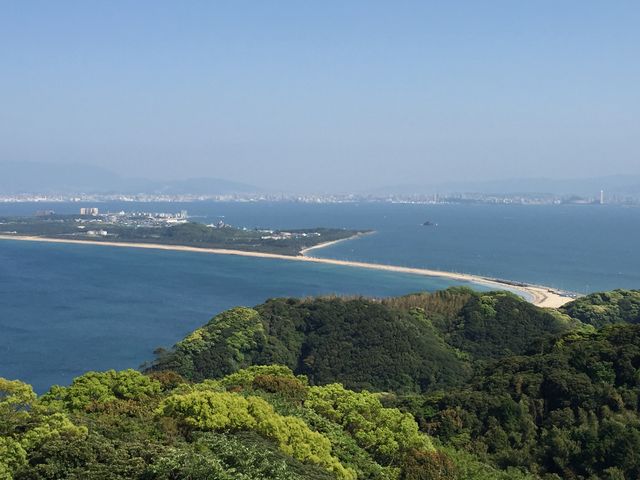
Shikanoshima, on the north side of Hakata Bay, is famous across Japan as the place where an ancient gold seal was found. This beach getaway is reached by city ferry from Hakata Pier. Swim, try marine sports or eat fresh Genkai Sea seafood. Visit Kin-in Park, named for the gold seal, then climb the Shiomi Observatory for views over the sea and the city, and of planes flying in and out of Fukuoka Airport.
Maizuru Park Chuo, Fukuoka
Maizuru Park, just east of Ohori Park, is centered on the ruins of Fukuoka Castle, once the residence of the Kuroda family. It also holds the site of the Korokan, a guesthouse built in the Heian period to receive foreign envoys.
Tips for your trip
In Moji, Mojiko Retro, the Kyushu Railway History Museum, Mekari Shrine and the Kanmon Pedestrian Tunnel are close together, and the Trolley Train Shiokaze links the retro district with the Mekari area, so you can see them all in one day.
Dazaifu Tenmangu and the Kyushu National Museum stand side by side, and Futsukaichi Onsen is nearby, so a day bath makes a relaxing end to a visit to Dazaifu.
Kawachi Fujien Wisteria Garden opens only in the wisteria and autumn leaf seasons, and wisteria season tickets are for a set date, so plan ahead.
The places on a map
Hours, prices and events change. Check each place's official website before you go.
More travel guides
 Tokyo Sightseeing by Area: 40 Classic Sights and Lesser-Known Spots from Asakusa to Odaiba40 placesTokyo has much more to see than Skytree, Tokyo Tower and Asakusa. This guide works through six of the city's main…
 Nagoya: 40 Best Places to Visit, from Nagoya Castle and Atsuta Jingu to Osu40 placesNagoya is one of Japan's biggest cities, yet many visitors don't know how much it has to see. Alongside its famous…
 Chichibu: 40 Best Places to Visit, from Nagatoro River Boats and Mitsumine Shrine to Moss Phlox and Icicles40 placesChichibu, the largest city in Saitama Prefecture, is about 90 minutes from central Tokyo. Most of the area is national…
 Niigata Prefecture: 40 Best Places to Visit, from Classic Sights to Hidden Gems40 placesNiigata Prefecture stretches a long way from north to south, and each area has its own scenery, climate and food. The…
 Nagasaki Prefecture: 40 Best Places to Visit, from Unzen Hot Springs to Hirado and Nagasaki City40 placesNagasaki grew up as a port open to the outside world, and the culture of those days still shapes its streets, churches…
 Kagoshima Prefecture: 40 Best Places to Visit, from Classic Sights to Local Oddities40 placesKagoshima sits at the southern end of Kyushu and is made up of two peninsulas and a string of islands. There is far too…