
Nagasaki Prefecture: 40 Best Places to Visit, from Unzen Hot Springs to Hirado and Nagasaki City
40 places · Japanese version
Nagasaki grew up as a port open to the outside world, and the culture of those days still shapes its streets, churches and gardens. Beyond the city you will find Huis Ten Bosch, the green islands of Kujukushima, the volcanic landscapes of the Shimabara Peninsula and the famous abandoned island of Gunkanjima. The prefecture is said to have about 594 islands, so the sea is never far away. This guide picks 40 places, grouped by area: Unzen and Shimabara, Sasebo and Hirado, and Nagasaki City.
Unzen and the Shimabara Peninsula
The Shimabara Peninsula is built around the Unzen volcano. Come here for hot springs, steaming volcanic vents, mountain views and the history of Shimabara Castle and the Shimabara Rebellion.
Shimabara Castle Shimabara
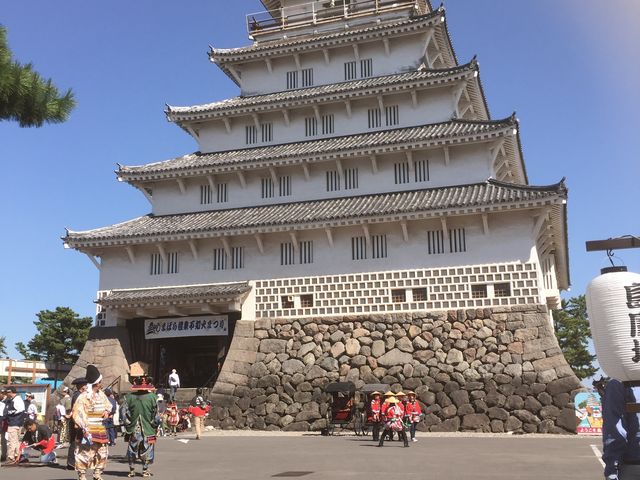
Built by the Matsukura clan from 1618, Shimabara Castle has a five-story white keep, white walls and corner turrets. It was taken down in the Meiji era, and only the stone walls and moat remained until rebuilding began in 1960. From the keep you can see the Ariake Sea, the Kumamoto coast across the water and Mount Unzen. Irises and lotus flowers bloom in the moat in season.
Kazusa Dolphin Watching Minamishimabara
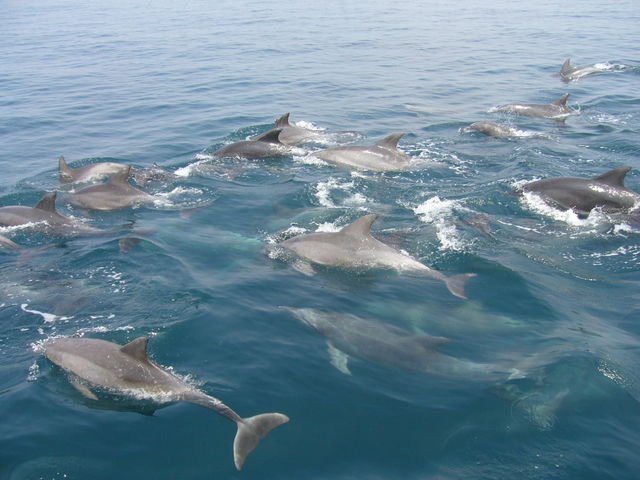
About 300 wild Indo-Pacific bottlenose dolphins live in the Hayasaki Strait between the Shimabara Peninsula and Amakusa. Boat tours take about an hour, and the dolphins often swim right beside the boat or dive under it. Sightings are almost certain, at about 99 percent of trips. From May to October you can often see mothers swimming with their calves.
Unzen Kojigoku Onsenkan Unzen
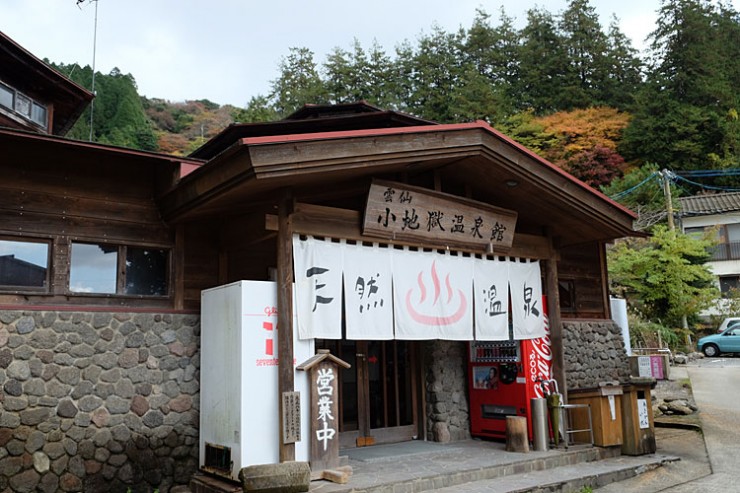
This bathhouse traces its history to a healing spa opened in 1731, and the thinker Yoshida Shoin is said to have bathed here. It sits right below the hot spring source, so the water is fresh and rather hot. The wooden building is not old, but minerals in the steam have turned it black. Behind it is a heart-shaped spring that couples like to visit.
Obama Onsen Footbath Hot Foot 105 Obama Onsen
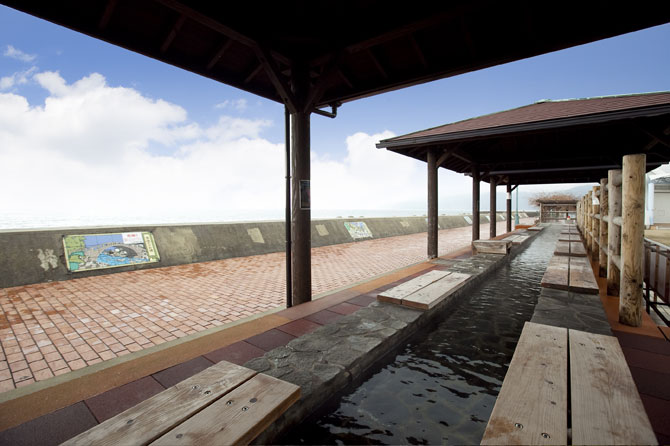
At 105 meters, this is billed as the longest footbath in Japan. Sit on the edge and watch the sun set over Tachibana Bay. There is also a walking footbath with pebbles that press the soles of your feet, and a section where dogs can join you. The long bath means plenty of space, the water is rich in minerals, and it is free.
Unzen Jigoku (Unzen Hells) Unzen
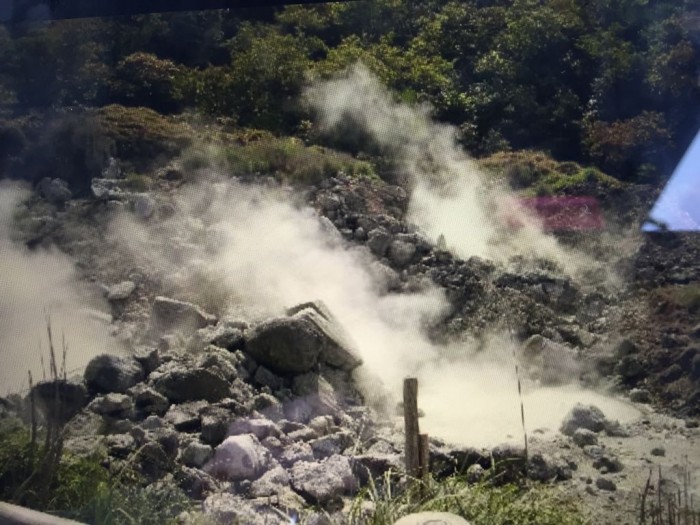
The highlight of Unzen Onsen is this area of steaming ground, where hot water and steam burst out everywhere. There are more than 30 named hells, with vents reaching 120 degrees Celsius. In the Edo period Christians were martyred here, and some hells carry their names. Expect the smell of sulfur, clouds of white steam, and stalls selling hot spring eggs and ramune soda. Entry is free.
Unzen Ropeway Unzen
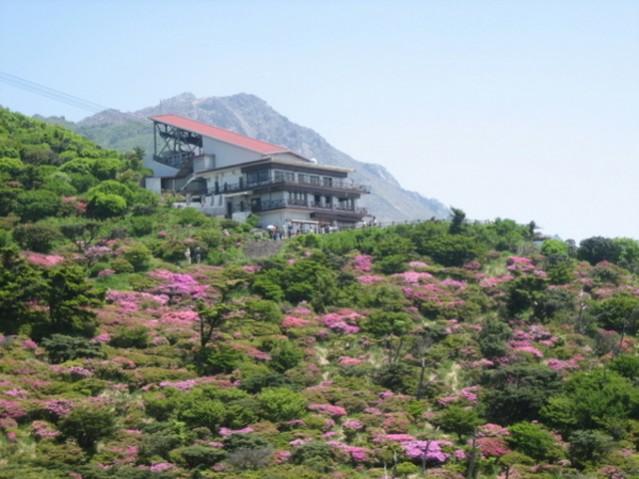
Running since 1957, the ropeway climbs from Nita Pass, at 1,070 meters, to Mount Myoken in about three minutes. The scenery changes through the year: azaleas in spring, flowering dogwood in summer, autumn leaves in fall and frost-covered trees in winter.
Mt. Unzen Disaster Memorial Hall (Gamadas Dome) Shimabara
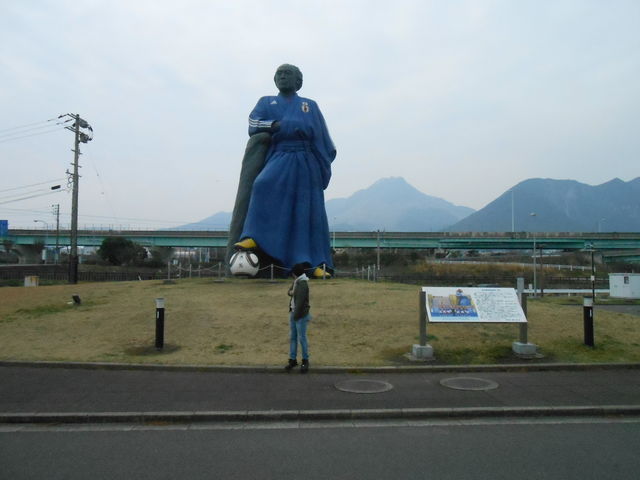
This museum tells the story of the eruption of Mount Fugen that began in November 1990 and was declared over in 1996: what happened, what remained and what should be passed on. A dome-screen theater recreates the eruption, and hands-on exhibits explain volcanoes and disaster prevention.
Nita Pass Second Observatory Minamishimabara
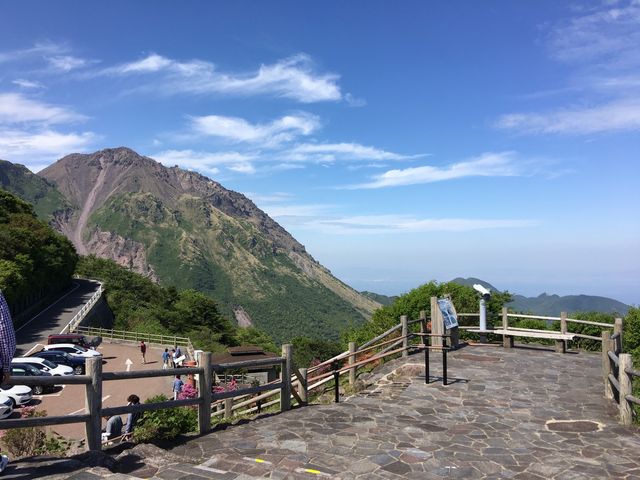
This viewpoint lies on the one-way Nita Pass loop road. From here you get a close look at the Heisei Shinzan lava dome and the paths left by its pyroclastic flows. Drive further up to the Nita Pass Observatory at 1,070 meters for wide views from the Ariake Sea to Amakusa and Aso. The loop road closes at night.
Unzen Onsen Unzen
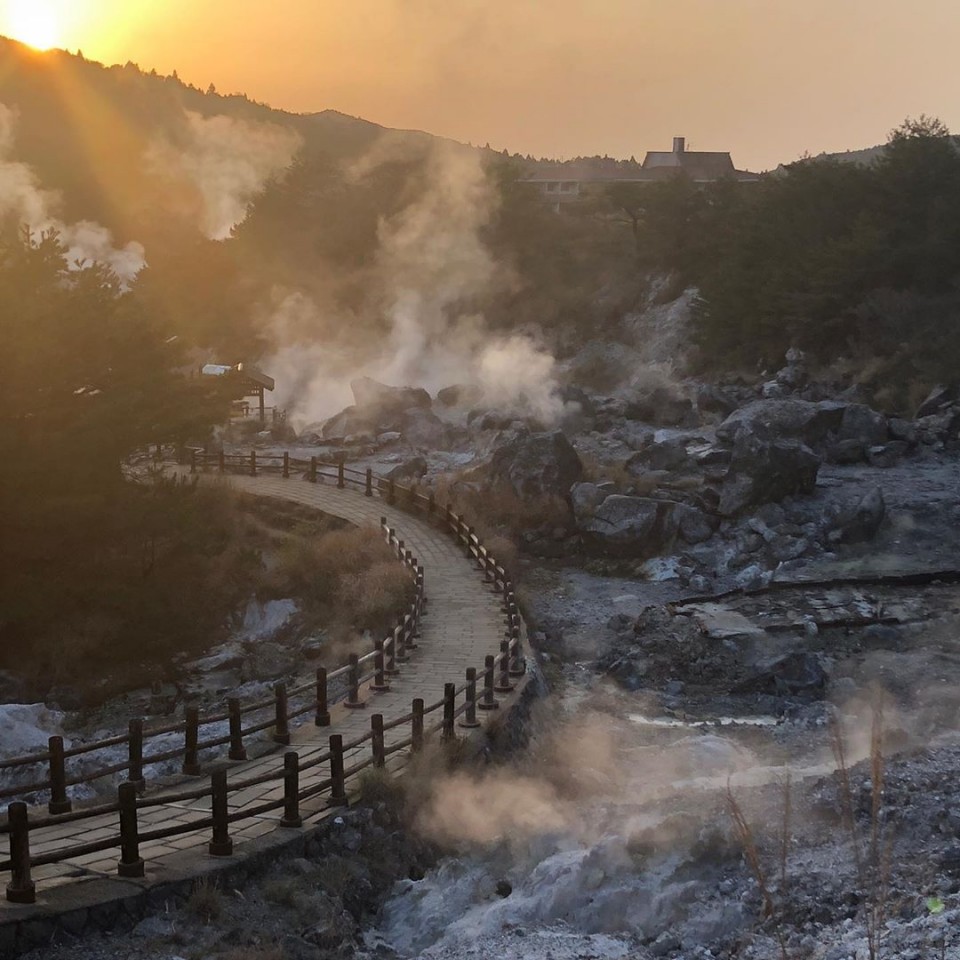
This hot spring resort in the mountains at the center of the peninsula lies in Unzen National Park, one of the first three national parks in Japan. Its history goes back to a temple founded in 701, and in the Meiji era it was known as a summer retreat for foreigners. The town has three parts, Furuyu, Shinyu and Kojigoku, all filled with sulfur scent and steam.
Hara Castle Ruins Minamishimabara
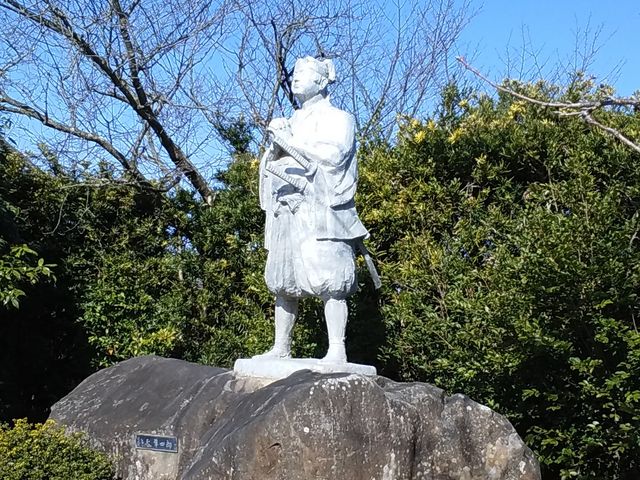
Hara Castle, said to have been built in 1496 by the Arima clan, stood on a site surrounded on three sides by the Ariake Sea. It was abandoned in the early Edo period, then became the stronghold of the rebels in the Shimabara Rebellion of 1637. Today it is a national historic site, with a statue of Amakusa Shiro by sculptor Kitamura Seibo and his gravestone.
Shimeiso Spring Water Garden Shimabara
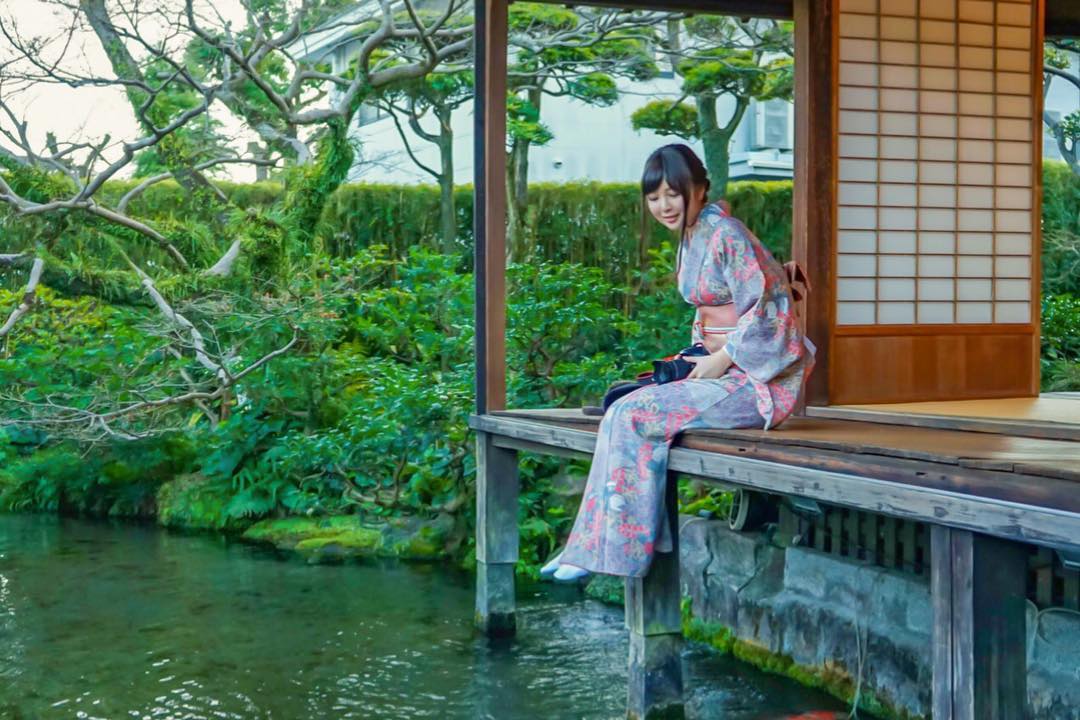
Shimabara is a town of spring water and carp, and Shimeiso is its best-known water house. The villa dates from the late Meiji era and was named for its fine views on all four sides. Its ponds bring up about 1,000 tons of spring water a day, and the garden of pines and maples is a registered national monument.
Sasebo, Kujukushima and Hirado
The north of the prefecture is all about the sea: the islands of Kujukushima, whirlpools under the Saikai bridges, and the old trading island of Hirado with its castle and churches.
JMSDF Sasebo Museum (Sail Tower) Sasebo
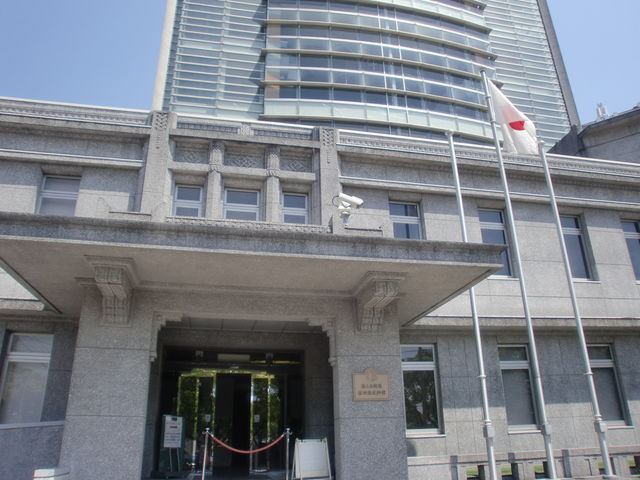
This museum explains the history and work of the old Imperial Japanese Navy and the Japan Maritime Self-Defense Force. The old wing is part of a naval officers' club built in 1898, and the seven-story new wing is shaped like a yacht with a white sail. Each floor has a theme, with models of ships such as the Kanrin Maru, the Akagi and the Yamato. Admission is free.
Nagasaki Bio Park Saikai
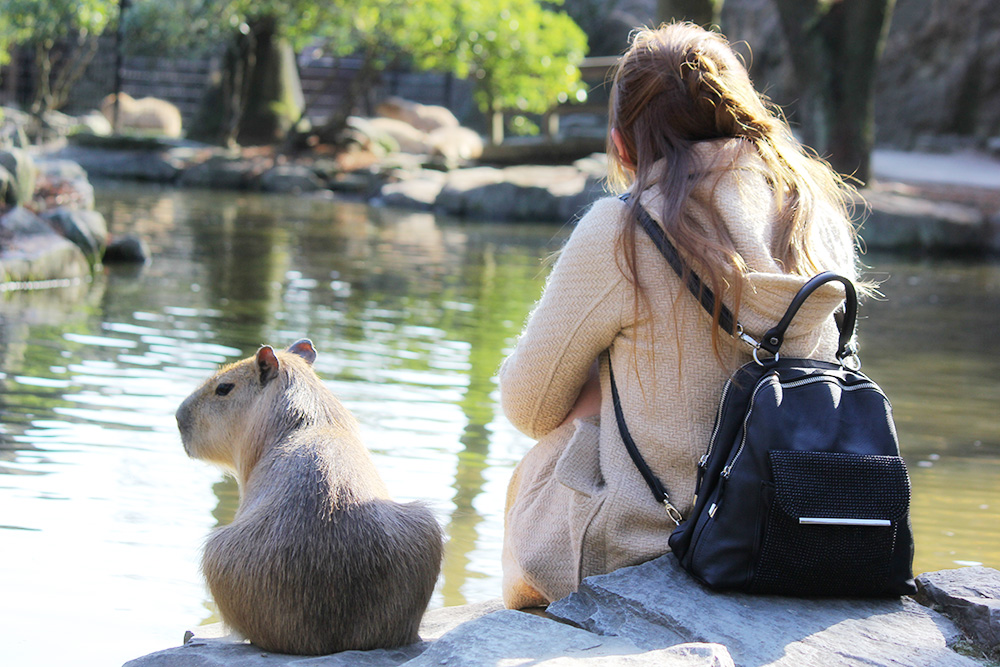
Halfway between Huis Ten Bosch and Nagasaki City on the Nishisonogi Peninsula, this 300,000-square-meter park lets animals live in a natural setting. You do more than look: you walk into their areas, touch them and feed them. It is a must for animal lovers, and the petting corners are very relaxing.
Kujukushima Islands Sasebo
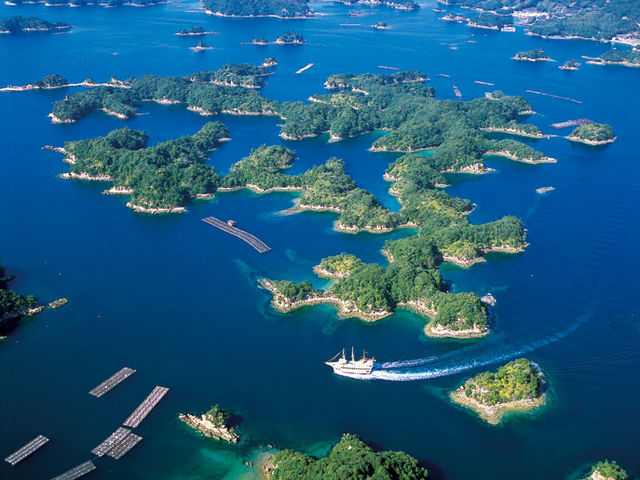
West of Sasebo, about 208 islands of all sizes are scattered across the sea, said to be the densest group of islands in Japan. Enjoy the view from four observatories, including Tenkaiho, or join a cruise from Kujukushima Pearl Sea Resort. Sea kayaking and sailing are also popular.
Kujukushima Pearl Sea Resort Sasebo
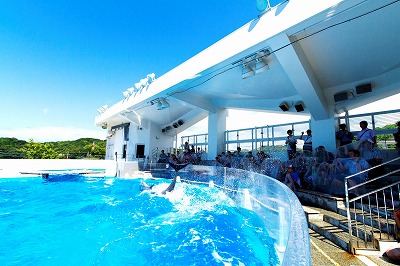
This seaside resort is the base for exploring Kujukushima. The Umi Kirara aquarium introduces the nature of the islands, and cruises include the pirate ship Mirai, the Pearl Queen and the small Rira Cruise boats that slip into places large ships cannot reach. You can also land on an uninhabited island or go sea kayaking. Pick up Kujukushima senbei crackers, a well-known Nagasaki souvenir.
Tenkaiho Sasebo
This hilltop park gives a 180-degree panorama over Kujukushima, and you can watch the cruise boats sail between the islands. The park below the deck is one of Sasebo's best flower spots, with about 150,000 rape blossoms from late March to early April and about 150,000 cosmos in early to mid October.
Saikaibashi Park Sasebo
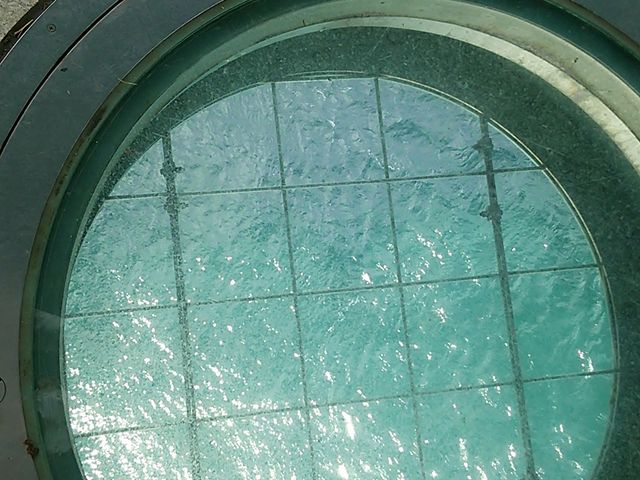
The park sits on both sides of the red Saikai Bridge and the light blue Shin-Saikai Bridge over the Hario Strait, said to have one of the three fastest tidal currents in Japan. Whirlpools can reach 10 meters across. A walkway under the Shin-Saikai Bridge has a glass floor so you can look straight down at them. About 1,000 cherry trees bloom here in spring.
Mukyudo Air-Raid Shelter Sasebo
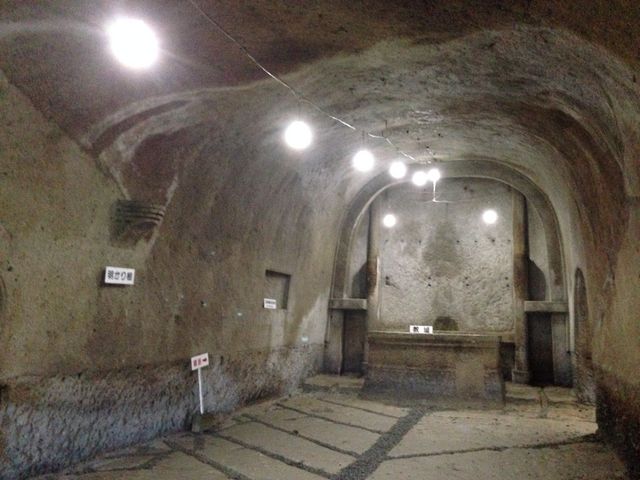
From 1943 until the end of World War II, teachers and pupils of a local school dug this shelter by themselves. Boys broke the rock with pickaxes and girls finished the walls with chisels. The tunnel was made to hold 600 pupils and has a classroom with a teacher's platform, toilets, a kitchen, a food store and a principal's office. Admission is free.
Hirado Castle Hirado
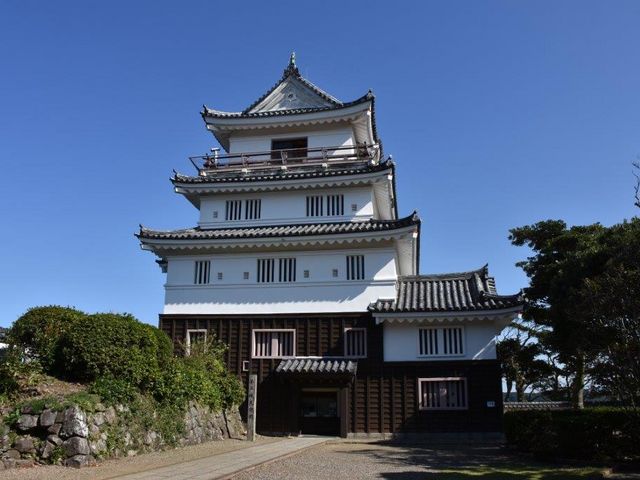
Like Nagasaki, Hirado Island grew rich on overseas trade in the Warring States period. Its castle was built in the unusual Yamaga style and displays relics and cultural treasures from the Hirado domain. The keep faces the Hirado Strait, with views of the primeval forest of Kuroko Island and the Hirado Bridge.
Hirado Bridge Hirado
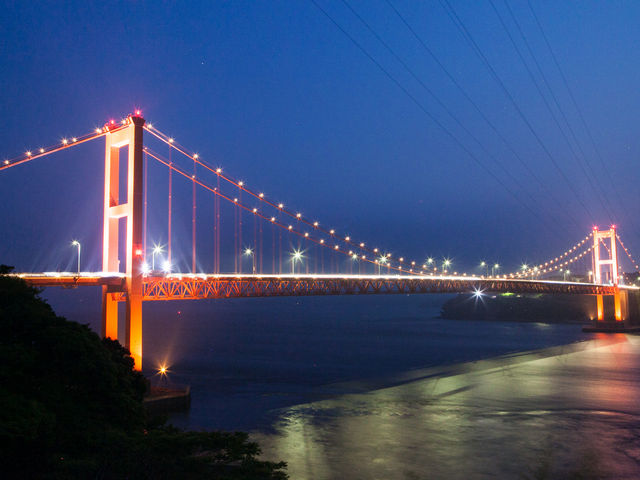
Completed in 1977, this vermilion suspension bridge crosses the Hirado Strait between Kyushu and Hirado Island. It is 665 meters long and hangs 30 meters above the sea. Parks at both ends give different views of the bridge, and from Hirado Park you can also see Hirado Castle and the Dutch Trading Post.
Yumiharidake Observatory Sasebo
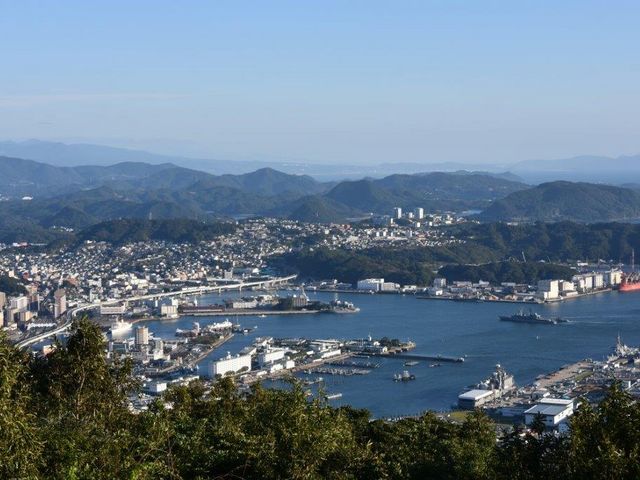
From this observatory in Yumihari Park you can see central Sasebo to the east, the Goto Sea and Kujukushima to the west and Sasebo Port to the south. At night the lights of the city and port shine below, and in the distance you may see the lights of fishing boats out at sea.
Tabira Catholic Church Hirado
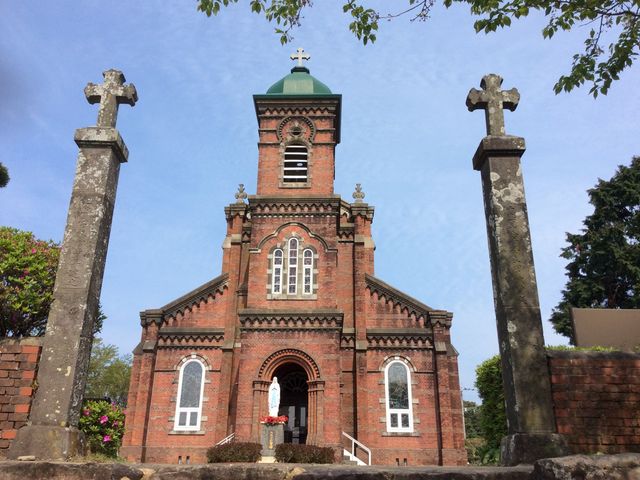
Catholic believers began moving to Tabira in 1886, and their brick church was finished in 1918. It was designed and built by Tetsukawa Yosuke and is considered his finest brick church. It stands on high ground above the Hirado Strait and is a national Important Cultural Property. You need to contact the information center before visiting.
Obae Lighthouse Ikitsuki Island
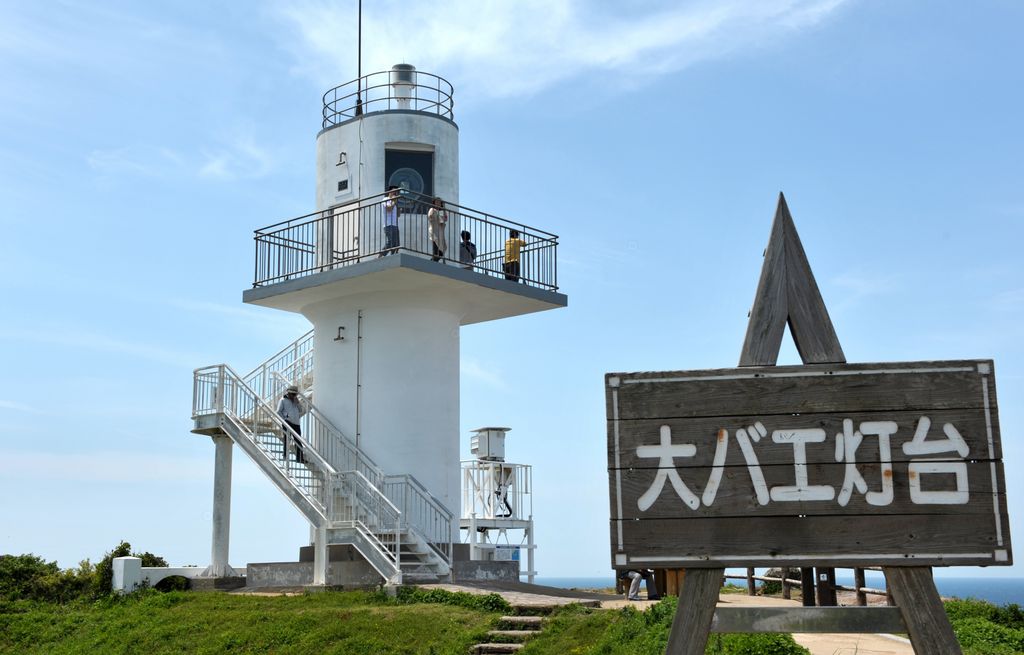
This unmanned lighthouse stands on a cliff at the northern tip of Ikitsuki Island. Its viewing deck looks out over a wide sweep of sea from the East China Sea to the Genkai Sea. Take the western coastal road known as the Sunset Way for a scenic drive on the way there.
Kujukushima Zoo and Botanical Garden Mori Kirara Sasebo
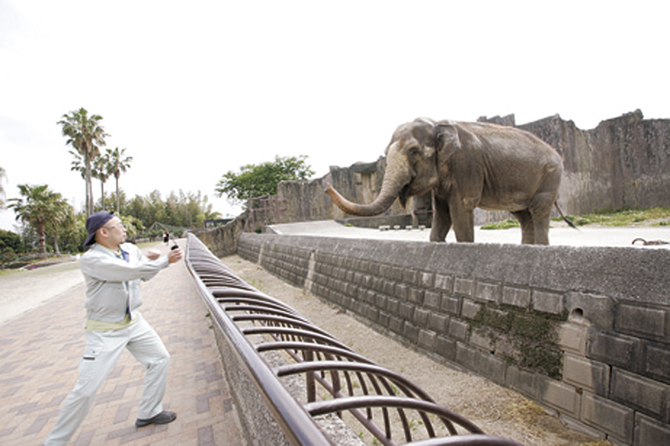
This zoo and botanical garden keeps about 400 animals of 80 species, including Indian elephants and lions, plus some 21,000 subtropical plants. Look for the giant monkey bars of the siamangs, the huge ceiling tank in the penguin house, and a very shallow tank where you can see the soles of the penguins' feet.
Nanatsugama Limestone Cave Saikai
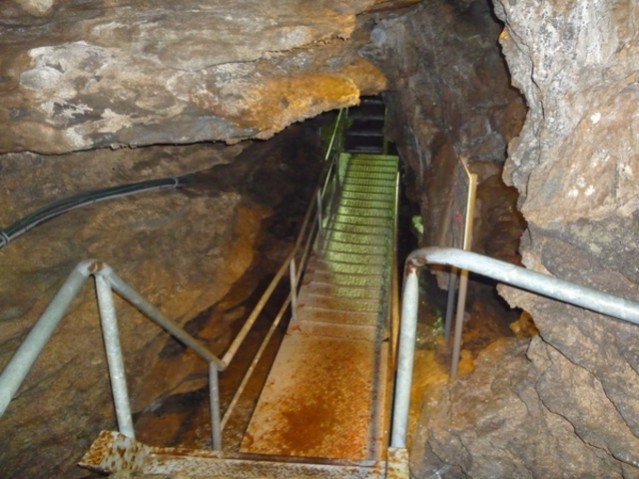
In the north of the Nishisonogi Peninsula, this cave is thought to be about 35 million years old, young for a limestone cave, and is unusual for the rock it formed in. Visitors can walk 250 meters into the main cave, crouching in places. There are five waterfalls inside, including one that drops 6 meters, so it feels like real cave exploring.
St. Francis Xavier Memorial Church, Hirado Hirado
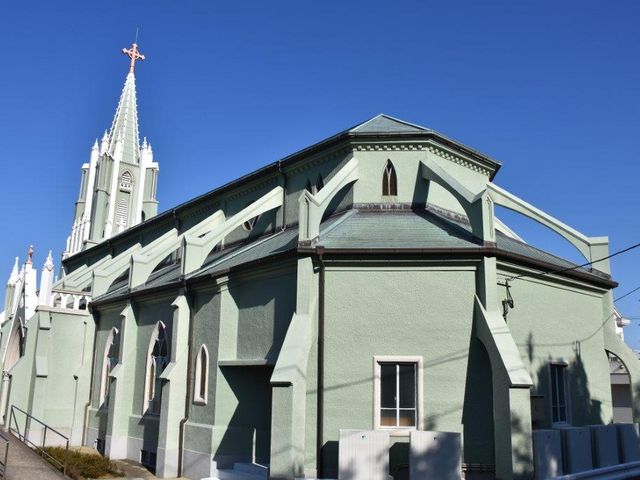
Founded as Hirado Catholic Church, this church took its present name after a statue of Francis Xavier was set up beside it in 1971 to remember his visit to Hirado. Its green spire on a hillside above town stands out, and the view of it together with the nearby temples is a classic Hirado scene. Visits may not be possible during Mass and ceremonies.
Shiodawara Cliffs Ikitsuki Island
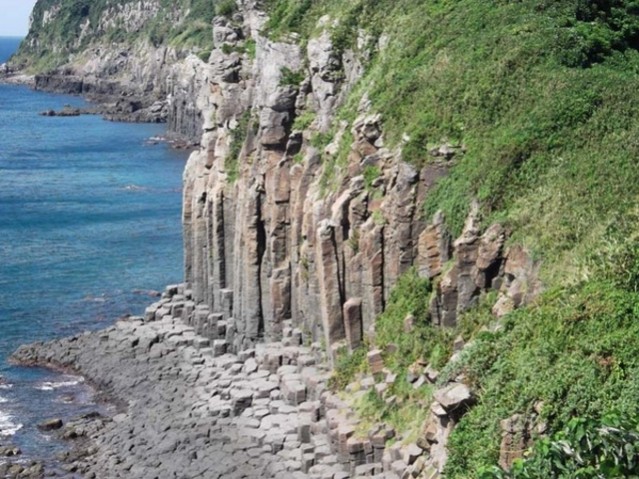
Here basalt has cracked into five- to seven-sided columns that look like rows of pillars. The cliff is about 20 meters high and runs for 500 meters from north to south. The coastal road from the Ikitsuki Bridge, called the Sunset Way, is a beautiful drive with sunsets over the East China Sea.
Huis Ten Bosch and Nagasaki City
Nagasaki City packs centuries of history into a small area: the Dutch trading post of Dejima, Western houses on the hills, Chinatown, churches and the memorials to the atomic bombing.
Huis Ten Bosch Sasebo
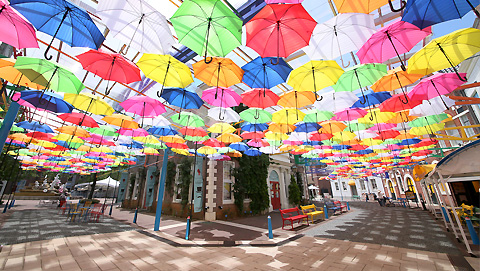
Nagasaki's ties with the Netherlands go back to Japan's period of isolation in the Edo era, and they continue at Huis Ten Bosch. This theme park recreates a Dutch townscape, with flowers in every season and its own events throughout the year, so you can feel as if you were spending a day in Holland. It is right by JR Huis Ten Bosch Station.
Mount Inasa Nagasaki City
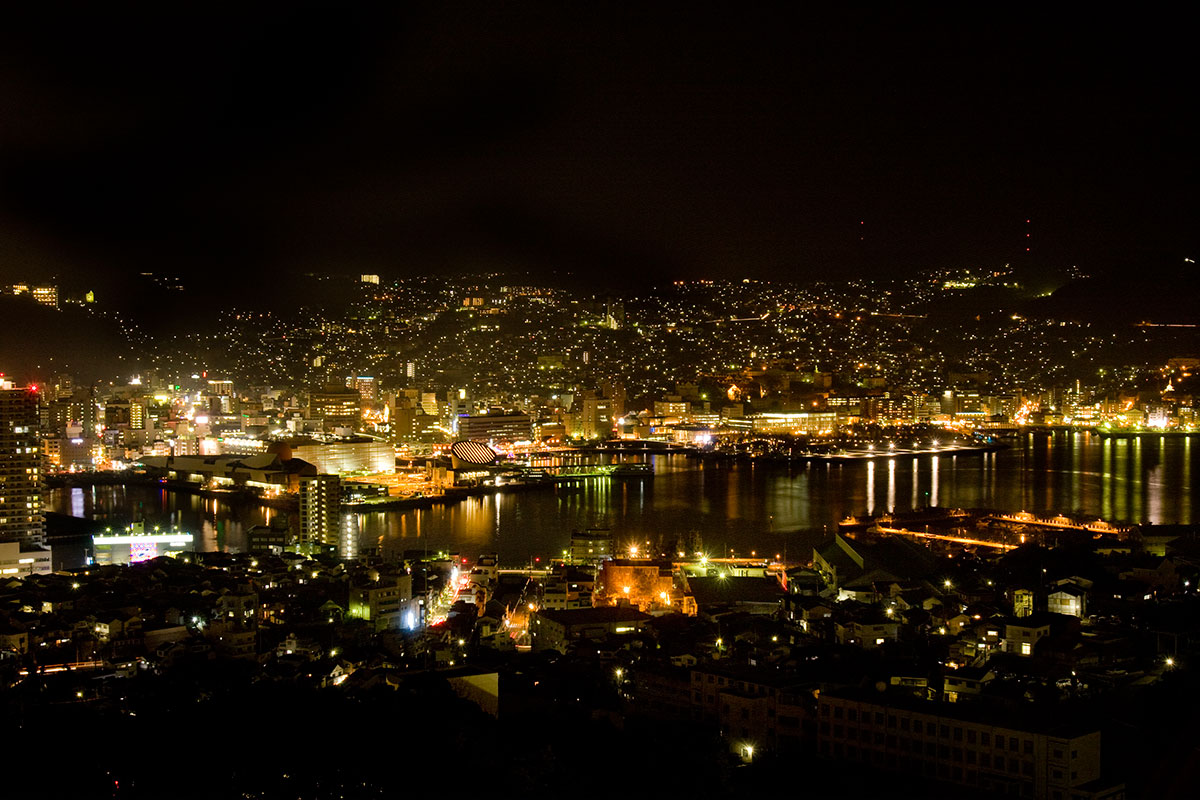
Mount Inasa is a well-loved symbol of Nagasaki. The night view from the summit, nicknamed the ten-million-dollar view, has been named one of the world's new three great night views together with Monaco and Hong Kong. Take the Nagasaki Ropeway up and enjoy the city lights from the observation deck, which is free.
Glover Garden Nagasaki City
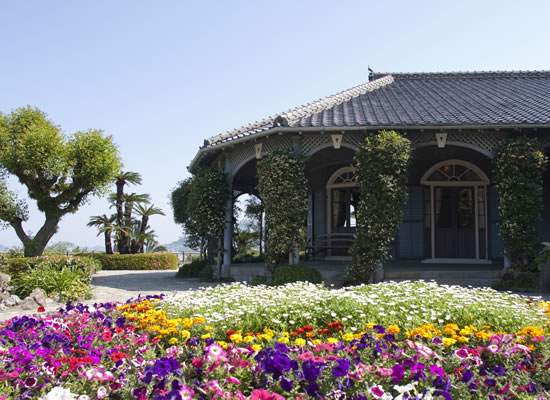
Scottish merchant Thomas Blake Glover built his house on the Minamiyamate hill, and Western-style houses of other foreign residents have been moved here around it. From the hill you can see Nagasaki Port and the city, and get a feel for the turbulent last years of the Edo period. You can rent a dress to wear on the grounds. Roses bloom in April and May.
Gunkanjima (Hashima Island) Nagasaki City
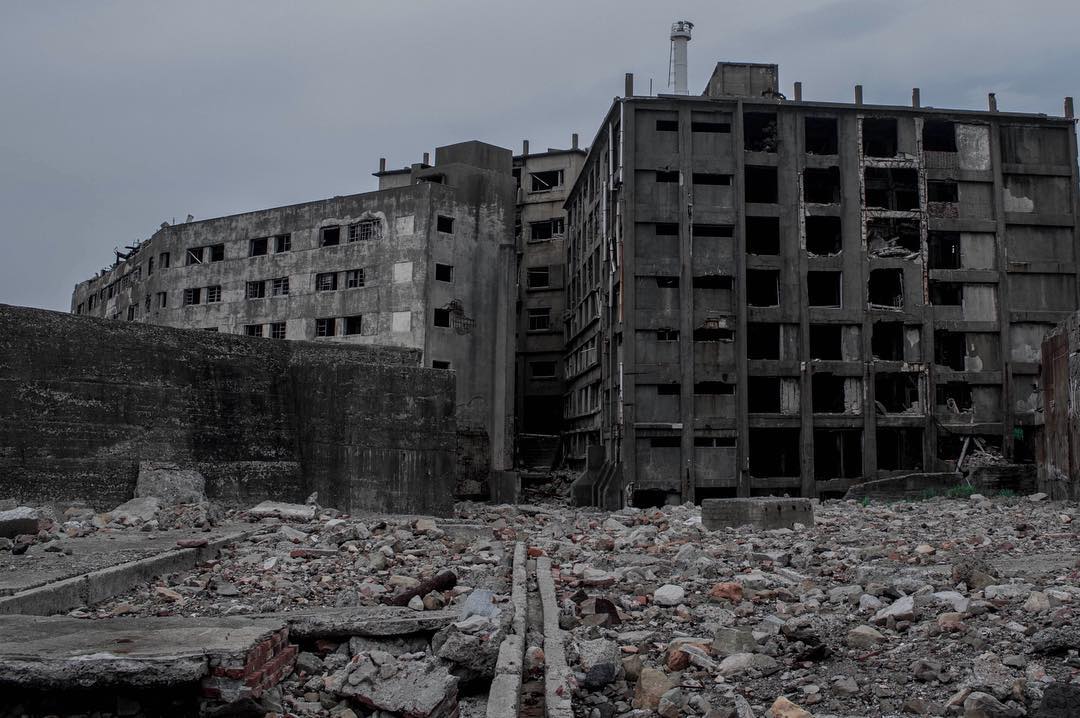
Coal mining on Hashima began in the Meiji era, and many miners and their families lived here. The island was enlarged by land reclamation, and its tall buildings on the sea made it look like a warship. The mine closed in 1974 and the island was left empty. Today landing tours leave from Nagasaki Port, and traces of daily life are still clearly visible.
Fukusaya Castella Main Store Nagasaki City
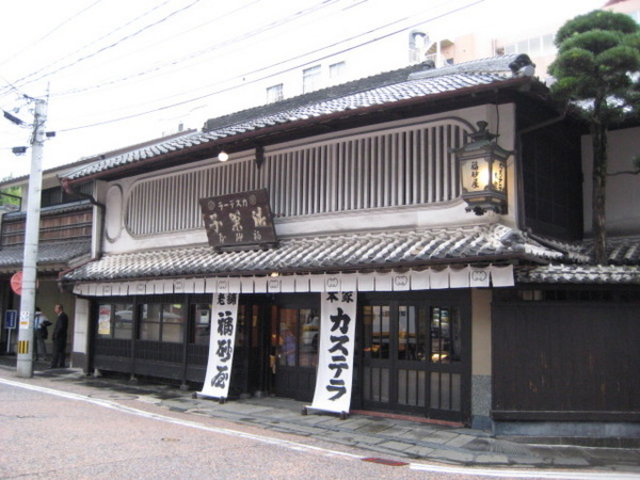
Founded in 1624, Fukusaya has kept the traditional taste of Nagasaki castella sponge cake, and some locals say castella means Fukusaya. Large sugar crystals give a pleasant crunch, and the yellow sponge shows off the color of the eggs. The shop is next to the old Maruyama district, so you can stop by on a walk there.
Nagasaki Shinchi Chinatown Nagasaki City
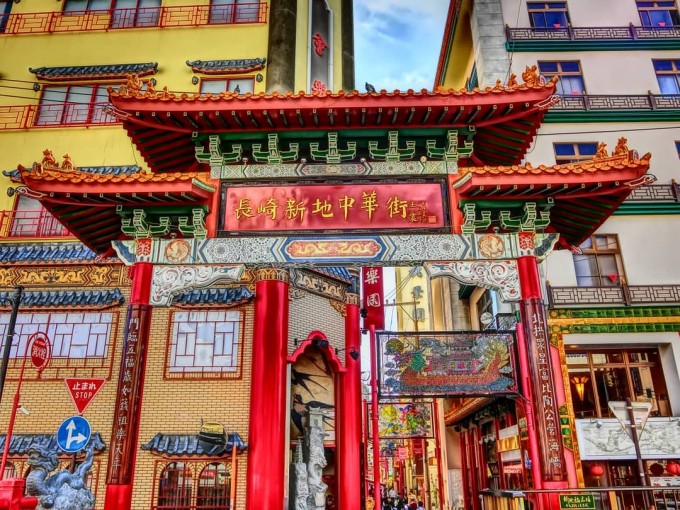
With Yokohama and Kobe, this is one of Japan's three big Chinatowns. About 40 shops line a crossroads roughly 250 meters each way, serving Chinese food as well as the local favorites champon noodles and sara udon. The area was reclaimed in the Edo period for warehouses for Chinese ships, and Chinese residents settled here after the Meiji Restoration. Try the zongzi rice dumplings.
Nagasaki Penguin Aquarium Nagasaki City
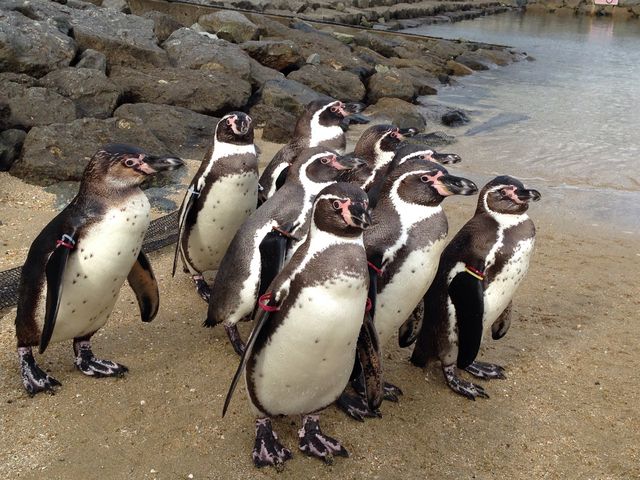
Eight of the world's 18 penguin species live here, the most of any aquarium in Japan. Watch them shoot through a 4-meter-deep pool, or swim in the sea at Penguin Beach, a stretch of shore on Tachibana Bay. Over 70 percent of the roughly 180 penguins were born in Nagasaki, and each species has its own character.
Meganebashi Bridge Nagasaki City
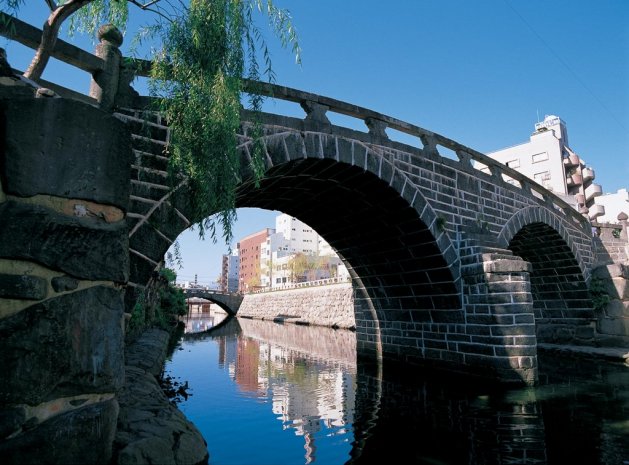
Built in 1634, this is said to be the oldest stone arch bridge in Japan. Its reflection in the Nakashima River forms two circles, like a pair of glasses, which gave it its name. A stone path along the river lets you see it from below. Look for the heart-shaped stone set in the riverbank wall, a favorite of couples.
Suwa Shrine Nagasaki City
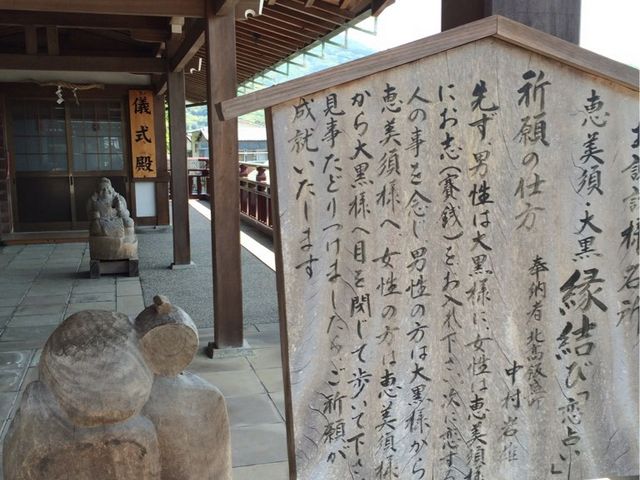
Known locally as Osuwa-san, this is the main guardian shrine of Nagasaki, worshiped for protection from bad luck, matchmaking and safety at sea. Its autumn festival, Nagasaki Kunchi, is held every year on October 7 to 9 and is one of Japan's three great festivals. Stones set in the approach path are said to bring luck in love if you step on them in the right order.
Nagasaki Atomic Bomb Museum Nagasaki City
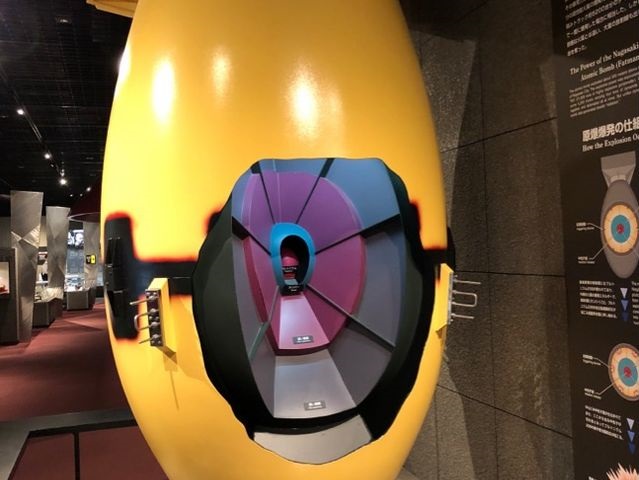
A plutonium atomic bomb known as Fat Man was dropped on Nagasaki. Fires spread from the Urakami district across a wide area, many people died, and some still suffer from radiation today. The museum shows the damage caused by the bomb, the events leading up to the bombing, the history of nuclear weapons and the work for peace.
Nagasaki Peace Statue Nagasaki City
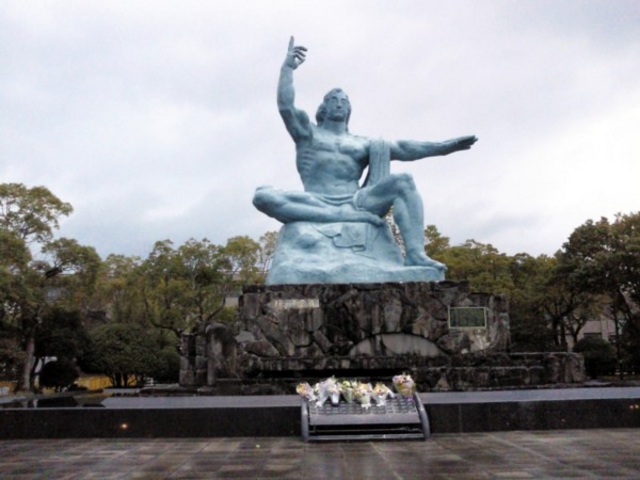
The symbol of Peace Park, this bronze statue by Nagasaki-born sculptor Kitamura Seibo stands about 9.7 meters tall. The right hand points to the atomic bomb, the left hand stands for peace, and the face prays for the victims of war. Nearby are the Fountain of Peace and monuments donated by countries around the world. It is a place of remembrance, so visit with respect.
Dejima Nagasaki City
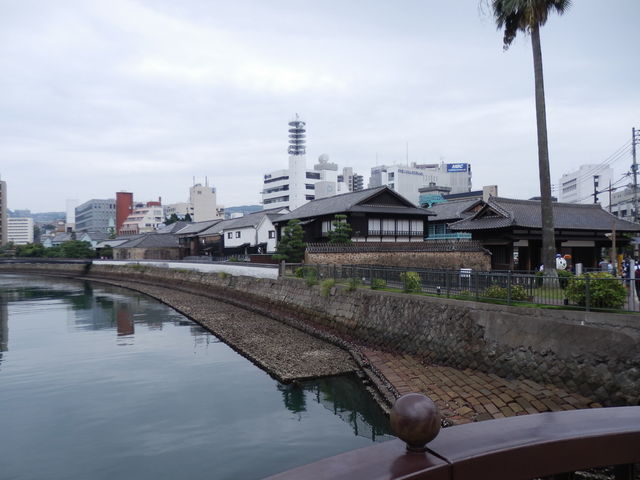
In the Edo period Dejima was Japan's only window to the West. Land reclamation later swallowed its fan-shaped outline, but the city has spent many years rebuilding it. Restored buildings include the Dutch chief's residence, stone warehouses and a wooden Western-style house, and together they tell the story of Dejima and Japan's modernization.
Oura Church Nagasaki City
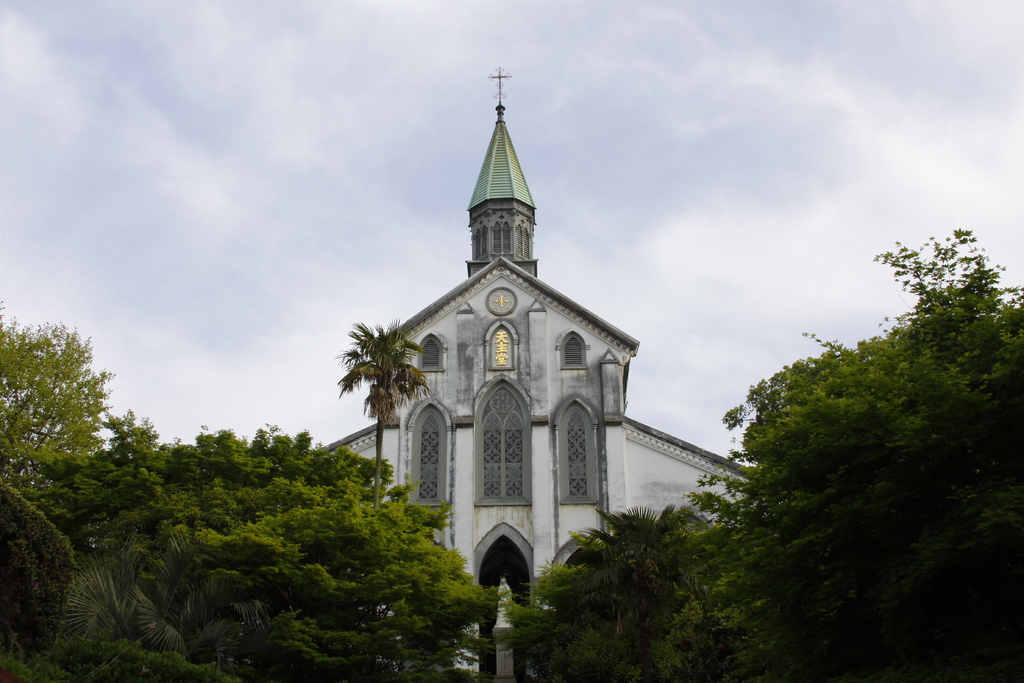
Built in 1865 for the foreign residents of Nagasaki, Oura Church is where, a month after it opened, hidden Christians from Urakami revealed their faith to a priest, an event known as the Discovery of Hidden Christians. One of the earliest Western-style buildings in Japan, it is a National Treasure, and its grounds are a national historic site.
The places on a map
Hours, prices and events change. Check each place's official website before you go.
More travel guides
 Tokyo Sightseeing by Area: 40 Classic Sights and Lesser-Known Spots from Asakusa to Odaiba40 placesTokyo has much more to see than Skytree, Tokyo Tower and Asakusa. This guide works through six of the city's main…
 Nagoya: 40 Best Places to Visit, from Nagoya Castle and Atsuta Jingu to Osu40 placesNagoya is one of Japan's biggest cities, yet many visitors don't know how much it has to see. Alongside its famous…
 Chichibu: 40 Best Places to Visit, from Nagatoro River Boats and Mitsumine Shrine to Moss Phlox and Icicles40 placesChichibu, the largest city in Saitama Prefecture, is about 90 minutes from central Tokyo. Most of the area is national…
 Niigata Prefecture: 40 Best Places to Visit, from Classic Sights to Hidden Gems40 placesNiigata Prefecture stretches a long way from north to south, and each area has its own scenery, climate and food. The…
 Fukuoka Prefecture: 40 Places to Visit in Kitakyushu, Chikuho and Around Fukuoka City40 placesFukuoka Prefecture is roughly divided into four areas, Kitakyushu, Chikuho, Fukuoka and Chikugo, and each has its own…
 Kagoshima Prefecture: 40 Best Places to Visit, from Classic Sights to Local Oddities40 placesKagoshima sits at the southern end of Kyushu and is made up of two peninsulas and a string of islands. There is far too…