
Nagoya: 40 Best Places to Visit, from Nagoya Castle and Atsuta Jingu to Osu
40 places · Japanese version
Nagoya is one of Japan's biggest cities, yet many visitors don't know how much it has to see. Alongside its famous castle, it is rich in historic buildings and sites, has its own local food, and is full of quirky places. This guide is a selection of 40 sights, from the classics to lesser-known spots, grouped by theme: castle, temples and shrines; old streets and houses; gardens and parks; museums, the zoo and the aquarium; the Osu shopping area; and towers and buildings with city views.
Nagoya Castle, temples and shrines
Nagoya Castle Naka Ward, Nagoya
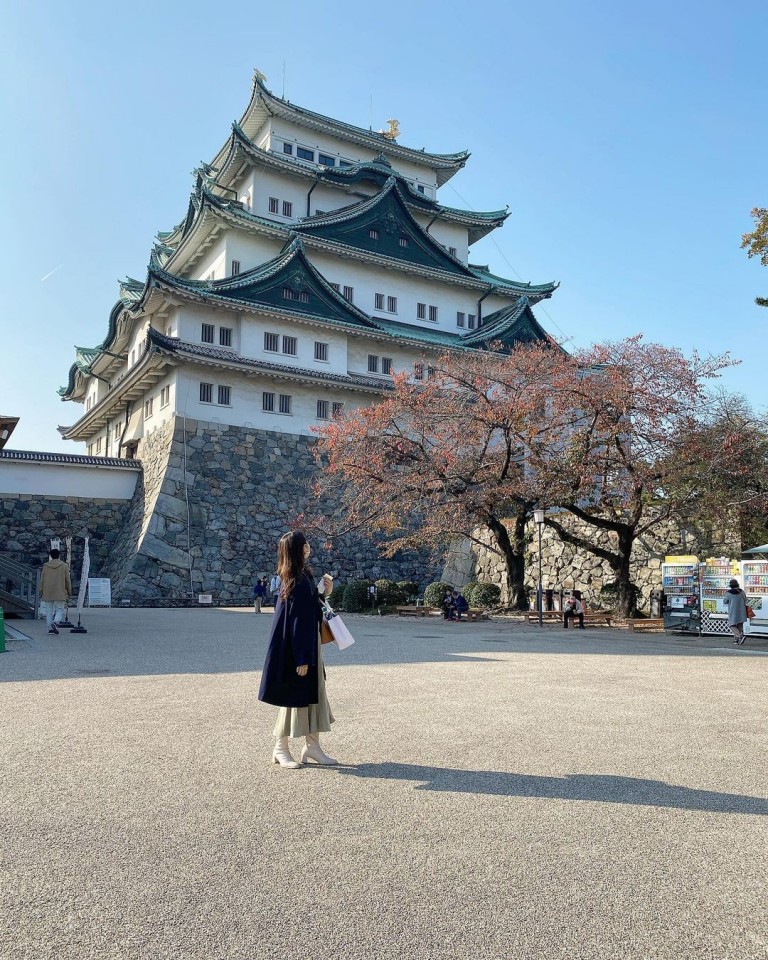
Built in 1612 as the home of Yoshinao, a son of Tokugawa Ieyasu, Nagoya Castle is the first place most people name in the city. It was lost in the war, and in 1959 the five-story main keep, about 48 m tall, was rebuilt. The golden shachihoko on the roof are made of 18-karat gold and are more than 2 m long, bigger than they look from below. Spring cherry blossoms and autumn leaves are the best times to visit.
Atsuta Jingu Atsuta Ward, Nagoya
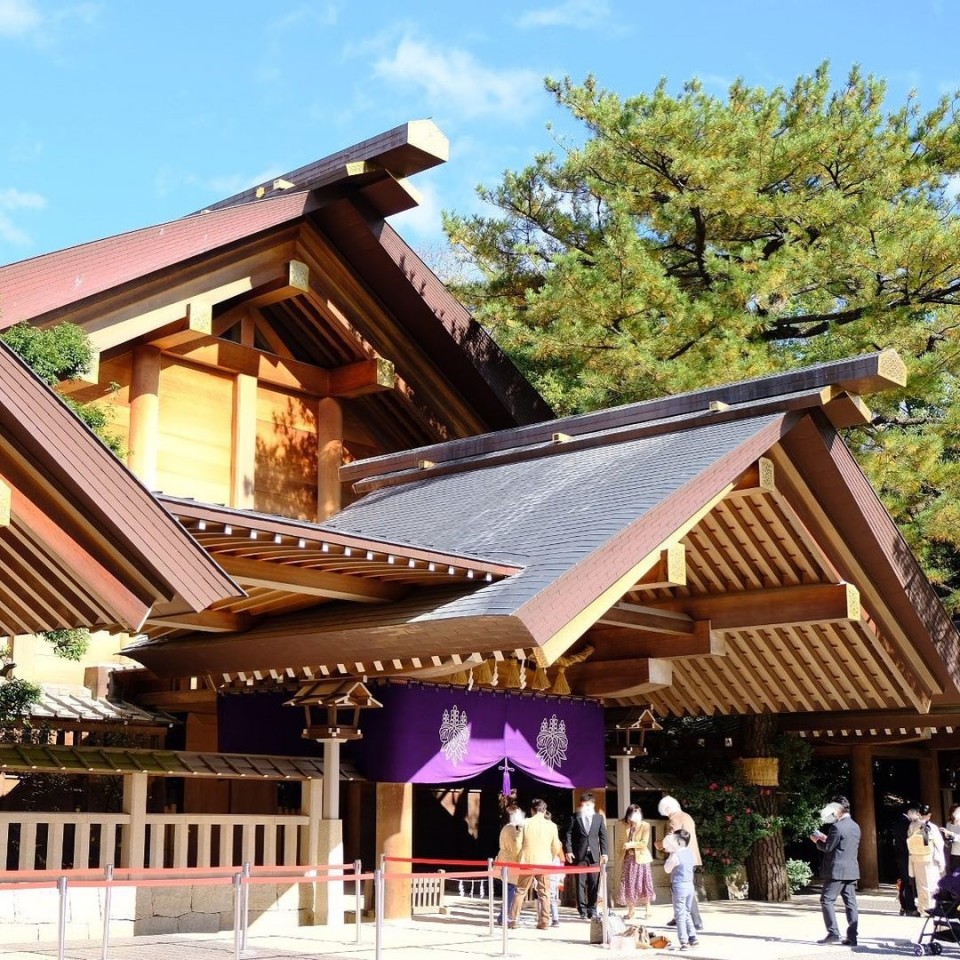
Atsuta Jingu enshrines the Kusanagi sword, one of the three sacred treasures of Japan. Set in a green forest in southern Nagoya and fondly called Atsuta-san, it has been revered by the imperial court and warlords since ancient times and is regarded as second only to Ise. A rare feature is the purification of cars, a prayer for road safety that people ask for with a new car, on a birthday or with a new license.
Osu Kannon Osu, Nagoya
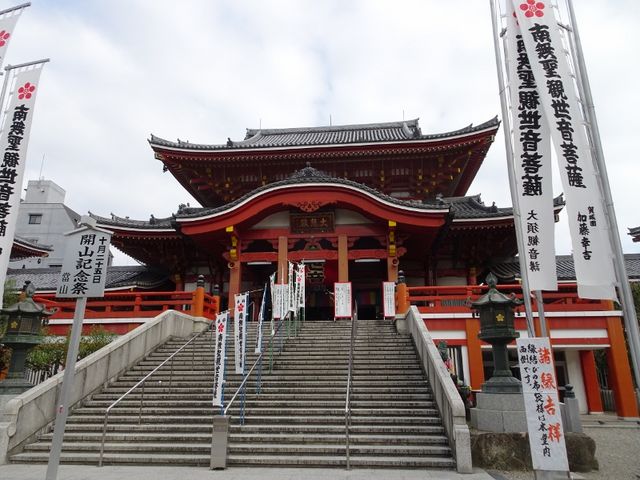
Osu Kannon, also called Hoshoin, is a Shingon temple much loved by locals and once an imperial prayer temple. The main hall was lost in the war and rebuilt in 1970, and antique markets are held here several times a year. At the yearly Setsubun bean-throwing, the usual shout of oni wa soto, out with the demons, is not allowed, because a demon mask is among the temple's treasures. It is right by exit 2 of Osu Kannon Station.
Togan-ji Chikusa Ward, Nagoya
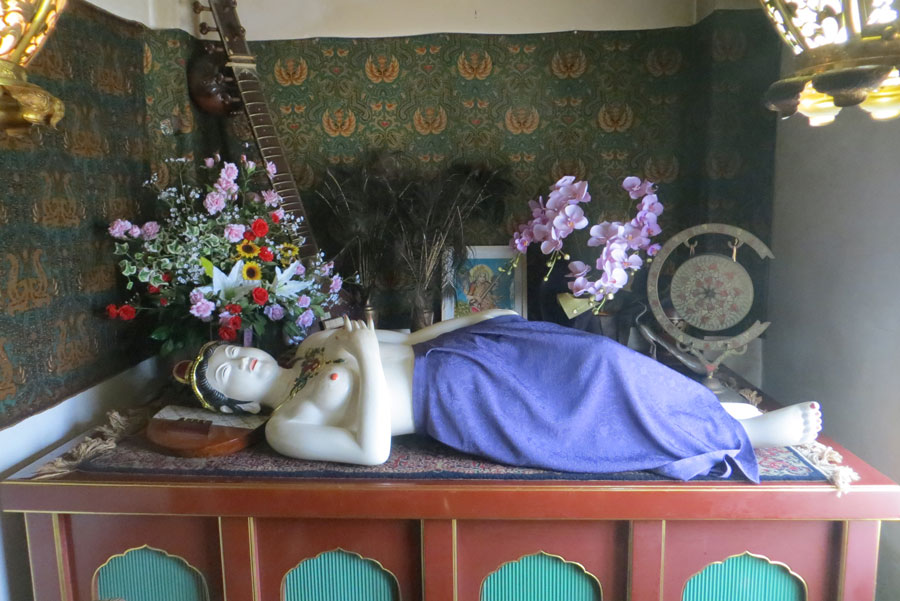
The family temple of Oda Nobuhide, father of Oda Nobunaga, Togan-ji is known for the Nagoya Daibutsu, a large Buddha statue. It has things you won't see elsewhere, such as a wooden fish drum about 1 m across, said to wipe away your bad deeds if you touch it, and a sleeping Benten statue shown twice a year. Though the area is busy with traffic, the grounds are calm. Walk south from Motoyama Station toward Nagoya University.
Kasadera Kannon (Ryufuku-ji) Minami Ward, Nagoya
Known as Kasadera Kannon, this Shingon temple is one of the four Kannon temples of Owari. Legend says a young woman named Tamateru covered the Kannon statue with her hat in the rain, which led a nobleman to marry her, so people come to pray for love. At Setsubun, stalls line the narrow road to the station. Parking is very limited, so come by train: it is about 3 minutes on foot from Meitetsu Moto-Kasadera Station.
Bansho-ji Osu, Nagoya
Founded in 1540 by Oda Nobuhide, Bansho-ji is where, as the story goes, the young Oda Nobunaga threw incense ash at his father's memorial tablet during the funeral. Don't miss the karakuri mechanical puppet show, held several times a day, which acts out that scene and Nobunaga dancing before the Battle of Okehazama. On the 28th of every month there is a fair, with free freshly pounded mochi. It is near Kamimaezu Station.
Nittai-ji Chikusa Ward, Nagoya
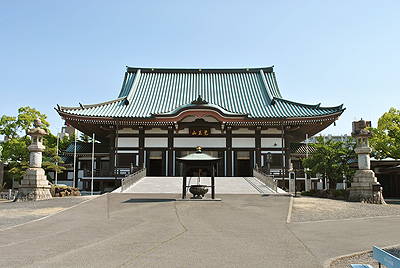
Nittai-ji is the only temple in Japan that belongs to no single sect and is open to all Buddhists; leaders of 19 sects take turns as head priest. It was built in 1904 to house Buddha relics and a gilt bronze Buddha given by the King of Siam, and is a symbol of friendship with Thailand. The grounds include a Gandhara-style stupa, the Hassoen garden with a tea house, and a five-story pagoda.
Yagoto Koshoji Showa Ward, Nagoya
This Shingon temple, founded in 1688 under the protection of the Owari Tokugawa family, is modeled on Mt. Koya and also called Owari Koya. Past the grand five-story pagoda, the area around Chikusuitei has a lovely bamboo grove and paths with places to rest, and the Fumon-en garden is worth a look. The autumn leaves are beautiful. Fairs are held on the 5th and 13th of each month. It is right by exit 1 of Yagoto Station.
Higashi Betsuin Naka Ward, Nagoya
Higashi Betsuin, also called Nagoya Betsuin, stands on land donated by the Owari lord Tokugawa Mitsutomo, the site of Furuwatari Castle, where Oda Nobuhide once lived. For about 300 years local people have worshiped here and fondly call it Gobo-san. The main hall was rebuilt in 1966, and its solemn mood is good for clearing your mind. It is right by exit 4 of Higashi Betsuin Station.
Nakamura Park Nakamura Ward, Nagoya
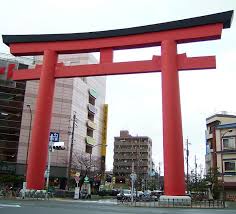
This park is on the birthplace of Toyotomi Hideyoshi. On the second floor of the Nakamura Park Culture Plaza, the Hideyoshi and Kiyomasa Memorial Museum shows items linked to Hideyoshi and Kato Kiyomasa, a must for Hideyoshi fans.
Just east is Josen-ji, with a well said to have been used for Hideyoshi's first bath. To the south is Myogyo-ji, built by Kiyomasa, with a birthplace monument and a bronze statue.
Old streets and historic houses
Yokiso Chikusa Ward, Nagoya
Yokiso was the villa of Ito Jirozaemon Suketami, first president of the Matsuzakaya department store, next to Nittai-ji. Once a guesthouse and social club with dozens of buildings, it now keeps five cultural property buildings and its gardens. The North Garden has cherry blossoms in spring and red leaves in autumn, and Cafe Bengara in the Choshokaku building serves light meals with a garden view, good even on a rainy day.
Arimatsu Midori Ward, Nagoya
Arimatsu still has a street of old merchant houses in traditional style. Arimatsu shibori tie-dye was popular with travelers on the Tokaido road, and the town grew rich. Most of the village burned in 1784 and was rebuilt within about 20 years into the grand merchant houses you see today. About 10 buildings are preserved, so the area is small, but there are shibori shops and places to eat. It is walkable from Arimatsu Station.
Shikemichi Nishi Ward, Nagoya
Shikemichi is a preserved old street in Nishi Ward, close to the city center. Its white-walled streetscape is the main attraction and a nice subject for photos, and stylish restaurants make it a good choice for a relaxed dinner. From exit 2 of Kokusai Center Station, head toward the river.
Cultural Path: Futabakan and Shumokukan Higashi Ward, Nagoya
Futabakan is a house mixing Japanese and Western styles where Sadayakko Kawakami, Japan's first actress, lived for about five years with Momosuke Fukuzawa, known as the king of electric power. It is famous for its stained glass windows.
Shumokukan is another Japanese-Western house, with Japanese rooms like a tea room and Western rooms with tiles. Both have the romantic feel of the Taisho era. The Me-guru sightseeing bus stops right by Futabakan.
Gardens and parks
Tokugawa-en Higashi Ward, Nagoya
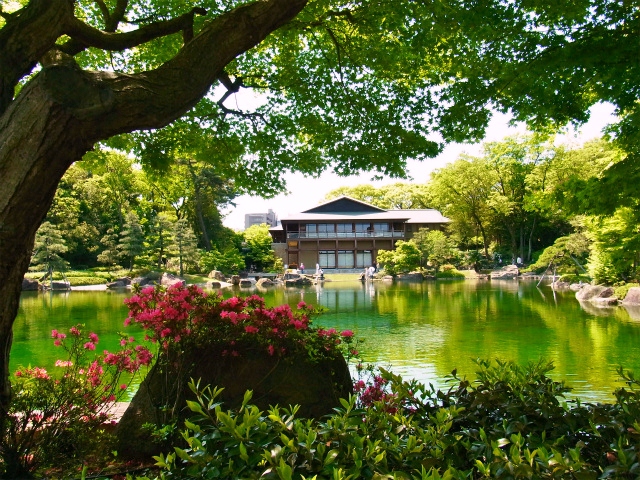
Tokugawa-en is a Japanese garden in the pond-strolling style that was typical of Edo-period lords' gardens. It began when Tokugawa Mitsutomo, the second lord of Owari, moved to his retirement residence here. The large grounds pack in the beauty of classic Japanese scenery. Walk south from Ozone Station and it is on the right.
Shirotori Garden Atsuta Ward, Nagoya
This pond-strolling garden is modeled on the Chubu region. Its artificial hill stands for Mt. Ontake, and water flows from it like the Kiso River down to Ise Bay, following water from its source all the way downstream. It is near Jingu Nishi Station.
Yamazaki River Shiki-no-Michi Mizuho Ward, Nagoya
This walking path follows the Yamazaki River from Ochiai Bridge to Ishikawa Bridge. In spring it is one of the best cherry blossom spots in Nagoya, and it is also a pleasant stroll in the autumn leaves season. Spring is the time to come.
Meijo Park Kita Ward, Nagoya
Meijo Park is a famous cherry blossom spot where you can see the blossoms with Nagoya Castle behind them. It is very busy in blossom season, but at any time of year it is a green oasis in the city and good for a slow walk. It is right by Meijo Koen Station.
Tsuruma Park Showa Ward, Nagoya
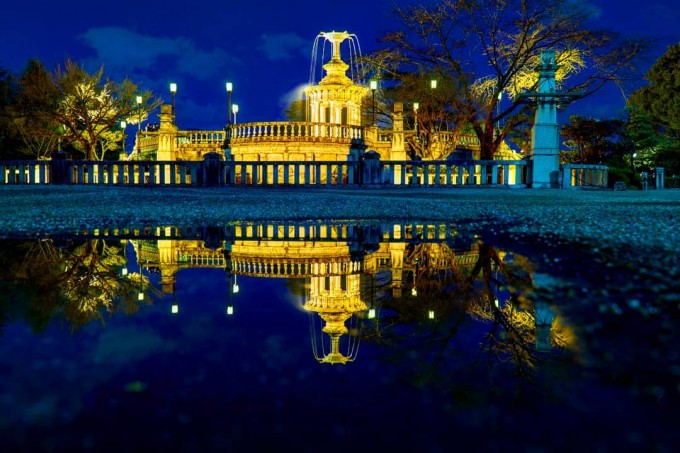
Tsuruma Park has fountains, a music hall and a French-style flower garden. Cherry blossoms, azaleas and roses bloom here, and many events celebrate the flowers and trees, so it is a good stop for anyone who loves plants or gardening. It is right by JR Tsurumai Station.
Okehazama Battlefield Park Midori Ward, Nagoya
This park marks the place where Oda Nobunaga defeated Imagawa Yoshimoto, the spot where Yoshimoto died. It is hard to imagine a fierce battle in what is now a quiet neighborhood, but it is a good place to think back on that day. It can be reached from Meitetsu Arimatsu Station.
Museums, the zoo and the aquarium
Port of Nagoya Public Aquarium Minato Ward, Nagoya
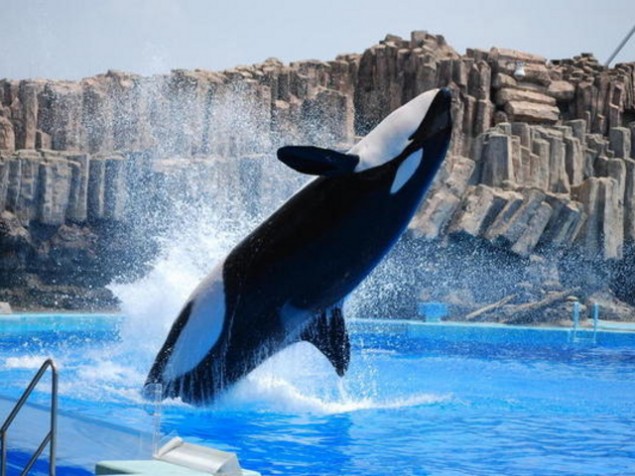
The aquarium is split into two buildings with different themes. The North Building is about whales and the evolution of sea life, and the South Building takes you on a journey from Nagoya to Antarctica.
The stadium for the dolphin shows seats 3,000 people, and a screen bigger than a tennis court shows the action underwater and replays the dolphins' jumps. It is near exit 3 of Nagoyako Station.
Antarctic Research Ship Fuji Minato Ward, Nagoya
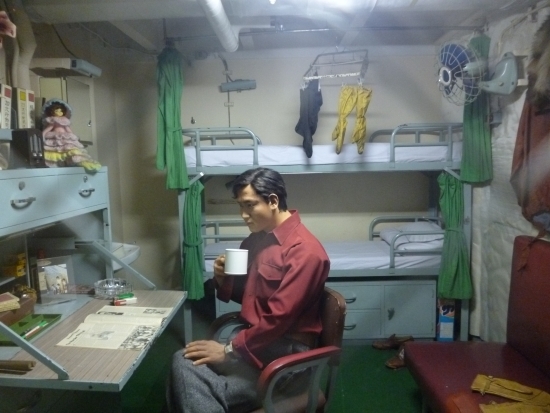
This icebreaker served Japan's Antarctic research for 18 years from 1965. The inside is kept as it was in its working days, and you can look around. The former helicopter hangar now tells the story of the Antarctic research teams and their work, which is worth a look. It is a short walk from Nagoyako Station.
Nagoya Port Building Minato Ward, Nagoya
From the observation room 53 m up, you can see as far as the Suzuka mountains on a clear day. The building also has a maritime museum on its lower floors. The Fuji ship and the aquarium are right nearby, so the port area can easily fill a day. It is right in front of Nagoyako Station.
SCMaglev and Railway Park Minato Ward, Nagoya
This museum looks back on the progress of high-speed rail and the history of trains, centered on the Tokaido Shinkansen. It is a good chance to think about what fast trains have brought to our lives, and train fans will love it. It is right by Kinjo-futo Station.
Higashiyama Zoo and Botanical Gardens Chikusa Ward, Nagoya
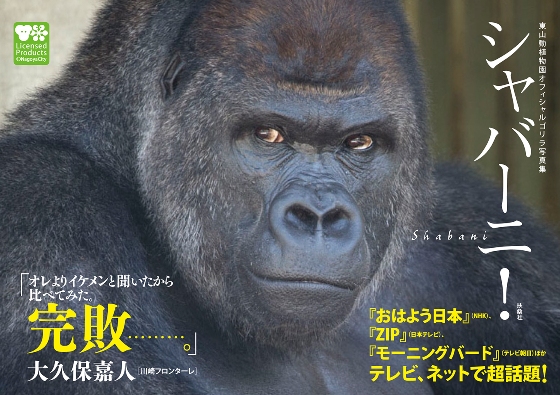
On grounds of about 60 hectares, this complex combines a zoo, a botanical garden, an amusement park and the Higashiyama Sky Tower. You can watch the animals, stroll through the gardens or enjoy the rides with family. It is so big that seeing it all in one day is hard work, so plan ahead and pick the places you most want to see. It is right by Higashiyama Koen Station.
Higashiyama Sky Tower Chikusa Ward, Nagoya
Built for the 100th anniversary of the city, the tower stands on a hill inside the zoo and gardens. It is 134 m tall, 214 m above sea level, and with nothing around to block the view you can see Nagoya Castle, Nagoya TV Tower and even Mt. Ontake. It is listed as a Japan Night View Heritage site, and you can dine in the sky restaurant. Allow about 15 minutes on foot from Higashiyama Koen Station.
Noritake Garden Nishi Ward, Nagoya
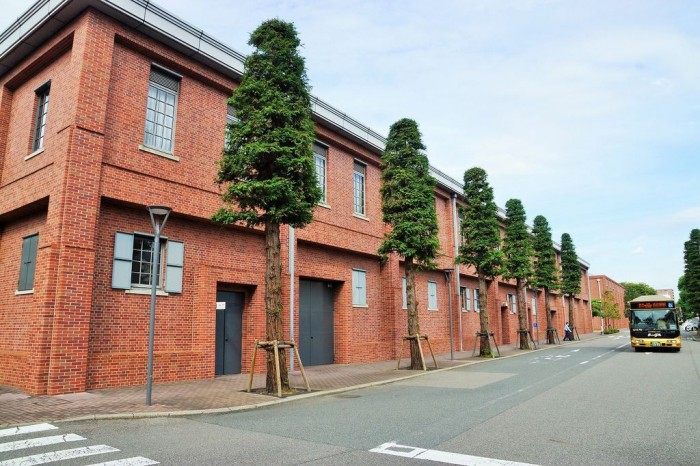
Run by Noritake, one of Japan's leading tableware makers, this complex has exhibits, shops and a restaurant in a retro setting. Even people who never cared about tableware may start wanting nicer dishes.
Try the painting workshop: with special ceramic paints, adults and children can decorate a 20 cm plate or a mug about 9 cm tall, or a plate with a design already sketched on. It makes a one-of-a-kind souvenir of your trip.
Toyota Commemorative Museum of Industry and Technology Nishi Ward, Nagoya
Sakichi Toyoda developed looms that powered the textile industry at the heart of Japan's modernization. This museum uses the site where he did his loom research to tell the story of Japanese industry and of the car industry that is still growing. It is a great place to spark children's imagination. It is near Meitetsu Sako Station.
Tokugawa Art Museum Higashi Ward, Nagoya
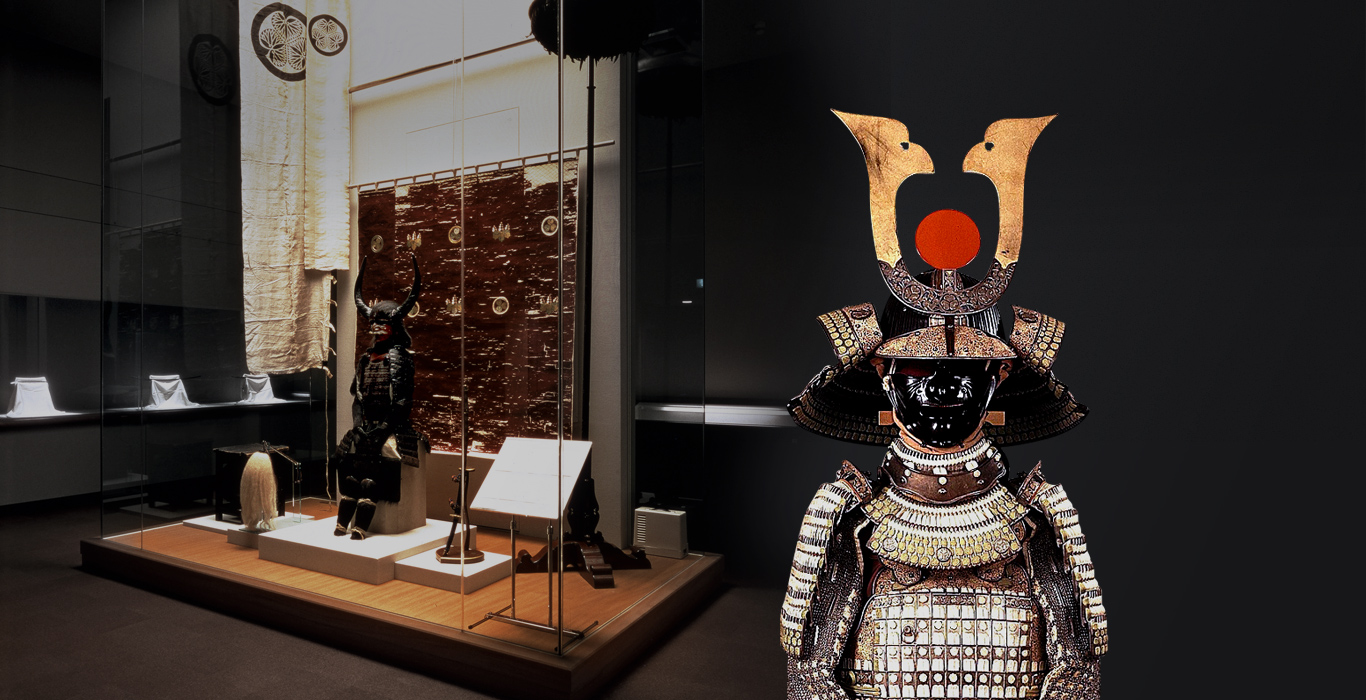
The museum holds about 10,000 daimyo treasures, centered on items left by Tokugawa Ieyasu. Among its many National Treasures and Important Cultural Properties are the Tale of Genji picture scrolls. History and art lovers will be in their element, but even others will find it worth seeing. It is on the same grounds as Tokugawa-en.
Nagoya City Art Museum Sakae, Nagoya
This art museum stands in Shirakawa Park, a green space with fountains and sculptures near Nagoya Station. Its permanent collection includes works by famous artists such as Modigliani's Girl with Braids, and its special exhibitions, held several times a year, are worth seeing. A good choice for a quiet afternoon with paintings.
Nagoya City Science Museum Sakae, Nagoya
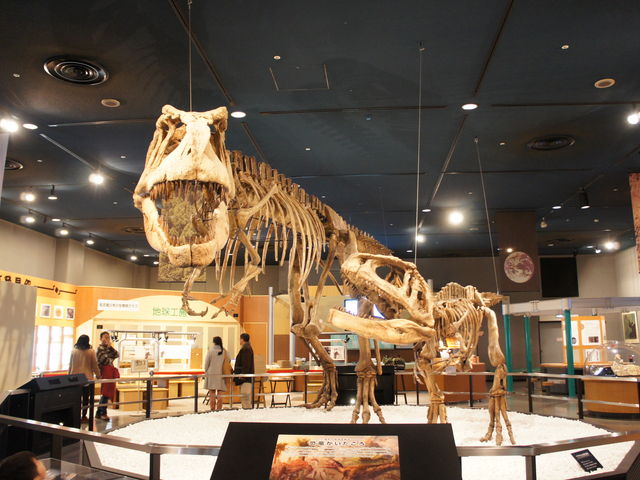
Also in Shirakawa Park, the science museum has Brother Earth, the largest planetarium dome in the world. Its roughly 240 exhibits include four big ones: the Deep Freeze Lab, the Electric Discharge Lab, the Tornado Lab and the water plaza. Built around seeing and touching, it is fun for children and adults alike, and even the building is an exhibit, with its elevator and escalator workings on view. It is 5 minutes on foot from Fushimi Station.
Denki no Kagakukan (Electricity Museum) Sakae, Nagoya

Run by Chubu Electric Power, this science museum is a chance to learn about electricity, which we can't live without, and about energy in general. Admission is free, so it is an easy and useful stop with kids.
Aichi Prefectural Museum of Art Sakae, Nagoya
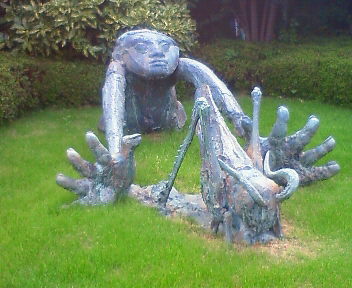
This museum is inside the Aichi Arts Center in Sakae, in the heart of Nagoya. Its collection includes works by famous painters such as Gauguin, Matisse and Picasso, so even the permanent exhibition is enjoyable. It stays open later on Fridays, and it is connected directly to Oasis 21.
Nagoya Noh Theater Naka Ward, Nagoya
Right in front of the main gate of Nagoya Castle stands the largest Noh theater in the world. Its elegant exterior suits the refined world of Noh, and it is a good place to learn about one of Japan's traditional performing arts.
Osu shopping area
Osu Shopping Street Osu, Nagoya
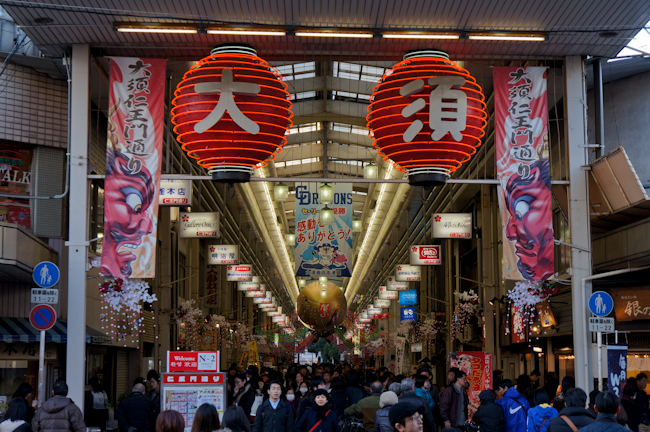
Spreading over Osu 2 and 3-chome, this lively shopping district has about 1,200 shops. They range from restaurants serving classic Nagoya food to very local, offbeat stores. It covers the area east of Osu Kannon Station.
Giant Maneki-neko of Osu Osu, Nagoya
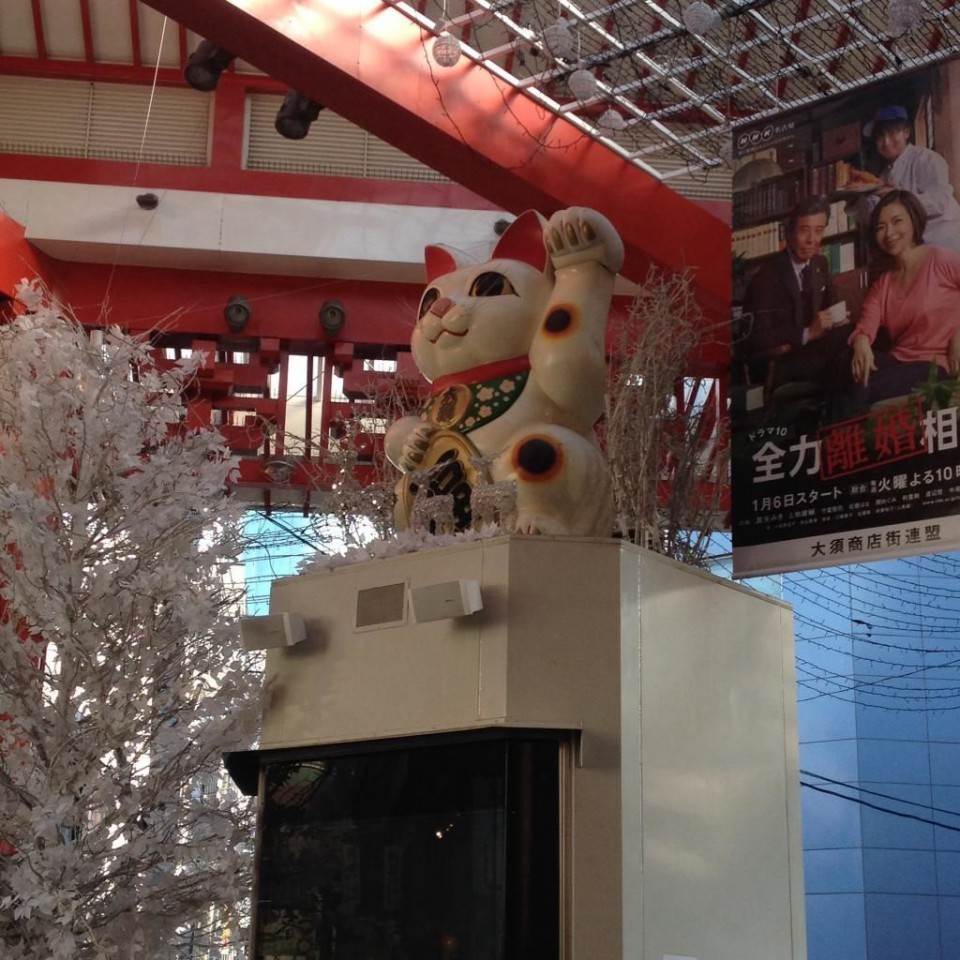
This giant beckoning cat is the mascot of the Osu shopping streets. It sits in the Fureai Hiroba square on Higashi Nio-mon Street, so drop by after shopping and eating in Osu. It is a few minutes on foot from Kamimaezu Station.
Towers and city views
Nagoya TV Tower Sakae, Nagoya
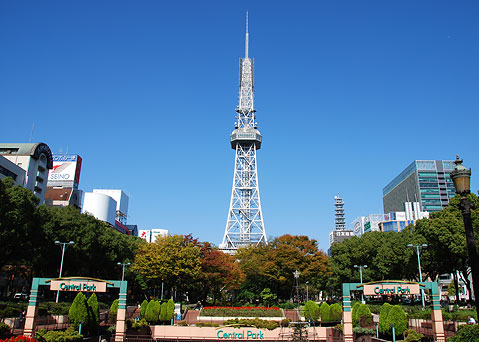
Opened in 1954, the 180 m TV tower still rises over Sakae as a symbol of Nagoya, and some visitors make it their first stop in the city. From the observation deck you can see over the city as far as Mt. Ontake. The night view is beautiful, which makes it a good date spot. It is right by Hisaya-odori Station.
Oasis 21 Sakae, Nagoya
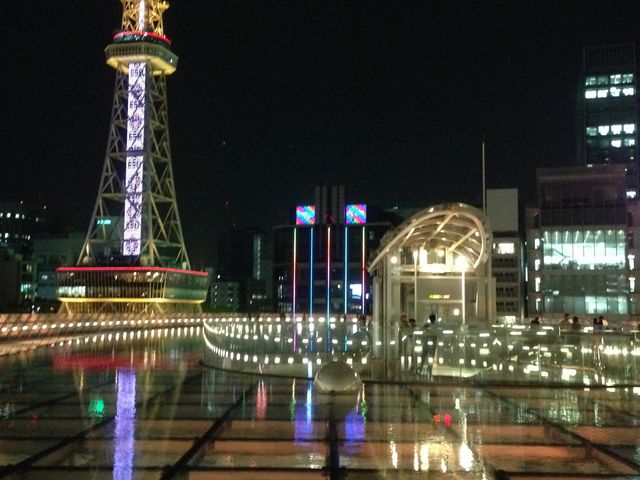
Oasis 21 is a true oasis in the busy city, next to the arts center that houses the Aichi Prefectural Museum of Art, and an easy place to drop by. On its symbol, the Spaceship-Aqua, you can walk in the air around a roof covered with flowing water. It is right by Sakae Station.
Midland Square Nagoya Station
Midland Square is famous for the Sky Promenade, an open-air observation deck on the 44th to 46th floors of the office tower, about 220 m high. From there you can enjoy the city streets and the sparkling night view, and in the evening colored mist is sprayed at intervals for a few minutes at a time. The basement and lower floors have shops and a cinema. It is right by Nagoya Station.
Nagoya City Hall Naka Ward, Nagoya
The main building of Nagoya City Hall was completed in 1933 to mark the enthronement of Emperor Showa. The clock tower in the center has a two-tier roof topped with shachi facing in four directions, designed to match Nagoya Castle. Its walls make bold use of local tiles, and the interior uses traditional methods, blending Western architecture with Japanese elements. It was named a national Important Cultural Property in 2014. It is right by exit 2 of Shiyakusho Station.
The places on a map
Hours, prices and events change. Check each place's official website before you go.
More travel guides
 Tokyo Sightseeing by Area: 40 Classic Sights and Lesser-Known Spots from Asakusa to Odaiba40 placesTokyo has much more to see than Skytree, Tokyo Tower and Asakusa. This guide works through six of the city's main…
 Chichibu: 40 Best Places to Visit, from Nagatoro River Boats and Mitsumine Shrine to Moss Phlox and Icicles40 placesChichibu, the largest city in Saitama Prefecture, is about 90 minutes from central Tokyo. Most of the area is national…
 Niigata Prefecture: 40 Best Places to Visit, from Classic Sights to Hidden Gems40 placesNiigata Prefecture stretches a long way from north to south, and each area has its own scenery, climate and food. The…
 Nagasaki Prefecture: 40 Best Places to Visit, from Unzen Hot Springs to Hirado and Nagasaki City40 placesNagasaki grew up as a port open to the outside world, and the culture of those days still shapes its streets, churches…
 Fukuoka Prefecture: 40 Places to Visit in Kitakyushu, Chikuho and Around Fukuoka City40 placesFukuoka Prefecture is roughly divided into four areas, Kitakyushu, Chikuho, Fukuoka and Chikugo, and each has its own…
 Kagoshima Prefecture: 40 Best Places to Visit, from Classic Sights to Local Oddities40 placesKagoshima sits at the southern end of Kyushu and is made up of two peninsulas and a string of islands. There is far too…