
Niigata Prefecture: 40 Best Places to Visit, from Classic Sights to Hidden Gems
40 places · Japanese version
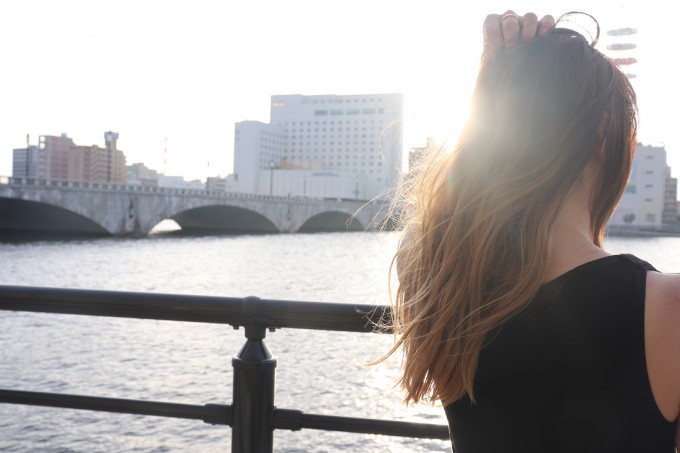
Niigata Prefecture stretches a long way from north to south, and each area has its own scenery, climate and food. The seasons are distinct, with flowers in spring and fireworks in summer, and there is camping and trekking, plus winter sports in this snow country. This selection of 40 places, from classics to hidden gems, includes Sado Island and is grouped by area. Do not miss a sunset over the Sea of Japan. Niigata is about 1 hour 40 minutes from Tokyo by shinkansen.
Niigata City
Bandai Bridge Niigata City
This stone bridge with six arches crosses the Shinano River and is the symbol of Niigata, often called the city of water. The bridge was first built in the Meiji period, and the current one, the third, was finished in the early Showa period. It is an Important Cultural Property. It is lit up at night, a romantic sight. It is about a 15-minute walk from JR Niigata Station toward Furumachi.
Marinepia Nihonkai Niigata City
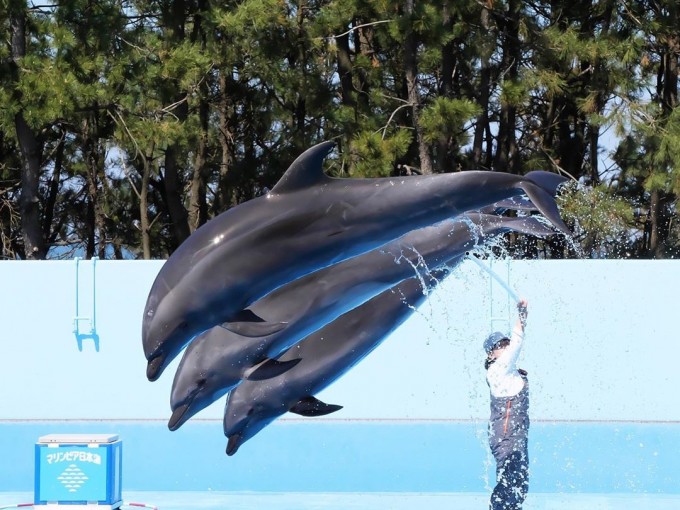
One of the largest aquariums on the Sea of Japan coast, with about 500 species and 20,000 animals. The highlights are the dolphin show, the big Sea of Japan tank and the marine tunnel. There are also feedings and talks for spotted seals, penguins and other animals, and a hands-on Aqua Lab program of about 20 minutes that young children love. A bus from JR Niigata Station takes about 20 minutes to the last stop, right by the entrance.
Toki Messe Niigata City
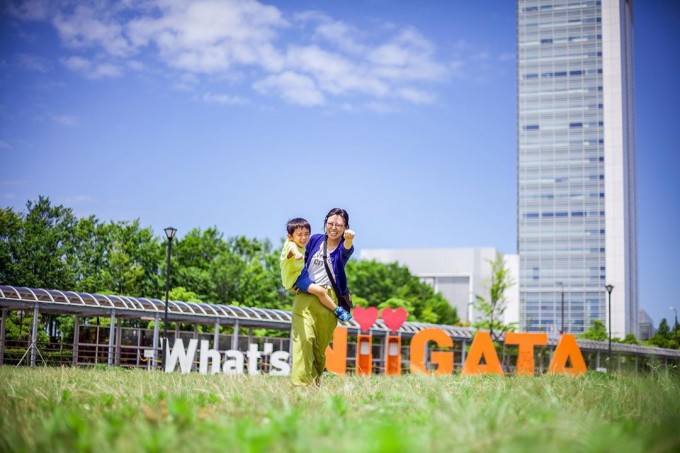
A convention complex with exhibition halls, meeting rooms and a hotel. Its observation deck, 125 meters up and the highest on the Sea of Japan side, gives 360-degree views over the Niigata Plain, the Shinano River and the sea, and entry is free. Do not miss the night view of Bandai Bridge from here. The complex also has Japanese, Western and Chinese restaurants and an art museum devoted to contemporary art.
Niigata Furusato Village Niigata City
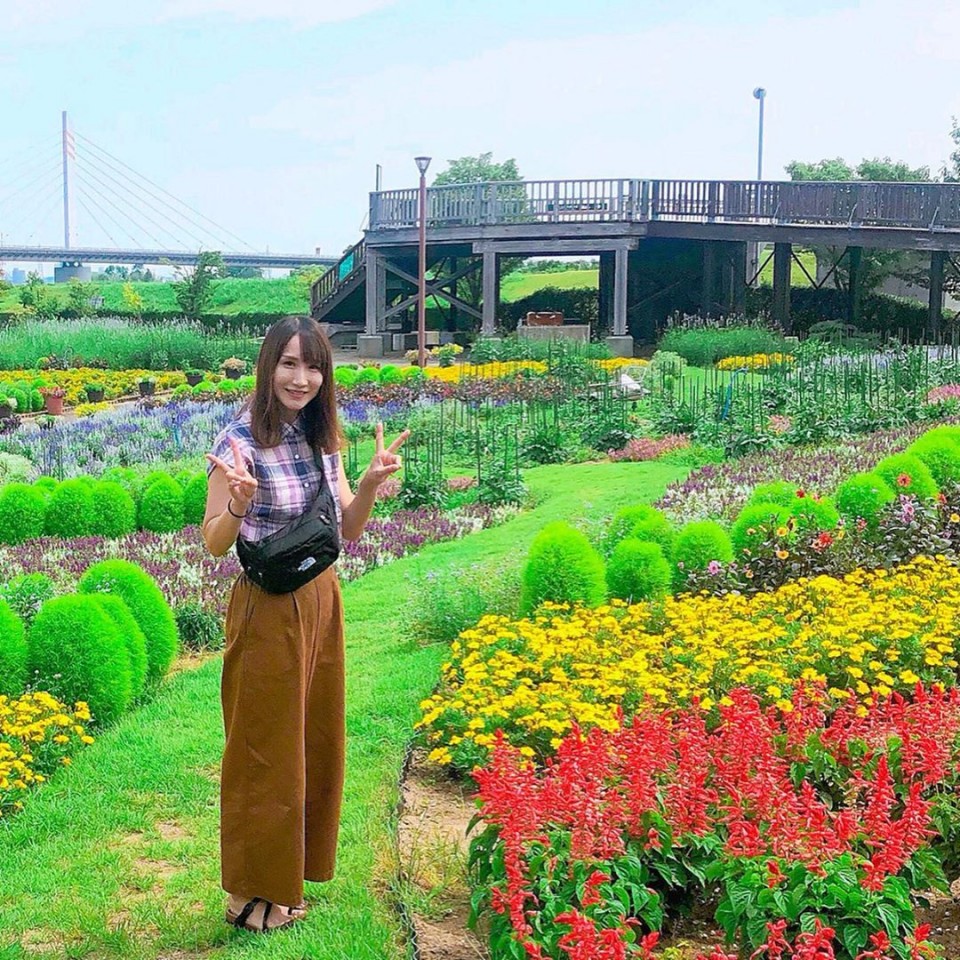
A center that shows off the tourism and products of the whole prefecture, so you can find Niigata's food and specialties in one place. Exhibits cover how people in this snowy region lived from the Meiji to the Showa era, along with traditional crafts. In spring it is colorful with tulips. You can reach it by car or on the Shinano River Water Shuttle.
Shinano River Water Shuttle Niigata City
A water bus on the Shinano River linking Minatopia near the river mouth with Niigata Furusato Village, with stops at Toki Messe, Bandai Bridge and other main sights. Cruises of about 25 minutes also leave from Toki Messe. Drinks, including alcohol and soft drinks, and snacks are sold on board, so you can enjoy a drink while watching the city go by. Gulls follow the boat for shrimp crackers.
Niigata City History Museum (Minatopia) Niigata City
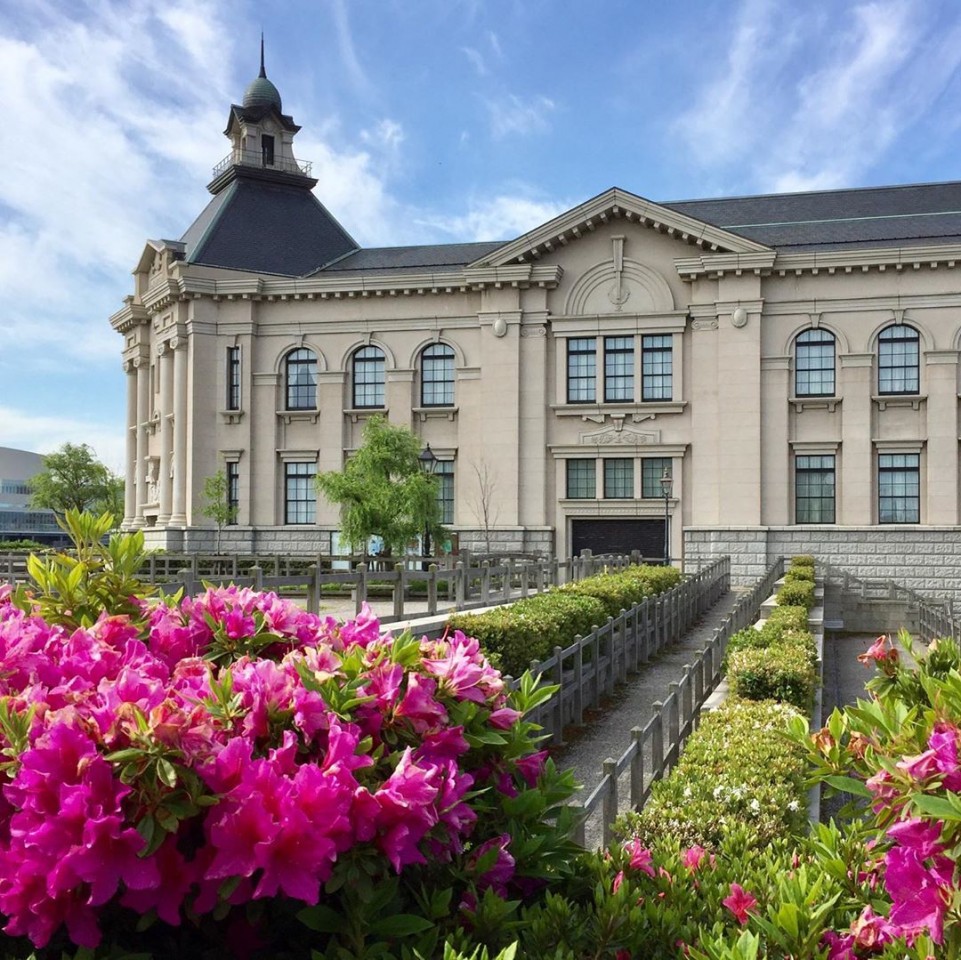
Known as Minatopia, this waterfront site brings together Western-style buildings from the Meiji to Showa eras: the old Niigata Customs House, the history museum and a former bank branch that now houses an Italian restaurant with waterfront views. The museum theater shows short films, and a hands-on area with old household tools keeps small children busy. It is about 10 minutes by car from Niigata Station.
Niigata Senbei Okoku Niigata City
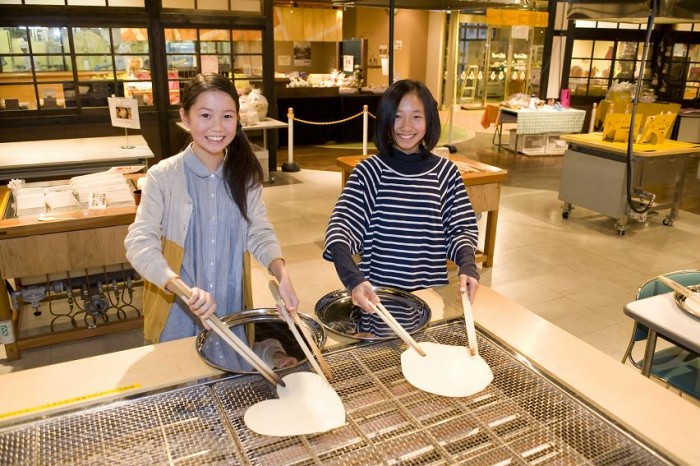
A rice cracker theme park run by the maker Befco (Kuriyama Beika). You can bake your own giant rice cracker, about 25 centimeters across, and draw on it. The cafe serves a senbei soft cream: ice cream between rice crackers, topped with soy sauce, which tastes a bit like sweet mitarashi dango. The shop has a wide range of Bakauke crackers, including flavors sold only here. Entry is free. It is about 15 minutes on foot from JR Niizaki Station.
Niigata City Animal Contact Center Niigata City
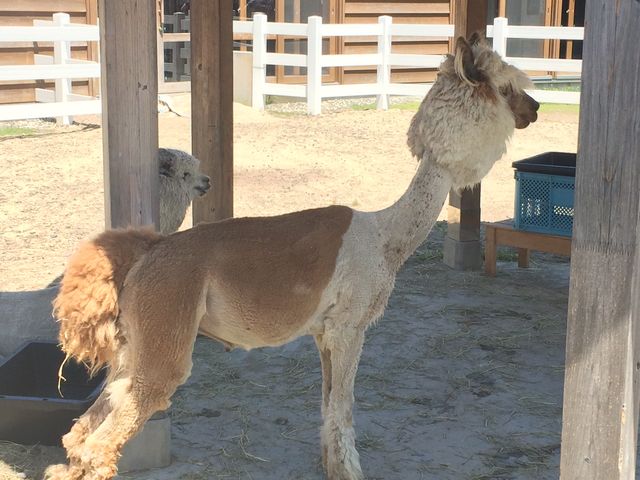
A small zoo inside the Ikutopia Shokuhana complex where you can feed alpacas, sheep and goats, and get close to rabbits, guinea pigs and other small animals. Entry is free, which makes it an easy stop with children. Buses run from the south exit of JR Niigata Station.
Mizushima Shinji Manga Street Furumachi, Niigata City
Manga artist Mizushima Shinji comes from Niigata, and the Furumachi-dori 5 shopping street shows seven bronze statues of characters from his works, including the baseball manga Dokaben, Abu-san and Yakyukyo no Uta. Take a bus from JR Niigata Station to Furumachi, then walk about 5 minutes.
Yamanoshita Seaside Park Niigata City
This park next to Niigata Airport is a good place to watch planes take off and land, and to see the Sado ferries going in and out of the port up close. In summer its wave pool is very popular. A bus from the Bandai City Bus Center stops right in front of the park.
Kakuda Cape Lighthouse and Hogan Funekakushi Kakudahama, Niigata City
A white lighthouse above a blue sea at Kakudahama, where the Echigo Nanaura Seaside Line begins. On the way up from the beach parking lot you pass through a tunnel-like cave to Hogan Funekakushi, a hollow where Minamoto no Yoshitsune is said to have hidden his boat while fleeing from Yoritomo. Then a long, steep stairway climbs the cliff to the lighthouse. It is not well known, but the views are superb.
Around Niigata City: Yahiko, Teradomari and the coast
Suntopia World Agano
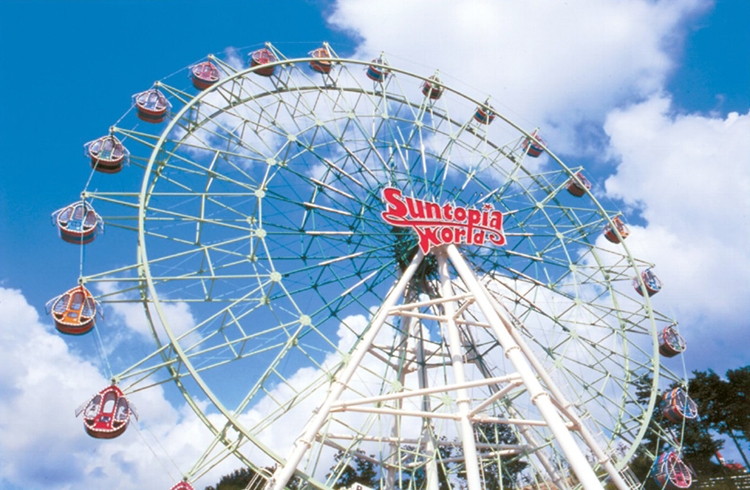
The biggest amusement park in the Hokuriku region, in Agano next to Niigata City. It has 29 rides, among them a giant Ferris wheel with views to the Sea of Japan, a 3D maze and a dinosaur coaster, fun for families and couples alike. It is about 5 minutes from the Yasuda interchange. The Yasuda Flower Garden, a large tropical botanical garden, is next door. The park closes for a period in winter.
Tsukioka Carillon Park Tsukioka Onsen, Shibata
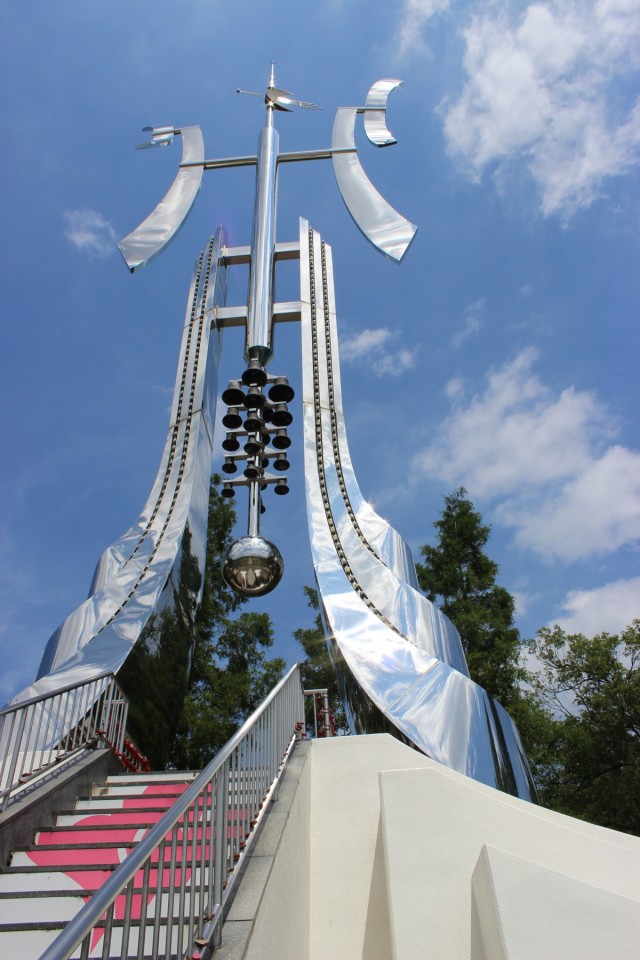
Tsukioka Onsen is said to be good for love and for beautiful skin, and this park in the hot spring town is full of spots for couples. Its carillon tower is a certified lovers' sanctuary. The tower has 20 bells that play a melody about six times a day, and couples hang love locks on its fence.
Echigo Nanaura Seaside Line Niigata City to Nagaoka
Route 402 runs 14 kilometers along the coast from Kakudahama in Niigata City to Teradomari Nozumi in Nagaoka, past strange rocks and cliffs. It is a classic drive, with many places to stop and watch the sun set over the Sea of Japan. Benten-iwa and Tateiwa rocks are national natural monuments, and the coast shows rare exposed pillow lava.
Yahiko Shrine Yahiko
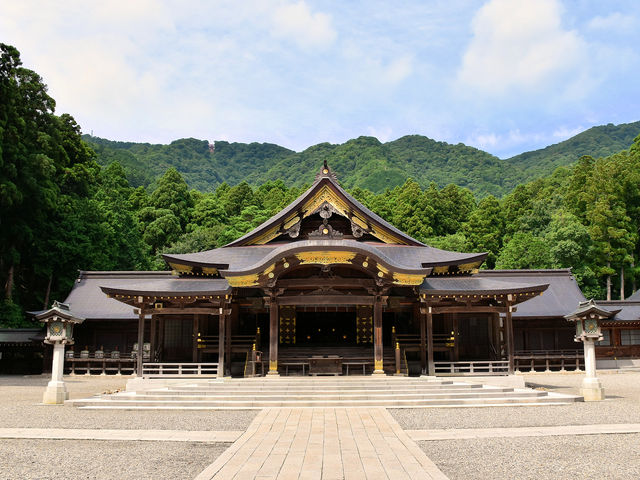
At the foot of Mount Yahiko stands what many call the most powerful spiritual spot in Niigata, a shrine known to locals as Oyahiko-sama. Its founding date is unknown, but it appears in the ancient poetry collection Manyoshu. The treasure hall shows a large sword that is an Important Cultural Property and armor linked to Minamoto no Yoshitsune. It is packed at New Year. A ropeway climbs Mount Yahiko. The shrine is about a 10-minute walk from JR Yahiko Station.
Teradomari Sakana no Ameyoko Teradomari, Nagaoka
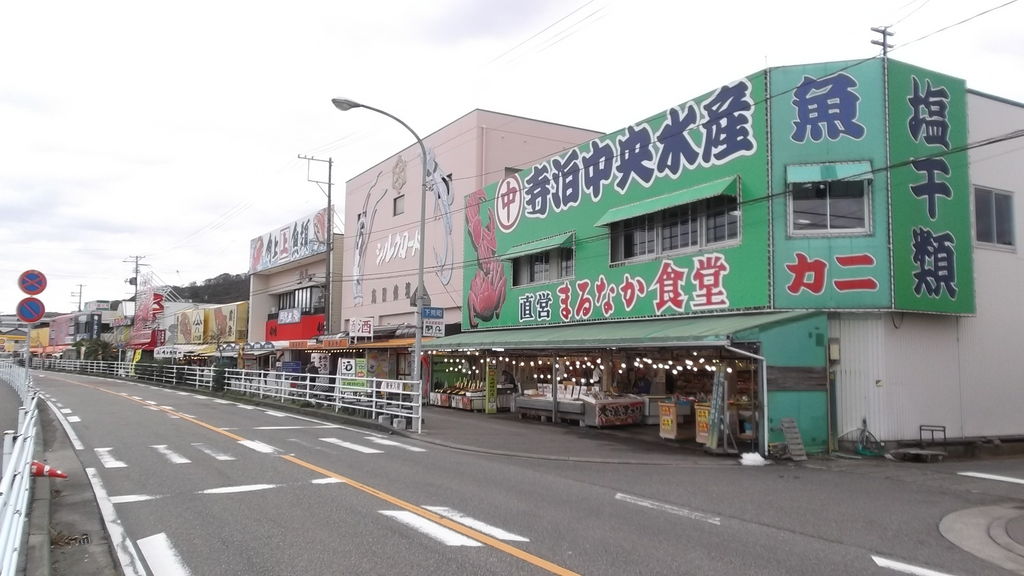
Big fresh fish shops line the main road here, and the lively calls of the sellers fill the air. Come for shopping and for hamayaki, seafood grilled on skewers that you can eat as you walk. Squid, turban shells and scallops are the favorites. Each season brings its own catch, such as salmon in autumn and yellowtail and sweet shrimp in winter.
Kamoyama Squirrel Park Kamo
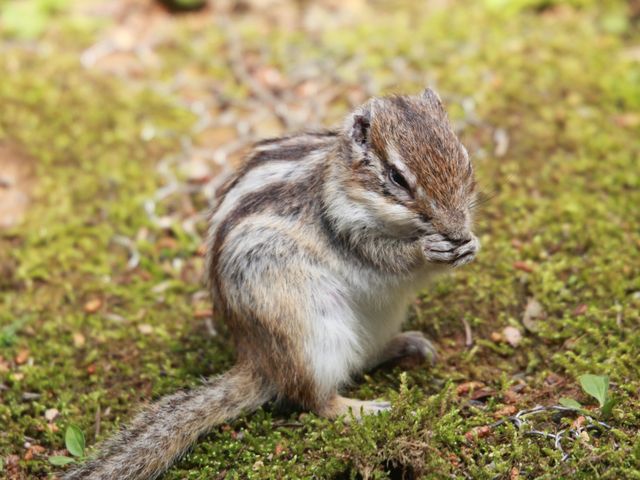
About 60 chipmunks run free here. You can feed them sunflower seeds and even let them sit on your hand, and their puffed-out cheeks are hard to resist. Entry is free. The park opens from spring to late autumn and is about a 5-minute walk from JR Kamo Station.
Northern Niigata: Murakami, Sekikawa and Awashima
Sasagawa Nagare Murakami
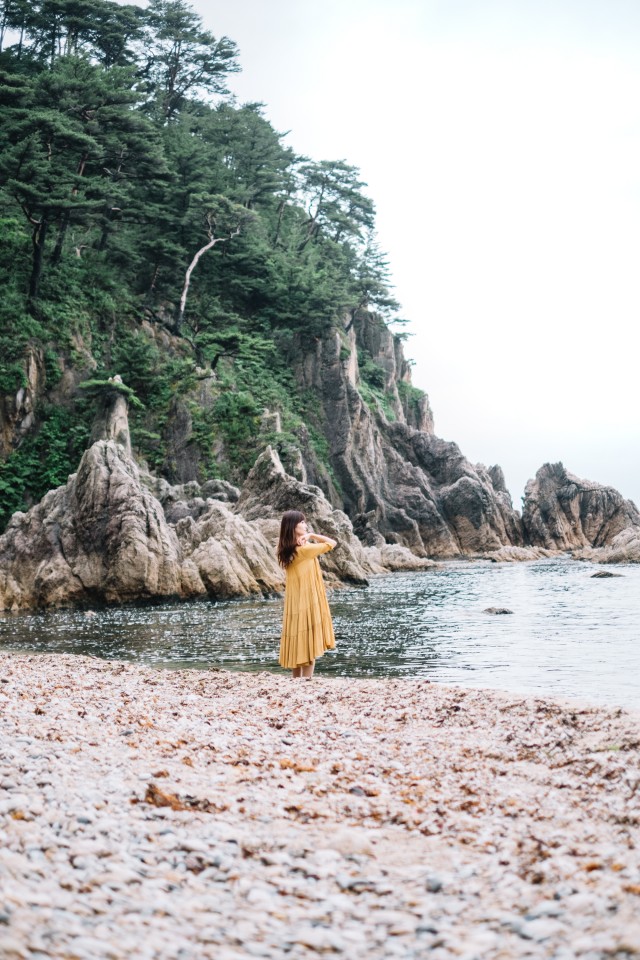
An 11-kilometer rocky coast in Murakami, the northernmost city in Niigata, full of odd rocks, boulders and sea caves. It is a national Place of Scenic Beauty and a Natural Monument. The water is very clear and good for swimming. At sunset the views are beautiful from the shore, from the Uetsu Line trains and from the coastal road. It is about 5 minutes on foot from Kuwagawa, Imagawa or Echigo-Kangawa stations.
Takanosu Suspension Bridge Sekikawa
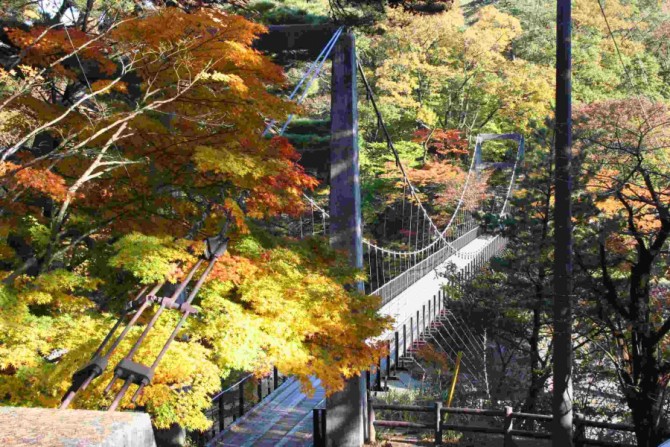
The Arakawa Gorge Momiji Line road follows the gorge for about 20 kilometers, and this suspension bridge crosses it toward Takanosu Onsen and a campground. The view from the bridge is lovely, and it is listed among Niigata's 100 most scenic spots. Come in fresh green spring or in autumn leaf season. It is about 10 minutes by car from JR Echigo-Shimoseki Station.
Awashima Awashimaura
A small island about 23 kilometers around, with blue sea and green hills. You can swim, camp, take a sightseeing boat, cycle or go kayaking. By kayak you can explore the rocky shore and slip into a blue cave that is just big enough to enter. The island is about 55 minutes by high-speed boat or 1 hour 30 minutes by ferry from Iwafune Port.
Sado Island
Ogi Tub Boats (Tarai-bune) Ogi, Sado
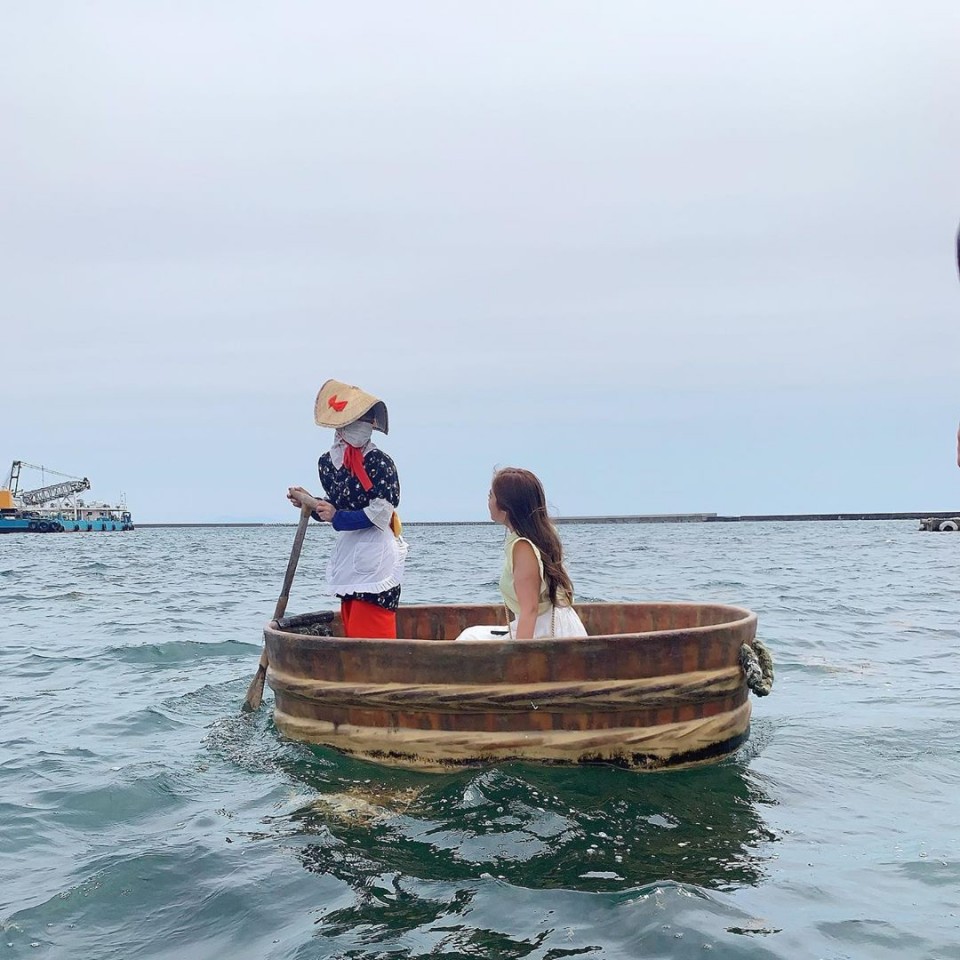
If you go to Sado, try a ride in a tarai-bune, a round tub boat developed from a washing tub. A woman rows, and you can take a turn yourself. It looks wobbly but is surprisingly stable and sturdy, holding up to 500 kilograms. If you manage to move forward, you get a pilot's license as a souvenir. The boats are about 5 minutes on foot from Ogi Port.
Sado Nishimikawa Gold Park Sado
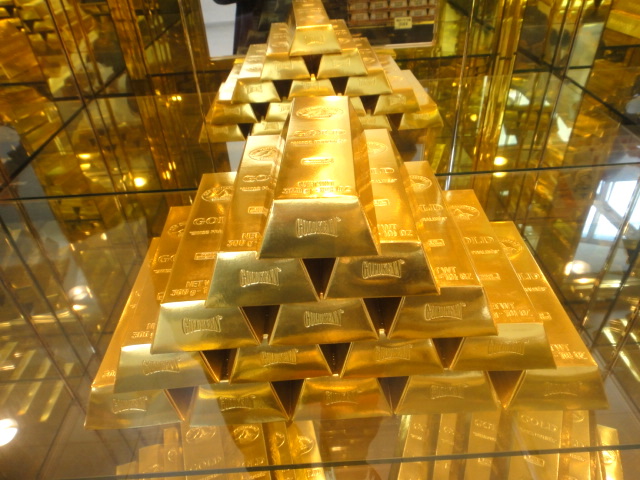
Here you can pan for gold dust with your own hands, and have what you find sealed into a keepsake card. Nishimikawa is said to be the oldest gold mining site on Sado and appears in the Konjaku Monogatari tales. Its gold is said to have funded the warlord Uesugi Kenshin. It is about 20 minutes by car from Ogi Port.
Nagaoka and Kashiwazaki
Echigo Hillside Park Nagaoka
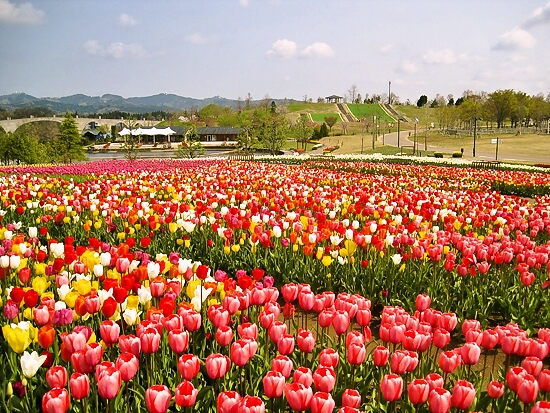
The only national government park in the Hokuriku region, a huge hillside park with flowers through the seasons: hepatica, dogtooth violets, tulips, roses and cosmos. Children have lawns, 26 kinds of wooden play equipment, a bouncy dome and a water play area, so you can spend a whole day. There are illumination events in summer and winter, plus a restaurant and cafe. It is about 10 minutes by car from the Nagaoka interchange.
Japan Sea Fisherman's Cape and Koibito Misaki Kashiwazaki
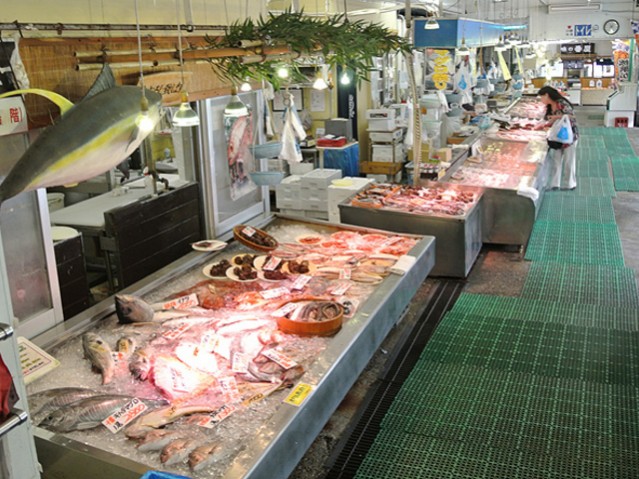
One of the largest fish markets in Japan by floor space, full of Sea of Japan seafood. Buy something and grill it at the charcoal barbecue hut, then browse the souvenir and local sake shops. Try the saba sand, a sandwich of crispy fried mackerel. A narrow path climbs to Koibito Misaki, the Lovers' Cape, where couples lock padlocks to the cliffside fence. It is about 5 minutes by car from the Yoneyama interchange.
Yuzawa and the Uonuma area
Yuzawa Kogen Alp no Sato Yuzawa
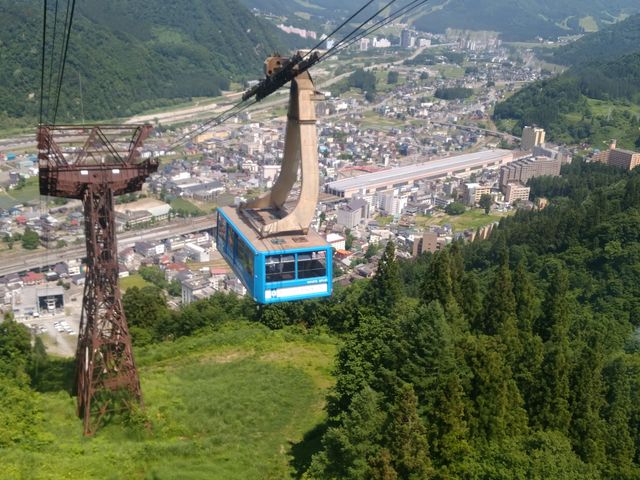
A ropeway from the hot spring town of Echigo-Yuzawa lifts you straight up to a world 1,000 meters above sea level. Around an alpine plant garden you will find a zipline, a bobsled run, putting golf and go-karts, and in winter it becomes a ski area. The views change with fresh green, autumn leaves and snow, and with luck you may see deer. It is about 8 minutes on foot from the west exit of JR Echigo-Yuzawa Station.
Ponshukan Echigo-Yuzawa Station
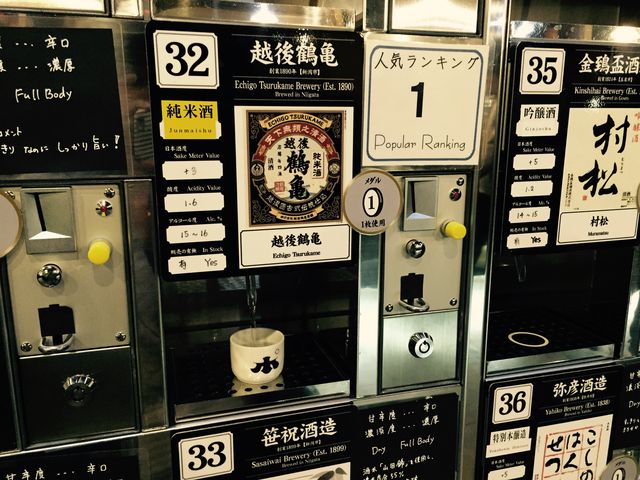
Inside Echigo-Yuzawa Station, Ponshukan lets you taste more than 90 Niigata sake brands at its tasting corner. There is also a sake bath said to leave your skin smooth, the restaurant Yukindo with local sake, and a shop selling sake and souvenirs. It is the place to enjoy Niigata, a region known for its rice and sake.
GALA Yuzawa Ski Resort Yuzawa
A ski area that works well with children, with hot springs and places to stay close by, so families can combine skiing, onsen, food and nature in one trip. It is about 3 kilometers from the Yuzawa interchange on the Kan-etsu Expressway.
Akiyamago Tsunan
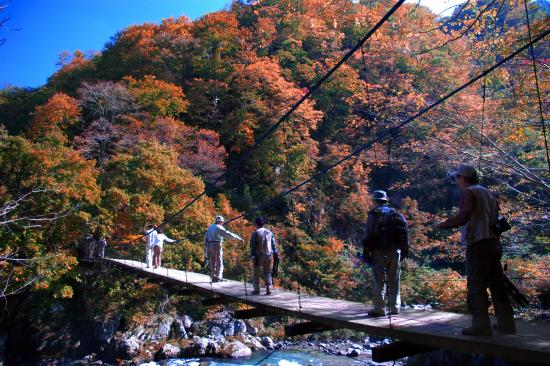
A remote valley that spans the border of Niigata and Nagano. Past Tsunan, steep gorges show beautiful scenery in every season. The best view is from Mikura Bridge, a wooden suspension bridge over a cobalt-blue gorge, above all when the leaves turn in autumn. Visit from spring to autumn: the road from Tsunan can close from December to April because of snow. It is about 40 minutes by car from JR Tsunan Station.
Tokamachi and Echigo-Tsumari
Kiyotsu Gorge Tokamachi
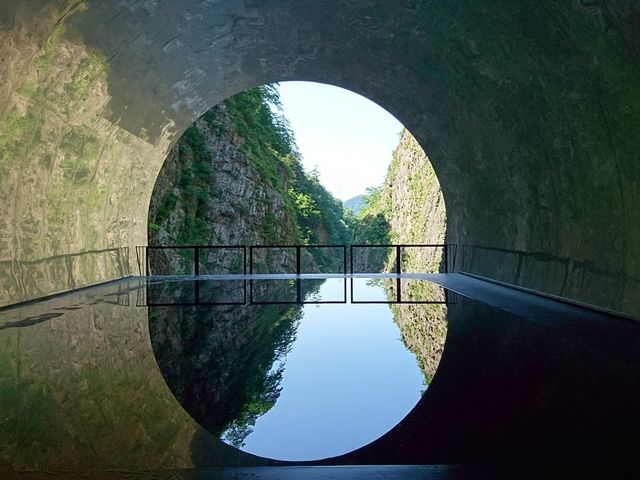
Counted among Japan's three great gorges, Kiyotsu is known for its massive rock walls and columnar joints. A 750-meter pedestrian tunnel has three viewpoints along the way and a panorama station at the end, where you look out over the gorge. The round trip of 1,500 meters takes about an hour. The colors of autumn against the rock are superb. The tunnel closes from mid-January to mid-March.
Hoshitoge Rice Terraces Matsudai, Tokamachi
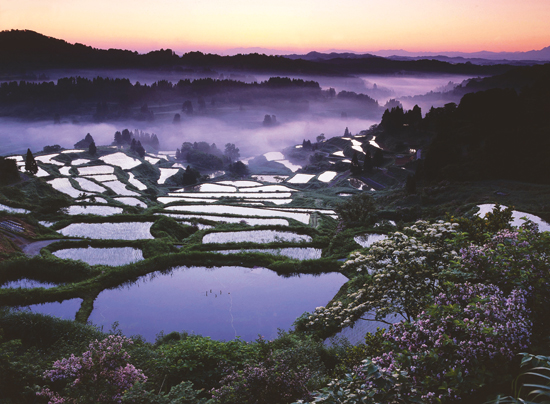
Of the many rice terraces around Matsudai in Tokamachi, Hoshitoge is the best known in Japan. From the snowmelt through June, and again in October and November, the paddies hold water and mirror the sky. It is about 20 minutes by car from Matsudai Station on the Hokuhoku Line; follow the road up through the village, and the terraces start where the houses end.
Echigo-Tsumari Art Field Tokamachi and Tsunan
Echigo-Tsumari, the area of Tokamachi and Tsunan, hosts one of the world's largest international art festivals every three years. About 180 artworks made with fields, farmhouses and closed schools stay on show all year across 760 square kilometers. Start at the Echigo-Tsumari Satoyama Museum of Contemporary Art, Kinare, next to the Cross 10 roadside station near Tokamachi Station.
Bijinbayashi Beech Forest Matsunoyama, Tokamachi
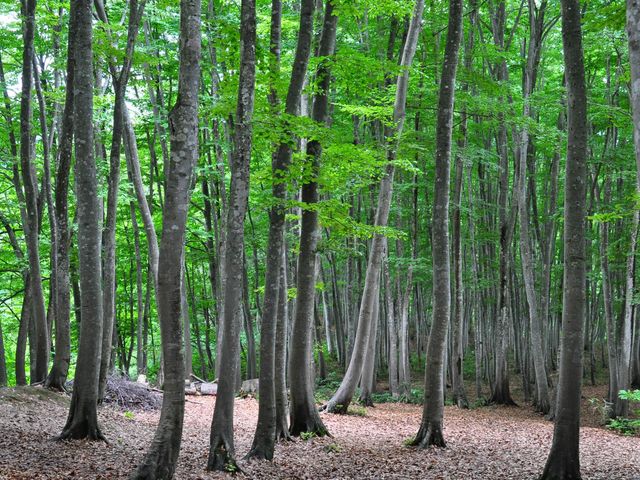
Bijinbayashi means beauty forest, a name given because the slender, straight beech trees stand so gracefully. Combine it with a soak at nearby Matsunoyama Onsen. From Matsudai Station, take the bus toward Matsunoyama Onsen to Sakaimatsu, then walk about 15 minutes.
Joetsu and Myoko
Naena Falls Myoko
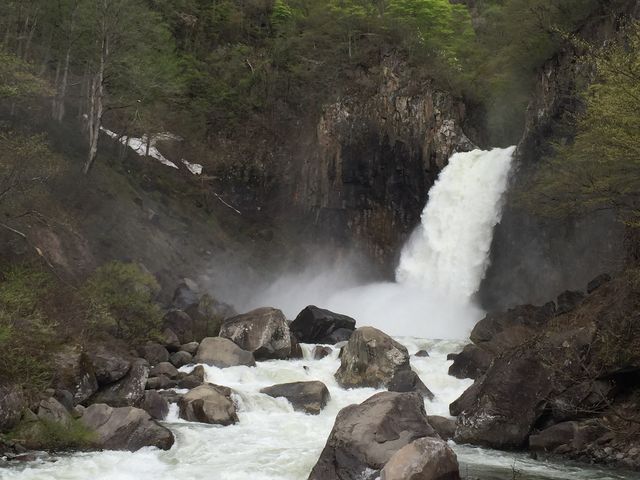
Naena Falls drops 55 meters with a roar and clouds of spray. It is most beautiful during the spring snowmelt and in autumn leaf season, and a path leads to the basin in about 15 minutes. Even in midsummer it is cool here. Next to the parking lot, Naenatakien serves nagashi somen, noodles that slide down a bamboo chute, except from mid-November to mid-April. It is about 15 minutes by taxi from Myoko-Kogen Station.
Takada Park (Takada Castle Ruins) Joetsu
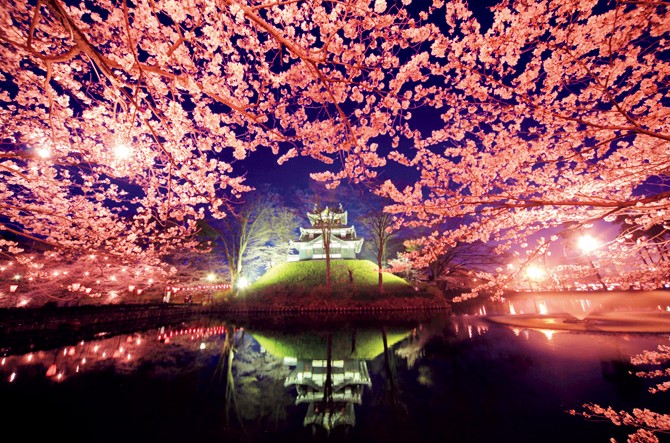
A park on the site of Takada Castle, with a rebuilt three-story turret and walking paths around the moats. It is known as one of Japan's three best places for night cherry blossoms, and in spring the lit-up blossoms and turret draw large crowds. In summer, lotus flowers cover the moat. It is about 20 minutes on foot from Takada Station.
Joetsu City Aquarium Joetsu
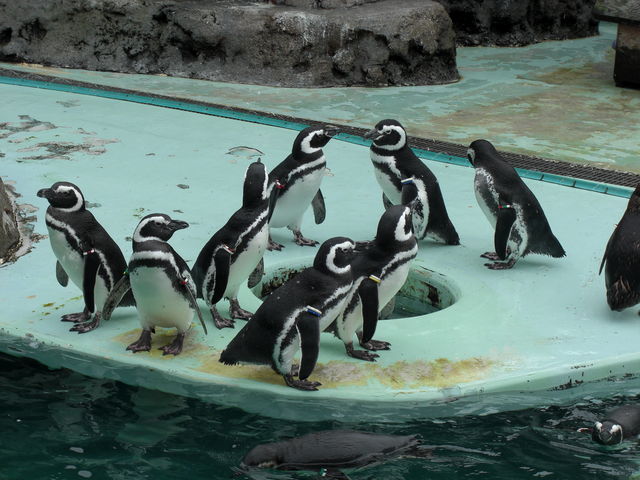
This aquarium is known for its large group of Magellanic penguins and its huge Marine Jumbo Tank, home to about 2,000 sea fish of 40 kinds. During the summer holidays there are dolphin shows that draw visitors from outside the prefecture. It is about 15 minutes on foot from JR Naoetsu Station.
Joetsu Science Museum Joetsu
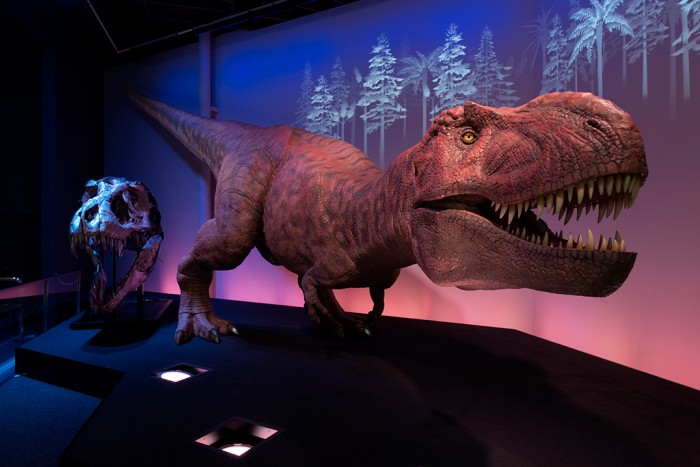
A hands-on science museum built around two themes, the science of people and the science of snow. Kids love the Children Park play area and the Science Play Park with its funny bicycles, and a fitness test corner keeps adults busy too. It is about 3 minutes by car from the Joetsu interchange.
Iwanohara Vineyard Joetsu
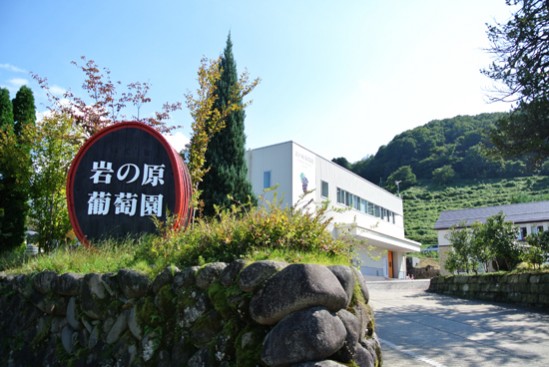
Founded by Kawakami Zenbei, known as the father of Japanese wine, Iwanohara is called a birthplace of wine in Japan. You can see the oldest stone wine cellar still standing in Japan and a snow storehouse. During the grape harvest in September and October you may see winemaking. The wine shop usually offers four or five wines to taste for a fee. It is about 30 minutes by car from JR Naoetsu Station.
Kanayayama Joetsu
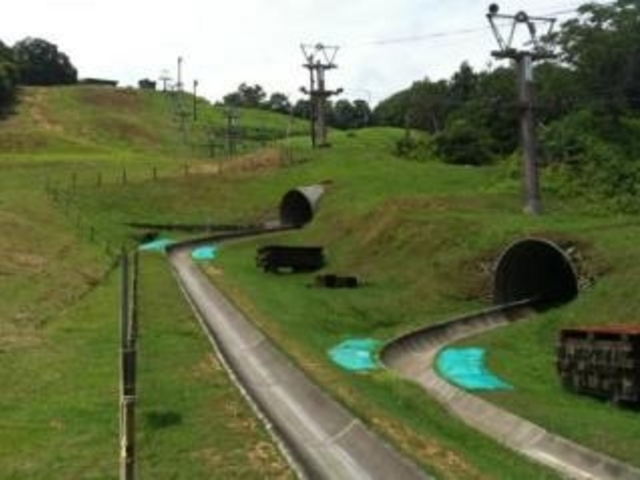
Major Lerch gave the first real ski lessons in Japan here, so Kanayayama is called the birthplace of Japanese skiing. A tall statue of Lerch stands on the hill, and Niigata's mascot Lerch-san is named after him. In winter it is a ski area, and from spring to autumn you can ride a bobsled run.
Itoigawa
Oyashirazu Pier Park Roadside Station Itoigawa
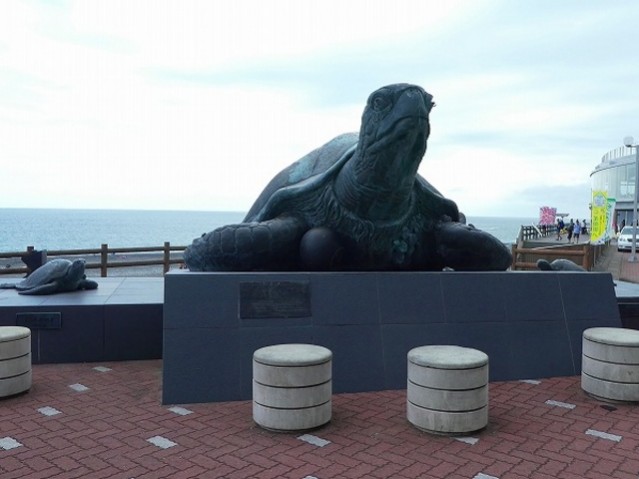
The Oyashirazu and Koshirazu coast has long been famous as a treacherous stretch of shore. This roadside station is 2 minutes by car from the Oyashirazu interchange, the first expressway interchange in Japan built over the sea. See one of the world's largest raw jade boulders and a bronze sea turtle statue named Million. There is a fish market and a restaurant, and in summer the clear water of Oyashirazu Beach.
Kotakigawa Jade Gorge Itoigawa
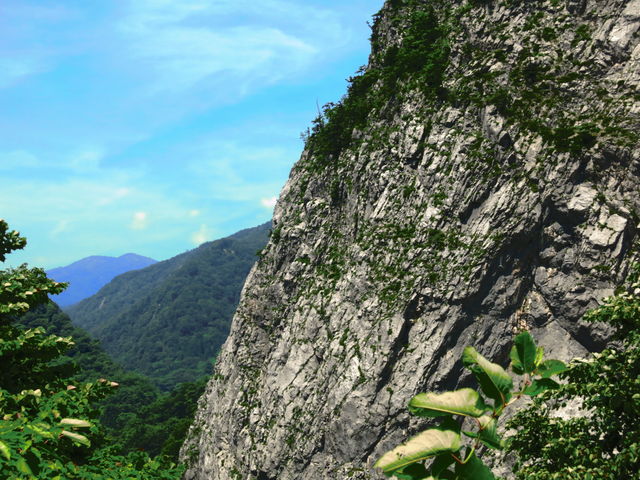
Itoigawa is Japan's best-known source of jade, and in this beautiful gorge jade and other rocks lie in a clear stream under the towering rock face of Mount Myojo. Taking stones from the riverbed is not allowed. The road is open from late April to mid-November. It is about 30 minutes by car from the Itoigawa interchange.
The places on a map
Hours, prices and events change. Check each place's official website before you go.
More travel guides
 Tokyo Sightseeing by Area: 40 Classic Sights and Lesser-Known Spots from Asakusa to Odaiba40 placesTokyo has much more to see than Skytree, Tokyo Tower and Asakusa. This guide works through six of the city's main…
 Nagoya: 40 Best Places to Visit, from Nagoya Castle and Atsuta Jingu to Osu40 placesNagoya is one of Japan's biggest cities, yet many visitors don't know how much it has to see. Alongside its famous…
 Chichibu: 40 Best Places to Visit, from Nagatoro River Boats and Mitsumine Shrine to Moss Phlox and Icicles40 placesChichibu, the largest city in Saitama Prefecture, is about 90 minutes from central Tokyo. Most of the area is national…
 Nagasaki Prefecture: 40 Best Places to Visit, from Unzen Hot Springs to Hirado and Nagasaki City40 placesNagasaki grew up as a port open to the outside world, and the culture of those days still shapes its streets, churches…
 Fukuoka Prefecture: 40 Places to Visit in Kitakyushu, Chikuho and Around Fukuoka City40 placesFukuoka Prefecture is roughly divided into four areas, Kitakyushu, Chikuho, Fukuoka and Chikugo, and each has its own…
 Kagoshima Prefecture: 40 Best Places to Visit, from Classic Sights to Local Oddities40 placesKagoshima sits at the southern end of Kyushu and is made up of two peninsulas and a string of islands. There is far too…