
Tokyo Sightseeing by Area: 40 Classic Sights and Lesser-Known Spots from Asakusa to Odaiba
40 places · Japanese version
Tokyo has much more to see than Skytree, Tokyo Tower and Asakusa. This guide works through six of the city's main sightseeing areas: the Skytree neighborhood, Tokyo Tower and Shiba, Asakusa, Ueno, the district around Tokyo Station and the Imperial Palace, and the bay-side entertainment area of Odaiba. In each one you will find the famous sights next to smaller places that many visitors walk straight past, such as an Edo-period flower garden, a candy craft shop and a statue on the way to the zoo. Grouping nearby spots by area is the easiest way to plan an efficient day.
Around Tokyo Skytree
If your time in Tokyo is short, the Skytree area is a good place to start. Many sights are close together, and Asakusa is a short ride away.
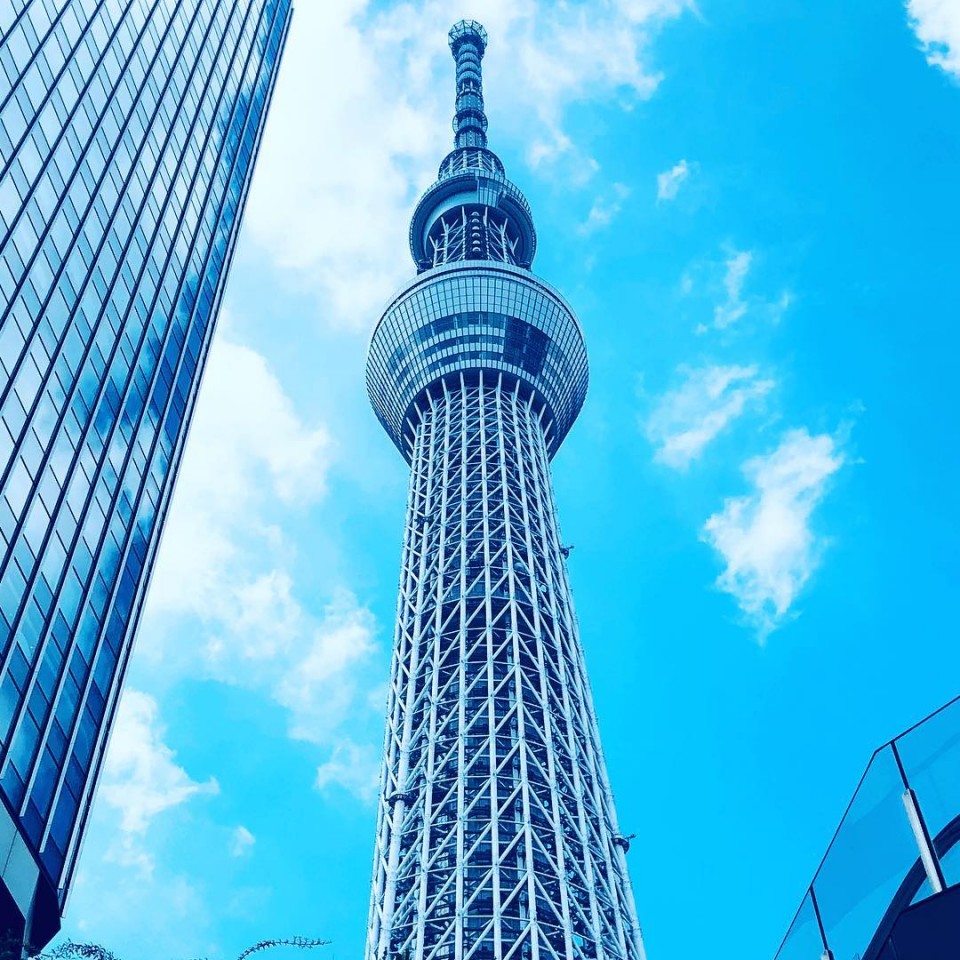
Tokyo Skytree Oshiage
The 634-meter tower right by Oshiage Station is a must on a first visit to Tokyo, with sweeping views over the city from its observation decks. It suits a day out with family or friends as well as a special evening date. Weekends and holidays are still crowded, so going first thing in the morning is the safest plan.
Tokyo Solamachi (Tokyo Skytree Town) Oshiage
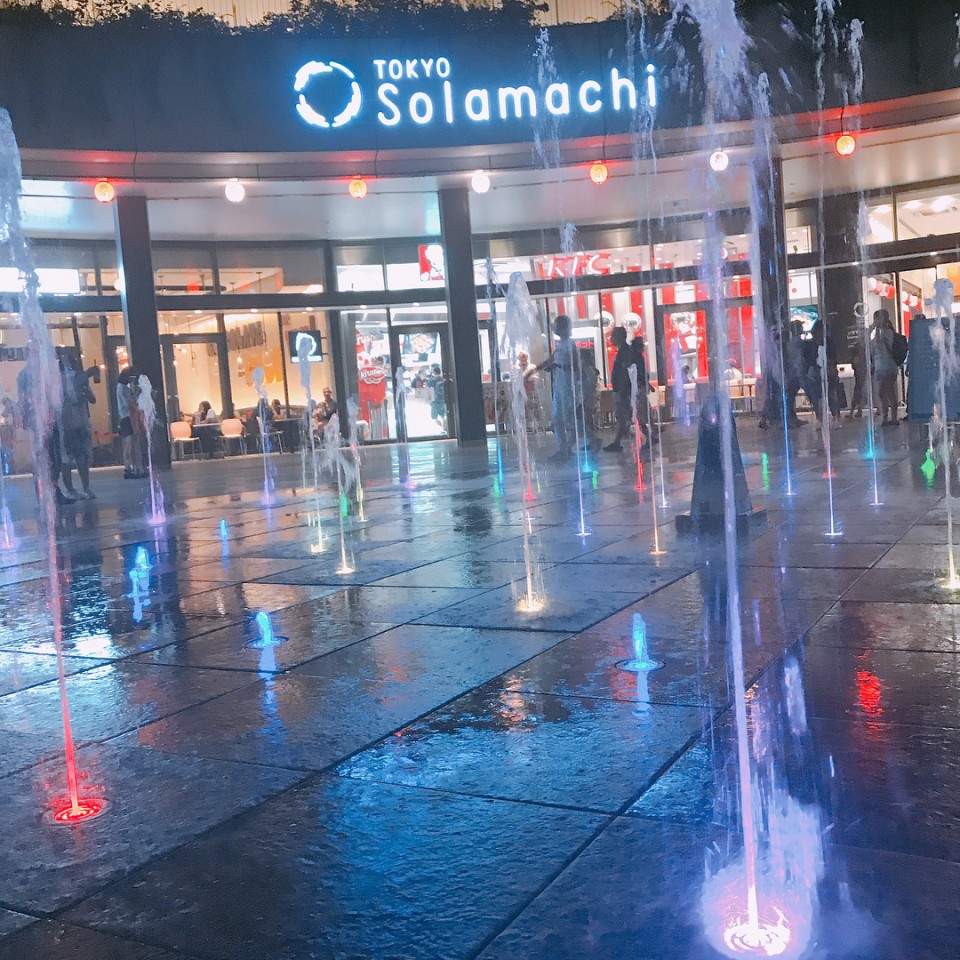
The large shopping complex at the foot of Skytree has more than 300 shops, including souvenir stores, fashion brands and places to eat. There is too much to see in one day, so pick the shops you want before you go. It is an easy stop before or after going up the tower, for gifts, sweets and small goods.
Sumida Aquarium Oshiage
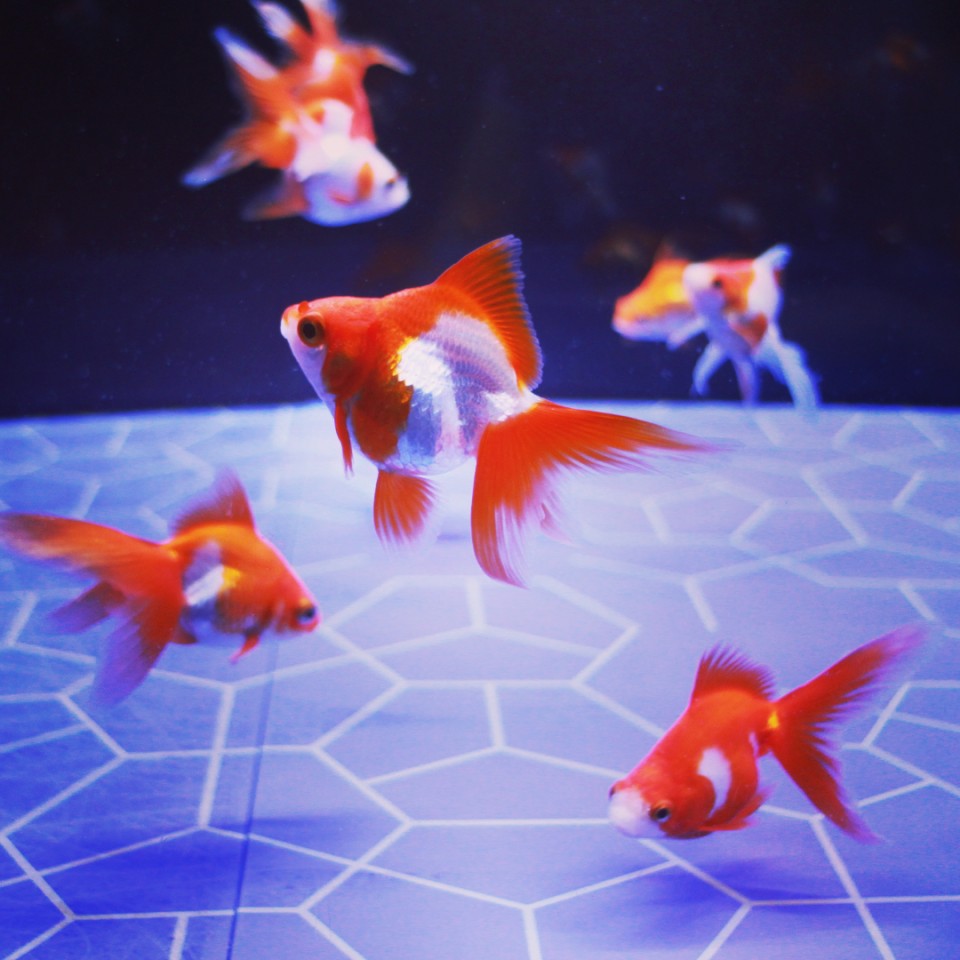
Not a huge aquarium, but one that puts its energy into jellyfish and penguins. The jellyfish tanks create a dreamy atmosphere, and many people come to take photos. The stylish interior makes it a good date spot, and because it is inside Skytree Town it is a good backup when bad weather spoils the view from the tower.
Mukojima-Hyakkaen Gardens Higashi-Mukojima
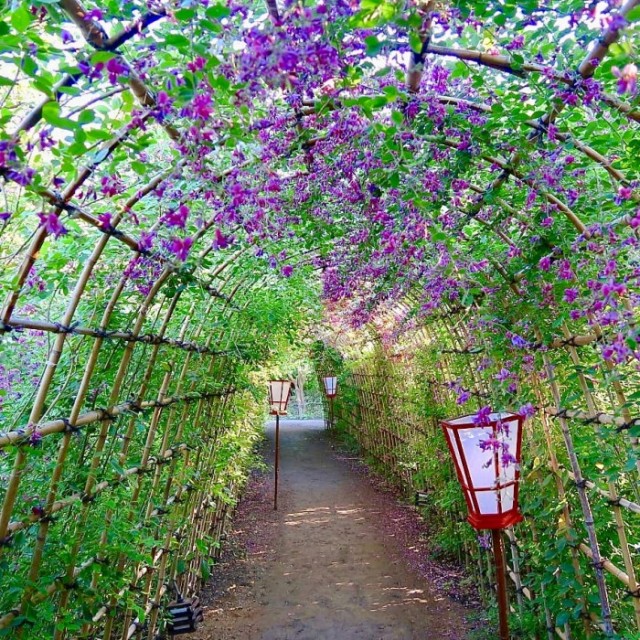
A garden created in the late Edo period by Sahara Kiku-u, an antiques dealer, for the enjoyment of flowers. It was first known as Shin-Umeyashiki for its 360 plum trees. Today there is something in bloom in every season, and it is busiest when the wisteria flowers in early May and the bush clover in September. It is about 8 minutes on foot from Higashi-Mukojima Station.
Ameshin Sumida
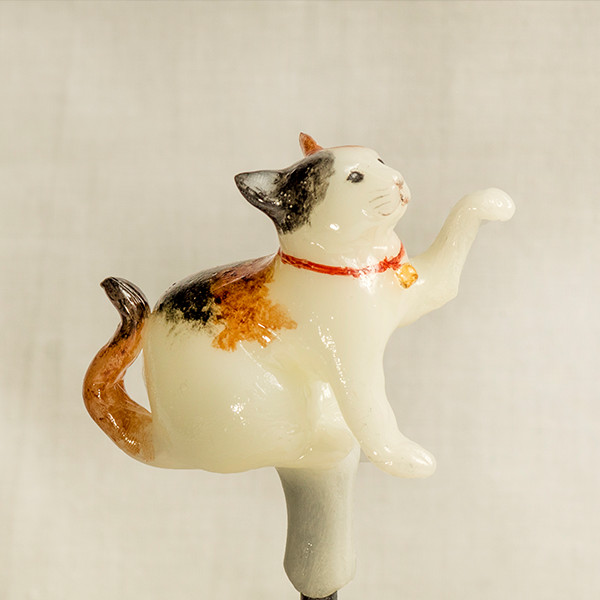
A specialist shop for traditional candy craft, where artisans shape hot candy into figures in front of you. Watching their skill is impressive, and the shop is popular with international visitors. Some pieces are reasonably priced, so it is also a good place to pick up a small gift.
Galleon tatami-room boat Sumida River
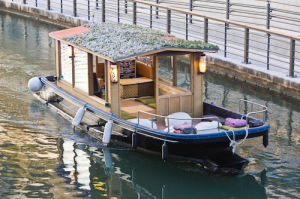
A traditional tatami-room boat that travels down rivers such as the Sumida while a river guide tells short stories about old Edo. From the water you can see an upside-down Skytree reflected in the river and a Panama-style canal lock, so it pairs well with a visit to the tower.
Sumida Edo Kiriko-kan Sumida
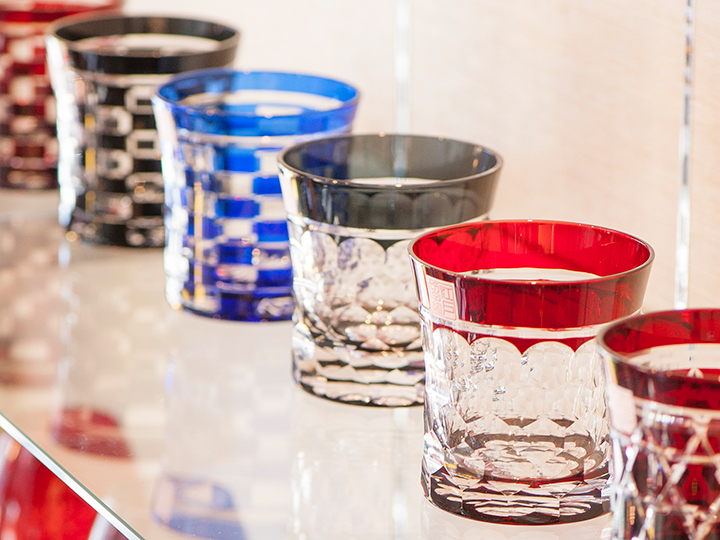
A workshop shop certified by Sumida City where about 350 pieces of Edo kiriko cut glass are always on display. You can buy anything from fine pieces by kiriko artists to glasses for everyday use. There is also a simple cut-glass making experience, so you can take home a piece you made yourself.
Around Tokyo Tower
Tokyo Tower Shiba Park
The red tower is the classic symbol of Tokyo, yet many residents and visitors have never been up it. From the 333-meter tower the view over the city rivals Skytree's, and in some seasons the tower is lit up in seven colors. Night is the best time to go, for the romantic view. Shiba Park spreads out below it for a green walk. It is about 5 minutes on foot from Akabanebashi Station.
Zojo-ji Shiba Park
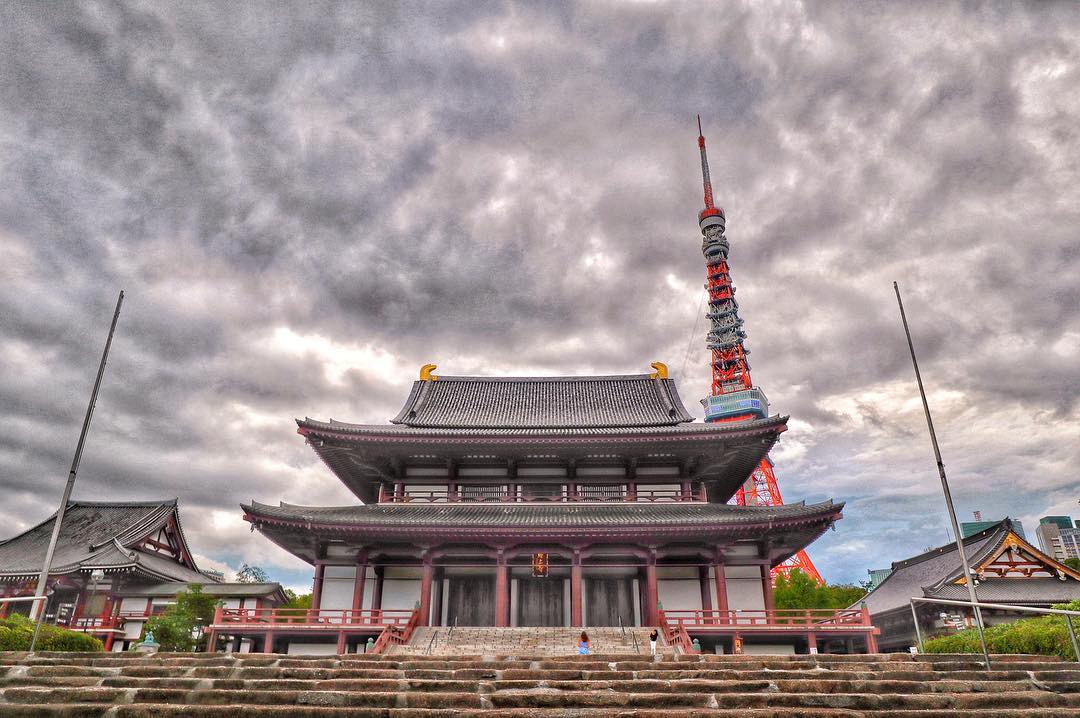
The Tokugawa family temple, with the graves of the shoguns' family, has long drawn worshippers. It is one of the rare places where a temple and Tokyo Tower appear side by side, which attracts many international visitors. It is also known as a place to pray for success, and many people line up to receive a goshuin temple stamp.
Asakusa
Asakusa is Tokyo's most popular sightseeing area and is easy to combine with a visit to Skytree.
Senso-ji Asakusa
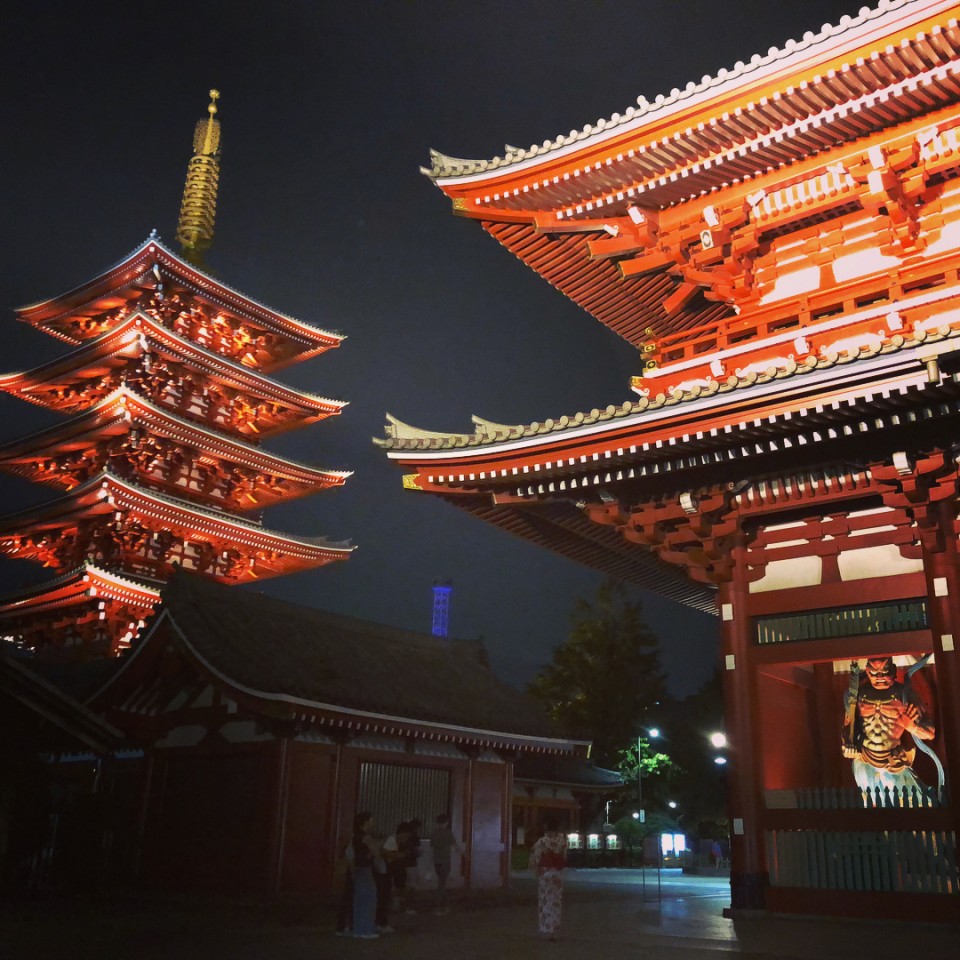
Known as the oldest temple in Tokyo, Senso-ji is famous with visitors from around the world. The giant lantern and the Nakamise shopping street keep an Edo-period feel. The main image of Kannon is a hidden Buddha that is never shown. Even its stand-in image can only be seen once a year, at a ceremony on December 13 at 2 p.m.
Nakamise Shopping Street Asakusa
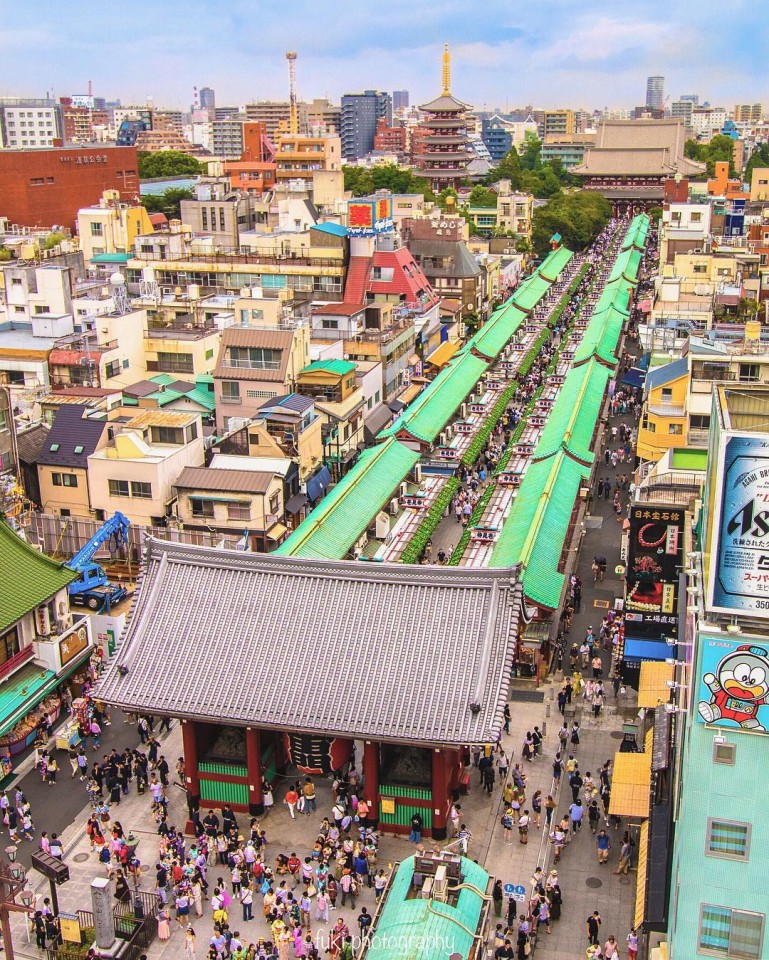
The shopping street leading to Senso-ji keeps the feel of the Edo-period Nakamise and is popular with international visitors. It is a great place to snack as you walk, with dango, rice crackers, steamed buns, ningyo-yaki cakes and soft-serve ice cream. At night the shutters are down, but they are painted with pictures, so the street is worth seeing after dark too.
Kaminarimon Gate Asakusa
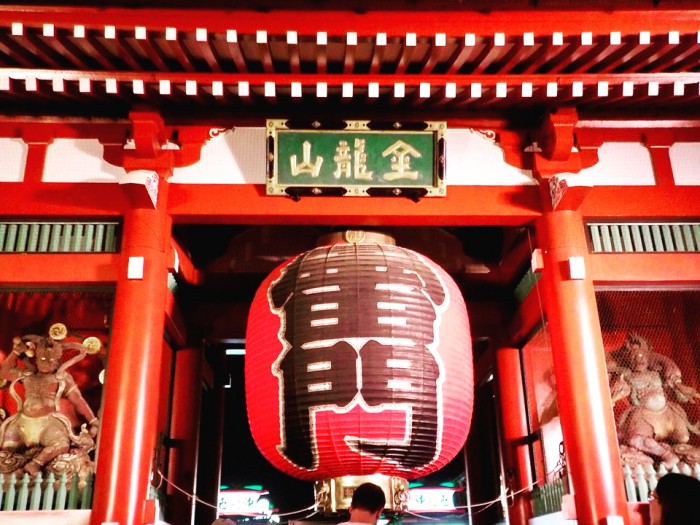
The symbol of Senso-ji and the main entrance to the temple. Its formal name is Furaijin-mon, as the wind god stands on the right and the thunder god on the left. Walk through and look back to find a second pair of statues, Kinryu and Tenryu. As you pass under the big lantern, look up at its base to see a carved dragon. The current gate was donated in 1960 by Konosuke Matsushita.
Asakusa Hanayashiki Asakusa
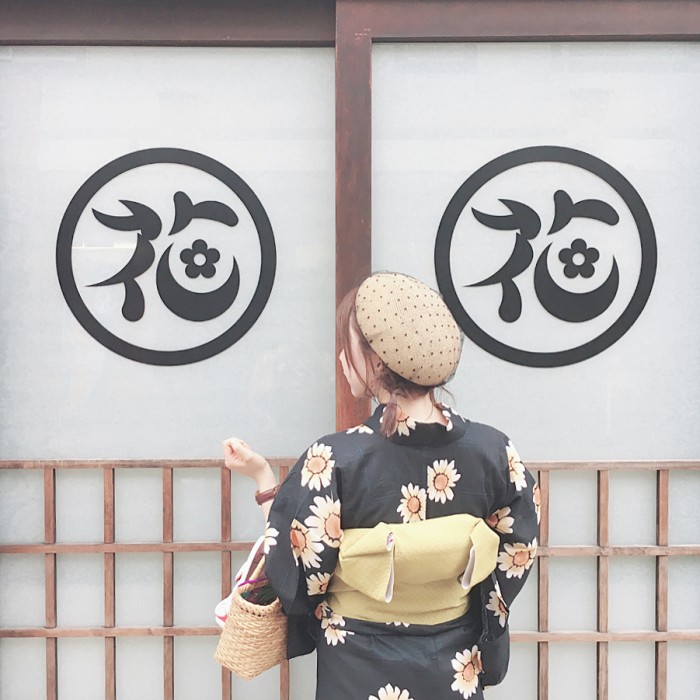
Known as Japan's oldest amusement park, Hanayashiki opened in 1853 as an amusement facility, later became a zoo and turned into an amusement park after the war. There are no big thrill coasters, but there are gentle rides for children, a haunted house and other spooky attractions, plus seasonal events. Adults and children alike can easily spend the whole day.
Imado Shrine Asakusa
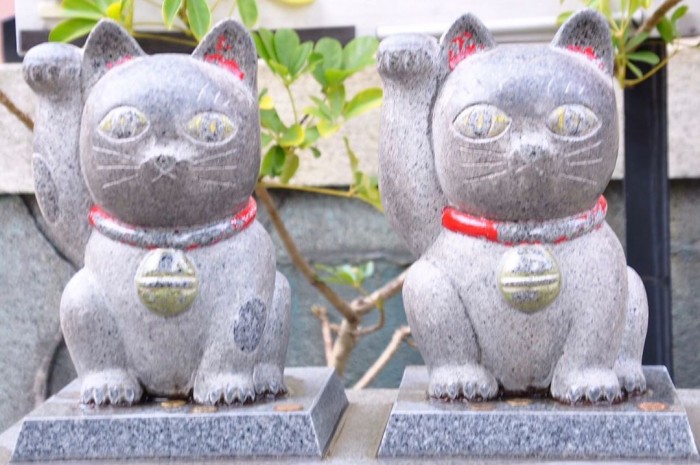
A shrine known for luck with money and love. It is famous for its pair of beckoning cat stones, called nade-neko, which are said to bring good fortune when you stroke them. There is a wide range of omamori charms, so it is a nice place to find a gift for someone special. It is about 15 minutes on foot from Asakusa Station.
Kappabashi Kitchen Town Asakusa
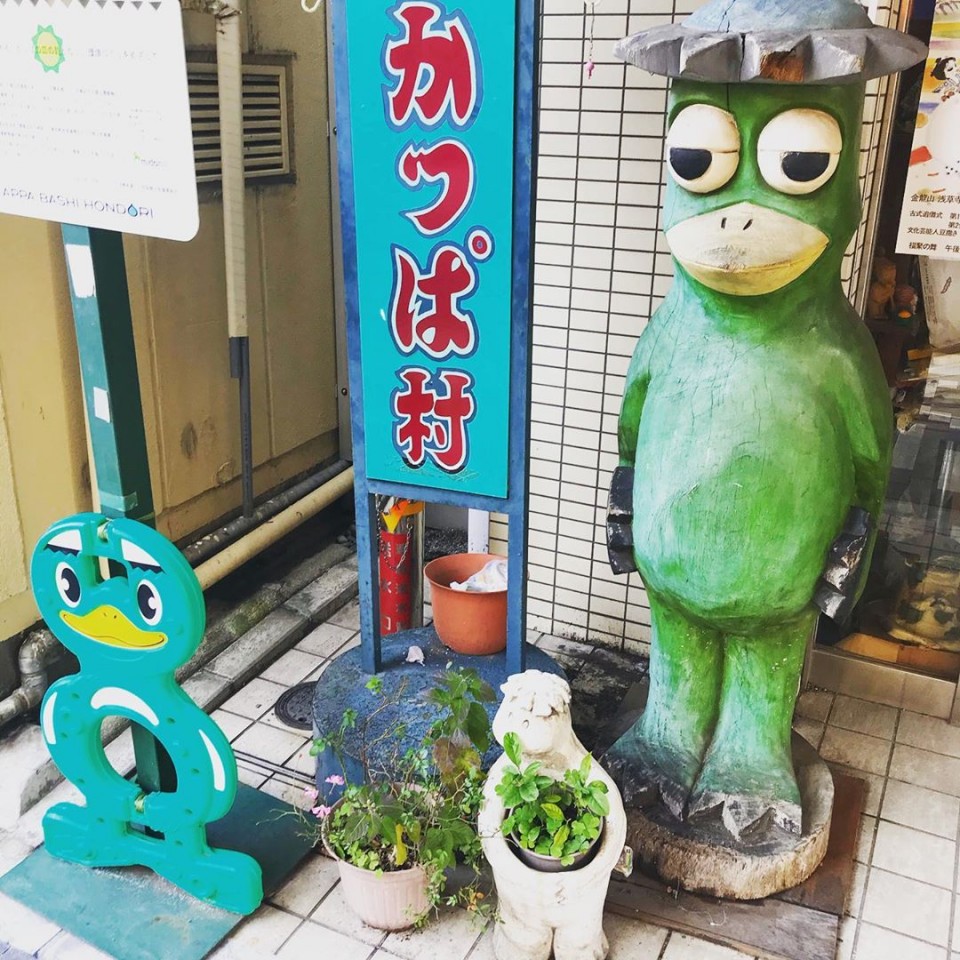
Known as Japan's biggest wholesale street, Kappabashi sells tableware, kitchen tools, restaurant supplies, cooking and baking ingredients, and plastic food samples. The food samples are so realistic that they are popular with international visitors, and some shops let you make your own. Many shops are closed on weekends and holidays, so a weekday visit is best.
Asakusa Underground Street Asakusa
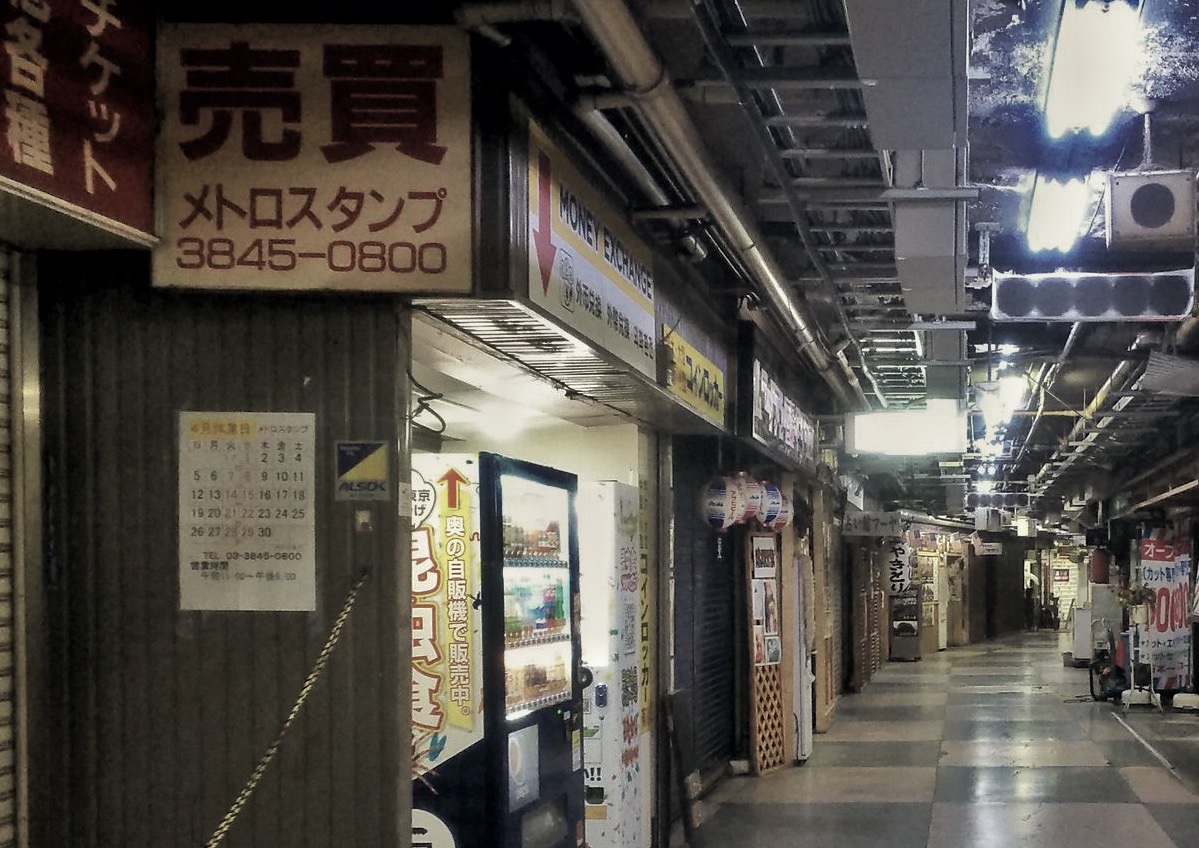
Japan's oldest underground shopping street, with a retro interior and small shops that feel worlds away from the busy sightseeing streets above. The best known is Fukuchan, famous for its curry-sauce yakisoba and popular with visitors. It is reached from exits 6 and 8 of the Ginza Line's Asakusa Station.
Ueno
Ueno Park and its surroundings pack a zoo, major museums, shrines and a market street into one area that suits visitors of every age.
Ueno Zoo Ueno Park

One of the most visited zoos in Japan, with so many animals that one day is not enough to see them all. The zoo's website suggests routes, including a stroller-friendly one for families with small children and an efficient one for first-time visitors, so check it before you go. The zoo is closed on Mondays.
Statue of Saigo Takamori Ueno Park
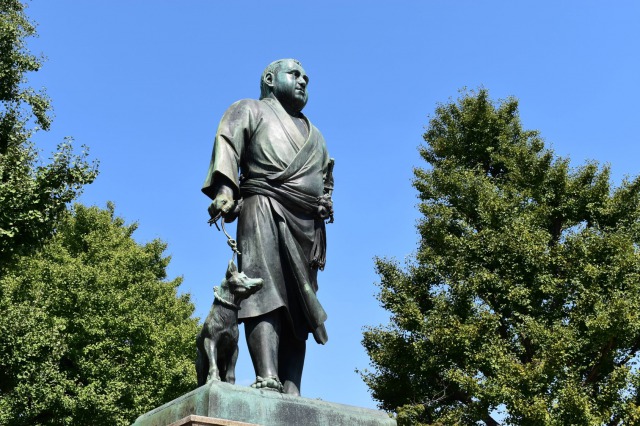
This famous bronze statue stands right on the way from Ueno Station to the zoo, yet many people walk past without noticing it. It was planned mainly by people from Satsuma and paid for with donations, which shows how much Saigo was loved by his fellow samurai. Once branded a rebel after leading the Satsuma Rebellion, he now quietly watches over Tokyo.
Ueno Toshogu Shrine Ueno Park
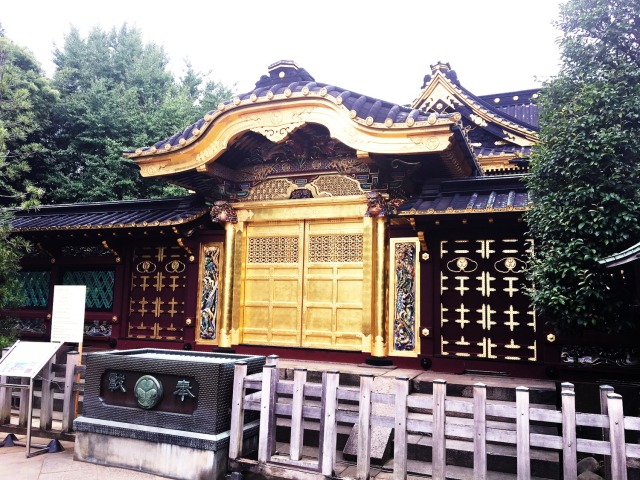
Many visitors skip it on the way to the zoo, but this shrine with its vermilion buildings is well worth seeing. Several structures are Important Cultural Properties: the golden main hall, the Karamon gate with ascending and descending dragons carved by Hidari Jingoro, the openwork fence and the copper lanterns donated by feudal lords. A peony garden blooms beside it in season.
National Museum of Nature and Science Ueno Park
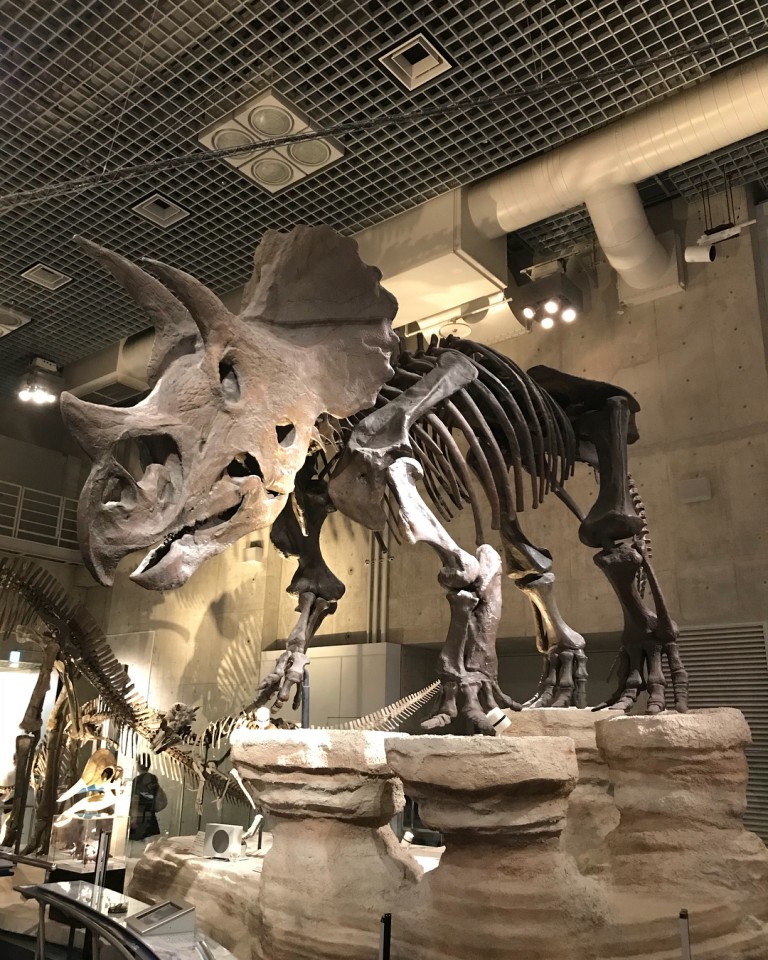
Look for the whale monument outside. Inside, exhibits range from history to science. You can see the preserved bodies of the loyal dog Hachiko, Jiro of the Antarctic expedition story and Huan Huan, a giant panda from Ueno Zoo, as well as the rare mummy of an Edo-period woman. The museum stays open later on Fridays.
Tokyo National Museum Ueno Park
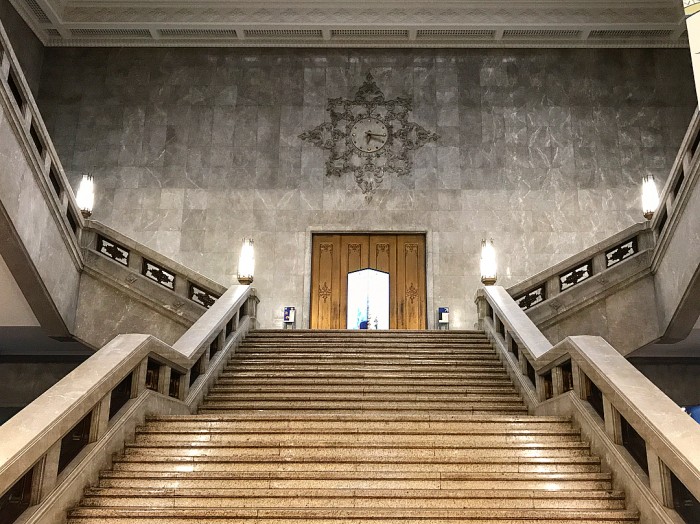
Known as the museum with the longest history in Japan, it shows art and cultural treasures from Japan and other parts of Asia. The collection holds about 112,000 items, including National Treasures and Important Cultural Properties, with 2,000 to 3,000 pieces on display at any time.
National Museum of Western Art Ueno Park
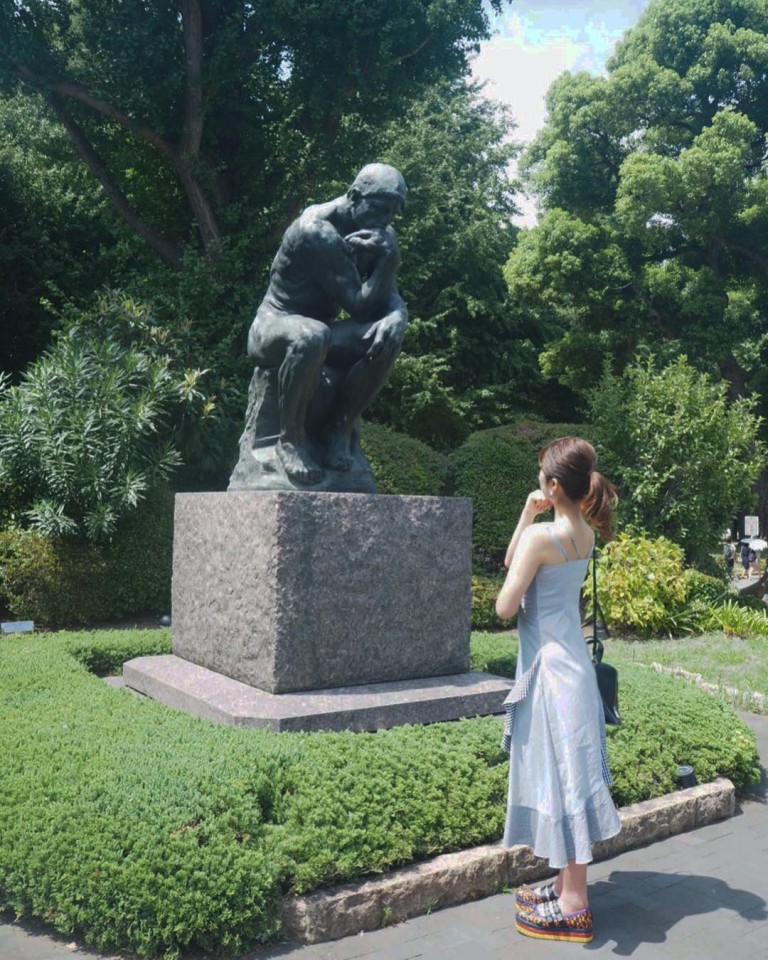
Founded in 1959, the museum is built around the collection of businessman Kojiro Matsukata. Besides Impressionist paintings by Renoir and others, you can see sculptures, including Rodin's The Thinker. It is a minute's walk from JR Ueno Station and stays open later on Fridays.
Shinobazu Pond Ueno Park
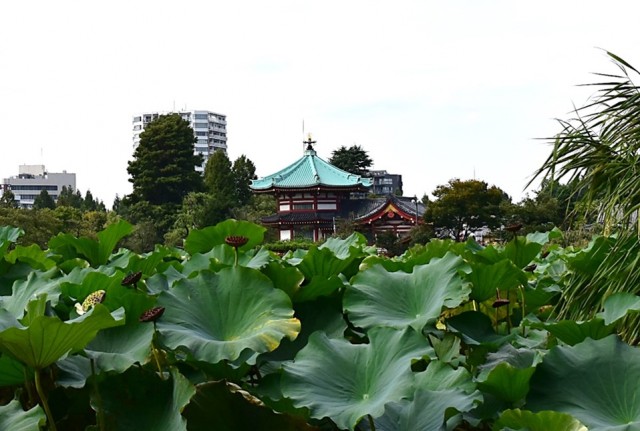
The best-known sight in Ueno Park, where you can rent a boat. Legend says the goddess Benten, enshrined beside the pond, gets jealous of couples who visit and they break up, yet it is full of couples on weekends. The best season is when the lotus is in bloom.
Ameyoko Ueno to Okachimachi
A market street that runs for about 400 meters between Ueno and Okachimachi stations. The name comes from the candy, or ame, sold here at the black market after the war, and many shops still sell sweets. At the end of the year, shops start selling food for New Year and the street gets very busy.
Tokyo Station and the Imperial Palace
The area around Tokyo Station lets you combine shopping with historic sights, from the red brick station itself to the Imperial Palace grounds a short walk away.
Tokyo Station Marunouchi
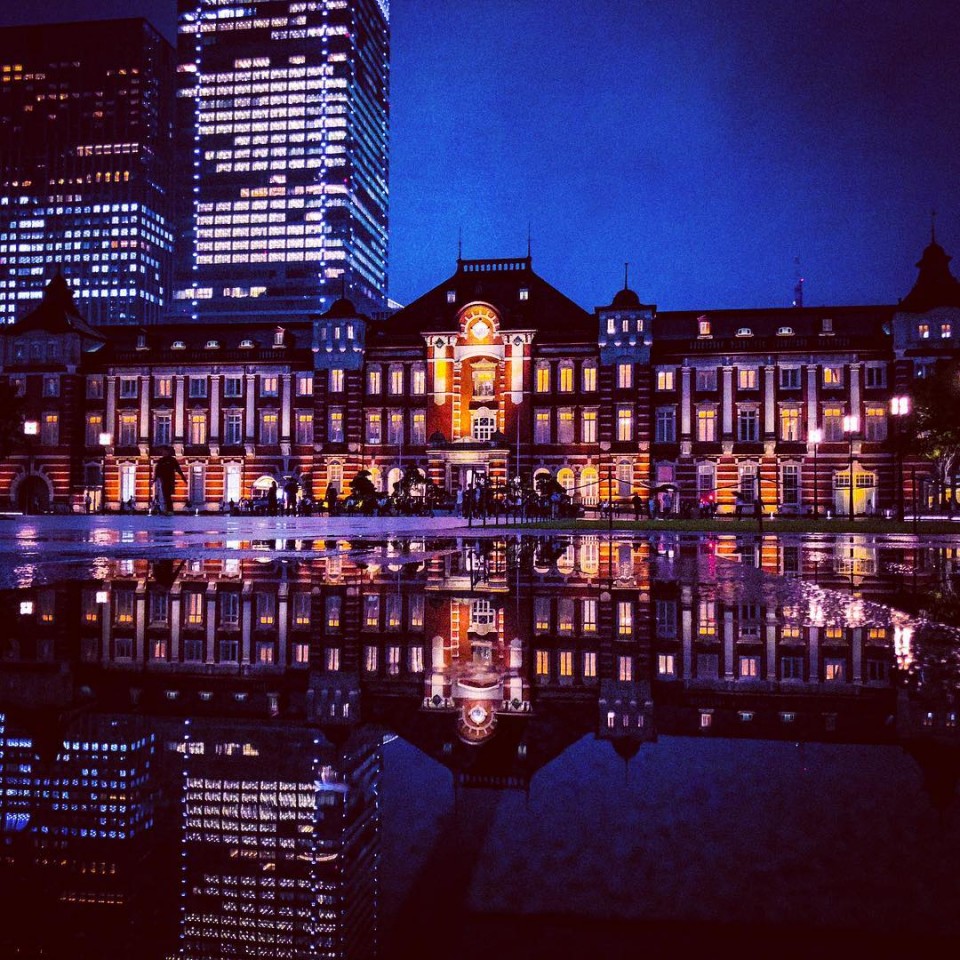
The gateway to Tokyo covers an area about 3.6 times the size of Tokyo Dome, with 30 lines and more platforms than any other station in Japan. Its red brick building was designated an Important Cultural Property in 2003 and was renovated in 2012 to bring back its original look.
KITTE Marunouchi
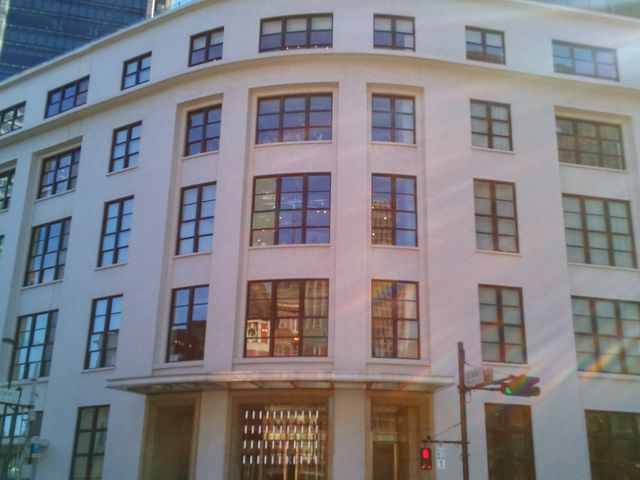
A shopping complex full of select shops with stylish goods that feel very Tokyo. Lifestyle goods and smart stationery are a strength, and it is a good place to spot new trends. Prices are on the high side, so take your time to find what you really want. The illuminations at night are pretty too.
Marunouchi Brick Square Marunouchi
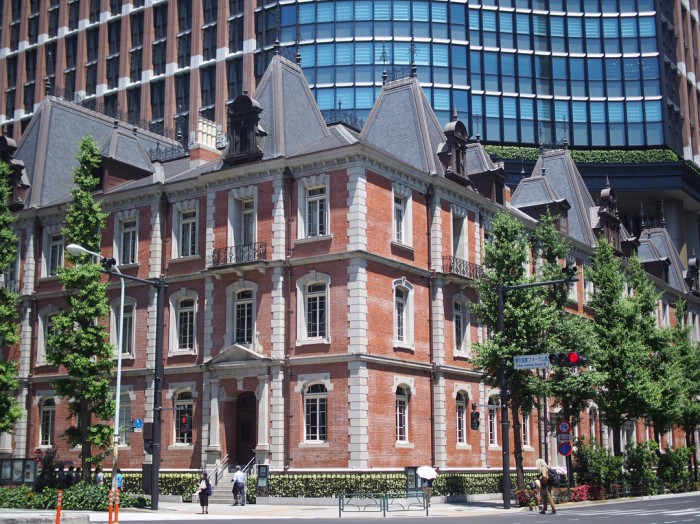
Stylish shops line this corner of the office district, about 3 minutes on foot from Tokyo Station. The plaza between the Mitsubishi Ichigokan Museum and the Marunouchi Park Building is especially charming and recalls an English garden.
Imperial Palace Nijubashimae
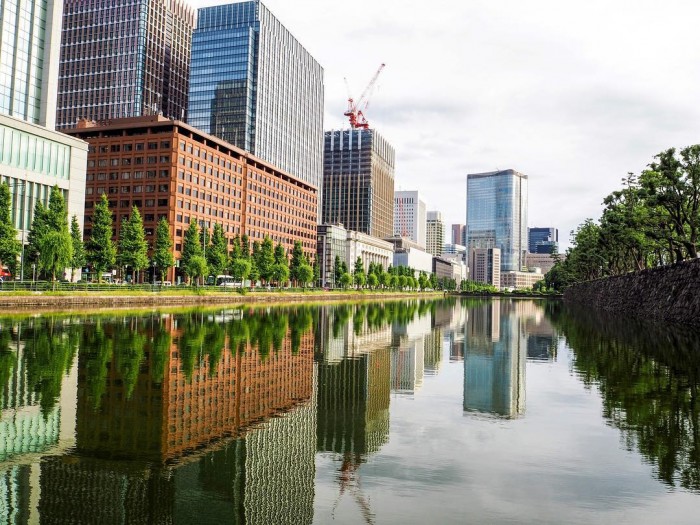
The Imperial Palace, where the imperial family still lives, is one of Tokyo's best-known sights. The inner grounds are normally closed, but they are opened for public tours and on special occasions. It is about 5 minutes on foot from Nijubashimae Station on the subway.
Imperial Palace East Gardens Otemachi
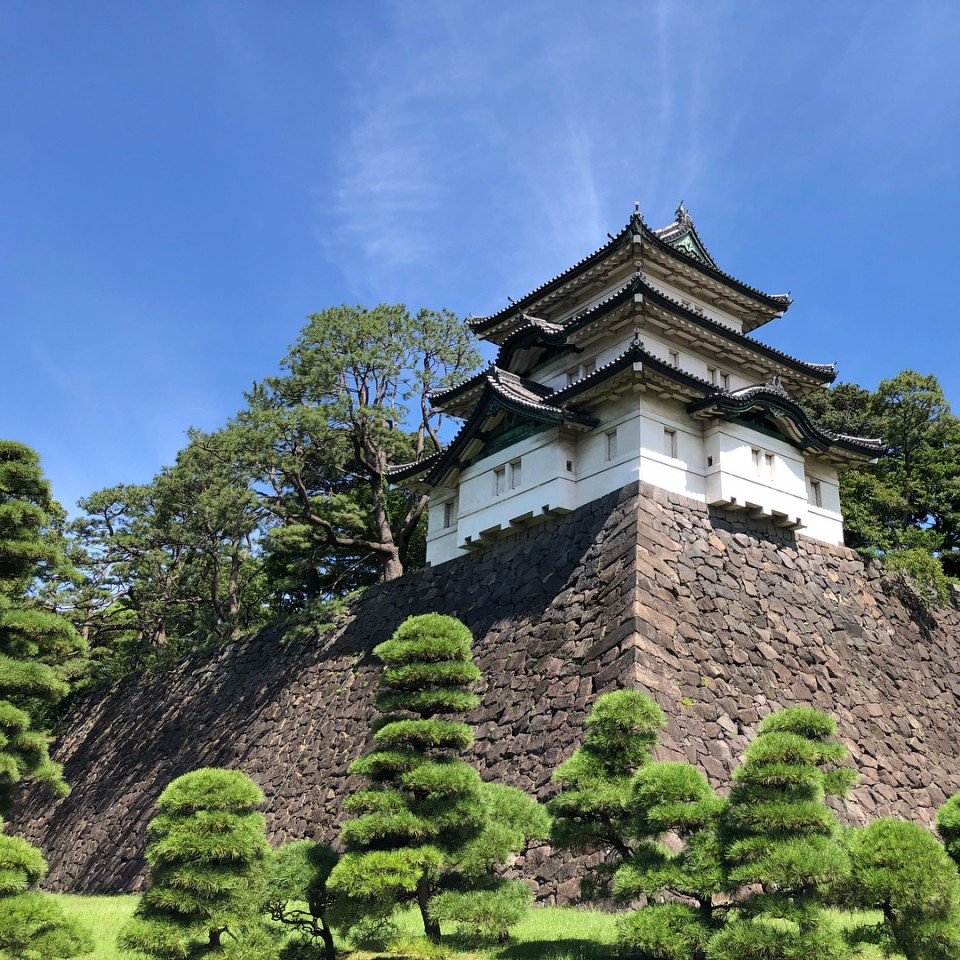
A national historic site where you can see what remains of Edo Castle: the stone base of the castle keep, the Obansho and Hyakunin-bansho guardhouses, the Fujimi-yagura turret, the Fujimi-tamon and the Otemon gate turret. Entry is free. The gardens are closed on Mondays and Fridays and over the New Year.
Kokyo Gaien Marunouchi
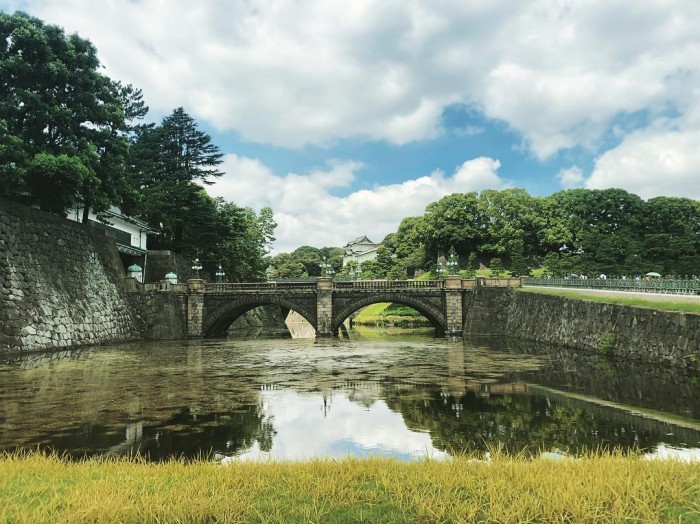
Affectionately called Kokyo-mae Hiroba, the plaza in front of the Imperial Palace, this outer garden opened to the public in 1949 as a former imperial garden. Wide, beautiful lawns spread out in the middle of the city, and in recent years it has also become a popular running course. It is about 8 minutes on foot from Tokyo Station.
Chidorigafuchi Imperial Palace
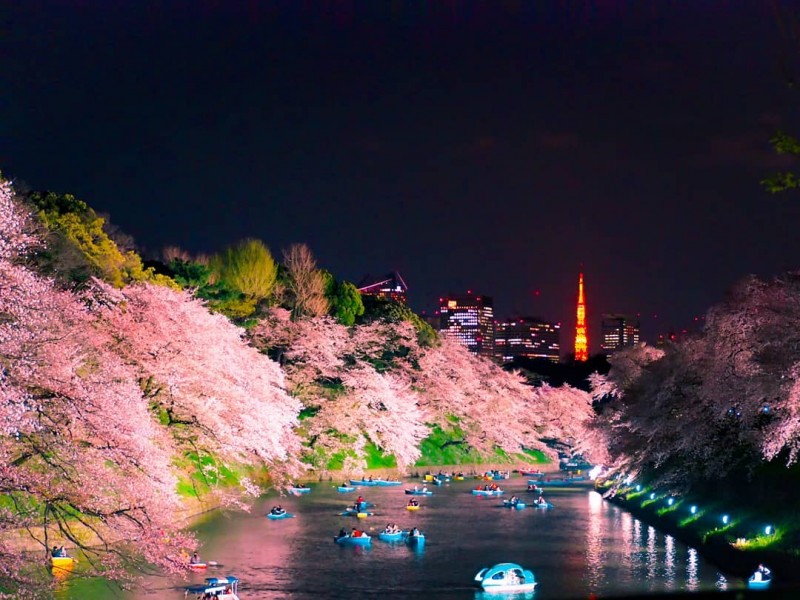
One of Tokyo's best-known cherry blossom spots, where the trees line an old moat of the Imperial Palace. You can rent a boat to see the blossoms up close, but in spring it is so popular that the wait for a boat can be long.
Nihonbashi Nihonbashi
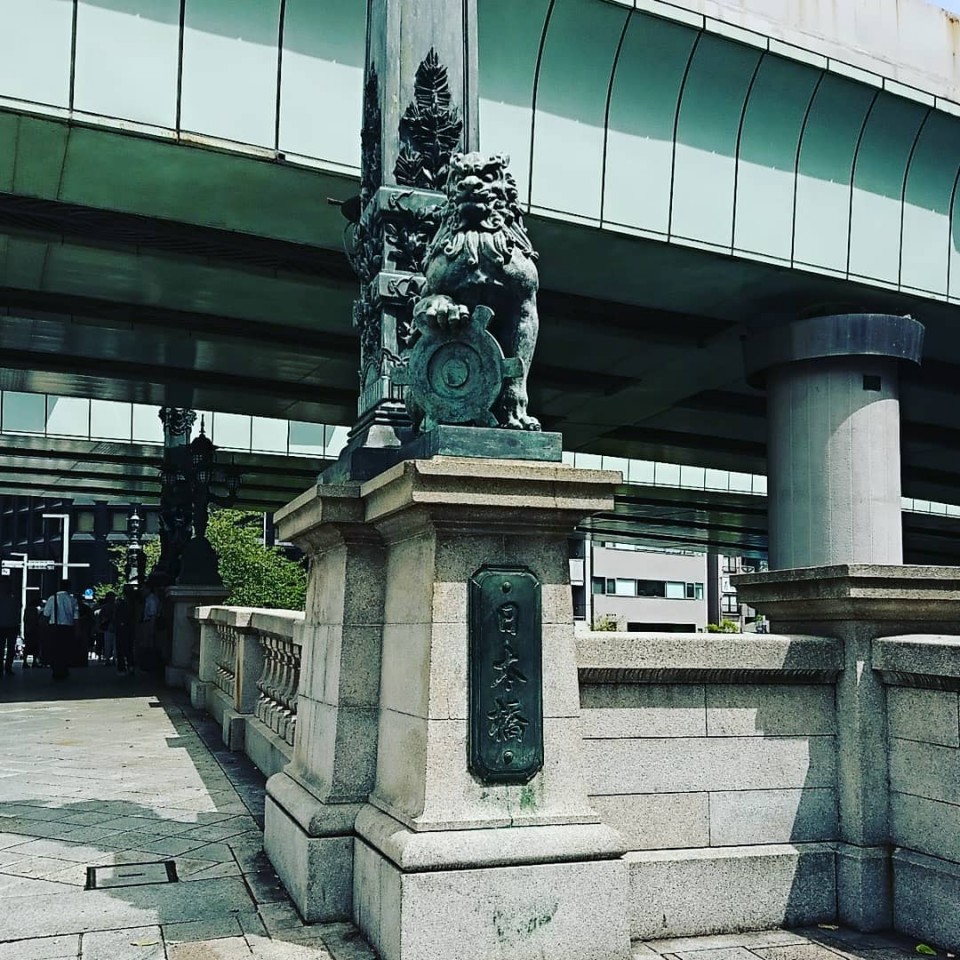
A historic bridge first built in 1603. It was the starting point of the five main roads of the Edo period, including the Tokaido, the Nakasendo and the Nikko Kaido, and from the Meiji era it became the starting point of Japan's national roads. A plate marking this point is set into the middle of the bridge.
Marunouchi Naka-dori Marunouchi
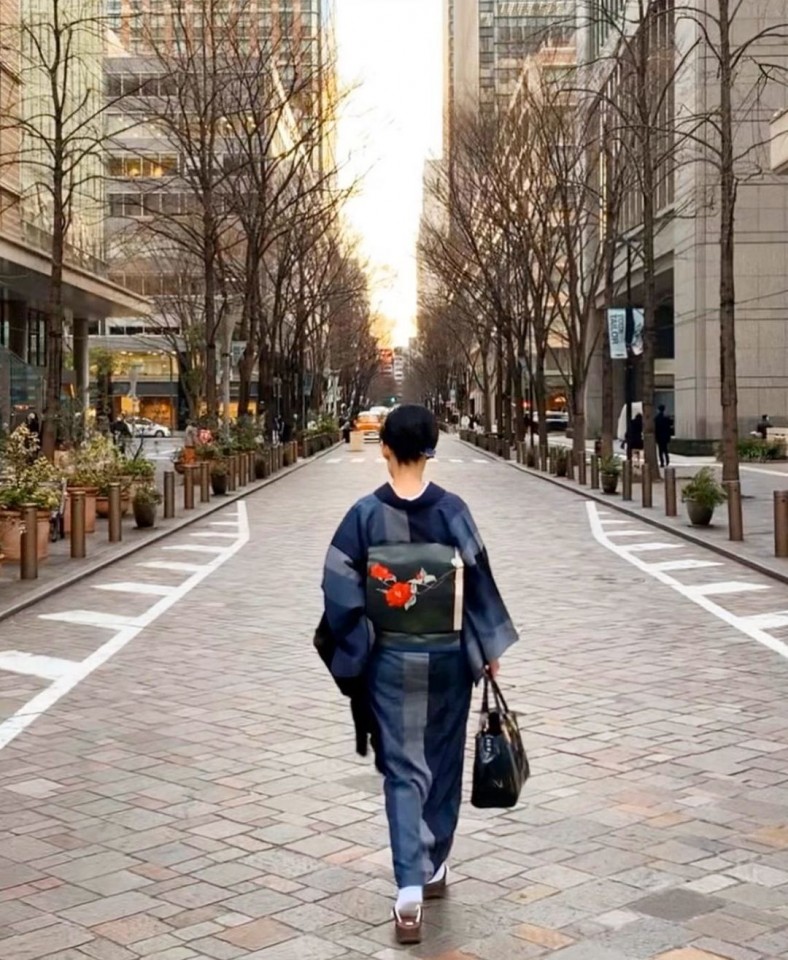
The main street of Marunouchi, lined with 17 buildings including the Marunouchi Building and the Shin-Tokyo Building, and with luxury brand shops. The stone-paved street feels almost like being abroad, and its street art makes for unusual photos. In winter it is lit with champagne-gold illuminations and draws large crowds.
Mitsubishi Ichigokan Museum Marunouchi
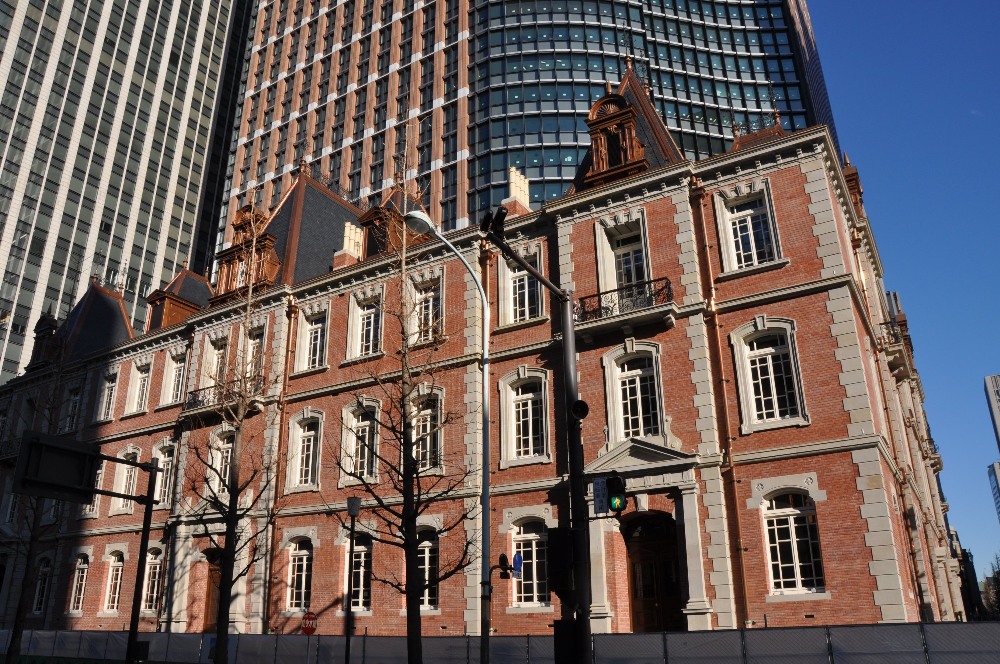
The building, from 1894, was the first Western-style office building in Japan designed by a British architect, built not long after the country opened up. It became a museum in 2010 and holds many works of Western art from the late 19th century.
Odaiba
The waterfront district of Odaiba gathers large entertainment and shopping complexes, many of them indoors, which makes it a good choice on a rainy day.
Rainbow Bridge Shibaura
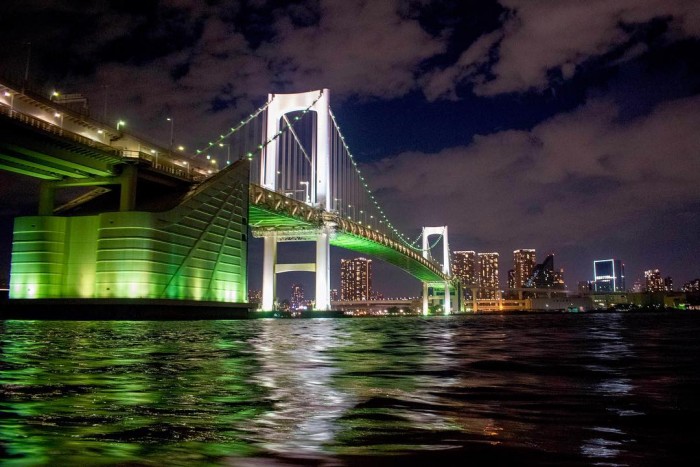
Tokyo's best-known bridge, also famous as the setting of a memorable scene in the film Bayside Shakedown. At night it is beautifully lit up, which is the best time to see it. It is about 5 minutes on foot from Shibaura-futo Station on the Yurikamome line.
Tokyo Joypolis Daiba
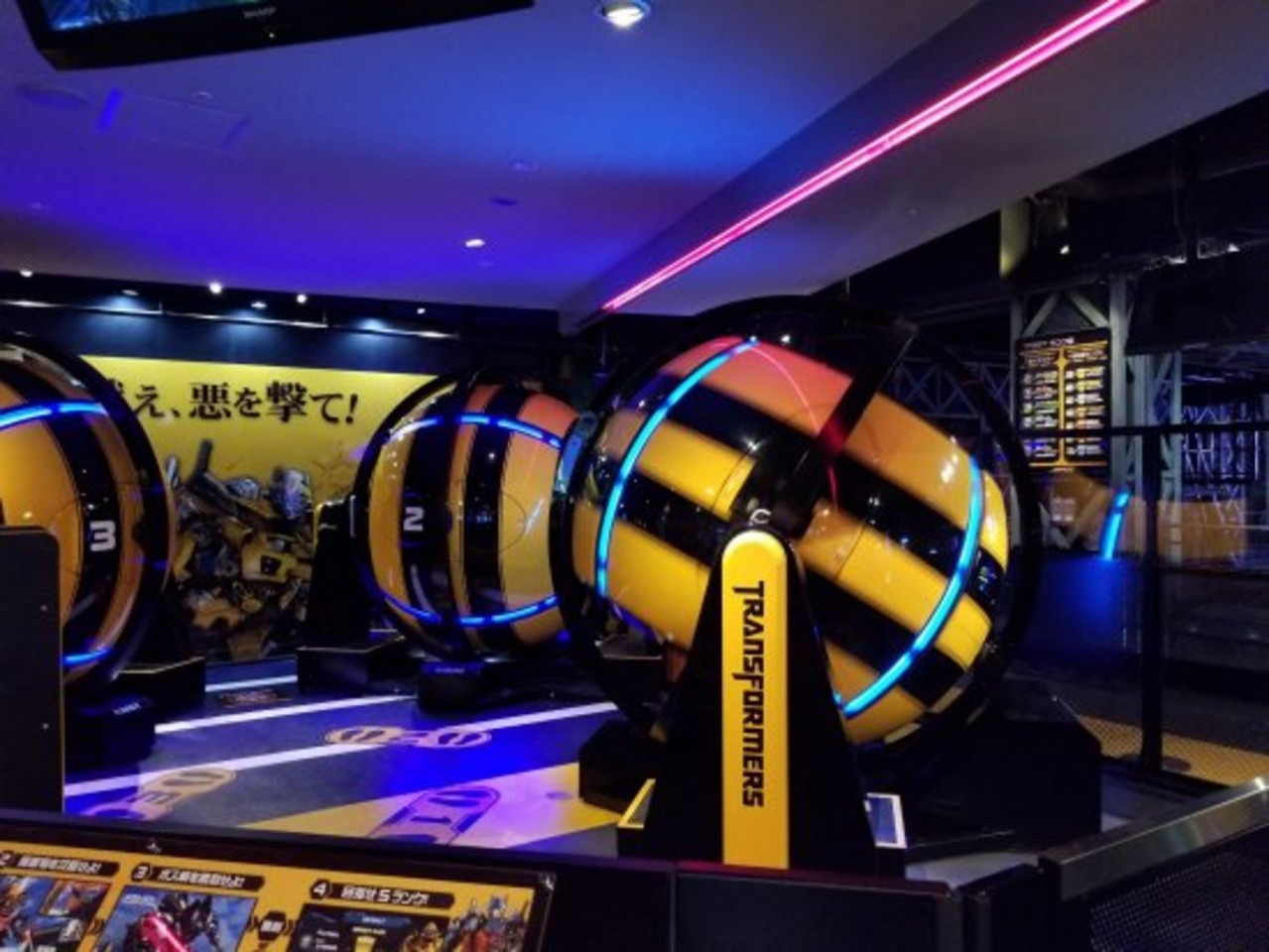
One of the largest indoor theme parks in Japan, so rain is no problem. Attractions range from a roller coaster and a haunted house to mystery-solving games, and you can easily spend the whole day. It is a minute's walk from Daiba Station on the Yurikamome line.
Miraikan (National Museum of Emerging Science and Innovation) Aomi

A place to get close to Japan's latest technology. You can meet robots and watch a planetarium show, so it is easy to enjoy even without a science background. The nearest station is Telecom Center.
Fuji Television Headquarters Daiba
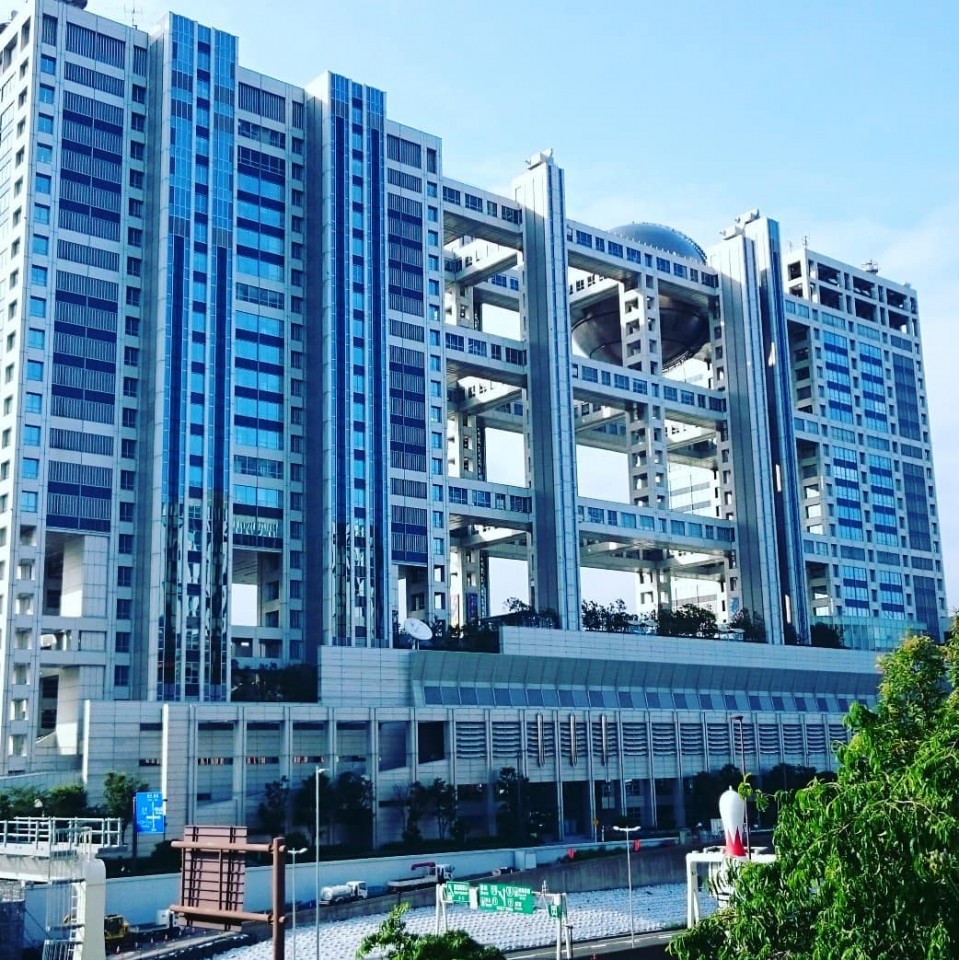
With its unusual design, the TV station's headquarters is a symbol of Odaiba. Various events are held here, and it is popular with sightseers as well as TV fans. The sphere observation room on the 25th floor looks out over Odaiba. It is closed on Mondays.
Odaiba Marine Park Daiba
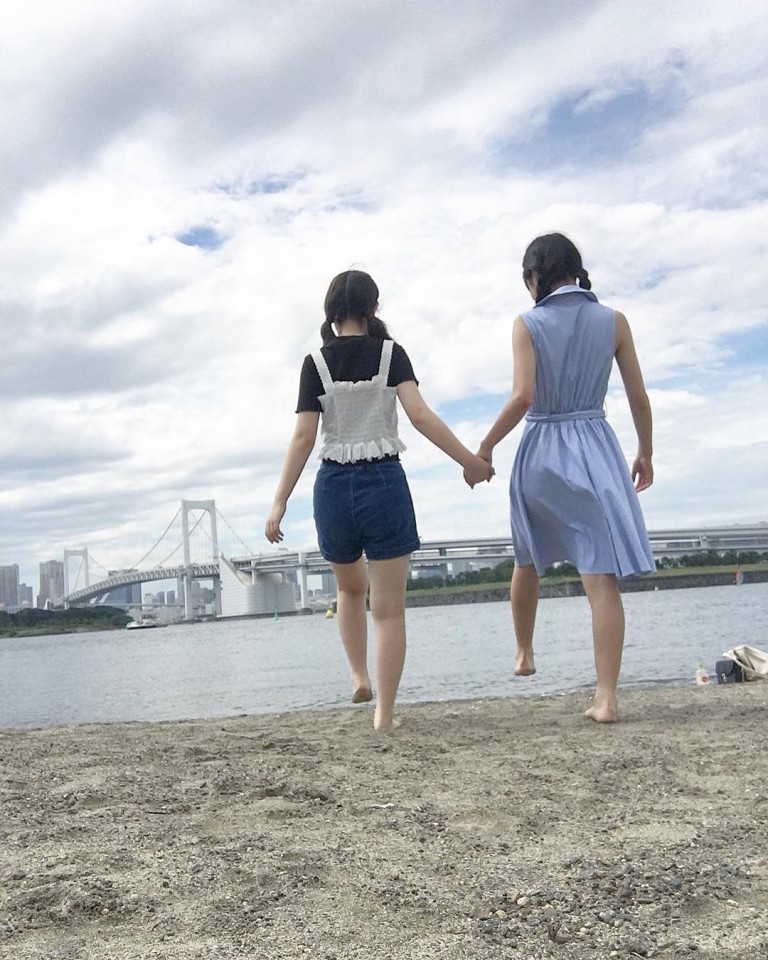
The land was first set aside for storing timber, developed as a park from the late 1960s and opened in its present form in 1996. The park has a permanent replica of the Statue of Liberty, approved by the French government. Come after sunset for the night views.
DiverCity Tokyo Plaza Aomi
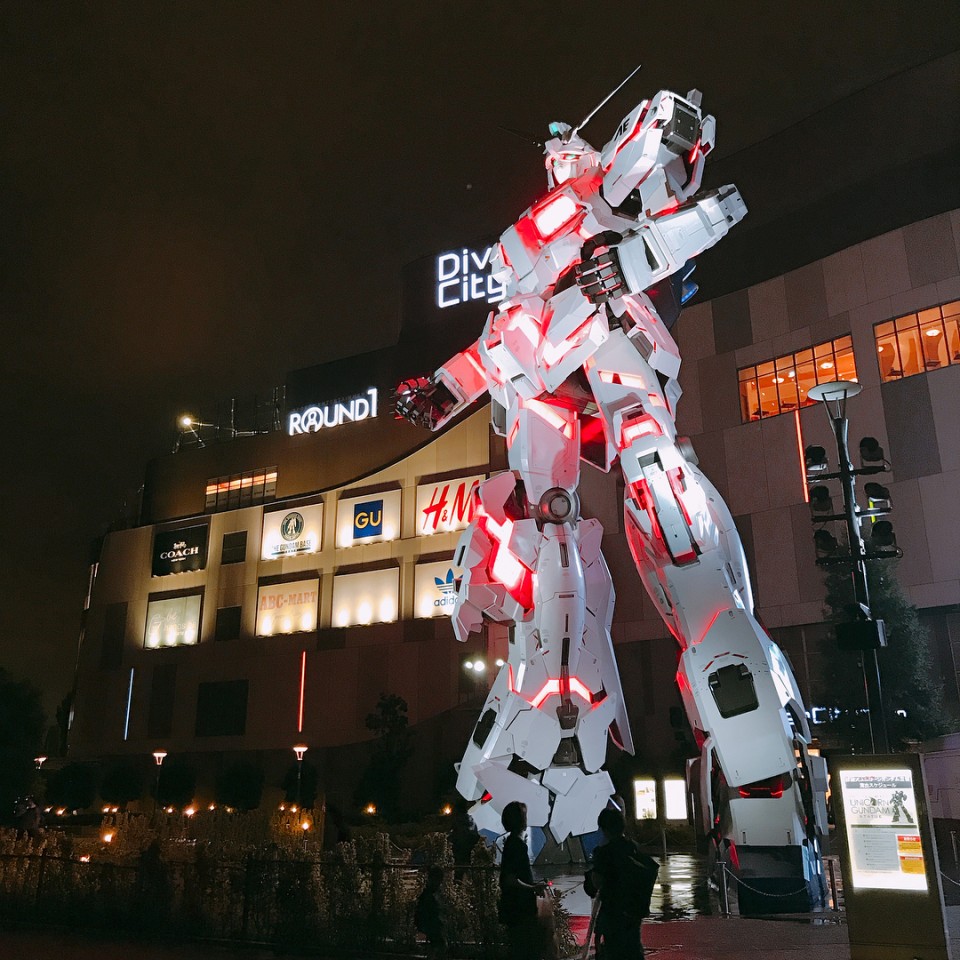
A shopping complex in the middle of Odaiba built around the idea of a theatrical city space. Beyond shopping and dining, it aims to offer surprises and discoveries as you walk around. It is about 5 minutes on foot from Daiba Station on the Yurikamome line.
The places on a map
Hours, prices and events change. Check each place's official website before you go.
More travel guides
 Nagoya: 40 Best Places to Visit, from Nagoya Castle and Atsuta Jingu to Osu40 placesNagoya is one of Japan's biggest cities, yet many visitors don't know how much it has to see. Alongside its famous…
 Chichibu: 40 Best Places to Visit, from Nagatoro River Boats and Mitsumine Shrine to Moss Phlox and Icicles40 placesChichibu, the largest city in Saitama Prefecture, is about 90 minutes from central Tokyo. Most of the area is national…
 Niigata Prefecture: 40 Best Places to Visit, from Classic Sights to Hidden Gems40 placesNiigata Prefecture stretches a long way from north to south, and each area has its own scenery, climate and food. The…
 Nagasaki Prefecture: 40 Best Places to Visit, from Unzen Hot Springs to Hirado and Nagasaki City40 placesNagasaki grew up as a port open to the outside world, and the culture of those days still shapes its streets, churches…
 Fukuoka Prefecture: 40 Places to Visit in Kitakyushu, Chikuho and Around Fukuoka City40 placesFukuoka Prefecture is roughly divided into four areas, Kitakyushu, Chikuho, Fukuoka and Chikugo, and each has its own…
 Kagoshima Prefecture: 40 Best Places to Visit, from Classic Sights to Local Oddities40 placesKagoshima sits at the southern end of Kyushu and is made up of two peninsulas and a string of islands. There is far too…