
Kaminarimon Gate
Temple gate · Taito, Tokyo
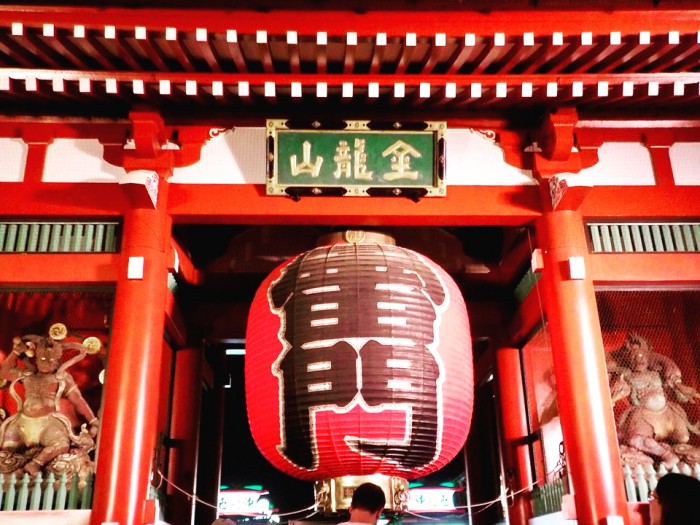 photo by @balaazu
Kaminarimon, the Thunder Gate, is the outer gate of Senso-ji temple in Asakusa and one of the most recognizable sights in Tokyo. Its giant red paper lantern appears in countless guidebooks and photos of Japan. The gate is guarded by statues of the wind god and the thunder god, and it opens onto Nakamise, the shopping street that leads to the temple. Look closely and there is more to see than the lantern alone.
Good to know
- Japanese name
- 雷門
- Address
- 東京都台東区浅草2丁目3-1In Japanese, to show a taxi driver or type into a map app.
- Nearest station
- Asakusa Station
- Access
- About 5 min walk from Asakusa Station (Tokyo Metro Ginza Line, Toei Asakusa Line, Tobu Skytree Line, Tsukuba Express)
- Hours
- Gate open at all times; Senso-ji main hall 6:00–17:00 (from 6:30, October–March)
- Admission
- Free
- Official website
- senso-ji.jp/guide/kaminari.html
Hours and prices can change. Check the official website before you go.
The gods and the lantern
The official name is Furaijinmon, the Gate of the Wind and Thunder Gods. Facing the gate, Fujin, the wind god, stands on the right and Raijin, the thunder god, on the left. Over time the wind god dropped out of the popular name, leaving just Kaminarimon. The front of the lantern reads Kaminarimon, but walk through and look back, and the other side reads Furaijinmon.
On the back of the gate, two more statues face the temple: the Kinryu (golden dragon) on the right and the Tenryu (heavenly dragon) on the left. When you pass under the lantern, look up at its base, which carries a fine carved dragon. The lantern is 3.9 meters tall, 3.3 meters across and weighs about 700 kilograms, though it is made mostly of washi paper and bamboo.
A long history
The gate's origins go back to the 940s. The statues were added in the Kamakura period, when the gate moved to its present spot. Fires destroyed it many times, and the current gate was built in 1960 with funds from Konosuke Matsushita, founder of Panasonic. The metal ring at the bottom of the lantern still bears the name Matsushita Denki.
The heads of the wind and thunder gods date from the Edo period, while their bodies were made in the Meiji era.
Tips for visiting
Daytime crowds are heavy, with tour groups lining up for photos. If you prefer a calmer scene, come at night. There are fewer people, and the gate is lit up, which gives it a more mysterious look.
The lantern is usually fully open, but it is folded up during the Sanja Matsuri festival, held from the third Friday to Sunday of May, and sometimes for typhoons or repairs. After the gate, walk up Nakamise to Senso-ji and try age-manju, deep-fried sweet buns that are easy to eat as you stroll.
Nearby
 Nakamise Shopping Street64m
 Senso-ji384m
 Asakusa Hanayashiki502m
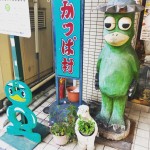 Kappabashi Kitchen Town728m
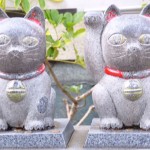 Imado Shrine1.1km
 Sumida Aquarium1.2km
Featured in these guides
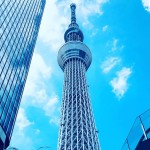 Tokyo Sightseeing by Area: 40 Classic Sights and Lesser-Known Spots from Asakusa to Odaiba40 placesTokyo has much more to see than Skytree, Tokyo Tower and Asakusa. This guide works through six of the city's main…
 Tokyo in 3 Days: A Classic Itinerary from Ueno and Tokyo Tower to Asakusa and Skytree12 placesTokyo has so many sights that it is hard to know where to start or how much time each one needs. This three-day…
Recently viewed
More in Tokyo
 Aqua Park ShinagawaAquarium
 Tokyo TowerObservation tower
 Meiji JinguShinto shrine
 National Museum of Nature and ScienceScience museumTokyo SkytreeBroadcasting tower
 Roppongi HillsShopping complex
 Odaiba Marine ParkWaterfront park
 Shinjuku Gyoen National GardenGarden
 Rikugien GardenJapanese garden
 Showa Kinen ParkPark
 Tokyo JoypolisIndoor theme park
 Nippara Limestone CaveLimestone cave