
Tokyo in 3 Days: A Classic Itinerary from Ueno and Tokyo Tower to Asakusa and Skytree
12 places · Japanese version
Tokyo has so many sights that it is hard to know where to start or how much time each one needs. This three-day, two-night plan links the classic sights in an easy order, with suggested times. Day one covers Ueno, day two Tokyo Tower, a cruise on Tokyo Bay, Meiji Jingu and Shibuya, and day three Asakusa and Tokyo Skytree before you leave from Tokyo Station. Adjust the times to your own pace.
Day 1: Ueno
Arrive at Tokyo Station around 10 am and take the train to Ueno. After a walk-around lunch at Ameyoko, spend the afternoon at your own pace and stay the night at a hotel around Odaiba.
Ueno Zoo Ueno
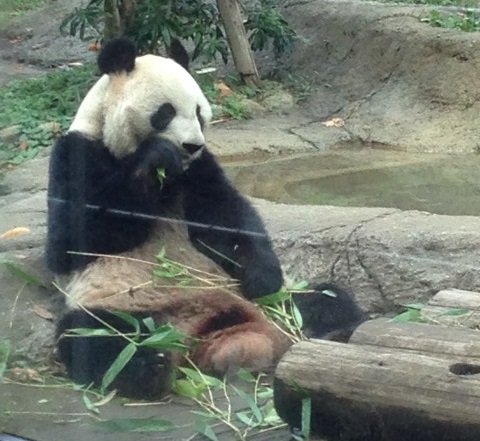
10:30 am to 12:30 pm. A city zoo with about 350 species and some 2,500 animals, five minutes on foot from JR Ueno Station. It is split into the East Garden, home to the pandas and polar bears, and the West Garden, with giraffes, hippos and other African animals. Its special appeal is seeing large animals right in the middle of the city.
Ameyoko Ueno
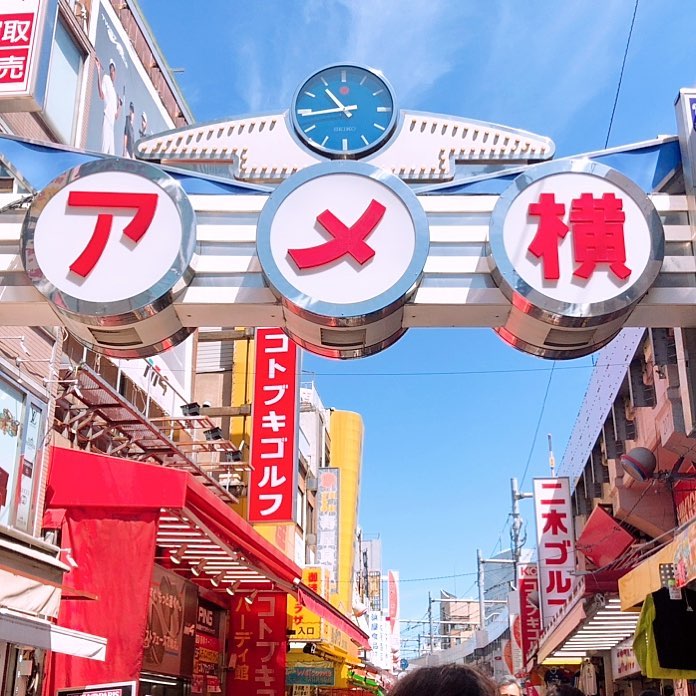
12:40 to 2 pm. Walk from the zoo to this shopping street, where about 400 shops line a road of roughly 500 meters, two minutes from Ueno Station. It is known for low prices, so hunt for bargains, and you can make lunch out of street food as you go. The famous sight here is chocolate sold by auctioneer-style banter, so try buying some.
Day 2: Tokyo Tower, Tokyo Bay, Meiji Jingu and Shibuya
Leave your hotel at 9 am and take the train to Tokyo Tower. End the day in Shibuya and stay at a hotel nearby.
Tokyo Tower Shibakoen
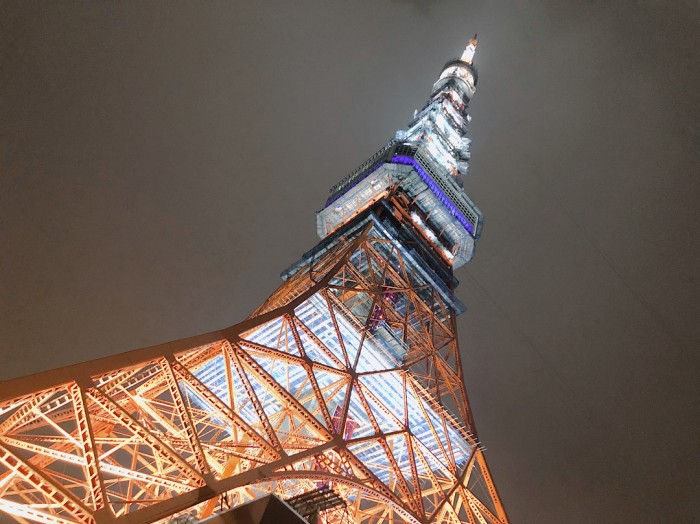
9:45 to 11:10 am. Completed in 1958, the 333-meter tower has long been a symbol of Tokyo, with observation decks at 150 and 250 meters. Shops at the base sell original Tokyo Tower goods and classic Tokyo souvenirs, so you can do some souvenir shopping too. It is five minutes on foot from Akabanebashi Station.
Symphony Cruise Hinode
11:30 am to 2 pm. Enjoy Rainbow Bridge and other Tokyo landmarks from the water on a cruise of Tokyo Bay. There are lunch, sunset and dinner cruises, so pick the one that fits the rest of your day. The pier is one minute from Hinode Station.
Meiji Jingu Harajuku
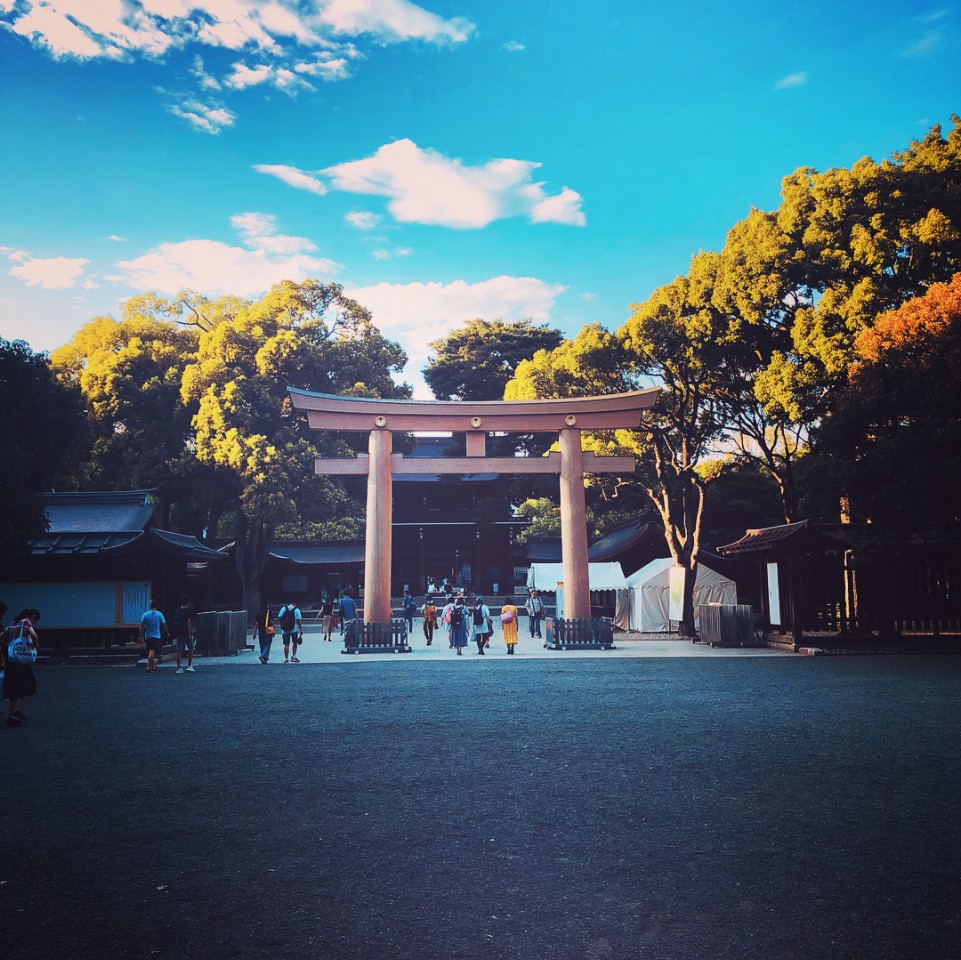
3 to 4:30 pm. The shrine is dedicated to Emperor Meiji and the empress, a devoted couple, and people pray here for love and good matches. In the grounds is Kiyomasa's Well, known as a power spot for good luck. It is a calm escape from the busy city, one minute from Harajuku Station.
Shibuya Shibuya
From 4:40 pm. Shibuya is a town of young people where new buildings such as Shibuya Scramble Square and Shibuya Stream keep going up. Besides shopping, you can see the famous Hachiko statue and the Scramble Crossing and simply enjoy walking the streets.
Day 3: Asakusa, Tokyo Skytree and Tokyo Station
Leave your hotel at 10 am and take the train to Asakusa. Everything in Asakusa is within walking distance.
Kaminarimon Gate Asakusa
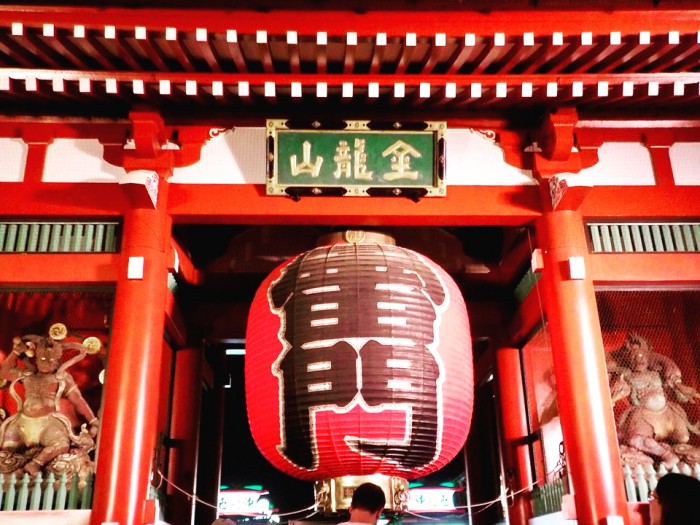
10:45 am. The front gate of Senso-ji, with its huge red lantern, is one of Tokyo's best-known photo spots. Statues of Fujin and Raijin, the gods of wind and thunder, stand on either side and are said to have protected Asakusa from floods and fires since long ago. It is three minutes from Asakusa Station.
Nakamise-dori Asakusa
11 to 11:45 am. About 90 shops line the straight street from Kaminarimon to the main hall of Senso-ji. Many sell Japanese accessories and sweets, and it is very popular with foreign visitors looking for souvenirs with a Japanese feel. Kimono rental shops are nearby, and touring in kimono makes a good memory.
Senso-ji Asakusa
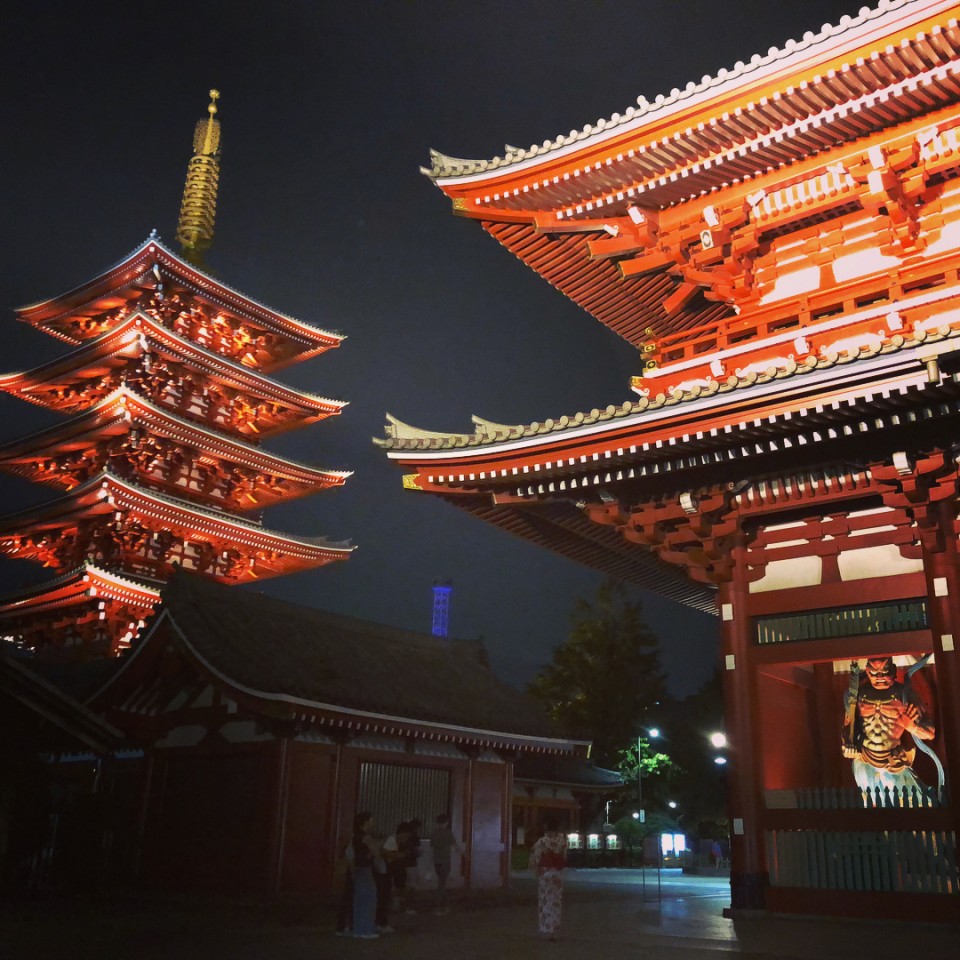
11:45 am to 12:30 pm. A temple with a history going back to the 7th century. The large grounds include a Japanese garden and a five-story pagoda, and each hall and statue is said to bring a different blessing, so read the signs as you go.
Masaru Asakusa
12:40 to 1:30 pm. For tendon, a bowl of rice topped with tempura, this long-running restaurant founded in 1947 is a top choice in Asakusa and often appears on TV. In the popular Edomae tendon, the kuruma prawns can be eaten from head to tail. It closes when it sells out, so check with the restaurant before you go. It is five minutes on foot from Asakusa Station.
Tokyo Skytree Oshiage
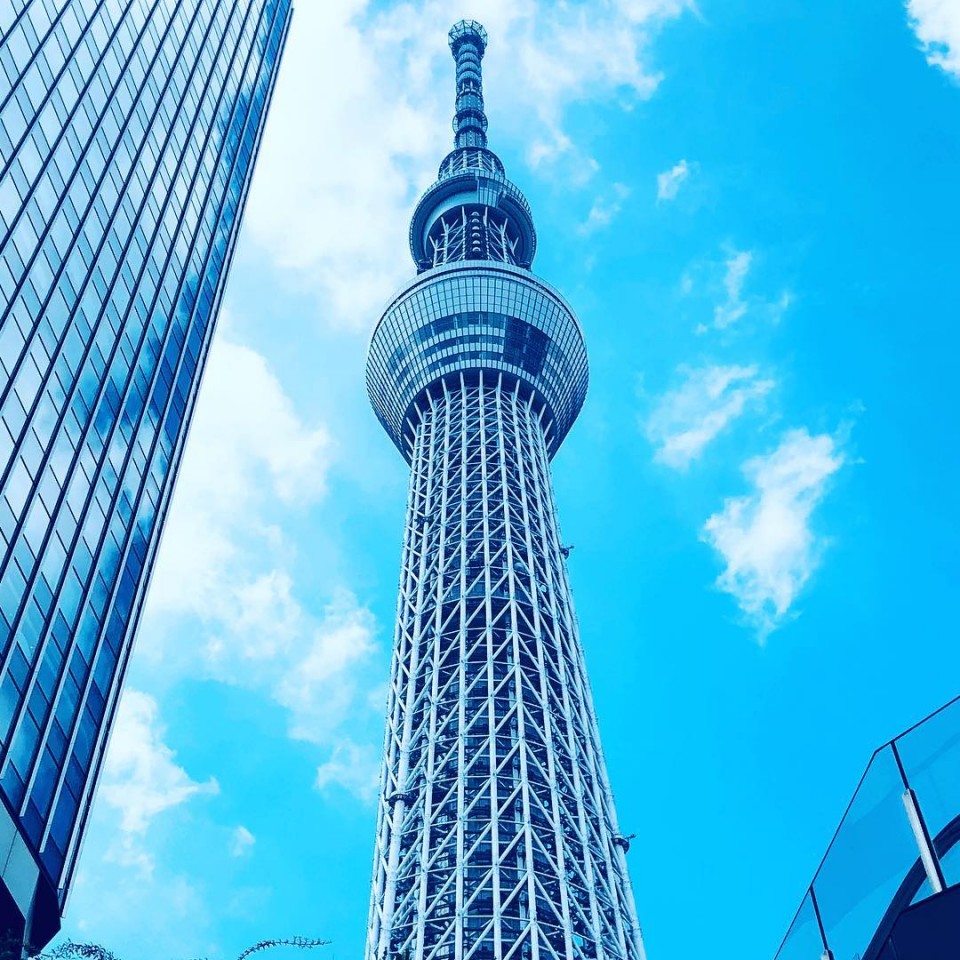
1:45 to 4 pm. Completed in 2012, the 634-meter tower is Tokyo's newer symbol, recognized by Guinness World Records as the world's tallest tower in 2011. The Tembo Deck at 350 meters and the Tembo Galleria at 450 meters look out over the whole city. Tokyo Skytree Town at its base has a planetarium, an aquarium and more.
Tokyo Station Marunouchi
4:30 to 6 pm. The Marunouchi station building opened in 1914 with three floors. After it burned in the war it stood with only two floors for many years, until it was restored to its original three-story form in 2012. Do not miss its north and south domes. Below the station, the Yaesu underground shopping mall is the place for any souvenirs you still need before you leave around 6 pm.
The places on a map
Hours, prices and events change. Check each place's official website before you go.
More travel guides
 Tokyo Sightseeing by Area: 40 Classic Sights and Lesser-Known Spots from Asakusa to Odaiba40 placesTokyo has much more to see than Skytree, Tokyo Tower and Asakusa. This guide works through six of the city's main…
 Nagoya: 40 Best Places to Visit, from Nagoya Castle and Atsuta Jingu to Osu40 placesNagoya is one of Japan's biggest cities, yet many visitors don't know how much it has to see. Alongside its famous…
 Chichibu: 40 Best Places to Visit, from Nagatoro River Boats and Mitsumine Shrine to Moss Phlox and Icicles40 placesChichibu, the largest city in Saitama Prefecture, is about 90 minutes from central Tokyo. Most of the area is national…
 Niigata Prefecture: 40 Best Places to Visit, from Classic Sights to Hidden Gems40 placesNiigata Prefecture stretches a long way from north to south, and each area has its own scenery, climate and food. The…
 Nagasaki Prefecture: 40 Best Places to Visit, from Unzen Hot Springs to Hirado and Nagasaki City40 placesNagasaki grew up as a port open to the outside world, and the culture of those days still shapes its streets, churches…
 Fukuoka Prefecture: 40 Places to Visit in Kitakyushu, Chikuho and Around Fukuoka City40 placesFukuoka Prefecture is roughly divided into four areas, Kitakyushu, Chikuho, Fukuoka and Chikugo, and each has its own…