
Chichibu: 40 Best Places to Visit, from Nagatoro River Boats and Mitsumine Shrine to Moss Phlox and Icicles
40 places · Japanese version
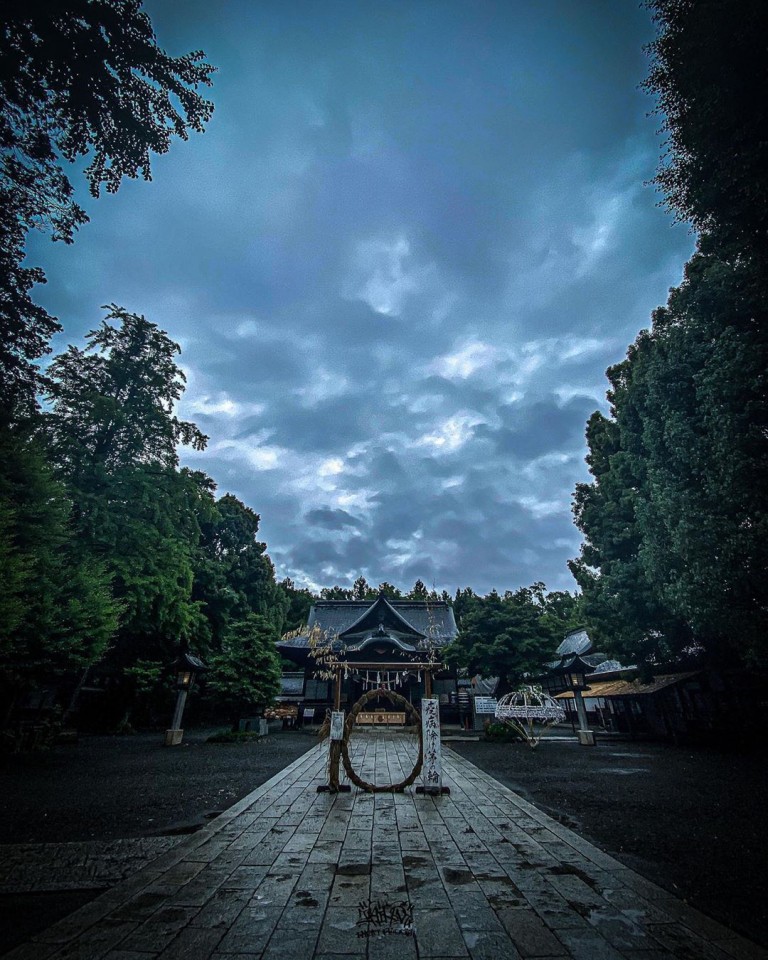
Chichibu, the largest city in Saitama Prefecture, is about 90 minutes from central Tokyo. Most of the area is national park and open nature, it is famous for autumn leaves, and it is dotted with the 34 temples of the Chichibu Kannon pilgrimage and well-known shrines such as Mitsumine. Here is a selection of 40 sights, from river boats and shrines to flower parks, waterfalls and winter icicles, grouped by area: central Chichibu, the pilgrimage temples, Yokoze and Mount Buko, northern Chichibu, Nagatoro, and the mountains of Okuchichibu.
Central Chichibu
Chichibu Shrine Chichibu City
Chichibu Shrine is said to date back to the Yayoi period, when the first ruler of the region enshrined his ancestral god, a deity of wisdom prayed to for success in studies. Its yearly grand festival is the Chichibu Night Festival, one of Japan's three great float festivals. Look for the carved tigers on the hall, known as the child-rearing tigers: the mother is actually a leopard. It is 3 minutes on foot from Chichibu Station.
Chichibu Festival Museum Chichibu City
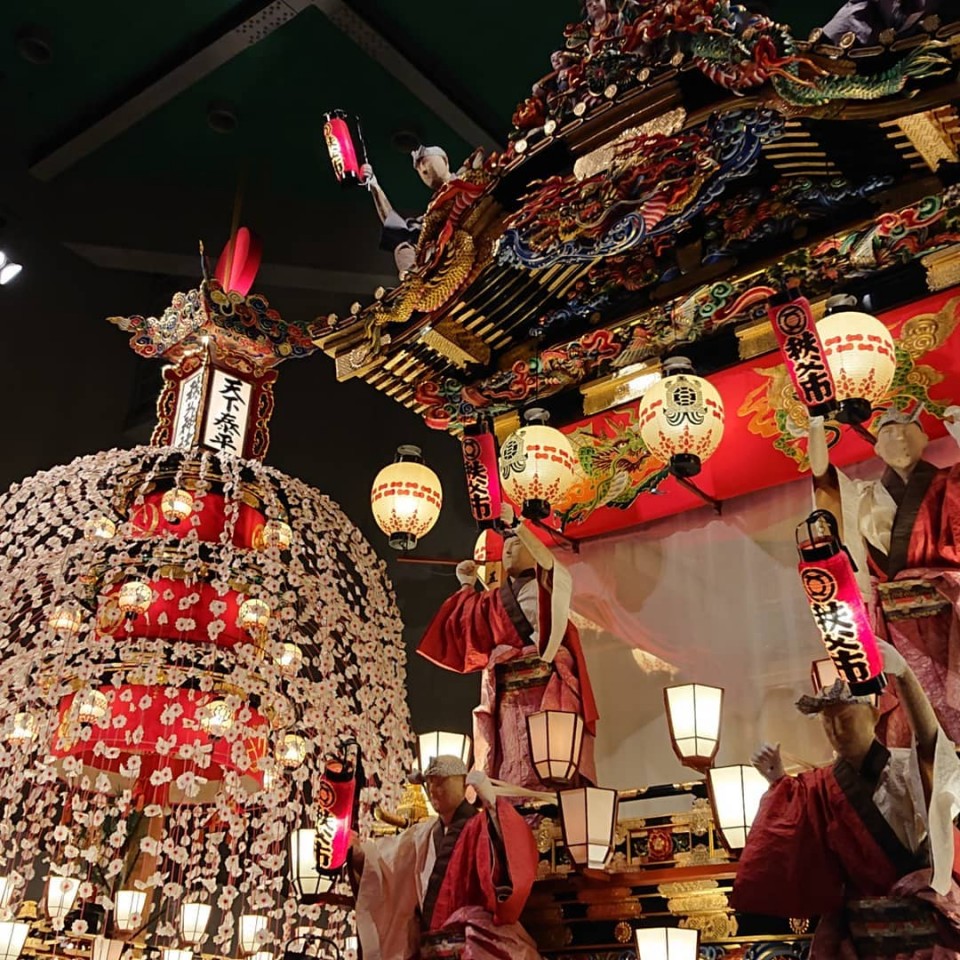
This museum lets you see the floats of the Chichibu Night Festival all year. It displays yatai and kasaboko floats made by master craftsmen, with curtains, costumes and records, and lights them up to recreate the festival night. A theater on the second floor shows high-definition footage of the festival's climax, and you can learn about its history and structure. The shop sells festival goods.
Chichibu Tourist Information Center Chichibu City
Walk along the Nakamise street from Seibu-Chichibu Station and this information center is on your left, about a minute from the station. Staff can tell you anything about sightseeing in Chichibu, including flower seasons and the pilgrimage temples. Chichibu is the setting of the anime Anohana, and fans can pick up a map of places from the series, brochures and goods. There is also a baby room for nursing and diaper changes.
Chichibu Imamiya Shrine Chichibu City
Imamiya Shrine enshrines Izanagi and Izanami. Its sacred zelkova is said to be over 1,000 years old, with a trunk 9 meters around and a hollow where a dragon god is said to live. Ryujin Pond, fed by springwater from Mount Buko, is said to be the oldest spring in the region, and visitors may drink the water that flows from a small fall to purify themselves. It is 5 minutes on foot from Ohanabatake Station.
Buko Shuzo Sake Brewery Chichibu City
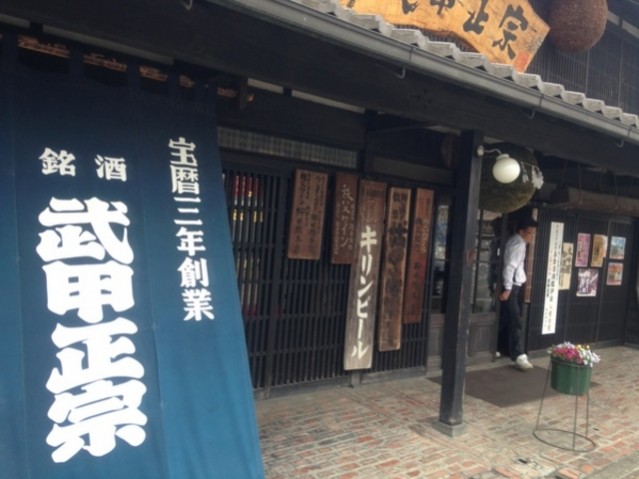
Founded in the mid-Edo period, Buko Shuzo is the oldest sake brewery in Chichibu, and its Buko Masamune has done well at many competitions. The brewing water, springwater from Mount Buko chosen as one of Japan's 100 best waters, flows constantly in the courtyard, and you may fill a bottle to take home. The old shop is a registered cultural property. Besides sake there is original wine. It is 3 minutes on foot from Chichibu Station.
Chichibu Jibasan Center Chichibu City
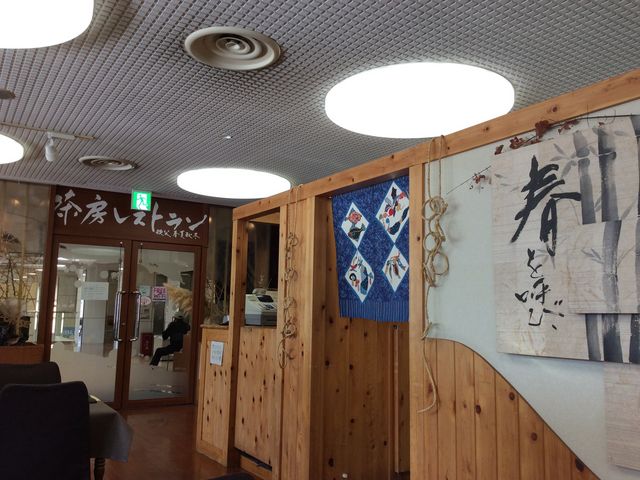
A handy place for a break or souvenir shopping. The first-floor shop sells about 2,800 kinds of local products, from local sake and sweets to fresh vegetables, pilgrimage goods and Anohana goods. Upstairs, a restaurant serves dishes made with local ingredients.
Hitsujiyama Park Chichibu City
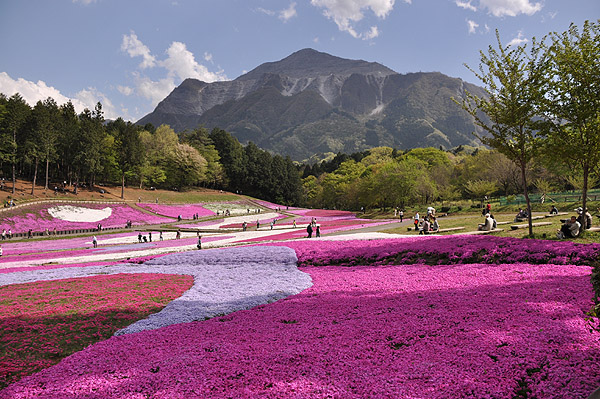
Hitsujiyama Park is famous for shibazakura, or moss phlox. About 400,000 plants of nine varieties carpet some 17,600 square meters in pink, white and purple, with Mount Buko rising behind. The best time is mid-April to early May, when a market next to the park sells local products and food. At the foot of the park, Bokusui Falls has a monument with a poem by Wakayama Bokusui. It is about 1.5 km on foot from Seibu-Chichibu Station.
Chichibu Park Bridge (Harp Bridge) Chichibu City
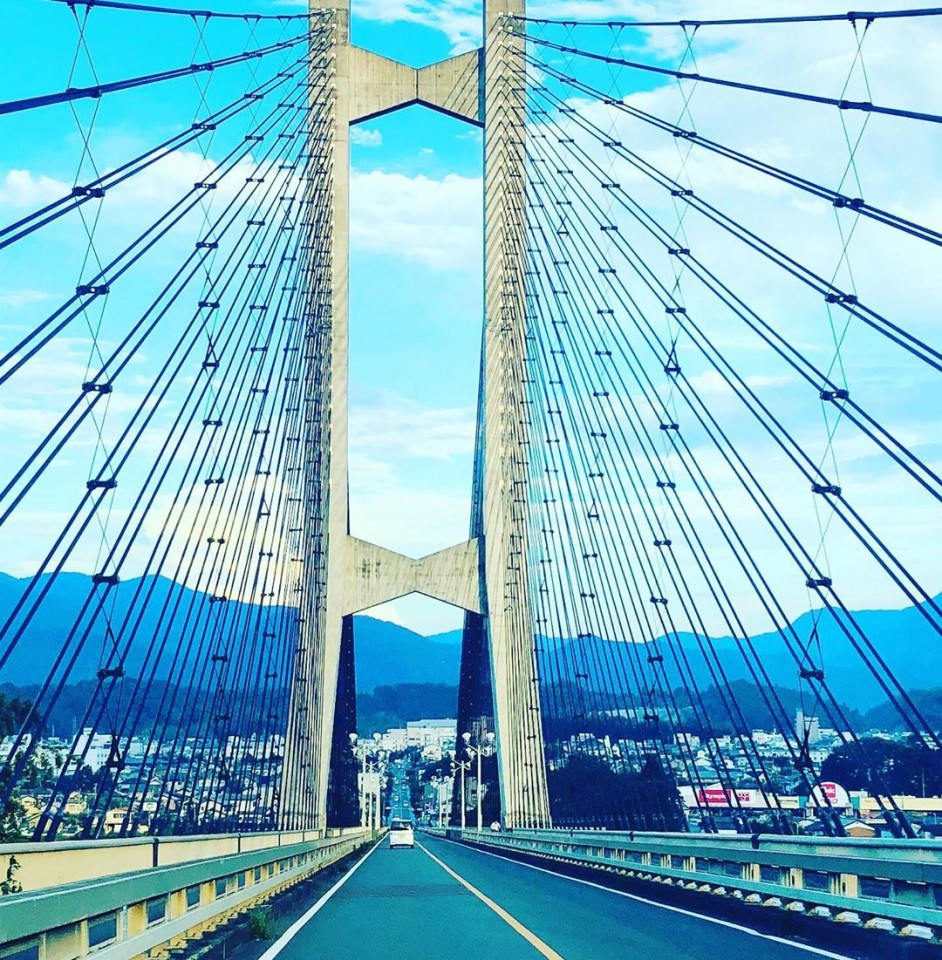
This large cable-stayed bridge crosses the Arakawa River on the way from the town center to Chichibu Muse Park. Its cables look like harp strings, so it is also called the Chichibu Harp Bridge. Around the main towers is a lookout high above the river, decorated with reliefs of the Night Festival, where people clap because the sound echoes back. The bridge is lit up at night and is about 13 minutes on foot from Chichibu Station.
Chichibu Muse Park Ogano
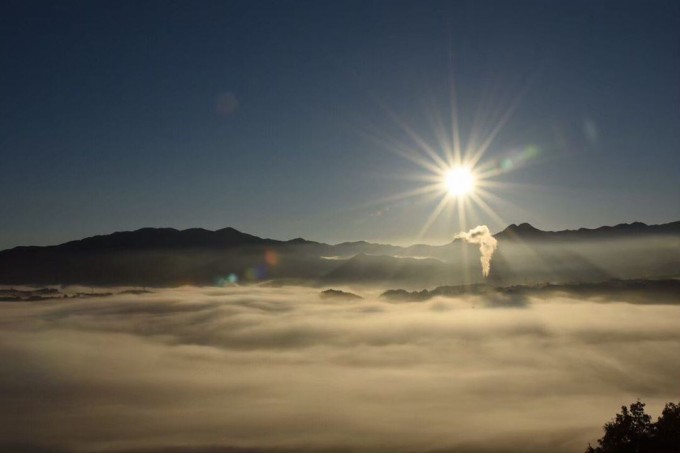
A large park with art, culture and sports facilities and nature in every season. Its hill, Tabidachi no Oka, has a lookout with a beautiful night view of Chichibu and is known for seas of clouds. The graduation song Tabidachi no Hi ni, sung all over Japan, was written by a Chichibu junior high school teacher, and walking under the arch on the hill plays it. The Gururin-go loop bus runs from Chichibu and Seibu-Chichibu stations.
Old Chichibu Bridge Chichibu City
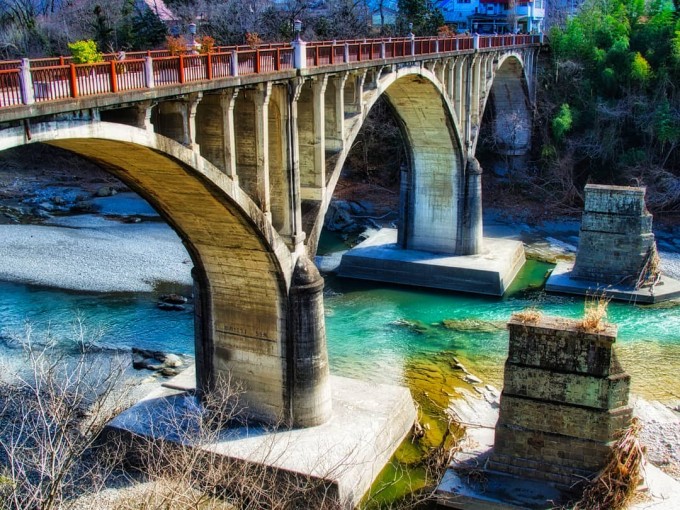
Old Chichibu Bridge appears again and again in the anime Anohana and in its key visuals. It is not the same as the Harp Bridge. The bridge spans the Arakawa River and is a prefectural cultural property. The stone steps under it, seen in the key visual of the Anohana film, are a favorite with fans. It is about 10 minutes from Onohara Station.
Chichibu pilgrimage temples
The 34 temples of the Chichibu Kannon pilgrimage are scattered across the area, and each has its own number. Here are nine of them.
Shimabu-ji (Temple No. 1) Chichibu City
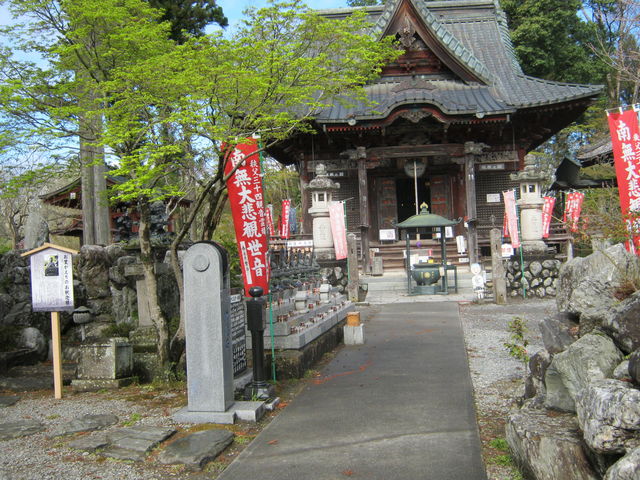
The first of the 34 Chichibu pilgrimage temples is a Soto Zen temple that locals call Myoon-ji. Its graceful Kannon hall dates from the Genroku era and is a prefectural cultural property. Behind the main hall on the left stands the Otasuke Kannon, said to help with worries and suffering, and ringing the temple bell is said to comfort the souls of the war dead. The Fudasho Ichiban bus stop, about 26 minutes from Seibu-Chichibu Station, is right outside.
Jigen-ji (Temple No. 13) Chichibu City
As its name, meaning compassionate eyes, suggests, Jigen-ji is visited by people praying for eye health. The main hall, rebuilt in 1901 after the great Chichibu fire of 1878, has a cusped gable and fine carvings. To its right, the stone sutra hall survived the fire and holds statues of the 13 founders of the Chichibu pilgrimage. It is a short walk from the stations in central Chichibu.
Nosaka-ji (Temple No. 12) Chichibu City
Nosaka-ji has a lot to see: six Jizo statues with childlike faces, a two-story gate, and the Azukari Kannon, a gentle-faced Kannon said to take away anger, troubles and sorrow and give happiness in return. The Fureai Kannon in front of the main hall and the little Osoji Kozo statues have lovely, expressive faces. It is 15 minutes on foot from Seibu-Chichibu Station.
Saiko-ji (Temple No. 16) Chichibu City
Saiko-ji has a corridor hall lined with wooden copies of the main images of the 88 temples of the Shikoku pilgrimage, built to pray for the people and animals killed in the great eruption of Mount Asama in 1783. Praying here is said to bring the same blessings as the whole Shikoku route. The pillars of its votive hall are full of nail holes left by pilgrims since the Edo period. It is 10 minutes on foot from Chichibu Station.
Josen-ji (Temple No. 3) Chichibu City
Do not miss the carvings at Josen-ji: a phoenix on the beam and a dragon on the front of the hall, so detailed they seem ready to move. Legend says a sick head priest dreamed that Kannon told him to drink the water in the temple grounds, and he was cured the next day. That water, Chomeisui, is in front of the main hall, and anyone can drink it.
Saizen-ji (Temple No. 8) Yokoze
As you enter Saizen-ji you meet a huge maple said to be 600 years old, about 10 meters tall, with branches spreading some 20 meters. It is a powerful sight in fresh green and burns deep red in autumn. People come to pray against dementia, for long life and for harmony with their in-laws, and to rub the Obinzuru statue where they hurt. It is 20 to 30 minutes on foot from Yokoze Station.
Iwanoue-do (Temple No. 20) Chichibu City
Iwanoue-do, on a cliff above the Arakawa River, is the oldest building among the Chichibu pilgrimage temples. Legend says that when a devoted son tried to cross the flooded river to check on his mother, the temple's Kannon took the form of a child and rowed him across. Ornaments offered by mothers praying for safe birth and healthy children hang in the hall. It is 10 minutes on foot from the Chichibu-bashi bus stop.
Jorin-ji (Temple No. 17) Chichibu City
Away from the town center, Jorin-ji is a rustic Soto Zen temple dedicated to the eleven-faced Kannon. A breezy open veranda wraps around its Kannon hall, and the openwork carving of flowers and birds above the front is worth a look. The temple appears many times in Anohana: fans still leave their drawings on ema plaques, and there is a panel of the little monk from the series.
Daiji-ji (Temple No. 10) Yokoze
Climb the steep stone steps to the Nio gate of Daiji-ji, a calm country temple. Besides its main Kannon it enshrines a child-raising Kannon, much visited by worshippers, as well as Jizo and an eleven-faced Kannon. People rub the Obinzuru statue where they hurt. The temple also appears in the anime film Kokoro ga Sakebitagatterunda, by the team behind Anohana.
Yokoze and Mount Buko
Mount Buko Yokoze
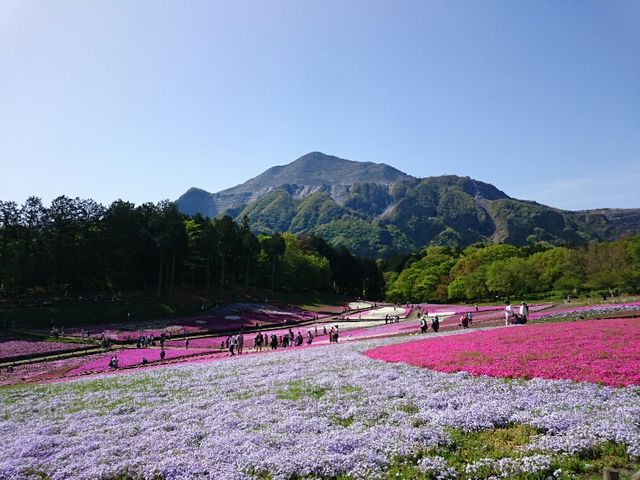
The symbol of Chichibu rises between Chichibu City and Yokoze and is one of Japan's 200 famous mountains. Limestone quarrying since before the Edo period has scarred it and changed its shape: it measured 1,336 meters in 1900 and 1,304 meters in 2002. Hiking to the summit is popular; the trail starts within walking distance of Yokoze Station and takes 3 to 4 hours, best from spring to autumn. Look for the rare Chichibu iwazakura primrose.
Chichibu Yumoto Buko Onsen Yokoze
A natural day-trip hot spring with an auto campground. Its carbonated spring is said to boost circulation and be good for the skin, and there is also a clear sulfur spring. From the windows you can see the rugged face of Mount Buko. With a restaurant and rest rooms, it is a good place to recover between sights. It is 10 minutes on foot from Yokoze Station.
Komatsuzawa Leisure Farm Yokoze
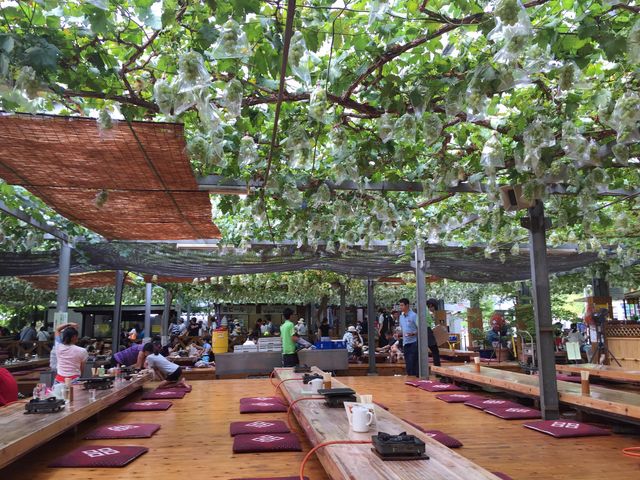
A farm where you can pick seasonal produce, catch trout with your bare hands, fish and make soba. Trout you catch in the clear stream on the farm are salted and grilled over charcoal. Barbecue on lava stone is popular, and there are goats and pizza making too. It is 25 minutes on foot from Yokoze Station, or 7 minutes by free shuttle (call on arrival).
Terasaka Rice Terraces Yokoze
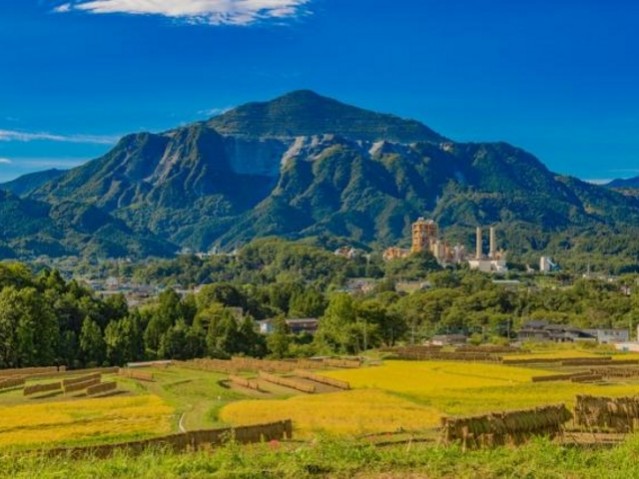
About 52,000 square meters of rice paddies large and small, a scene of the old Japanese countryside. Local farmers work to preserve them and run a rice terrace school that draws many people from the Tokyo area. The paddies are fresh green at planting time, in summer a one-night event lights lanterns while fireflies fly, and in September red spider lilies bloom beside the ripening rice. It is about 30 minutes on foot from Yokoze Station.
Hashidate Limestone Cave Chichibu City
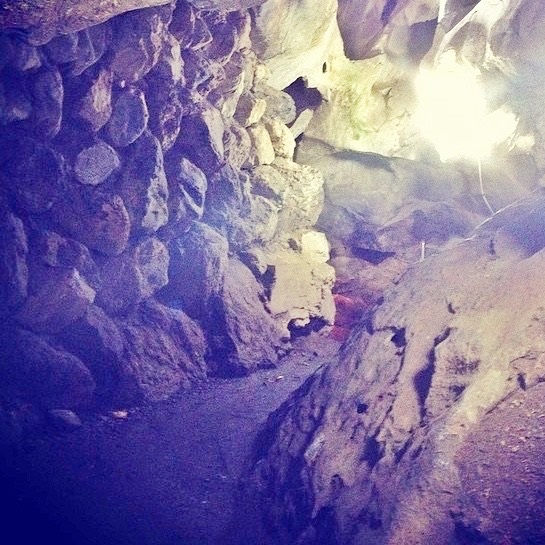
Behind Hashidate-do, Temple No. 28 of the Chichibu pilgrimage, this is the only limestone cave in Saitama Prefecture open to visitors. The way through climbs 33 meters from entrance to exit, with ups and downs and a spot where you crawl, so it feels like real exploring. It is closed from early December to early March. It is 15 minutes on foot from Urayamaguchi Station.
Northern Chichibu and Minano
Hijiri Shrine Kuroya, Chichibu City
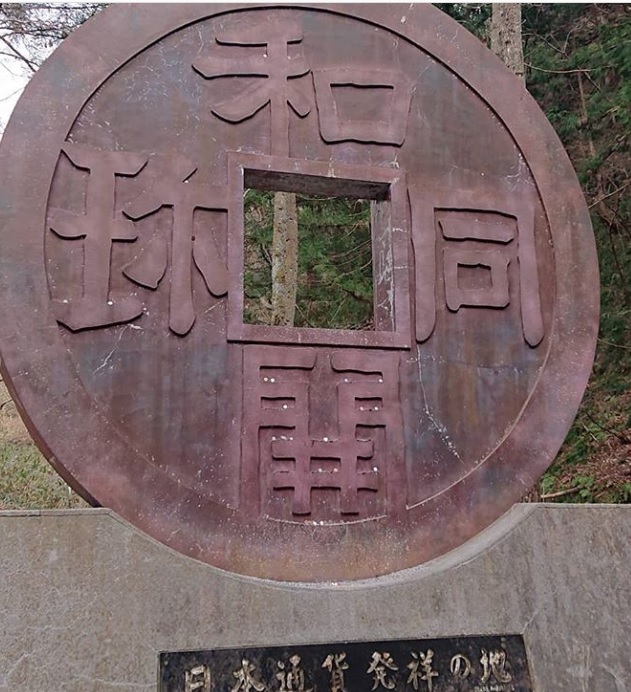
High-quality natural copper was found at the nearby Wado site, and Japan's first circulating coin, the Wado Kaichin, was made from it, so this is the birthplace of money in Japan. Known as the god of coins, the shrine draws people praying for wealth, and you can even bring lottery tickets to be blessed. Its red-lacquered hall dates from the mid-Edo period. It is 5 minutes on foot from Kuroya Station.
Minoyama Park Chichibu City and Minano
Minoyama, 587 meters high, is the only freestanding mountain in Chichibu, and the park covers its summit. About 8,000 cherry trees, Somei Yoshino and mountain cherries, bloom one after another from early April to mid-May and turn the mountain pink. Wild azaleas follow in May and about 4,500 hydrangeas bloom in July. The lookout is also known for its night view of Chichibu.
Muku Shrine Yoshida, Chichibu City
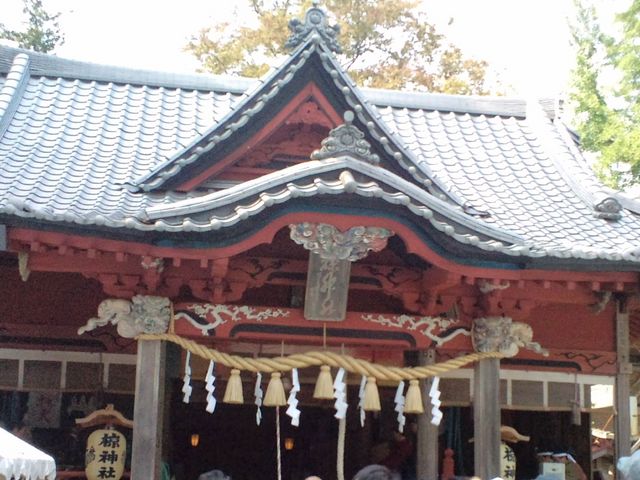
Muku Shrine is famous for the Ryusei Festival on the second Sunday of October, when farmers launch handmade rockets as an offering and compete over how well they fly. The festival is a prefectural cultural property. The shrine is said to date from 710; it was burned by Takeda Shingen's forces in 1569, rebuilt, and later restored to its present form.
Chichibu Kegon Falls Minano
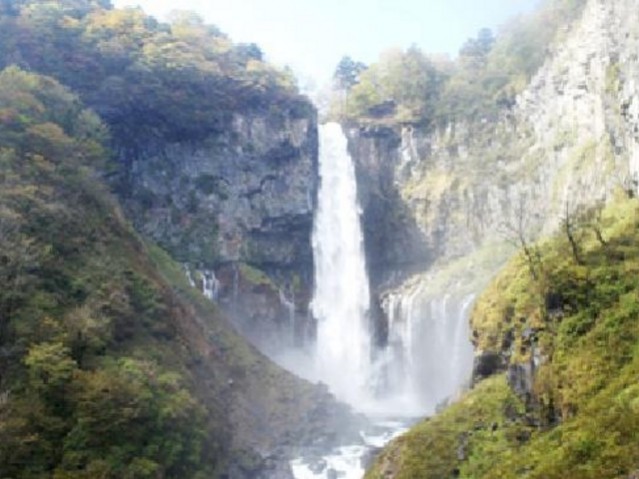
Like a miniature of the famous Kegon Falls in Nikko, this graceful 12-meter waterfall sits close to a village. It is lovely in fresh green and autumn colors, and in winter it freezes; it has been chosen as one of Japan's ten most beautiful falls in winter. Above it stands a Fudo statue with strangely wide eyes that many come to see. It is about 5 minutes on foot from the bus stop, reached by town bus from Minano Station.
Chichibu Highland Ranch Higashichichibu
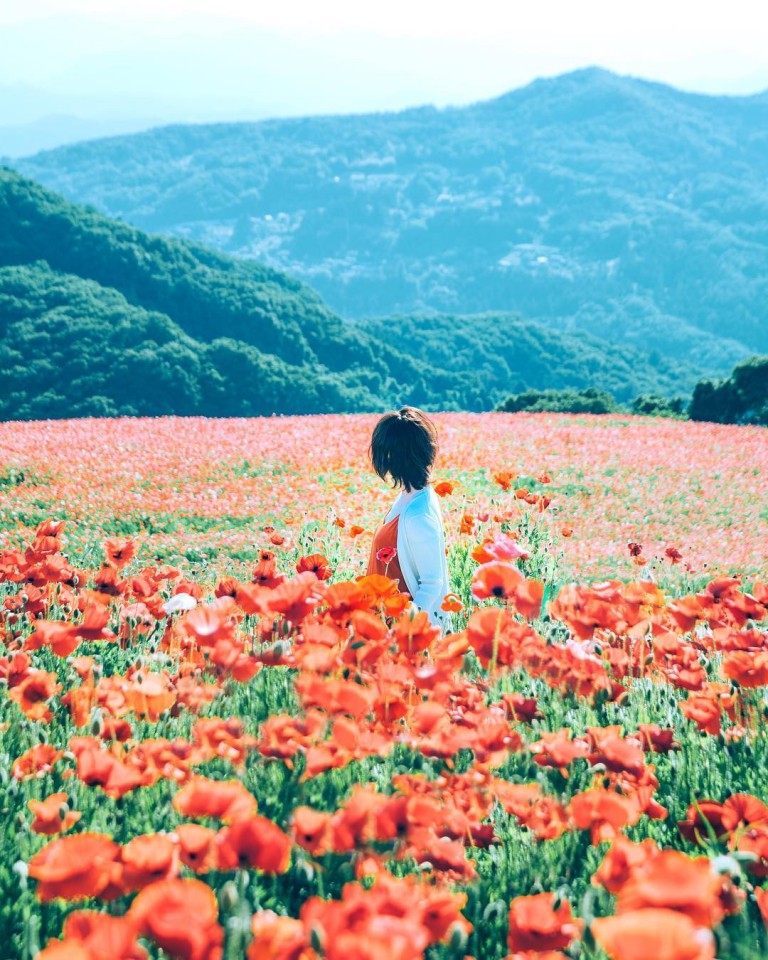
Also called Sainokuni Fureai Bokujo, this ranch is a place to meet animals and learn. You can pet cows, sheep and rabbits, and there are classes for making cheese, butter and ice cream. From mid-May about 10 million Shirley poppies cover the slopes in red. Entry is free; it is closed on Mondays, or the next day when Monday is a holiday.
Nagatoro
Nagatoro Line Kudari River Boat Ride Nagatoro
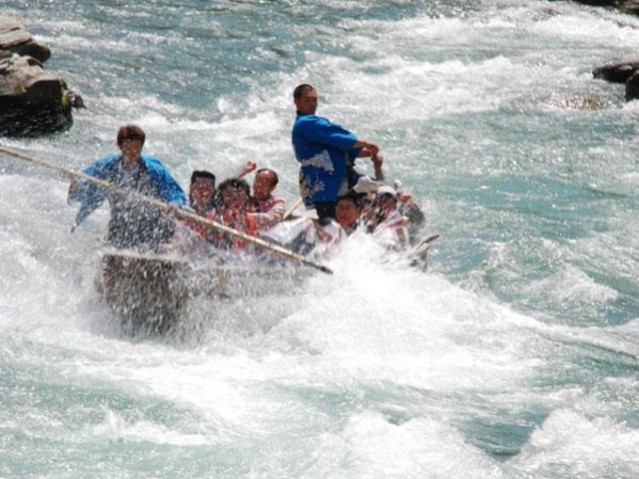
The classic Nagatoro experience: ride a boat down the Arakawa River, sometimes calm and sometimes rough, while the boatman guides you past the rocks. The route of about 6 km is split into two sections, Oyahana Bridge to Iwadatami and Iwadatami to Takasago Bridge, and you can ride both. Enjoy moss phlox in spring, cool air in summer and autumn leaves. The Kotaki no Se rapids are a popular photo spot. Booking ahead is recommended.
Nagatoro Iwadatami Nagatoro
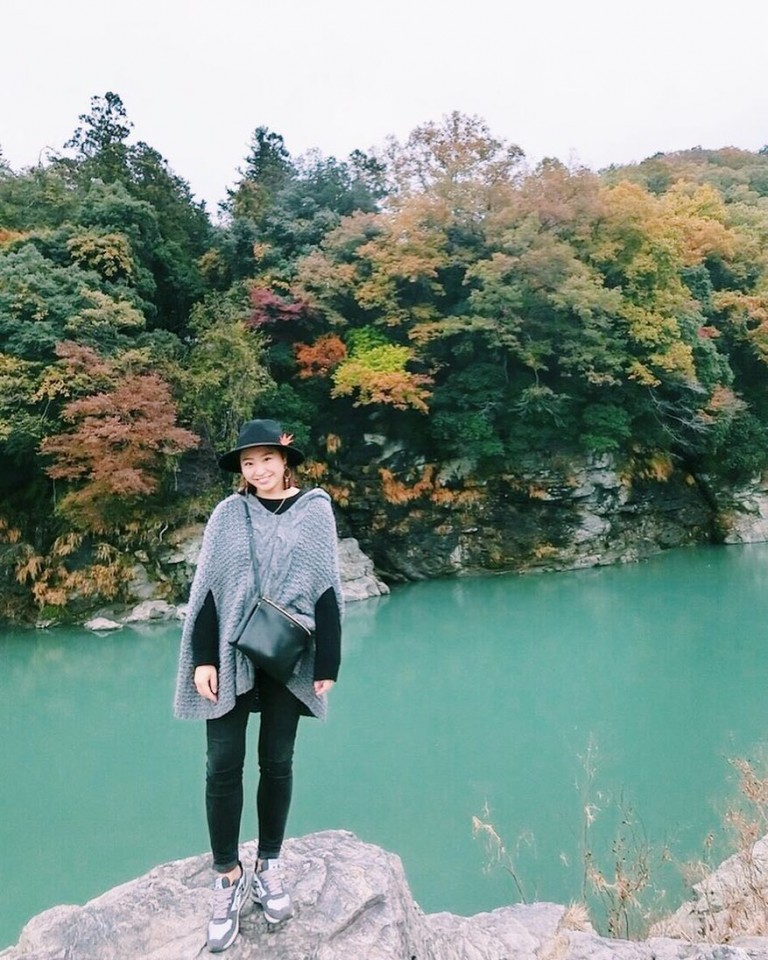
The rock terraces are the highlight of Nagatoro Tamayodo Prefectural Natural Park, which covers the Arakawa River valley and the mountains around it and also includes the Five Hundred Rakan statues. The scenery is beautiful in fresh green and autumn colors, and the area is popular for river boats and outdoor sports. From a boat you can see the cliffs known as Chichibu Sekiheki. It is 5 minutes on foot from Nagatoro Station.
Saitama Museum of Natural History Nagatoro
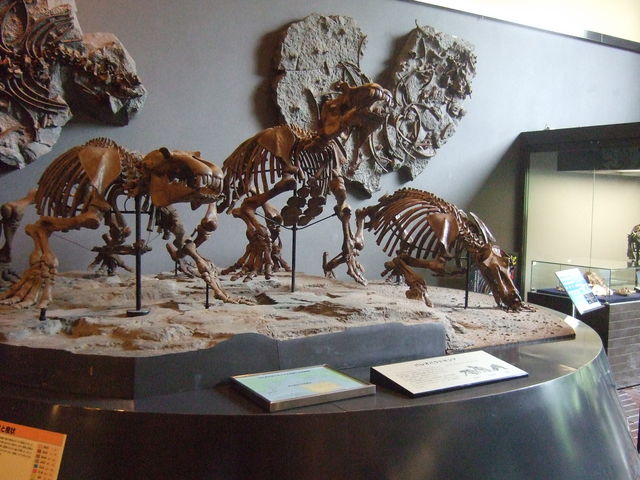
This museum explains the fossils, minerals and wildlife of Saitama in an easy way. See skeletons of ancient animals, dioramas of the prefecture's mountains and caves, a life-size model of the ancient shark megalodon, and stuffed animals you can touch. Adults will find plenty to enjoy too. It is 5 minutes on foot from Kami-Nagatoro Station and is closed on Mondays, except holidays, Golden Week, July and August.
Okuchichibu: Mitsumine and the upper Arakawa
Mitsumine Shrine Mitsumine, Chichibu City
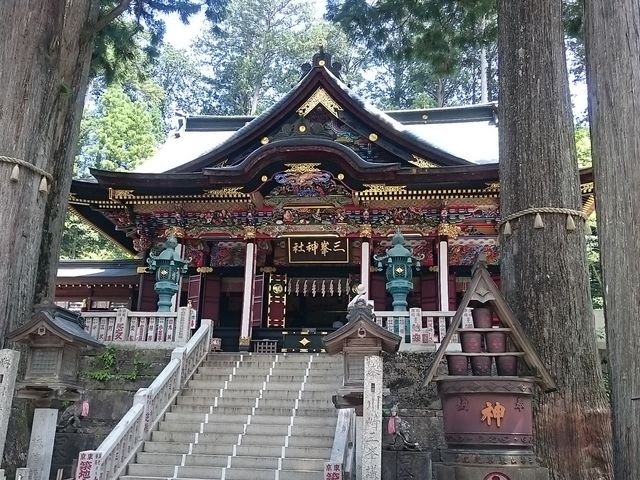
Chichibu's best-known power spot, popular as the strongest in the Kanto region. A rare triple torii stands at the entrance. The shrine honors Izanagi and Izanami and is said to have been founded by Yamato Takeru. Since the Edo period it has also honored the wolves of the mountains, so wolves guard it instead of lion-dogs. The sacred Ryudo well is closed to the public, but the Shokyoin teahouse serves coffee made with its water. Buses run from Seibu-Chichibu Station.
Mount Mitsumine Mitsumine, Chichibu City
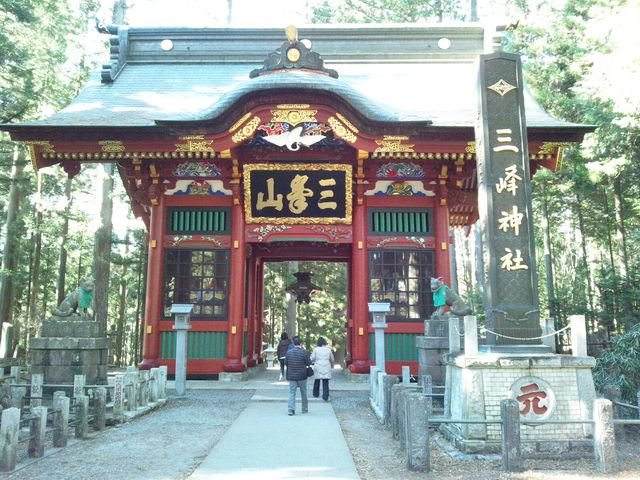
Mitsumine once meant three peaks, Myohogatake, Shiraiwayama and Kumotoriyama, but today the name usually means the summit that holds Mitsumine Shrine. A sacred mountain since ascetics opened it in the early Kamakura period, it draws hikers and worshippers all year for white azaleas in early summer, autumn leaves, and rime ice in winter. The trail starts at a torii by the Owa bus stop on the bus to Mitsumine Shrine.
Misotsuchi Icicles Otaki, Chichibu City
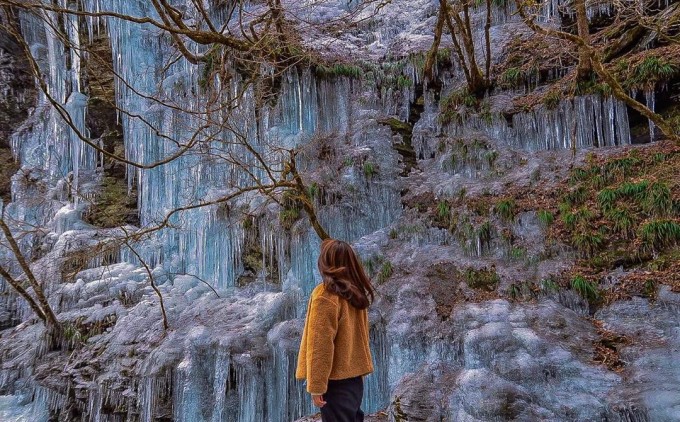
On a cliff along the Arakawa River in Otaki, springwater seeps from the rock and freezes into icicles. They are best from mid-January to mid-February, depending on the year. At their peak the Otaki Ice Festival lights them up in the evening, a very different look from daytime. You view them from the riverbank at a campground, which has paid parking. Buses run from Seibu-Chichibu and Mitsumineguchi stations.
Oochigawa Stream Fishing Area Otaki, Chichibu City
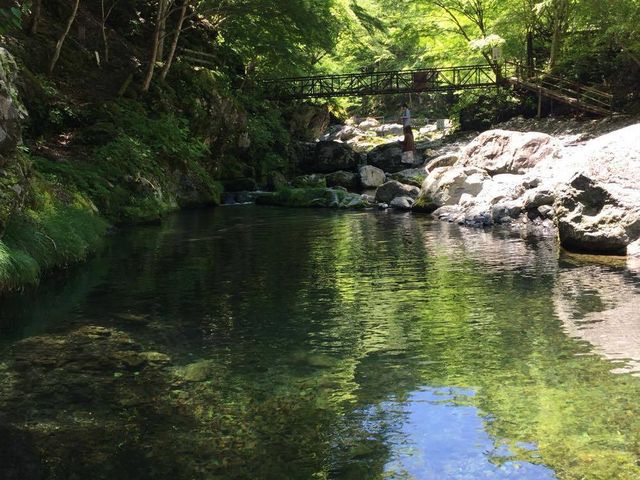
Catch yamame, iwana char and trout in the cold, clear Oochi River and eat them grilled on the spot. There are also places to barbecue by the river, either with your own food or with a set that includes ingredients and grill (barbecue needs a reservation). It is open from March to November, every day. It is about 25 minutes by taxi from Mitsumineguchi Station.
Nakatsu Gorge Nakatsugawa, Chichibu City
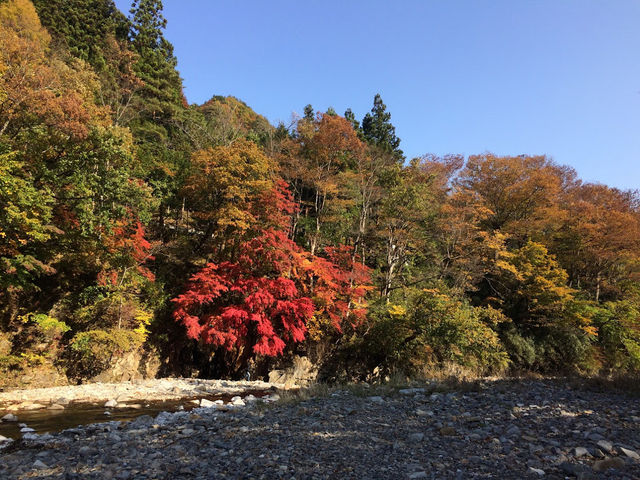
One of Chichibu's top autumn leaf spots, a gorge at about 600 meters where cliffs rise on both sides of the Nakatsu River and beech, birch and maple line it for 10 km. Hikers also come for azaleas in spring and fresh green in early summer, passing cliffs up to 100 meters high and odd rocks carved by the water. The best months are April, May and November. Take the bus from Mitsumineguchi Station to Nakafutari.
Lake Chichibu Otaki, Chichibu City
Lake Chichibu is the reservoir of Futase Dam, built to control the Arakawa River, which flooded again and again. The area is part of a national park with hiking routes. In early summer greenery and autumn foliage the trees are mirrored in the lake, and rare plants, animals and birds of prey make it popular with birdwatchers. It is 5 minutes on foot from the last stop of the bus from Mitsumineguchi Station, with free parking.
Mount Chichibu Ontake Chichibu City and Ogano
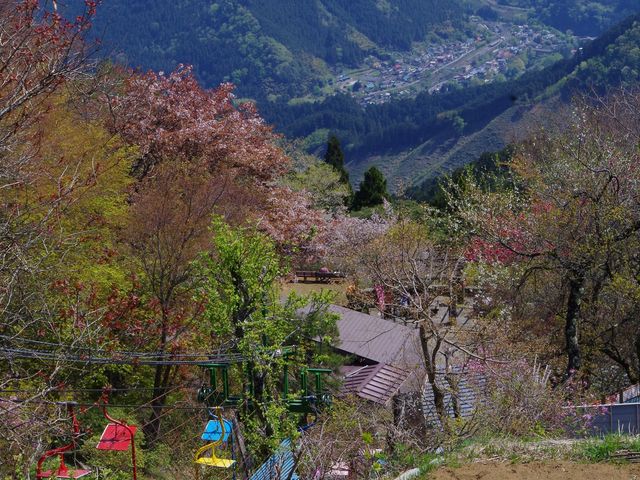
This mountain of about 1,080 meters stands on the border of Chichibu City and Ogano. The trailhead is 700 meters from Mitsumineguchi Station, which makes it popular with hikers. A small Ontake shrine sits on the summit, with views of Mount Ryokami, Mount Asama and Mount Futago. At the Otaki trailhead, Michi-no-Eki Otaki Onsen has a hot spring for tired legs.
Chichibu Railway Park Arakawa, Chichibu City
Next to Mitsumineguchi Station, this free park displays old Chichibu Railway cars and a turntable that still works. On days the steam locomotive runs, mainly weekends with one round trip a day, you can watch the engine being turned around up close. It is 3 minutes on foot from the station.
Tips for your trip
Chichibu sits in a basin ringed by mountains, so temperatures swing widely between day and night, and between summer and winter. Stop at the tourist information center by Seibu-Chichibu Station for news on flower seasons and the pilgrimage temples.
The places on a map
Hours, prices and events change. Check each place's official website before you go.
More travel guides
 Tokyo Sightseeing by Area: 40 Classic Sights and Lesser-Known Spots from Asakusa to Odaiba40 placesTokyo has much more to see than Skytree, Tokyo Tower and Asakusa. This guide works through six of the city's main…
 Nagoya: 40 Best Places to Visit, from Nagoya Castle and Atsuta Jingu to Osu40 placesNagoya is one of Japan's biggest cities, yet many visitors don't know how much it has to see. Alongside its famous…
 Niigata Prefecture: 40 Best Places to Visit, from Classic Sights to Hidden Gems40 placesNiigata Prefecture stretches a long way from north to south, and each area has its own scenery, climate and food. The…
 Nagasaki Prefecture: 40 Best Places to Visit, from Unzen Hot Springs to Hirado and Nagasaki City40 placesNagasaki grew up as a port open to the outside world, and the culture of those days still shapes its streets, churches…
 Fukuoka Prefecture: 40 Places to Visit in Kitakyushu, Chikuho and Around Fukuoka City40 placesFukuoka Prefecture is roughly divided into four areas, Kitakyushu, Chikuho, Fukuoka and Chikugo, and each has its own…
 Kagoshima Prefecture: 40 Best Places to Visit, from Classic Sights to Local Oddities40 placesKagoshima sits at the southern end of Kyushu and is made up of two peninsulas and a string of islands. There is far too…