
Kagoshima Prefecture: 40 Best Places to Visit, from Classic Sights to Local Oddities
40 places · Japanese version
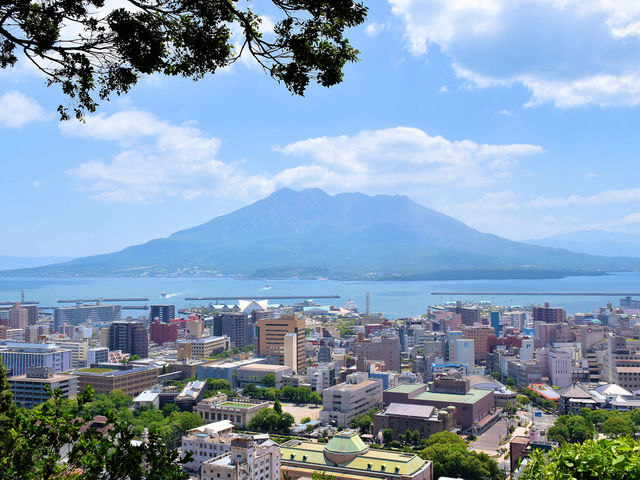
Kagoshima sits at the southern end of Kyushu and is made up of two peninsulas and a string of islands. There is far too much to see in one trip, so this guide picks 40 places, from famous sights to spots mostly known to locals. They are grouped by area: Kagoshima City and the Satsuma Peninsula, southern and northern Satsuma, Kirishima, Sakurajima and the Osumi Peninsula. Expect volcano views, samurai history, waterfalls, hot springs and a few delightfully odd stops along the way.
Kagoshima City and the Satsuma area
The Satsuma area is the western of Kagoshima's two peninsulas and the heart of the prefecture. Kagoshima City is full of historic sights, and city buses and streetcars make them easy to reach. The streetcar is still everyday transport for locals, and a retro sightseeing tram runs too, with volunteer guides on board.
Shiroyama Observatory Kagoshima City
This lookout stands 107 meters up in the middle of the city. Kinko Bay and Sakurajima fill the view, with the city spread out below, and on clear days you can see Kirishima and Mount Kaimon. More than 600 kinds of subtropical plants grow on the hill. At night the city and port lights against the dark shape of Sakurajima have earned it the name Naples of the East. A well-kept path leads up from the parking lot.
Sengan-en Kagoshima City
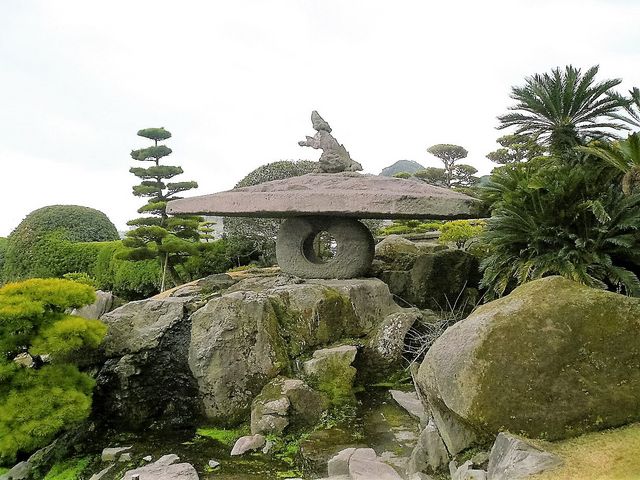
Shimadzu Mitsuhisa, the 19th head of the Shimadzu clan, built this garden as a villa in 1658. It treats Kinko Bay as its pond and Sakurajima as its hill, borrowing the scenery on a grand scale. Look for an iron 150-pound cannon, the remains of a reverberatory furnace and the Tsuru-toro lantern, said to be Japan's first gas light. There is also a Jigen-ryu swordsmanship exhibit with a hands-on corner. The garden became a national Place of Scenic Beauty in 1958.
Io World Kagoshima Aquarium Kagoshima City
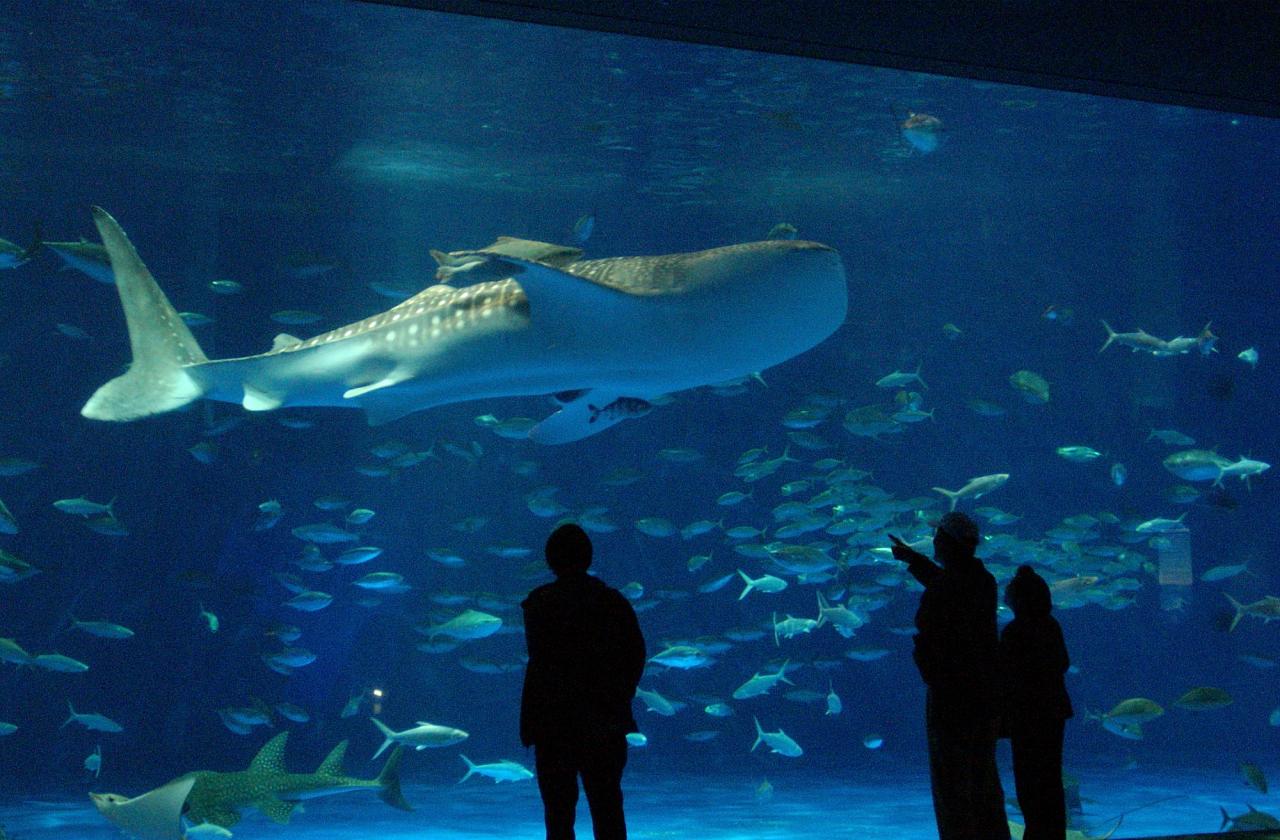
Right as you enter, a whale shark glides through the huge Kuroshio tank. Dolphin Time talks explain how dolphins live and how their bodies work, and the aquarium was the first in the world to display the Satsuma tubeworm. Outside there is a touch pool where you can handle sea creatures. Hands-on programs run through the year, including overnight stays in front of the big tank and by the dolphin pool.
Tenmonkan Kagoshima City
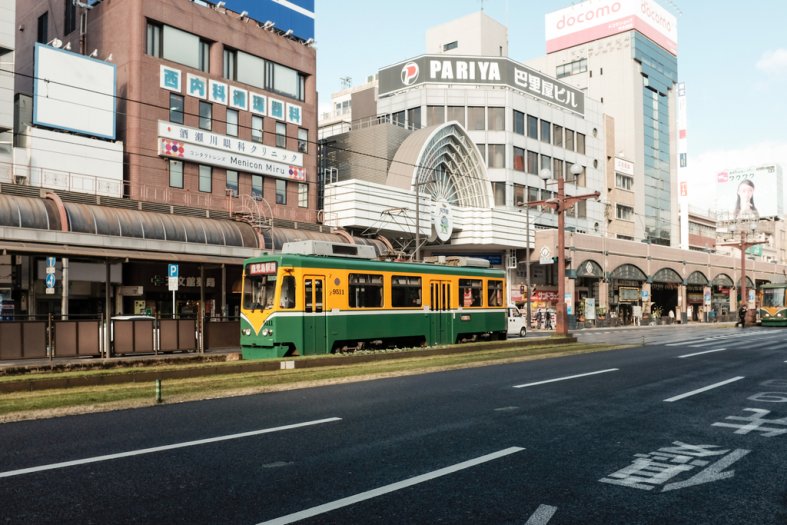
Kagoshima's biggest downtown district is a covered arcade, so you can explore it even when it rains. Along with cafes and shops there are restaurants serving local dishes, souvenir stores and the local favorite shirokuma. The name comes from the Meijikan, also called Tenmonkan, an observatory that the Western-minded lord Shimadzu Shigehide built here for studying the stars and making the Satsuma calendar.
Saigo Takamori Statue Kagoshima City
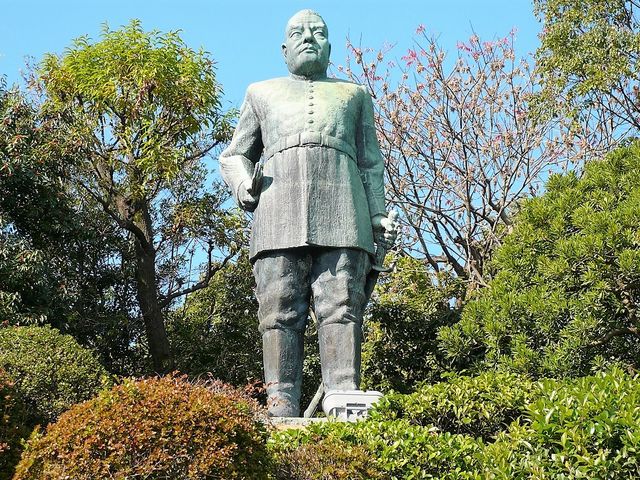
Saigo Takamori, fondly called Saigo-don, played the biggest role in the Meiji Restoration, including the bloodless surrender of Edo Castle. He later lost the Satsuma Rebellion to the new government and died at Shiroyama. This 8-meter statue, with Shiroyama behind it, was made over eight years for the 50th anniversary of his death by Ando Teru, a Kagoshima native who also made the famous Hachiko statue.
Ishin Furusato-kan (Museum of the Meiji Restoration) Kagoshima City
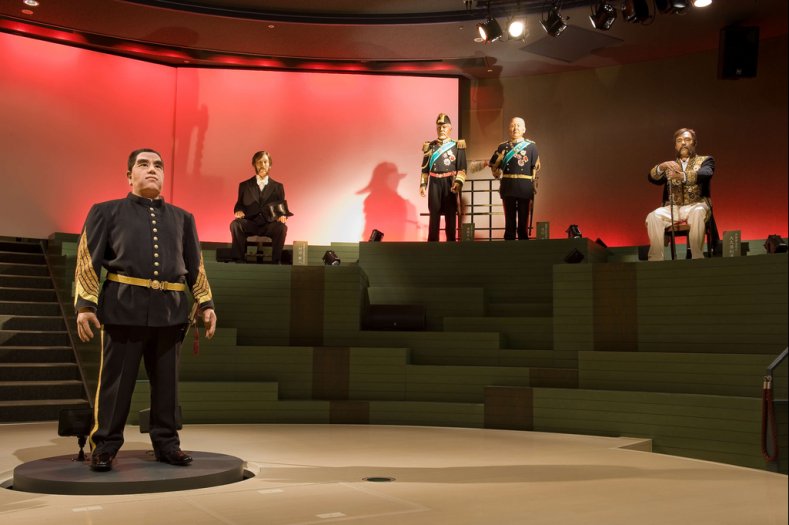
This museum tells the story of Saigo Takamori, Okubo Toshimichi and others who shaped the late Edo period and the Meiji Restoration, using film and robots. Two dramas with life-size robots of Saigo and Okubo play in turn in the basement: one on the road to the Restoration (about 25 minutes) and one on the Satsuma students sent to study in Britain (about 20 minutes). It is an 8-minute walk from Kagoshima-Chuo Station.
Xavier Park Kagoshima City
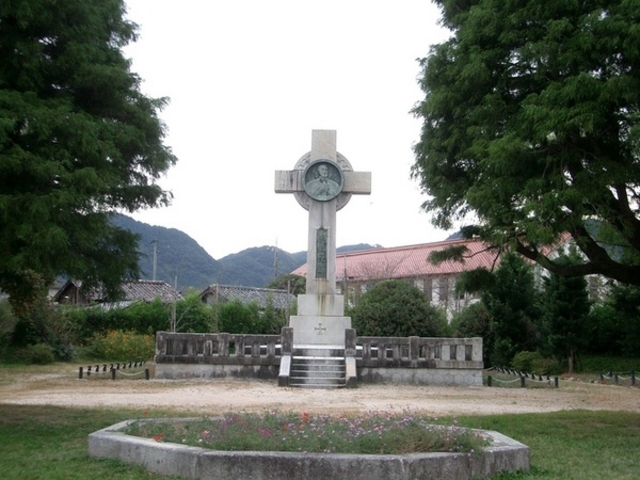
The Spanish missionary Francis Xavier, who brought Christianity to Japan, first landed in Kagoshima and spent about a year here. The park was created for the 400th anniversary of his arrival and has a life-size statue of him. It is a quick stop of about ten minutes.
Saigo Cave Kagoshima City
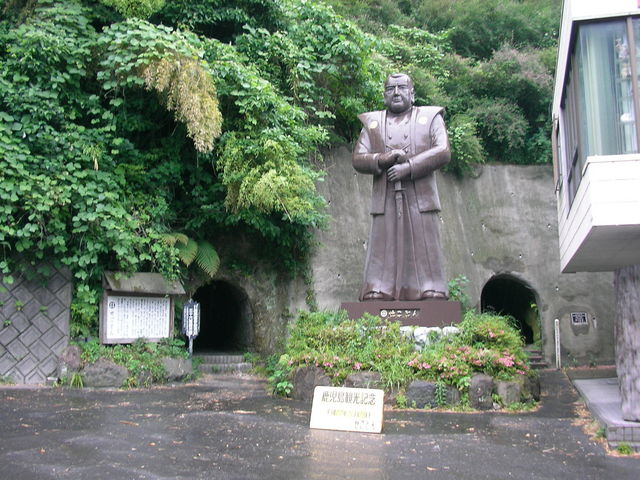
In September 1877, at the end of the Satsuma Rebellion, Saigo Takamori and some 300 soldiers held out in this cave for five days. It was the last place he stayed before he fell in battle with government troops. The cave is halfway up the slope to Shiroyama Observatory, and many visitors are surprised how small it is. It is plain, but the history draws people in.
Nanshu Cemetery Kagoshima City
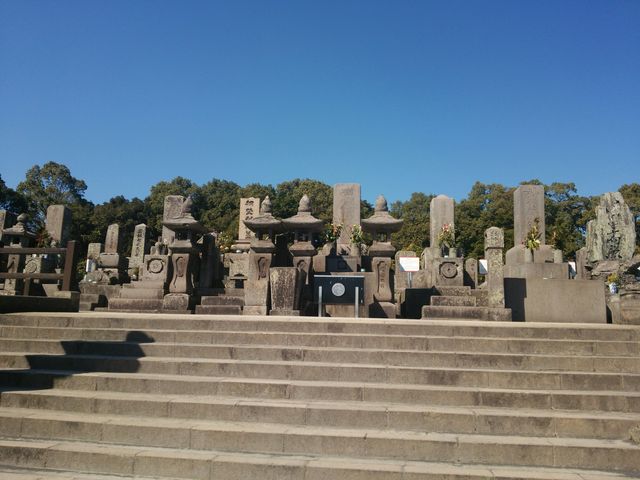
Those who died in the Satsuma Rebellion are buried here, including Saigo Takamori, Murata Shinpachi and Kirino Toshiaki. On the same grounds, the Saigo Nanshu Memorial Museum shows Saigo's belongings and records of his life and work.
Hirakawa Zoological Park Kagoshima City
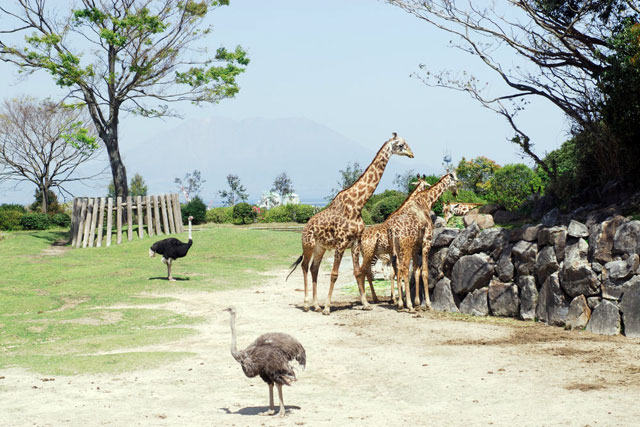
In the south of Kagoshima City, this is the only zoo in Kyushu that keeps koalas. You can also meet white tigers up close through the glass. Allow two hours or more.
Terukuni Shrine Kagoshima City
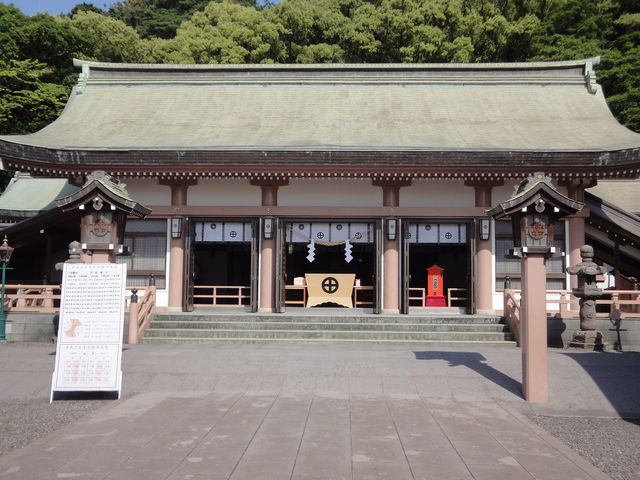
This shrine is dedicated to Shimadzu Nariakira, the 28th head of the Shimadzu clan. Locals crowd in for New Year visits, Shichi-Go-San and the Rokugatsudo lantern festival in summer. Weddings are held here too, so with luck you may see a bride in a white kimono. A statue of Nariakira stands beside the shrine. It is about five minutes on foot from Tenmonkan.
Southern Satsuma: Ibusuki and Chiran
Southern Satsuma takes in Ibusuki and Makurazaki. Here you will find Mount Kaimon, known as Satsuma Fuji, the unusual sand baths and plenty of sights with a tropical feel.
Mount Kaimon Ibusuki
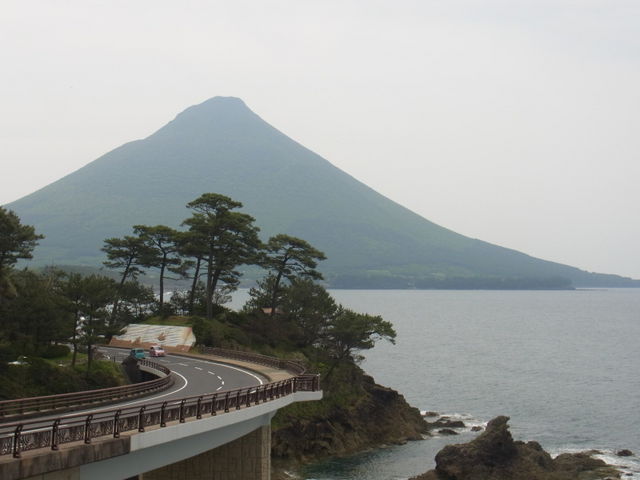
Mount Kaimon is a 924-meter active volcano whose gentle, even slopes earned it the name Satsuma Fuji. With no other mountains around it, you can see it from almost anywhere in southern Satsuma. A well-kept trail draws many hikers, and the summit looks north to Kirishima and south to Yakushima.
Lake Ikeda Ibusuki
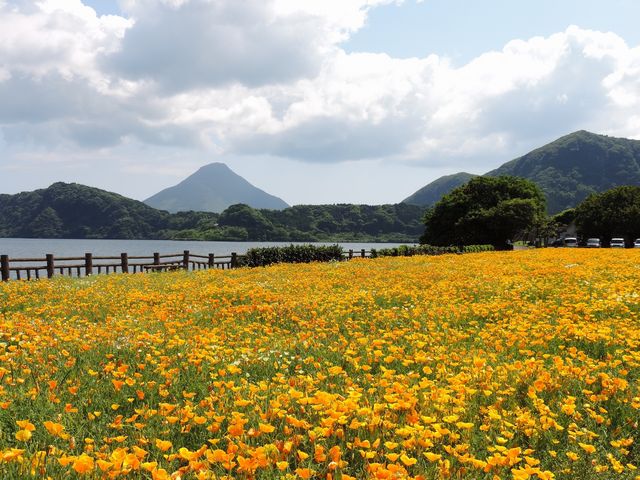
A caldera lake formed by volcanic activity, 15 kilometers around and up to 233 meters deep. It is said to be the largest in Kyushu. Giant eels live in the lake, and locals use the shore for jogging and walking. Rumor has it a monster called Issie lives here too, so keep an eye on the water. It is about 25 minutes by car from JR Ibusuki Station.
Tosenkyo Somen Nagashi Ibusuki
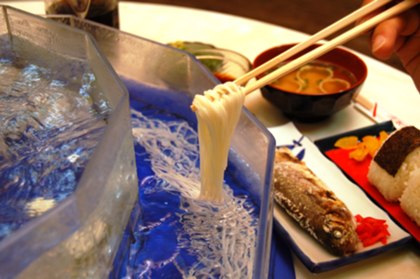
Tosenkyo is the birthplace of the spinning style of somen nagashi, where the noodles whirl around in cold water as you catch them. About 300,000 people come each year. The noodles are served in clear spring water, and you can also order salt-grilled river fish.
Ibusuki Sunamushi Kaikan Saraku Ibusuki
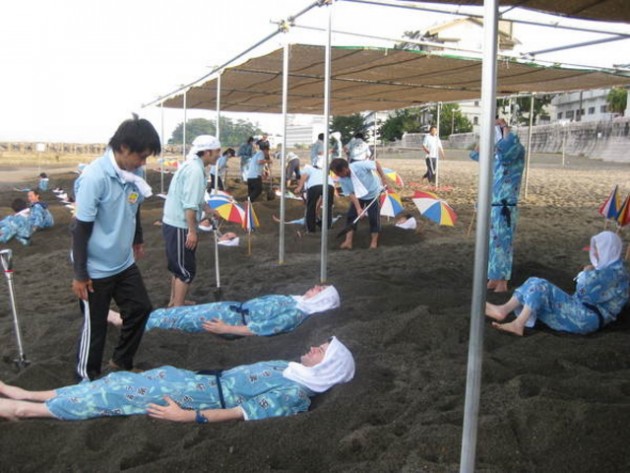
Sand baths are rare even in Japan. On this beach natural hot spring water wells up, and you lie buried in the warm sand listening to the waves. A session lasts only 10 to 20 minutes, but you will be amazed how much you sweat. Towels can be rented, so you can come empty-handed, and the building has a snack corner and local products for sale.
Chiran Peace Museum Chiran
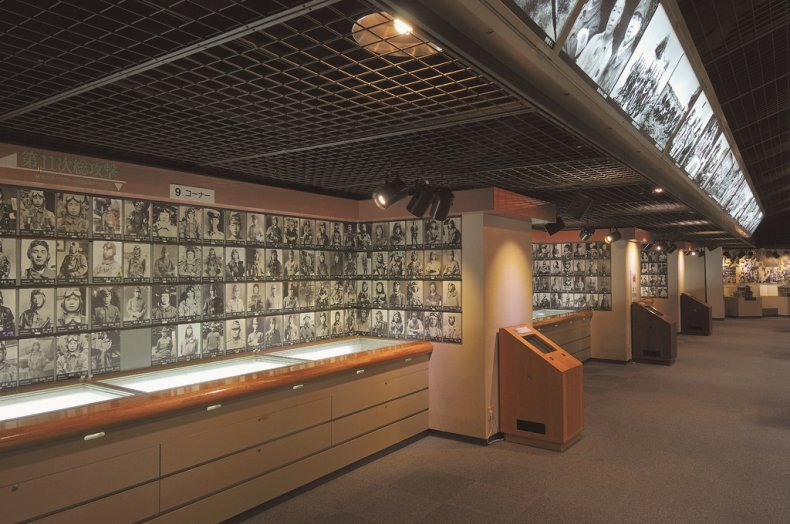
At the end of the Pacific War, Chiran was the site of an army base for special attack, or kamikaze, missions. The museum displays portraits and belongings of the army pilots who flew these missions against enemy ships.
Chiran Samurai Residence Gardens Chiran
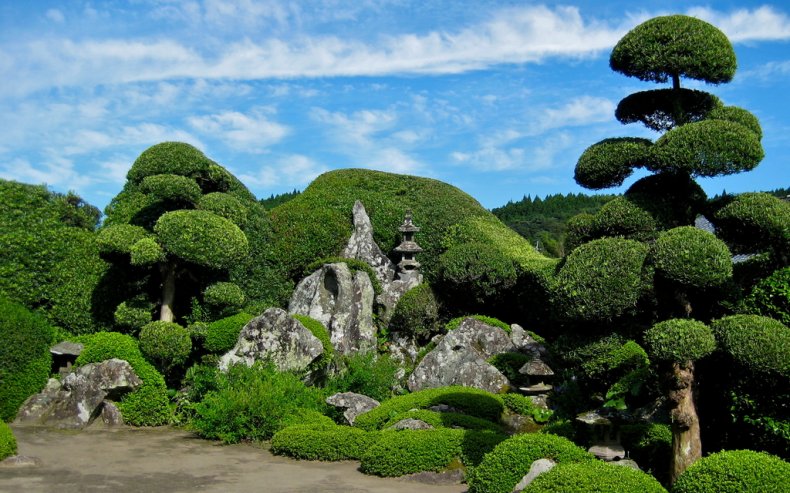
Known as the Little Kyoto of Satsuma, this street of samurai houses has looked much the same for about 260 years. Seven of its gardens are designated a national Place of Scenic Beauty. Walking here feels like slipping back in time.
Nishi-Oyama Station Ibusuki
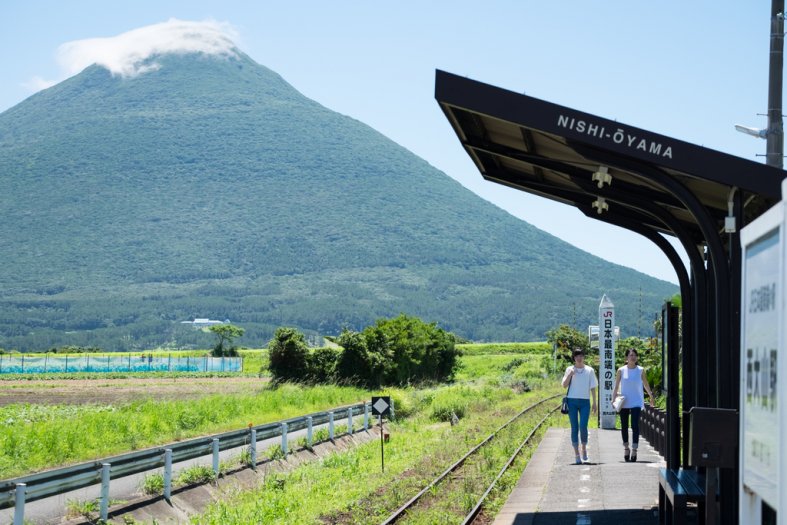
This unstaffed station is the southernmost on the JR network, with Mount Kaimon rising right in front of it. A yellow mailbox outside is popular as a postbox that brings happiness, and a travel notebook on the platform collects visitors' memories. Many people come just to see the station.
Cape Nagasakibana Ibusuki
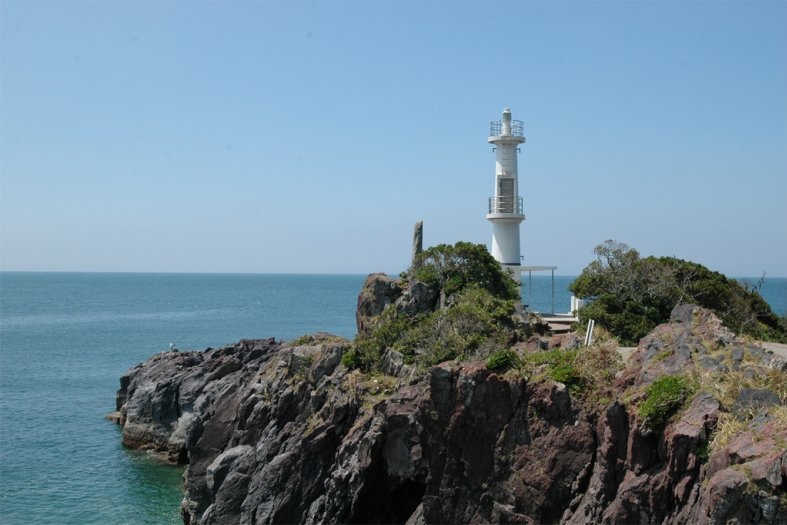
The southern tip of the Satsuma Peninsula. Legend says this is where Urashima Taro set off for the undersea Dragon Palace, and Ryugu Shrine honors Princess Otohime. Sea turtles come ashore to lay eggs in summer, and Mount Kaimon is in view. It is about 15 minutes by car from JR Yamakawa Station.
Northern Satsuma
The northwest of the prefecture is crossed by the Sendai River, one of the three great rivers of Kyushu. Every winter more than 10,000 cranes fly in to the Izumi Plain.
Sogi Falls Park Isa
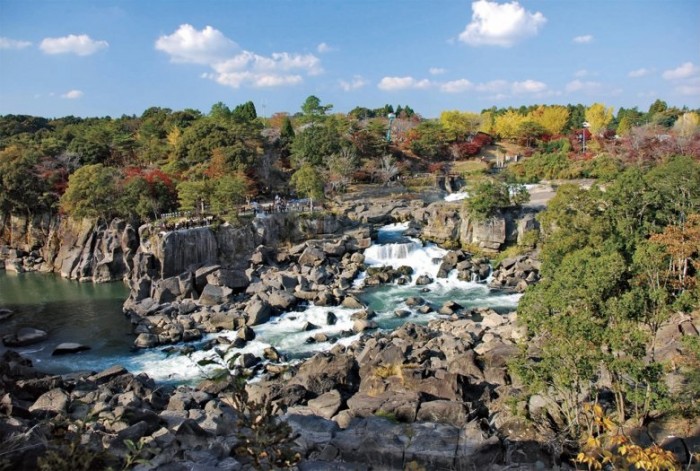
Called the Niagara of the East, Sogi Falls is 210 meters wide and 12 meters high, and the rushing water is a powerful sight. The park around it shows off the seasons, and there are restaurants and souvenir shops. It is about an hour by car from Izumi Station on the Kyushu Shinkansen.
Kirishima
Kirishima is busy with visitors to the Kirishima hot spring villages, with many hotels and ryokan to choose from. It is also known for scenic drives through green mountain country.
Kirishima Jingu Kirishima
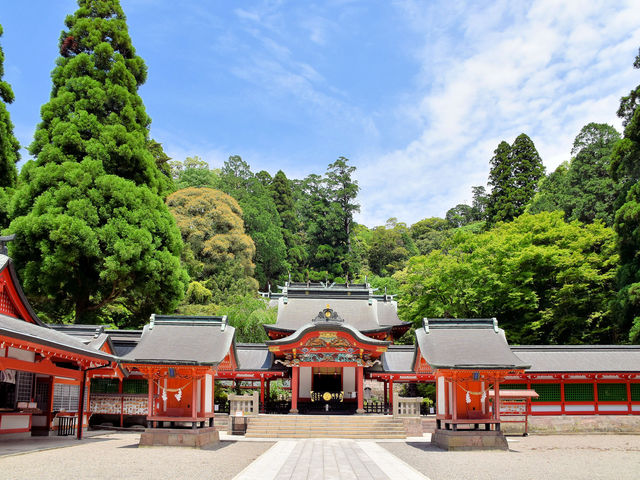
This old shrine is dedicated to Ninigi-no-Mikoto, the god who descended from heaven in Japanese myth. The vermilion main hall is a stately sight. It is also well known as a power spot, and many people come to pray for good fortune.
Kirishima Open-Air Museum Yusui
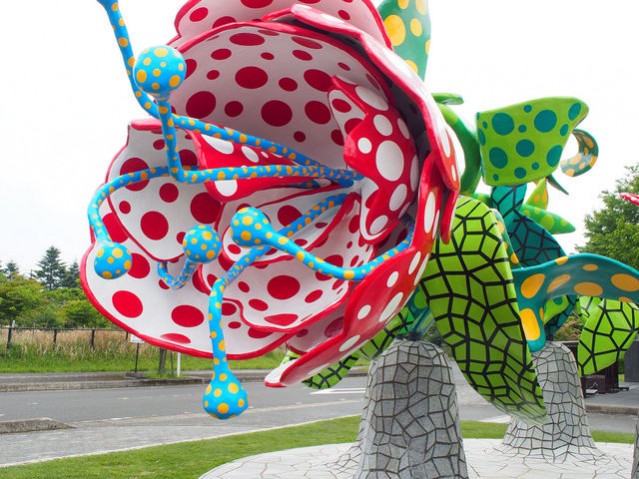
An outdoor art museum with works by well-known artists from Japan and abroad. A course of about 2 kilometers lets you get close to the art, and you can even touch or climb some pieces. Yayoi Kusama's Shangri-La Flower greets you at the entrance. It is about 20 minutes by taxi from JR Kurino Station.
Takachiho Farm Miyakonojo, Miyazaki
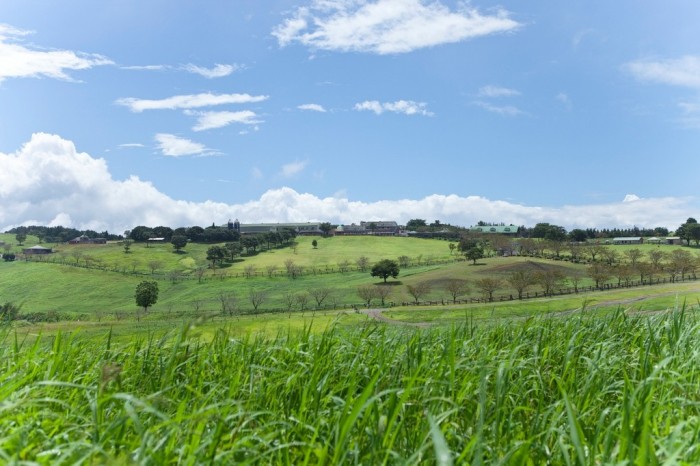
A farm at the foot of the Kirishima mountains, just over the border in Miyazaki, where cows and sheep graze and you can meet them up close. Kids can try sausage making and milking. The soft serve ice cream is excellent, and many visitors take home bottled milk straight from the farm. It is about 40 minutes by car from Kagoshima Airport.
Ebino Plateau Ebino, Miyazaki
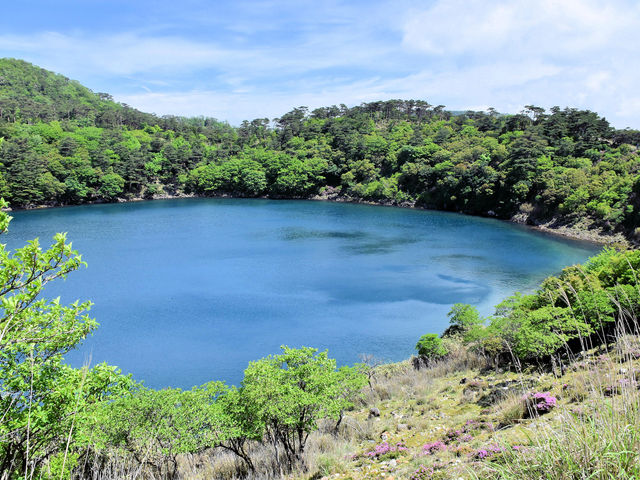
A highland at 1,200 meters in the Kirishima mountains and a lovely drive. In autumn the pampas grass and fall leaves color the landscape, and deer graze by the roadside. In winter, Japan's southernmost outdoor skating rink fills with skaters.
Saigo Park Kirishima
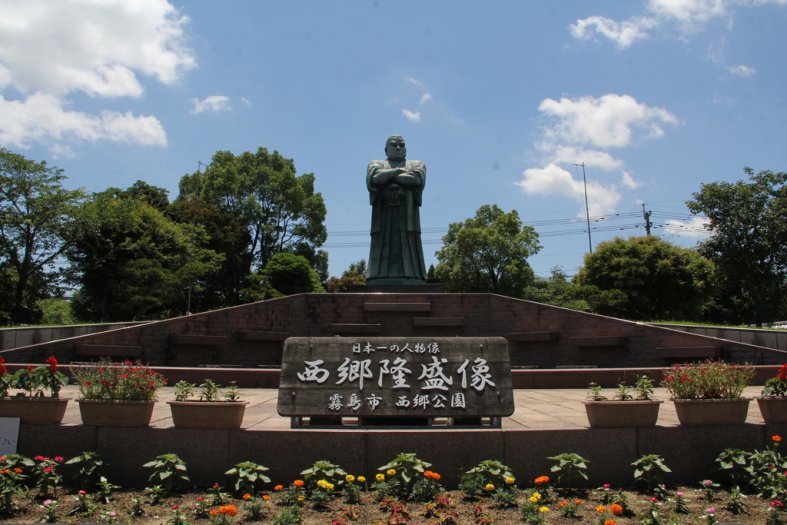
This park is home to a statue of Saigo Takamori said to be the largest statue of a person in Japan, with gardens and fountains around it. A free history room shows 53 woodblock prints of the Satsuma Rebellion and materials on the Meiji Restoration. Souvenirs such as karukan cakes and satsuma-age fish cakes are on sale. It is a 5-minute walk from Kagoshima Airport.
Ryumon Falls Aira
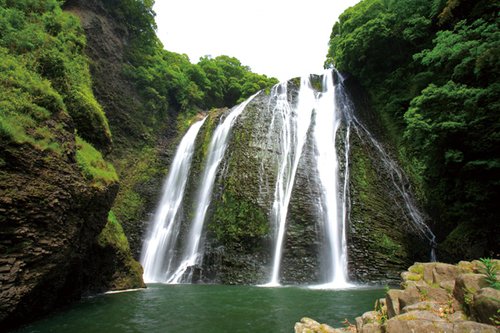
One of Japan's 100 best waterfalls, 46 meters high and 43 meters wide. Its name, Dragon Gate, comes from a visitor from China who long ago said it looked like the famous Longmen falls of his homeland. It is lit up at night. It is about 5 minutes by car from JR Kajiki Station.
Maruo Falls Kirishima
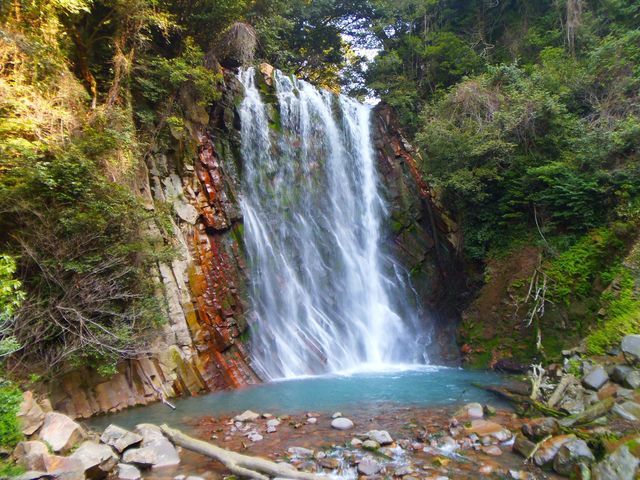
This 23-meter fall appears suddenly beside Route 223. It is a hot water fall fed by hot spring water, and in winter steam rises from it. You can walk up close and feel the spray.
Shiobitashi Onsen Ryoma Park Kirishima
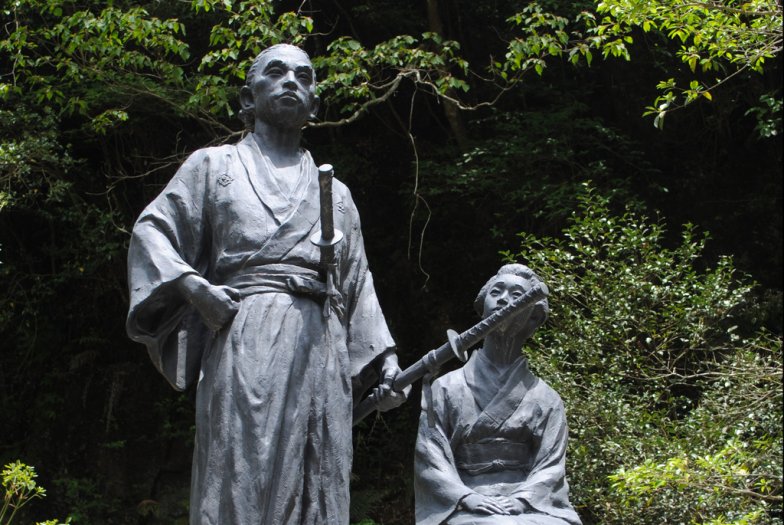
Sakamoto Ryoma brought his wife Oryo to Kirishima on what is called Japan's first honeymoon. On the advice of Saigo Takamori and others, they came to this hot spring so Ryoma could heal the sword wounds he received in the Teradaya Incident. By the river is the bath he is said to have used, and a footbath named for the couple lets you try the hot spring easily.
Sakurajima
Sakurajima is the image of Kagoshima. It is an active volcano, yet people live at its foot. You can drive around it or cycle, and there are plenty of ways to enjoy it.
Sakurajima Kagoshima City
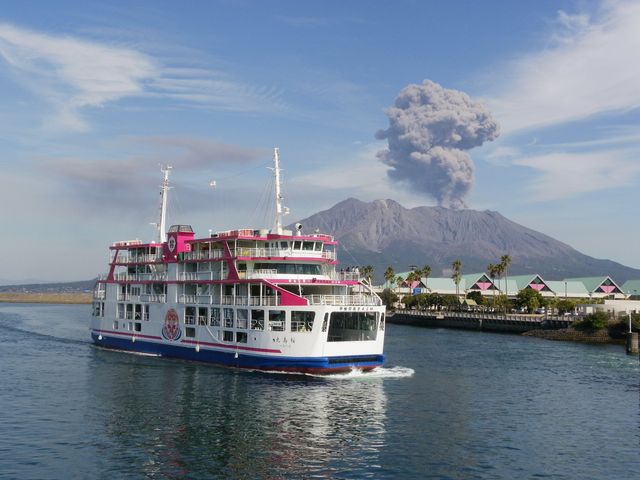
The symbol of Kagoshima. The great eruption of 1914 joined it by land to the Osumi Peninsula. As an active volcano it still sends up smoke and drops ash, and an eruption is a powerful sight. Depending on the alert level, access to the mountain may be restricted, so check the latest information. It is about 15 minutes by ferry from Kagoshima Port.
Sakurajima Ferry Kagoshima City
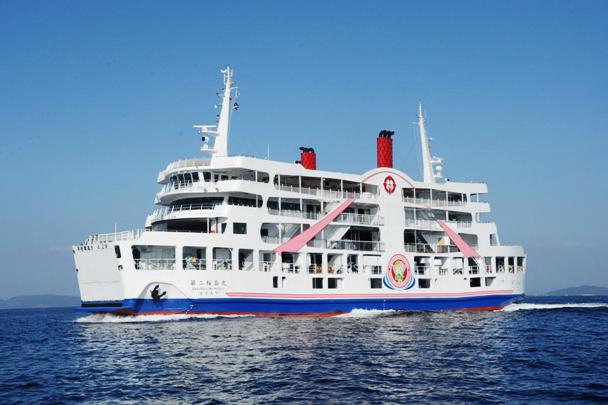
The ferry links Kagoshima City and Sakurajima in about 15 minutes, every 15 to 30 minutes around the clock, and is everyday transport for locals. The stand-up udon counter on board is a favorite. In summer there are evening cruises with fireworks over the sea and a beer garden.
Sakurajima Nature Dinosaur Park Sakurajima
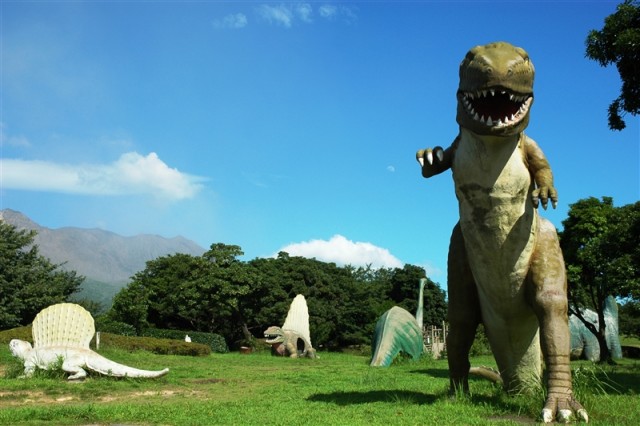
Dinosaurs suddenly appear on a hill near the ferry terminal. The park is full of life-size dinosaur play structures, and with Sakurajima behind them they look impressive. One slide is over 10 meters tall, a big hit with children. It is a 9-minute walk from Sakurajima Port.
Kurokami Buried Torii Sakurajima
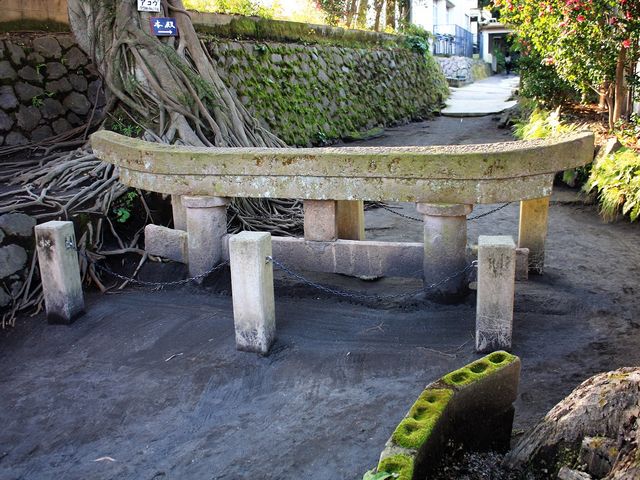
This shrine gate was buried by ash from the 1914 eruption. It belonged to Haragosha Shrine, also called Kurokami Shrine, and once stood 3 meters tall. The eruption poured out more than 3 billion tons of lava and buried all 687 homes of Kurokami village. It is one of the few places where you can see the power of the eruption for yourself, about 30 minutes by car from Sakurajima Port.
The Osumi Peninsula
Osumi, the eastern of the two peninsulas, is the farming and livestock heartland of Kagoshima. You reach it by ferry or by road, so give yourself plenty of time.
Kanoya Rose Garden Kanoya
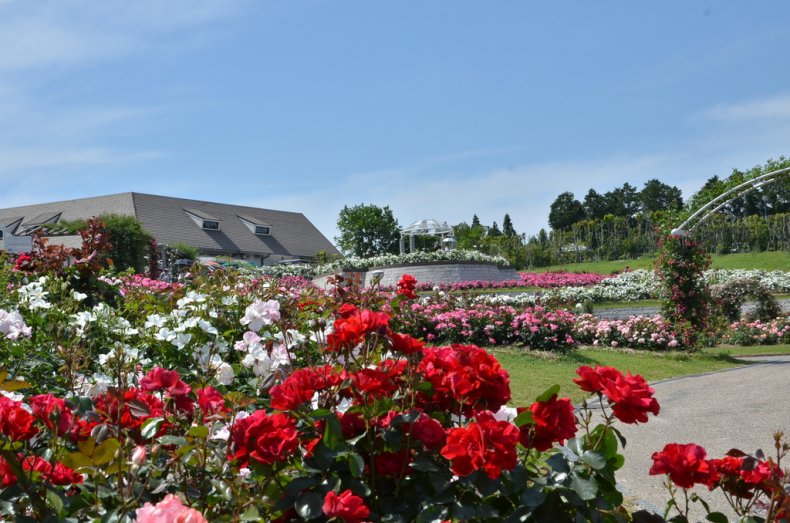
About 50,000 roses of many kinds grow across 8 hectares, making this one of the largest rose gardens in Japan. Rose festivals in spring and autumn, when the flowers bloom, draw big crowds. The garden is part of Kirishimagaoka Park, which has plenty of play equipment for children and walking paths.
JAXA Uchinoura Space Center Kimotsuki
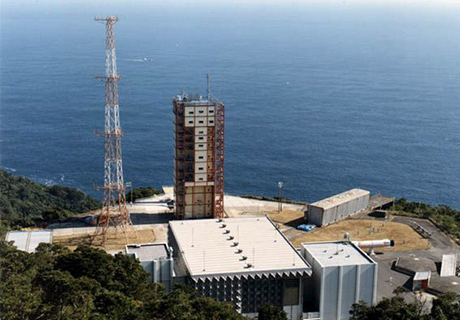
Known for launching the Hayabusa asteroid probe and Epsilon rockets. You can see the launch pads and giant parabolic antennas up close, and a space science museum explains how rockets work and what lies in space. It is about 2.5 hours by car from Kagoshima City, or 50 minutes from Kanoya.
Shibushi Bay Daikoku Dolphin Land Kushima, Miyazaki
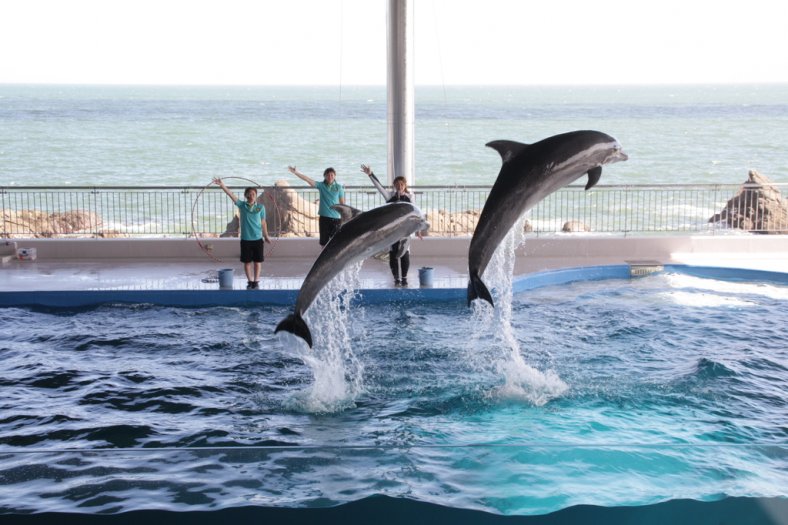
The only place in Kyushu where you can snorkel with dolphins and feed them, and you can even swim alongside them. The dolphin show has high jumps, and there are small animals to pet and a fishing pond, enough to fill a whole day.
Ogawa Falls Minamiosumi
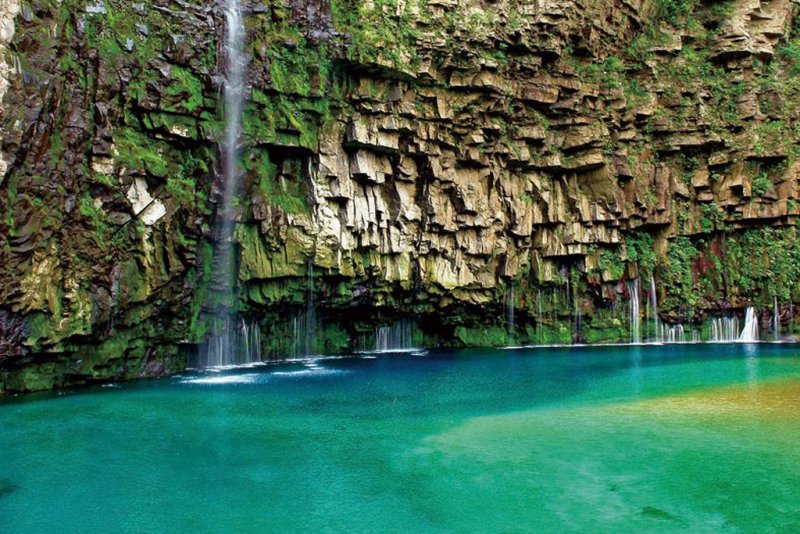
On the upper Ogawa River, this fall drops 46 meters and is 60 meters wide. The pool below glows emerald green and is remarkably clear. A walking path leads to the falls. Please do not visit at night, and the path closes when bad weather or high water makes it unsafe.
Aira Sanryo Imperial Tomb Kanoya
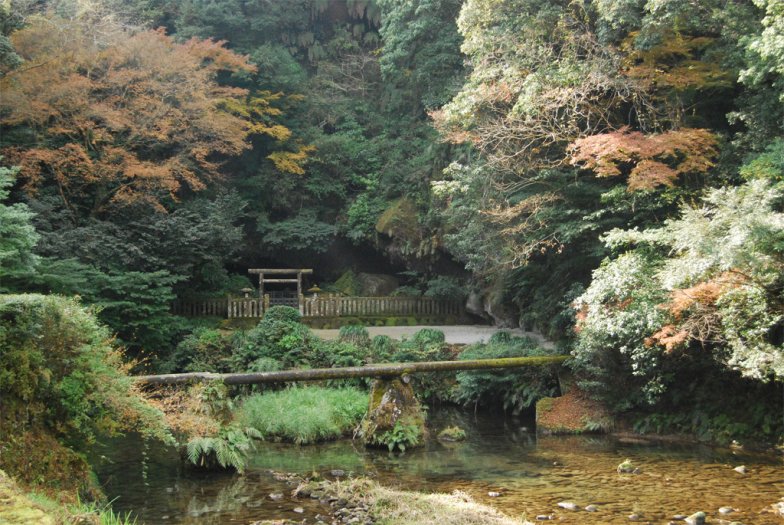
The tomb of the father and mother of Emperor Jimmu, a rare cave tomb. It is said to resemble Ise Jingu and is nicknamed Little Ise. Cherry blossoms in spring and red leaves in autumn frame the site, and in summer children play in the river.
Cape Sata Observation Park Minamiosumi
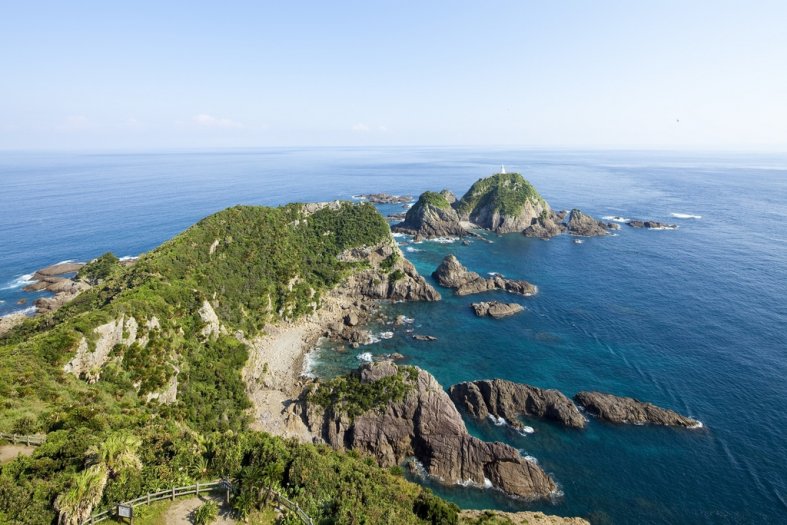
Cape Sata is the southern tip of the Japanese mainland, on the 31st parallel and warm even in winter. The path to the cape runs through a jungle of subtropical plants, and a historic lighthouse stands on Owa Island just offshore. On clear days you can see Tanegashima and Yakushima. It is about 90 minutes by car from Tarumizu Port.
Kanoya Naval Air Base Museum Kanoya
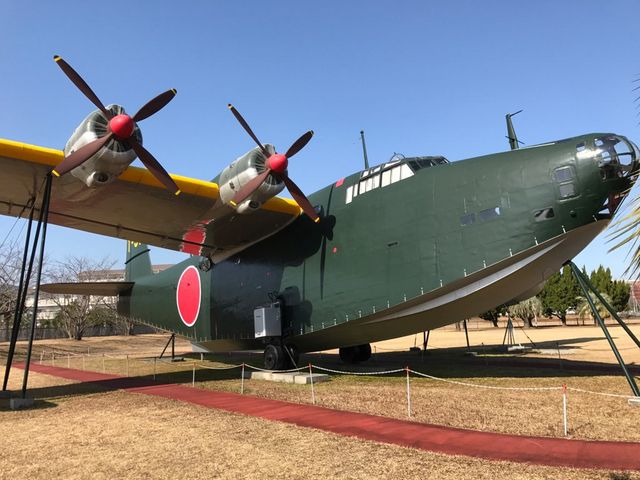
A history museum at the Maritime Self-Defense Force's Kanoya Air Base. Outside, real aircraft such as a Type 2 flying boat and a P-2J are on display. Inside are a restored Zero fighter and a wealth of materials on naval history and the special attack units. Allow one to two hours.
Kamikawa Otaki Park Kinko
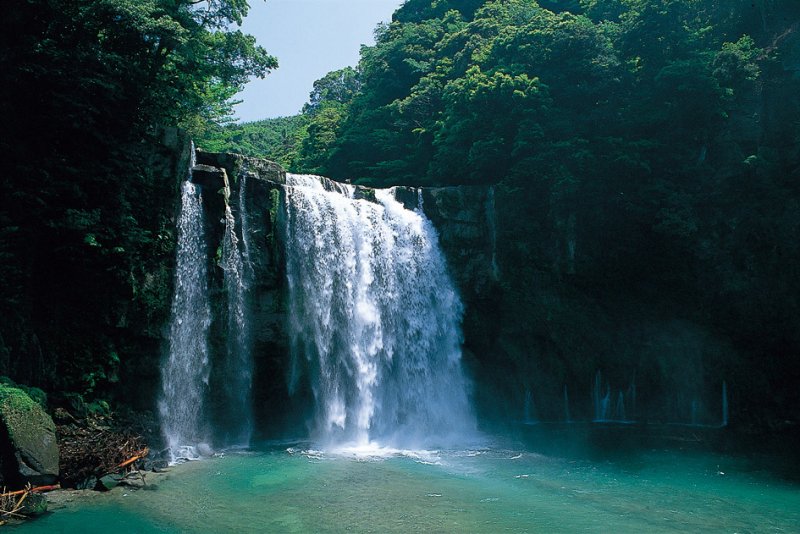
A nature park with a suspension bridge, wooden play equipment and a place to eat. Kamikawa Otaki, 35 meters wide and 25 meters high, sends up clouds of spray. Follow the path to the Rainbow Suspension Bridge, 68 meters high and 130 meters long, and you can look straight down on the falls. It is about 40 minutes by car from the Tarumizu ferry terminal.
Tips for your trip
Kagoshima has more sights than one trip can cover, so plan by area. The Osumi Peninsula is reached by ferry or a long drive, so allow extra time. In Kagoshima City, streetcars and buses reach most sights. Sakurajima is a short ferry ride from the city, and the volcano's activity can limit access, so check before you go.
The places on a map
Hours, prices and events change. Check each place's official website before you go.
More travel guides
 Tokyo Sightseeing by Area: 40 Classic Sights and Lesser-Known Spots from Asakusa to Odaiba40 placesTokyo has much more to see than Skytree, Tokyo Tower and Asakusa. This guide works through six of the city's main…
 Nagoya: 40 Best Places to Visit, from Nagoya Castle and Atsuta Jingu to Osu40 placesNagoya is one of Japan's biggest cities, yet many visitors don't know how much it has to see. Alongside its famous…
 Chichibu: 40 Best Places to Visit, from Nagatoro River Boats and Mitsumine Shrine to Moss Phlox and Icicles40 placesChichibu, the largest city in Saitama Prefecture, is about 90 minutes from central Tokyo. Most of the area is national…
 Niigata Prefecture: 40 Best Places to Visit, from Classic Sights to Hidden Gems40 placesNiigata Prefecture stretches a long way from north to south, and each area has its own scenery, climate and food. The…
 Nagasaki Prefecture: 40 Best Places to Visit, from Unzen Hot Springs to Hirado and Nagasaki City40 placesNagasaki grew up as a port open to the outside world, and the culture of those days still shapes its streets, churches…
 Fukuoka Prefecture: 40 Places to Visit in Kitakyushu, Chikuho and Around Fukuoka City40 placesFukuoka Prefecture is roughly divided into four areas, Kitakyushu, Chikuho, Fukuoka and Chikugo, and each has its own…