
Nippara Limestone Cave
Limestone cave · Okutama, Tokyo
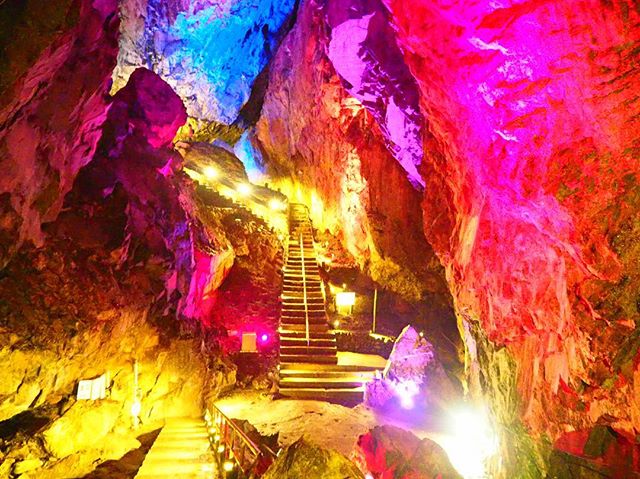 photo by @sdcsdc.e718
Nippara Limestone Cave is a large limestone cave in Okutama, in the mountains of western Tokyo. It runs for 1,270 meters with a height difference of 134 meters, ranks among the biggest caves in the Kanto region and is a natural monument designated by Tokyo. Inside, the temperature stays around 11°C all year, cool in summer and mild in winter. Lit-up halls and strange rock shapes make it a striking place to photograph.
Good to know
- Japanese name
- 日原鍾乳洞
- Address
- 東京都西多摩郡奥多摩町日原1052In Japanese, to show a taxi driver or type into a map app.
- Nearest station
- Okutama Station (JR Ome Line)
- Access
- Nishi Tokyo Bus from Okutama Station: on weekdays to the Nippara Shonyudo terminus, then about 5 min walk; on weekends and holidays to Higashi-Nippara, then about 25 min walk
- Hours
- 9:00–17:00 (Apr 1–Nov 30); 9:00–16:30 (Dec 1–Mar 31)
- Closed
- Dec 30–Jan 3
- Admission
- Adults ¥900, junior high ¥700, elementary ¥600
- Official website
- nippara.com/nippara/syounyuudou/syounyuudou.html
Hours and prices can change. Check the official website before you go.
Inside the cave
Past the entrance, the passage narrows until adults have to stoop. Look for Funazoko-ishi, a huge rock that juts out like the bottom of a boat, and Renge-iwa, a ceiling rock shaped like a lotus flower. Further on, spots with grim names such as Jigokudani (Hell Valley) lead to Shide no Yama, where the space suddenly opens into a big hall formed when an older ceiling collapsed.
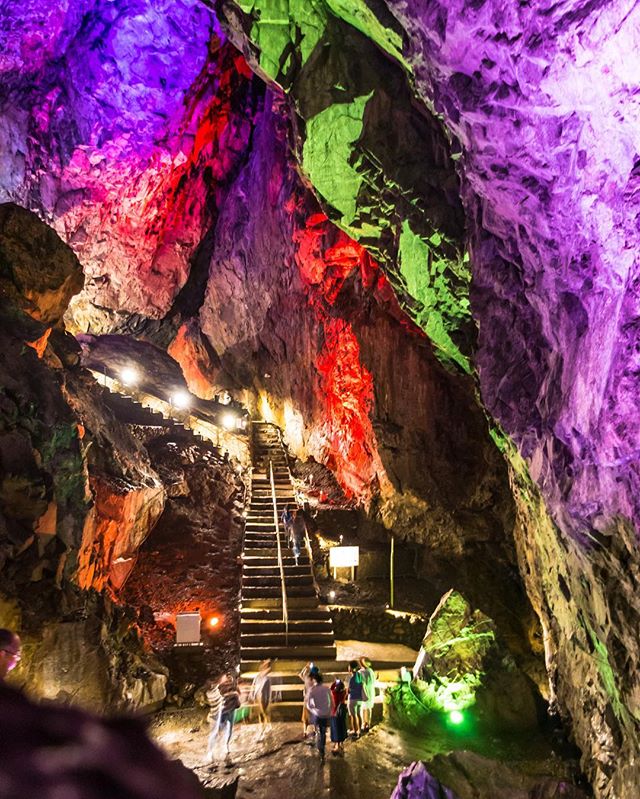
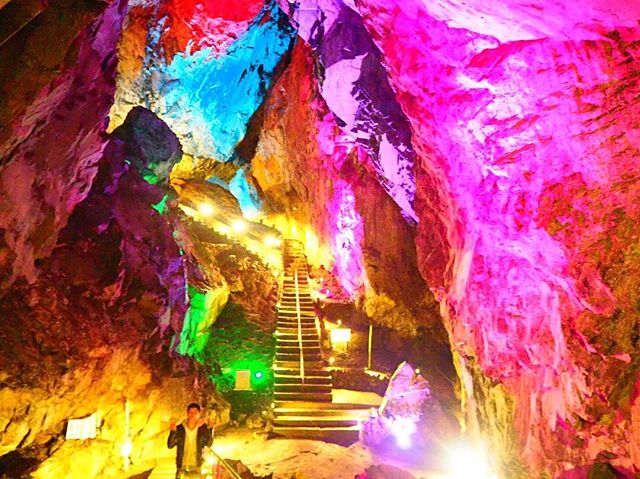
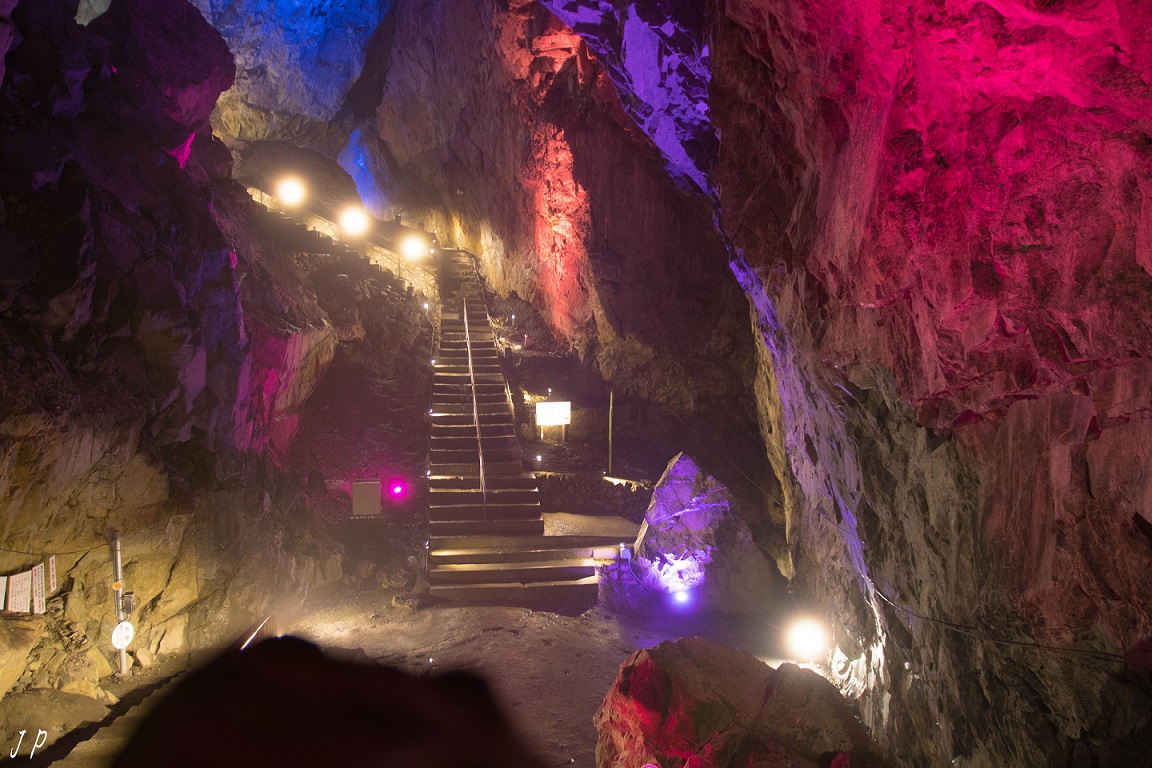
Shide no Yama is lit up and is the best photo spot in the cave. Beyond it stands the Enmusubi Kannon, a statue said to bring good relationships. Along the route you also pass a hollow said to have been used for training by the monk Kobo Daishi, and a suikinkutsu, where water dripping into a jar makes a soft, bell-like sound.
The new cave
The Shindo, or new cave, was found in 1962. Its long, steep stairs drop and climb sharply, with sturdy handrails, so take your time, especially if you dislike heights. Highlights here include a huge rock split cleanly along a fault, Kongozue, a thin 2.5-meter stalagmite that looks like a walking staff, and Byakue Kannon, a stalagmite that looks like a figure wrapped in a white robe.
Tips for visiting
Bring a rain jacket: water drips heavily inside after rain, and the cave may close in very heavy rain. Wear sneakers and carry a backpack, since the floor is wet and slippery, and never go in heels. A light layer helps against the chill. The cave is dim and drippy, so protect your camera with a waterproof cover or a clear plastic bag and use high ISO settings. Restrooms by the ticket office get busy, and there is a restaurant and shop next to the cave.
Buses from Okutama Station run only about once an hour. On weekdays they go to the cave stop; on weekends and holidays they turn back at Higashi-Nippara, about 25 minutes' walk away. The mountain road is narrow and the parking lot fills fast, so public transport is the easier choice.
Photos
Nearby
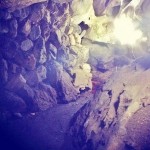 Hashidate Limestone Cave12.1km
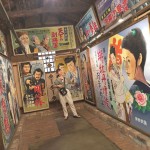 Showa Retro Products Museum20.9km
 Chichibu Highland Farm (Sainokuni Fureai Farm)24.7km
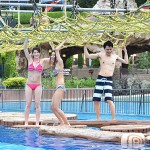 Tokyo Summerland25.8km
 Nagatoro Line Kudari River Boat Ride27.7km
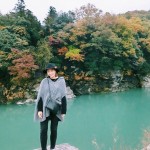 Nagatoro Iwadatami27.7km
Featured in these guides
 Tokyo by Car: 19 Places to Drive To, from Bay Night Views to Okutama19 placesTokyo is a great city to explore by car, with historic landmarks, glittering night views and green escapes all within…Tokyo in July: 18 Places to Visit, from Beaches and Pools to Cool Indoor Escapes18 placesJuly is the height of summer in Tokyo, and on the hottest days it is tempting to stay inside. But summer is also when…Tokyo in August: 16 Things to Do, from Summer Festivals to Cool Escapes16 placesAugust is the hottest month of the year in Tokyo, and also one of the liveliest. Schools are on summer break, pools and…
Recently viewed
More in Tokyo
 Aqua Park ShinagawaAquarium
 Tokyo TowerObservation tower
 Meiji JinguShinto shrine
 Senso-jiBuddhist temple
 National Museum of Nature and ScienceScience museum
 Tokyo SkytreeBroadcasting tower
 Roppongi HillsShopping complexOdaiba Marine ParkWaterfront park
 Shinjuku Gyoen National GardenGarden
 Rikugien GardenJapanese garden
 Showa Kinen ParkPark
 Mount TakaoMountain