
Rikugien Garden
Japanese garden · Bunkyo, Tokyo
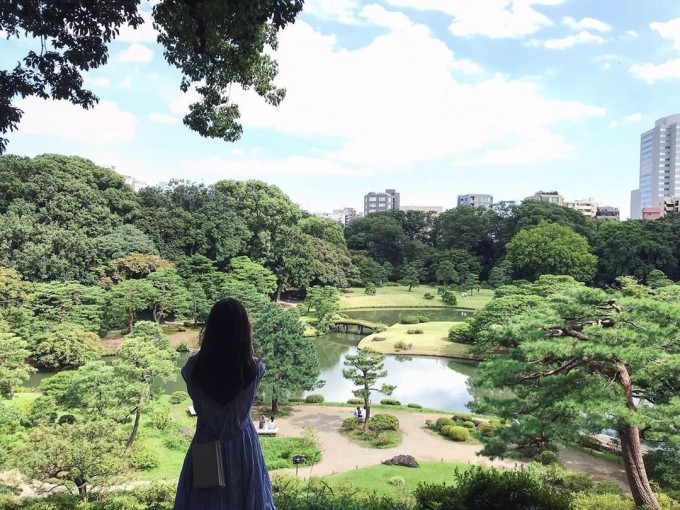 photo by @19_0__499__02
Rikugien is a classic Edo-period stroll garden in Bunkyo, with a central pond, man-made hills and paths designed around the themes of waka poetry. Together with Koishikawa Korakuen, it is counted among the two great gardens of Edo. It is one of Tokyo's best-known spots for autumn leaves, and its scenery changes with every season, making it a rewarding place for a slow walk with a camera.
Good to know
- Japanese name
- 六義園
- Address
- 東京都文京区本駒込6-16-3In Japanese, to show a taxi driver or type into a map app.
- Nearest station
- Komagome Station
- Access
- About 7 min walk from Komagome Station (JR Yamanote Line, Tokyo Metro Namboku Line); about 10 min from Sengoku Station (Toei Mita Line)
- Hours
- 9:00–17:00, last entry 16:30
- Closed
- December 29–January 1
- Admission
- Adults ¥300, 65 and over ¥150; elementary school children and younger, and junior high students living or studying in Tokyo, free
- Official website
- tokyo-park.or.jp/park/format/index031.html
Hours and prices can change. Check the official website before you go.
History
The garden was created by Yanagisawa Yoshiyasu, a close aide of the fifth shogun, Tokugawa Tsunayoshi, on land given to him for a secondary residence. He built hills and dug a pond on flat ground, taking seven years to finish. The name comes from the six principles of waka poetry described in the preface of the Kokinshu anthology. In the early Meiji era, Iwasaki Yataro, founder of Mitsubishi, bought and restored the garden and surrounded it with a red brick wall. It was donated to Tokyo City in 1938, has come through major disasters largely intact, and is designated a Special Place of Scenic Beauty.
The garden through the seasons
Autumn is the highlight. In late November, about 560 maples, wax trees and ginkgo turn color around the pond and hills. Evening illuminations are usually held from early November to early December, and sunset over the leaves is just as beautiful.
In spring, the weeping cherry is lit up at night in late March, followed by azaleas and other flowering shrubs. Summer brings hydrangeas, especially lovely in the rainy season. In winter, look for wintersweet, camellias and plum blossoms, and for the yukitsuri ropes that protect pine branches from snow, set up in early December.
Teahouse and tips
Fukiage Chaya, across the pond from the main entrance, serves matcha with seasonal sweets shaped like flowers, with a view over the water. Order at the entrance and they bring it to your seat. You may bring food, but ground sheets, entering the lawns and alcohol are not allowed, so plan a light meal on a bench or eat near Komagome Station. A walk around the pond takes 30 minutes to an hour; with tea and photos, allow almost two hours.
Nearby
 Togenuki Jizo (Koganji Temple)1.0km
 Kyu-Furukawa Gardens1.1km
 Sugamo Jizo-dori Shopping Street1.2km
 Yanaka Ginza1.8km
 Otome Inari Shrine1.9km
 Asukayama Park2.0km
Featured in these guides
 Tokyo in May: 20 Places to Visit for Spring Flowers, Festivals and Fresh Greenery20 placesMay is one of the most pleasant months to visit Tokyo. Golden Week brings events all over the city, roses, azaleas and…
 Tokyo Cherry Blossoms: 20 Best Spots for Picnics, Food Stalls and Night Viewing20 placesTokyo has far more cherry blossom spots than the famous Meguro River. Some are big lawns made for a picnic under the…
 20 Quiet Hidden Gems in Tokyo for a Relaxed Trip, with Two Easy Day Plans20 placesTokyo's famous sights are often crowded, and long days on foot can wear you out. If you would rather take things…
Recently viewed
More in Tokyo
 Aqua Park ShinagawaAquariumTokyo TowerObservation tower
 Meiji JinguShinto shrine
 Senso-jiBuddhist temple
 National Museum of Nature and ScienceScience museum
 Tokyo SkytreeBroadcasting tower
 Roppongi HillsShopping complex
 Odaiba Marine ParkWaterfront park
 Shinjuku Gyoen National GardenGarden
 Showa Kinen ParkPark
 Tokyo JoypolisIndoor theme park
 Nippara Limestone CaveLimestone cave