
Tokyo Cherry Blossoms: 20 Best Spots for Picnics, Food Stalls and Night Viewing
20 places · Japanese version
Tokyo has far more cherry blossom spots than the famous Meguro River. Some are big lawns made for a picnic under the trees, some fill with festival food stalls, and some are lit up at night for an evening stroll. Here are 20 popular places to see the blossoms, grouped by area, from riverside walks and old daimyo gardens to modern shopping districts and a mountain on the edge of the city. In Tokyo the blossoms are usually at their best from late March to early April, so plan your outing early.
Central Tokyo: the Imperial Palace moat, Kudan and the bay
Chidorigafuchi Kudanshita
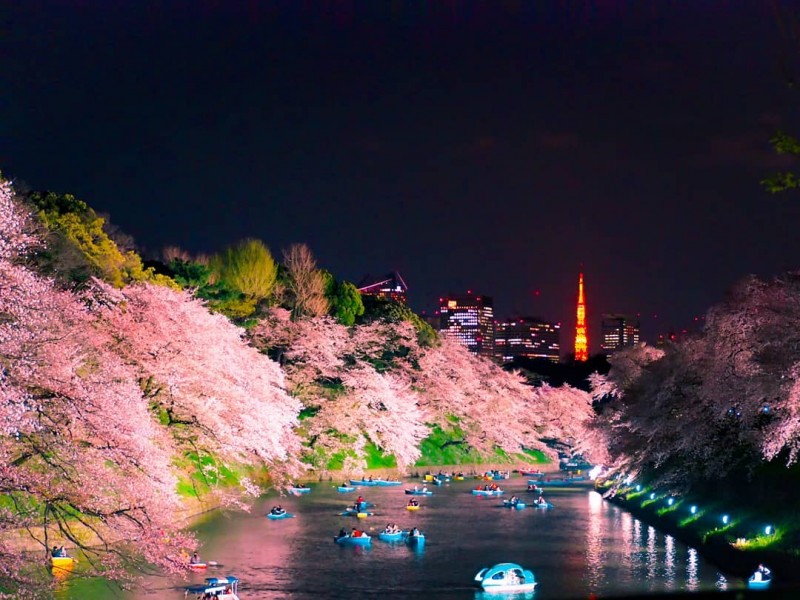
About 260 cherry trees lean out over the moat of the Imperial Palace along a walking path of about 700 meters. During the cherry blossom festival each year the trees are lit up at night, and you can see Tokyo Tower with the blossoms. Rowboats also run in the evening in this season, so you can view the night blossoms from the water. It is about 5 minutes on foot from Kudanshita Station.
Yasukuni Shrine Kudanshita
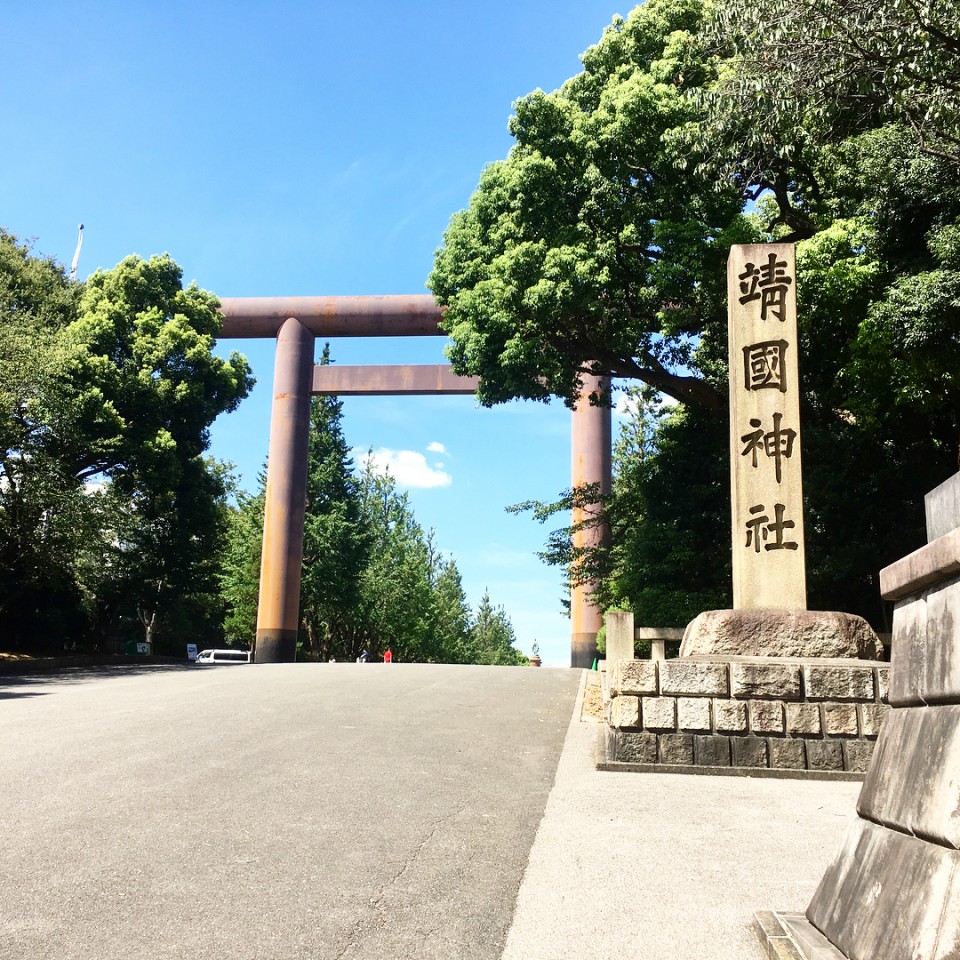
Yasukuni Shrine is home to the sample tree the Japan Meteorological Agency uses to declare the start of cherry blossom season in Tokyo. About 500 trees, including Somei-yoshino and wild mountain cherries, bloom in the grounds. Drinking parties are not allowed, but tea stalls open, and many more stalls line up for the Chiyoda Cherry Blossom Festival from late March to early April. Night Noh performances under the blossoms and ceremonial sumo are also held.
Hama-rikyu Gardens Shiodome
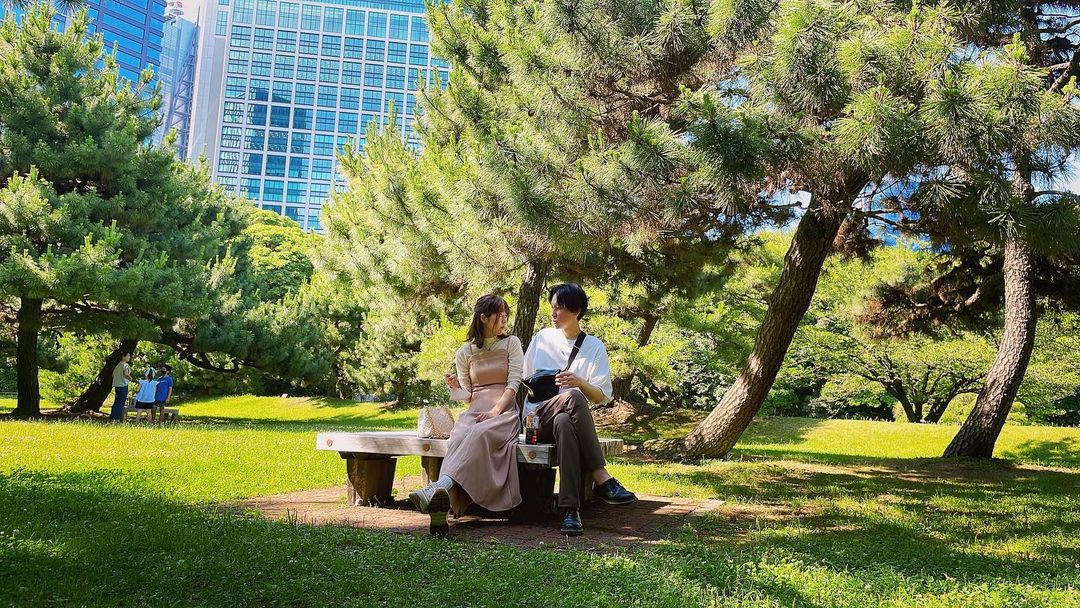
Built in the Edo period as a villa of the Tokugawa shoguns, this strolling garden has about 100 cherry trees of several varieties, with double-flowered yaezakura in mid to late April. Seawater flows into the tidal pond, and you can view the blossoms reflected in it or from its bridges. A field of about 300,000 rapeseed plants adds yellow to the pink, a rare sight in Tokyo. It is about 7 minutes on foot from Shiodome Station.
Shiba Park Shibakoen
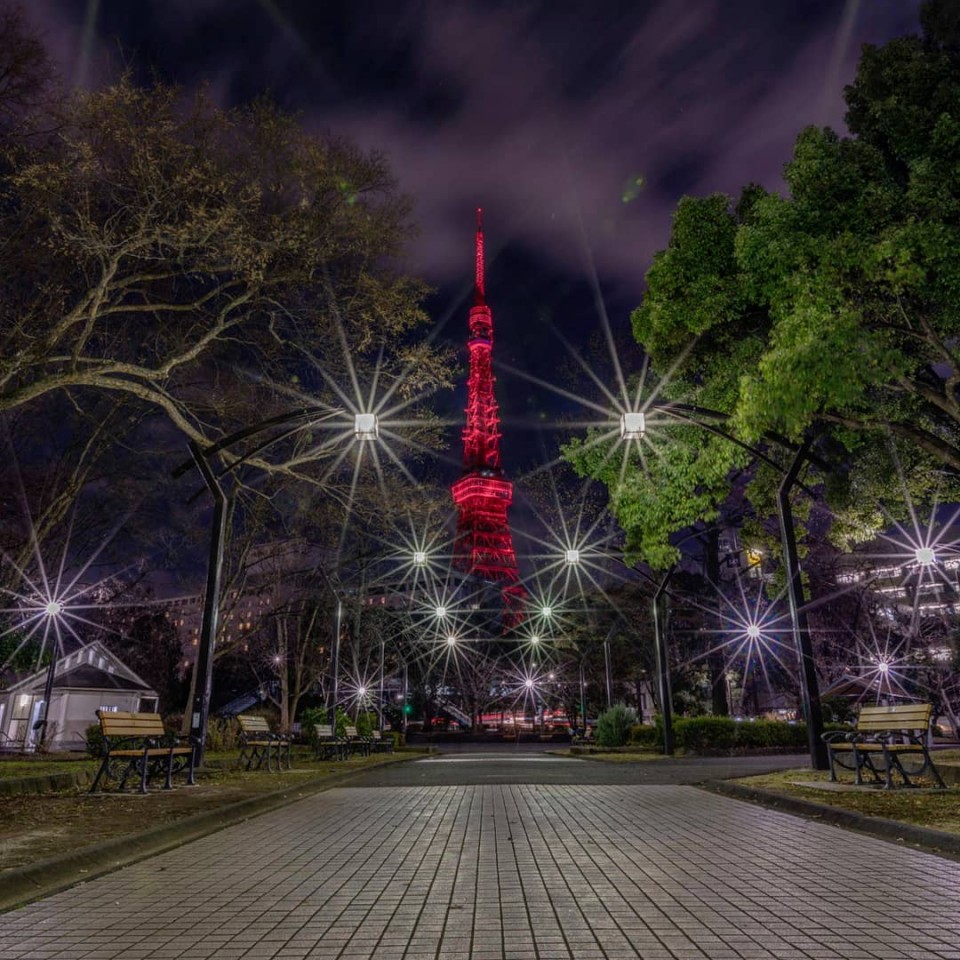
One of the first parks created in Japan, Shiba Park has about 140 cherry trees with Tokyo Tower as a backdrop. The Shiba Maruyama burial mound in the park sits on high ground and is a well-known place to see the tower and the blossoms together. The blossoms are not lit up at night, but the illuminated Tokyo Tower above the trees makes a lovely evening walk. It is about 2 minutes on foot from Shibakoen, Onarimon or Akabanebashi Station.
Ueno, Asakusa and northern Tokyo
Ueno Park Ueno
Ueno Park has been a famous cherry blossom spot since the Edo period. About 800 trees grow in the park, and about 1,200 if you count Ueno Zoo. During the Ueno Cherry Blossom Festival, from late March to mid-April, many food stalls open and old-style paper lanterns are lit in the evening for night viewing. The park is right by Ueno Station, and with the zoo, art galleries and museums nearby you can easily spend the whole day.
Sumida River Asakusa
About 350 cherry trees on the Sumida side and about 600 on the Taito side line both banks of the Sumida River for about 1 kilometer, with Tokyo Skytree rising behind them. The trees are lit up at night, and you can also take a yakatabune, a traditional roofed boat, to see Skytree and the blossoms from the river. It is about 5 minutes on foot from Asakusa Station.
Rikugien Garden Komagome
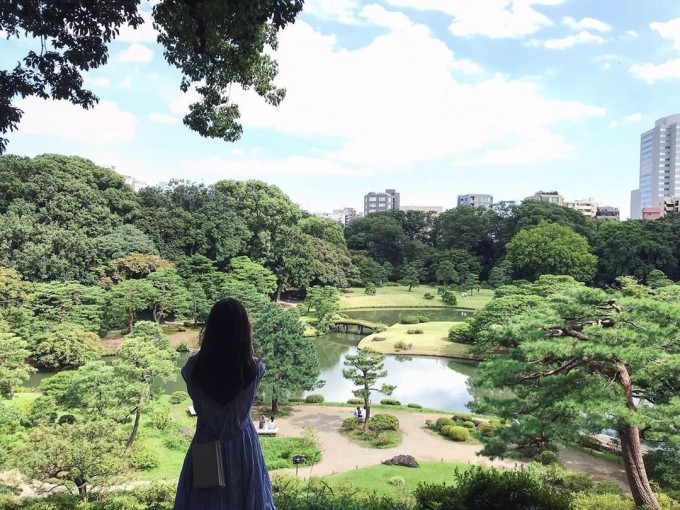
A daimyo garden designated a Special Place of Scenic Beauty, Rikugien recreates scenes from Japanese poetry and Chinese classics. Its symbol is a large weeping cherry that blooms around late March, its pale pink branches pouring down like a waterfall. While the blossoms are at their peak, the garden stays open after sunset for a light-up. It is about 7 minutes on foot from Komagome Station, or about 2 minutes when Somei Gate opens during the light-up.
Asukayama Park Oji
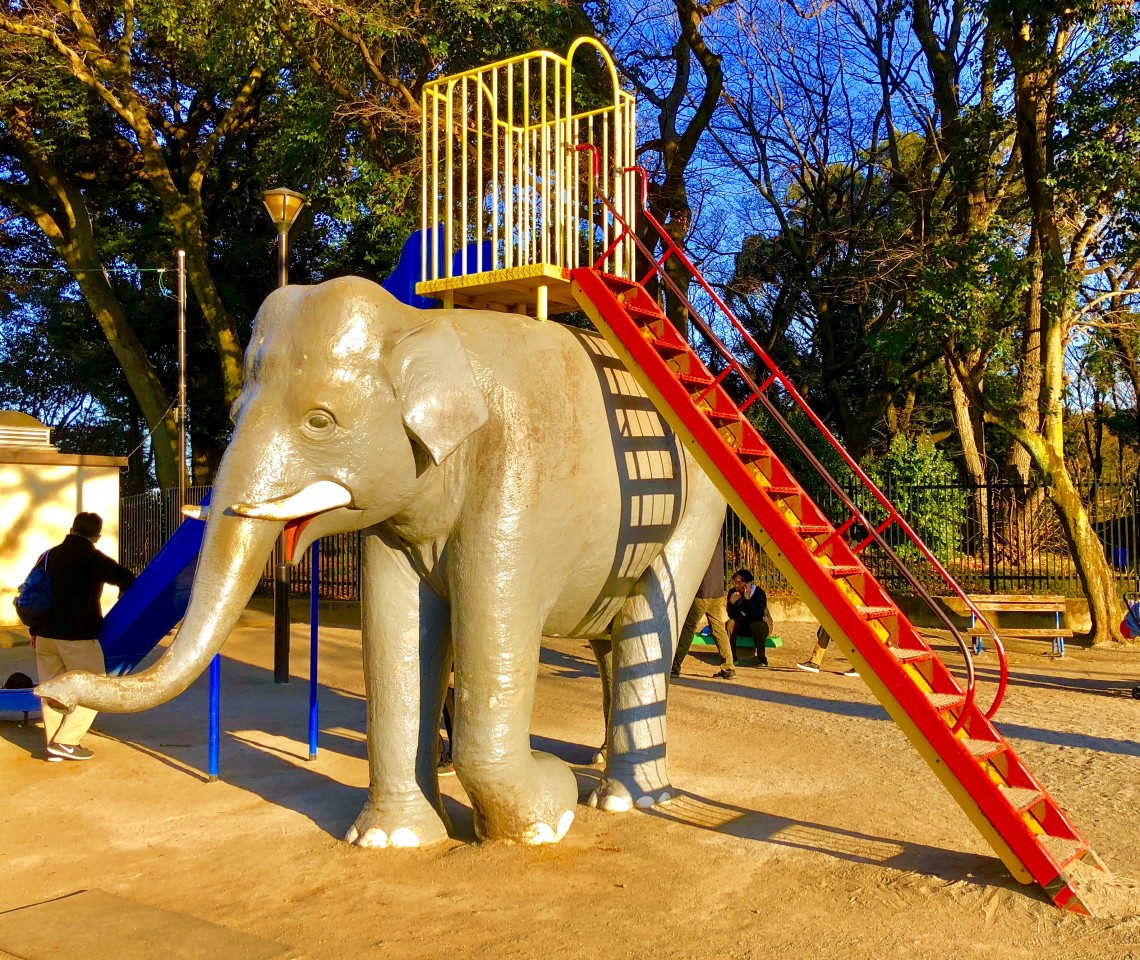
The eighth shogun, Tokugawa Yoshimune, created this park for the people of Edo to enjoy, and it is still famous for cherry blossoms. About 600 trees cover the low hill, perfect for a picnic. From late March to early April paper lanterns light the park for night viewing, and a local festival at the end of March brings food stalls and stage shows such as Japanese dance. It is right by Oji Station.
Shakujii River Itabashi
More than 1,000 cherry trees of several varieties line the Shakujii River north of Naka-itabashi Station. The best stretch runs about 2 kilometers from Futaba-cho to Kaga, where blossoms arch over the river and its bridges; you can even see them from the train. The trees are lit up at night in season, and small parks and benches make this a relaxed, lesser-known walk. It is about 4 minutes on foot from Shin-itabashi Station.
Roppongi and Akasaka
Roppongi Hills Roppongi
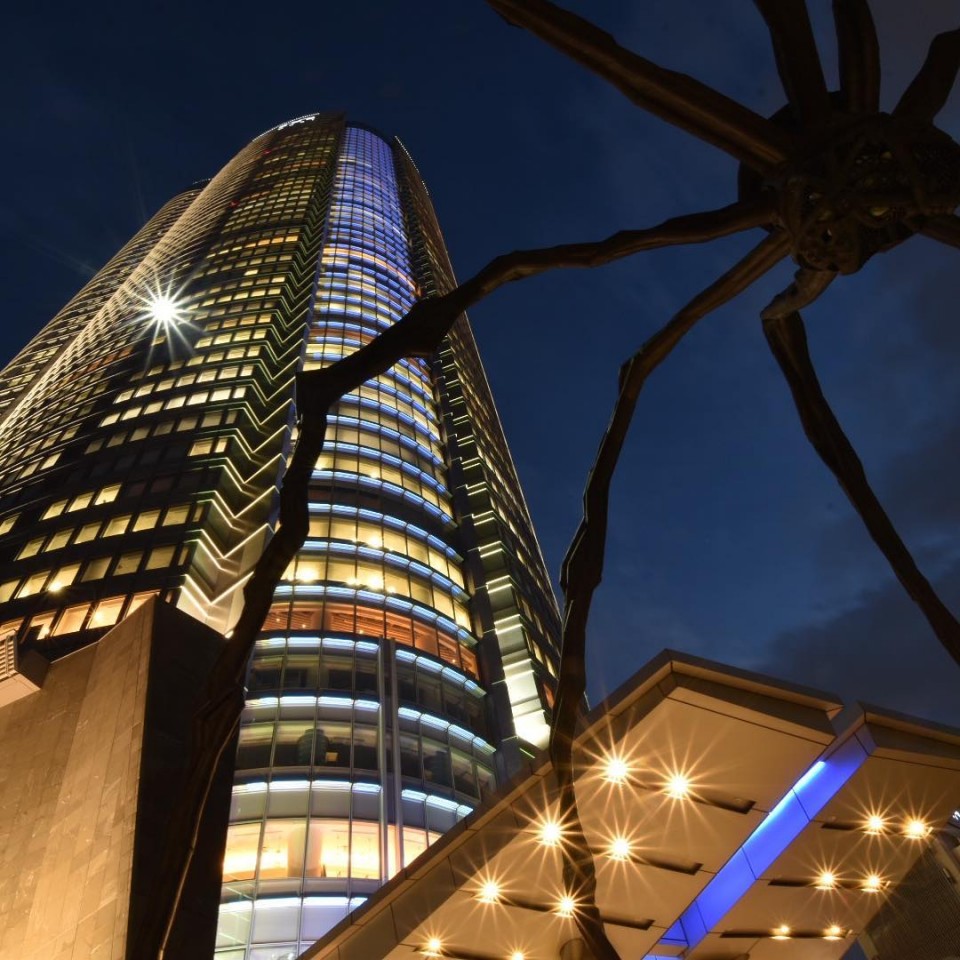
Mohri Garden, the Japanese garden at Roppongi Hills, has eight Somei-yoshino and two weeping cherries that were here before the complex was built, framed by the towers. Roppongi Sakurazaka, the quiet street that runs parallel to Keyakizaka, is lined with 75 Somei-yoshino and is a little-known place for a stroll. Both are lit up every year while the trees bloom, so stop by after shopping or dinner. It is right by Roppongi Station.
Tokyo Midtown Roppongi
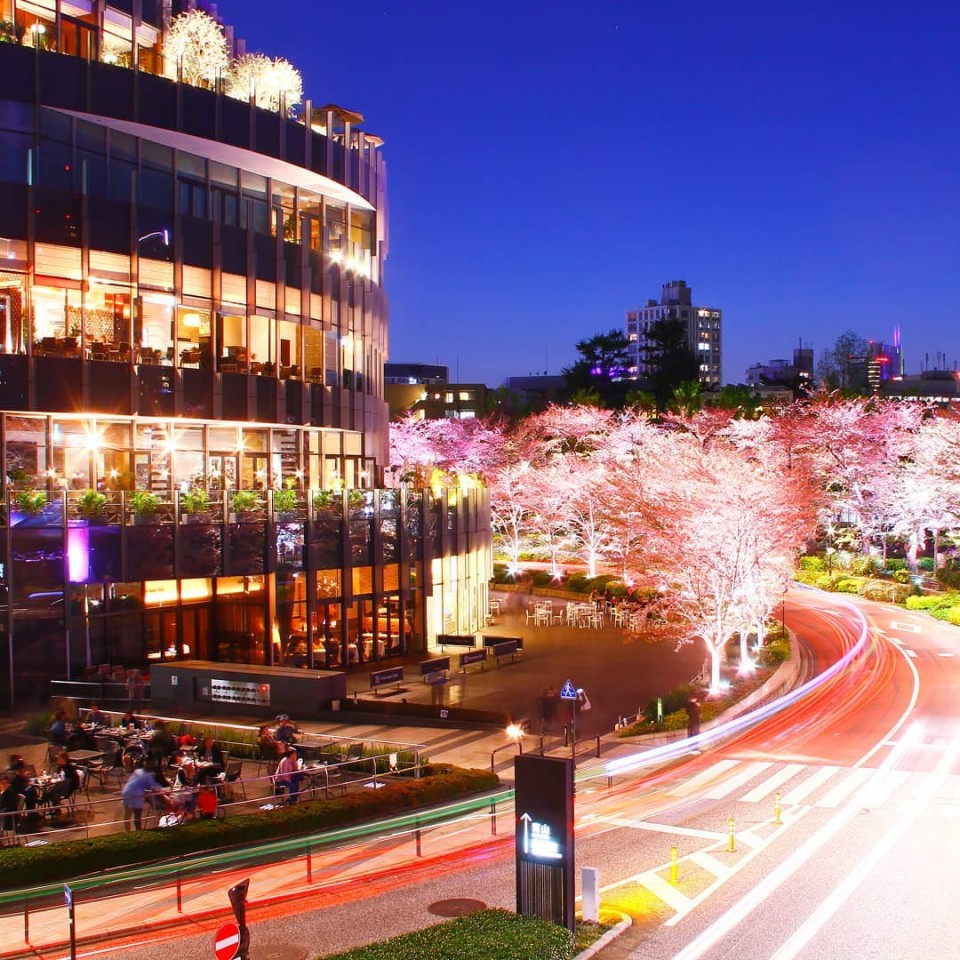
Sakura-dori, a street of about 200 meters in front of the Garden Terrace, has about 150 cherry trees that form a tunnel of blossoms at their peak. In spring the street is lit up at night, with pink lights before the trees open and white lights once they bloom. Some restaurants in the complex look out on the trees, so you can enjoy the blossoms over a meal. It is right by Roppongi Station.
Ark Hills Akasaka
About 150 Somei-yoshino line Sakurazaka and Spain-zaka, the slopes around the Ark Hills buildings, for about 1 kilometer, forming a tunnel of blossoms that is lit up at night. A bridge between Ark Hills and the South Tower lets you look down on the trees. In early April the Ark Hills Cherry Blossom Festival on the lawn brings food stalls from the restaurants, a market and workshops. It is about 2 minutes on foot from Roppongi-itchome Station.
Meguro, Shibuya, Shinjuku and Setagaya
Meguro River Naka-Meguro
About 800 cherry trees line the Meguro River for about 4 kilometers, one of the most popular blossom spots in Tokyo. Upstream the trees almost cover the river, and they are lit up in the evening. A yearly cherry blossom festival brings food stalls with sparkling wine and dishes from around the world, and stylish shops and cafes line the banks. When the petals fall, the water turns pink. It is about 2 minutes on foot from Naka-Meguro Station.
Yoyogi Park Harajuku
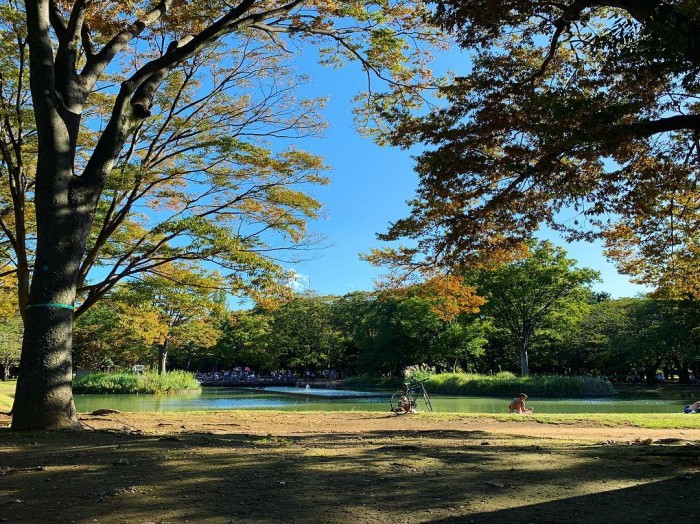
Right in the middle of the city, Yoyogi Park has about 700 cherry trees and gets very busy at full bloom. The favorite place is the central lawn known as the Cherry Garden, where you can spread a picnic sheet under the trees and relax. Three food stands near the park entrances sell sausages, yakisoba and takoyaki. The park is open 24 hours and is about 3 minutes on foot from Harajuku or Yoyogi-koen Station.
Shinjuku Gyoen National Garden Shinjuku
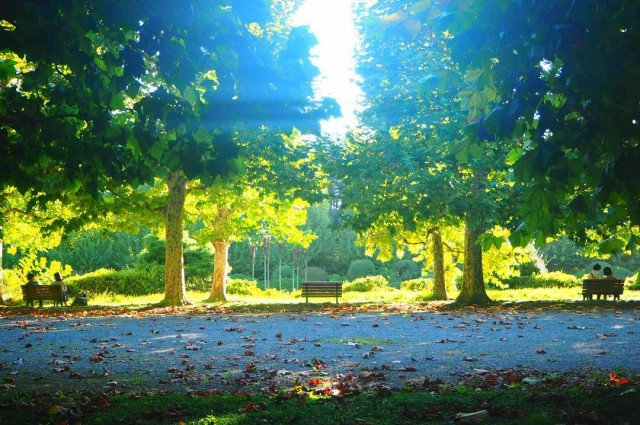
Wide lawns, a modern Western-style garden and a Japanese garden sit together here against the skyscrapers of Shinjuku. In spring about 1,000 trees of about 65 varieties bloom, in pink, white and other shades. Because the varieties differ, early bloomers open from mid to late February and late ones last until late April, so you have a long season to visit. It is about 5 minutes on foot from Shinjuku-gyoemmae, Shinjuku-sanchome or Sendagaya Station.
Kinuta Park Setagaya
The big lawn called Family Park is made for a relaxed picnic under about 930 cherry trees, including Somei-yoshino and wild mountain cherries. Many trunks are more than 3 meters around, and the branches reach down to eye level, which makes for easy photos. The nearby Setagaya Art Museum holds a cherry blossom festival from late March to early April with workshops, small concerts and a flea market. It is about 20 minutes on foot from Yoga Station.
Western Tokyo
Inokashira Park Kichijoji
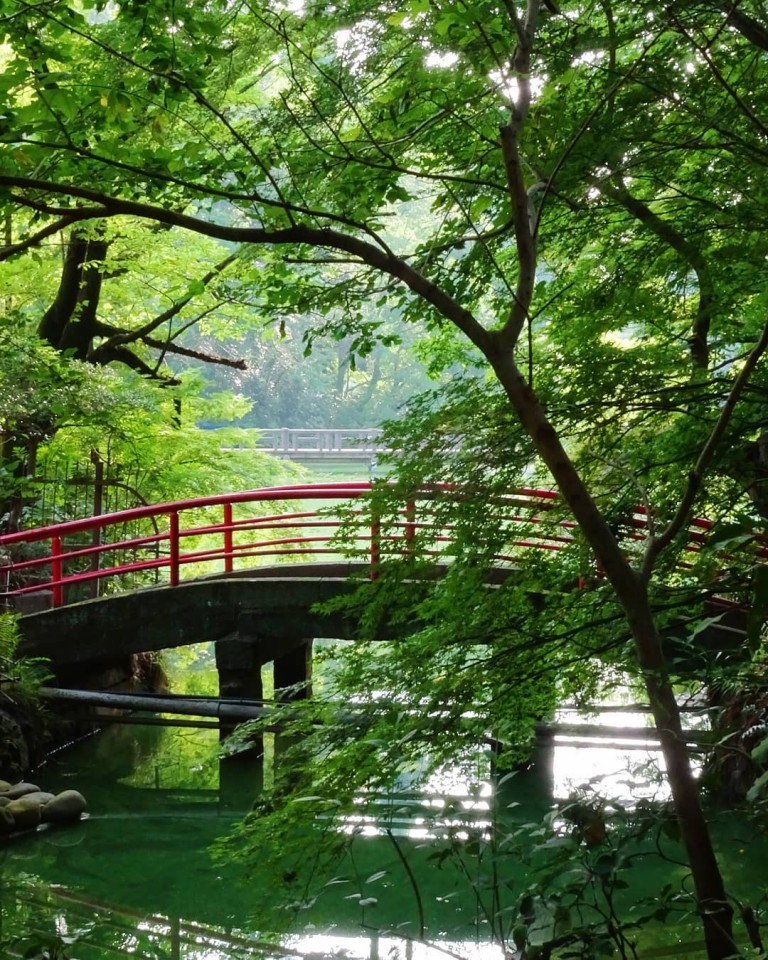
About 400 cherry trees surround Inokashira Pond. Rent a swan boat and see the full blossoms hanging low over the water, or watch the petals drift down onto the pond. The trees are lit up at night. The West Park has many varieties, so you can see blossoms of different kinds from early March to late April. It is about 5 minutes on foot from Kichijoji Station.
Koganei Park Koganei
One of the largest metropolitan parks in Tokyo, Koganei Park carries on the tradition of the famous Koganei cherry trees. About 1,700 trees of 50 varieties grow here, including Somei-yoshino, wild mountain cherries and red weeping cherries. At the end of March the Koganei Cherry Blossom Festival brings local performing arts and dance on a stage, plenty of food stalls and evening light-ups. It is about 7 minutes by bus from Musashi-Koganei Station.
Showa Kinen Park Tachikawa
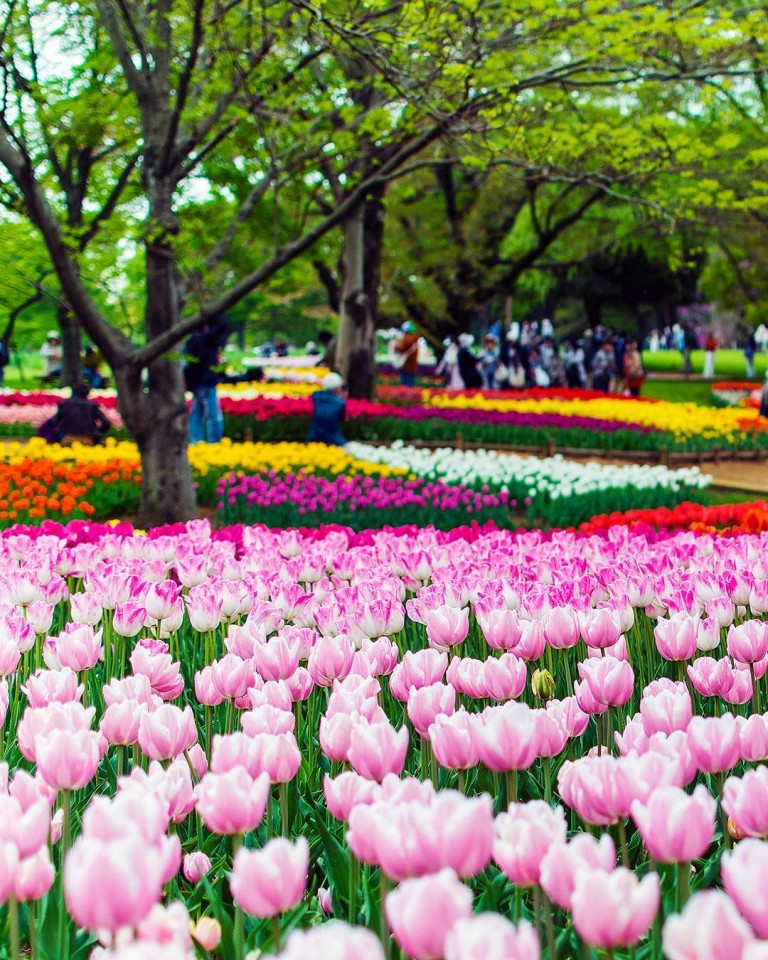
This huge park, about 40 times the size of Tokyo Dome, has about 1,500 cherry trees of about 30 varieties. In the Cherry Garden, big Somei-yoshino 40 to 50 years old shade a lawn that is ideal for a picnic. A spring flower festival adds rapeseed, tulips and Shirley poppies, and you can rent a bicycle to ride around the grounds. It is right by Nishi-Tachikawa Station.
Mount Takao Hachioji
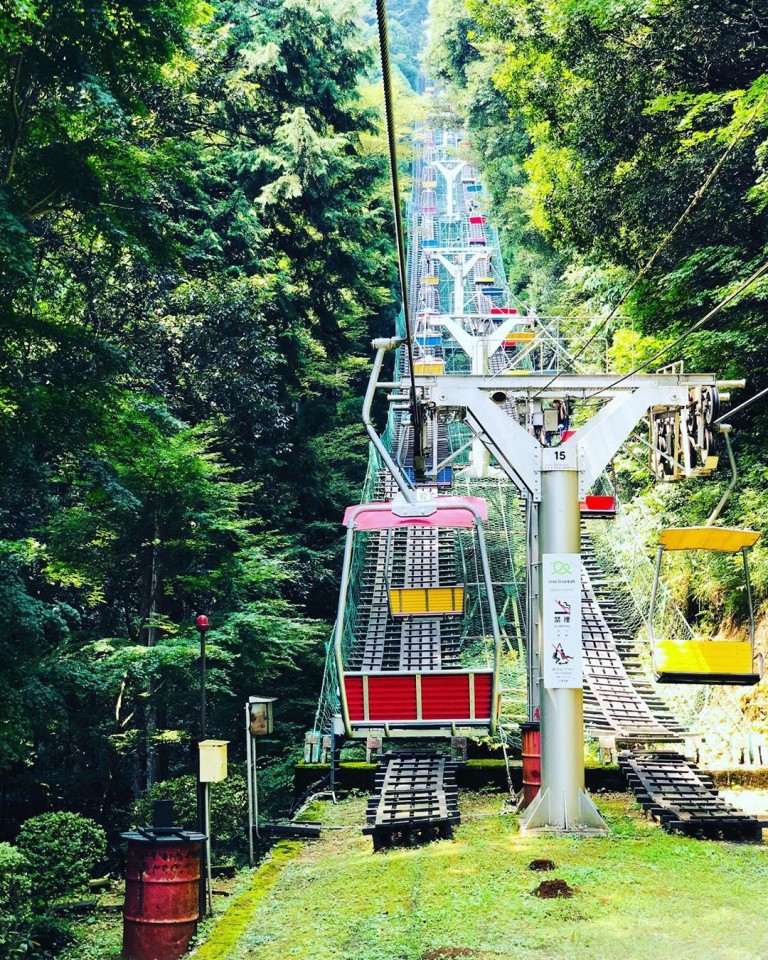
An easy day hike from central Tokyo, Mount Takao is about 600 meters high, so its weeping cherries and wild mountain cherries bloom a little later than the city, from early to late April, and you look down on the blossoms. A cable car and a chairlift go about halfway up, and there are restaurants, souvenir shops, a monkey park and a wild plant garden, with a hot spring nearby. The trailhead is right by Takaosanguchi Station.
Tips for cherry blossom viewing in Tokyo
Most trees in Tokyo bloom from late March to early April. If you miss the peak, try gardens with many varieties, such as Shinjuku Gyoen or the West Park of Inokashira Park, or head up Mount Takao, where the blossoms come later.
Many spots are lit up in the evening while the trees are in bloom, and several hold festivals with food stalls. Note that some places, such as Yasukuni Shrine, do not allow drinking parties.
The places on a map
Hours, prices and events change. Check each place's official website before you go.
More travel guides
 Tokyo Sightseeing by Area: 40 Classic Sights and Lesser-Known Spots from Asakusa to Odaiba40 placesTokyo has much more to see than Skytree, Tokyo Tower and Asakusa. This guide works through six of the city's main…
 Nagoya: 40 Best Places to Visit, from Nagoya Castle and Atsuta Jingu to Osu40 placesNagoya is one of Japan's biggest cities, yet many visitors don't know how much it has to see. Alongside its famous…
 Chichibu: 40 Best Places to Visit, from Nagatoro River Boats and Mitsumine Shrine to Moss Phlox and Icicles40 placesChichibu, the largest city in Saitama Prefecture, is about 90 minutes from central Tokyo. Most of the area is national…
 Niigata Prefecture: 40 Best Places to Visit, from Classic Sights to Hidden Gems40 placesNiigata Prefecture stretches a long way from north to south, and each area has its own scenery, climate and food. The…
 Nagasaki Prefecture: 40 Best Places to Visit, from Unzen Hot Springs to Hirado and Nagasaki City40 placesNagasaki grew up as a port open to the outside world, and the culture of those days still shapes its streets, churches…
 Fukuoka Prefecture: 40 Places to Visit in Kitakyushu, Chikuho and Around Fukuoka City40 placesFukuoka Prefecture is roughly divided into four areas, Kitakyushu, Chikuho, Fukuoka and Chikugo, and each has its own…