
20 Quiet Hidden Gems in Tokyo for a Relaxed Trip, with Two Easy Day Plans
20 places · Japanese version
Tokyo's famous sights are often crowded, and long days on foot can wear you out. If you would rather take things slowly, these 20 lesser-known spots are a better fit. They were picked with four things in mind: quiet places where you can talk without raising your voice, easy walking on flat ground with plenty of benches, indoor or underground routes for rainy days, and something lovely to photograph, whether art, architecture or a cup of tea. The spots are grouped by theme, and two model day plans close the guide.
Gardens and greenery
Gardens are the classic way to escape the city and feel the season. These are less known than Shinjuku Gyoen, so they stay quieter.
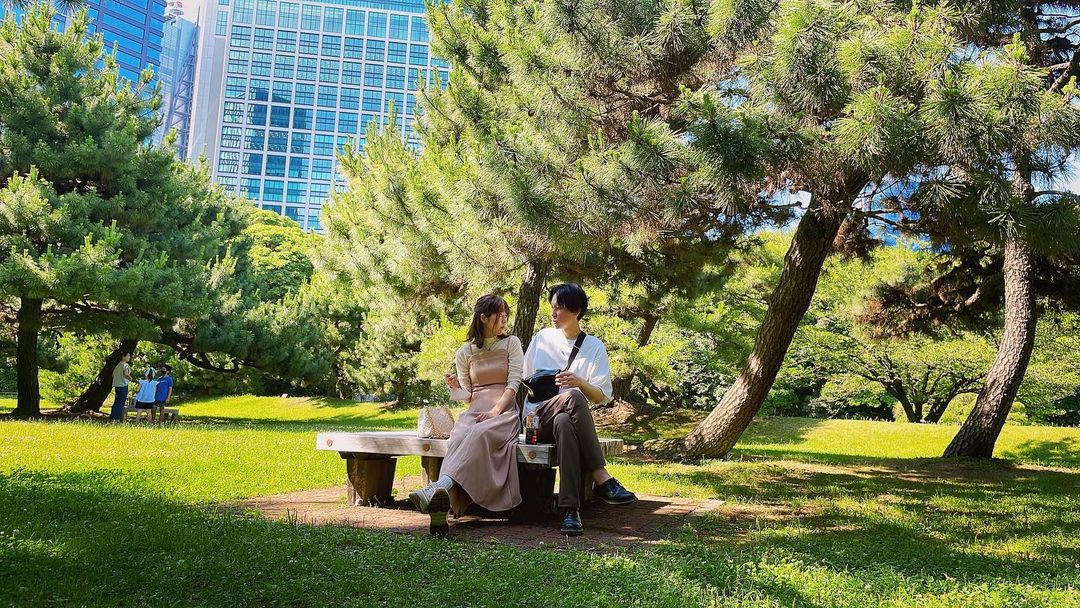
Hama-rikyu Gardens Hamamatsucho
A breathing space among the high-rises. This Edo-period feudal lord's garden, laid out around a pond, is compact and mostly flat, with benches along the way, so it is easy to walk at your own pace. Skyscrapers reflected in the pond look best in soft morning light. Cherry blossoms and rape flowers bloom in spring and plum in winter. Do not miss the 300-year-old pine. Five minutes on foot from Shiodome Station.
Koishikawa Korakuen Garden Korakuen
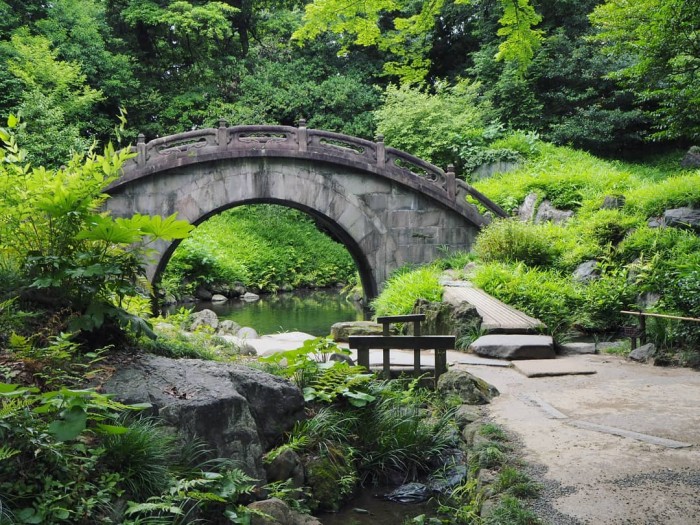
A quiet garden right next to Tokyo Dome that few visitors know about. Designated a Special Historic Site and Special Place of Scenic Beauty, it was begun in 1629 by the Mito branch of the Tokugawa family and is one of the oldest feudal lords' gardens in Tokyo. The strolling garden takes in Chinese touches and changes beautifully with the seasons. Three minutes from Korakuen Station.
Rikugien Garden Komagome
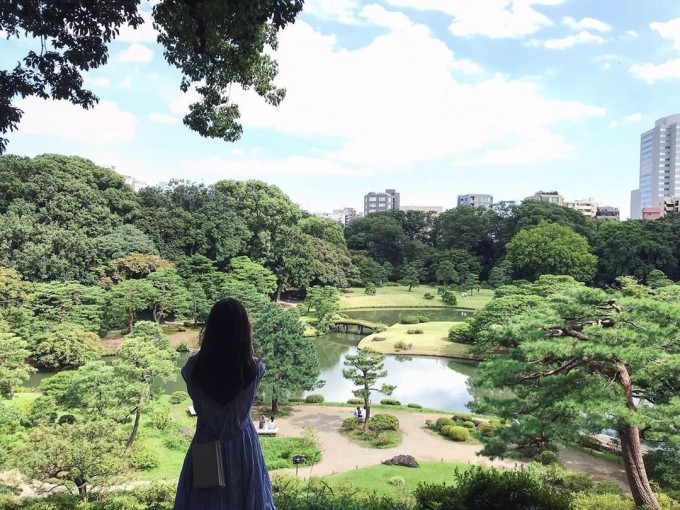
A feudal lord's garden from the Genroku era and a designated Special Place of Scenic Beauty, one of the finest gardens in Tokyo. The weeping cherry in spring and the autumn leaves are especially beautiful, and even on weekends it is calmer than Hama-rikyu or Shinjuku Gyoen. The paths have few slopes. Seven minutes on foot from JR Komagome Station.
Kyu-Iwasaki-tei Gardens Ueno
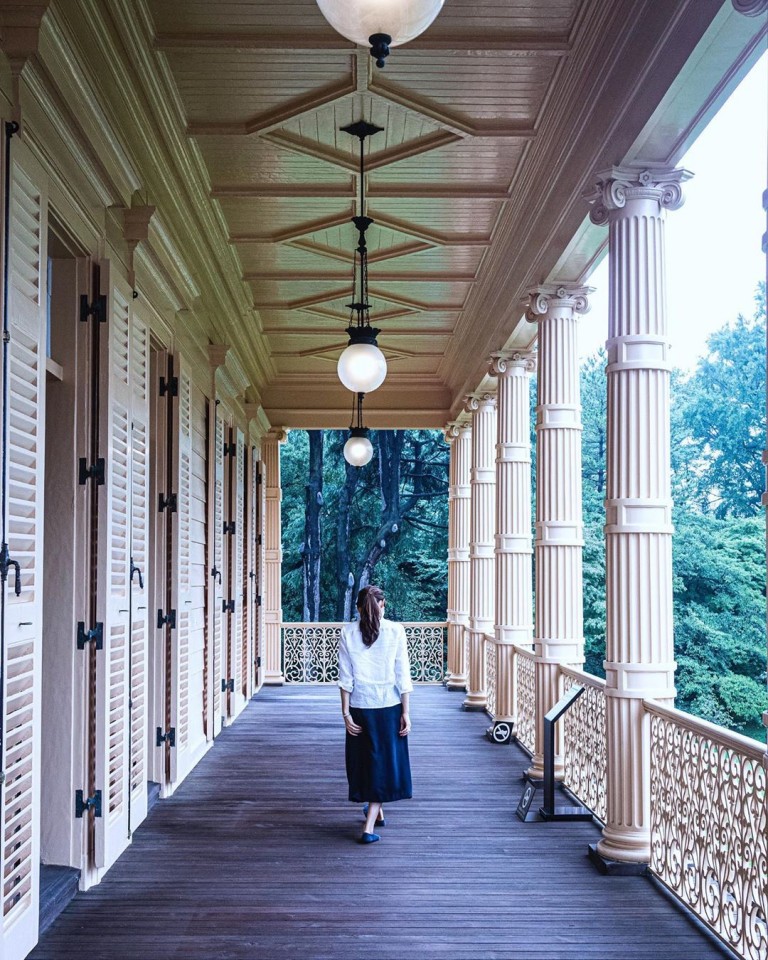
The former residence of the Iwasaki family, founders of Mitsubishi, where a Western-style mansion, a Japanese-style house and a Western-style garden from the Meiji era survive on one site. Though it sits in the Ueno and Yushima area, it sees few tourists, and you can view Important Cultural Property buildings up close. Three minutes on foot from Yushima Station.
Edo-Tokyo Open Air Architectural Museum Koganei
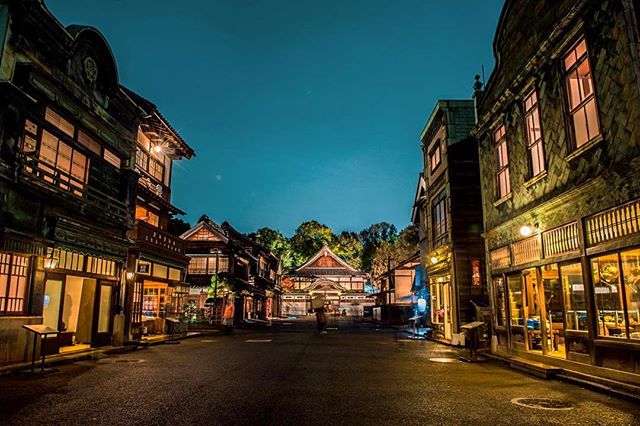
An open-air museum said to have inspired scenes in Spirited Away. About 30 historic buildings from the Edo period to the early Showa era have been moved here and restored, including the Kodakara-yu bathhouse and merchant houses, and you can step inside them. The De Lalande House serves tea and meals. It is out of the center, so crowds are light. Closed on Mondays.
Museums and culture
Calm museums where you can take your time, away from the crowds of the big national museums.
Nezu Museum Minami-Aoyama
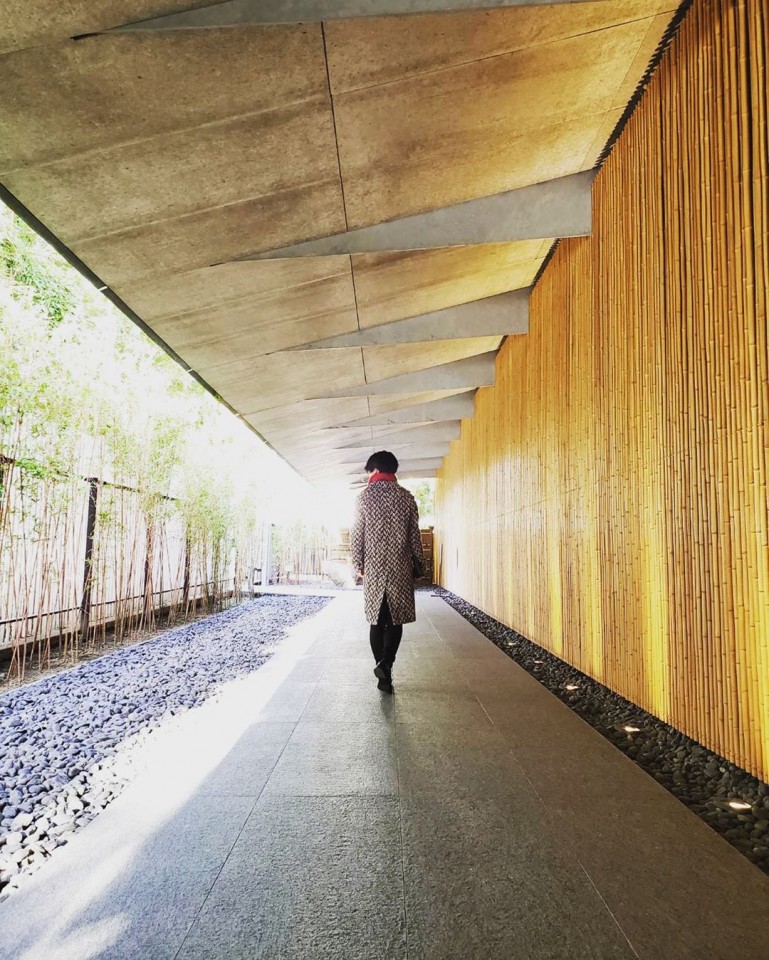
This museum shows the collection of businessman Nezu Kaichiro: about 7,400 works of East Asian art, including seven National Treasures. Its modern gallery building was designed by Kuma Kengo, and you can stroll the 17,000-square-meter Japanese garden and stop at the cafe and shop. Within walking distance of Omotesando, yet surprisingly quiet. Closed on Mondays.
Tokyo Metropolitan Teien Art Museum Shirokanedai
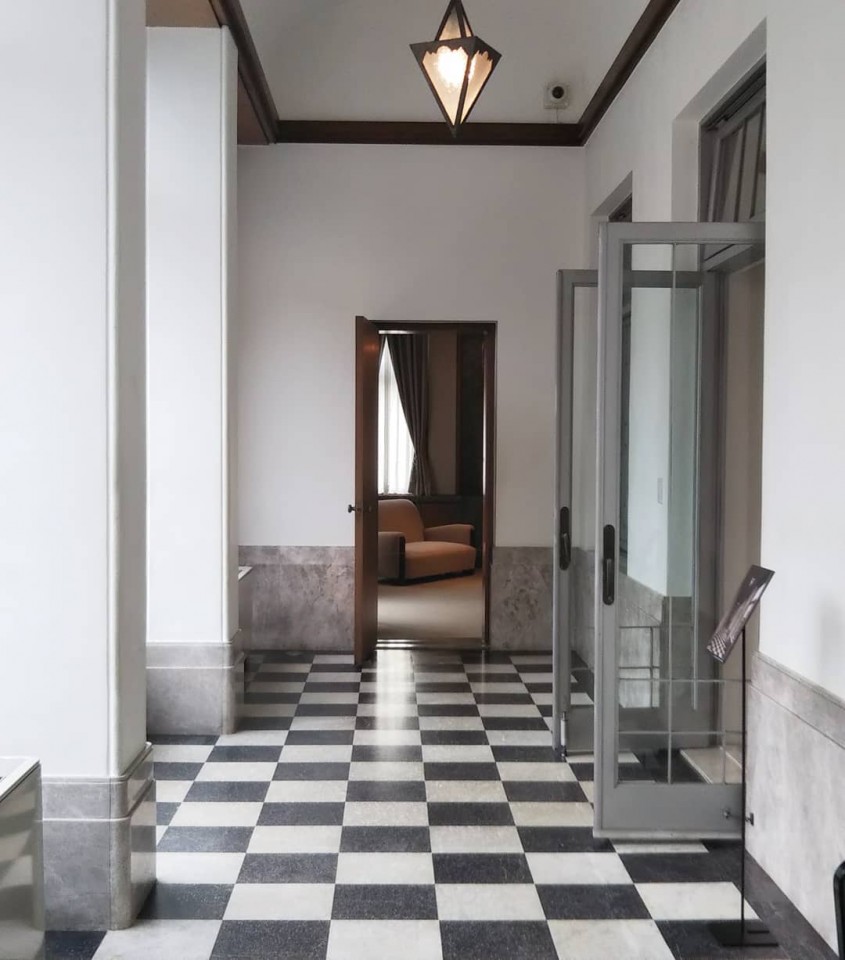
The museum is set in the former residence of Prince Asaka, an Art Deco building that is a work of art in its own right, and you can look out on a lovely garden as you go. A quiet spot in the Meguro area. Exhibitions change, so check the official website before you visit. Seven minutes on foot from Meguro Station; closed on Wednesdays.
Artizon Museum Kyobashi
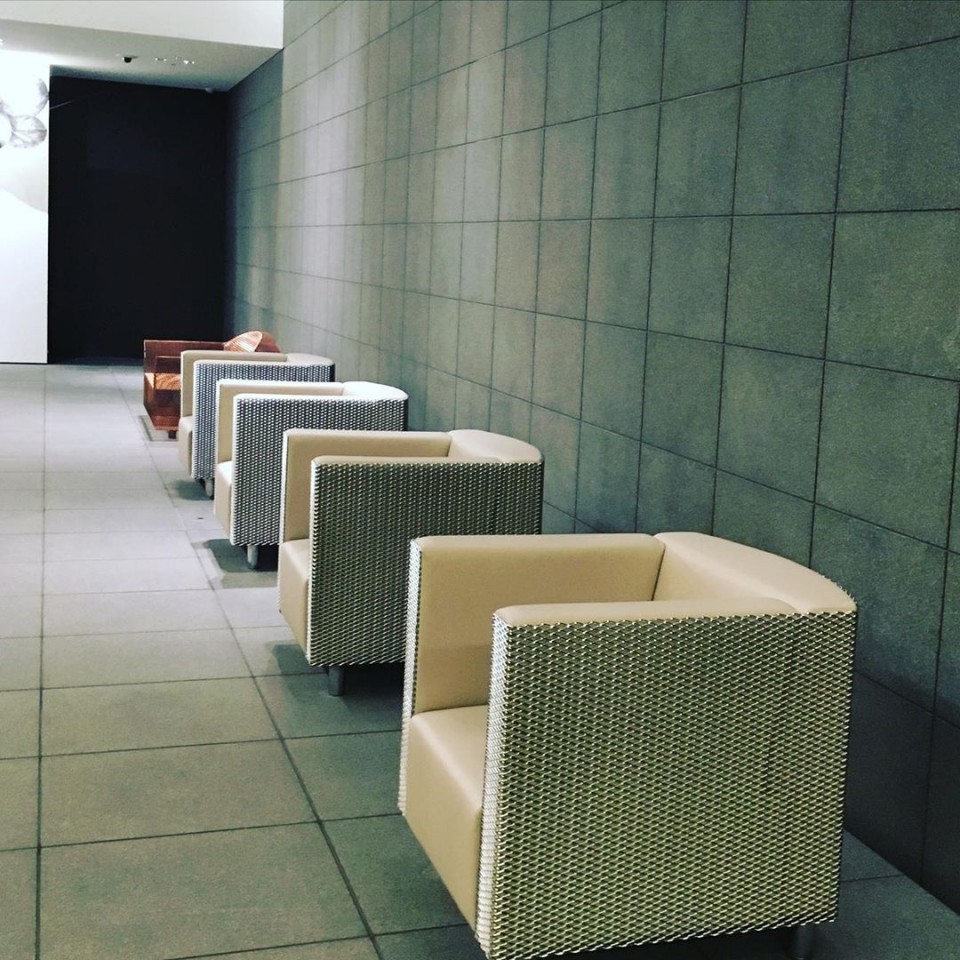
Close to Tokyo Station and built on the foundation of the former Bridgestone Museum of Art, it holds about 3,000 works from ancient to contemporary art, including Renoir, Monet and Aoki Shigeru. Exhibitions have strong themes, the floors are flat and benches are close by, so seeing a single theme in 45 to 60 minutes feels just right. Directly connected to Kyobashi Station.
Ad Museum Tokyo Shiodome
The only museum in Japan devoted to advertising. Its collection of about 330,000 items traces the history of advertising design from the Edo period to today. Admission is free, so it is easy to drop in when you are in the Shiodome area. It is on the second floor of Caretta Shiodome, directly connected to Shiodome Station, and is closed on Mondays.
Haruki Murakami Library Waseda
Officially the Waseda International House of Literature, on the Waseda University campus, with a striking exterior designed by Kuma Kengo. It displays novels, signed manuscripts and 20,000 records that Haruki Murakami donated to his old university, so it feels more like an exhibition than a library. There is a relaxed public space and a cafe. Entry is free, but you need to book ahead.
Old neighborhoods and retro streets
Tokyo's old downtown areas are full of warmth. Go just a little beyond busy Asakusa and you can walk slowly through streets with a Showa-era feel.
Yanaka Ginza Shopping Street Yanaka
A retro shopping street that has thrived since the 1950s. Stylish cafes and shops in old houses sit beside Japanese sweet shops, and you can snack on fried treats from the butcher or sweet roasted potatoes as you go. Yanaka Cemetery and Nezu Shrine are nearby. Visit between midday and early evening. Five minutes on foot from JR Nippori Station.
Kagurazaka Shinjuku
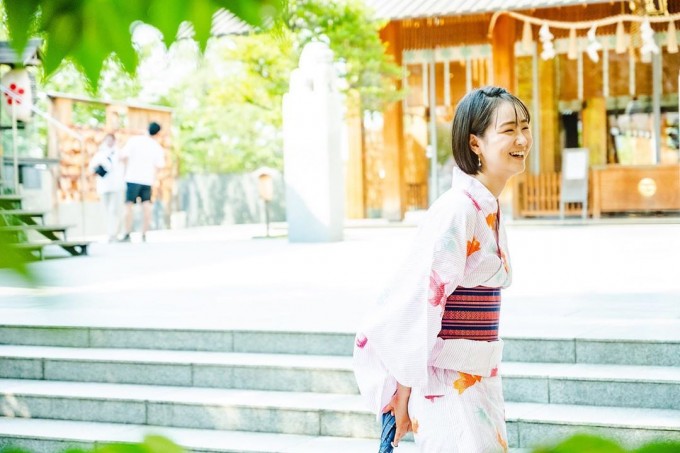
An international neighborhood where many French people live. Wander its atmospheric stone-paved alleys and look for your favorite view or shop among stylish cafes, select shops and long-established Japanese sweet shops. In the evening the lights come on and the streets take on a lovely mood. One minute from Kagurazaka Station on the Tokyo Metro Tozai Line.
Togoshi Ginza Shopping Street Shinagawa
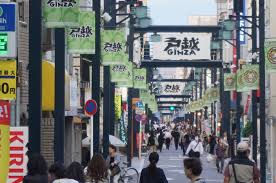
At about 1.3 km, one of the longest shopping streets in the Kanto region, full of old downtown charm. Many shops sell food to eat as you walk, led by the local Togoshi Ginza croquettes, and the street often appears in the media as a food destination. It feels more local and relaxed than touristy Asakusa. One minute from Togoshi-Ginza Station.
Kanda Jimbocho Book Town Jimbocho
Known as the world's greatest book town, Jimbocho has about 130 bookstores with millions of books on display and for sale. Many shops focus on one field, such as art, martial arts, foreign books or cooking, and stores selling new books and goods are worth a look too. Right by Exit A4 of Jimbocho Station.
Former Asakura Residence Daikanyama
A Taisho-era mansion tucked away in the middle of trendy Daikanyama. Designated an Important Cultural Property, it combines refined Japanese and Western architecture with a beautiful strolling garden, a quiet oasis in a fashionable part of town. Five minutes on foot from Daikanyama Station; closed on Wednesdays and Thursdays.
Special experiences and treats
A trip is a good time for a little luxury. These spots offer experiences you would not have every day.
Symphony Tokyo Bay Cruise Takeshiba
A cruise ship that tours Tokyo Bay, with many plans for a relaxed outing. For a slow day, choose the 120-minute lunch cruise or sunset cruise, with views and a course meal. For something lighter, the 50-minute afternoon cruise comes with a grown-up sweets time. It leaves from Takeshiba Passenger Terminal, one minute from Takeshiba Station on the Yurikamome.
Toyosu Market and Toyosu Senkyaku Banrai Toyosu
Toyosu Senkyaku Banrai has a food building recreating Edo-period streets and a hot spring building. Fresh seafood bowls and street food make it a good stop after touring the market. The tuna auction starts at 5:30 in the morning and can be watched by lottery; nearly 1,000 tuna laid out in rows is an amazing sight. One minute from Shijo-mae Station.
Omotesando Hills Omotesando
Designed by Ando Tadao, this refined complex gathers fashionable shops, restaurants and cafes. An open atrium runs from the third basement floor to the third floor, and a spiral slope winds through every level. Enjoy some window-shopping, then walk on to Kotto-dori, lined with antique and select shops. Right by Exit A2 of Omotesando Station.
MoN Takanawa: The Museum of Narratives Takanawa Gateway
A culture museum in Takanawa Gateway City built around stories. Its theme changes twice a year, and immersive exhibits mix traditional performing arts, manga, music, food and more, using the latest technology so you feel as if you are walking through a story. It is directly connected to JR Takanawa Gateway Station, so rain is no problem. Check hours and admission on the official website.
teamLab Planets TOKYO DMM Toyosu
A digital art museum with four huge artwork spaces and two gardens. You walk through it barefoot, wading through water in one museum and becoming one with flowers in the garden. More than a million people visit a year, but weekday mornings are usually smoother for getting in. Ten minutes on foot from Toyosu Station.
Day plan 1: Tokyo Station, Ginza and Shiodome
Start with breakfast at GRANSTA Tokyo inside Tokyo Station. Spend one to two hours at the Artizon Museum, then have lunch in Ginza (booking a table for around 12:50 to 13:20 is a good idea) and browse the long-established Ginza stores. Drop in at the free Ad Museum Tokyo, then end the day with an evening stroll in Hama-rikyu Gardens.
The distances are short all day, and underground passages and indoor routes get you through a rainy day.
Day plan 2: Yanaka, Nezu and Kagurazaka
Start at Nippori Station and snack your way along Yanaka Ginza. Visit Nezu Shrine, which is especially lovely during its azalea festival season, then take your time looking at the architecture of Kyu-Iwasaki-tei Gardens. Ride the Tokyo Metro to Kagurazaka for a cafe break in its alleys, and finish with dinner at one of its Japanese or French restaurants.
The route is flat and easy to walk, and shows the charm of old Tokyo at its best.
Before you go
Hours and fees change, so check each spot's official website before you set out. Some places, such as the Haruki Murakami Library and the Edo-Tokyo Open Air Architectural Museum, recommend or require booking ahead.
The places on a map
Hours, prices and events change. Check each place's official website before you go.
More travel guides
 Tokyo Sightseeing by Area: 40 Classic Sights and Lesser-Known Spots from Asakusa to Odaiba40 placesTokyo has much more to see than Skytree, Tokyo Tower and Asakusa. This guide works through six of the city's main…
 Nagoya: 40 Best Places to Visit, from Nagoya Castle and Atsuta Jingu to Osu40 placesNagoya is one of Japan's biggest cities, yet many visitors don't know how much it has to see. Alongside its famous…
 Chichibu: 40 Best Places to Visit, from Nagatoro River Boats and Mitsumine Shrine to Moss Phlox and Icicles40 placesChichibu, the largest city in Saitama Prefecture, is about 90 minutes from central Tokyo. Most of the area is national…
 Niigata Prefecture: 40 Best Places to Visit, from Classic Sights to Hidden Gems40 placesNiigata Prefecture stretches a long way from north to south, and each area has its own scenery, climate and food. The…
 Nagasaki Prefecture: 40 Best Places to Visit, from Unzen Hot Springs to Hirado and Nagasaki City40 placesNagasaki grew up as a port open to the outside world, and the culture of those days still shapes its streets, churches…
 Fukuoka Prefecture: 40 Places to Visit in Kitakyushu, Chikuho and Around Fukuoka City40 placesFukuoka Prefecture is roughly divided into four areas, Kitakyushu, Chikuho, Fukuoka and Chikugo, and each has its own…