
Edo-Tokyo Open Air Architectural Museum
Open-air museum · Koganei, Tokyo
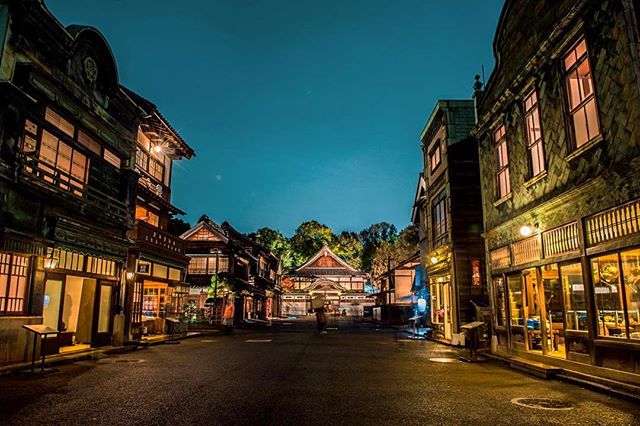 photo by @jst3107
The Edo-Tokyo Open Air Architectural Museum gathers buildings from the Edo period to the early Showa era, moved here and restored inside Koganei Park in western Tokyo. You can walk into farmhouses, mansions, shops and a public bathhouse, and stroll a street of old storefronts that feels like stepping back in time. It is a quiet, relaxing day out, and a lovely place to visit in kimono.
Good to know
- Japanese name
- 江戸東京たてもの園
- Address
- 東京都小金井市桜町3-7-1In Japanese, to show a taxi driver or type into a map app.
- Nearest station
- Musashi-Koganei (JR Chuo Line)
- Access
- About 5 min by bus from the north exit of Musashi-Koganei Station
- Hours
- April–September 9:30–17:30; October–March 9:30–16:30
- Closed
- Mondays and the New Year holidays
- Admission
- Adults ¥400, 65 and over ¥200; elementary school children and younger, and junior high students living or studying in Tokyo, free
- Official website
- tatemonoen.jp
Hours and prices can change. Check the official website before you go.
Center Zone
Visitors start at the Visitor Center, a hall built for a national ceremony in 1940 and later moved here, with exhibits on Edo history and life in the Musashino area, plus a museum shop. Nearby are a mausoleum built in memory of the third shogun's mother, a gate from the Tokyo residence of the Date family of Uwajima, and a lavish villa. History fans should not miss the house of statesman Takahashi Korekiyo, including the bedroom where he was assassinated in the February 26 Incident of 1936. Admission includes going inside the buildings.
West Zone
Here you will find the opulent Mitsui Hachiroemon residence with painted sliding doors, and farmhouses such as the thatched Tsunashima House with its open hearth and great central pillar. Smaller homes show everyday life: the Tokiwadai photo studio has a big upstairs window to let in light, and the small wartime house that modernist architect Kunio Maekawa, a student of Le Corbusier, built for himself has a central open space and a loft. You can also eat inside the De Lalande House, a Meiji-era Western-style home remodeled by German architect Georg de Lalande.
East Zone and Spirited Away
The East Zone's star is Kodakara-yu, a temple-style public bathhouse from Senju, said to be one of the models for the bathhouse in Spirited Away. The Takei Sanshodo stationery shop, with its wall of small wooden drawers, is said to have inspired Kamaji's boiler room, and the Kagiya izakaya is linked to the restaurant where Chihiro's parents turn into pigs.
The street of old shops, including an inn, a florist and a household goods store, with row houses behind, is the most atmospheric spot for photos. A brick police box from near the old Manseibashi Station stands nearby.
Nearby
 Ghibli Museum, Mitaka5.7km
 Inokashira Park5.8km
 Jindai-ji Temple6.4km
 Yomiuriland10.1km
 Showa Kinen Park10.7km
 Tama Zoological Park12.4km
Featured in these guides
 20 Quiet Hidden Gems in Tokyo for a Relaxed Trip, with Two Easy Day Plans20 placesTokyo's famous sights are often crowded, and long days on foot can wear you out. If you would rather take things…
Recently viewed
More in Tokyo
 Aqua Park ShinagawaAquarium
 Tokyo TowerObservation tower
 Meiji JinguShinto shrine
 Senso-jiBuddhist temple
 National Museum of Nature and ScienceScience museum
 Tokyo SkytreeBroadcasting tower
 Roppongi HillsShopping complex
 Odaiba Marine ParkWaterfront park
 Shinjuku Gyoen National GardenGarden
 Rikugien GardenJapanese garden
 Tokyo JoypolisIndoor theme park
 Nippara Limestone CaveLimestone cave