
Tokyo in April: 20 Places for Cherry Blossoms, Azaleas and Spring Festivals, Plus What to Wear
20 places · Japanese version
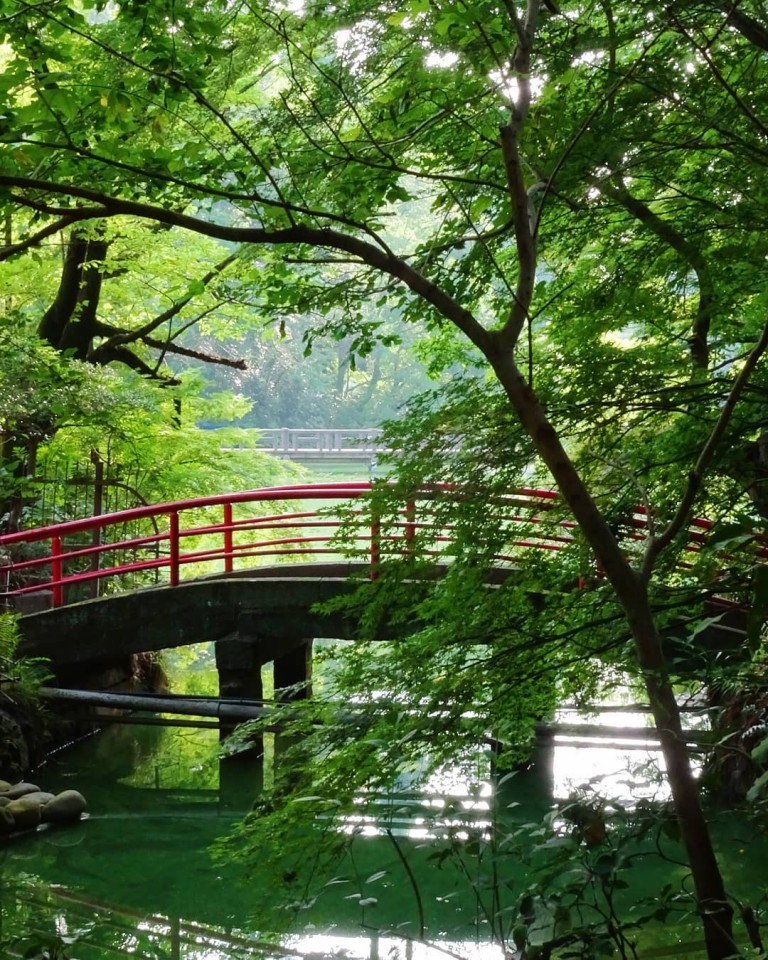
April in Tokyo brings warm sunshine and the urge to get outside. Cherry blossoms open early in the month, then azaleas, wisteria and nemophila take over, and many shrines, temples and parks hold their spring festivals. Here are 20 places to enjoy Tokyo in April, from classic sights to historic gardens, grouped by what makes them special in spring. Start with a quick guide to the weather and what to wear, since mornings can still be chilly while afternoons feel like early summer.
What to wear in Tokyo in April
Early April: the average temperature is about 12 to 13 degrees Celsius. Mornings and evenings are chilly, so bring a jacket or a light trench coat.
Mid-April: the average is about 15 to 16 degrees Celsius, and the days turn warm. You may not need a jacket anymore; a knit cardigan or other light layer is enough.
Late April: the average is about the same as mid-month, but mornings and evenings no longer drop below 10 degrees. It is still a little early for short sleeves, so a cotton shirt and pants work well. The sun gets strong, so a hat or parasol is a good idea.
Cherry blossoms
Ueno Park Ueno
Ueno Park is the oldest city park in Japan and one of Tokyo's best-known sights, home to Ueno Zoo, Shinobazu Pond and a cluster of art galleries and museums. Every spring the Ueno Cherry Blossom Festival turns the whole park pink with about 1,200 cherry trees. It is a 2-minute walk from JR Ueno Station.
Meguro River Naka-Meguro
The cherry trees along the Meguro River, running from around Ohashi through Naka-Meguro toward Meguro and Gotanda, are among the most popular spring sights in Tokyo. About 800 trees line more than 4 kilometers of the river, forming a long tunnel of blossoms in early April. They are lit up at night. Stroll the banks or watch the flowers from a nearby cafe. It is a 1-minute walk from Naka-Meguro Station.
Inokashira Park Kichijoji
A favorite with Tokyo residents since the Taisho era. In spring about 500 cherry trees, including Somei-yoshino and wild mountain cherries, color the whole park. Walk under the blossoms, or rent a boat on Inokashira Pond and admire them from the water. It is a 1-minute walk from Inokashira-koen Station.
Yasukuni Shrine Kudanshita
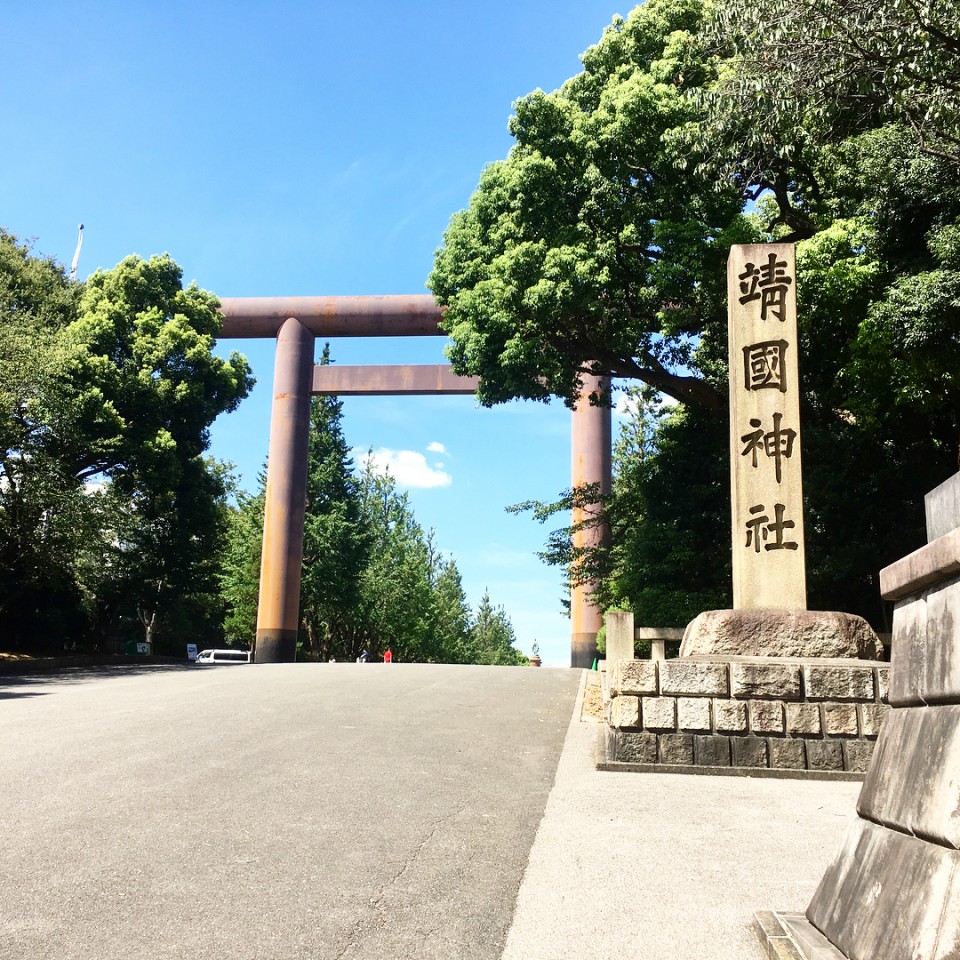
Founded in the early Meiji era about 150 years ago, Yasukuni Shrine is also a famous cherry blossom spot. The weather agency's official start of the cherry season in Tokyo is based on a sample tree here. The trees are large and the blossoms vivid. The spring grand festival is held in late April, with a ceremony led by an envoy of the emperor. It is a 5-minute walk from Kudanshita Station.
Tokyo Midtown Roppongi
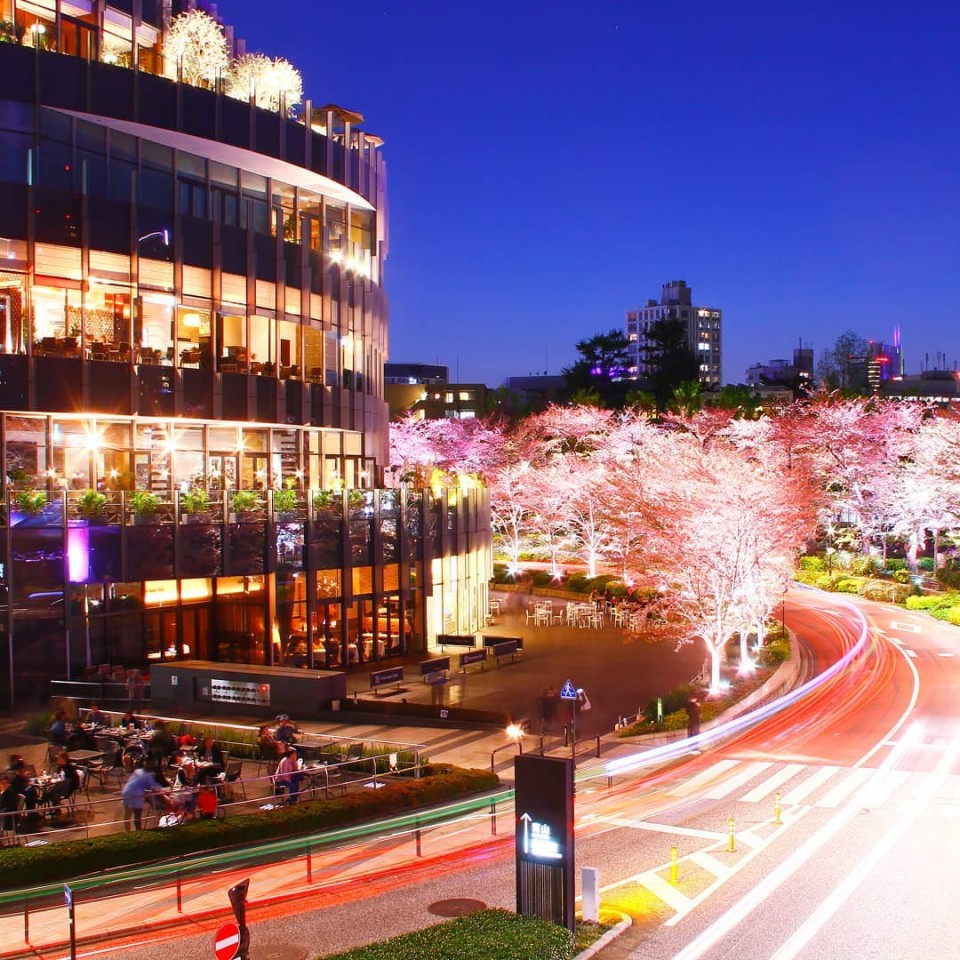
Once the site of a Mori clan residence in the Edo period and later of the Defense Agency, Tokyo Midtown has long been known for cherry blossoms. In April about 150 large cherry trees bloom in the garden area among the high-rises. At night they are lit up, and the mix of towers and blossoms is worth seeing. It connects directly to Roppongi Station.
Shiba Park, Zojo-ji and Tokyo Tower Shibakoen
Shiba Park opened in the early Meiji era and is one of Tokyo's oldest city parks. It even has an ancient burial mound, and Zojo-ji, the family temple of the Tokugawa shoguns, stands within it. The cherry trees in the park and temple grounds are lovely, and with Tokyo Tower behind them you can take a classic Tokyo spring photo. It is a 2-minute walk from Shibakoen Station.
Gardens of azaleas, wisteria and spring flowers
Imperial Palace East Gardens Otemachi
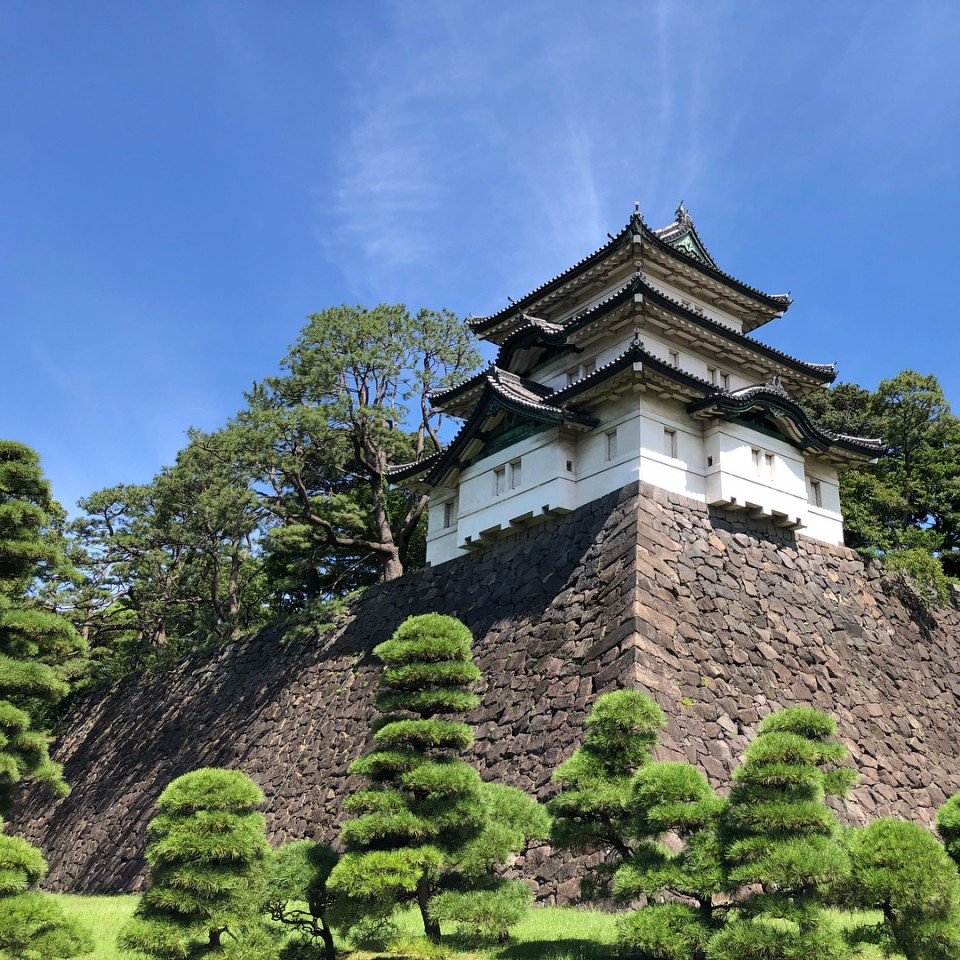
The emperor's residence itself is closed to the public, but the East Gardens of the Imperial Palace are open to everyone. They stand on the site of the main citadel of Edo Castle, now a spacious garden with seasonal flowers and trees. In April the azaleas reach their peak and color the gardens. Entry is free, and it is a 5-minute walk from Otemachi Station.
Kameido Tenjin Shrine Kameido
This shrine to Sugawara no Michizane, the god of learning, follows the tradition of Dazaifu Tenmangu in Fukuoka. Its plum blossoms in early spring are fine, but the wisteria festival from late April is the real highlight. More than 100 wisteria trellises bloom at once, wrapping the grounds in purple, and the vermilion drum bridge over the pond makes a beautiful contrast. It has been Tokyo's top wisteria spot since the Edo period.
Nezu Shrine Nezu
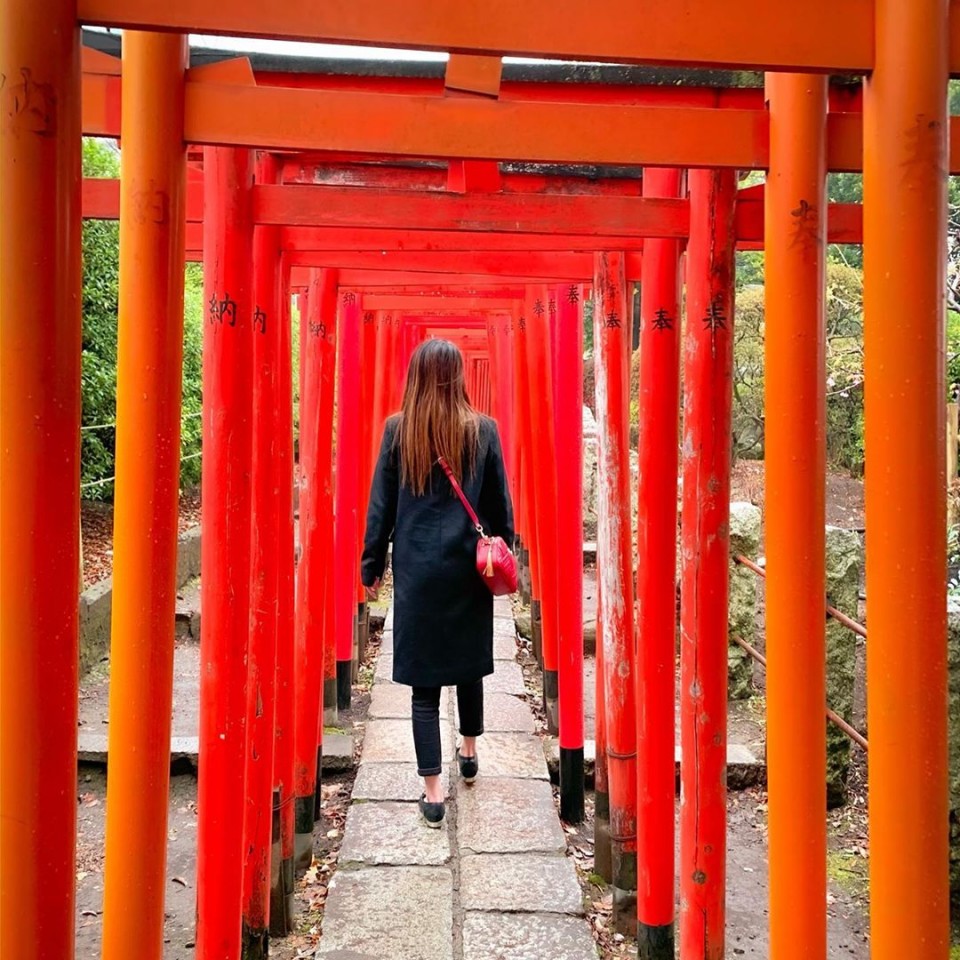
Nezu Shrine is said to have been founded about 1,900 years ago. Its ornate main buildings date from the Edo period and are an Important Cultural Property. Every April it holds an azalea festival, when about 3,000 azaleas of 100 varieties fill the grounds with color. Tea stalls and food stands set up, so you can enjoy sweets while you look at the flowers. It is a 5-minute walk from Nezu Station.
Rikugien Garden Komagome
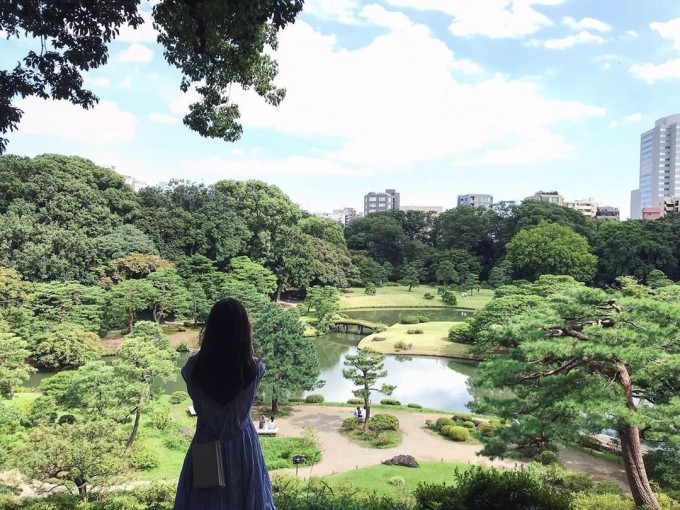
Yanagisawa Yoshiyasu, a close aide of the fifth shogun Tsunayoshi, created this large stroll garden on land the shogun gave him. In spring a huge weeping cherry seems to pour blossoms down from the sky, and from mid-April the azaleas come into bloom. It is a 7-minute walk from JR Komagome Station.
Hama-rikyu Gardens Shiodome
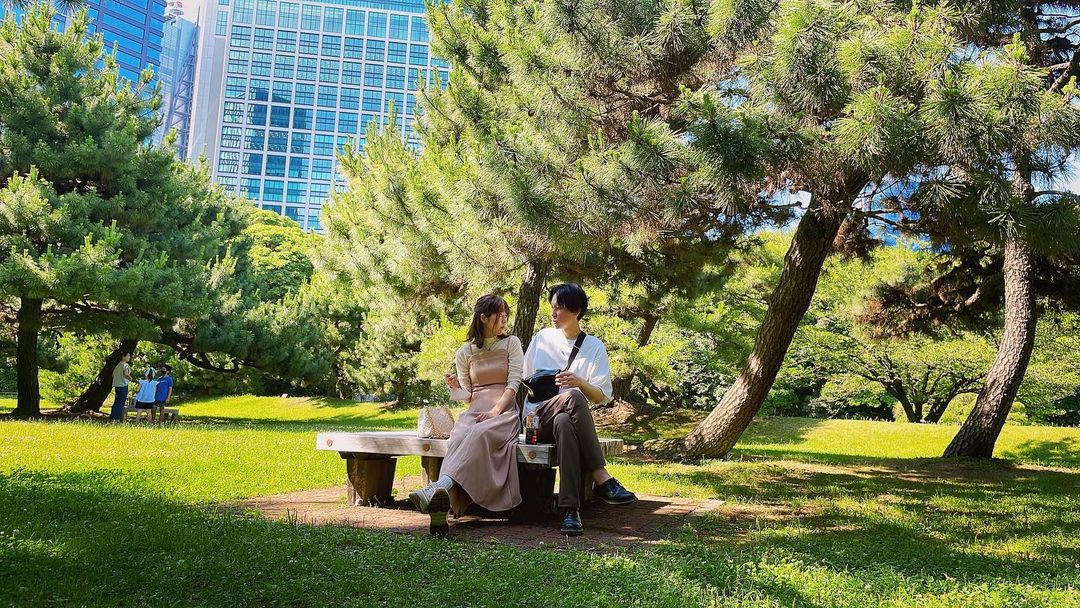
This seaside garden draws seawater into its pond, so the water level rises and falls with the tide. Once the shogun's falconry grounds, it is wide and open, with teahouses dotted around. Early April brings cherry blossoms and rapeseed flowers, and from mid-April azaleas and peonies. It is a 5-minute walk from Shiodome Station.
Shinjuku Gyoen National Garden Shinjuku
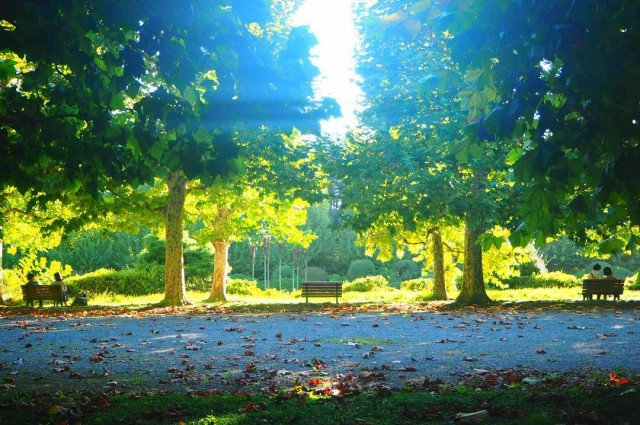
An oasis in the middle of Tokyo, on the site of an Edo-period residence of the Naito family. Its 58 hectares hold French formal, English landscape and Japanese gardens and more than 10,000 trees. In April tulip trees, azaleas and cherries bloom against the skyline of high-rises. It is a 5-minute walk from Shinjukugyoen-mae Station.
Showa Kinen Park Tachikawa
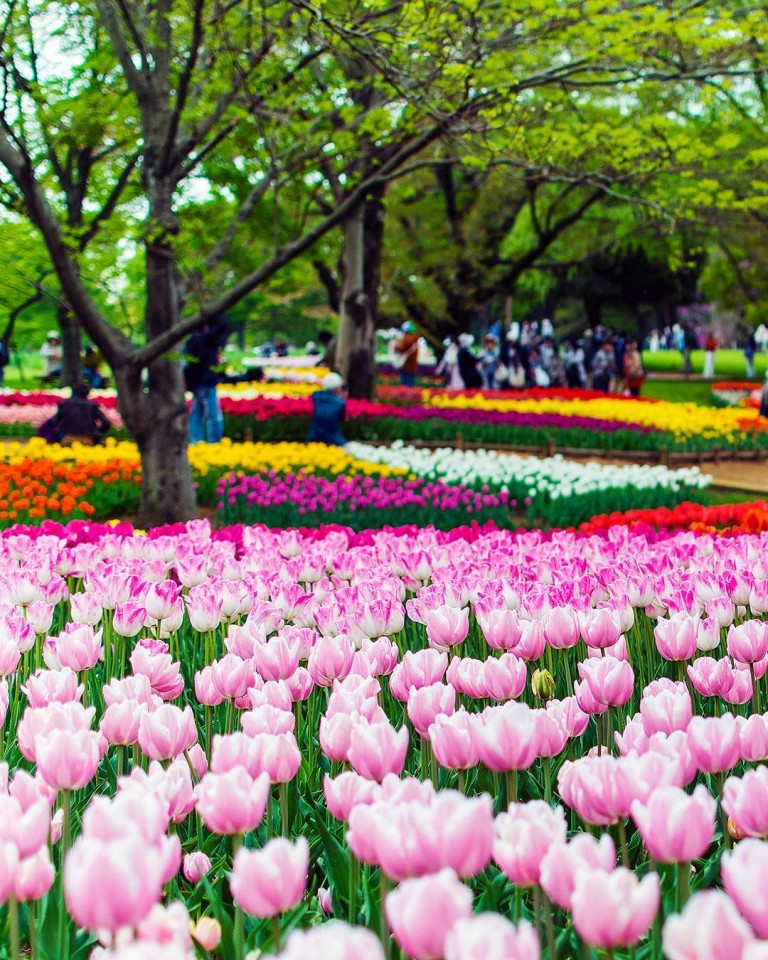
Built to mark 50 years of Emperor Showa's reign, this huge park lets you enjoy nature all year. A flower festival is held every spring, and in late April delicate nemophila turn a whole hillside sky blue, a dreamy scene for photos. It is a 2-minute walk from JR Nishi-Tachikawa Station.
Shrines, temples and spring festivals
Meiji Jingu Harajuku
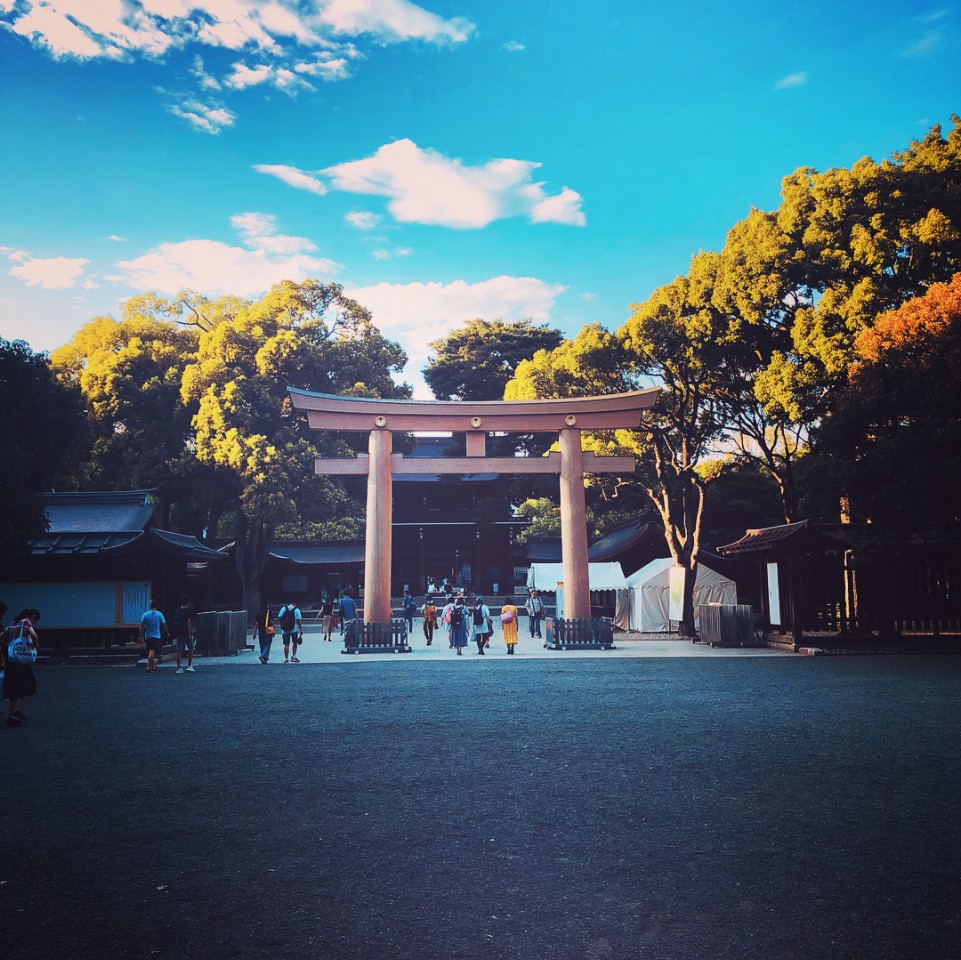
Meiji Jingu draws more New Year visitors than any other shrine in Japan. Its wide forest in the heart of Tokyo is fresh and calm, and Kiyomasa's Well is a well-known power spot. The spring grand festival in late April includes performances of bugaku, traditional court dance. Cherries and azaleas bloom in the shrine forest in April.
Senso-ji Asakusa
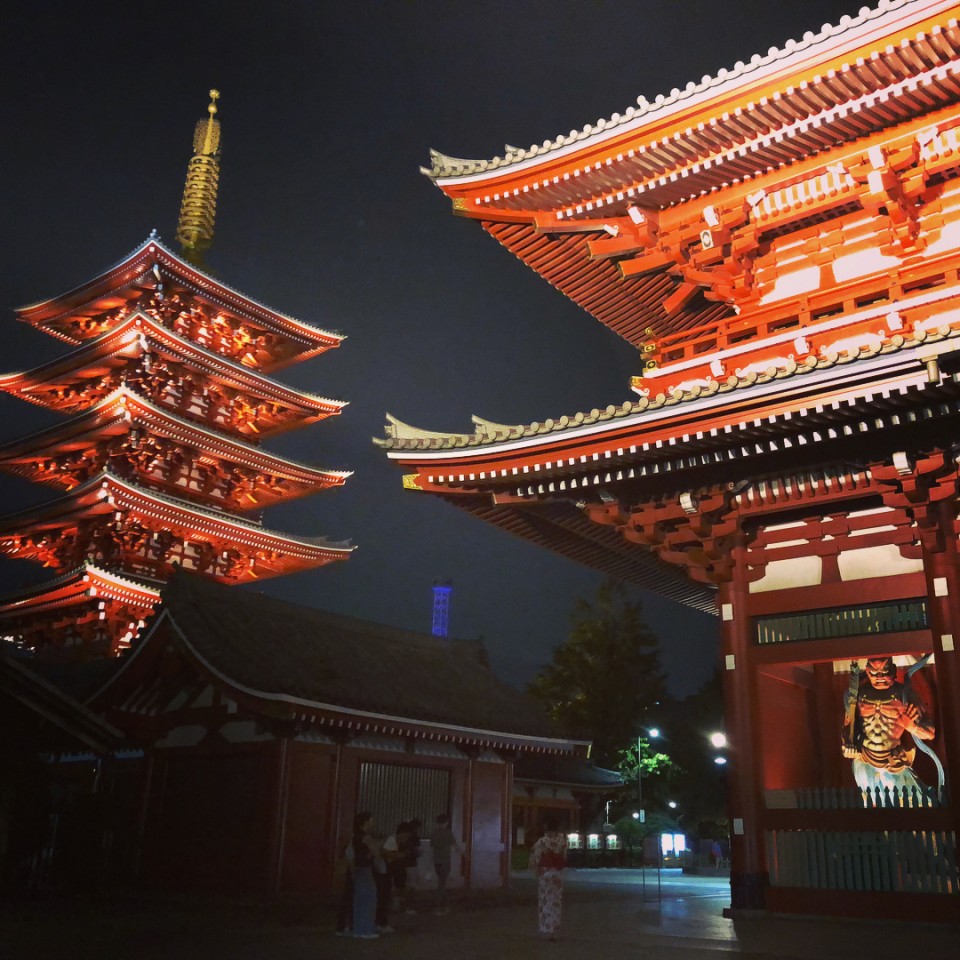
Every year in early April, Senso-ji holds Hana Matsuri to celebrate the birth of the Buddha. Small children pull a float shaped like a white elephant from Kaminarimon Gate along Nakamise, a charming sight. The temple grounds have many cherry trees, and the weeping cherry by Hozomon Gate is lit up at night. It is a 5-minute walk from Asakusa Station.
Mount Takao Hachioji
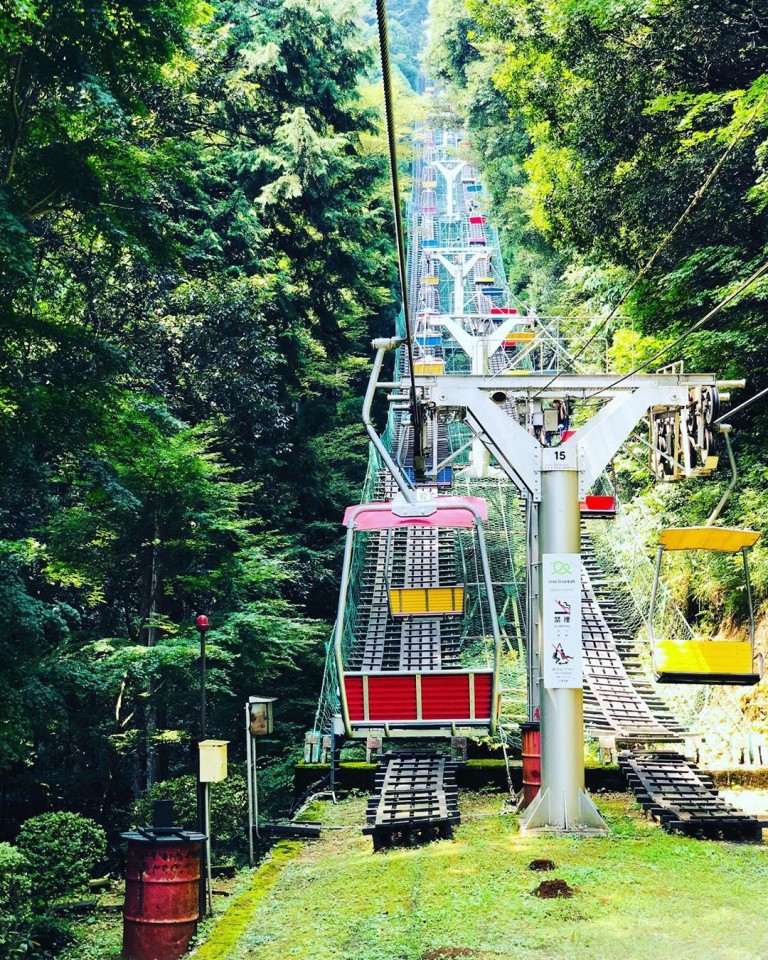
Mount Takao, 599 meters high, is a sacred mountain of the Shugendo mountain faith. In April violets and other wildflowers bloom and the fresh green leaves are beautiful. It is a great season for hiking, or ride the cable car up instead. The average temperature is around 10 degrees Celsius, cooler than central Tokyo, so bring a warmer jacket. The Takao Wakaba Festival in April brings events on weekends. It is a 5-minute walk from Takaosanguchi Station.
Museums, a zoo and a theme park
Edo-Tokyo Museum Ryogoku
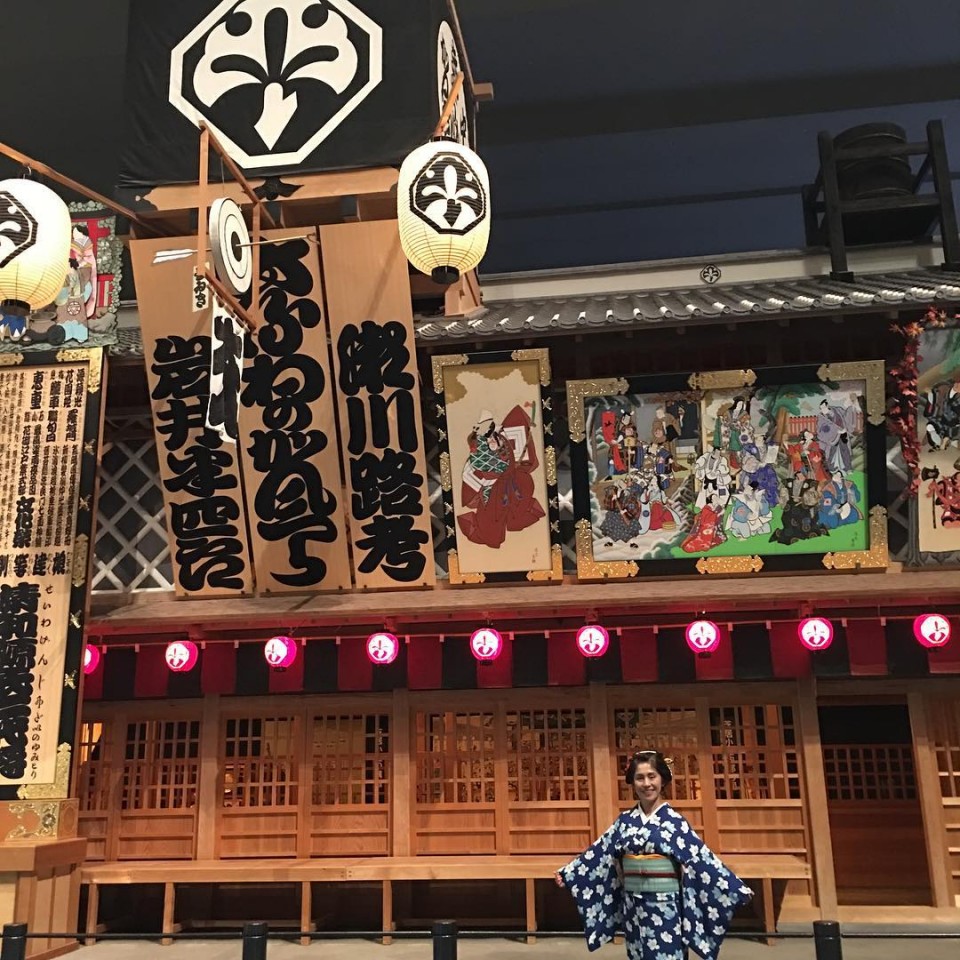
By Ryogoku Station, this museum brings the history and culture of Edo and Tokyo to life with detailed dioramas. It is divided into Edo and Tokyo zones, showing the lives of ordinary people in Edo and the streets of Tokyo in the Meiji, Taisho and Showa eras. In spring a tunnel of cherry blossoms appears between the museum and the Ryogoku Kokugikan sumo hall. Tokyo Skytree is close by if you want to see the modern city from above.
Edo-Tokyo Open Air Architectural Museum Koganei
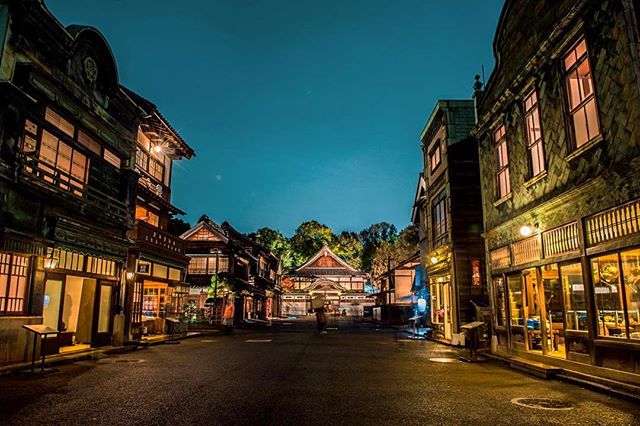
This open-air museum has moved about 30 historic Tokyo buildings from the Edo period through the Meiji, Taisho and Showa eras to one place. Among them are the wooden home of former prime minister Takahashi Korekiyo, an early Showa bookshop from Kanda, an Edo-period tavern and an old public bathhouse. Walking among them feels like time travel, and in spring snow willow and weeping cherries brighten the grounds.
Tama Zoological Park Hino
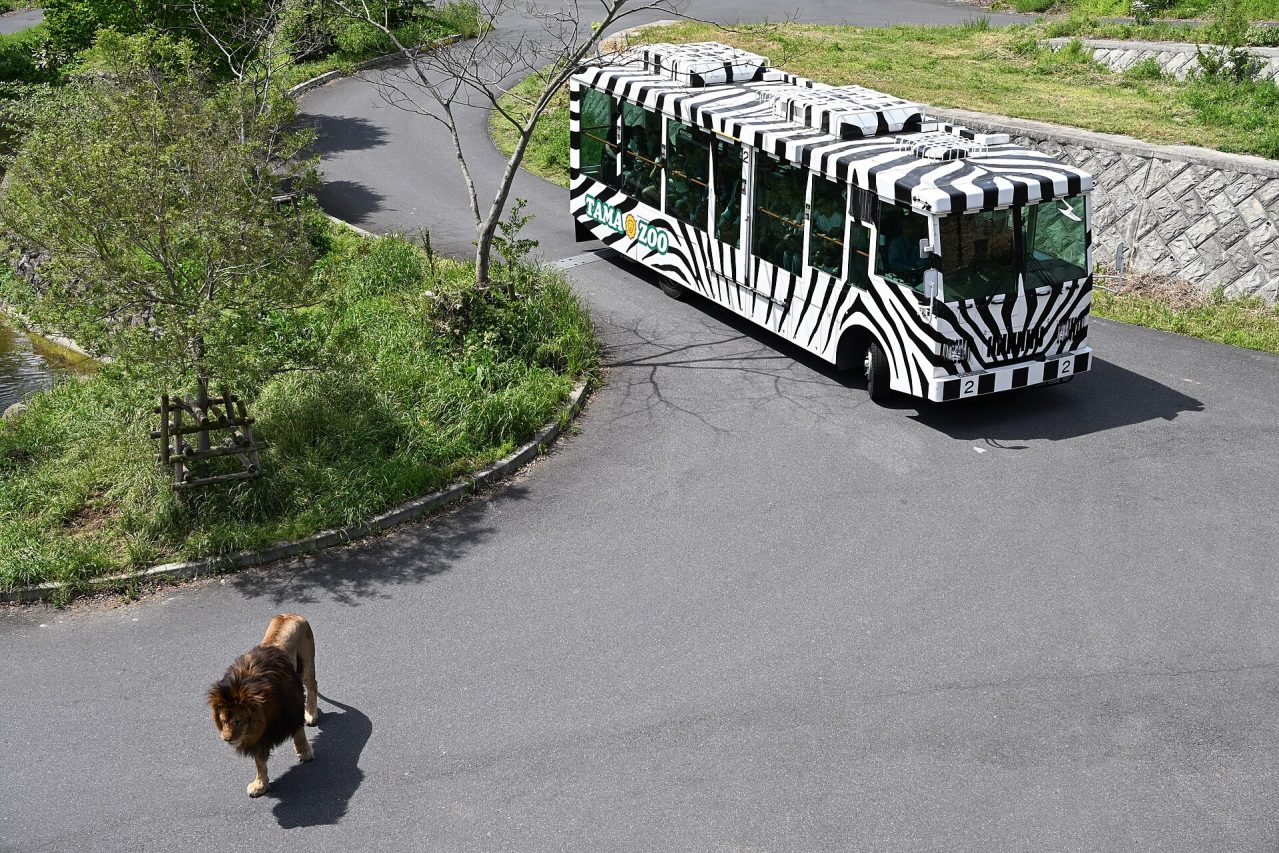
Spring is when new life arrives, and in April many baby animals are born at Tama Zoo, such as cheetahs, chimpanzees, koalas and red pandas. The large grounds also have many cherry trees, so you can enjoy baby animals and blossoms on the same day. It is a 1-minute walk from Tama-Dobutsukoen Station.
Sanrio Puroland Tama
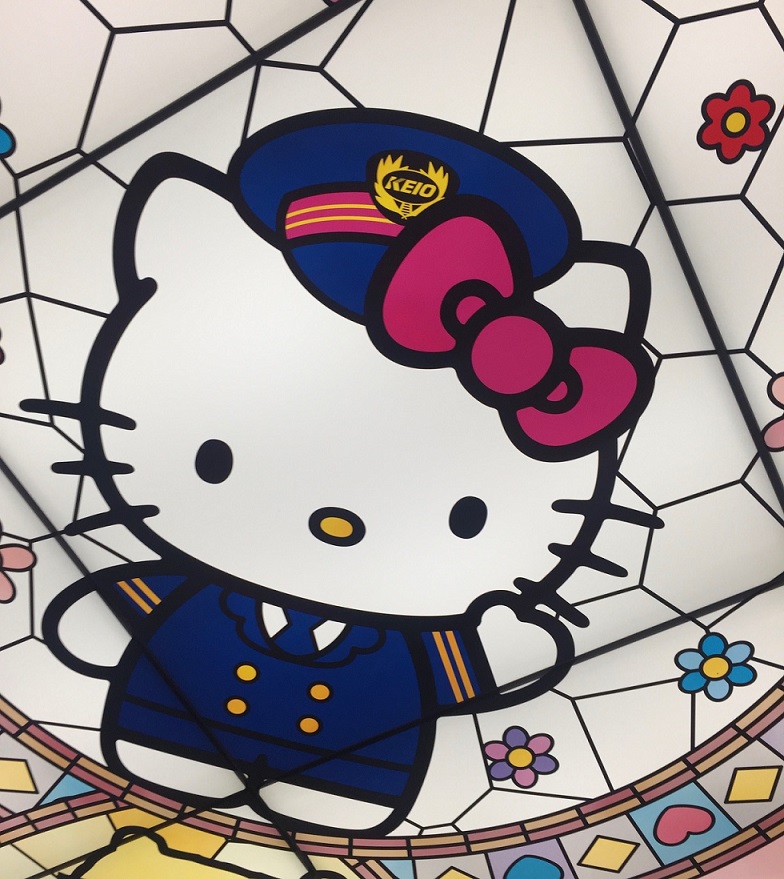
Sanrio Puroland, an indoor theme park, holds a big Easter event in April. Expect Easter-themed shows, events and colorful seasonal food, and celebrate with Hello Kitty and My Melody. It is a 5-minute walk from Tama-Center Station.
Tips for April
Cherry blossoms usually peak in early April, and azaleas and wisteria follow from mid to late April, so match your plans to the bloom you want to see. Layers are the key to staying comfortable, as mornings and evenings can be much cooler than the afternoon.
The places on a map
Hours, prices and events change. Check each place's official website before you go.
More travel guides
 Tokyo Sightseeing by Area: 40 Classic Sights and Lesser-Known Spots from Asakusa to Odaiba40 placesTokyo has much more to see than Skytree, Tokyo Tower and Asakusa. This guide works through six of the city's main…
 Nagoya: 40 Best Places to Visit, from Nagoya Castle and Atsuta Jingu to Osu40 placesNagoya is one of Japan's biggest cities, yet many visitors don't know how much it has to see. Alongside its famous…
 Chichibu: 40 Best Places to Visit, from Nagatoro River Boats and Mitsumine Shrine to Moss Phlox and Icicles40 placesChichibu, the largest city in Saitama Prefecture, is about 90 minutes from central Tokyo. Most of the area is national…
 Niigata Prefecture: 40 Best Places to Visit, from Classic Sights to Hidden Gems40 placesNiigata Prefecture stretches a long way from north to south, and each area has its own scenery, climate and food. The…
 Nagasaki Prefecture: 40 Best Places to Visit, from Unzen Hot Springs to Hirado and Nagasaki City40 placesNagasaki grew up as a port open to the outside world, and the culture of those days still shapes its streets, churches…
 Fukuoka Prefecture: 40 Places to Visit in Kitakyushu, Chikuho and Around Fukuoka City40 placesFukuoka Prefecture is roughly divided into four areas, Kitakyushu, Chikuho, Fukuoka and Chikugo, and each has its own…