
Edo-Tokyo Museum
History museum · Sumida, Tokyo
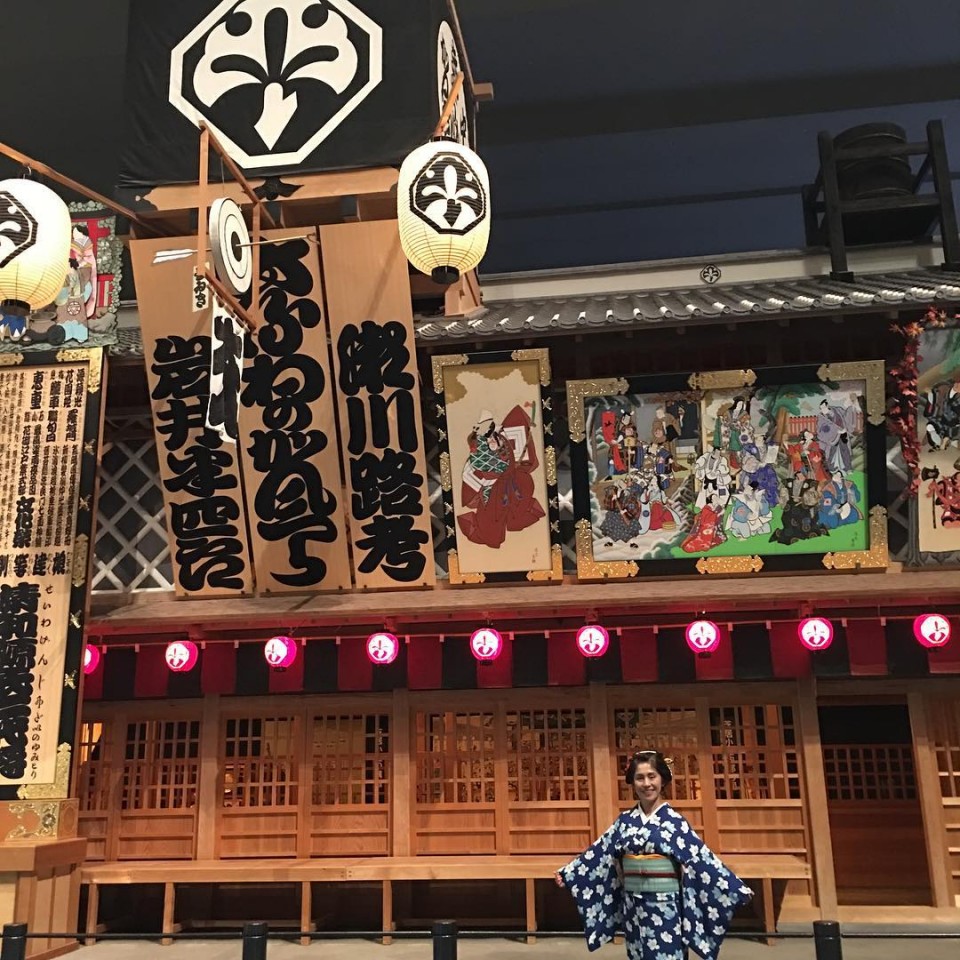 photo by @salon.bellemere
The Edo-Tokyo Museum, next to Ryogoku Station, traces how Tokyo grew from Edo, the shogun's capital, into the city of today. Its galleries are full of dioramas and life-size reconstructions, from a wooden bridge and a kabuki theater to a postwar apartment, all laid out in historical order. Photos taken among the old buildings look like a trip back in time, and the busy miniature streets reward a slow look.
Good to know
- Japanese name
- 江戸東京博物館
- Address
- 東京都墨田区横網1丁目4−1In Japanese, to show a taxi driver or type into a map app.
- Nearest station
- Ryogoku Station (JR Sobu Line, Toei Oedo Line)
- Access
- 3 min walk from JR Ryogoku Station (West Exit); 1 min walk from Toei Oedo Line Ryogoku Station (Exit A4)
- Hours
- 9:30–17:30 (Saturdays until 19:30); last entry 30 min before closing
- Closed
- Mondays (the following day if Monday is a national holiday)
- Admission
- Adults ¥600, university students ¥480, high school students, junior high students from outside Tokyo and seniors 65+ ¥300, Tokyo junior high students and younger free
- Official website
- edo-tokyo-museum.or.jp
Hours and prices can change. Check the official website before you go.
Life-size replicas
The first surprise is a full-size reconstruction of Nihonbashi, the bridge at the heart of Edo. You can walk across it and look down over the galleries, or stand below and look up as a boatman once did. Underneath is a life-size model of the Nakamura-za, one of Edo's kabuki theaters, hung with actors' name boards and pictures. Short performances called Edohaku Yose, such as traditional music or kamikiri (paper cutting), are held in front of it, and you can watch from the bridge too.
Other full-size rooms show how people lived: an Edo nagaya (row house), a home from the war years and a postwar danchi apartment with a retro fridge, TV and dining set. There is also an Edo sushi stall; sushi back then was bigger than today, and the rice was seasoned with red vinegar.
Miniatures and old books
Detailed miniatures recreate the Mitsui Echigoya store, row houses and Ryogoku Bridge. The real fun is the people: watermelon and fish sellers, horses carrying rice, families on pleasure boats, children helping their parents. The models move and play sound at intervals, so wait a moment in front of them. Another model shows Ginza in the Meiji era, with rickshaws, horse carriages, and Western hats and umbrellas among the kimono.
Displays of Edo publications include the children's tale Bunbuku Chagama and the novel Chinsetsu Yumiharizuki, illustrated by Katsushika Hokusai, as well as textbooks used at terakoya schools.
Tips for visiting
Photography is allowed in the permanent exhibition on the 5th and 6th floors, but flash only in some places. Volunteer guides lead tours of about two hours in English, Chinese and other languages; sign up at the 6th-floor desk on the day or book ahead by phone. Restaurants and a cafe are on the 1st and 7th floors, and shops on the 1st and 5th floors sell goods of the mascot Gibo-chan. Special exhibitions need a separate ticket. Ryogoku Kokugikan and the Sumida River are nearby.
Nearby
 Ryogoku Kokugikan226m
 Kaminarimon Gate1.6km
 Sumida Edo Kiriko-kan1.6km
 Nakamise Shopping Street1.7km
 Kappabashi Kitchen Town1.8km
 Sumida Aquarium2.0km
Featured in these guides
 Tokyo in January: 19 Places to Visit for New Year, Winter Lights and Warm Indoor Fun19 placesJanuary in Tokyo starts with New Year: shrine and temple visits, the first sunrise of the year and New Year sales…snaplaceRainy Day in Tokyo: 15 Indoor Places to Enjoy Beyond Shopping15 placesPlanned a day of sightseeing in Tokyo and woke up to rain? The city has plenty of indoor places that are just as much…
 10 Places in Tokyo and the Kanto Region That Visitors from Abroad Love10 placesTokyo and the surrounding Kanto region are full of landmarks, traditional culture and beautiful scenery, and they draw…
Recently viewed
More in Tokyo
 Aqua Park ShinagawaAquarium
 Tokyo TowerObservation tower
 Meiji JinguShinto shrine
 Senso-jiBuddhist temple
 National Museum of Nature and ScienceScience museumTokyo SkytreeBroadcasting tower
 Roppongi HillsShopping complex
 Odaiba Marine ParkWaterfront park
 Shinjuku Gyoen National GardenGarden
 Rikugien GardenJapanese garden
 Showa Kinen ParkPark
 Tokyo JoypolisIndoor theme park