
10 Places in Tokyo and the Kanto Region That Visitors from Abroad Love
10 places · Japanese version
Tokyo and the surrounding Kanto region are full of landmarks, traditional culture and beautiful scenery, and they draw many visitors from abroad. Here are 10 places that show the best of Japan, from a famous temple, a forest shrine and the homes of kabuki and sumo in the city to a giant Buddha, a lavish World Heritage shrine and a long suspension bridge within reach of Tokyo. Six are in Tokyo itself, and four make good trips out of the city.
In Tokyo
Tokyo Skytree Oshiage
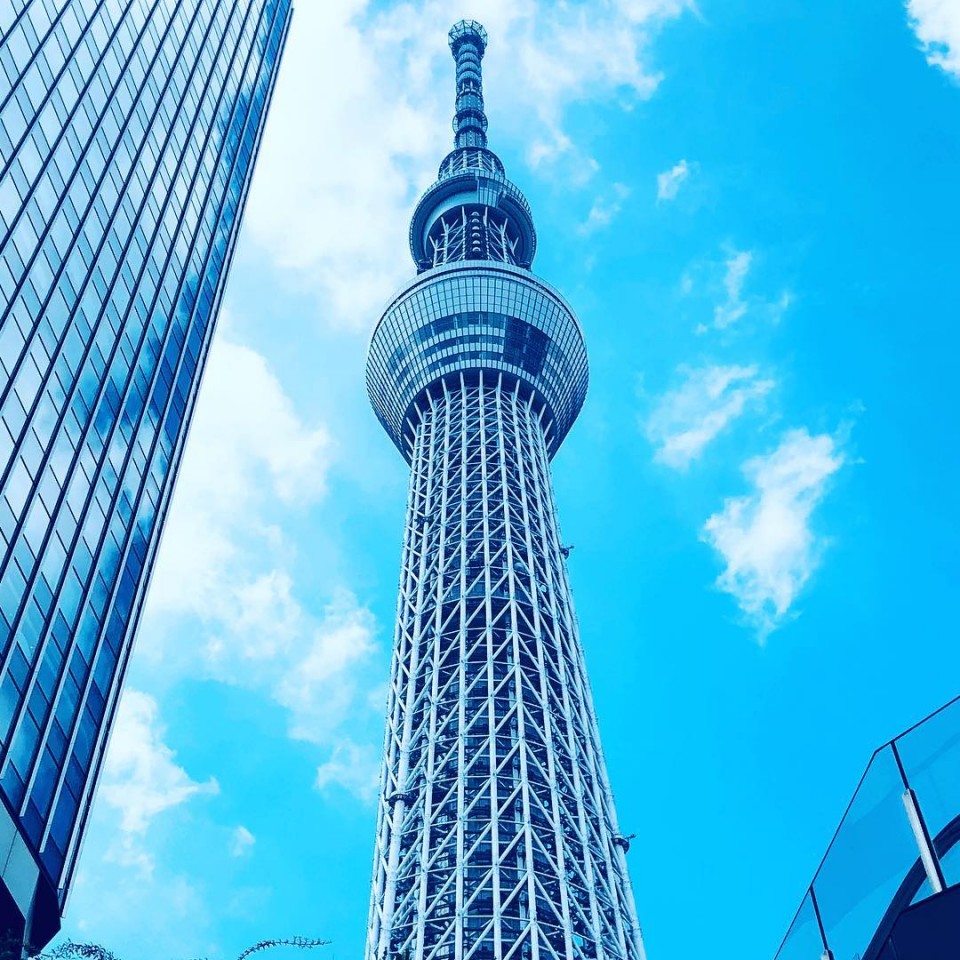
The 634-meter Tokyo Skytree is the newer landmark of Tokyo. From its observation decks you look out over the whole city, a view visitors love. At its base, Tokyo Solamachi has plenty of shopping and an aquarium.
Edo-Tokyo Museum Ryogoku
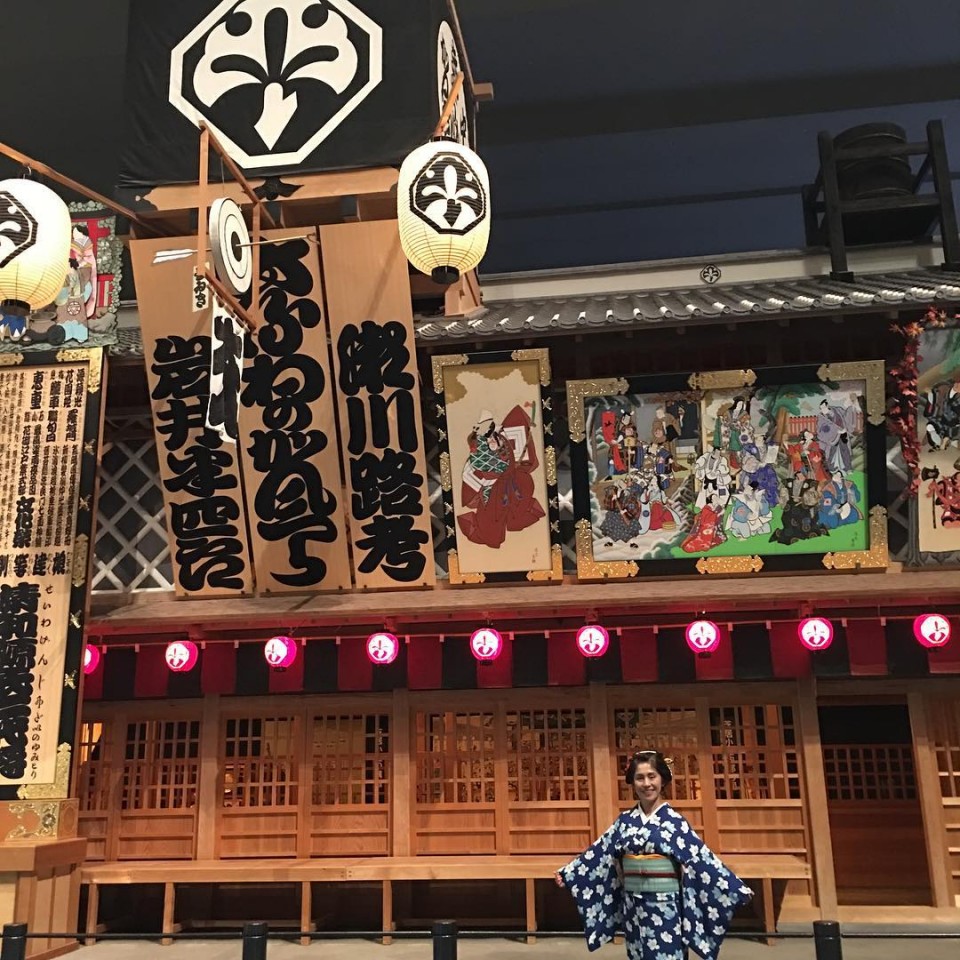
Just past Ryogoku Kokugikan, the Edo-Tokyo Museum brings the colorful culture and daily life of Edo to life, starting with a replica of the old Nihonbashi bridge at the entrance to the permanent exhibition. It also explains the Meiji and Taisho eras in an easy-to-follow way, and guided tours in English are available. It is about 1 minute on foot from exit A4 of Ryogoku Station on the Toei subway.
Kabukiza Theatre Ginza
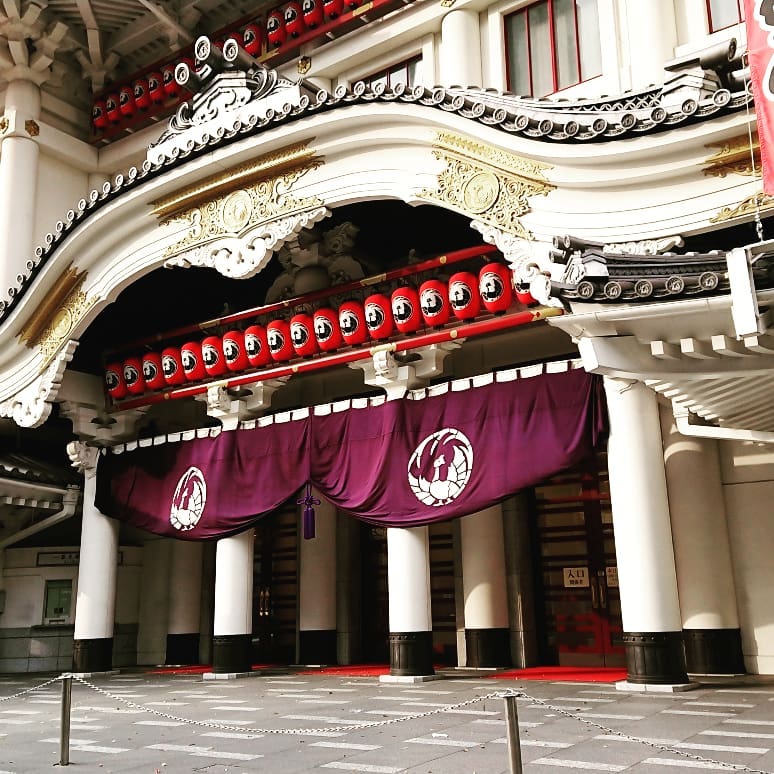
Directly connected to Higashi-Ginza Station on the Tokyo Metro, Kabukiza is the place to see kabuki, one of Japan's traditional performing arts, in a building with a distinctly Japanese design. Restaurants inside the theater serve Japanese food and soba, and shops sell kabuki souvenirs. It is also about 5 minutes on foot from exit A7 of Ginza Station.
Senso-ji Asakusa
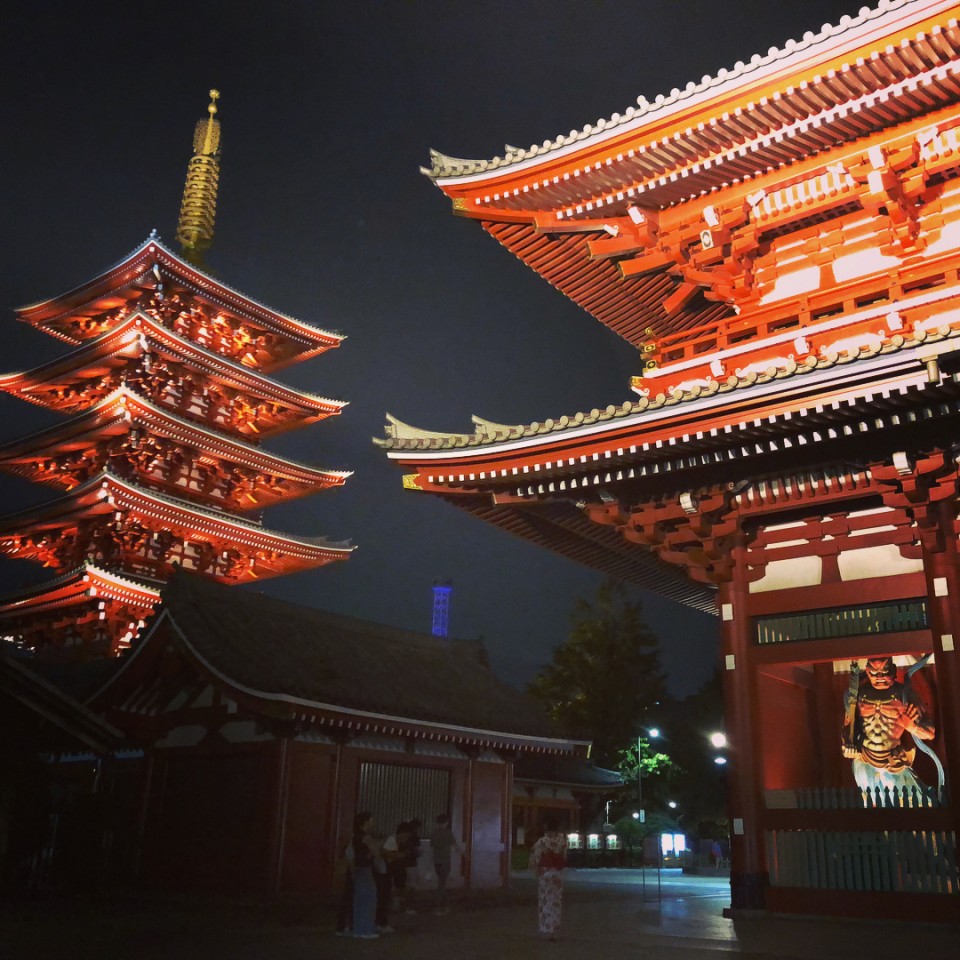
Asakusa is one of Japan's best-known sightseeing areas, where you can feel the townspeople's culture of Edo and its old downtown atmosphere and try simple local food. Senso-ji is the main sight. Pass through Kaminarimon Gate and shop for souvenirs on Nakamise-dori, the approach to the temple. Then see Hozomon Gate, guarded by two Nio statues, the five-story pagoda and the fine tiled roof of the main hall up close. It is about 5 minutes on foot from Asakusa Station.
Meiji Jingu Harajuku
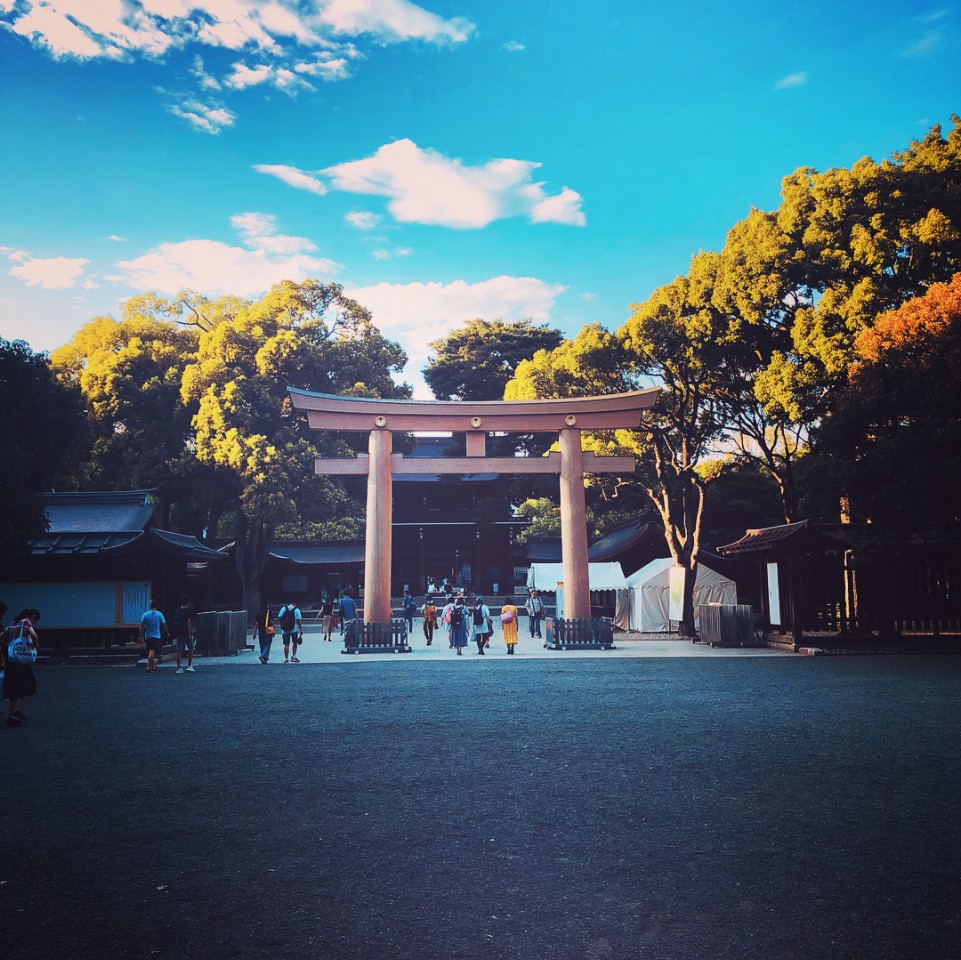
Close to Harajuku Station, Meiji Jingu is dedicated to Emperor Meiji and Empress Shoken. Beyond its great gate lies a pure, quiet forest that is hard to believe is in the middle of a big city. It is well known as a power spot, and the air really does feel different and solemn here.
Ryogoku Kokugikan Ryogoku
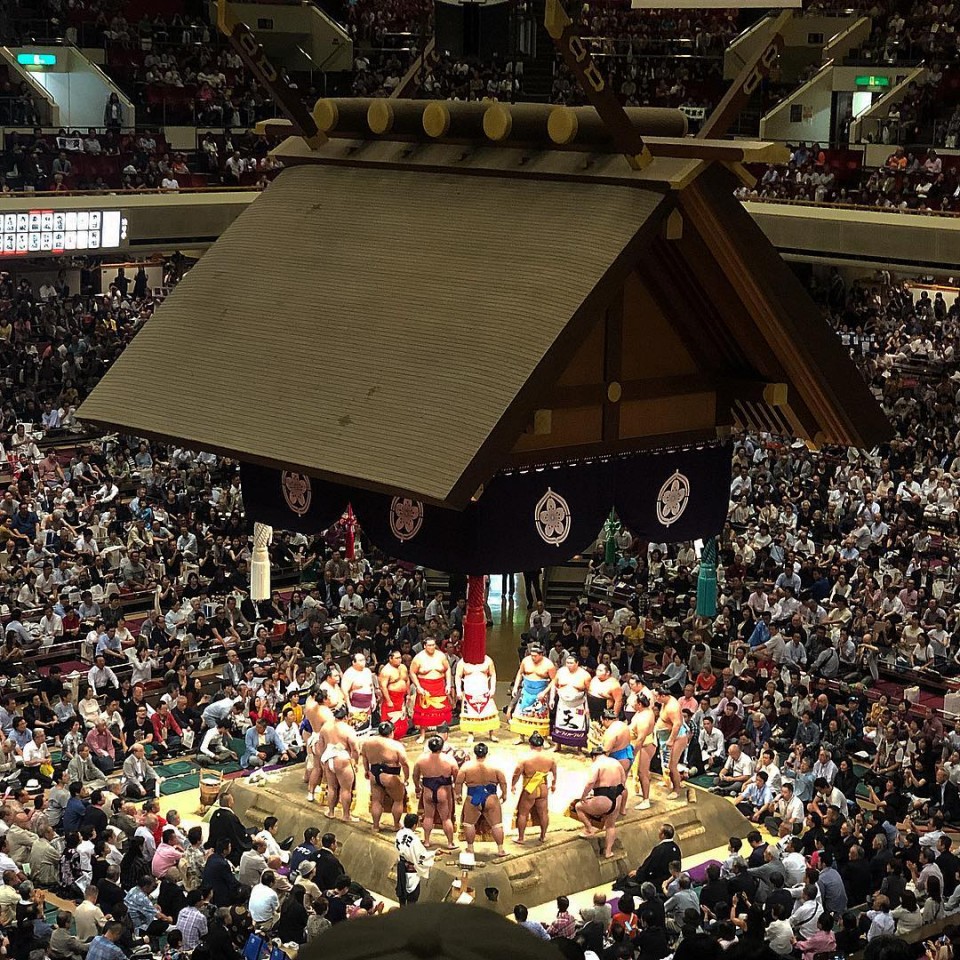
Ryogoku Kokugikan hosts Tokyo's grand tournaments of sumo, Japan's national sport, in January, May and September. During a tournament you may spot wrestlers with their hair in a topknot around the area. Watching sumo is a hit with visitors, and during the January tournament many women wear kimono, so just walking the neighborhood gives you a feel for old Japan. It is about 2 minutes on foot from the west exit of JR Ryogoku Station.
Trips out of Tokyo
Kamakura Great Buddha (Kotoku-in) Kamakura
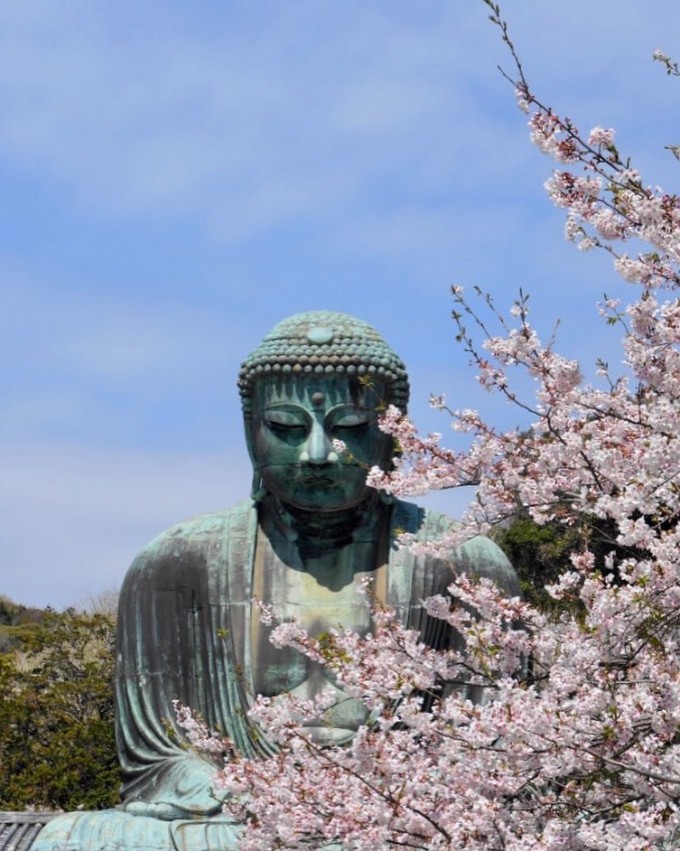
Kotoku-in is home to the Great Buddha of Kamakura, 13.35 meters tall including its pedestal and about 121 tons, the only Buddhist statue in Kamakura designated a National Treasure. It was once covered in gold leaf and stood inside a hall, but earthquakes and tsunami destroyed the hall, and the Buddha now sits in the open air. In spring you can see it with cherry blossoms. It is about 6 minutes on foot from Hase Station on the Enoden line.
Ryujin Suspension Bridge Hitachiota
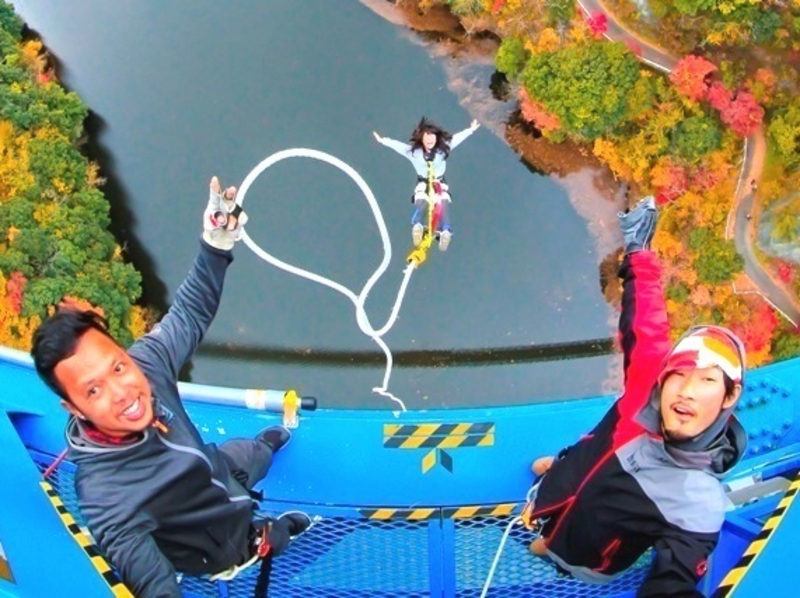
This bridge spans a lake shaped like a dragon. At 375 meters, it is the longest pedestrian-only bridge on Honshu. Parts of the floor are see-through so you can look straight down, a real thrill. At 100 meters high, it is also one of the biggest bungee jumping spots in Japan, if you are brave enough. Crossing may be restricted in strong winds or lightning. From JR Hitachi-Ota Station, the bus takes about 40 minutes.
Shinsho-ji (Naritasan) Narita
Known affectionately as Narita no Ofudo-sama, Shinsho-ji is a head temple of the Chisan school of Shingon Buddhism, with more than 1,000 years of history. About 3 million people visit for the first prayers of the New Year. The vast grounds hold many sights, including the main gate, a three-story pagoda, the Shaka-do and the Komyo-do halls. It is about 10 minutes on foot from Keisei Narita Station or JR Narita Station.
Nikko Toshogu Shrine Nikko
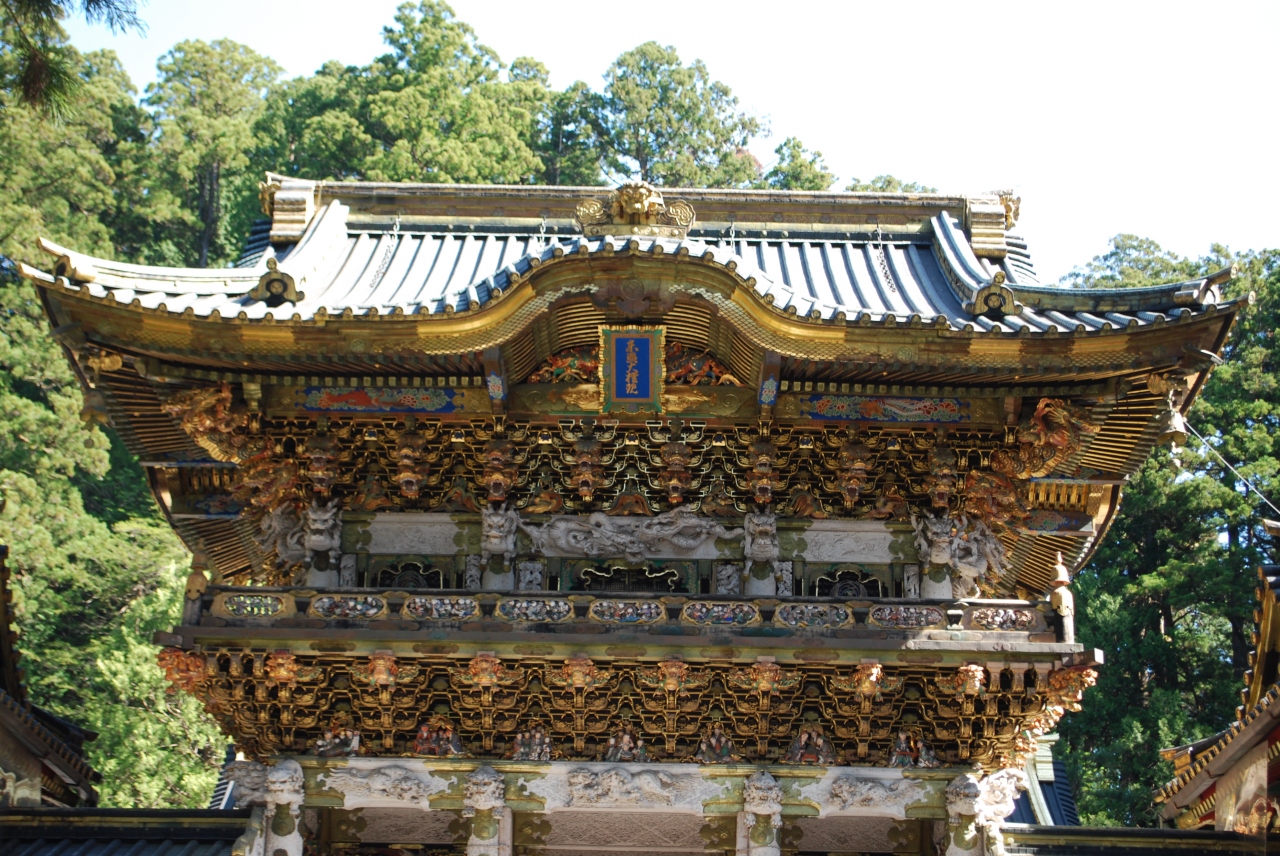
Toshogu is the most famous of the Shrines and Temples of Nikko, a World Heritage Site. Dedicated to Tokugawa Ieyasu, it has 55 buildings, including 8 National Treasures and 34 Important Cultural Properties. Craftsmen from all over Japan covered them in lacquer and brilliant colors and decorated the pillars with countless carvings, and their splendor is worth the trip. From JR Nikko or Tobu Nikko Station, take a Tobu bus 5 minutes to Shinkyo, then walk 8 minutes.
The places on a map
Hours, prices and events change. Check each place's official website before you go.
More travel guides
 Tokyo Sightseeing by Area: 40 Classic Sights and Lesser-Known Spots from Asakusa to Odaiba40 placesTokyo has much more to see than Skytree, Tokyo Tower and Asakusa. This guide works through six of the city's main…
 Nagoya: 40 Best Places to Visit, from Nagoya Castle and Atsuta Jingu to Osu40 placesNagoya is one of Japan's biggest cities, yet many visitors don't know how much it has to see. Alongside its famous…
 Chichibu: 40 Best Places to Visit, from Nagatoro River Boats and Mitsumine Shrine to Moss Phlox and Icicles40 placesChichibu, the largest city in Saitama Prefecture, is about 90 minutes from central Tokyo. Most of the area is national…
 Niigata Prefecture: 40 Best Places to Visit, from Classic Sights to Hidden Gems40 placesNiigata Prefecture stretches a long way from north to south, and each area has its own scenery, climate and food. The…
 Nagasaki Prefecture: 40 Best Places to Visit, from Unzen Hot Springs to Hirado and Nagasaki City40 placesNagasaki grew up as a port open to the outside world, and the culture of those days still shapes its streets, churches…
 Fukuoka Prefecture: 40 Places to Visit in Kitakyushu, Chikuho and Around Fukuoka City40 placesFukuoka Prefecture is roughly divided into four areas, Kitakyushu, Chikuho, Fukuoka and Chikugo, and each has its own…