
Yushima Tenmangu Shrine
Shinto shrine · Bunkyo, Tokyo
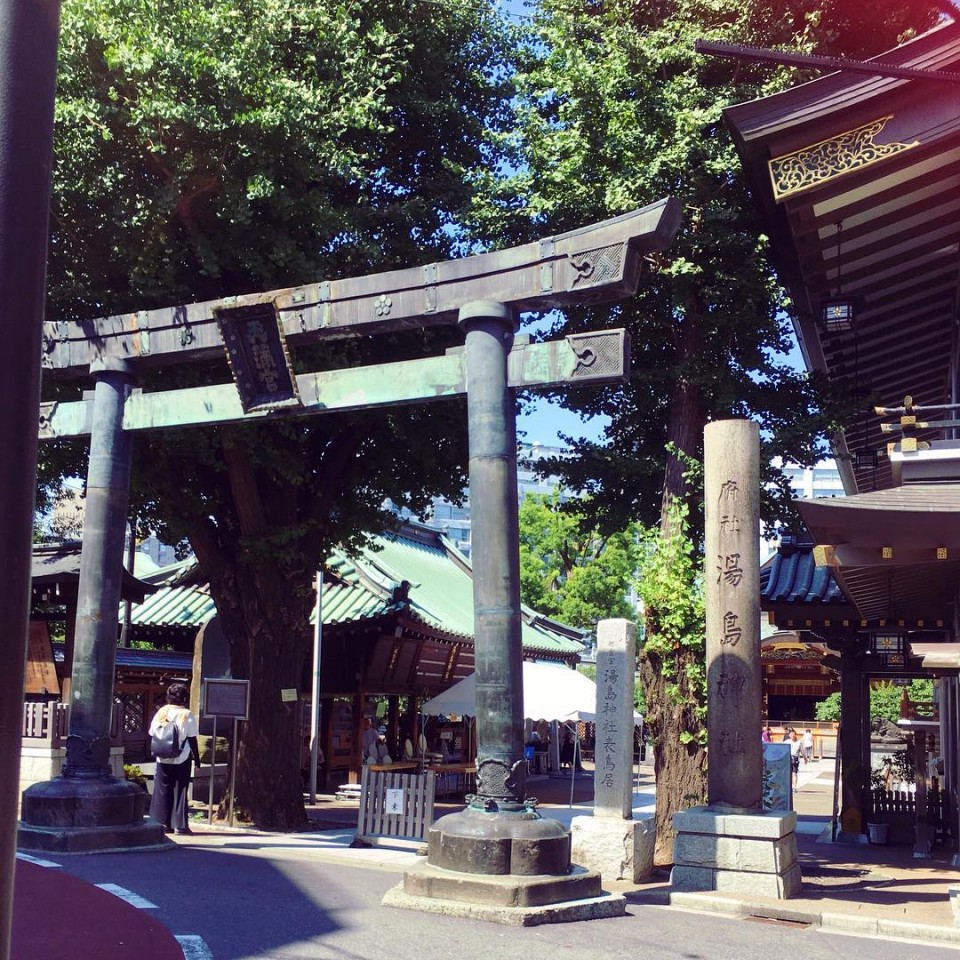 photo by @es2cucula
Yushima Tenmangu, also called Yushima Tenjin, is one of the oldest Tenmangu shrines in Tokyo. It enshrines Sugawara no Michizane, revered as the god of learning, and during exam season it fills with students and parents praying for success. Beyond studies, the grounds hold several spots linked to good luck in competition, health and finding lost things, and about 300 plum trees bloom here from early February to early March.
Good to know
- Japanese name
- 湯島天満宮
- Address
- 東京都文京区湯島3-30-1In Japanese, to show a taxi driver or type into a map app.
- Nearest station
- Yushima Station (Tokyo Metro Chiyoda Line)
- Access
- About 2 minutes' walk from Yushima Station; Ueno-hirokoji (Ginza Line), Hongo-sanchome (Marunouchi Line), JR Okachimachi and Ueno-okachimachi (Toei Oedo Line) stations are also nearby
- Hours
- 6:00–20:00 (amulet office 8:30–19:30, goshuin 8:30–17:30)
- Admission
- Free
- Official website
- yushimatenjin.or.jp/pc/index.htm
Hours and prices can change. Check the official website before you go.
History
Together with Kameido Tenjin and Yaho Tenmangu, Yushima Tenmangu is counted among the three great Tenjin shrines of the Kanto region. It is said to have been founded in 458 to honor Ame-no-Tajikarao-no-Mikoto, and Sugawara no Michizane was enshrined here in 1355.
Michizane was a brilliant scholar and statesman who rose to one of the highest posts at court before being exiled to Dazaifu in Kyushu through a political plot. Because his family had long been devoted to scholarship, he came to be worshipped across Japan as the god of learning.
Power spots in the grounds
The main hall is said to bring luck in studies, winning and matchmaking. In the Edo period, the shrine sold officially approved lottery tickets called tomikuji, and the buildings survived earthquakes, fires and air raids, so the shrine is also seen as a place of strong luck.
Behind the main hall is the small Togakushi Shrine, dedicated to Ame-no-Tajikarao-no-Mikoto, the god said to have forced open the rock cave where the sun goddess hid. People pray here for victory in sports and contests. Just inside the entrance torii on the left are two nade-ushi, ox statues you stroke on the part of your body that troubles you. The Kien Hyojin-seki stone pillar was once used to post messages about lost children and is now visited by people looking for lost items or a partner.
Amulets and visiting tips
The most popular amulets are for success in studies, including one shaped like a school backpack, along with square pencils that will not roll off a desk. The shrine offers study amulets rather than pass-the-exam amulets, reflecting the idea that daily effort is what leads to success.
The grounds open from 6:00 to 20:00. The amulet office opens 8:30 to 19:30, goshuin stamps are given 8:30 to 17:30, and prayers are accepted 9:15 to 16:30 without a reservation. New Year is the busiest time, so avoid the first three days of January if you want a calm visit. There is no parking, so come by train.
Nearby
 Kyu-Iwasaki-tei Gardens240m
 Shinobazu Pond504m
 Kanda Myojin636m
 Statue of Saigo Takamori702m
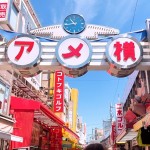 Ameyoko707m
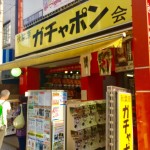 Akihabara Gachapon Kaikan713m
Recently viewed
More in Tokyo
 Aqua Park ShinagawaAquarium
 Tokyo TowerObservation tower
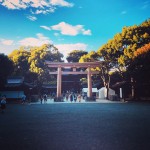 Meiji JinguShinto shrine
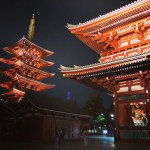 Senso-jiBuddhist temple
 National Museum of Nature and ScienceScience museum
 Tokyo SkytreeBroadcasting tower
 Roppongi HillsShopping complex
 Odaiba Marine ParkWaterfront park
 Shinjuku Gyoen National GardenGarden
 Showa Kinen ParkPark
 Tokyo JoypolisIndoor theme park
 Nippara Limestone CaveLimestone cave