
Mukojima-Hyakkaen Garden
Japanese garden · Sumida, Tokyo
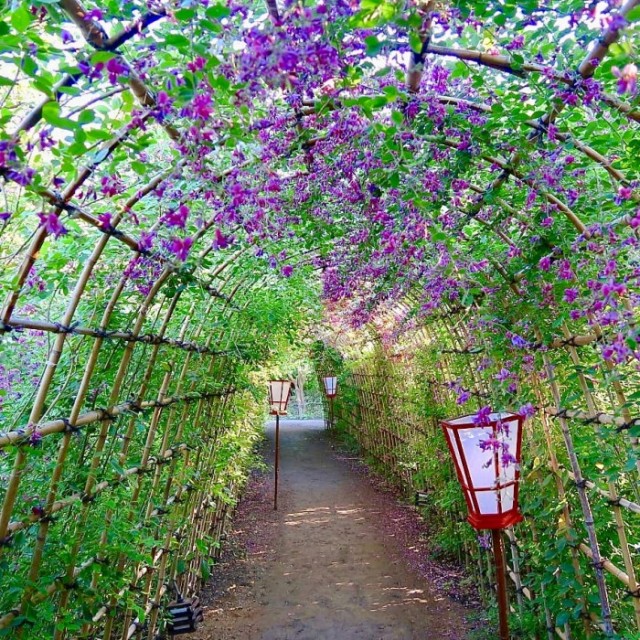 photo by @lucky._1
Mukojima-Hyakkaen is a quiet flower garden in Tokyo's Sumida Ward, created in the early 1800s by Sahara Kikuu, an antique dealer, as a place to enjoy plants and flowers. It was first famous for its 360 plum trees and later took the name Hyakkaen, the garden of a hundred flowers. Today it is a Tokyo metropolitan garden where something is in bloom in every season, and there are photo spots all around.
Good to know
- Japanese name
- 向島百花園
- Address
- 東京都墨田区東向島3-18-3In Japanese, to show a taxi driver or type into a map app.
- Nearest station
- Higashi-Mukojima Station (Tobu Skytree Line)
- Access
- About 8 min walk from Higashi-Mukojima Station
- Hours
- 9:00–17:00 (last entry 16:30)
- Closed
- December 29 to January 3
- Admission
- Adults ¥150, 65 and over ¥70, junior high school students and younger free
- Official website
- tokyo-park.or.jp/park/format/index032.html
Hours and prices can change. Check the official website before you go.
A garden for Edo poets
Painters and poets of the Edo period gathered here, and many stone monuments carved with their verses still stand in the garden. It came under public management in 1939, burned down in the air raids on Tokyo, and was restored. It is now a designated National Historic Site and Place of Scenic Beauty.
Highlights through the year
The best-known sight is the hagi (bush clover) tunnel, about 30 meters long, where the plants are trained over a bamboo frame. You can walk through it, and the purple flowers peak in late September.
Trellises bloom from spring to late summer: three-leaf akebia in early April, wisteria in May, and fragrant kudzu that peaks in late August, followed by akebia fruit in autumn. Gourds, loofahs and the long, thin snake gourd hang from other trellises in summer. The garden also grows the traditional seven herbs of spring, summer and autumn.
Seasonal events include a plum festival and moon viewing, and in winter you can see ropes and covers that protect trees from snow and frost. In early summer, look for spot-billed ducklings.
Photo tips and visiting
From the edge of the central pond you get a clear view of Tokyo Skytree, and the mix of Japanese garden and tower is a popular shot. Irises bloom in the pond too.
Free guided tours run on Saturdays and Sundays at 11:00 and 14:00 and take about 45 minutes. Some areas are closed to protect the plants, so watch your step when taking photos. Pets are not allowed, and there is no parking.
Nearby
 Imado Shrine1.2km
 Amezaiku Ameshin (Tokyo Solamachi)1.6km
 Tokyo Solamachi1.6km
 Tokyo Skytree1.7km
 Sumida Aquarium1.7km
 Senso-ji2.0km
Featured in these guides
Tokyo Sightseeing by Area: 40 Classic Sights and Lesser-Known Spots from Asakusa to Odaiba40 placesTokyo has much more to see than Skytree, Tokyo Tower and Asakusa. This guide works through six of the city's main…Tokyo in September: 17 Places to Visit for Moon Viewing, Autumn Flowers and Rainy Days, Plus What to Wear17 placesSummer may be over, but Tokyo still has plenty to offer in September. The end of summer often brings rain and typhoons…Recently viewed
More in Tokyo
 Aqua Park ShinagawaAquarium
 Tokyo TowerObservation tower
 Meiji JinguShinto shrine
 National Museum of Nature and ScienceScience museum
 Roppongi HillsShopping complex
 Odaiba Marine ParkWaterfront park
 Shinjuku Gyoen National GardenGarden
 Rikugien GardenJapanese garden
 Showa Kinen ParkPark
 Tokyo JoypolisIndoor theme park
 Nippara Limestone CaveLimestone cave
 Ueno ZooZoo