
Zojo-ji
Buddhist temple · Minato, Tokyo
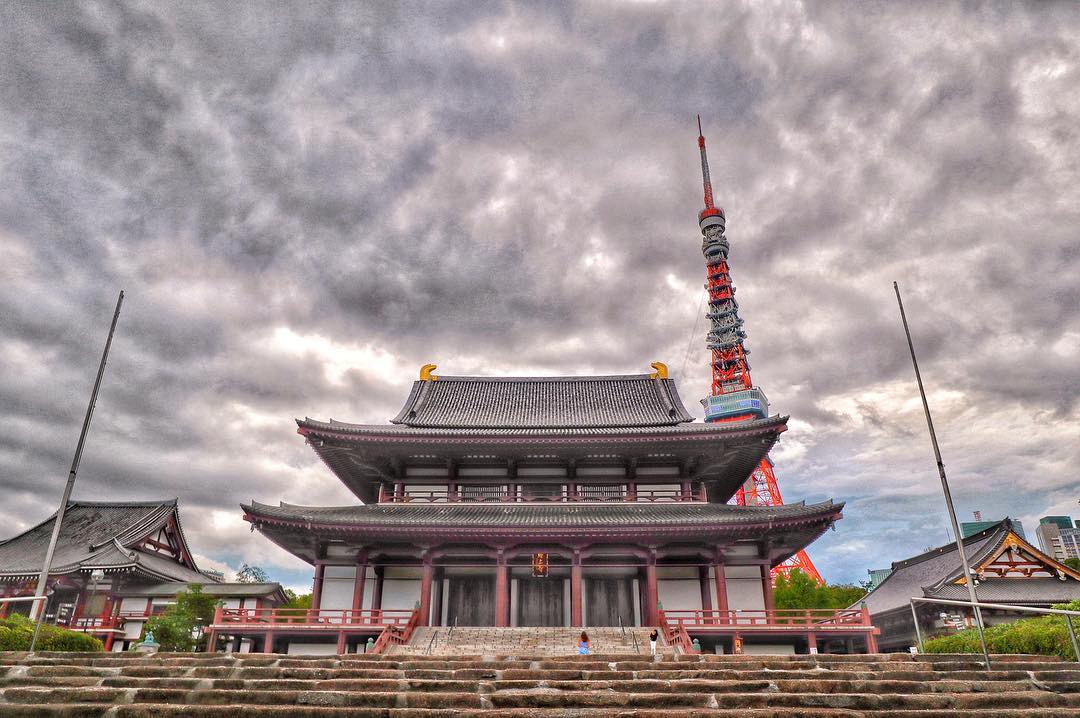 photo by @shiffoncake
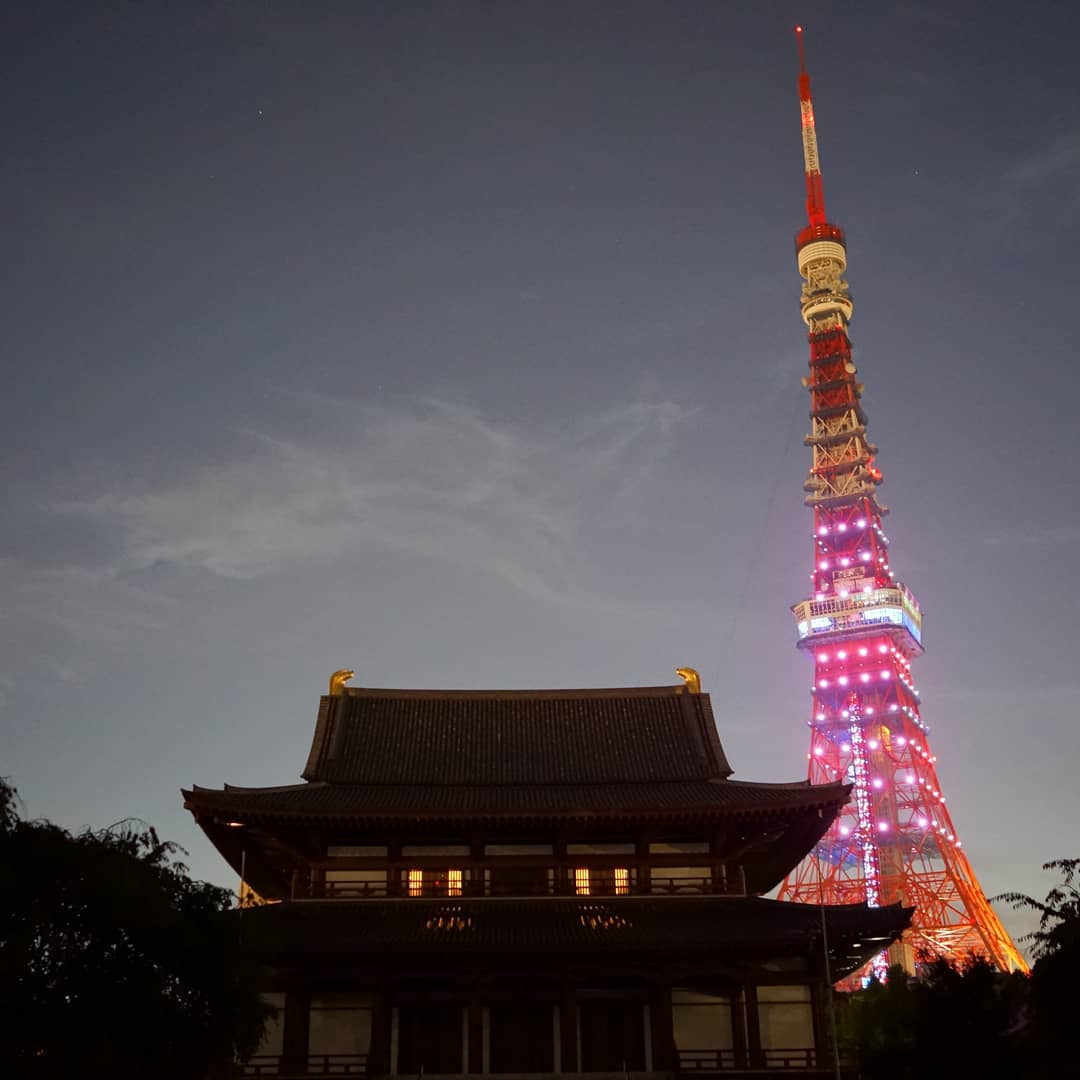
Zojo-ji is a historic temple of the Jodo (Pure Land) school in Shiba, right next to Tokyo Tower and surrounded by high-rise buildings. It was the family temple of the Tokugawa shoguns, and six of them are buried here. The contrast between the old temple and the red tower rising behind it is popular with visitors from abroad, and the grounds are free to enter. It is also known as a power spot for luck in winning.
Good to know
- Japanese name
- 増上寺
- Address
- 東京都港区芝公園4−7−35In Japanese, to show a taxi driver or type into a map app.
- Nearest station
- Onarimon Station
- Access
- 3 min walk from Onarimon Station (Toei Mita Line); 10 min from JR Hamamatsucho Station
- Hours
- Grounds open freely; temple office 9:00–17:00; Treasure Gallery and Tokugawa Mausoleum 10:00–16:00 (last entry 15:45)
- Closed
- Treasure Gallery and Tokugawa Mausoleum closed Tuesdays (open if a national holiday)
- Admission
- Free (Treasure Gallery ¥700, Tokugawa Mausoleum ¥500, combined ticket ¥1,000)
- Official website
- zojoji.or.jp
Hours and prices can change. Check the official website before you go.
History
Zojo-ji traces its origins to 1393, when it was founded in Edo as one of the seven head temples of the Jodo school. With the devotion of Tokugawa Ieyasu, it became the family temple of the shoguns and moved to its present site in Shiba, with construction completed in 1611. Its mausoleums were once said to rival Nikko Toshogu in beauty. Fires and World War II destroyed much of the temple, and full-scale rebuilding began in 1971.
Highlights
Sangedatsumon Gate, built in 1622, is said to free those who pass through it from greed, anger and foolishness. It survived the wartime bombing, is one of the largest gates in eastern Japan and is an Important Cultural Property, the only structure left from the temple's early Edo-period construction.
The main hall, Daiden, was rebuilt in 1974. In its basement, the Treasure Gallery displays a detailed model of the mausoleum of the second shogun, Hidetada, made for the 1910 Japan-British Exhibition in London and now part of the British Royal Collection.
The bell in the bell tower is the largest temple bell in eastern Japan, cast in 1673 and weighing about 15 tons. Behind Ankokuden hall, the Tokugawa Mausoleum holds the graves of six shoguns, including Hidetada and Iemochi, as well as wives such as Princess Kazunomiya.
Luck in winning
Ankokuden houses the Black Amida, a hidden Buddha that Ieyasu is said to have prayed to for victory before battle. It is shown only on the 15th of January, May and September. The temple's black amulets, named after it, are popular with people hoping for success, and its goshuin stamp has a simple, dignified design.
Getting there
Onarimon and Shibakoen stations are a 3-minute walk away, and Daimon Station is 5 minutes. From JR Hamamatsucho Station, leave by the North Exit and walk straight for about 10 minutes, passing through the large Daimon gate to reach the temple.
Photos
Nearby
 Shiba Park272m
 Tokyo Tower274m
 Hama-rikyu Gardens1.4km
 Mori Art Museum1.7km
 Roppongi Hills1.7km
 Tokyo Midtown1.8km
Featured in these guides
Recently viewed
More in Tokyo
 Aqua Park ShinagawaAquarium
 Meiji JinguShinto shrine
 Senso-jiBuddhist temple
 National Museum of Nature and ScienceScience museum
 Tokyo SkytreeBroadcasting tower
 Odaiba Marine ParkWaterfront park
 Shinjuku Gyoen National GardenGarden
 Rikugien GardenJapanese garden
 Showa Kinen ParkPark
 Tokyo JoypolisIndoor theme park
 Nippara Limestone CaveLimestone cave
 Ueno ZooZoo