
Atsuta Jingu
Shinto shrine · Nagoya, Aichi
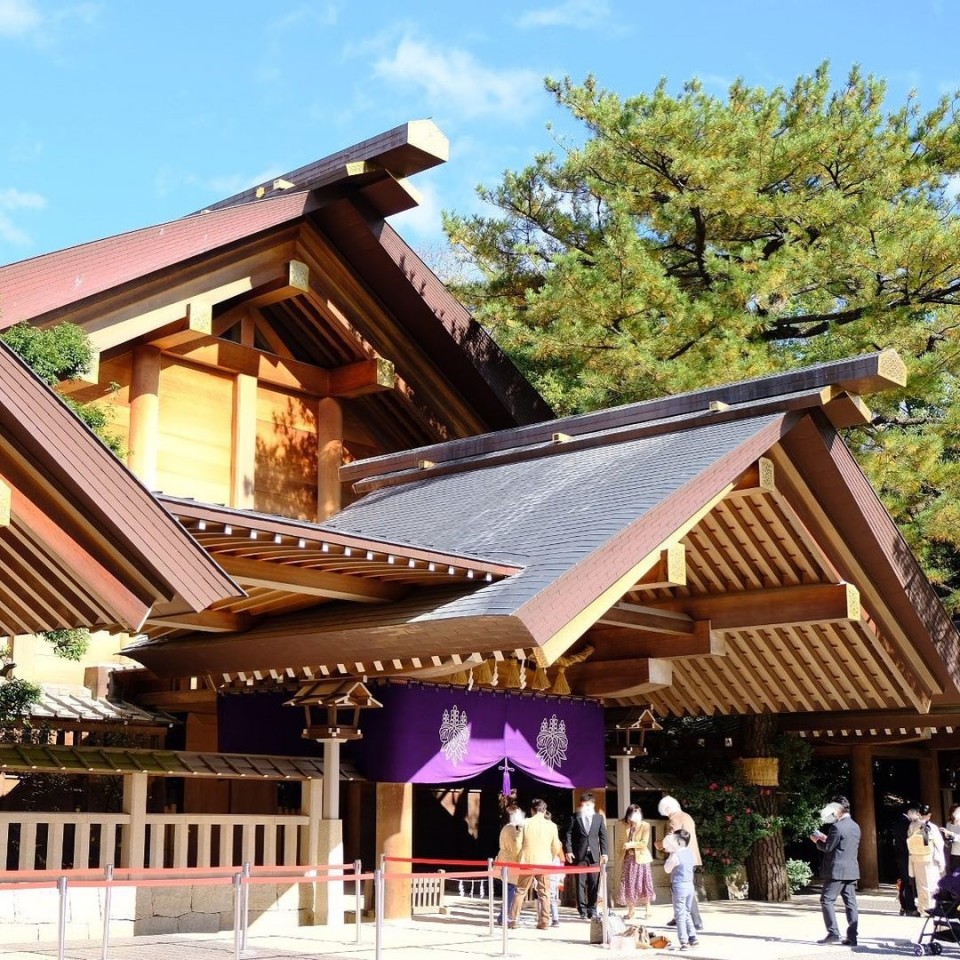 photo by @tumajiro
Atsuta Jingu is one of the largest shrines in Aichi and one of the most important in Japan. It enshrines the Kusanagi sword, one of the Three Sacred Treasures of the imperial regalia, and has long been ranked second only to Ise Jingu. Locals affectionately call it Atsuta-san. Its grounds cover a forested hill of nearly 200,000 square meters in the middle of Nagoya, giving the shrine a calm, solemn atmosphere.
Good to know
- Japanese name
- 熱田神宮
- Address
- 愛知県名古屋市熱田区神宮In Japanese, to show a taxi driver or type into a map app.
- Nearest station
- Jingu-mae Station
- Access
- About 3 minutes on foot from Jingu-mae Station (Meitetsu Nagoya Line)
- Hours
- Open 24 hours (amulet office and treasure hall 9:00–16:30)
- Admission
- Free (treasure hall: adults ¥300, children ¥150)
- Official website
- atsutajingu.or.jp/jingu
Hours and prices can change. Check the official website before you go.
The main shrine and grounds
The origins of the shrine are traced to the legendary hero Yamato Takeru and the Kusanagi sword. Over the centuries Japan's rulers honored it: Minamoto no Yoritomo and Ashikaga Takauji donated swords, and Oda Nobunaga donated an earthen wall in 1560.
The main shrine is dedicated to Atsuta no Okami, identified with the sun goddess Amaterasu. The next largest hall, Hakkengu, stands near the south gate. Across the wide grounds there are many smaller shrines to deities such as Susanoo and Yamato Takeru, so take time to walk the forest paths rather than heading straight to the main hall and back.
Treasure hall and rest stops
The Bunkaden building houses the treasure hall, with about 6,000 items including national treasures and important cultural properties. Exhibits rotate every month. The shrine also has a rest house, souvenir shops and tea houses, and amulets and charms are sold at the office to the right of the main shrine.
Etiquette and rules
Rinse your hands and mouth at the temizuya purification fountain, and walk to the side of the approach, since the center is for the gods. To pray, bow twice, clap twice, then bow once more.
Photography, eating and phone use are not allowed in the most sacred inner areas. Pets are not allowed, smoking is limited to designated areas, and you should not tie omikuji fortunes to tree branches or photograph other worshippers without permission.
Getting there
Jingu-mae Station on the Meitetsu Nagoya Line is closest to the east gate, the busiest entrance. JR Atsuta Station also serves the east gate, while Temmacho Station on the Meijo subway line is nearest the main south gate and Jingu-nishi Station the west gate. All are within about five minutes on foot. Free parking is available near the gates but fills up on weekend afternoons.
Nearby
 Tsuruma Park3.5km
 Osu Giant Maneki-neko3.6km
 Osu Shopping Street3.9km
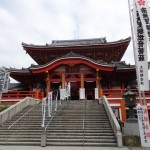 Osu Kannon3.9km
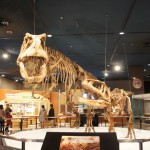 Nagoya City Science Museum4.5km
 Antarctic Research Ship Fuji4.7km
Featured in these guides
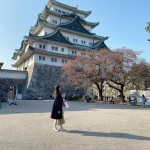 Nagoya: 40 Best Places to Visit, from Nagoya Castle and Atsuta Jingu to Osu40 placesNagoya is one of Japan's biggest cities, yet many visitors don't know how much it has to see. Alongside its famous…Aichi and Nagoya: 31 Best Places to Visit, from Classic Sights to Quirky Hidden Gems31 placesAichi Prefecture, with Nagoya at its heart, is full of things to see, from Nagoya Castle to the city's own style of…
Recently viewed
More in Aichi
 Momotaro ShrineShinto shrine
 Higashiyama Zoo and Botanical GardensZoo and garden
 Sanko Inari ShrineShinto shrine
 SakushimaArt island
 Port of Nagoya Public AquariumAquarium
 Little World Museum of ManOpen-air museum
 Oasis 21Urban park complex
 Kissa MountainCafe
 Togan-ji TempleBuddhist temple
 Laguna Ten BoschResort theme parkNagoya CastleCastle
 Nagoya TV TowerObservation tower