
Aichi and Nagoya: 31 Best Places to Visit, from Classic Sights to Quirky Hidden Gems
31 places · Japanese version
Aichi Prefecture, with Nagoya at its heart, is full of things to see, from Nagoya Castle to the city's own style of food. This guide covers the popular classics as well as quirky places many visitors have not heard of yet, good for a family trip, a date or a photo walk. It starts in Nagoya, moves to Inuyama and the towns around the city, then heads east to the Mikawa region and south to the pottery town of Tokoname.
Nagoya
Nagoya Castle Naka Ward, Nagoya
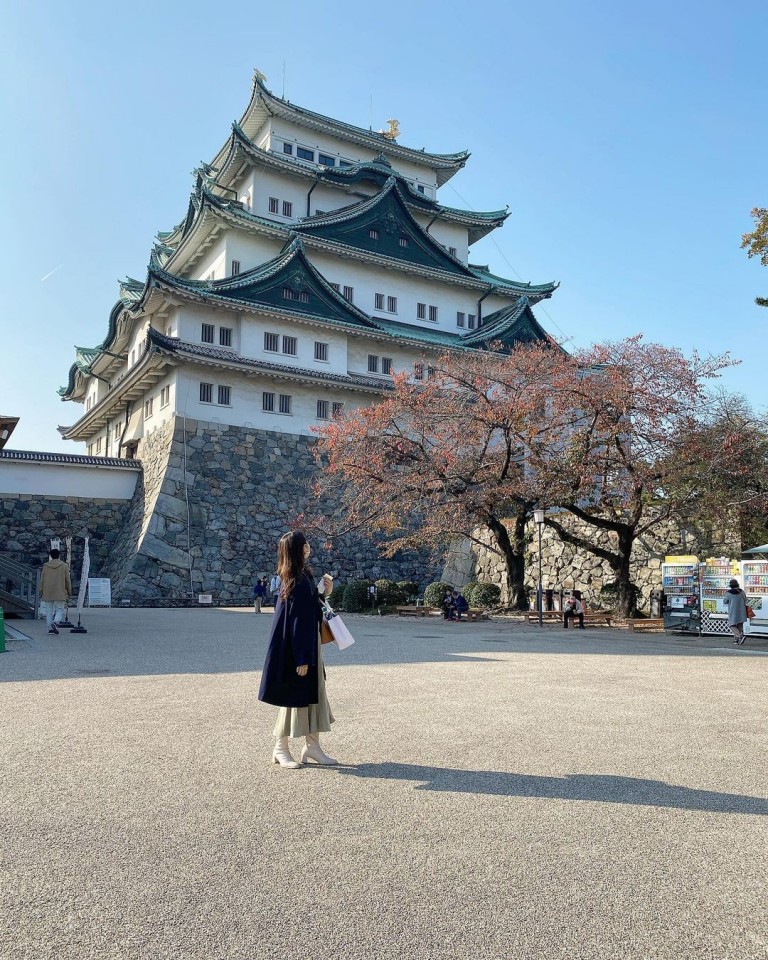
Nagoya Castle is a national Special Historic Site and one of Japan's 100 Fine Castles, nicknamed Kinshachi-jo after the golden shachihoko, mythical fish, on its keep. Do not miss the Hommaru Palace, rebuilt with precious woods such as hinoki cypress and richly decorated. Look for the Kiyomasa Stone, about 2.5 meters tall and 6 meters wide, set in the walls, relax in the dry-landscape Ninomaru Garden, and try Nagoya food at Kinshachi Yokocho.
Higashiyama Zoo and Botanical Gardens Chikusa Ward, Nagoya
This large zoo and botanical garden is split into several parts. The zoo has one of Japan's biggest Asian elephant houses, a walk-in Bird Hall with no fence between you and the birds, and lions and gorillas. The botanical garden grows about 7,000 kinds of plants; see the greenhouse, an Important Cultural Property, a gassho-style farmhouse moved from Shirakawa in Gifu, and the rose garden. There is even a small amusement park with a merry-go-round and a roller coaster.
Nagoya City Science Museum Sakae, Nagoya
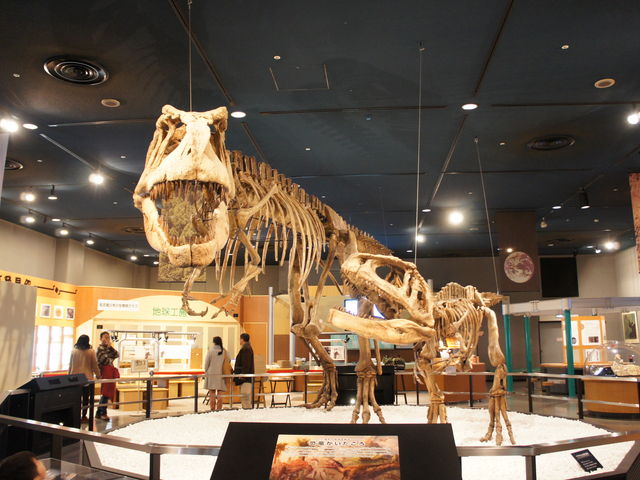
Science museums can sound dull, but this one is fun for all ages. The planetarium has a huge 35-meter dome and 350 reclining seats that also turn 30 degrees left and right, so it feels like lying on the grass under real stars. The Electric Discharge Lab sets off loud, violent sparks, and the Tornado Lab creates a whirl of air 9 meters tall. It is about five minutes on foot from Fushimi Station.
Nagoya TV Tower Sakae, Nagoya
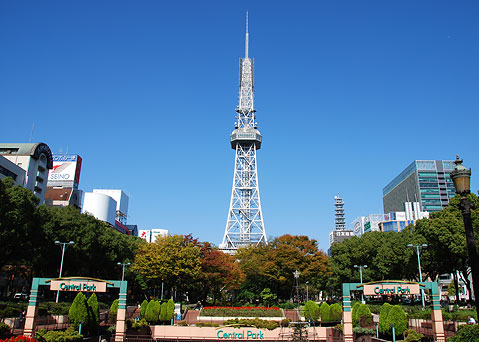
Said to be the first central broadcasting tower completed in Japan, the tower stands about 180 meters tall, roughly half the height of Tokyo Tower. More than 10,000 LEDs make it sparkle at night. The Sky Walk has 245 steps, and from the Sky Balcony, a registered tangible cultural property, you can see mountains such as Ontake and Hakusan by day and the city lights at night. Oasis 21 is close by.
Port of Nagoya Public Aquarium Minato Ward, Nagoya
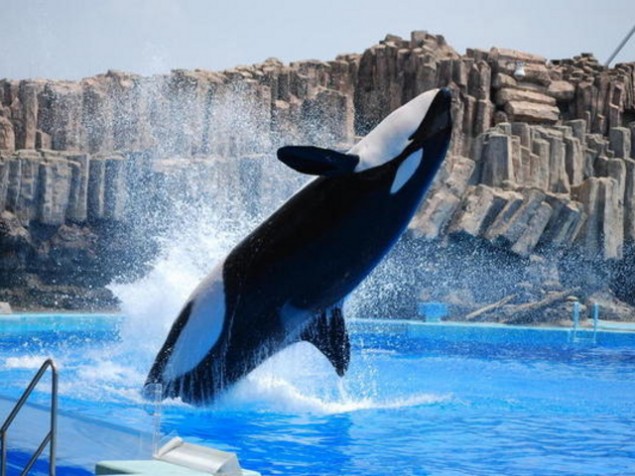
One of the largest aquariums in Japan by floor area, it is so big that seeing it all in a day means arriving early. The South Building has drifting jellyfish, a deep-sea gallery and a huge penguin tank with seats in front, where you can watch Gentoo and Adelie penguins. The North Building has orcas, spotted seals and belugas, which few aquariums in Japan keep. It is five minutes on foot from Nagoyako Station.
Tsuruma Park Showa Ward, Nagoya
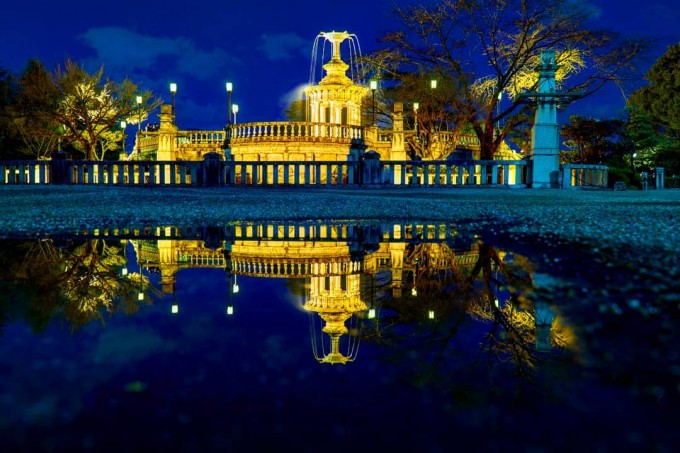
Tsuruma Park is a registered scenic site and one of Japan's 100 best places for cherry blossoms. Cosplayers and photographers love its Western-style fountain tower and the Sogakudo, an Italian Renaissance-style bandstand with Art Nouveau touches, first built for a Meiji-era exposition. Roses bloom here too, and the drunken hibiscus, whose flowers turn from white in the morning to pink and then red by evening, draws crowds from August to October.
Osu Kannon Osu, Nagoya
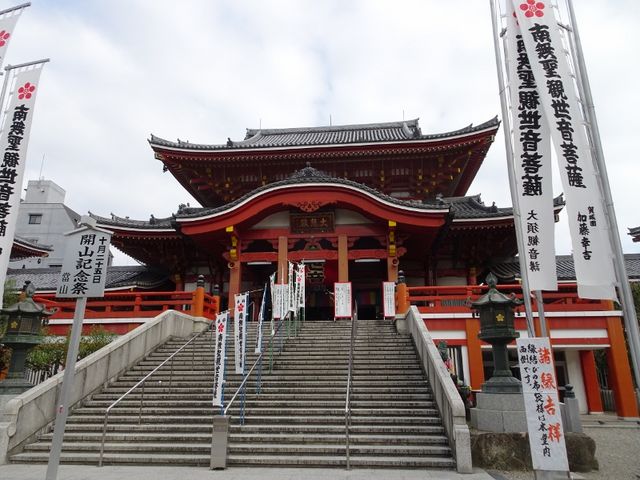
Formally named Kitanosan Shinpukuji Hoshoin, this Shingon temple is counted among Japan's three great Kannon temples. See the main hall, rebuilt in 1970 after burning down twice, the Nio Gate with its guardian statues, the bell tower, and the Fumonden with guardian deities of the zodiac. There is also a hall for traffic-safety blessings for cars and a mound for old teeth. Afterward, snack your way along the Osu shopping streets next door.
Oasis 21 Sakae, Nagoya
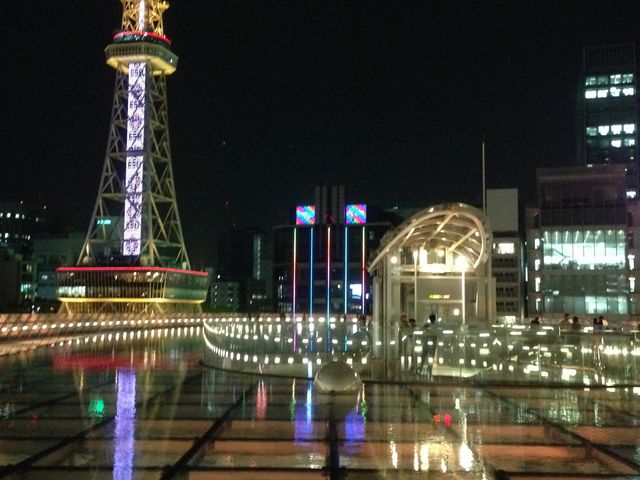
Oasis 21 combines a park, shops and a bus terminal. The Galaxy Platform is an airy plaza under a glass roof, the Green Earth is covered in soft lawn, and the Spaceship-Aqua is a raised walkway 14 meters above ground. At night the Spaceship-Aqua glows with lights. Fashion and lifestyle shops and many places to eat make it a handy stop, especially if you arrive by bus. It is right by Sakae Station.
LEGOLAND Japan Kinjo Futo, Nagoya
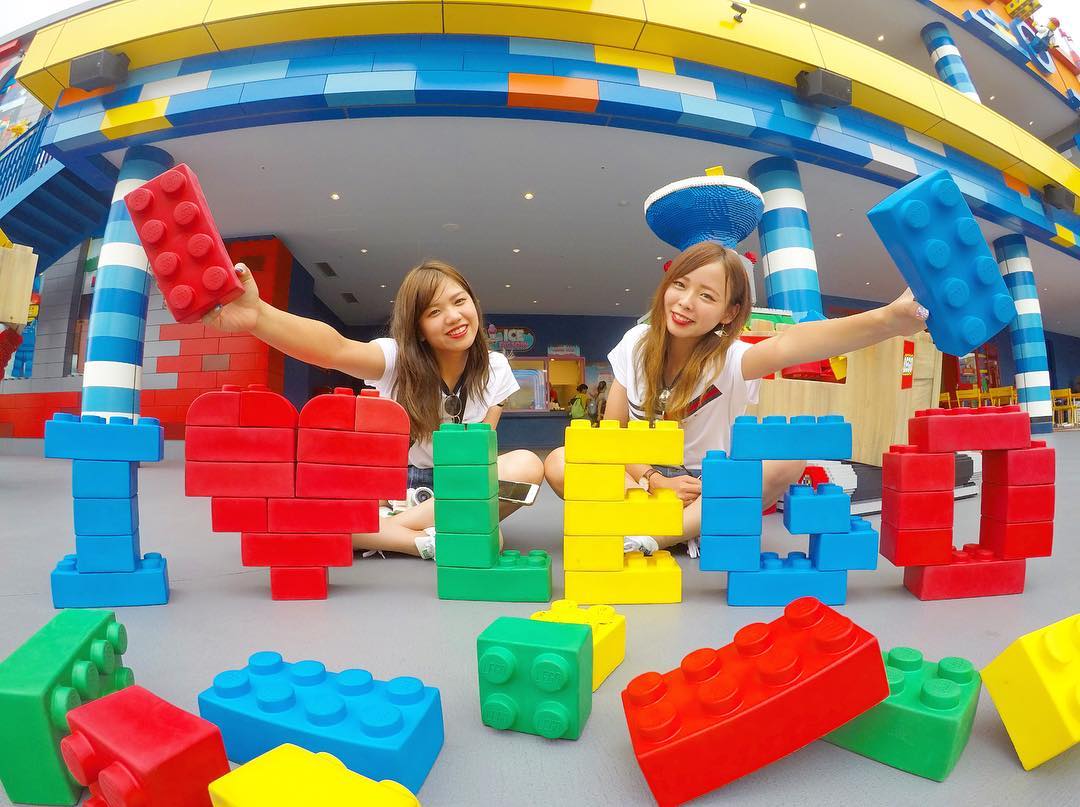
LEGOLAND Japan may look like a place just for children, but adults have fun too. The park has seven areas, from the Factory, where you learn how LEGO bricks are made, to LEGO City, with rides such as the Observation Tower. There are plenty of restaurants, and if you stay the night, the LEGOLAND Japan Hotel has playful, photogenic rooms. It is right by Kinjo-futo Station.
Nana-chan Doll Nagoya Station
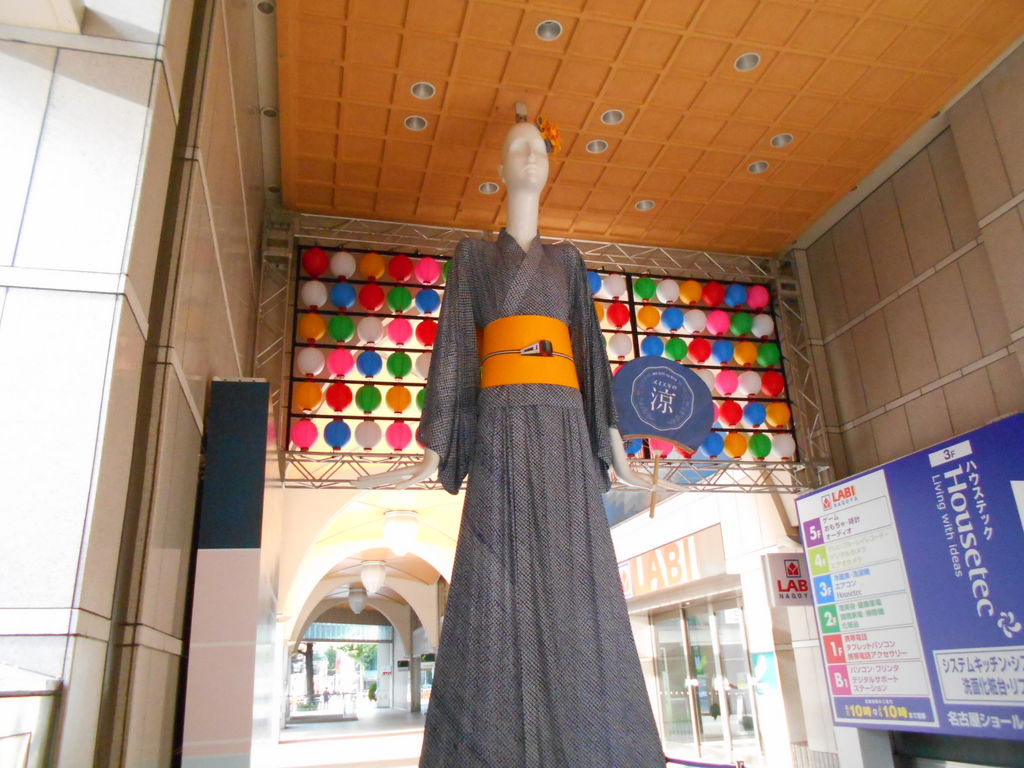
Nana-chan is a giant mannequin, 6.1 meters tall, in front of the Meitetsu Department Store Men's Building by Nagoya Station, and a favorite meeting spot for locals. Her outfit changes with the seasons and events: she has worn a Chunichi Dragons uniform, swimsuits, dresses and even strings of Christmas lights. She is sometimes moved for events. Seeing her is free, and the department store is good for food and shopping.
Atsuta Jingu Atsuta Ward, Nagoya
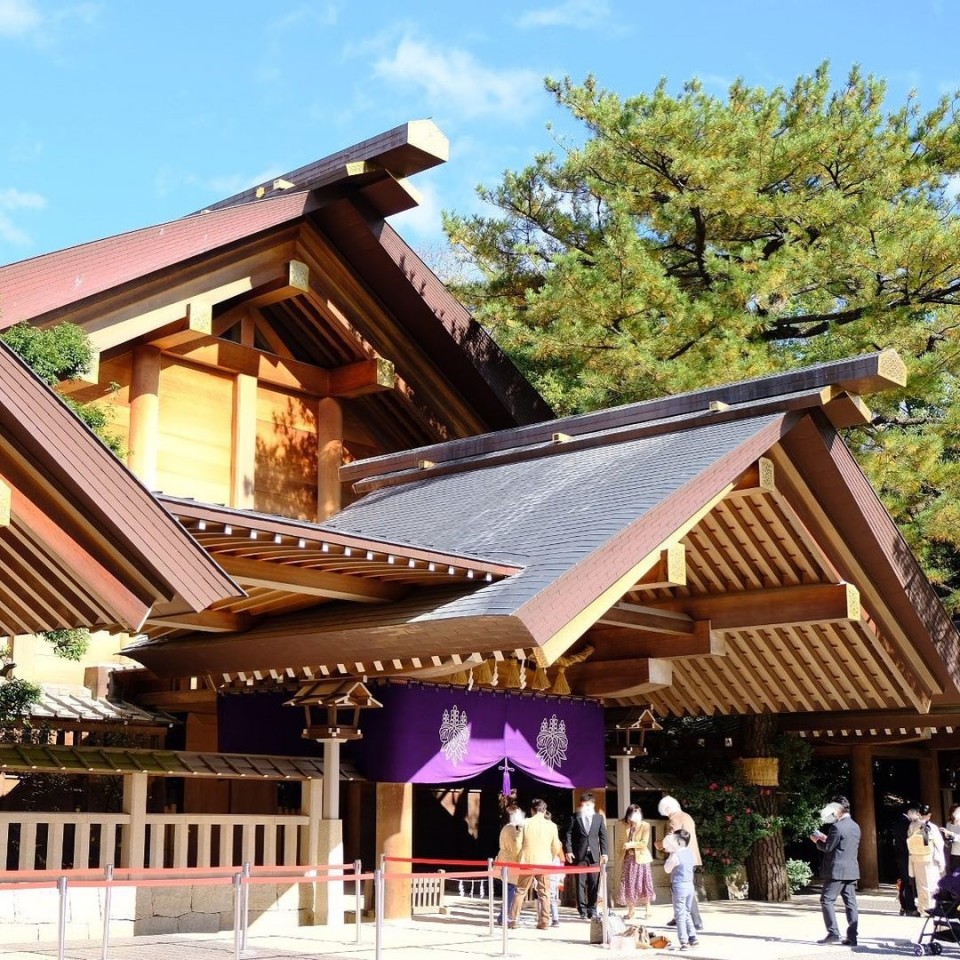
Atsuta Jingu enshrines the Kusanagi sword, one of the three sacred treasures of Japan. Pray first at the main shrine. Ichinomisaki Shrine, home to the rough spirit of the sun goddess Amaterasu, is held to be especially sacred. At Shimizu-sha, a spring is said to bring beautiful skin and eyes; ladle water onto the rock three times to make a wish. Near the purification fountain, a great camphor tree is said to bring money luck if you spot its snake.
Arimatsu Midori Ward, Nagoya
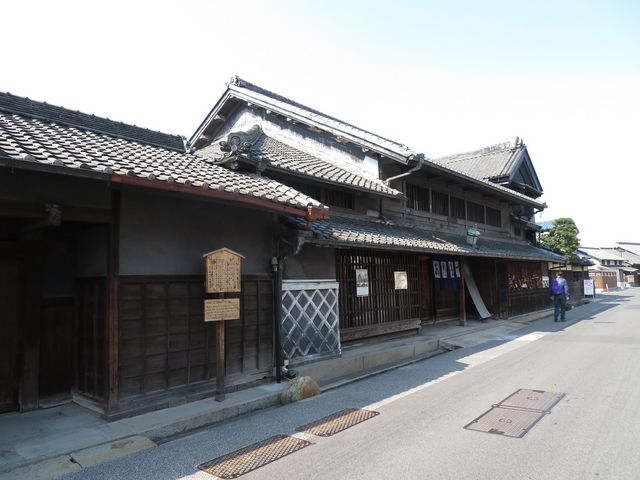
Arimatsu was a tea-house village on the old Tokaido road between the Chiryu and Narumi post towns, and grew rich making shibori tie-dye. Its Edo-period streets, a national preservation district, have firewalls, tiled roofs, plastered walls and slatted windows, with old houses such as the Kozuka, Oka and Takeda residences. Shibori shops sell hand towels and more, there are cafes to match the town, and guides can show you around.
Noritake Garden Nishi Ward, Nagoya
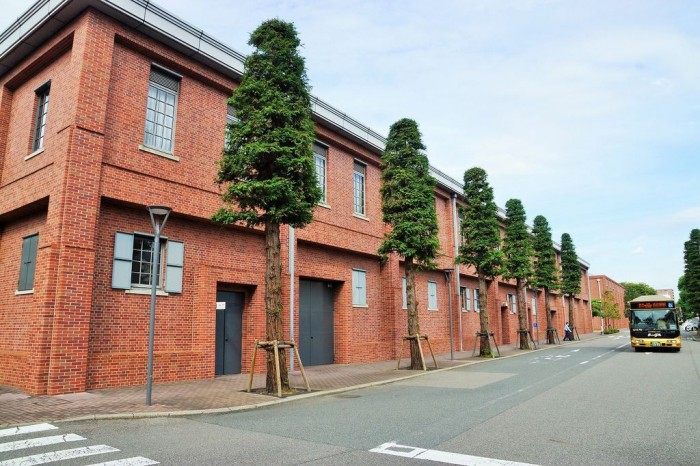
Noritake is one of the world's largest makers of fine porcelain and grindstones. Its garden complex has a welcome center on the company's history, a craft center, a gallery of ceramics, paintings and sculpture, a biotope and six 8-meter chimneys, the remains of a tunnel kiln covered in greenery. Shop for tableware, eat at the restaurant, or paint your own mug or plate on the craft center's second floor. It is five minutes from Kamejima Station.
Nagoya City Archives Higashi Ward, Nagoya
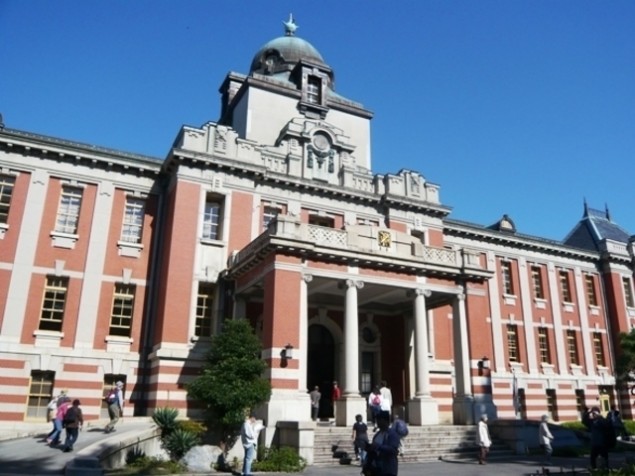
This red-brick public archive is an Important Cultural Property and a quiet favorite for photos. The neo-Baroque central staircase is symmetrical and rises through an open space from the second to the third floor, almost like a fairy-tale palace. At the top, a large stained glass window fills the hall with light on sunny days, and four black columns have a marble-painted finish. The cafe inside serves Nagoya-style ogura toast.
Kissa Mountain Showa Ward, Nagoya
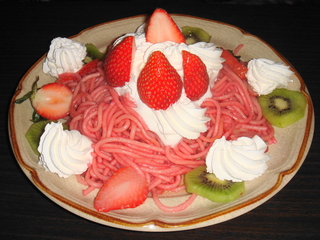
This cafe has been open for over 50 years and is famous for strange dishes such as sweet matcha spaghetti with red beans and whipped cream, melon-bread pasta and strawberry pasta. There are savory choices too, like a sukiyaki-style stewed pasta and miso-stewed pasta. Portions are huge: finishing your plate counts as reaching the summit, leaving food means getting lost on the mountain. Come hungry. It is about eight minutes on foot from Yagoto-Nisseki Station.
Inuyama, Nagakute and around Nagoya
Moricoro Park Nagakute
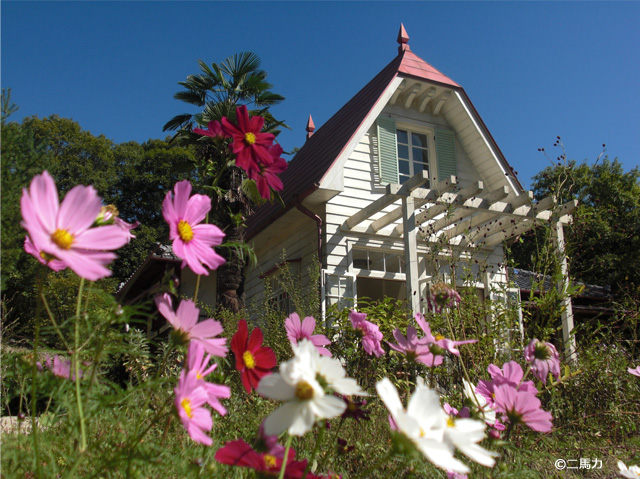
This large prefectural park was the site of the 2005 World Expo. Its star is Satsuki and Mei's House, a faithful copy of the sisters' home in the Ghibli film My Neighbor Totoro; visits are by reservation. You will also find a tea house, a children's play area themed on forest, water and wind, a cycling course with rental bikes, a heated pool, an ice rink and a big Ferris wheel, with flowers through the seasons.
Japan Monkey Centre Inuyama
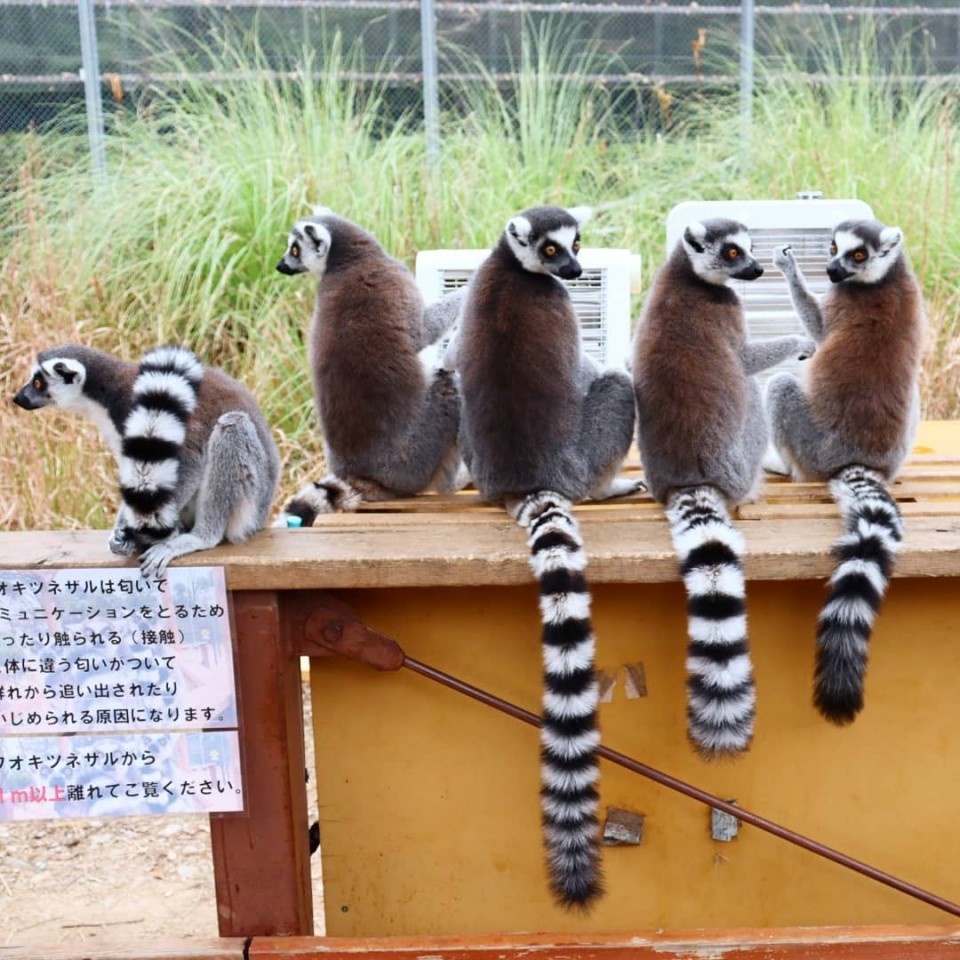
This zoo devoted to primates has about 900 animals of around 60 species, a rare collection worldwide. The Madagascar House has three kinds of lemurs, the South America House has monkeys from Central and South America, and the Africa Center has western gorillas, chimpanzees and nocturnal slow lorises. The Kids Zoo adds dogs, goats, tortoises, rabbits and lizards, some of which you can touch, and events include monkeys warming themselves by a bonfire.
Aichi Bokujo Nisshin
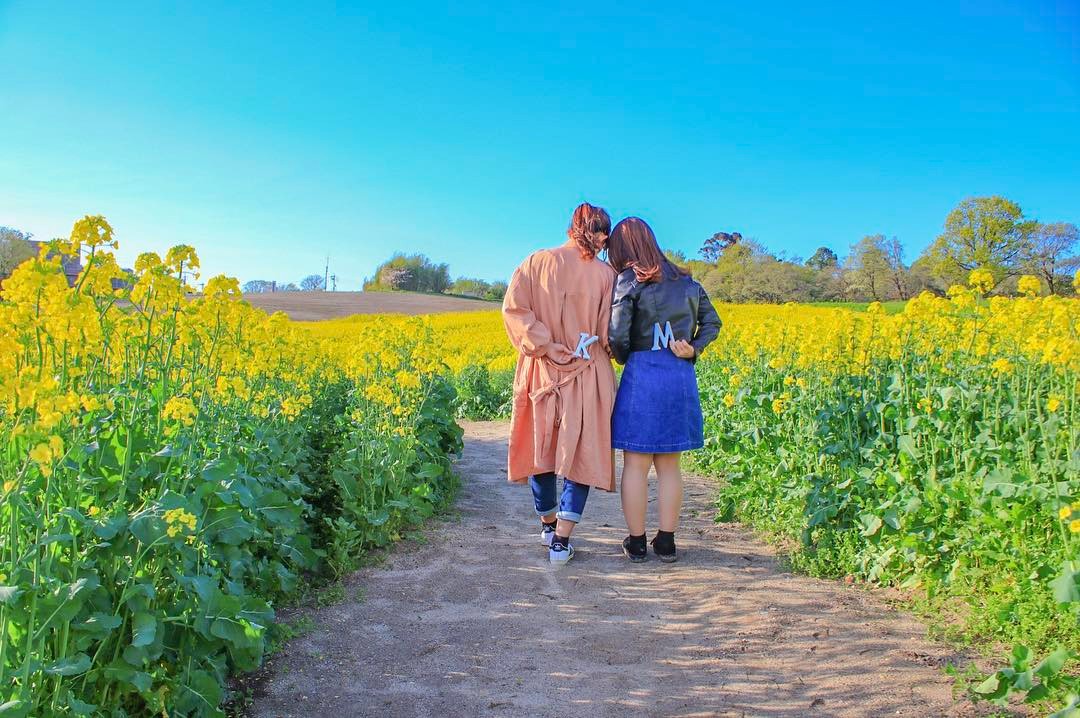
At this farm you can ride ponies and thoroughbreds, take riding lessons, make butter, sausages or ice cream, milk a cow and feed the animals. The animal plaza has sheep, goats, rabbits, guinea pigs, donkeys and pigs to touch, plus ducks, maras and peacocks. Wander a seasonal flower maze of sunflowers or cosmos, dig potatoes, ride a tractor or have a barbecue. It is about ten minutes on foot from Kurozasa Station.
Meiji Mura Inuyama
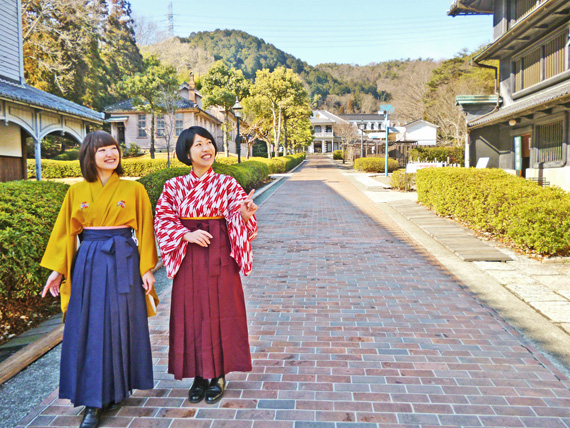
This open-air museum gathers more than 60 buildings from the Meiji era on about one million square meters, including St. John's Church, the main entrance of the old Imperial Hotel, and the house where Mori Ogai and Natsume Soseki lived. You can go inside. The Romanesque church glows when the evening sun hits its stained glass. Ride the old Kyoto streetcar or steam train, rent period costume for photos, and stop at the Imperial Hotel tea room.
Little World Inuyama

Little World is an open-air museum of houses and food from around the world. Part of it lies across the border in Gifu Prefecture, marked by a sign. Walk into an Ainu house from Hokkaido, a house from Ishigaki, a Balinese noble's home, a Bavarian village and the trulli of Alberobello, all of them storybook-pretty. Rent a traditional costume for photos and try dishes such as Indonesian food.
Mama Kannon Komaki
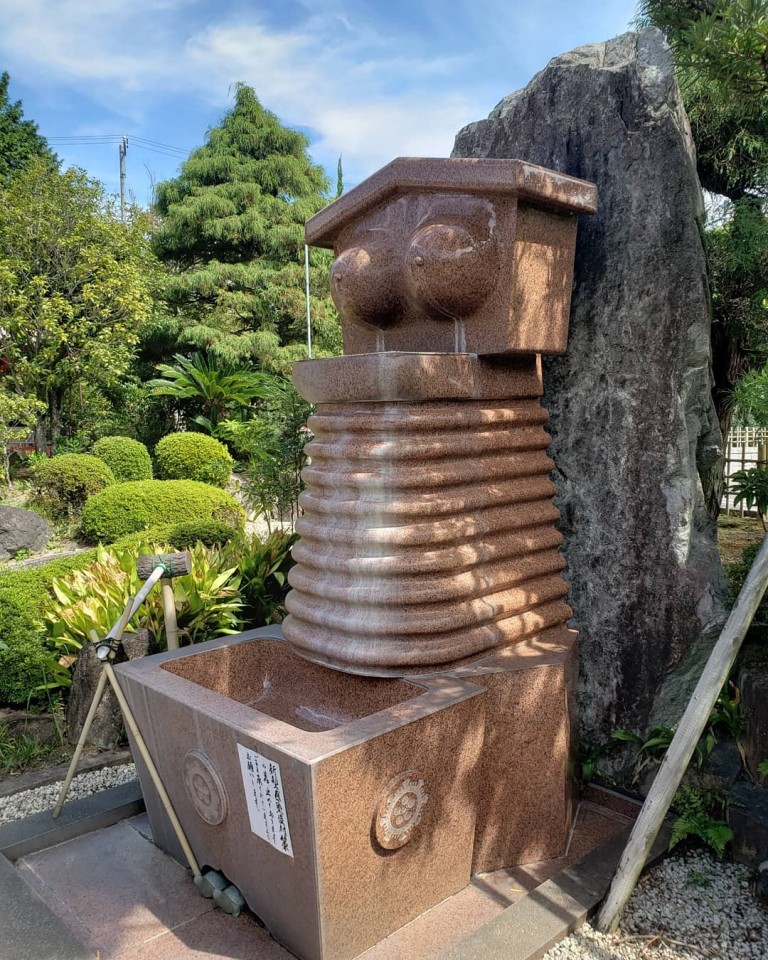
Officially Ryuon-ji, a Pure Land temple, Mama Kannon is visited by mothers praying for breast milk, and it may be the only temple in Japan so closely tied to nursing. Even the purification basin is shaped like a breast, and the votive plaques and charms follow the theme, with a face-in-hole board for a souvenir photo. It is busy with women and expectant mothers every day, so expect crowds.
Sanko Inari Shrine Inuyama
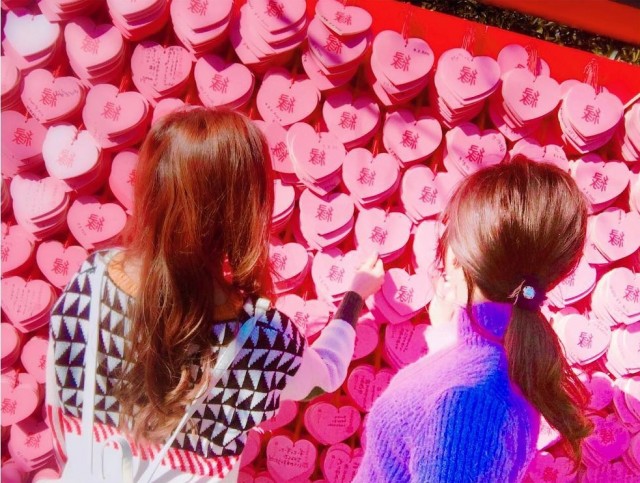
Sanko Inari is famous for its wall of pink, heart-shaped votive plaques, a favorite photo spot that is busy at any time. It is popular for matchmaking; women often pray at the small Himegame Shrine. At Zeniarai Inari, money washed here is said to come back many times over. Look in front of the Sarutahiko Shrine too, where fallen leaves are swept into a heart. It is about 12 minutes on foot from Inuyama-yuen Station.
Momotaro Shrine Inuyama
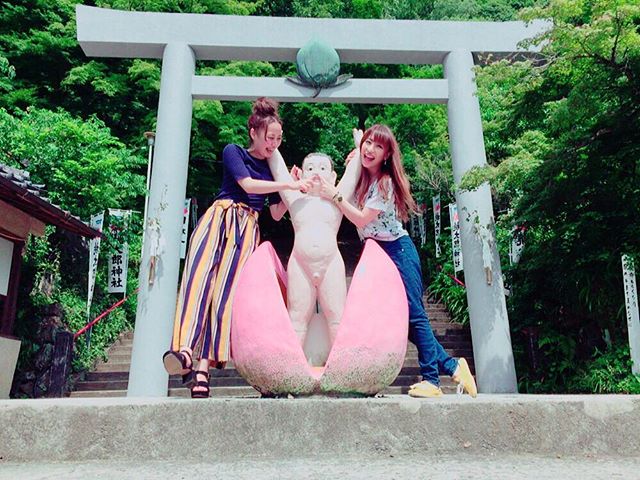
Legend says the folk hero Momotaro, the Peach Boy, was born by the Kiso River in Inuyama. The shrine prays for safe childbirth and healthy children, and passing through its peach gate is said to bring a life of 100 years. Colorful statues of his dog, monkey and pheasant line the grounds, along with Momotaro bursting from his peach and a peach-shaped torii. Quirky and very photogenic, though a little eerie when empty at dusk.
Eastern Aichi: Toyota, Gamagori and Toyohashi
Korankei Gorge Asuke, Toyota
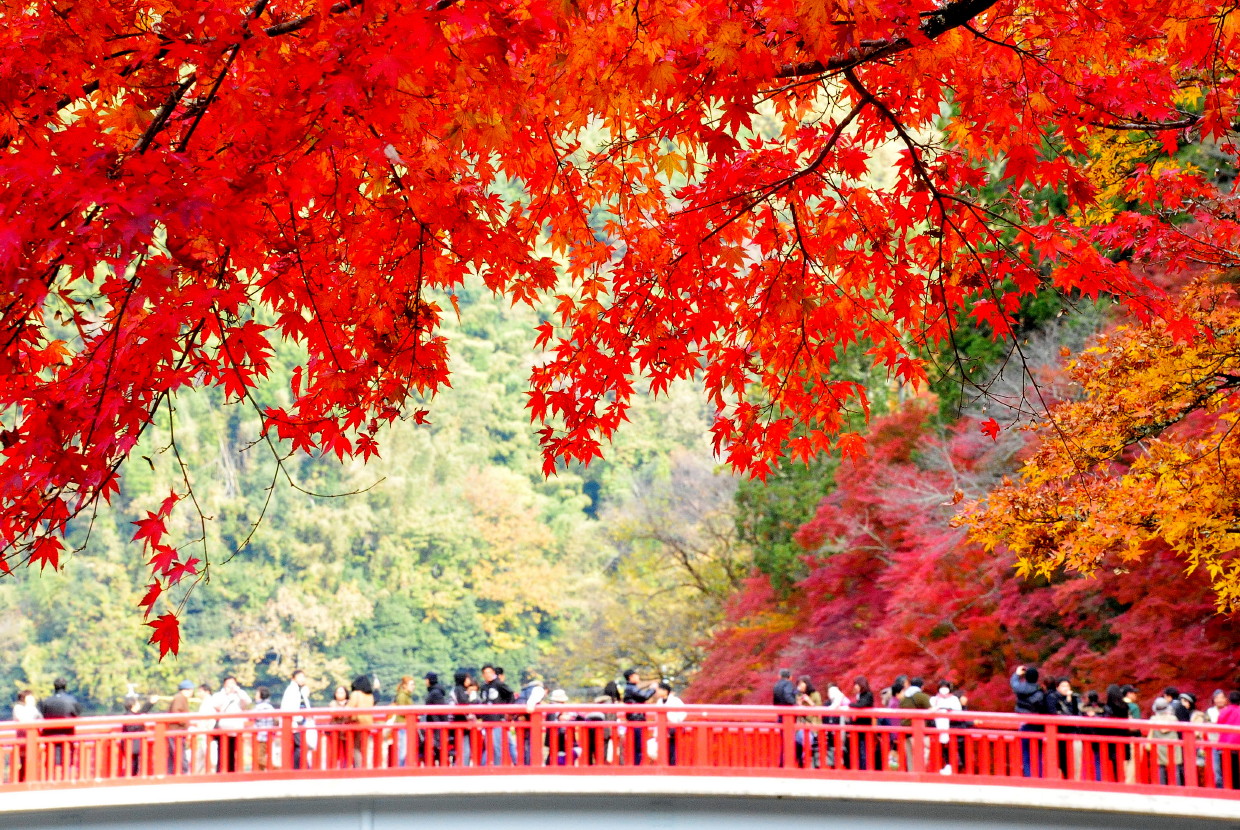
Korankei is a gorge on the Tomoe River in Aichi Kogen Quasi-National Park, best known for about 4,000 maples of 11 kinds that draw visitors from all over Japan in autumn, with evening light-ups. From mid-March to early April, purple katakuri lilies carpet the slopes, summer is fresh green and winter brings snow. The red Taigetsu Bridge stands out against the hills, and Asuke Hachimangu serves rice porridge on January 7.
Laguna Gamagori Gamagori
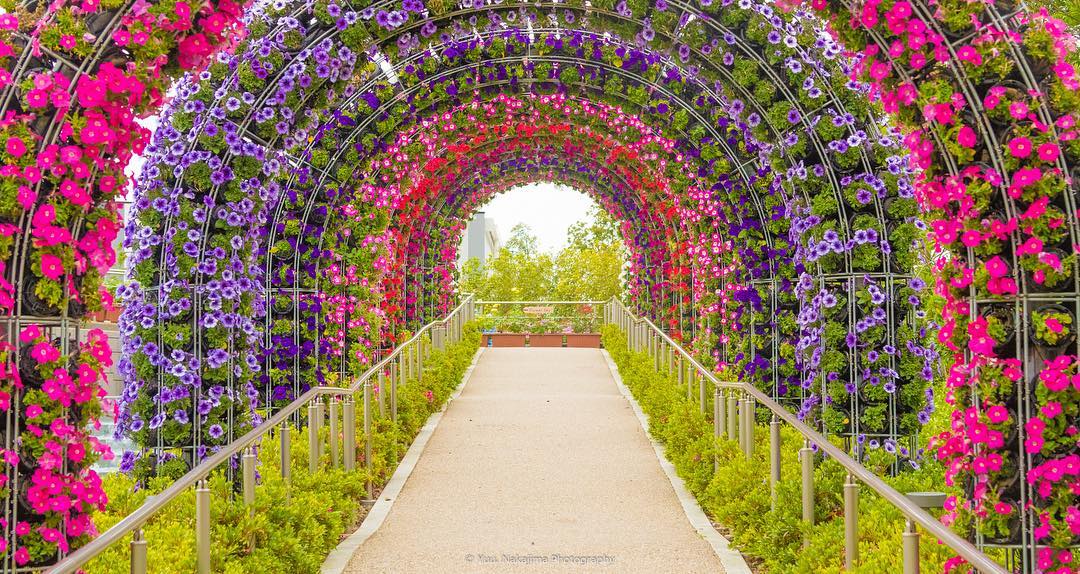
Also called Laguna Ten Bosch, this seaside resort can fill a whole day. Lagunasia has rides for children and adults, Festival Market has shops and restaurants, Laguna no Yu is a natural hot spring, and Thalgo Laguna offers thalassotherapy. At the Henn na Hotel, a multilingual robot T. rex handles check-in. There are illuminations in some seasons. Free shuttle buses run from Gamagori Station.
Takeshima Aquarium Gamagori
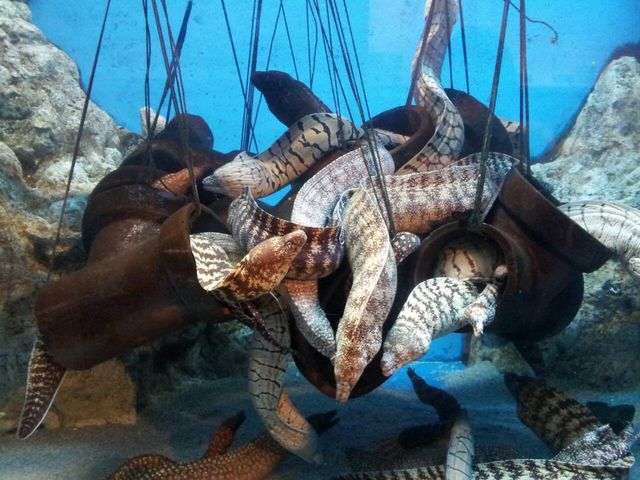
This small, old aquarium has no giant tanks, yet it has won fans across Japan for its funny handwritten signs by the keepers, including a corner where staff report how the fish tasted. A deep-sea touch pool lets you handle giant isopods, and there are relaxed sea lion and capybara shows. The shop even sells giant isopod crackers. It is about 15 minutes on foot from the south exit of Gamagori Station.
Nonhoi Park Toyohashi
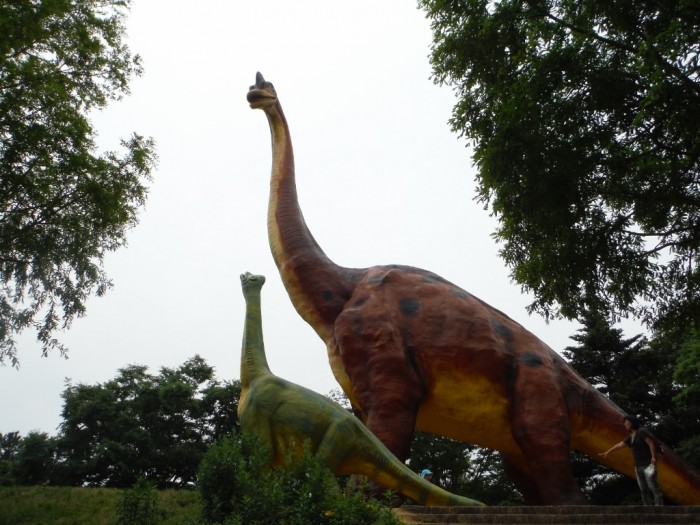
Officially the Toyohashi Zoo and Botanical Park, Nonhoi Park combines a zoo, botanical garden, amusement park and natural history museum. About 900 animals of 130 species include giraffes, lions and polar bears, which dive powerfully in the polar animal house. The tropical greenhouse has cacti and a Monet-themed water lily corner, and the museum shows a real Edmontosaurus among 12 full dinosaur skeletons. It is six minutes on foot from JR Futagawa Station.
Takeshima Island Gamagori
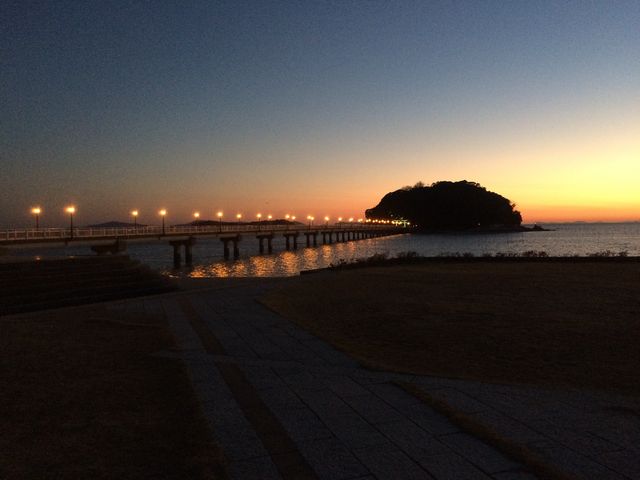
Takeshima, a small island in Mikawa Bay about 90 minutes from Nagoya, is joined to the shore by the 387-meter Takeshima Bridge. Crossing without looking back is said to bring luck in love, and sunsets from the bridge are superb. On the island, Yaotomi Shrine, one of Japan's seven great Benzaiten shrines, is popular for love, safe childbirth and good fortune. A lookout above the sea waits on the way down.
Gamagori Orange Park Gamagori
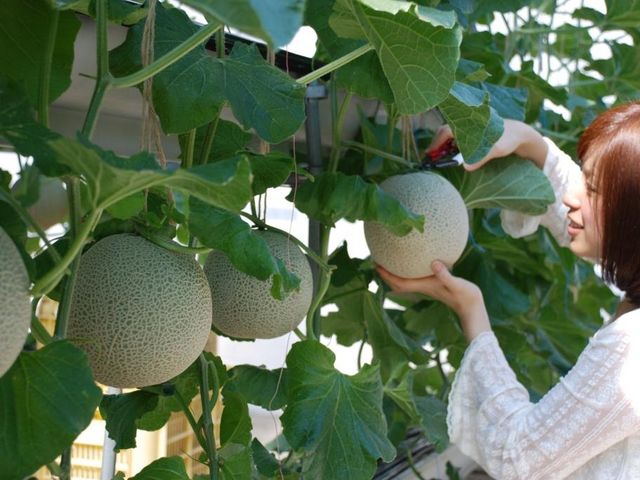
Gamagori Orange Park makes fruit picking easy. Pick clean strawberries grown on raised beds, juicy muskmelons from the greenhouse, Delaware and Kyoho grapes, and Gamagori's own mandarin oranges. Inside you can drink freshly squeezed mandarin juice and seasonal fruit ice cream, eat at a big restaurant with about 1,000 seats, and browse local specialties. It is about 15 minutes by car from Gamagori Station.
Otaki Gorge Toyota
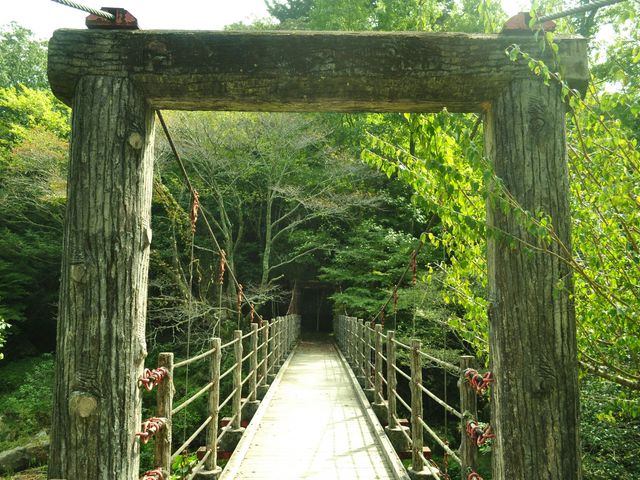
Otaki Gorge, along the Nio River, is nicknamed the Shosenkyo of Tokai and is about an hour from Nagoya by expressway. It is popular with visitors from outside the prefecture as well as locals. Highlights include a plum grove, suspension bridges such as the Nakanose Ohashi, and a 90-meter bridge across Lake Otaki.
Tokoname on the Chita Peninsula
Yakimono Sanpomichi Pottery Footpath Tokoname
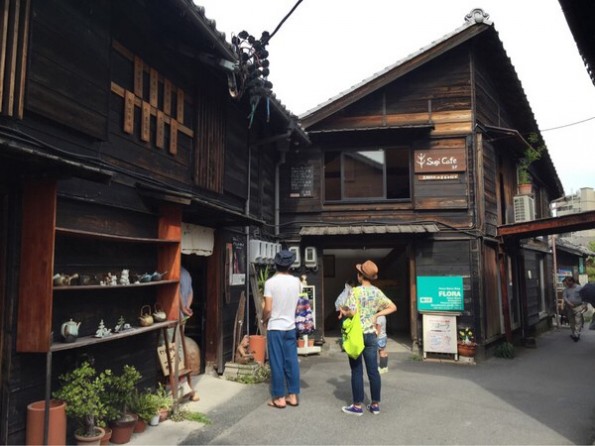
Tokoname is home to one of Japan's Six Ancient Kilns and known for beckoning cats. The footpath starts at the ceramics hall about ten minutes on foot from Tokoname Station. Course A, about 1.6 km and an hour, passes brick chimneys, kilns, black-walled workshops and slopes lined with pottery shards. Course B, about 4 km and two and a half hours, includes the INAX Live Museum. Do not miss Tokonyan, a giant beckoning cat.
The places on a map
Hours, prices and events change. Check each place's official website before you go.
More travel guides
 Tokyo Sightseeing by Area: 40 Classic Sights and Lesser-Known Spots from Asakusa to Odaiba40 placesTokyo has much more to see than Skytree, Tokyo Tower and Asakusa. This guide works through six of the city's main…
 Nagoya: 40 Best Places to Visit, from Nagoya Castle and Atsuta Jingu to Osu40 placesNagoya is one of Japan's biggest cities, yet many visitors don't know how much it has to see. Alongside its famous…
 Chichibu: 40 Best Places to Visit, from Nagatoro River Boats and Mitsumine Shrine to Moss Phlox and Icicles40 placesChichibu, the largest city in Saitama Prefecture, is about 90 minutes from central Tokyo. Most of the area is national…
 Niigata Prefecture: 40 Best Places to Visit, from Classic Sights to Hidden Gems40 placesNiigata Prefecture stretches a long way from north to south, and each area has its own scenery, climate and food. The…
 Nagasaki Prefecture: 40 Best Places to Visit, from Unzen Hot Springs to Hirado and Nagasaki City40 placesNagasaki grew up as a port open to the outside world, and the culture of those days still shapes its streets, churches…
 Fukuoka Prefecture: 40 Places to Visit in Kitakyushu, Chikuho and Around Fukuoka City40 placesFukuoka Prefecture is roughly divided into four areas, Kitakyushu, Chikuho, Fukuoka and Chikugo, and each has its own…