
Nagasaki Shinchi Chinatown
Chinatown · Nagasaki, Nagasaki
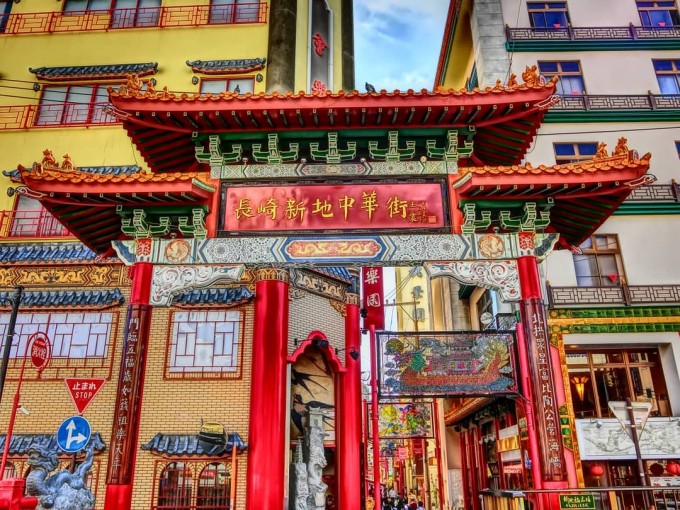 photo by @taka._.0909
Nagasaki Shinchi Chinatown is counted among Japan's three great Chinatowns, along with those in Yokohama and Kobe. It is smaller than the other two, packed into a cross of stone-paved streets about 250 m long each way, where around 40 restaurants, Chinese sweet shops and goods stores stand side by side. Come hungry: alongside Chinese dishes you can try Nagasaki specialties such as champon and sara udon, and the street food is easy to graze on.
Good to know
- Japanese name
- 長崎新地中華街
- Address
- 長崎市新地町In Japanese, to show a taxi driver or type into a map app.
- Nearest station
- Shinchi Chinatown tram stop (Nagasaki Electric Tramway)
- Access
- Right by Shinchi Chinatown tram stop
- Hours
- Varies by shop; generally around 10:00–22:00
- Admission
- Free (food and shopping extra)
- Official website
- nagasaki-chinatown.com
Hours and prices can change. Check the official website before you go.
A little history
Shinchi means new land. In the Edo period, the sea in front of the Tojin Yashiki, the Chinese quarter, was filled in to build warehouses for cargo from Chinese ships. After the Meiji Restoration, when the Chinese quarter and the warehouses were abolished, Chinese residents moved to Shinchi, and a Chinatown unique to Nagasaki took shape. The stone paving of the cross-shaped streets was laid with help from Fujian Province in China.
What to eat
Sara udon and champon are Nagasaki's two great noodle dishes. Sara udon comes either as crispy fried thin noodles or as stir-fried thicker champon noodles, topped with a hot, thick sauce, and each restaurant has its own take. Kozanro is known for its sara udon, and its premium champon comes with shark fin and meatballs. Kairakuen, founded in 1927, is credited with the blend of 7 parts chicken stock to 3 parts pork bone stock that became Nagasaki's standard soup, and it also serves hatoshi, minced shrimp sandwiched in bread and deep-fried.
Street food and sweets
The classic snack is tonporo, Chinese-style pork belly braised with spices such as star anise until meltingly soft, tucked into a fluffy bun. Eating it this way is said to have started in Nagasaki, and Iwasaki Honpo sells it as the Nagasaki kakuni manju. Chimaki, sticky rice dumplings, are another favorite with a great balance of flavor and chewiness. For something sweet, Futabaya, an old Japanese confectioner, sells seasonal fruit daifuku and an orange loquat soft-serve that is perfect for eating as you walk.
Nearby
 Dejima348m
 Fukusaya Castella Main Store382m
 Nagasaki Dejima Wharf517m
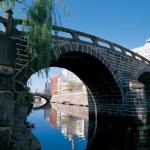 Meganebashi Bridge775m
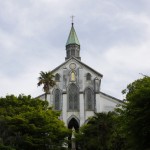 Oura Church949m
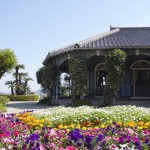 Glover Garden1.0km
Featured in these guides
Recently viewed
More in Nagasaki
 Nagasaki Penguin AquariumAquarium
 Nagasaki Bio ParkZoo and garden
 Fruit Bus StopsRoadside landmark
 Huis Ten BoschTheme park
 Saikai Bridge ParkPark
 Yumiharidake ObservatoryViewpoint
 Gunkanjima (Hashima Island)Abandoned island
 Mount InasaMountain viewpoint
 Kujukushima Zoo and Botanical Garden MorikiraraZoo and garden
 Nagasaki Museum of History and CultureHistory museum
 Saruiwa (Monkey Rock)Rock formation
 Kujukushima IslandsIslands