Usa Jingu
Shinto shrine · Usa, Oita
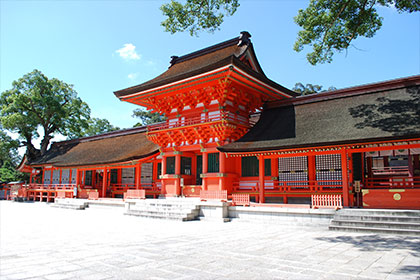
Photo: http://www.his-j.com/kokunai/kanto/tour_info/kyushu/fukko/oita/
Usa Jingu in Usa, Oita, is the head shrine of the Hachiman shrines found across Japan, said to number about 44,000. Revered as an ancestral shrine of the imperial family second only to Ise, it is one of Kyushu's best-known power spots. The large grounds hold an upper and a lower shrine, smaller shrines, sacred trees and a lively approach street.
Good to know
- Japanese name
- 宇佐神宮
- Address
- 大分県宇佐市大字南宇佐2859In Japanese, to show a taxi driver or type into a map app.
- Nearest station
- Usa Station (JR Nippo Line)
- Access
- About 10 minutes by taxi from Usa Station
- Hours
- Open 24 hours (shrine office 8:30–17:00)
- Admission
- Free
- Official website
- usajinguu.com
Hours and prices can change. Check the official website before you go.
Upper and lower shrines
After purifying your hands and mouth at the water basin past the great torii, head to the Upper Shrine. Its main hall, a National Treasure, stands inside the Nanchu-romon gate and is divided into three sections for three deities; pray at each, starting from the Ichi-no-goden on the left. Visiting only the Upper Shrine is called katamairi (a one-sided visit) and considered impolite, so also pray at the Lower Shrine, founded in the 9th century. The main halls are built in the hachiman-zukuri style: two buildings joined front to back, with a large golden gutter between them.
Prayer etiquette
Most shrines use two bows, two claps and one bow, but at Usa Jingu the custom is two bows, four claps and one bow, a style shared only with Izumo Taisha. The deities are said to bring luck in competition, work and money, as well as in love and safe childbirth. Wakamiya Shrine, between the upper and lower shrines, is known for warding off bad luck, and Hokushin Shrine behind the Upper Shrine for matchmaking.
More to see
On the approach to Wakamiya Shrine, look for the Meoto-ishi, two triangular stones among the paving that couples step on together, hand in hand. The sacred camphor tree is about 30 m tall, and visitors place both hands on it. The vermilion, roofed Kure Bridge opens only for a festival held once every ten years. The treasure hall to the right past the great torii displays important cultural properties, and the Hatsusawa Pond beside it is a scenic spot. A popular charm is the shinme-suzu, a bell shaped like the white horse said to be the shrine's messenger. On the approach street, try Usa's karaage fried chicken, negiyaki (green onion pancakes) and Usa-ame candy.
Nearby
 Rakan-ji Temple18.2km
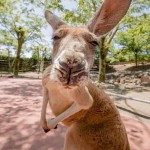 African Safari19.9km
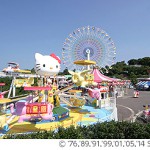 Harmonyland21.2km
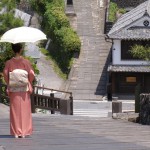 Kitsuki Castle Town22.6km
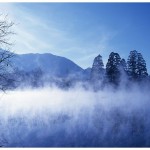 Lake Kinrin28.8km
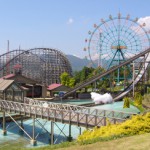 Kijima Kogen Park29.3km