
Oita Travel Guide: 17 Classic Places to Visit, from the Beppu Hells to the Usuki Stone Buddhas
17 places · Japanese version
Oita is nicknamed the hot spring prefecture because it has so many hot springs, but there is much more to see. This guide covers 17 classic places, grouped by area: the steaming Beppu Hells and Lake Kinrin in Yufuin, a gorge famous for autumn leaves, one of Japan's most important shrines, a very high suspension bridge, a safari park, an old castle town where you can walk in kimono, and stone Buddhas that were the first in Kyushu to be named a National Treasure.
Beppu, Yufuin and Oita City
Beppu Hells Beppu
Seven fearsome-looking hot springs, called hells, make up one of Beppu's best-known sights, and four of them are national Places of Scenic Beauty. Umi Jigoku is a vivid cobalt blue at 98 degrees and grows giant water lilies whose leaves can hold a person under 20 kilograms. Chinoike Jigoku is blood red, Tatsumaki Jigoku is a geyser that shoots out hot water, and Shiraike Jigoku is a bluish white pond with giant Amazon fish.
Kijima Kogen Park Beppu
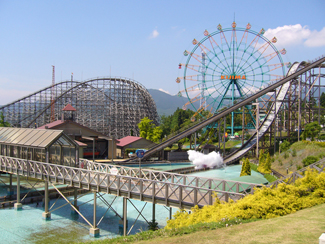
This amusement park in the Beppu highlands has about 30 attractions, from thrill rides to gentle ones for small children. Its best known ride is Jupiter, the first wooden roller coaster in Japan. Seasonal facilities add water play in summer and ice skating in winter, so there is something to do all year. Restaurants range from grilled lamb and all-you-can-eat barbecue to hot dogs and crepes, and the shop sells park goods and Oita specialties.
Lake Kinrin Yufuin
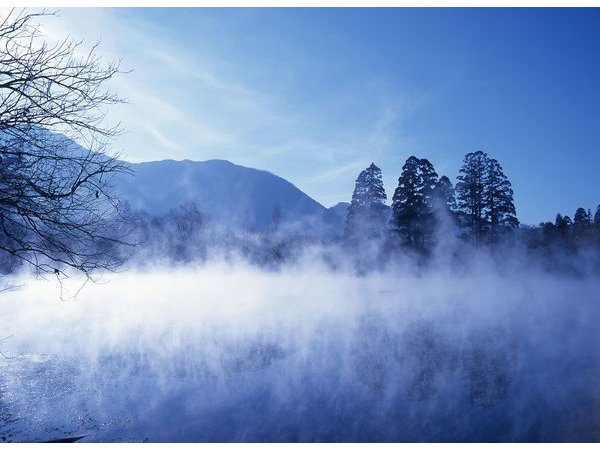
Yufuin's top sight is said to have been named by the Confucian scholar Mori Kuso, who saw fish whose scales shone gold in the evening sun. Fresh water and hot spring water rise from the lake bed, so the water is warm, and on winter mornings steam drifts over the surface. Walk the path and small piers around the lake, try Shitan-yu, a thatched-roof bathhouse beside it, and come in autumn for the colored leaves.
Harmonyland Hiji
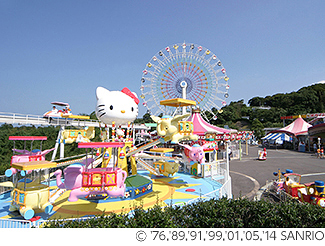
Sanrio Character Park Harmonyland lets you step into the cute world of Sanrio, and it is especially popular with children. Live shows starring popular Sanrio characters are a highlight. There are few thrill rides, and most attractions are gentle, so it suits families with small children. Shops sell park-only goods, sweets and character items, and many restaurant dishes are themed on the characters.
Umitamago (Oita Marine Palace Aquarium) Oita City

This aquarium is home to walruses, dolphins, seals and many other sea animals, and it is fun for all ages. Shows include a funny walrus performance, well-drilled dolphin tricks and an electric eel demonstration. Rays and sharks swim in the big tank, and there are a touch pool and an area where you can meet sea life in a natural setting. Backstage tours run on weekends and holidays.
Northern Oita: Yabakei, Usa and Bungotakada
Yabakei Nakatsu
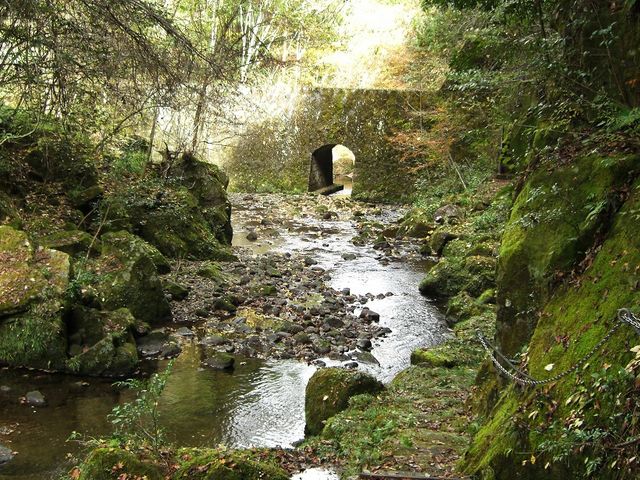
This scenic gorge, famous for autumn leaves, is counted among Japan's three most unusual landscapes. Highlights include Ao no Domon, said to be Japan's oldest toll road, Hitome Hakkei, where eight rocky peaks come into view at once, and a group of potholes that is a Natural Monument. A cycling road of about 36 kilometers follows an old railway line, with bikes for rent. Hot springs and restaurants serve soft-shelled turtle, local soba and soba buns.
Rakan-ji Temple Nakatsu
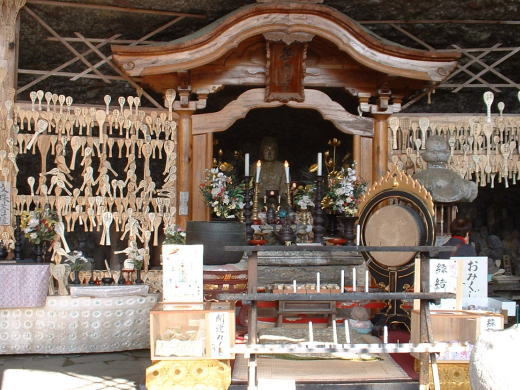
Known for its Five Hundred Rakan, one of the three great groups in Japan, this temple keeps about 3,700 stone Buddhist figures. It is said that among the rakan you will always find a face that looks like someone you know. See the gates and the hall that displays the chisel and hammer used to dig Ao no Domon. The temple clings to a steep rock face, and the stone path takes about 30 minutes, but a lift is available.
Usa Jingu Usa
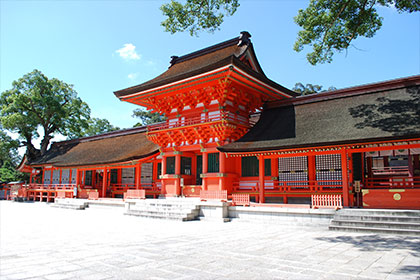
Founded in 725, this is the head shrine of all the Hachiman shrines in Japan, and its main hall is a National Treasure. Touch the 800-year-old sacred tree and walk around it for good luck, or make a wish at a jizo statue away from the main path without being seen. Look for heart shapes hidden in roof ornaments, metal fittings and paving stones. Usa-ame candy makes a good souvenir.
Machu Picchu of Usa Usa
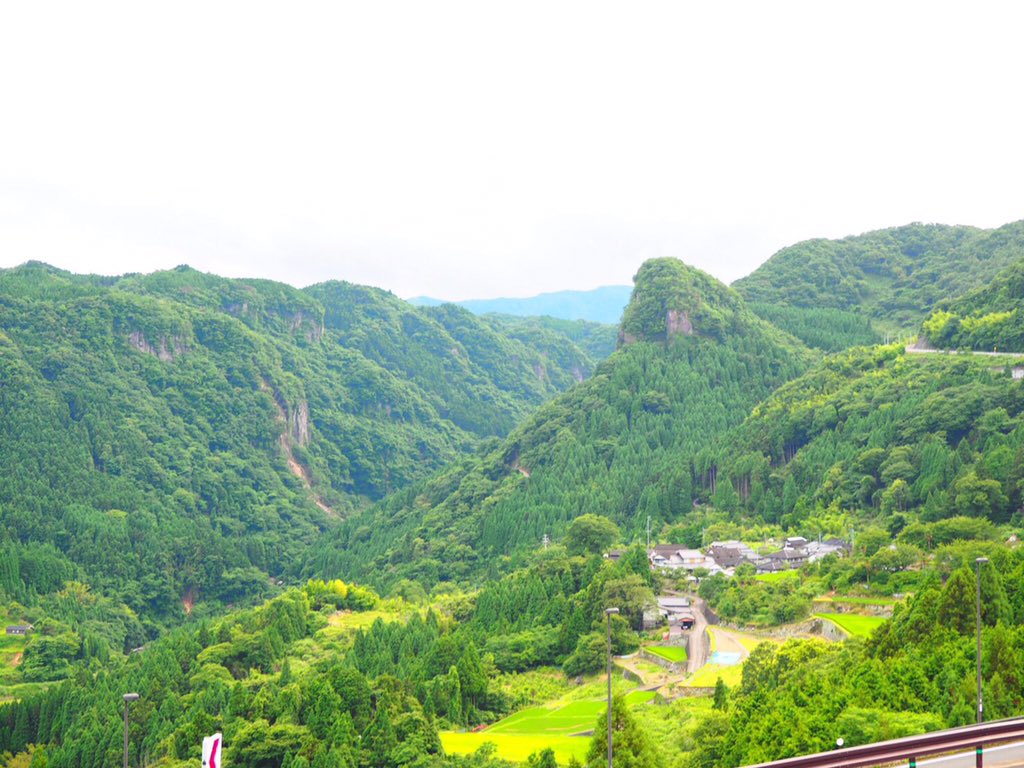
Word of mouth made this view famous. From the lookout, the scene below looks like a city floating in the sky, which earned it a comparison with Machu Picchu in Peru. Fresh green in spring, autumn leaves and winter snow change the scene through the year, and the mountains around it are just as beautiful. It is open 24 hours and free.
African Safari Usa
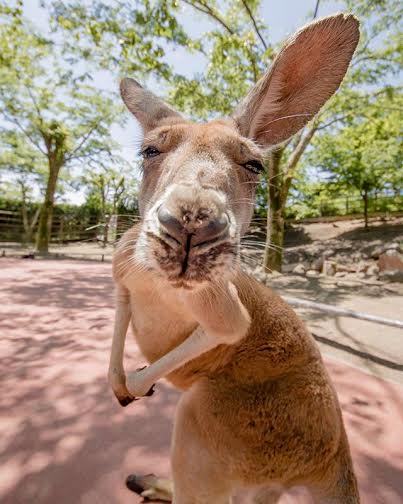
About 70 species of wild animals, including lions, tigers and giraffes, live in this huge safari park. Ride the Jungle Bus to feed the animals and watch them up close, which is thrilling. In the contact zone you can meet kangaroos, rabbits and dogs, and try horseback riding. With souvenir shops, restaurants and snack stands, you can easily spend the whole day here.
Showa no Machi Bungotakada
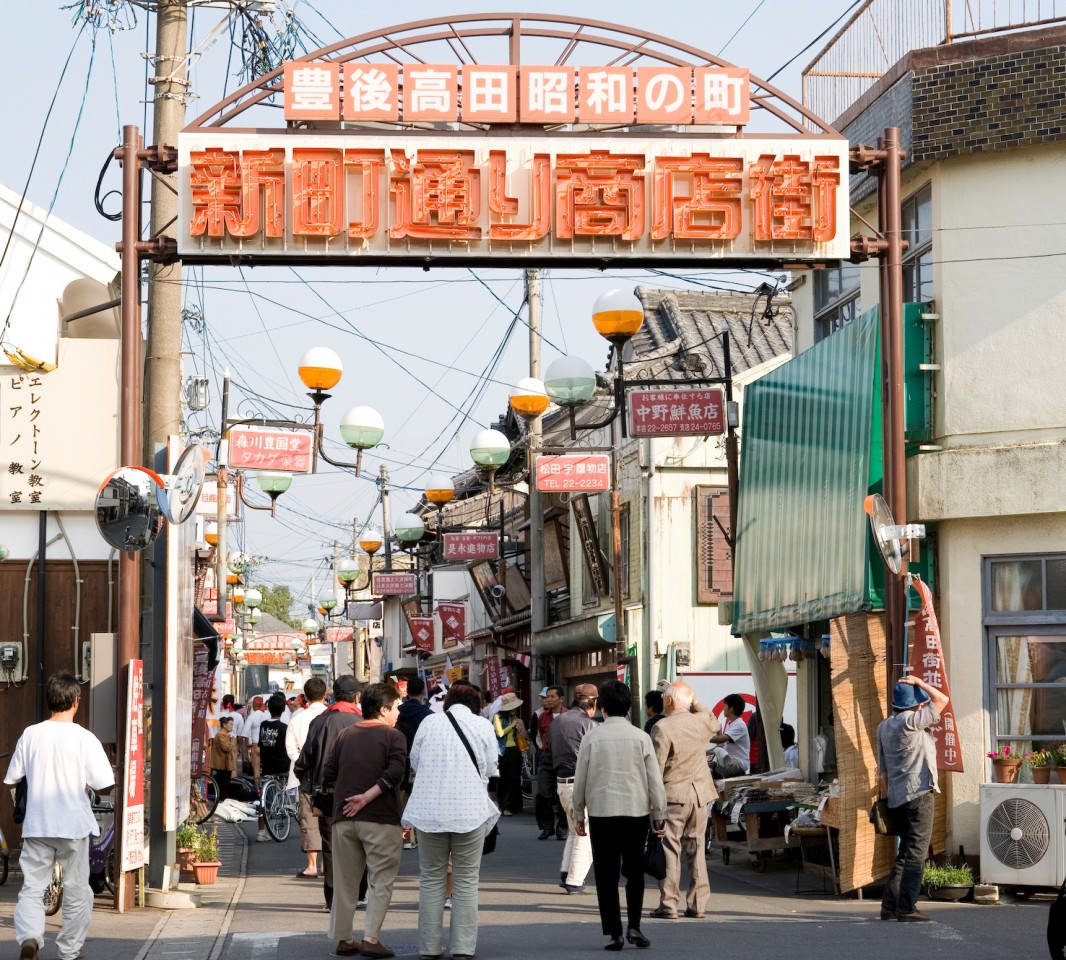
Walking these shopping streets feels like going back in time to the Showa era. Shops display old-fashioned goods, and you can snack on ice candy and old-style croquettes as you go. Local guides who know the town's Showa history lead walks. Inside the town, one storehouse shows retro cars and old penny candy, and an exhibition hall recreates a classroom and streets of the time and lets you change into Showa-style clothes. A retro bonnet bus runs on weekends.
Western Oita: Kokonoe, Kusu and Hita
Kokonoe Yume Grand Suspension Bridge Kokonoe
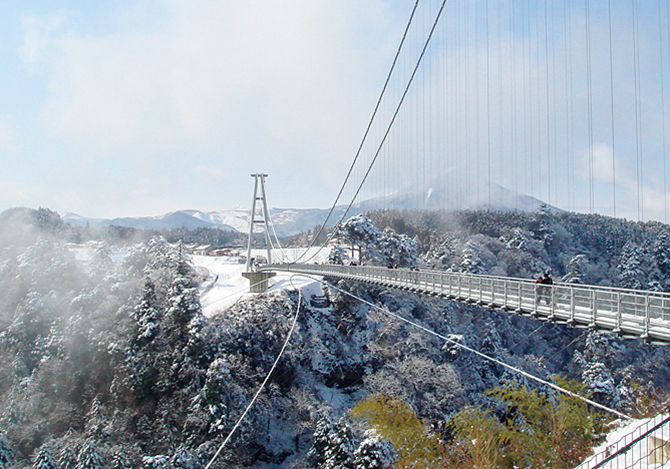
At 173 meters high and 390 meters long, this is called the highest pedestrian bridge in Japan, and crossing it is a thrill with a wide view of nature. The middle is the windiest and scariest part, and through the mesh at your feet you can see the river far below. From the bridge you can also see Shindo Falls, one of Japan's 100 best waterfalls. Climb the stairs on the north side for a lookout over the whole bridge.
Former Bungo-Mori Roundhouse Kusu
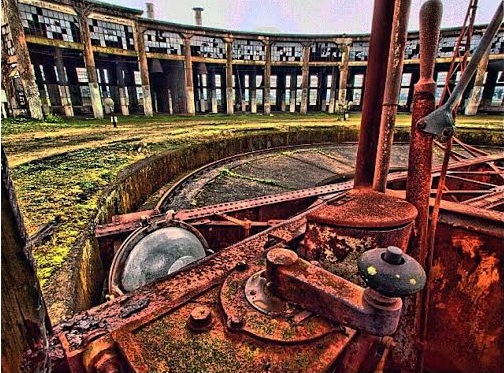
This fan-shaped shed once housed steam locomotives, 25 of them in its day. After the depot closed in 1971, local volunteers preserved it, and a signature campaign led to its listing as a Registered Tangible Cultural Property. It is the only fan-shaped engine shed in Kyushu that keeps its original form, and a steam locomotive is on display. Bullet marks from machine gun fire remain on the walls, and the ruin-like look draws many visitors.
Iichiko Hita Distillery Hita
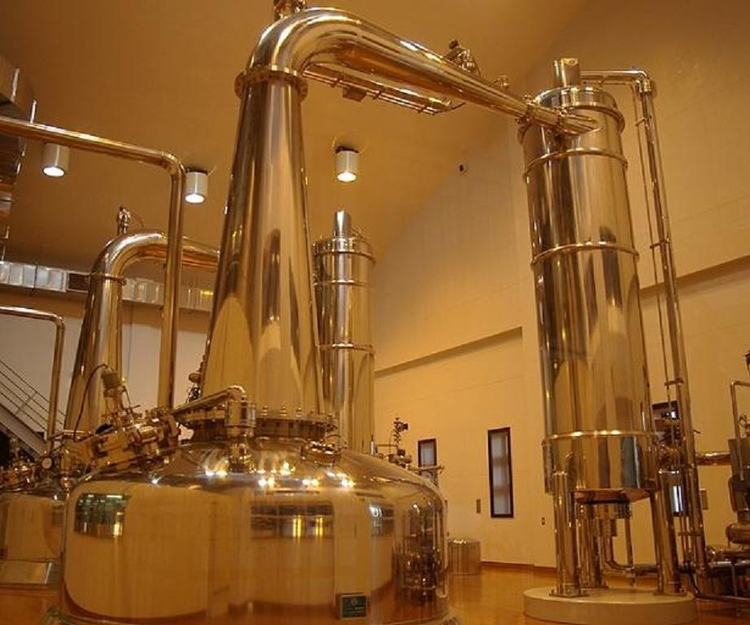
This brick distillery in a beautiful forest lets you see how shochu is made, step by step, with panels and videos. The storehouse lined with barrels is impressive. Tasting areas let you compare different shochu, and there is non-alcoholic barley vinegar for drivers. The large grounds are laid out like a park, with walking paths and pretty views.
Kitsuki and Usuki
Kitsuki Kitsuki
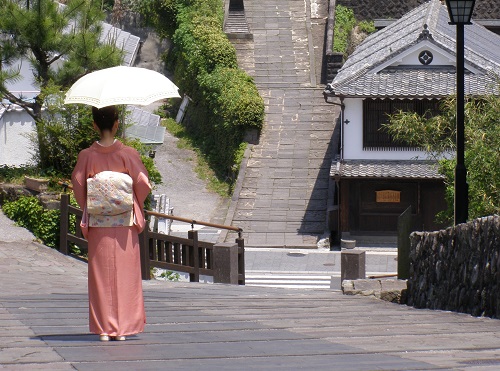
Kitsuki is called a sandwich castle town because two slopes face each other across a valley, and it is known as a little Kyoto of Kyushu. The stone-paved Shioya-no-saka and Suya-no-saka slopes keep an Edo-period feel. Ayabe Miso beside Suya-no-saka, founded in 1900, is a city cultural property. Samurai houses line the top of Shioya-no-saka, some free to visit. You can rent a kimono, and kimono wearers get perks such as free entry to some public sights.
Usuki Castle Ruins Usuki
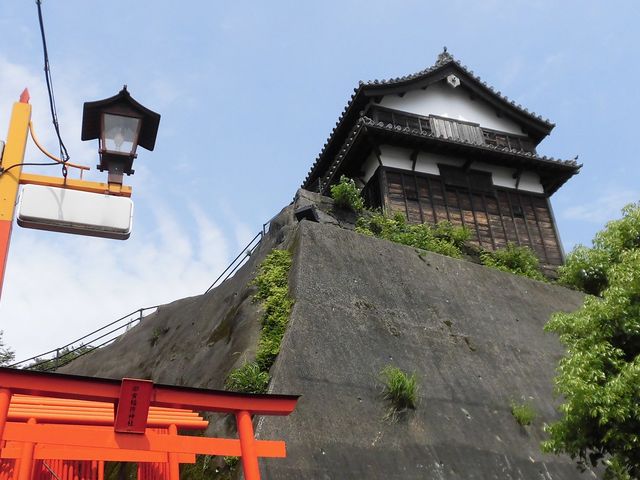
The Christian daimyo Otomo Sorin built this castle on Nyujima, an island surrounded by sea cliffs that joined the land only at low tide, so it was called impregnable. The land around it has since been filled in, but the curving Abumizaka slope and walls that blend natural rock with stonework make it unlike other castles. Inside are the remains of a garden and Usuki Gokoku Shrine.
Usuki Stone Buddhas Usuki
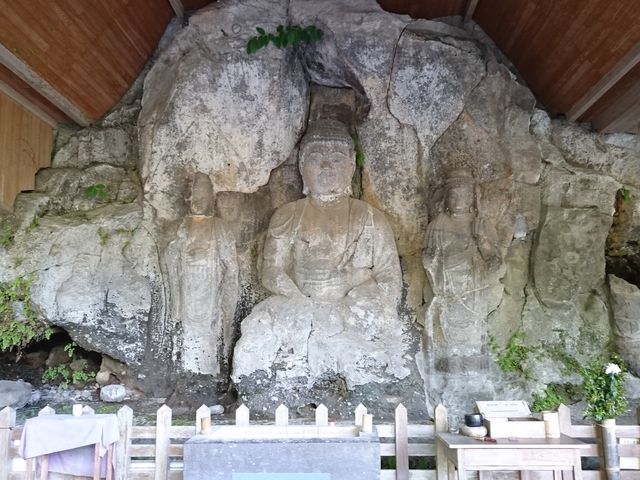
Carved into the rock from the late Heian to the Kamakura period, these Buddhas were the first in Kyushu to be named a National Treasure. The Furuzono group has a central Dainichi Nyorai often called the masterpiece of Japanese stone Buddhas, while the Sannosan group is nicknamed the hidden jizo and the Hoki group shows rich expressions. Across Usuki Sekibutsu Park are a Kamakura-period stone pagoda and Mangetsu-ji temple.
The places on a map
Hours, prices and events change. Check each place's official website before you go.
More travel guides
 Tokyo Sightseeing by Area: 40 Classic Sights and Lesser-Known Spots from Asakusa to Odaiba40 placesTokyo has much more to see than Skytree, Tokyo Tower and Asakusa. This guide works through six of the city's main…
 Nagoya: 40 Best Places to Visit, from Nagoya Castle and Atsuta Jingu to Osu40 placesNagoya is one of Japan's biggest cities, yet many visitors don't know how much it has to see. Alongside its famous…
 Chichibu: 40 Best Places to Visit, from Nagatoro River Boats and Mitsumine Shrine to Moss Phlox and Icicles40 placesChichibu, the largest city in Saitama Prefecture, is about 90 minutes from central Tokyo. Most of the area is national…
 Niigata Prefecture: 40 Best Places to Visit, from Classic Sights to Hidden Gems40 placesNiigata Prefecture stretches a long way from north to south, and each area has its own scenery, climate and food. The…
 Nagasaki Prefecture: 40 Best Places to Visit, from Unzen Hot Springs to Hirado and Nagasaki City40 placesNagasaki grew up as a port open to the outside world, and the culture of those days still shapes its streets, churches…
 Fukuoka Prefecture: 40 Places to Visit in Kitakyushu, Chikuho and Around Fukuoka City40 placesFukuoka Prefecture is roughly divided into four areas, Kitakyushu, Chikuho, Fukuoka and Chikugo, and each has its own…