
Mimuroto-ji
Buddhist temple · Uji, Kyoto
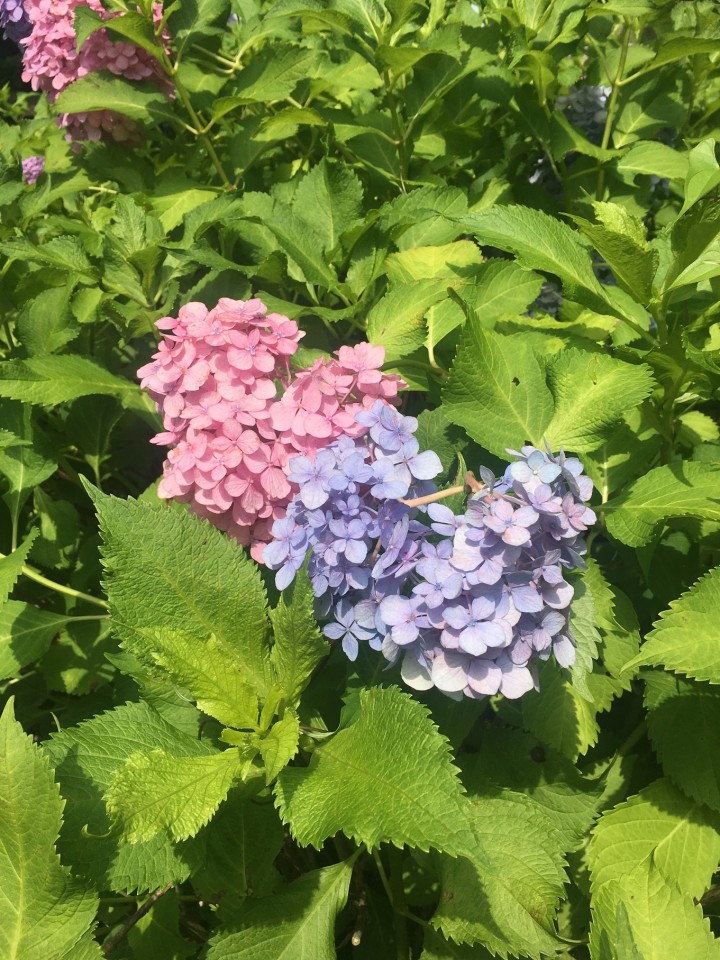 photo by @dessy531
Mimuroto-ji in Uji, Kyoto Prefecture, is known as the flower temple. Founded about 1,200 years ago at the request of Emperor Konin, it has a large garden that changes through the year: cherry blossoms, azaleas and rhododendrons in spring, hydrangeas in the rainy season, lotus in summer, red leaves in autumn and sometimes snow in winter. Lucky statues, snake charms for wealth and love fortunes linked to the Tale of Genji add to the fun.
Good to know
- Japanese name
- 三室戸寺
- Address
- 京都府宇治市菟道滋賀谷21In Japanese, to show a taxi driver or type into a map app.
- Nearest station
- Mimuroto Station (Keihan Uji Line)
- Access
- About 15 minutes on foot from Mimuroto Station
- Hours
- 8:30–16:30 April–October, 8:30–16:00 November–March (last entry 30 minutes before closing)
- Closed
- December 29–31; closed when weather warnings are issued
- Admission
- Adults ¥500, junior high and high school students ¥300, elementary school students ¥200
- Official website
- mimurotoji.com
Hours and prices can change. Check the official website before you go.
Flowers by season
Cherry trees usually peak in early April. From late April into early May, some 20,000 azalea and 10,000 rhododendron plants turn the grounds pink. From June to early July, about 10,000 hydrangeas bloom among the trees, the temple's most popular season, and finding a heart-shaped flower is said to bring luck in love. The hydrangeas are lit up in the evening during their peak.
In July and August, about 100 varieties of lotus bloom in some 250 pots. Leaves start to turn in mid-November, and in January and February snow can cover the garden.
Halls and lucky statues
The temple has a stately main hall, a three-story pagoda and the Juhachi Shrine building, an Important Cultural Property. In front of the main hall, a stone rabbit holds a ball; if the egg-shaped stone inside it stands upright, your wish is said to come true. A statue of Ugajin, a god with an old man's face and a snake's body, is believed to bring money luck when stroked, and a stone cow with a ball in its mouth is said to bring luck in winning. The treasure house, opened on the 17th of each month for an extra ¥300, holds five statues designated Important Cultural Properties.
Tips for visiting
April to June is the busiest time. For photos, go on a weekday morning right at opening. Light rain is a good choice in hydrangea season: fewer people and fewer bees. The leafy grounds have many insects, so wear shoes, use repellent and avoid black clothing. A seasonal teahouse is the only place to eat inside, and Uji Station has more places to rest.
From Mimuroto Station on the Keihan Uji Line, the walk takes about 15 to 20 minutes. Keihan buses also run from JR Uji Station to the Mimurotoji stop.
Nearby
 Byodo-in1.6km
 Nakamura Tokichi Honten2.0km
 Fushimi Inari Taisha8.5km
 Tofuku-ji9.4km
 Chishaku-in Temple10.5km
 Rakugaki-dera (Tanden-ji Temple)10.5km
Featured in these guides
 40 Best Places to Visit in Kyoto, Picked by Locals: Famous Sights and Hidden Gems40 placesKyoto is packed with historic buildings, and visitors from all over Japan and abroad come to see them. The best-known…snaplaceKyoto in June: 16 Places for Hydrangeas, Festivals and Rainy Days, Plus What to Wear16 placesJune is the rainy season in Kyoto, but it is also a quieter month, when you can visit famous sights without the usual…
Recently viewed
More in Kyoto
Yasaka Koshin-doBuddhist temple Kitano TenmanguShinto shrine
 Nanzen-jiZen temple
 Mikane ShrineShinto shrine
 Jishu ShrineShinto shrine
 Shimogamo ShrineShinto shrine
 Heian ShrineShinto shrine
 Kyoto AquariumAquarium
 Kifune ShrineShinto shrine
 Yasaka ShrineShinto shrine
 Kurama-deraBuddhist temple
 Sanzen-inBuddhist temple