
Nanzen-ji
Zen temple · Sakyo, Kyoto
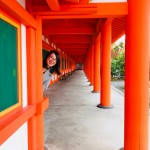
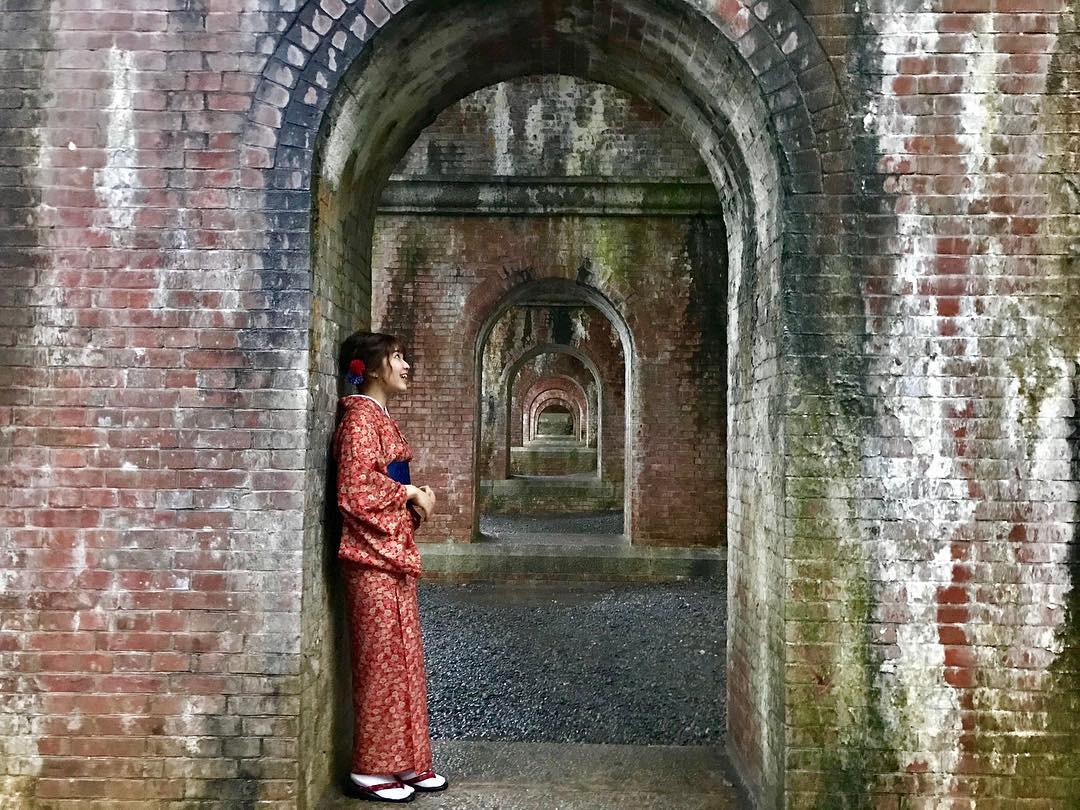 photo by @mayopppe_
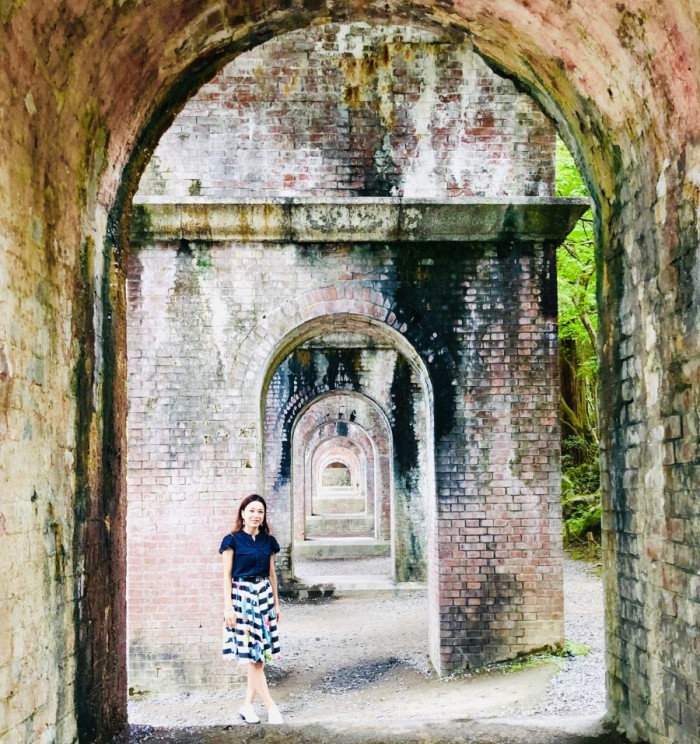
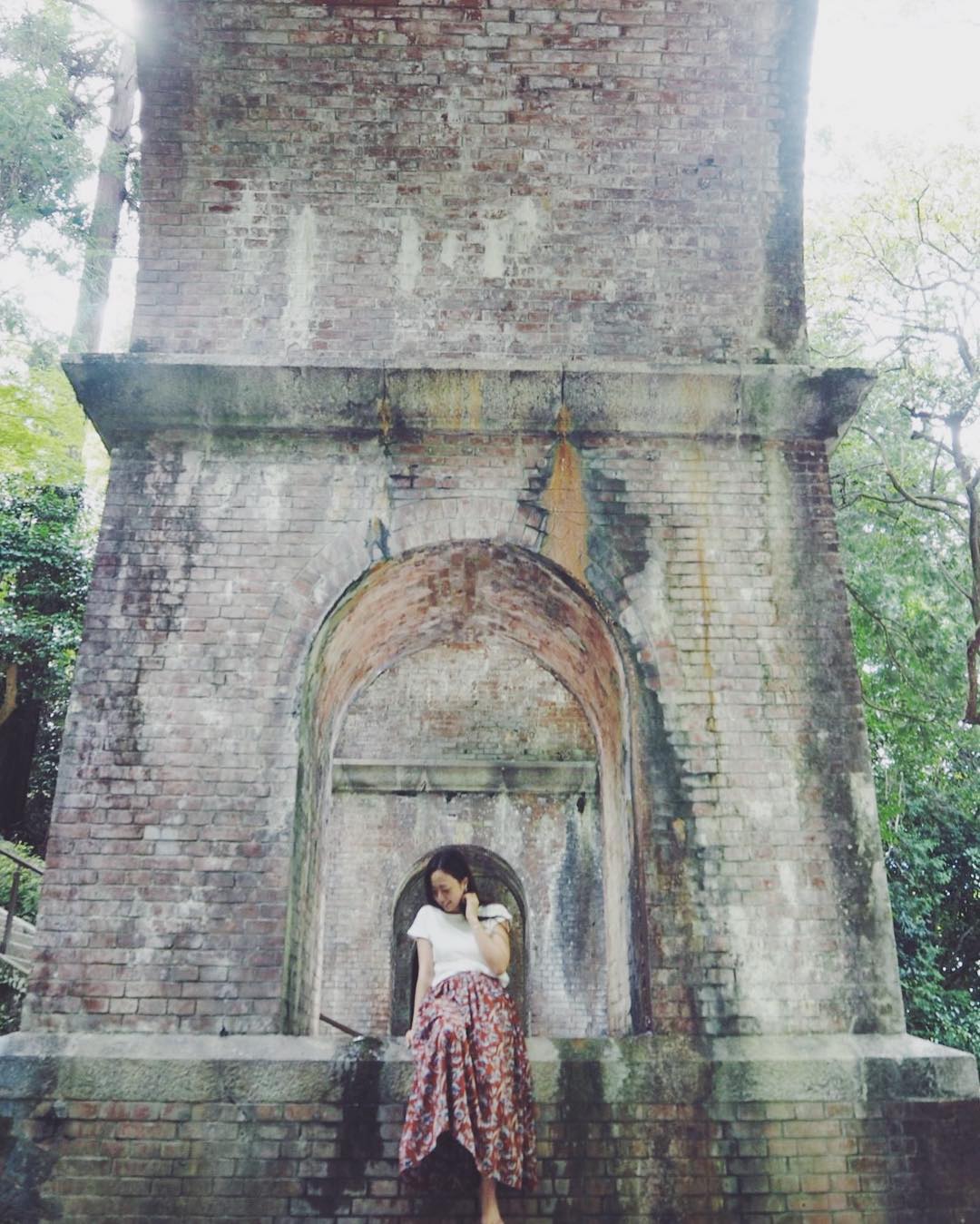
Nanzen-ji is the head temple of the Nanzen-ji branch of Rinzai Zen and is said to hold the highest rank among Zen temples. Its grounds are vast and free to walk. Inside stands the Suirokaku, an aqueduct built to carry water from Lake Biwa into Kyoto, now loved as one of the city's icons for its good looks. Add a massive gate you can climb and quiet Zen gardens, and there is plenty to see.
Good to know
- Japanese name
- 南禅寺
- Address
- 京都府京都市左京区南禅寺福地町86In Japanese, to show a taxi driver or type into a map app.
- Nearest station
- Keage Station (Kyoto Municipal Subway Tozai Line)
- Access
- About 10 minutes on foot from Keage Station
- Hours
- 8:40–17:00 (December to February until 16:30)
- Admission
- Grounds free; separate fees for the Hojo garden, the Hojo, the Sanmon Gate and other sites
- Official website
- nanzen.net
Hours and prices can change. Check the official website before you go.
Climbing the Sanmon Gate
The Sanmon Gate is the temple's main sight and is always busy. It is an Important Cultural Property, said to have been built to mourn retainers who died in the Summer Siege of Osaka, and the tall trees around it make it all the more imposing.
For a fee you can climb to its balcony, at about the height of a three- or four-story building. From there you look down on the gravel and stone paths you walked in on, level with the treetops. Even in the heat of a Kyoto summer, the breeze up top is cool.
The Hojo and its garden
The Hojo, a National Treasure, is a long building made up of the Large Hojo and the Small Hojo. In the Small Hojo, look for the painting of a tiger drinking water attributed to Kano Tan'yu. The Hojo garden is simple and uncluttered, and sitting quietly in front of it is a good way to clear your head.
Tenju-an and its two gardens
Tenju-an is a sub-temple founded with the permission of Emperor Kogon, and its sliding-door paintings are attributed to Hasegawa Tohaku. It has two gardens. The dry landscape garden uses white sand and green moss, and in autumn red leaves add color to it. The pond-stroll garden has a pond divided by islands into the shape of the character for kokoro, meaning heart. Come in late autumn, when fallen red leaves cover the water, or in the fresh green of early summer.
Getting there
From Keage Station on the Tozai subway line, it is about a 10-minute walk, and the route through the Nejiri-mambo tunnel is a shortcut. City buses stop at Higashi-Tenno-cho and Nanzenji-Eikando-michi, both about 10 minutes away on foot through a quiet residential area. Parking costs extra, so public transport is easier. Entry to the grounds is free; the Hojo garden, the Hojo and the Sanmon Gate charge admission.
Photos
Nearby
 Keage Incline493m
 Kyoto City Zoo732m
 Philosopher's Path1.1km
 Heian Shrine1.2km
 Yasaka Shrine1.6km
 Kodai-ji1.6km
Featured in these guides
 40 Best Places to Visit in Kyoto, Picked by Locals: Famous Sights and Hidden Gems40 placesKyoto is packed with historic buildings, and visitors from all over Japan and abroad come to see them. The best-known…
 Kyoto Sightseeing: 32 Popular Spots, from the Classics to Unusual Temples and Shrines32 placesKyoto is one of Japan's best-known travel destinations, and visitors from all over the world come for its historic…
 Kansai: 31 Scenic Spots for a Day Trip, from Kyoto Temples to the Wakayama Coast31 placesThe Kansai region is full of views worth a day out, and none of the places below needs an overnight stay. The most…snaplaceKyoto in March: 20 Places to Visit, Spring-Only Openings and What to Wear20 placesMarch in Kyoto brings the Doll Festival, the first cherry blossoms and the start of spring. The city is busy all year…
Recently viewed
More in Kyoto
Yasaka Koshin-doBuddhist temple Kitano TenmanguShinto shrine
 Fushimi Inari TaishaShinto shrine
 Mikane ShrineShinto shrine
 Jishu ShrineShinto shrineKyoto AquariumAquarium
 Kifune ShrineShinto shrine
 Kurama-deraBuddhist temple
 Sanzen-inBuddhist temple
 Kyoto TowerObservation tower
 Kiyomizu-deraBuddhist temple
 SanjusangendoBuddhist temple