
Kyoto in March: 20 Places to Visit, Spring-Only Openings and What to Wear
20 places · Japanese version
March in Kyoto brings the Doll Festival, the first cherry blossoms and the start of spring. The city is busy all year, but some exhibitions and events can only be seen at this time, and even the famous temples and shrines have their own March highlights. This guide covers 20 places: two day trips to the north of Kyoto Prefecture, the classic sights at their early spring best, and special openings and festivals held only in spring. It ends with advice on what to wear, since March weather swings from winter cold to spring warmth.
Day trips to northern Kyoto Prefecture
Tango Jersey Farm Milk Kobo Sora Kyotango
A farm raising Jersey cows, popular with children for its butter-making and pizza-making workshops. March is the best time to come: after the winter the cows are lively, and you can watch and touch them up close. Workshops are not held every day, and some days in April, May and August are off, so check first. The shop sells Jersey ice cream, drinking yogurt and milk jam. It is about 10 minutes by taxi from Kumihama Station.
Kasamatsu Park Amanohashidate
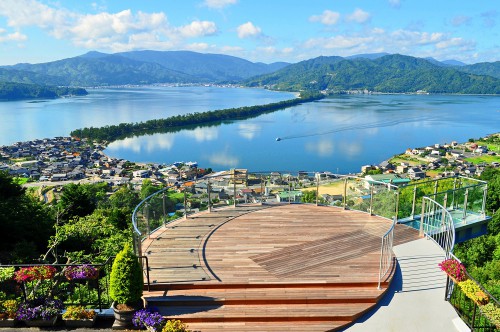
Amanohashidate, the long, thin sandbar across Miyazu Bay, is one of the Three Views of Japan. You can walk along it in about an hour or cross by sightseeing boat in about 12 minutes. Kasamatsu Park on the north side looks down on the whole sandbar and is the birthplace of matanozoki: bend over and view it upside down between your legs. In March the trees are getting ready to bloom.
The classic sights in early spring
Fushimi Inari Taisha Fushimi
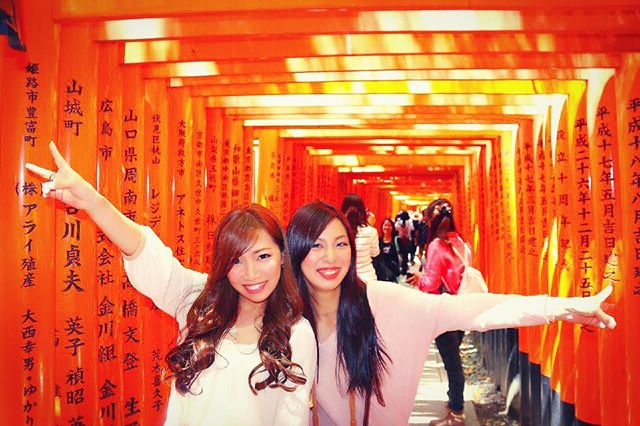
The head shrine of all Inari shrines and one of Kyoto's top sights, believed to bring safety to the home and success in business. The fox is the symbol of Inari, and along the paths you meet fox statues holding keys or scrolls in their mouths. Climb to Yotsutsuji for a view over the whole city. The cherry trees sometimes bloom in late March. It is open at all hours, right by JR Inari Station.
Nanzen-ji Okazaki
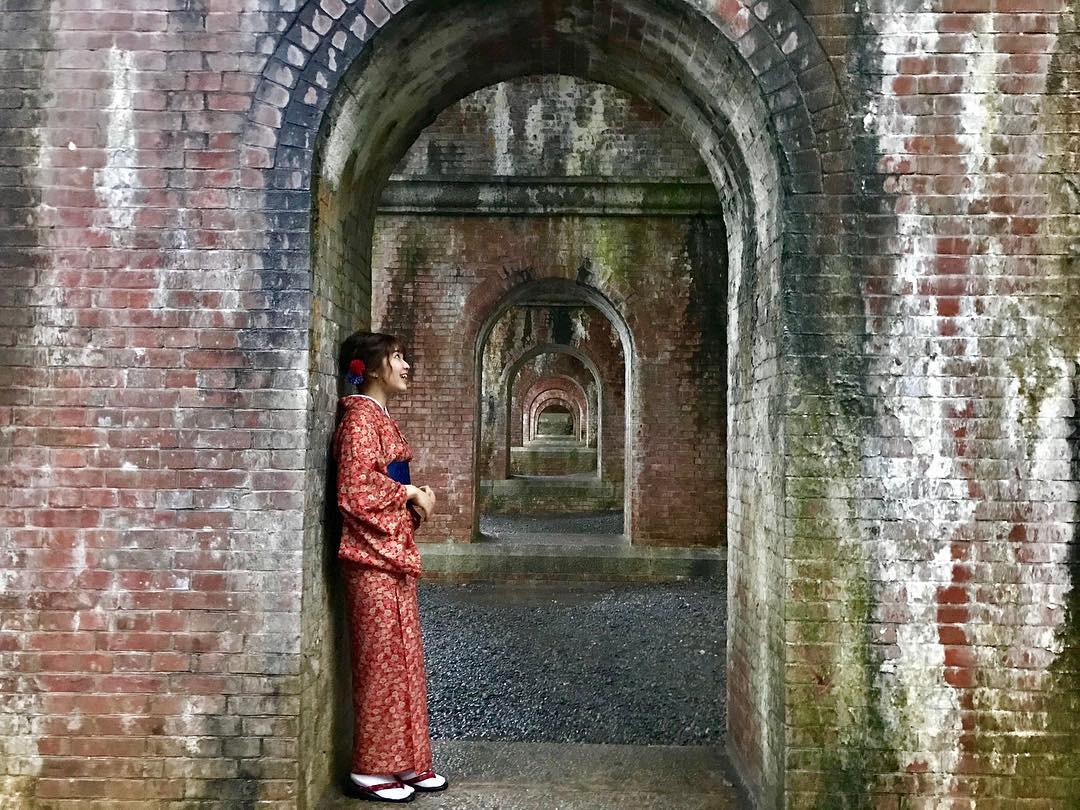
A temple of very high standing, ranked above even the Five Great Zen Temples of Kyoto. At the end of March many people come for the first cherry blossoms. If you want to join zazen meditation, check in advance. From here you can walk the Philosopher's Path to Ginkaku-ji, stopping at cafes along the way for tea under the cherry trees. It is about 10 minutes on foot from Keage Station.
Kiyomizu-dera Higashiyama
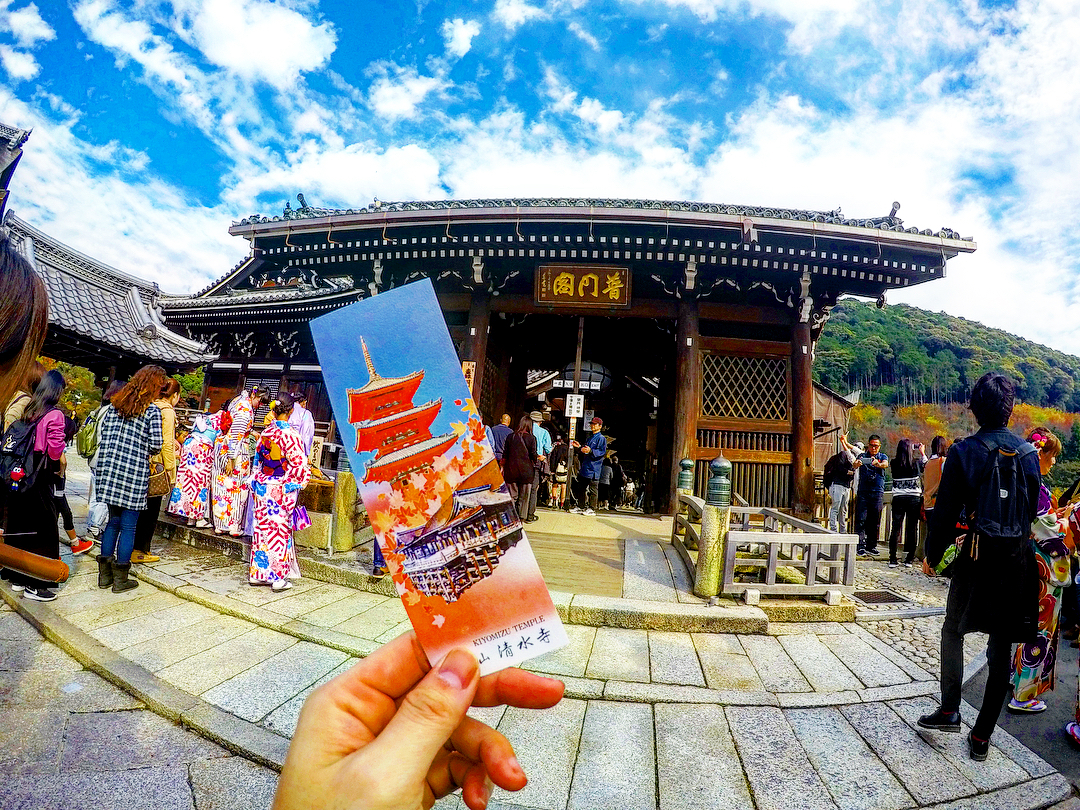
Known for cherry blossoms and autumn leaves, Kiyomizu-dera is so large that you can miss highlights without a plan. In the afternoon, stay for the sunset from the West Gate on the hill, when the low sun lights up the cherry buds. Try the Zuigudo Tainai-meguri, a walk in the dark under a hall dedicated to safe childbirth and child-raising. Evening light-ups give the temple a different look. It is about 15 minutes by city bus from Kyoto Station.
Kinkaku-ji (Golden Pavilion) Kita
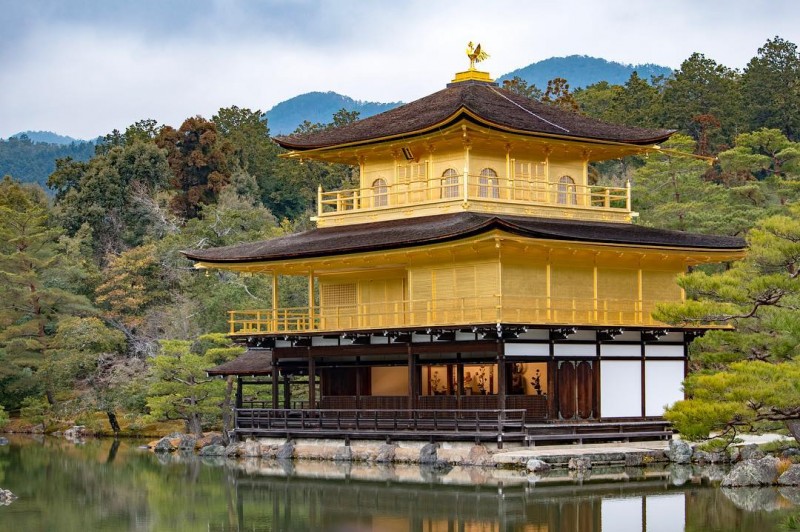
Built by Ashikaga Yoshimitsu, the third Muromachi shogun, the Golden Pavilion is a World Heritage site and one of Kyoto's signature sights. Its official name is Rokuon-ji. Allow 40 to 50 minutes for the route through the grounds, more in spring if you want photos of the cherry trees. Look for a bonsai pine said to be over 600 years old, and the pavilion reflected in Kyoko-chi pond.
Togetsukyo Bridge Arashiyama
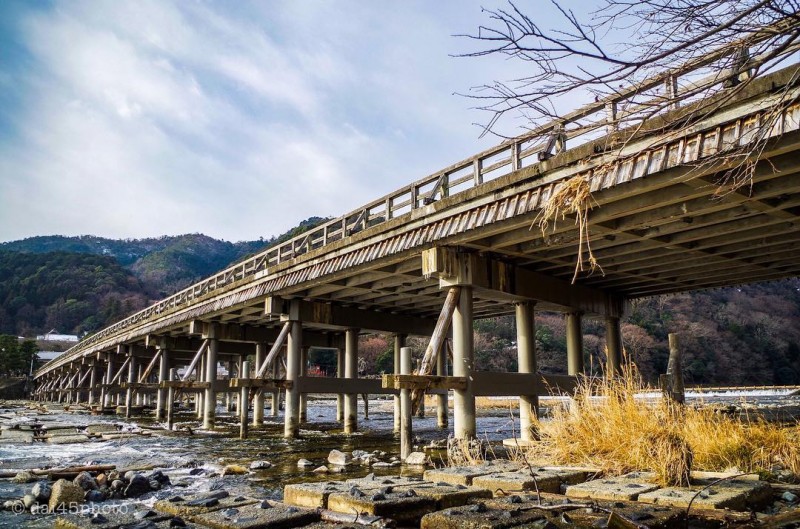
A famous spot for cherry blossoms and autumn leaves that draws many visitors from abroad. In late March, when the cherry trees begin to bloom, many people photograph the trees reflected in the water right below the bridge. It is only about 5 minutes on foot from Hankyu Arashiyama Station, so it is easy for older travelers and small children too. Come back in autumn for the colored leaves.
Heian Shrine Okazaki
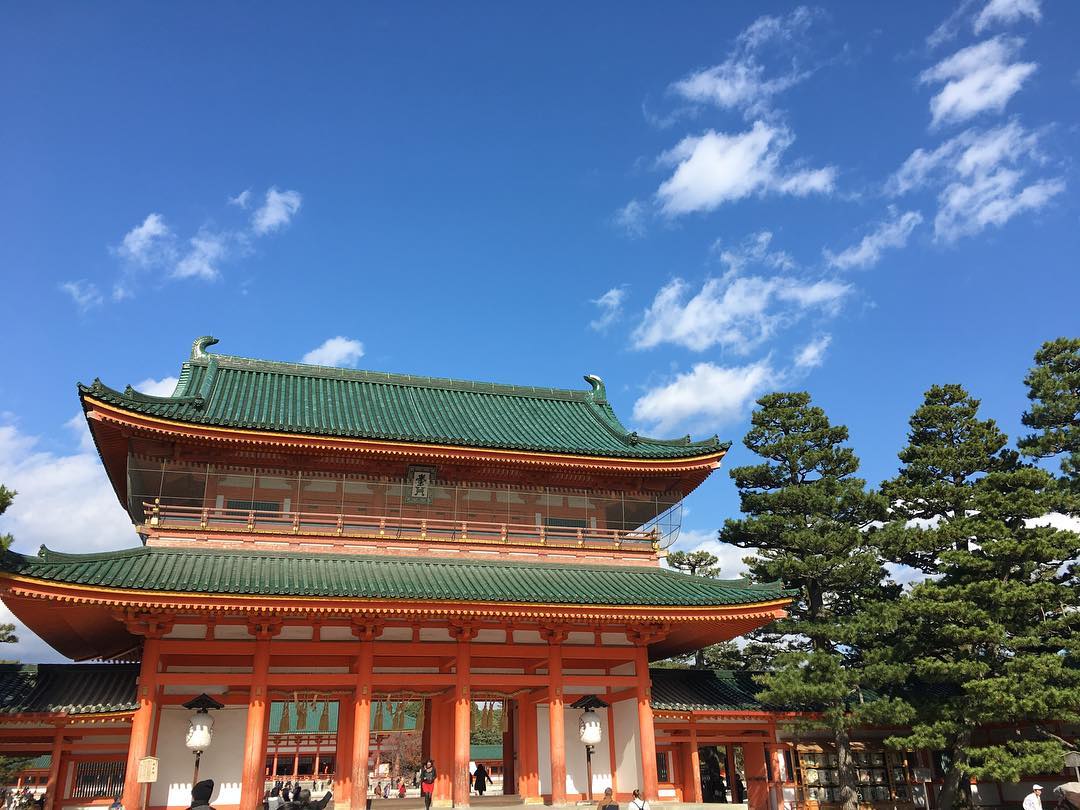
The shrine's garden holds more than 300 cherry trees, including double-flowered red weeping cherries. Strolling the garden slowly takes 30 to 40 minutes, and many people take a break at a cafe on the way. The area around the shrine also has hotels, museums and a zoo, so you can combine them in one outing. It is about 30 minutes by city bus from Kyoto Station.
Byodo-in Uji
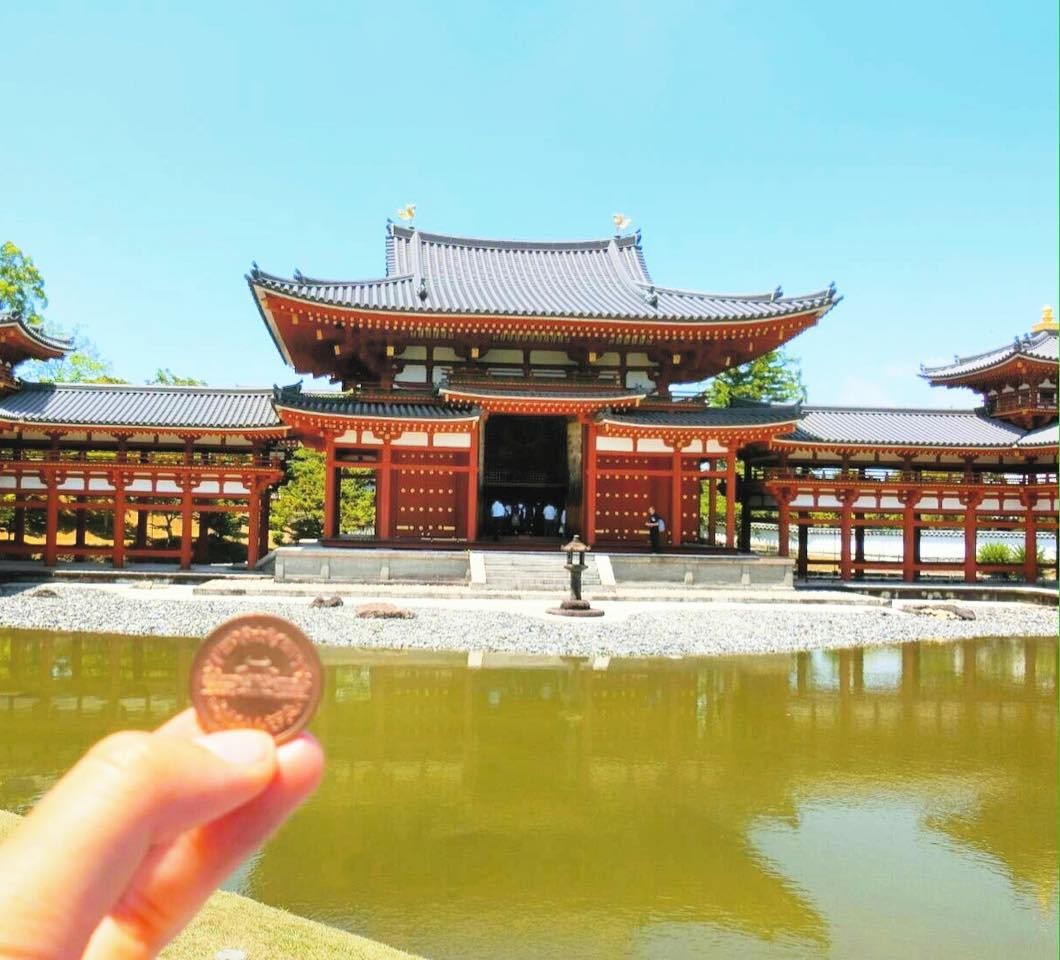
Built by Fujiwara no Yorimichi, this World Heritage temple is busy all day. Entry to the inside of the Phoenix Hall is limited to 50 people every 20 minutes, so in the late-March cherry blossom season and the autumn leaf season you may have to wait; come just after opening. The mood differs between morning and evening, so if you stay nearby, consider visiting twice. It is about 10 minutes on foot from JR Uji Station.
Kyoto Tower Kyoto Station
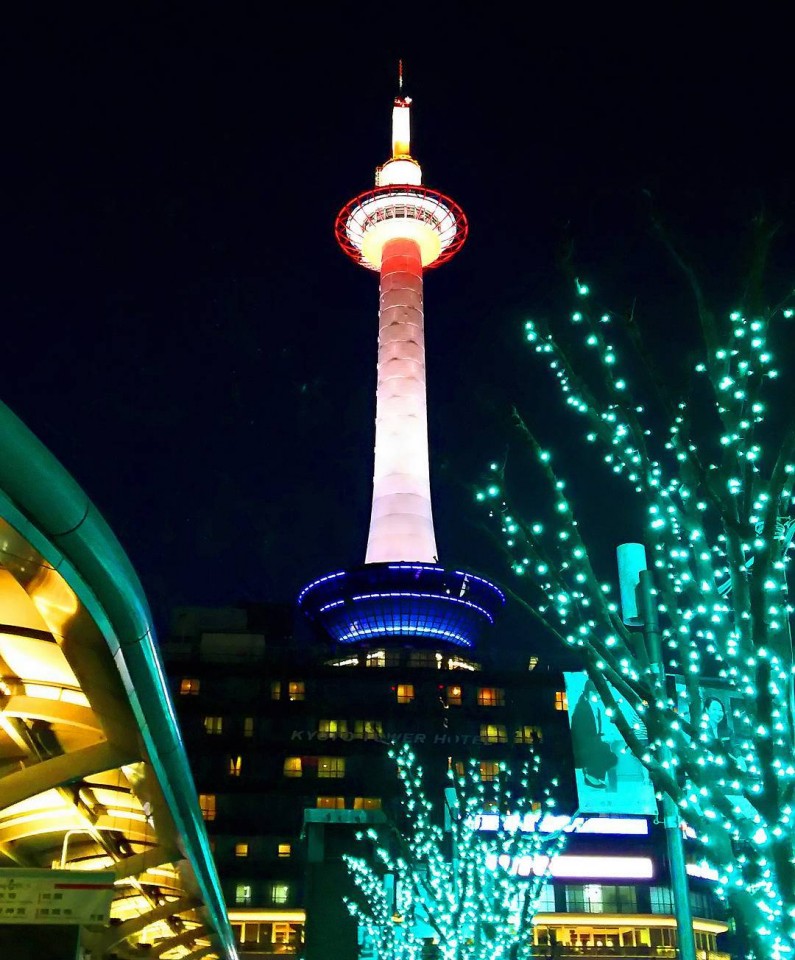
At 131 meters, the tallest structure in Kyoto. The observation deck looks out over the city in every direction, which helps you see where the temples are and get a feel for the town. The building also has a bar with night views, a buffet and souvenir shops. In late March the bar is popular for its view of illuminated cherry blossoms at night, so book early. The tower is about 2 minutes on foot from JR Kyoto Station.
Kodai-ji Higashiyama
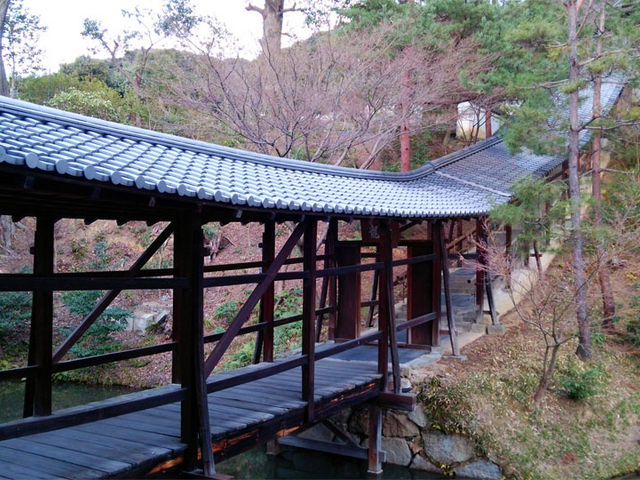
A temple built by Nene, the wife of Toyotomi Hideyoshi, known for its evening light-ups of the grounds in spring and autumn. The temple sits in the middle of leafy grounds, and from the bridge on the way you look out over a pond and the hills, with a strong sense of old Kyoto. The best time is after dark, and in late March you can enjoy cherry buds and first flowers.
Hirano Shrine Kita
A well-known place for cherry blossom viewing, with more than 400 cherry trees. The trees are lit up at night, and everyone from small children to older visitors comes to enjoy the night blossoms. The shrine is believed to bring good matches and safe childbirth, so many people pray here as well as viewing the flowers. There are cafes nearby for a break. It is about 3 minutes on foot from the Kinugasako-mae bus stop.
Spring-only openings and March festivals
These temples and shrines open special halls or hold festivals only in spring, so dates and booking rules can change each year. Check before you go.
Hokyo-ji Kamigyo
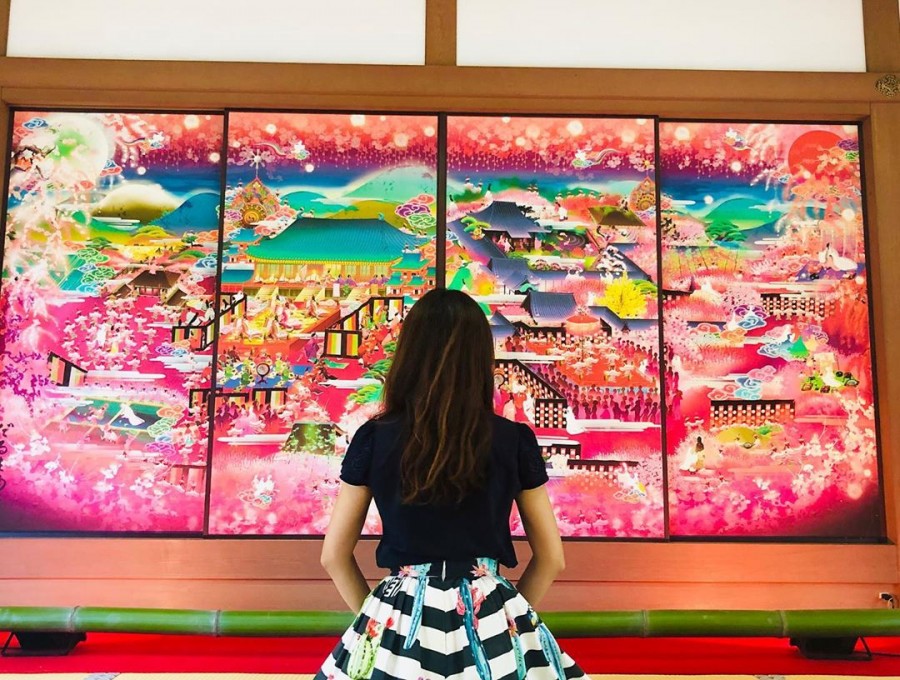
Known as the Doll Temple, Hokyo-ji holds exhibitions of traditional dolls in spring and autumn. The dolls in rich costumes, with the sound of the koto in the background, are something you can only see here. Folding screens and painted sliding doors are on view too. Some events require booking ahead and places are limited.
Hiraoka Hachimangu Ukyo
An old Hachiman shrine known for its flower ceiling, painted with 44 kinds of flowers. Around 200 kinds of flowers can be seen here, and the shrine is busy with visitors. The flower ceiling is shown only from mid-March to mid-May, and late March to early April, when the cherry blossoms are out, is the ideal time to go. It is about 3 minutes on foot from the Hiraoka Hachiman-mae bus stop.
Soken-in at Daitoku-ji Kita
A subtemple built by Toyotomi Hideyoshi to mourn Oda Nobunaga. Inside you can see a wooden statue of Nobunaga, an Important Cultural Property. It is opened to the public for a special viewing in spring, so combine it with the blossoms in the temple grounds. History fans and newcomers alike will enjoy it.
Shokoku-ji Kamigyo
A temple founded by Ashikaga Yoshimitsu. During its spring special viewing, the Dharma Hall and the bathhouse, both Important Cultural Properties, are opened. The highlight is the coiled dragon painting on the Dharma Hall ceiling: clap your hands under its circle and the echo sounds like the dragon crying, which gives it its nickname. It is about 8 minutes on foot from Imadegawa Station.
Zuishin-in Yamashina
A temple tied to Ono no Komachi, a poet famed for her beauty, with an old-fashioned, atmospheric setting. In spring it holds the Hanezu Odori, a traditional dance, along with plum viewing among some 230 plum trees. The zenzai, sweet red bean soup, sold at the rest area has a good name for its rich taste. It is about 5 minutes on foot from Ono Station.
Shinnyo-do Sakyo
Only in March, the temple shows its nirvana painting, which depicts mourning for the death of the Buddha with 127 kinds of animals and fish, said to be the most of any such painting in Japan. Even if you know little about these paintings, local guides explain them. Visitors receive hanakuso arare, small rice crackers.
Ichihime Shrine Shimogyo
A shrine where all the enshrined deities are goddesses. It is believed to protect against misfortune and to bring safe childbirth and family safety, and many women visit. The highlight is the Hiina Matsuri on March 3, with a kimono dressing demonstration and games of the Heian-era nobility on a bright, colorful stage. The day gets crowded. It is about 3 minutes on foot from Kiyomizu-Gojo Station.
Sanjusangendo Higashiyama
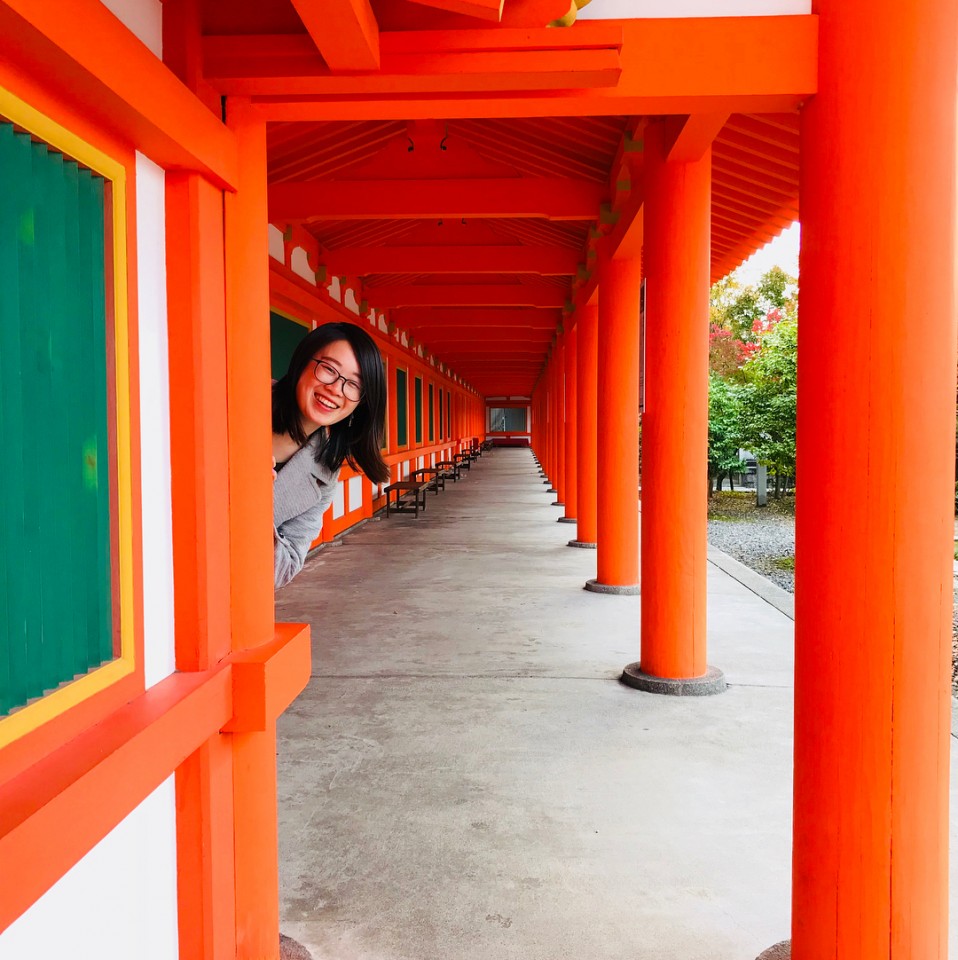
The temple holds the Shunto-e every year on March 3, a service to pray for good health. Sanjusangendo is lined with more than 1,000 statues, including a seated Thousand-Armed Kannon that is a National Treasure and standing Thousand-Armed Kannon statues that are Important Cultural Properties. Many people travel from afar for the day, and women receive a peach charm. It is about 5 minutes on foot from Shichijo Station.
What to wear in Kyoto in March
March in Kyoto is still chilly, with average temperatures of around 7 to 9 C, and mornings and evenings are especially cold. Bring winter-level protection, a coat or jacket is a must, and if you feel the cold, add gloves and thick socks. Even indoors you will often need the heating on.
Early March: mornings and nights can drop below freezing, while daytime highs can sometimes reach close to 20 C. Pack a heavy coat, a scarf, knitwear and a thick jacket, and consider boots and warm socks.
Mid-March: it is warmer than early in the month but still chilly. Mornings and evenings can fall to around 0 C, while warm days can top 20 C, so check the forecast before heading out. Long sleeves with a jacket or a light coat work well, and even if the day looks warm, take an outer layer for the morning and evening.
Late March: apart from mornings and evenings, temperatures settle around 20 C. Long sleeves with a light jacket, or just a sweater, are enough during the day. If you plan to see night views or eat out in the evening, bring an extra layer.
The places on a map
Hours, prices and events change. Check each place's official website before you go.
More travel guides
 Tokyo Sightseeing by Area: 40 Classic Sights and Lesser-Known Spots from Asakusa to Odaiba40 placesTokyo has much more to see than Skytree, Tokyo Tower and Asakusa. This guide works through six of the city's main…
 Nagoya: 40 Best Places to Visit, from Nagoya Castle and Atsuta Jingu to Osu40 placesNagoya is one of Japan's biggest cities, yet many visitors don't know how much it has to see. Alongside its famous…
 Chichibu: 40 Best Places to Visit, from Nagatoro River Boats and Mitsumine Shrine to Moss Phlox and Icicles40 placesChichibu, the largest city in Saitama Prefecture, is about 90 minutes from central Tokyo. Most of the area is national…
 Niigata Prefecture: 40 Best Places to Visit, from Classic Sights to Hidden Gems40 placesNiigata Prefecture stretches a long way from north to south, and each area has its own scenery, climate and food. The…
 Nagasaki Prefecture: 40 Best Places to Visit, from Unzen Hot Springs to Hirado and Nagasaki City40 placesNagasaki grew up as a port open to the outside world, and the culture of those days still shapes its streets, churches…
 Fukuoka Prefecture: 40 Places to Visit in Kitakyushu, Chikuho and Around Fukuoka City40 placesFukuoka Prefecture is roughly divided into four areas, Kitakyushu, Chikuho, Fukuoka and Chikugo, and each has its own…