
Kiyomizu-dera
Buddhist temple · Higashiyama, Kyoto
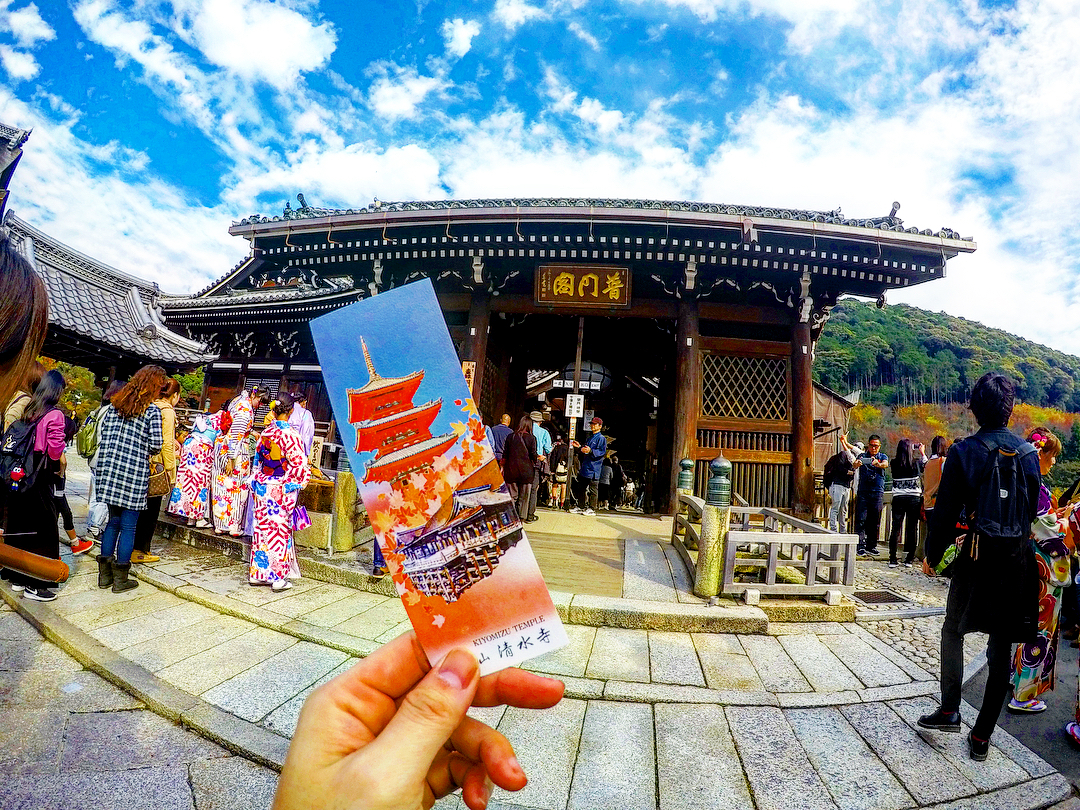 photo by @k.e.i.k
Kiyomizu-dera is one of Kyoto's most popular sights, a temple in the Higashiyama hills whose history goes back to before the capital moved to Kyoto. It is registered as a World Heritage Site among Kyoto's cultural properties. Its famous wooden stage juts out from the main hall over the slope, giving a wide view of the city, and visitors come all year, especially for the cherry blossoms in spring and the autumn leaves.
Good to know
- Japanese name
- 清水寺
- Address
- 京都府京都市東山区清水1丁目294In Japanese, to show a taxi driver or type into a map app.
- Nearest station
- Kiyomizu-Gojo Station (Keihan Main Line)
- Access
- About 25 minutes on foot from Kiyomizu-Gojo Station, or city bus 206 or 100 from Kyoto Station to Gojozaka, then about 10 minutes on foot
- Hours
- 6:00–18:00 (varies by season)
- Admission
- Adults and high school students ¥400, junior high students ¥200, elementary and younger free
- Official website
- kiyomizudera.or.jp
Hours and prices can change. Check the official website before you go.
The stage and main hall
The main hall, a National Treasure rebuilt in 1633, stands on a cliff on Mount Otowa, and its stage rests on a wooden framework built with traditional Japanese techniques. The stage is about 13 meters above the ground, which explains the Japanese saying "to jump off the stage of Kiyomizu," meaning to take a bold leap. From here you look out over Kyoto: cherry blossoms in spring, fresh green in summer, red leaves in autumn and, after a snowfall, a white landscape in winter.
Beside the stage are a staff and geta clogs said to belong to the warrior monk Benkei. Lift the heavy staff and your prayer is said to come true.
Gates and pagoda
The red Nio-mon Gate, the main entrance and an Important Cultural Property, was rebuilt in the early 16th century, and the stone steps below it make a classic photo. The West Gate, rebuilt in 1631, looks similar but has its own character, and the sunset behind it is beautiful. The bright red Three-Story Pagoda, about 31 meters tall and rebuilt in 1632, is a symbol of the temple.
Otowa Waterfall and Tainai-meguri
After the main hall, the route leads to Otowa Waterfall, which you can also see from the stage. Its water falls in three streams, and catching it with a long-handled ladle is said to make wishes come true.
In Zuigu-do Hall you can try tainai-meguri, a walk through total darkness meant to represent the womb of the bodhisattva Daizuigu. Holding a rope of prayer beads as a handrail, you reach a softly lit stone where you can pray. It takes about 5 minutes, costs ¥100 on top of temple admission and is generally open 9:00–16:00.
Tips and getting there
You will walk a lot on stone paving and stairs, so wear comfortable sneakers rather than heels. Kiyomizu-Gojo Station on the Keihan Line is about a 25-minute walk away. From JR Kyoto Station, take city bus 206 or 100 to Gojozaka and walk about 10 minutes.
Nearby
 Jishu Shrine37m
 Sannenzaka (Sanneizaka)414m
 Starbucks Kyoto Ninenzaka Yasaka Chaya550m
 Yasaka Koshin-do689m
 Kodai-ji748m
 Rokudo Chinno-ji Temple966m
Featured in these guides
40 Best Places to Visit in Kyoto, Picked by Locals: Famous Sights and Hidden Gems40 placesKyoto is packed with historic buildings, and visitors from all over Japan and abroad come to see them. The best-known… Kyoto Sightseeing: 32 Popular Spots, from the Classics to Unusual Temples and Shrines32 placesKyoto is one of Japan's best-known travel destinations, and visitors from all over the world come for its historic…snaplaceKyoto in March: 20 Places to Visit, Spring-Only Openings and What to Wear20 placesMarch in Kyoto brings the Doll Festival, the first cherry blossoms and the start of spring. The city is busy all year…
 Kyoto in December: 17 Places to Visit for Late Autumn Leaves, Year-End Rituals and Winter Food17 placesDecember is a good month to see Kyoto at a slower pace, because the crowds are much smaller than in autumn. It is not…
Recently viewed
More in Kyoto
 Kitano TenmanguShinto shrine
 Nanzen-jiZen temple
 Fushimi Inari TaishaShinto shrine
 Mikane ShrineShinto shrine
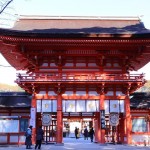 Shimogamo ShrineShinto shrine
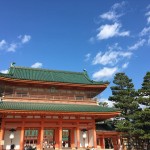 Heian ShrineShinto shrineKyoto AquariumAquarium
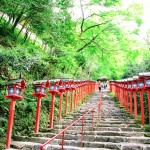 Kifune ShrineShinto shrine
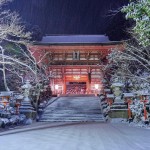 Kurama-deraBuddhist temple
 Sanzen-inBuddhist temple
 Kyoto TowerObservation towerTofuku-jiZen temple