
Jishu Shrine
Shinto shrine · Higashiyama, Kyoto
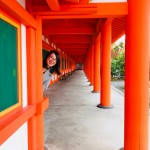
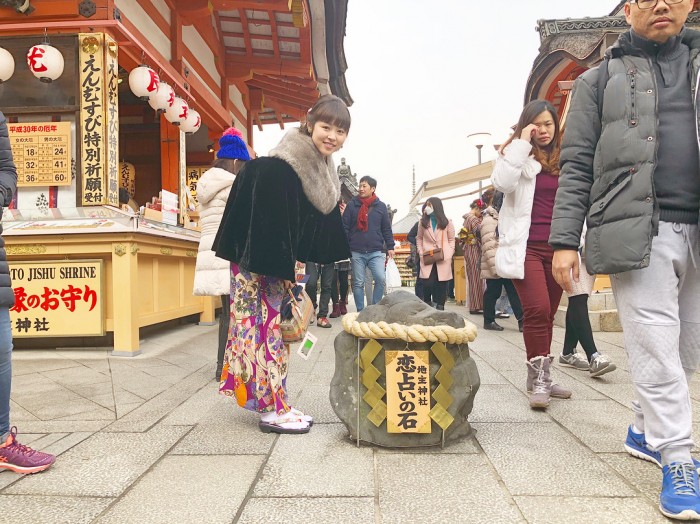 photo by @__aya07
Jishu Shrine sits behind the main hall of Kiyomizu-dera in Higashiyama, Kyoto, and is one of the best-known shrines in Japan for love and matchmaking. It guards Kiyomizu-dera and is treated as part of the temple, a World Heritage Site. Its main deity is Okuninushi. Visitors come to try the love-fortune stones, draw love fortunes and pray at the many small shrines packed into its compact grounds.
Good to know
- Japanese name
- 地主神社
- Address
- 京都府京都市東山区清水1-317In Japanese, to show a taxi driver or type into a map app.
- Nearest station
- Gion-Shijo Station (Keihan Main Line)
- Access
- About 25 min walk from Gion-Shijo Station
- Hours
- 9:00–17:00
- Admission
- Free (reached through the Kiyomizu-dera grounds, which charge admission)
- Official website
- jishujinja.or.jp
Hours and prices can change. Check the official website before you go.
The love-fortune stones
In front of the main hall, a pair of stones is set into the ground. Start at the stone near the steps and walk to the other one with your eyes closed. Reach it on your own and your wish for love is said to come true. If someone calls out directions to help you, it is said you will need help from others in love too, so try to ignore the voices around you. People were already doing this in the Muromachi period.
More shrines in the grounds
The grounds are small but full of shrines. Ryoen Daikoku, a stone figure partway up the steps, brings good matches. Okage Myojin will grant any one wish, and behind it the Inori-sugi cedar still shows nail marks from straw-doll curses. You can rub the part of the Nade Daikoku statue that matches your wish, pour water over the Mizukake Jizo, and visit Haraedo no Okami to clear away a heavy heart.
The love fortunes, or koi-uranai omikuji, deal only with romance and can come out as great misfortune. The shrine is also known for cherry blossoms and autumn leaves. Its cherry tree, Jishu-zakura, has been famous for centuries; the story goes that Emperor Saga was so taken with it that he turned his carriage back three times.
Tips for visiting
The shrine opens 9:00–17:00, later than Kiyomizu-dera, so if you arrive early to beat the crowds you may have to wait. You reach it along the temple's one-way route, after passing the main hall with its famous stage. The walk up from the bus stops is steep and lined with souvenir shops, so allow plenty of time and wear comfortable shoes. In spring and summer, city buses back from the area can be too full to board between 15:00 and 17:00.
Nearby
 Kiyomizu-dera37m
 Sannenzaka (Sanneizaka)399m
 Starbucks Kyoto Ninenzaka Yasaka Chaya524m
 Yasaka Koshin-do668m
 Kodai-ji715m
 Rokudo Chinno-ji Temple950m
Featured in these guides
40 Best Places to Visit in Kyoto, Picked by Locals: Famous Sights and Hidden Gems40 placesKyoto is packed with historic buildings, and visitors from all over Japan and abroad come to see them. The best-known…snaplaceKyoto in May: 20 Festivals, Seasonal Flowers and Events, Plus What to Wear20 placesMay is a lively month in Kyoto. Many shrines hold their spring festivals, from the Aoi Matsuri procession to horseback… Kyoto in November: 20 Autumn Leaf Spots, Festivals and Special Openings, Plus What to Wear20 placesNovember is one of the best months to see Kyoto. The weather is mild, the autumn leaves reach their peak, and temples…snaplaceKyoto in April: 18 Places for Cherry Blossoms, Spring Flowers and Evening Light-Ups, Plus What to Wear18 placesApril is cherry blossom season in Kyoto, and visitors pour in to see the flowers at its temples and shrines. With so…
Recently viewed
More in Kyoto
 Kitano TenmanguShinto shrine
 Nanzen-jiZen temple
 Fushimi Inari TaishaShinto shrine
 Mikane ShrineShinto shrine
 Shimogamo ShrineShinto shrine
 Heian ShrineShinto shrine
 Kyoto AquariumAquarium
 Kifune ShrineShinto shrine
 Kurama-deraBuddhist temple
 Sanzen-inBuddhist temple
 Kyoto TowerObservation tower
 SanjusangendoBuddhist temple