
Kifune Shrine
Shinto shrine · Sakyo, Kyoto
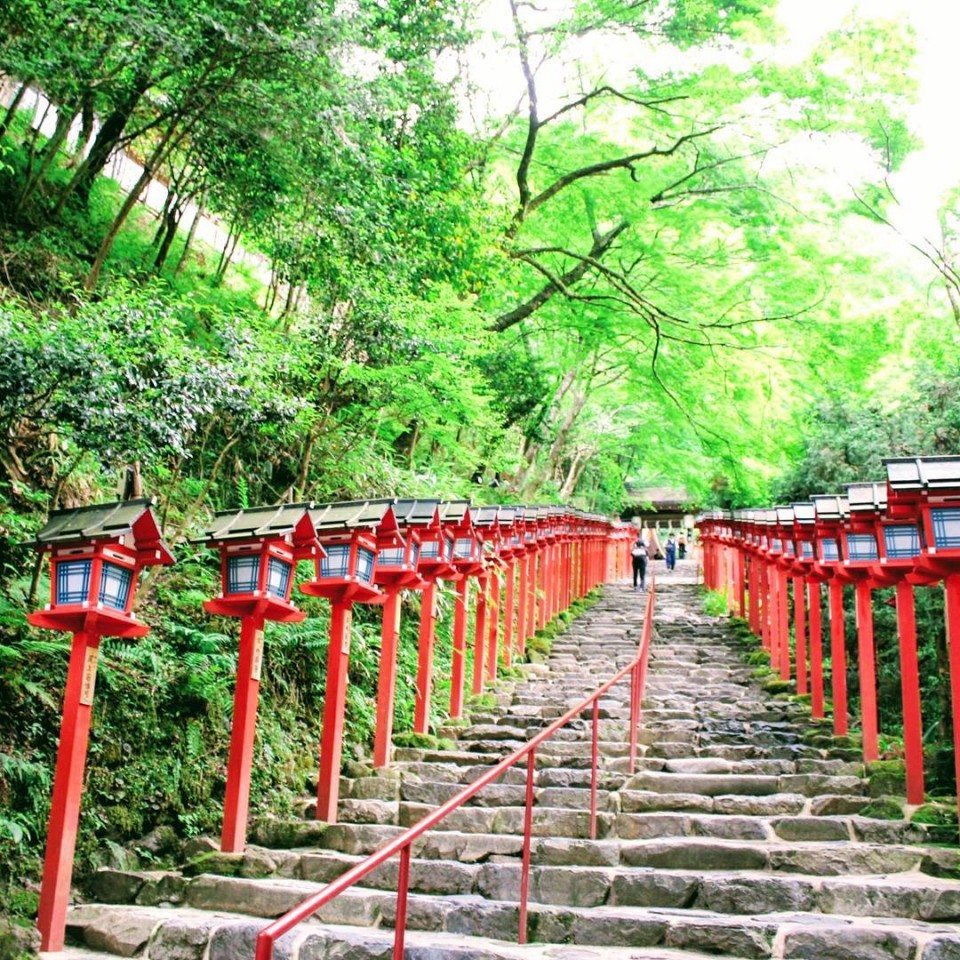 photo by @sk.ts2
Kifune Shrine lies deep in the hills of northern Kyoto, between Mount Kurama and Mount Kibune, more than an hour by train from the city center. It honors a god of water and has long been visited by people praying for rain, and today also for love and good relationships. The red torii, the stone steps and the cool riverside air make it a favorite for photos. Here the name is read Kifune, not Kibune.
Good to know
- Japanese name
- 貴船神社
- Address
- 京都府京都市左京区鞍馬貴船町180In Japanese, to show a taxi driver or type into a map app.
- Nearest station
- Kibuneguchi Station (Eizan Railway Kurama Line)
- Access
- About 30 min walk from Kibuneguchi Station, or Kyoto Bus 33 to Kibune stop, then about 5 min walk
- Hours
- 6:00–20:00 (May–November), 6:00–18:00 (December–April)
- Closed
- Open every day
- Admission
- Free
- Official website
- kifunejinja.jp
Hours and prices can change. Check the official website before you go.
The three shrines
Kifune is made up of three shrines: Hongu (the main shrine), Okumiya (the inner shrine) and Naka-miya, also called Yuinoyashiro. Tradition says to visit them in this order: Hongu, then Okumiya, then Naka-miya.
At Hongu, you can drink the sacred spring water, which is ranked among Japan's 100 best waters, and try mizu-ura, the water fortune: place the paper slip on the water and your fortune appears. The shrine is also said to be the birthplace of ema, the wooden prayer plaques, which replaced the real horses once offered here. Buy a musubi-bumi wish paper (¥200) here to tie later.
Okumiya, about 700 m upstream, was the original main shrine. On the way you pass Aioi no Sugi, two thousand-year-old cedars growing from one root. Legend says a goddess arrived here by a yellow boat, and the Funagata-iwa rock marks the spot. Naka-miya, about 300 m upstream from Hongu, is the matchmaking shrine where you tie your wish paper.
Seasons and what to wear
Autumn is the highlight, especially the evening light-up, when the red torii, colored leaves, lanterns and reflections on the water come together. Spring and winter have their own quiet beauty.
Kifune is cooler than central Kyoto, so bring an extra layer. You will walk a lot on stone steps and gravel, so skip heels and sandals.
Getting there
Take the Eizan Railway Kurama Line to Kibuneguchi Station. From there, it is about a 30-minute walk, or take Kyoto Bus 33 to the Kibune stop and walk about 5 minutes. Driving is not recommended: the roads are narrow, and there are only a few paid parking spaces. The shrine is not barrier-free, and wheelchair access is not possible. In summer, the ryokan restaurants along the river serve meals on kawadoko platforms over the water.
Nearby
 Kibune Kawadoko48m
 Kurama-dera832m
 Sanzen-in6.5km
 Kamigamo Shrine7.0km
 Kyoto Botanical Gardens8.1km
 Imamiya Shrine8.6km
Featured in these guides
 40 Best Places to Visit in Kyoto, Picked by Locals: Famous Sights and Hidden Gems40 placesKyoto is packed with historic buildings, and visitors from all over Japan and abroad come to see them. The best-known…
 Kyoto Sightseeing: 32 Popular Spots, from the Classics to Unusual Temples and Shrines32 placesKyoto is one of Japan's best-known travel destinations, and visitors from all over the world come for its historic…
 Kyoto in July: 17 Festivals, Events and Cool Spots, Plus What to Wear17 placesJuly in Kyoto is hot and humid, but it is also one of the city's busiest months for festivals. The Gion Matsuri fills…snaplaceKyoto in June: 16 Places for Hydrangeas, Festivals and Rainy Days, Plus What to Wear16 placesJune is the rainy season in Kyoto, but it is also a quieter month, when you can visit famous sights without the usual…
Recently viewed
More in Kyoto
Yasaka Koshin-doBuddhist temple Kitano TenmanguShinto shrine
 Nanzen-jiZen temple
 Fushimi Inari TaishaShinto shrine
 Mikane ShrineShinto shrine
 Jishu ShrineShinto shrine
 Shimogamo ShrineShinto shrineKyoto AquariumAquariumYasaka ShrineShinto shrine
 Kyoto TowerObservation tower
 Kiyomizu-deraBuddhist temple
 SanjusangendoBuddhist temple