
40 Best Places to Visit in Kyoto, Picked by Locals: Famous Sights and Hidden Gems
40 places · Japanese version
Kyoto is packed with historic buildings, and visitors from all over Japan and abroad come to see them. The best-known names are Kiyomizu-dera, Fushimi Inari Taisha, the Arashiyama Bamboo Grove, Kinkaku-ji, Ginkaku-ji, Yasaka Koshin-do and Nishiki Market, but the city has many more places worth your time. This selection of 40 spots draws on the picks of people from Kyoto and is grouped by area, from Gion and Kyoto Station to Uji, Kurama and Arashiyama, so it works whether this is your first trip or your fifth.
Gion and Higashiyama
Yasaka Koshin-do Higashiyama
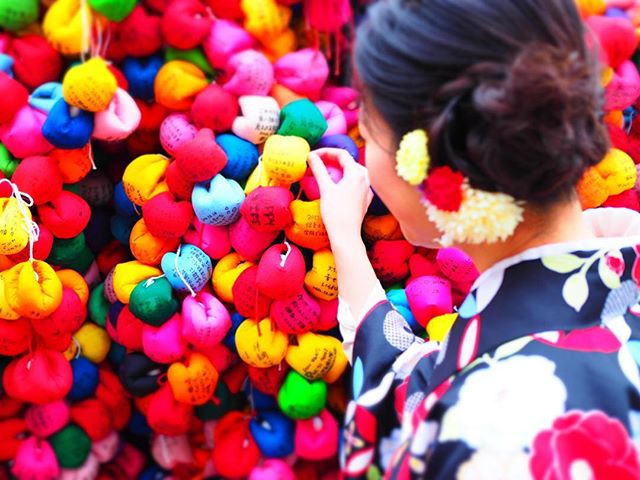
Colorful cloth balls called kukurizaru hang in great numbers all over the grounds of this small temple, and they make it one of the most photographed places in the city. Women in kimono often stop here for pictures. Write a wish on a kukurizaru and leave it at the temple. Entry is free.
Kiyomizu-dera Higashiyama
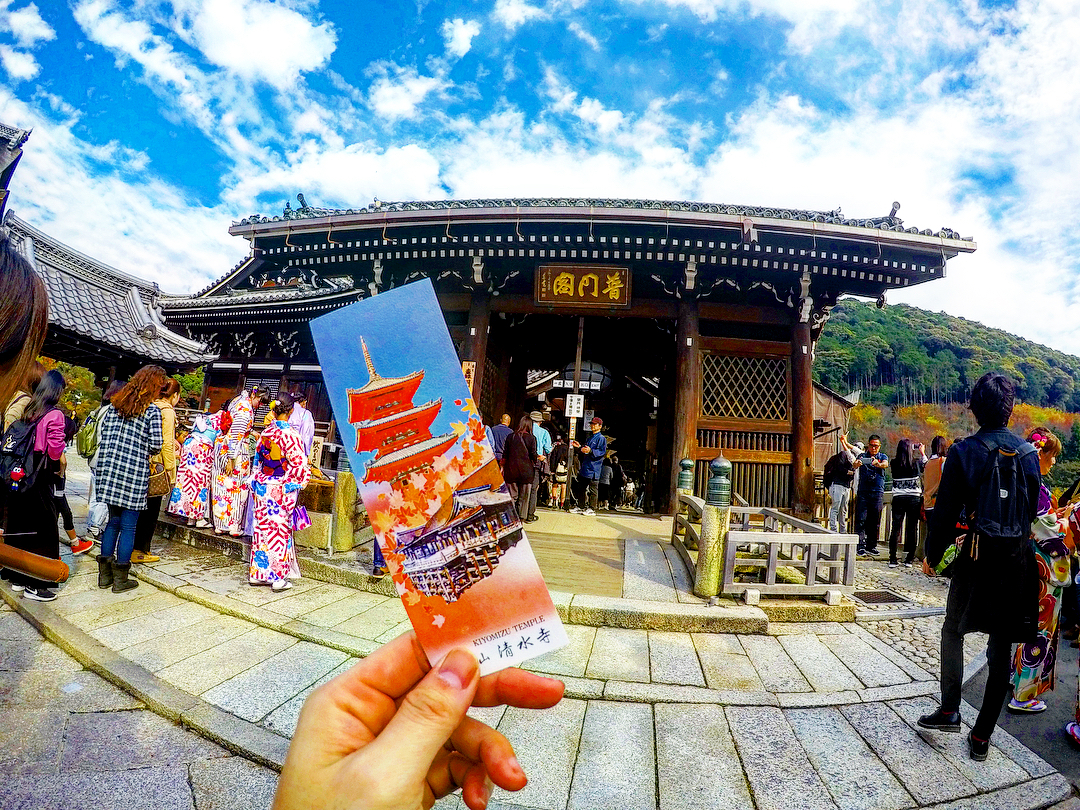
This temple was already standing before the capital moved to Kyoto in 794, and it is part of Kyoto's World Heritage cultural sites, so it draws many visitors from overseas. Its wooden stage is so famous that it appears in a common Japanese saying about jumping off it. Stand on it and feel the height for yourself.
Jishu Shrine Higashiyama
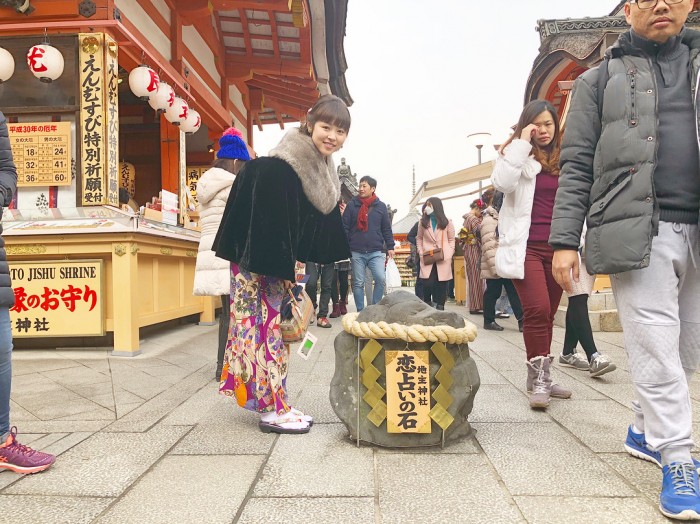
Known across Japan as a shrine for finding love. Two love-fortune stones stand in the grounds: walk from one to the other with your eyes closed, and if you reach it, your wish is said to come true. The shrine also helps people cut ties, with a paper-doll purification rite and a tree once used for midnight curses.
Starbucks Kyoto Ninenzaka Yasaka Chaya Higashiyama
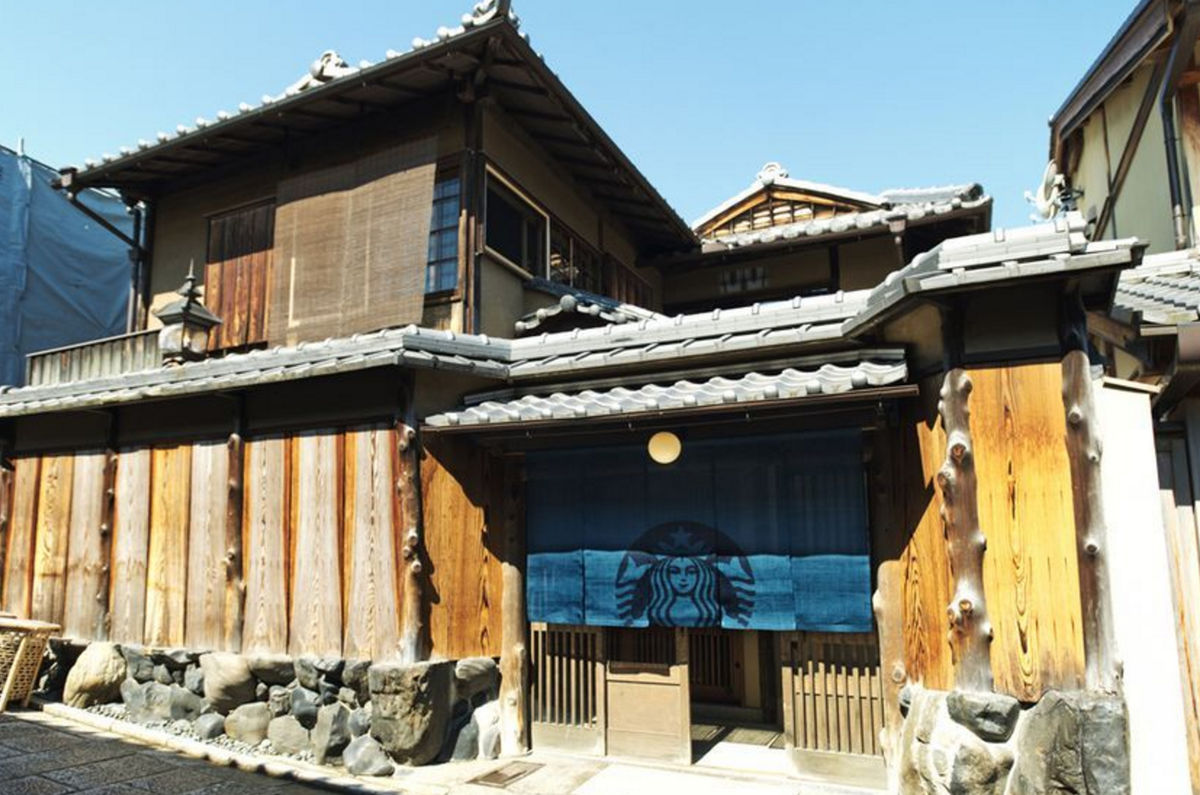
The first Starbucks in the world set in a traditional Japanese house. The building is more than 100 years old and blends into the row of townhouses on the slope. Inside, soft indirect lighting gives it the feel of a ryokan, there is a Japanese garden with a dry landscape, and the second floor has tatami rooms.
Yasaka Shrine Gion
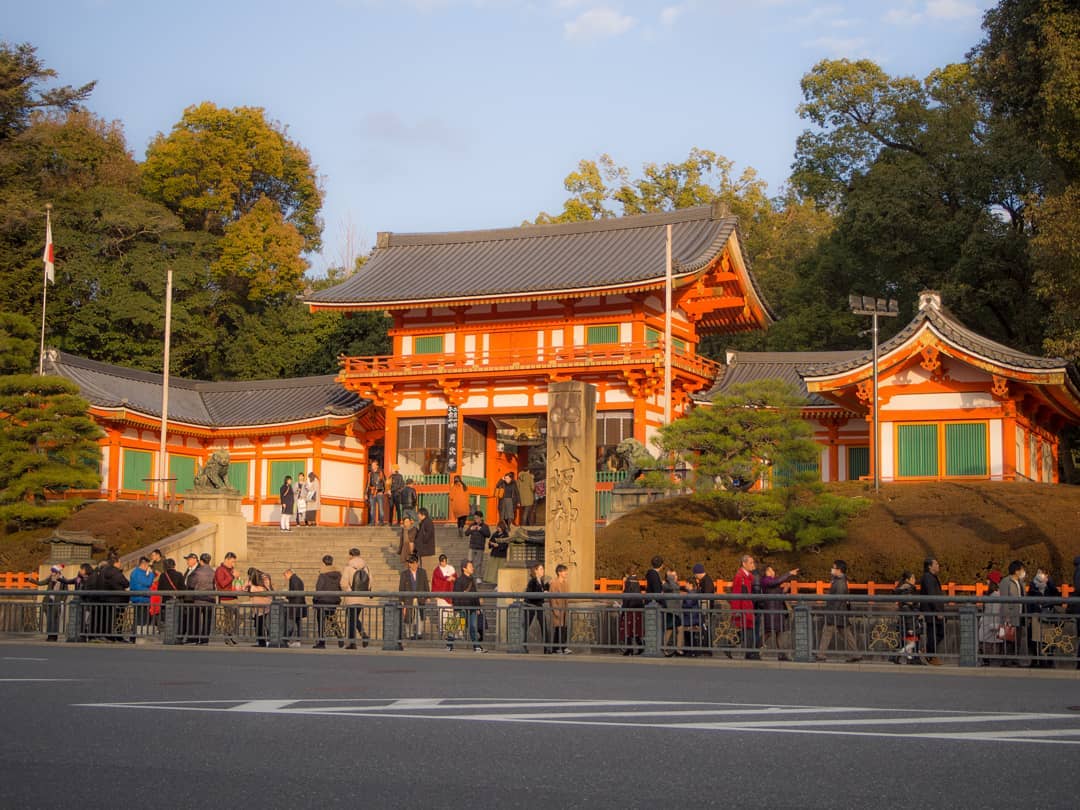
The head shrine of all the Yasaka shrines in Japan and the home of the Gion Festival. About a million people visit in the first three days of the New Year. It is also popular for love, beauty and cutting ties. Once called Kanshin-in or Gion-sha, it took its current name in 1868, and locals still call it Gion-san. Open around the clock and free.
Nanzen-ji Nanzen-ji
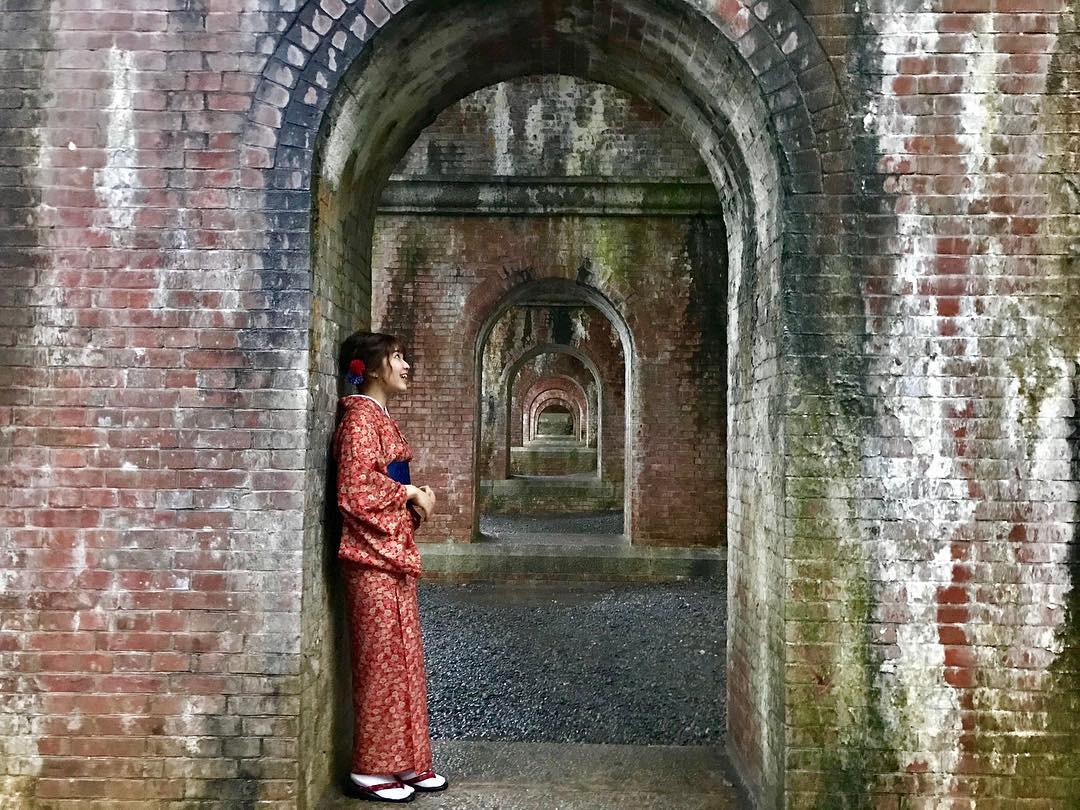
The head temple of the Nanzen-ji branch of Rinzai Zen, holding the highest rank among Zen temples. Do not miss the Suirokaku, a brick aqueduct with rows of arches that once carried water from Lake Biwa to Kyoto. Its looks have made it a favorite with photographers. The temple is about 10 minutes on foot from Keage Station.
Kennin-ji Temple Gion
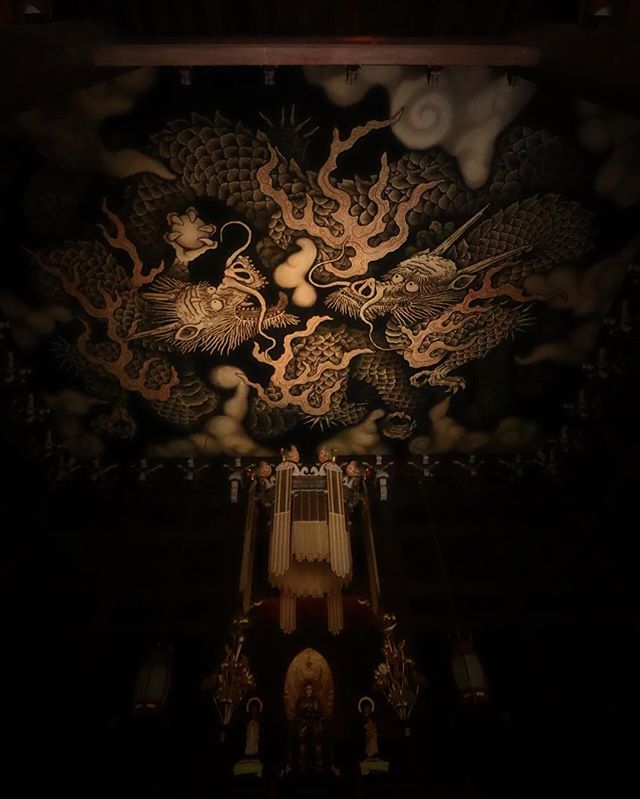
Kennin-ji is famous for the Wind God and Thunder God screens, a National Treasure. The temple holds many other cultural properties, and its dry landscape garden of raked white sand is beautiful, so there is plenty to see. It is about 7 minutes on foot from Gion-Shijo Station.
Yasui Konpiragu Shrine Gion
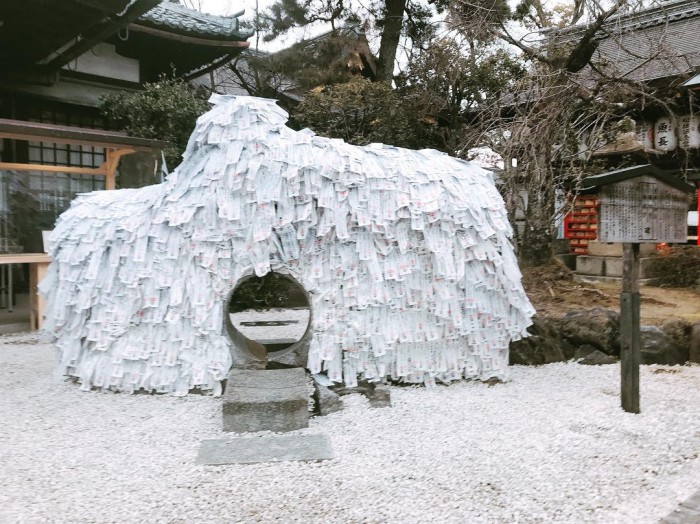
This shrine enshrines Emperor Sutoku, who started the Hogen Rebellion and died in exile. Its stone for cutting and binding ties is famous: crawl through its hole from front to back to cut bad ties, and from back to front to bind good ones. The stone is covered in countless paper charms carrying wishes, a striking sight. Open around the clock and free.
Hanamikoji Street Gion
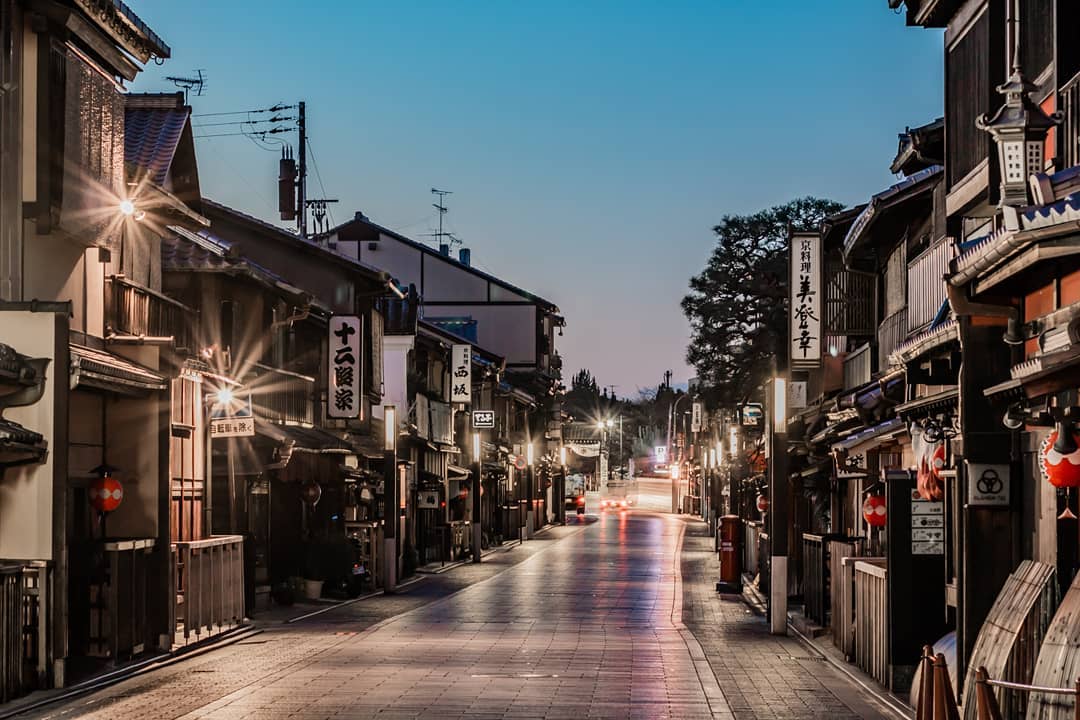
A street lined with old teahouses and restaurants that feels like the Kyoto of the past. Come in the early evening and you may see real maiko on their way to work. It is about 5 minutes on foot from the Gion bus stop.
Around Kyoto Station
Kyoto Tower Kyoto Station
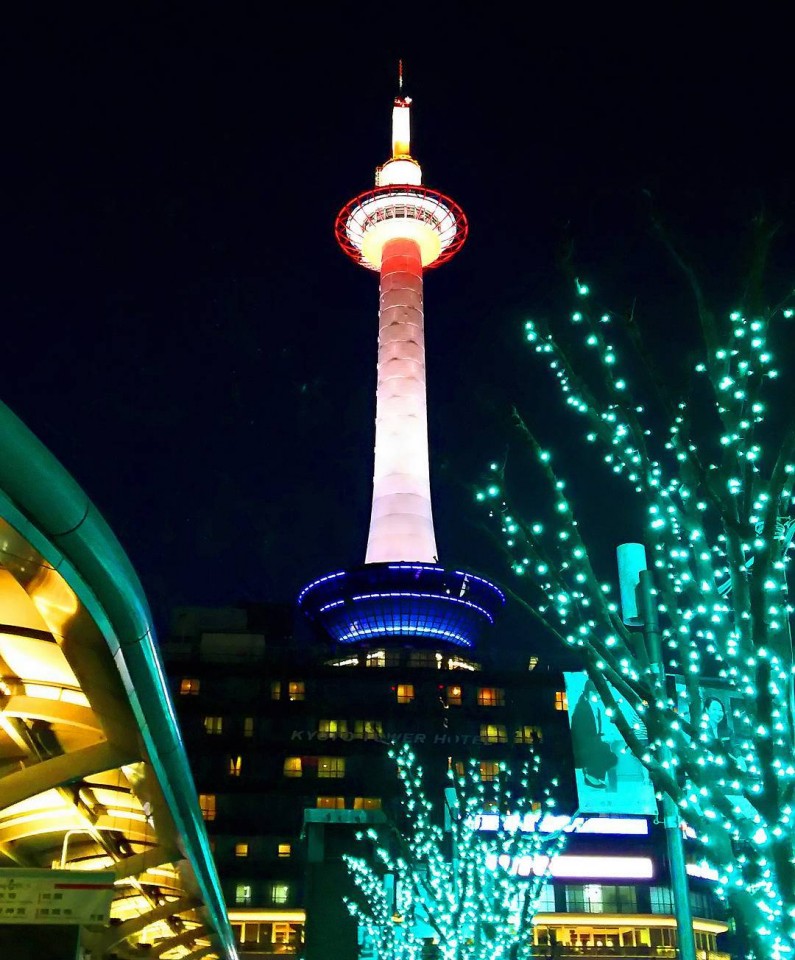
At 131 meters, the tallest structure in Kyoto, two minutes on foot from JR Kyoto Station. On clear days the view from the top is said to reach Osaka. Three floors below ground is a large public bath that opens in the morning, handy if you arrive on a night bus.
Kyoto Aquarium Kyoto Station
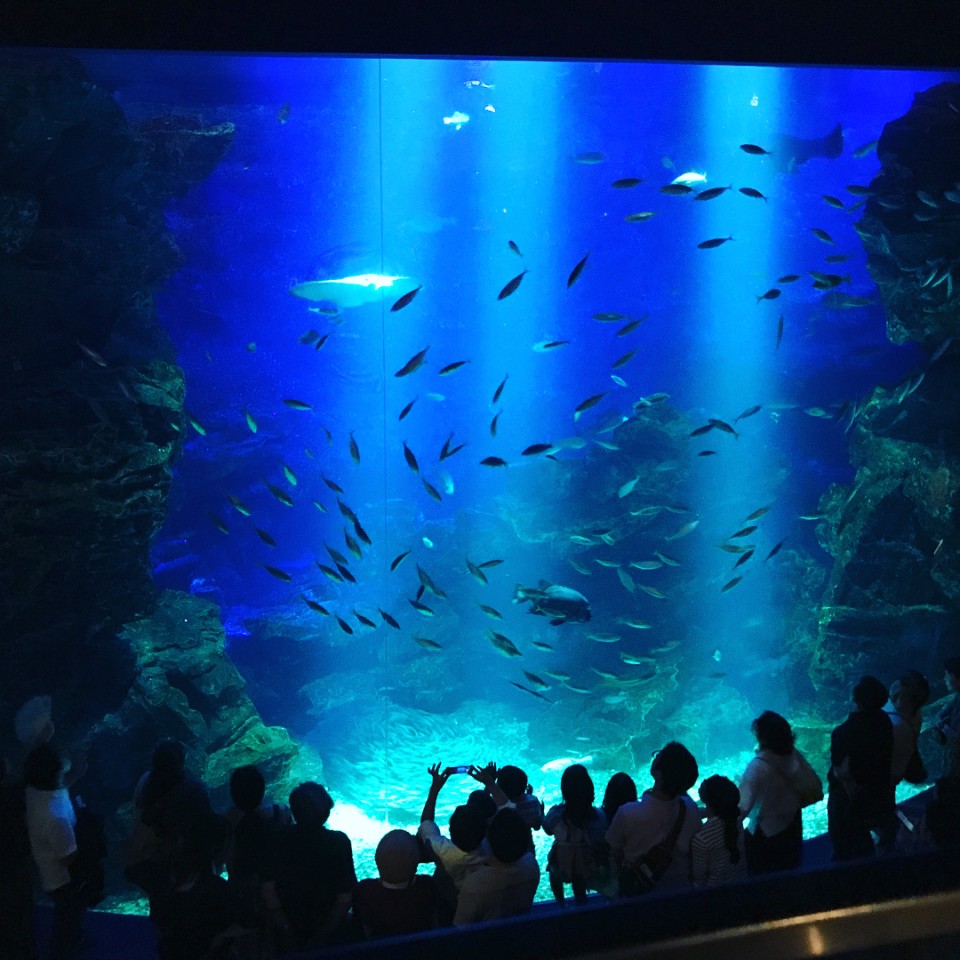
Japan's first aquarium to run entirely on artificial seawater, and the largest inland aquarium in the country. The tanks are built so you feel like you are diving: you watch spotted seals as if from the sea floor and see penguins from directly below. The dolphin show is popular too. About 15 minutes west of Kyoto Station on foot.
Kyoto Railway Museum Kyoto Station
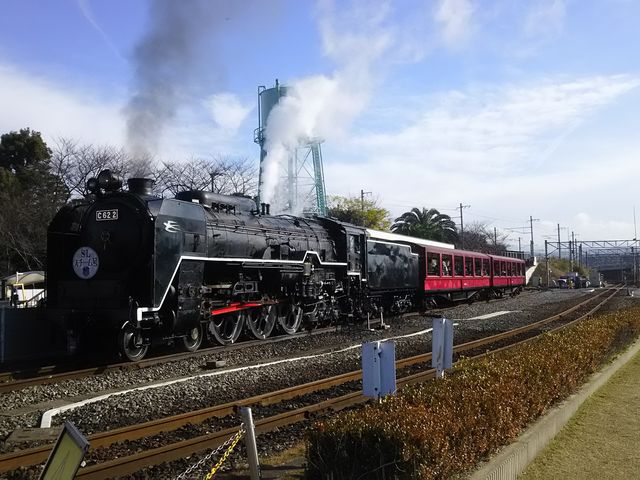
Built around the idea of seeing, touching and trying, this museum displays 53 rare rail cars, steam locomotives among them, so you can take your time looking at the trains. Driving simulators and a control room let you play at being a railway worker. A treat for train fans, about 20 minutes on foot from Kyoto Station.
Sanjusangendo Higashiyama
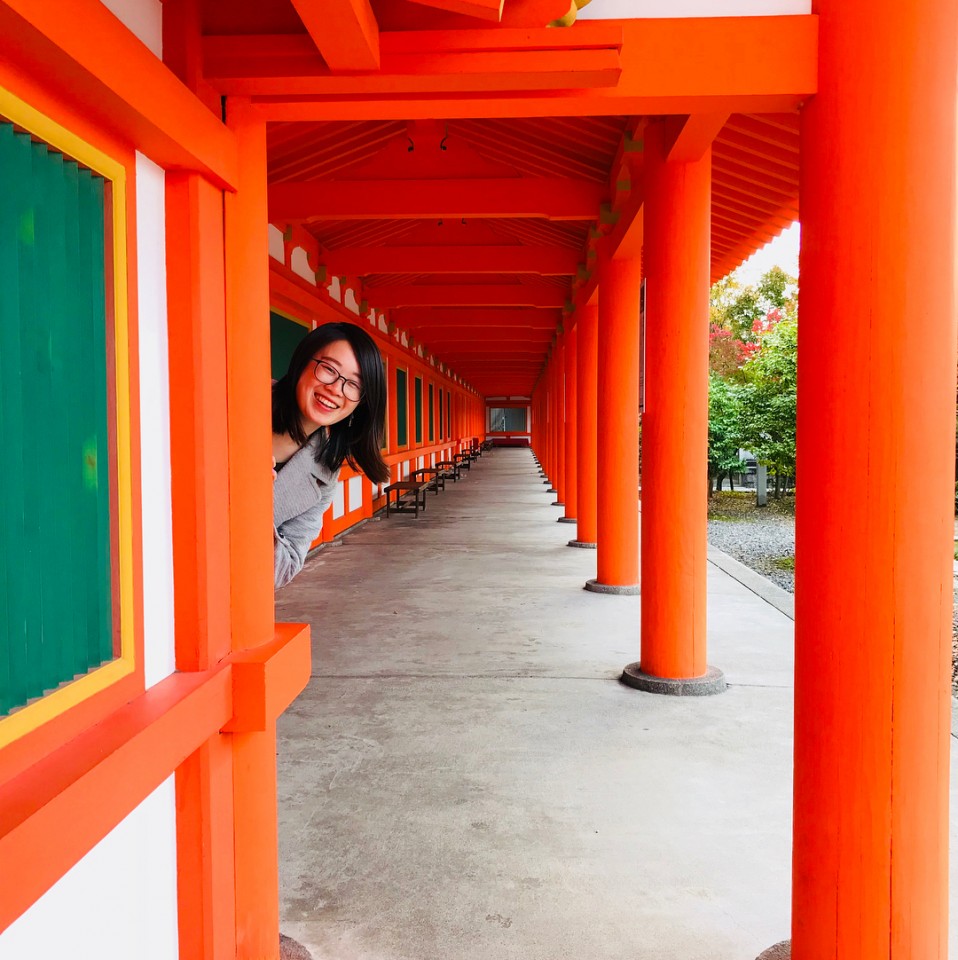
A hall of a length rarely seen anywhere in the world, housing 1,001 precious statues of the Thousand-armed Kannon made in the Heian and Kamakura periods. The temple is also known for the Toshiya, an archery event that brings together skilled archers from across Japan. About 10 minutes by city bus from Kyoto Station.
Tofuku-ji Higashiyama
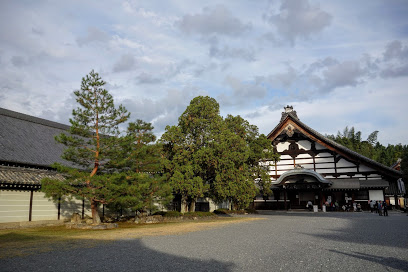
Tofuku-ji has the Tosu, said to be the oldest toilet building in Japan and an Important Cultural Property. The main hall garden, with its patterns of sand, stones and greenery, is a lovely composition, and the Tsutenkyo bridge is one of Kyoto's most famous places for autumn leaves.
Kinkaku-ji and Ryoan-ji
Kinkaku-ji (Golden Pavilion) Kinkaku-ji
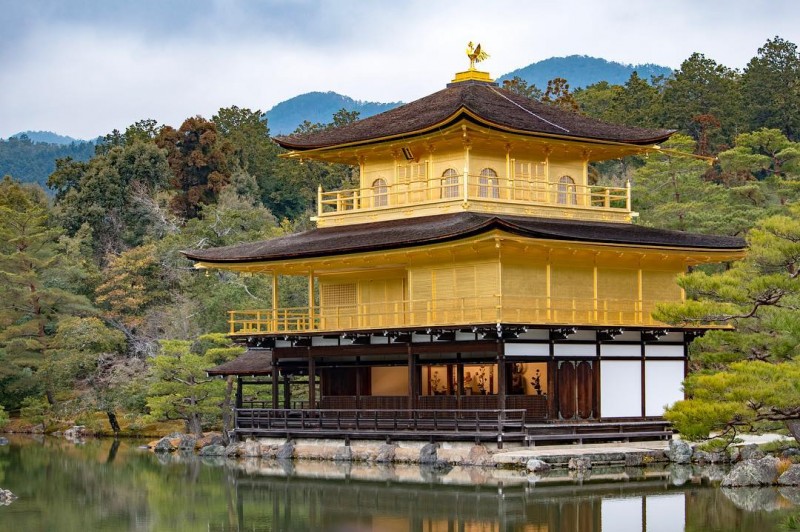
Built on the orders of Ashikaga Yoshimitsu, the third shogun, and covered in gold leaf, the pavilion shines even from a distance. It became a UNESCO World Heritage site in 1994 and is one of the busiest sights in the city. Take a Kyoto city bus to the Kinkakuji-michi stop.
Ryoan-ji Temple Kinkaku-ji
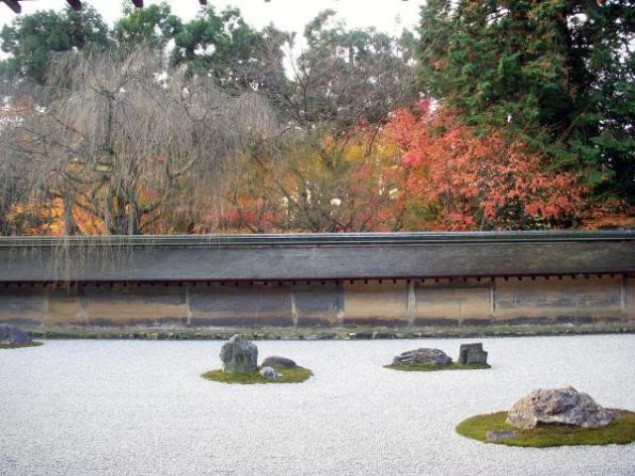
A temple of the Myoshin-ji branch of Rinzai Zen, famous for its rock garden, where white sand and stones alone suggest flowing water. The garden is about 25 meters wide and 10 meters deep, with 15 stones of different sizes set in groups of five, two, three, two and three. Who made it is still unknown.
Shimogamo, Kitano and Nijo
Shimogamo Shrine Shimogamo
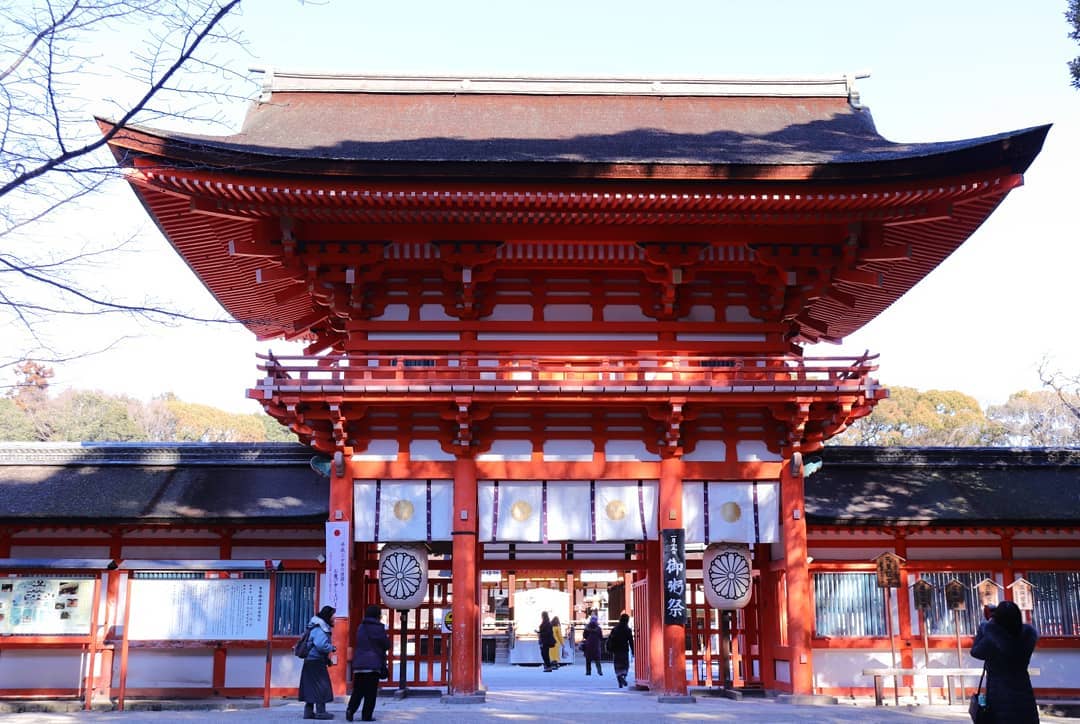
Registered as a UNESCO World Heritage site in 1994, this shrine is believed to help with matchmaking. It is also known for its sazare-ishi, the kind of pebble stone mentioned in Kimigayo, Japan's national anthem. The grounds are free to enter, about 7 minutes on foot from Demachiyanagi Station.
Kawai Shrine Shimogamo
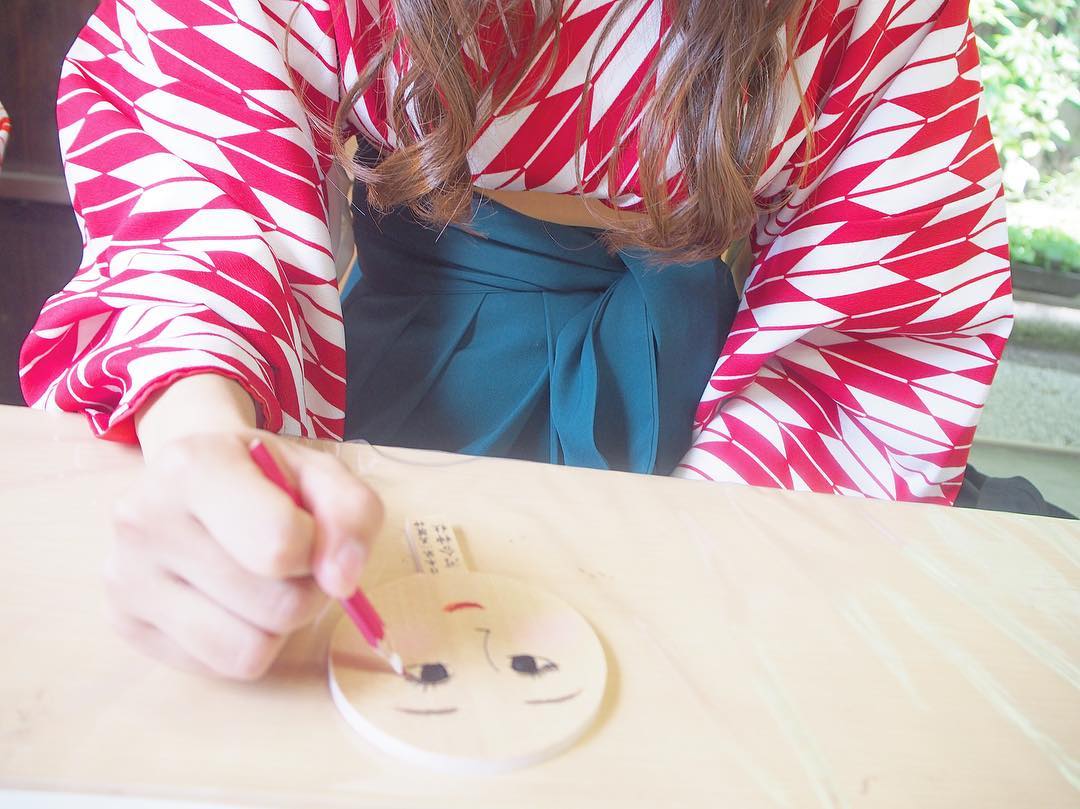
Called a sacred place for beauty. Draw the face you want to have on a hand-mirror-shaped votive plaque, and you are said to move closer to it. Rows of plaques with all kinds of faces are fun just to look at. Try Bijin-mizu, a drink made from Chinese quince grown at Shimogamo Shrine and spring water, said to make you beautiful.
Kitano Tenmangu Kitano
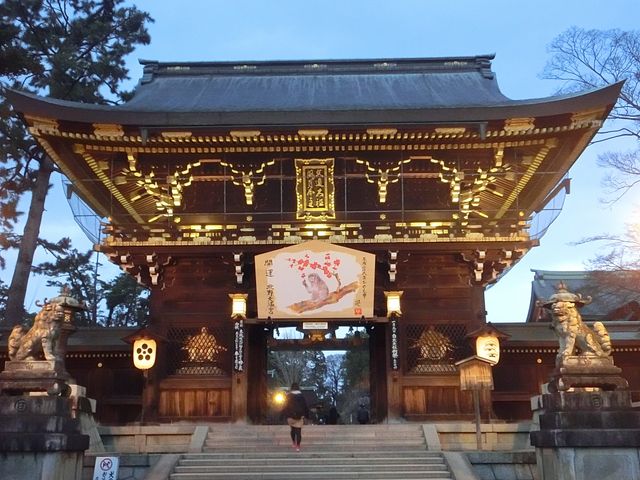
Dedicated to the scholar Sugawara no Michizane, this shrine is popular with students before exams. Look for the stone lantern of Daikoku southeast of the Sanko-mon gate: if a small pebble stays on Daikoku's mouth, keep it in your wallet for money luck. The National Treasure main hall and the green maples on the Odoi earthworks are other highlights.
Nijo Castle Nijo
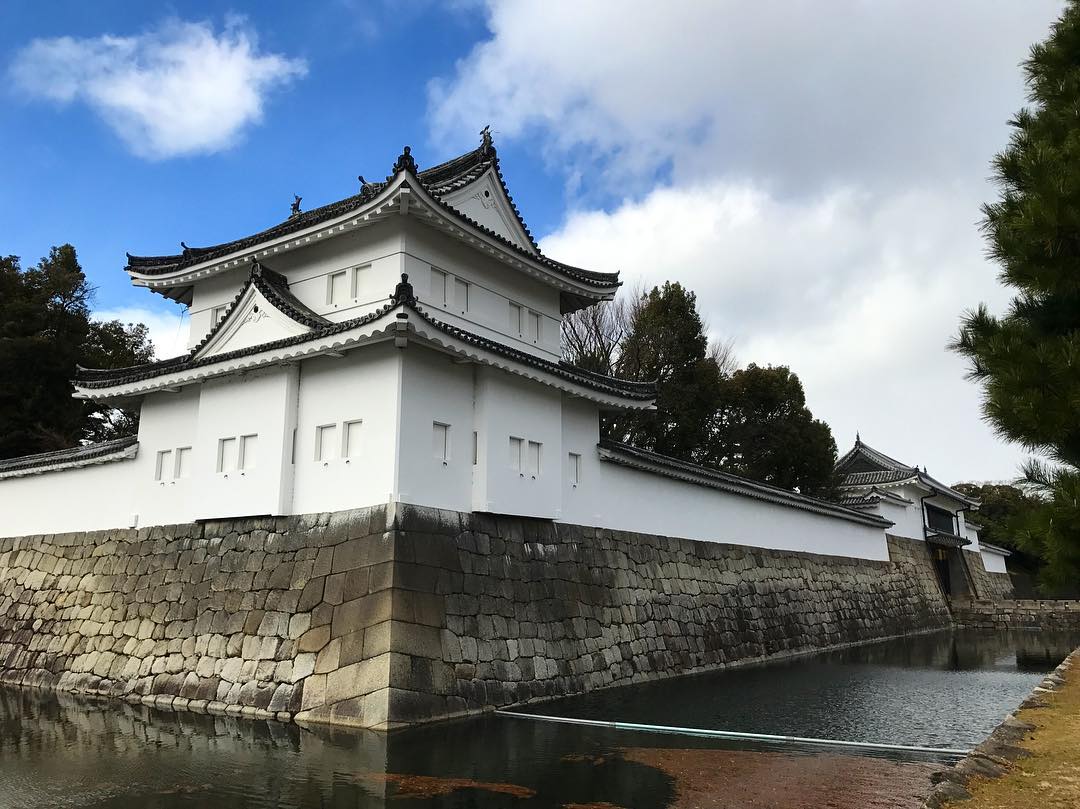
A key place in Japanese history: the ceremony that recognized Tokugawa Ieyasu as shogun was held here, and it is where Tokugawa Yoshinobu handed power back to the emperor. You can take your time inside the buildings and read the explanations as you go. It is right by Nijo Station.
Downtown: Shijo and Karasuma
Nishiki Market Downtown Kyoto
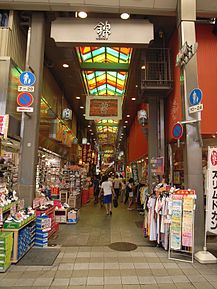
Known as Kyoto's Kitchen, this shopping street runs from Teramachi to Takakura Street and has a history of about 400 years. Most shops open from about 9:30 to 18:00 and sell pickles, fresh fish, Kyoto vegetables and more. Snack on fried skewers, rolled omelet and sweets as you walk. It is very crowded on weekends and holidays.
Kyoto International Manga Museum Downtown Kyoto
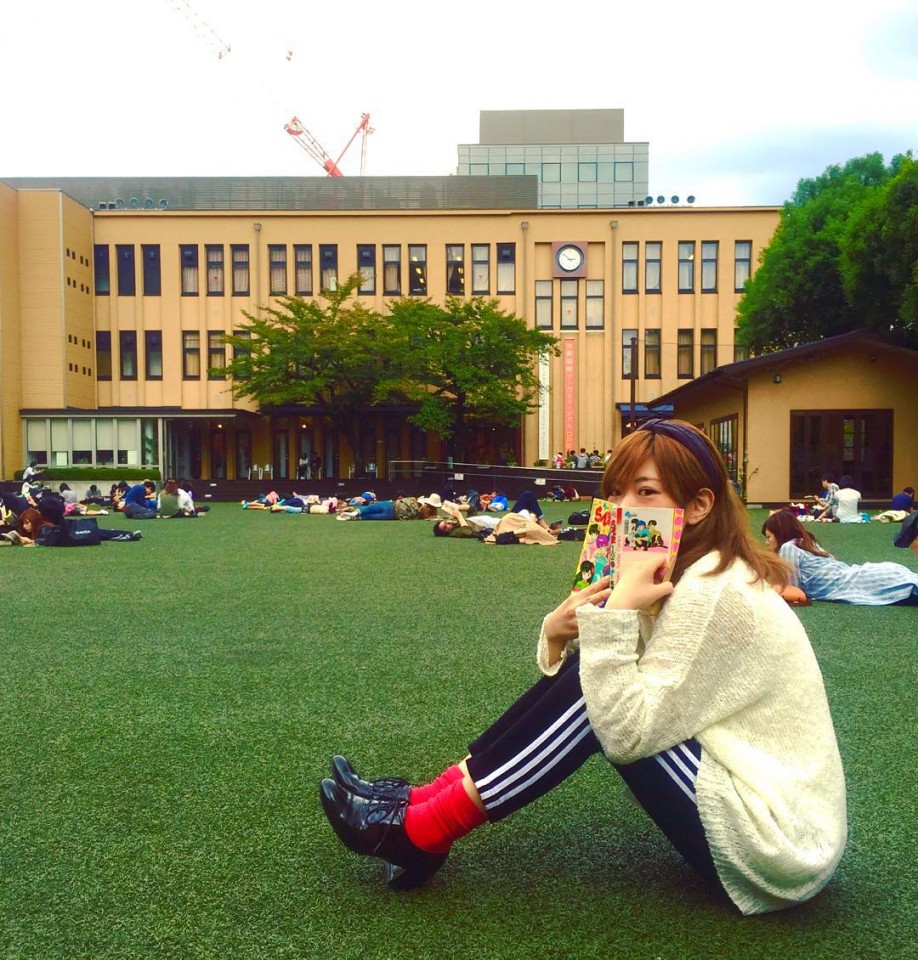
The first comprehensive manga museum in Japan and the largest. Along with rare materials about manga, it holds about 300,000 works from Japan and abroad that you can read, even while lying on the lawn. A paradise for manga fans, two minutes on foot from Exit 2 of Karasuma Oike Station.
Rokkakudo (Choho-ji) Downtown Kyoto
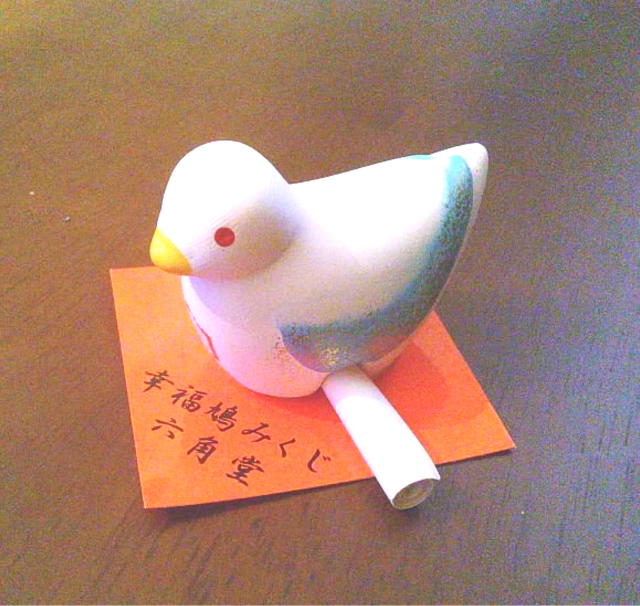
A temple in the very center of Kyoto said to have been founded by Prince Shotoku, and said to be the birthplace of ikebana. Next to the hexagonal hall are the remains of a pond where the prince is said to have bathed. The pigeon-shaped fortunes are the favorite here, and many people take them home as decorations.
Ginkaku-ji and Okazaki
Ginkaku-ji (Silver Pavilion) Ginkaku-ji
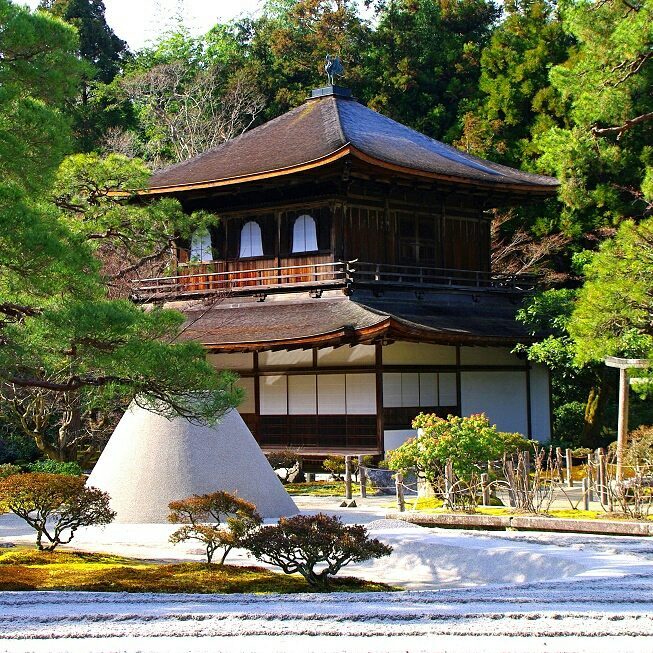
Built by Ashikaga Yoshimasa, the eighth shogun. Unlike Kinkaku-ji, it carries no silver leaf, and one theory says the money ran out, though no one knows for sure. Even without silver, the pavilion has a quiet elegance that moves many visitors. Take a Kyoto city bus to the Ginkakuji-michi stop.
Heian Shrine Okazaki
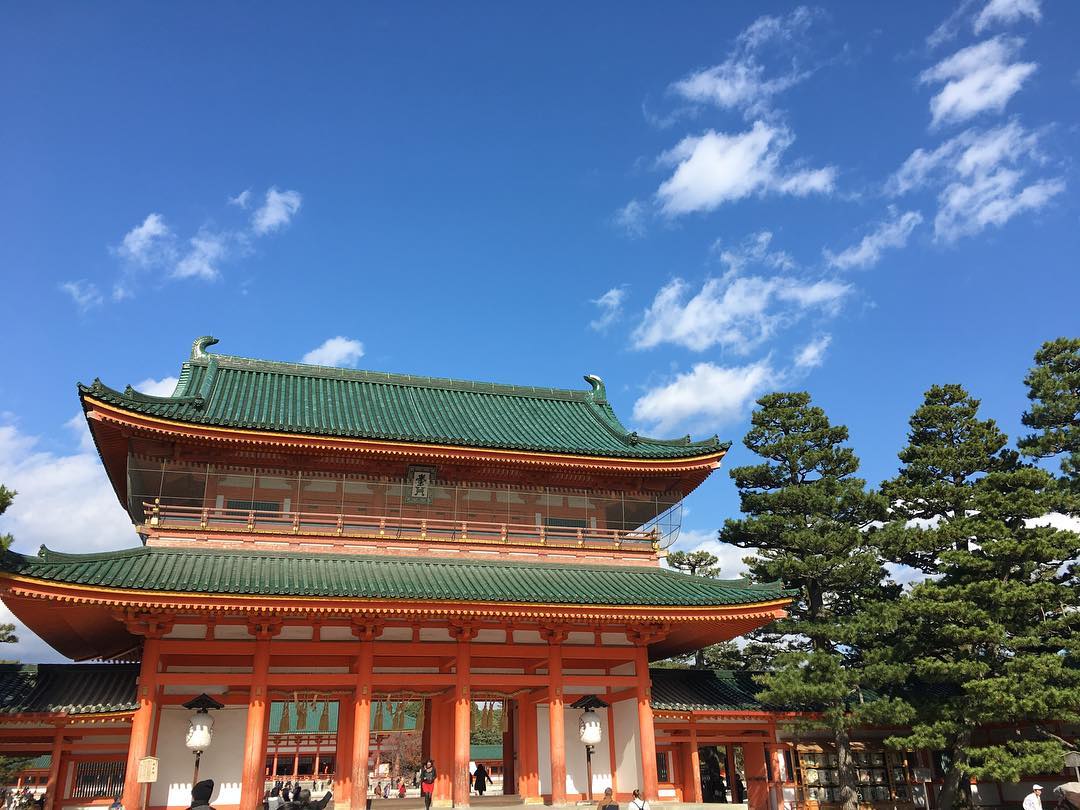
Built in 1895 to mark 1,100 years since the capital moved to Kyoto, this shrine enshrines Emperor Kanmu, the emperor who moved it. Its bright vermilion Otenmon gate is one of the city's symbols, and the grounds hold many Important Cultural Properties. About 10 minutes on foot from Higashiyama Station.
Okazaki Shrine Okazaki
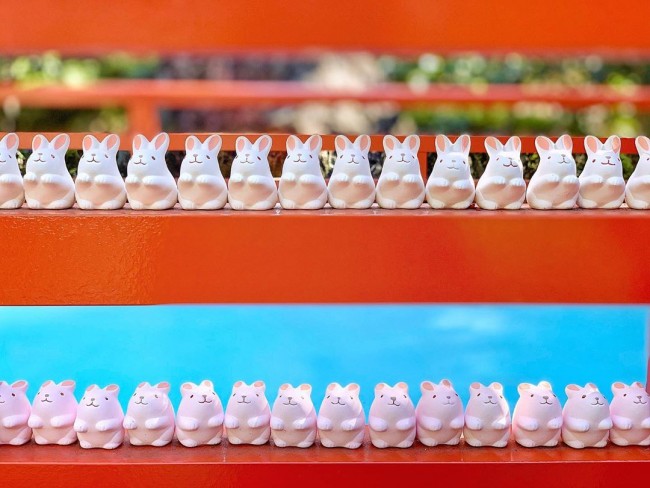
Known as the rabbit shrine. It stands at the southern foot of Mt. Yoshida, once home to wild hares, and rabbits are its sacred messengers. Rabbit figures, lanterns, votive plaques and guardian statues are everywhere. Rubbing the belly of one rabbit is said to help couples have children, and the rabbit fortunes with sweet faces are very popular.
Philosopher's Path Ginkaku-ji
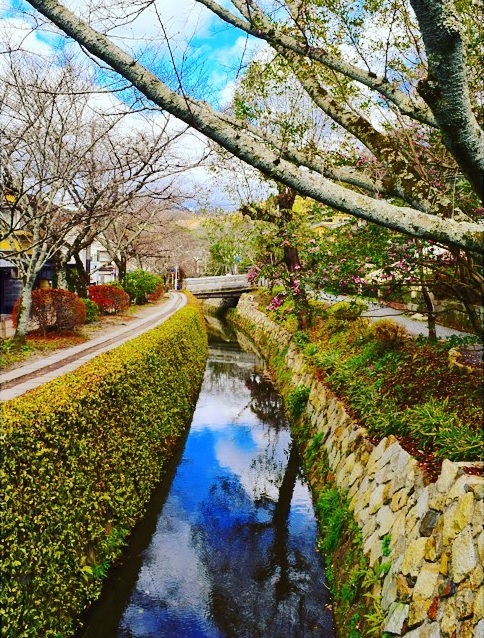
A walking path of about 1.6 km, chosen as one of the 100 best roads in Japan. It is named after thinkers such as the philosopher Nishida Kitaro, who walked here lost in thought. Follow in their footsteps and let your mind wander. Spring and autumn are the best seasons.
Fushimi and Uji
Fushimi Inari Taisha Fushimi
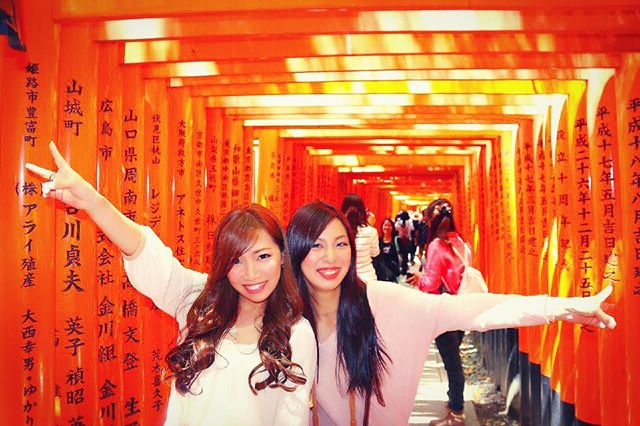
Founded in 711 and famous for its thousand torii gates, though there are said to be about 10,000, so the tunnel of gates goes on and on like a red maze. It is also the head shrine of about 30,000 Inari shrines across Japan. Open around the clock and free, one minute on foot from Inari Station.
Byodo-in Uji
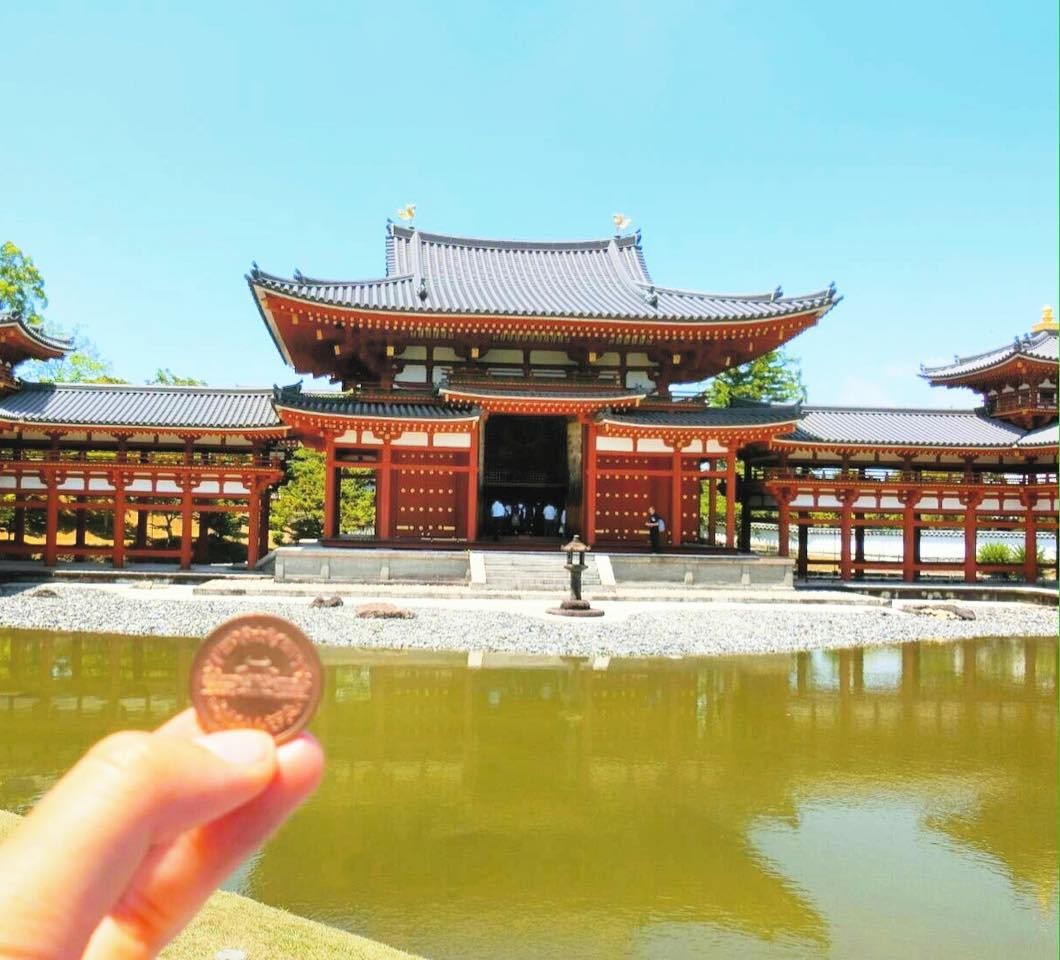
A World Heritage temple linked to the Fujiwara family of the late Heian period, which has passed down its Buddhist statues, paintings and garden to the present day. Its hall appears on the 10-yen coin, so bring one and compare it with the real thing. About 10 minutes on foot from Uji Station.
Nakamura Tokichi Honten Uji
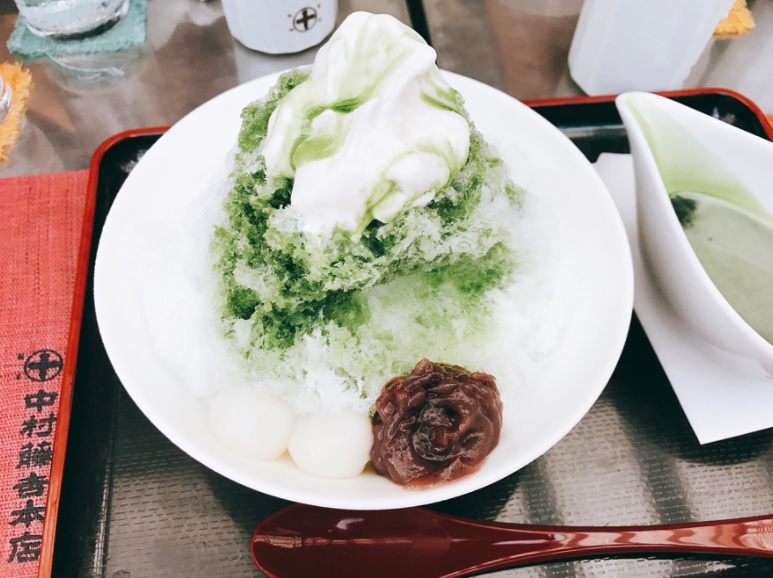
The main store of Nakamura Tokichi, famous for sweets made with rich matcha. Lines form from opening time, and the wait can be over 150 minutes. Anmitsu, ice cream, parfaits and shaved ice all have a deep matcha taste, and the pound cake to take home is well liked too. Five minutes on foot from JR Uji Station.
Mimuroto-ji Uji
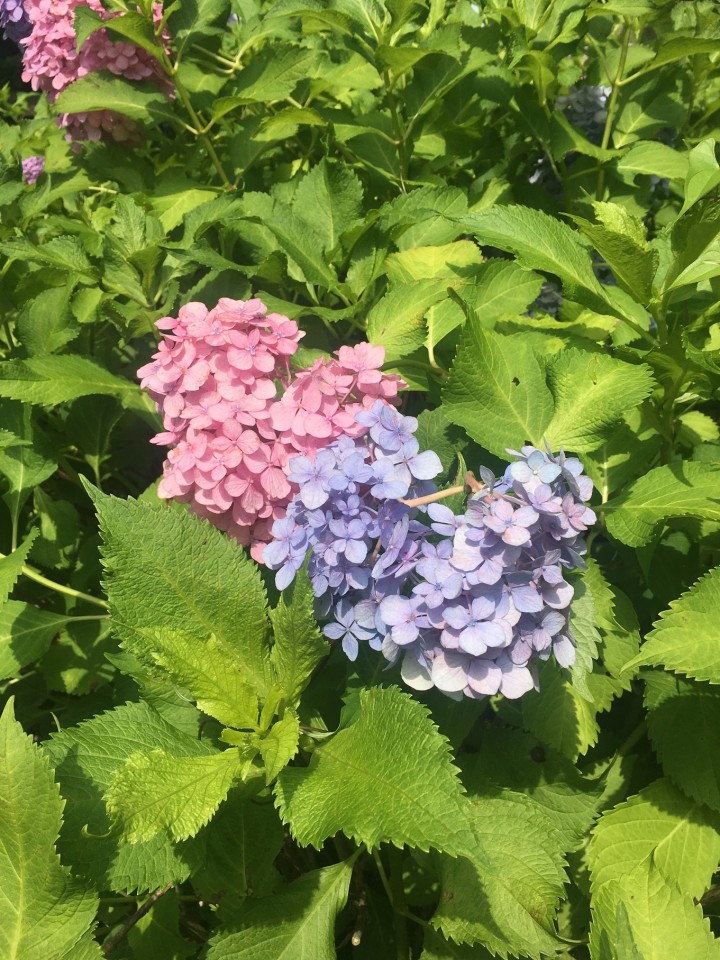
A temple where flowers mark each season, from azaleas to lotus and hydrangeas, with early summer the best time to go. It is popular for money luck, with snake charms on sale. The temple is linked to the Uji chapters of The Tale of Genji, and its Genji love fortunes are well known. About 15 minutes on foot from Mimurodo Station.
Shoju-in Temple Ujitawara
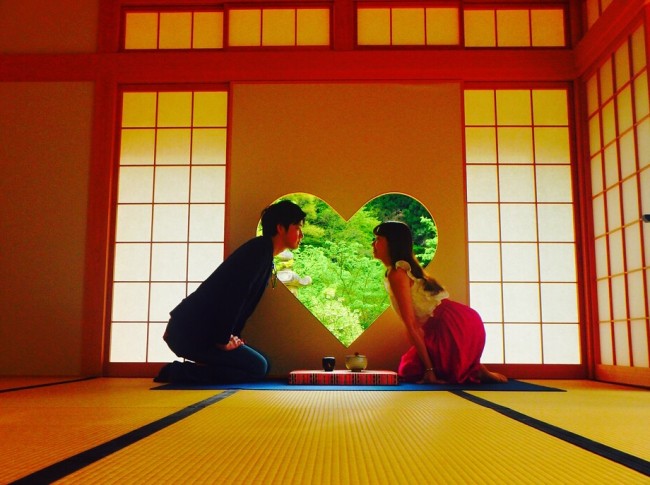
Famous for its heart-shaped window. A heart in a Japanese room sounds like an odd mix, but the garden framed by it is beautiful. Heart-shaped charms and temple stamps with hearts are popular too. The temple lies in the hills of Ujitawara, reached by bus from Uji with a change to a community bus.
Ohara, Kurama and Kibune
Kifune Shrine Kibune
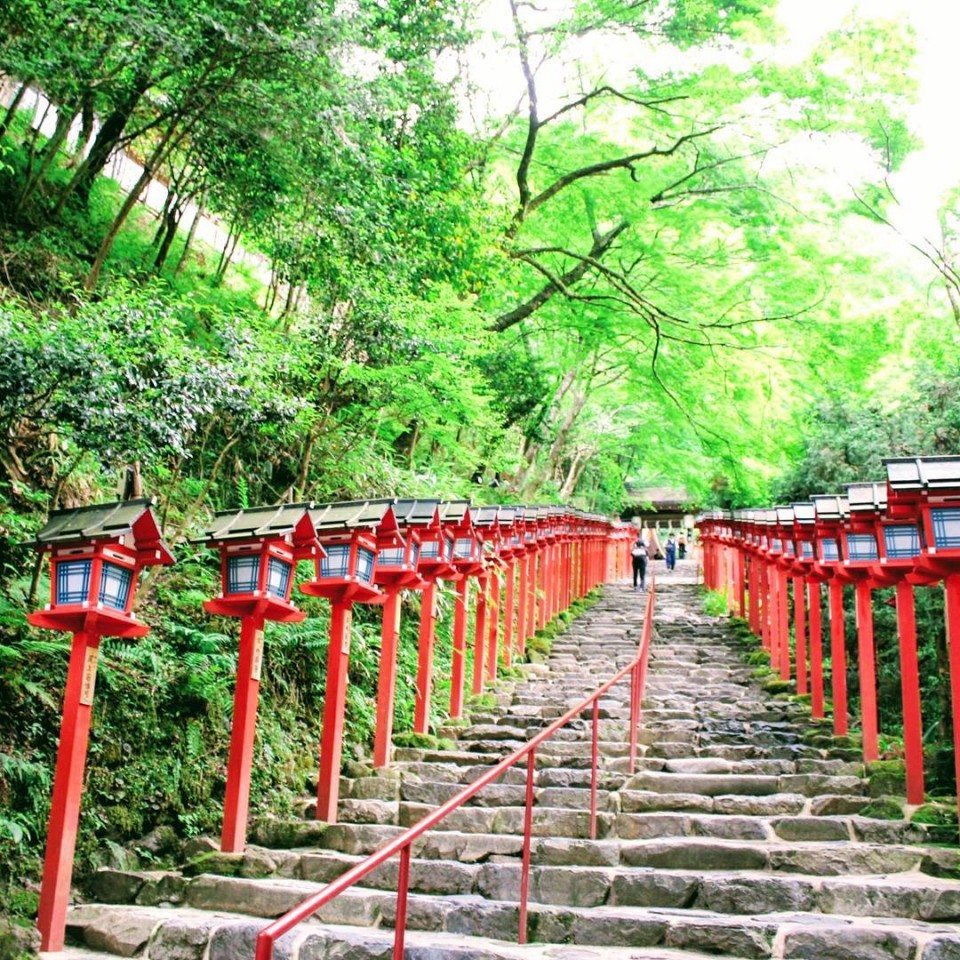
This shrine enshrines the god of water and is known for both matchmaking and cutting ties. Try the mizu-uranai water fortune: float the paper on the water and your fortune appears in letters. From Kibuneguchi Station on the Eizan Railway, walk about 30 minutes or take a Kyoto Bus to Kibune.
Kurama-dera Kurama
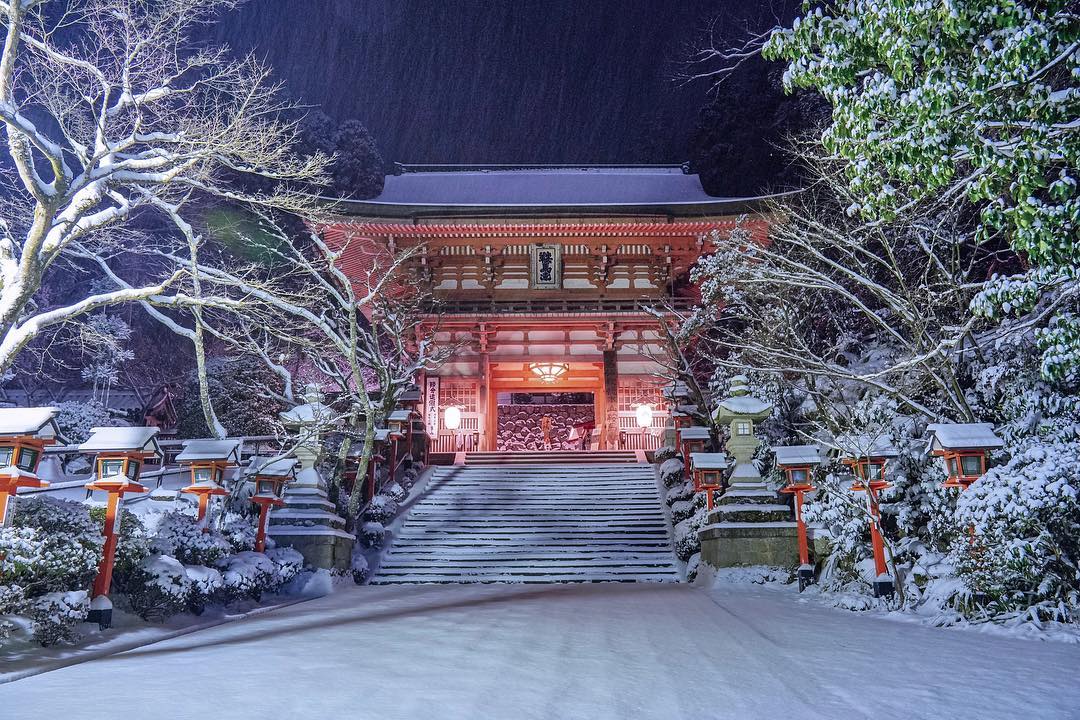
Minamoto no Yoshitsune spent his childhood at this mountain temple, and legend says he learned martial arts from a tengu here. In front of the main hall is the Kongosho, a stone pattern seen as a very strong power spot: stand at the center of the hexagram with your arms open to connect with the universe and make a wish.
Sanzen-in Ohara
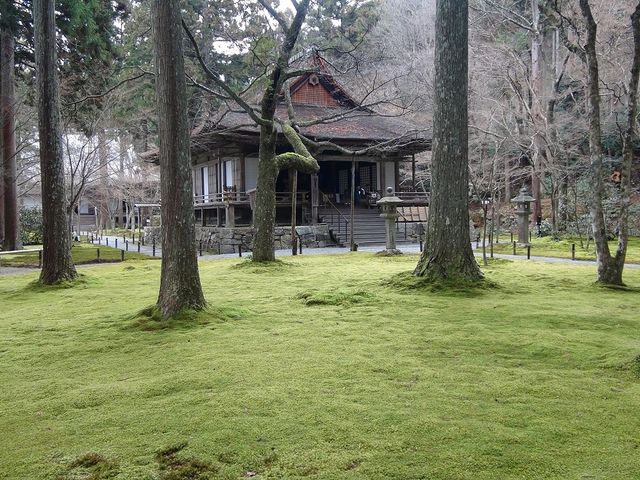
A temple in Ohara famous for a moss garden that glows like emeralds. Its history goes back to a small hall built by Saicho, founder of the Tendai school. Visit in the rainy season, when the moss and hydrangeas are at their best, or in autumn leaf season, though its calm air suits any time of year. About 10 minutes on foot from the Ohara bus stop.
Arashiyama and Uzumasa
Arashiyama Bamboo Grove Arashiyama
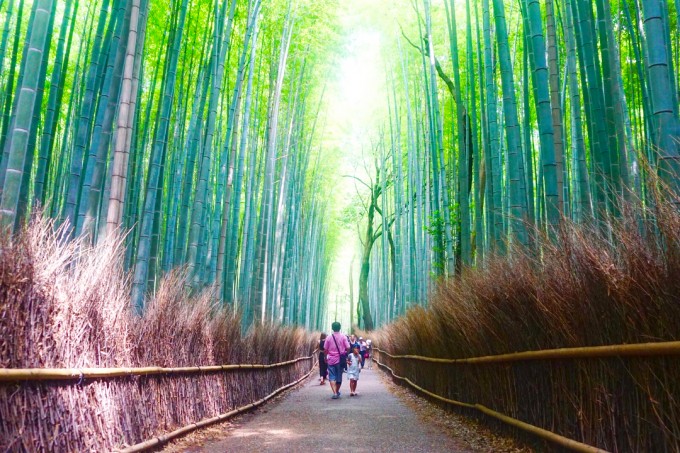
A walking path through tens of thousands of bamboo stalks rising straight toward the sky, running past the north side of Tenryu-ji. Come early in the morning, when the path is quiet and you can hear the leaves in the wind. It is free and open at any time, about 10 minutes on foot from Saga-Arashiyama Station.
Tenryu-ji Arashiyama
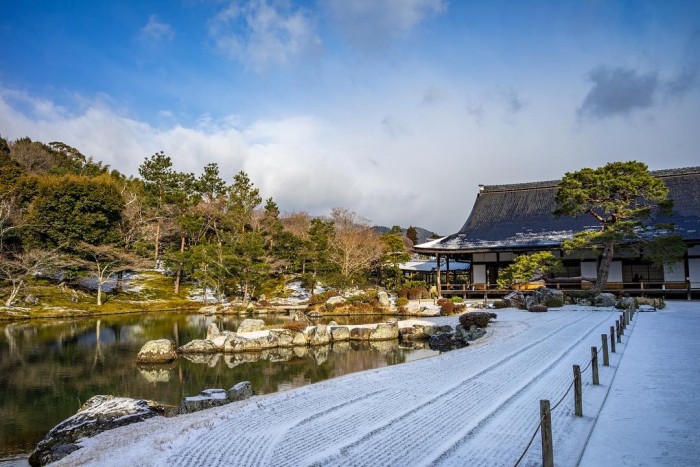
The head temple of the Tenryu-ji branch of Rinzai Zen, regarded as the first of Kyoto's five great Zen temples and part of the city's World Heritage site. The highlight is the Sogenchi Garden, a pond garden that borrows the hills of Arashiyama as its backdrop. Sit on the veranda and watch the seasons across the pond.
Togetsukyo Bridge Arashiyama
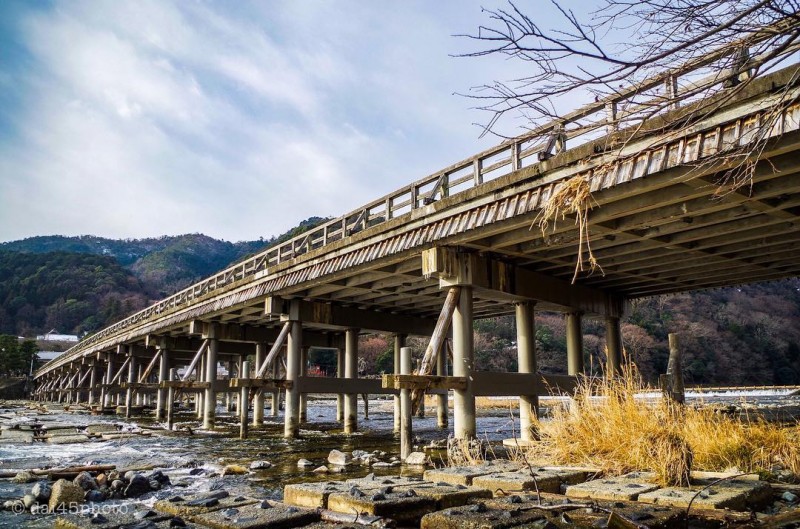
This 155-meter bridge over the Katsura River, with wooded hills behind it, is one of Kyoto's most familiar views. Its name means moon-crossing bridge. In spring and autumn the hills fill with cherry blossoms and red leaves. There are no opening hours, so you can walk across at any time.
Kimono Forest Arashiyama
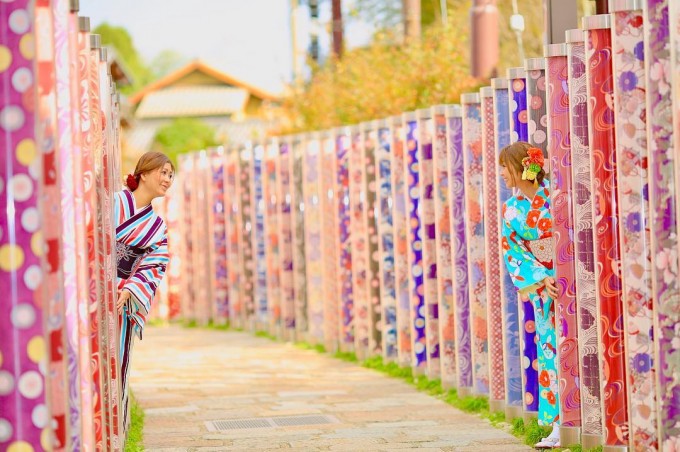
A public artwork at Randen Arashiyama Station: about 600 poles, each around two meters tall, filled with Kyo-yuzen kimono fabric and lined up to form a path. After sunset, lights inside the poles come on and the area takes on a dreamlike glow. Free and open around the clock.
Toei Kyoto Studio Park Uzumasa
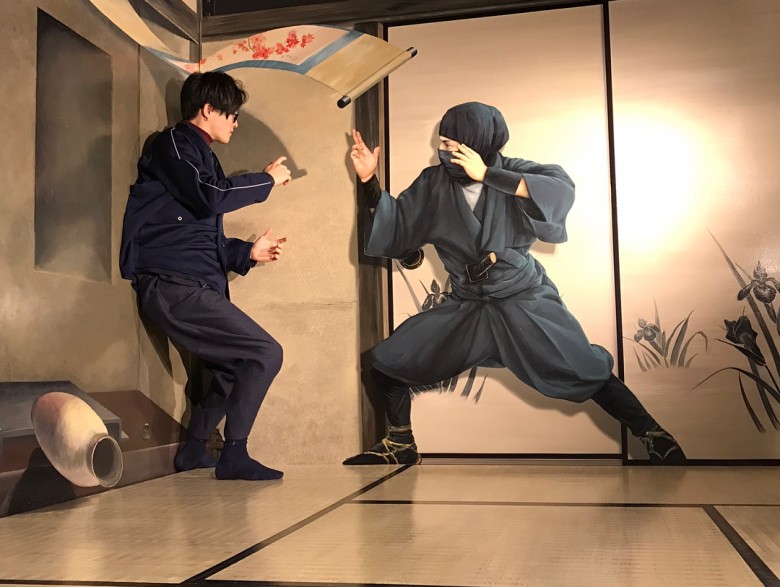
A film theme park built around sets used for Japanese period dramas, with streets that recreate the Edo period. Dress up as a ninja, samurai, geiko or oiran, watch the ninja show, or try the maze and haunted house. Plan on most of a day. It is about 5 minutes on foot from JR Uzumasa Station.
The places on a map
Hours, prices and events change. Check each place's official website before you go.
More travel guides
 Tokyo Sightseeing by Area: 40 Classic Sights and Lesser-Known Spots from Asakusa to Odaiba40 placesTokyo has much more to see than Skytree, Tokyo Tower and Asakusa. This guide works through six of the city's main…
 Nagoya: 40 Best Places to Visit, from Nagoya Castle and Atsuta Jingu to Osu40 placesNagoya is one of Japan's biggest cities, yet many visitors don't know how much it has to see. Alongside its famous…
 Chichibu: 40 Best Places to Visit, from Nagatoro River Boats and Mitsumine Shrine to Moss Phlox and Icicles40 placesChichibu, the largest city in Saitama Prefecture, is about 90 minutes from central Tokyo. Most of the area is national…
 Niigata Prefecture: 40 Best Places to Visit, from Classic Sights to Hidden Gems40 placesNiigata Prefecture stretches a long way from north to south, and each area has its own scenery, climate and food. The…
 Nagasaki Prefecture: 40 Best Places to Visit, from Unzen Hot Springs to Hirado and Nagasaki City40 placesNagasaki grew up as a port open to the outside world, and the culture of those days still shapes its streets, churches…
 Fukuoka Prefecture: 40 Places to Visit in Kitakyushu, Chikuho and Around Fukuoka City40 placesFukuoka Prefecture is roughly divided into four areas, Kitakyushu, Chikuho, Fukuoka and Chikugo, and each has its own…