
Fushimi Inari Taisha
Shinto shrine · Fushimi, Kyoto
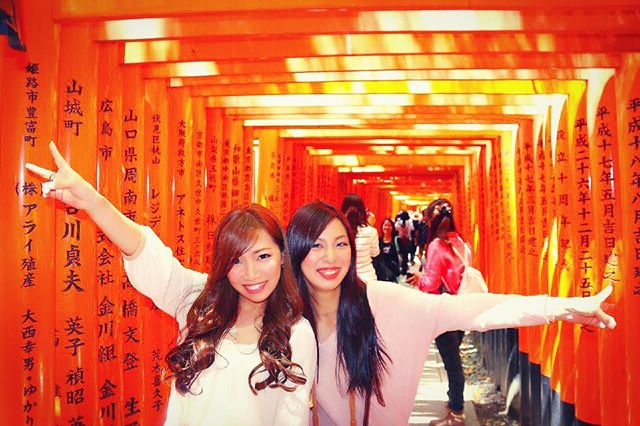 photo by @u0nagan
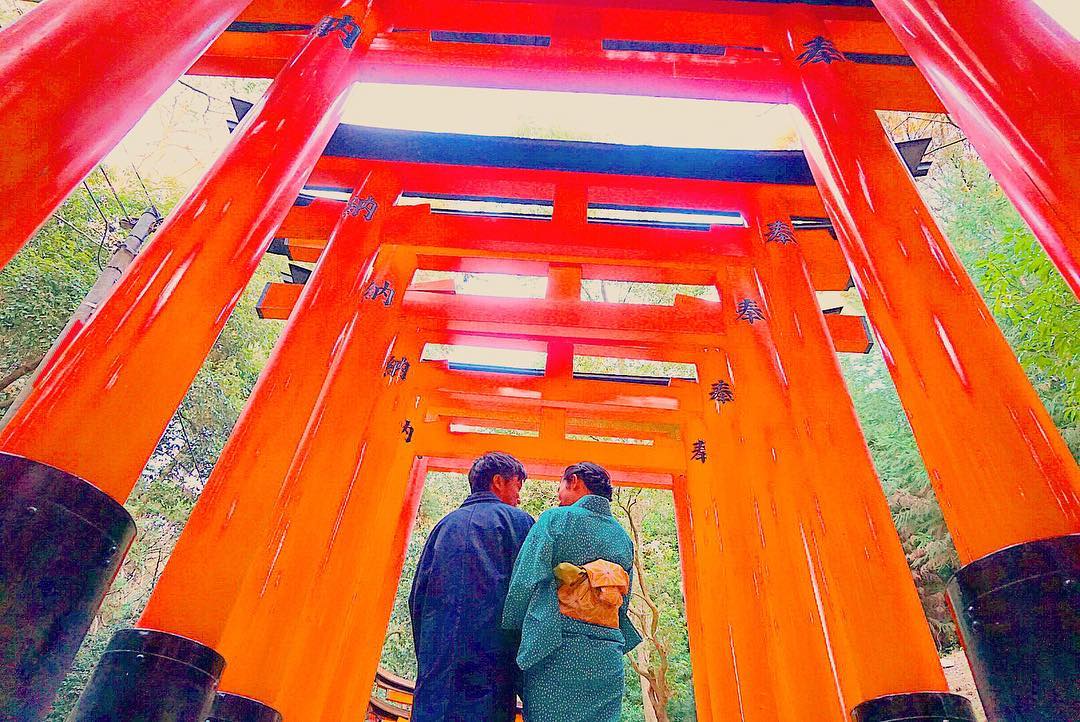
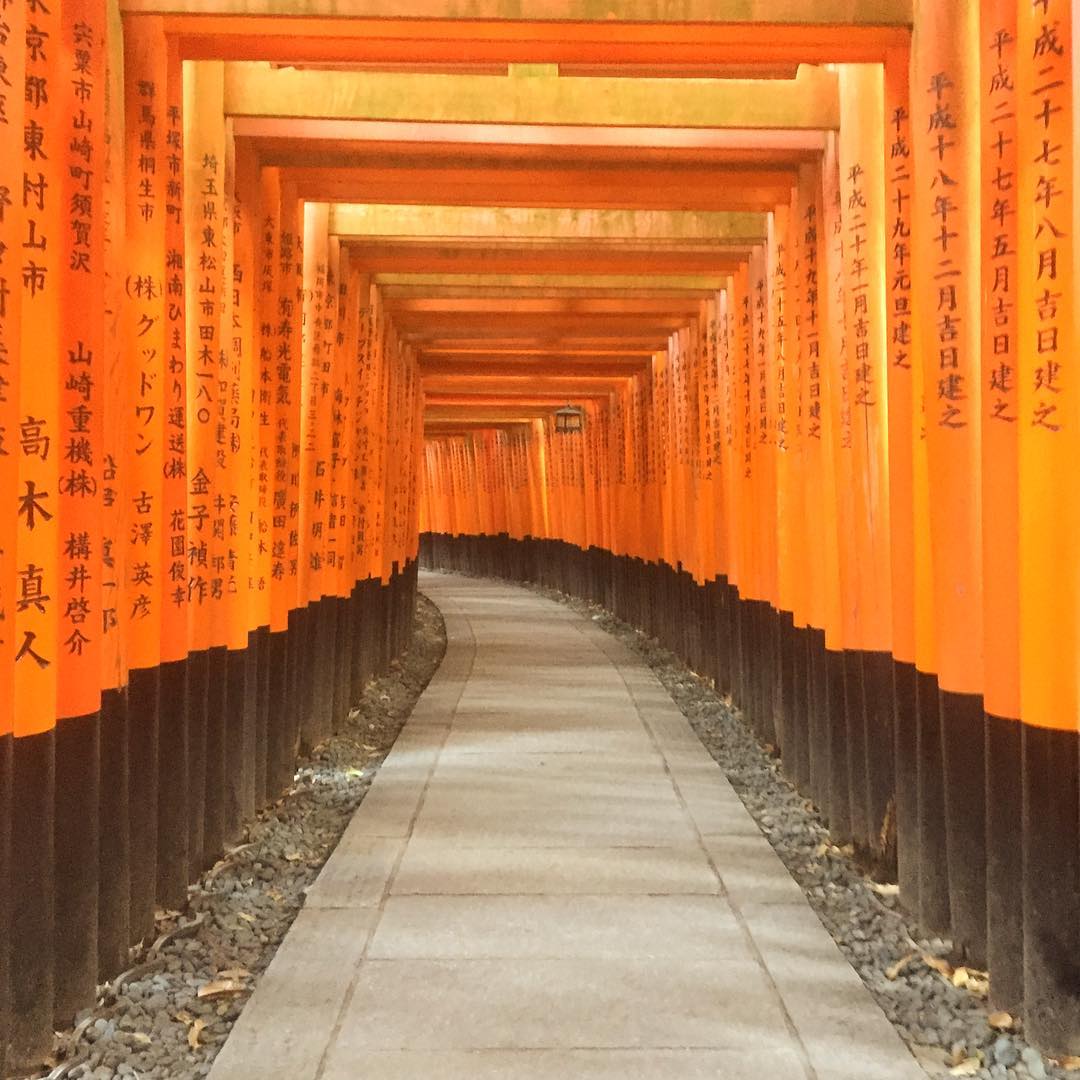
Fushimi Inari Taisha in southern Kyoto is the head shrine of the roughly 30,000 Inari shrines across Japan, and it is famous for its tunnels of bright red torii gates. The best-known stretch is called Senbon Torii, or a thousand torii, but there are said to be about 10,000 gates in all. Walking through them feels like wandering into a red maze, and the scene is one of the most photographed in Japan.
Good to know
- Japanese name
- 伏見稲荷大社
- Address
- 京都府京都市伏見区深草藪之内町68In Japanese, to show a taxi driver or type into a map app.
- Nearest station
- Inari Station (JR Nara Line), Fushimi-Inari Station (Keihan Main Line)
- Access
- About 5 minutes on foot from either station
- Hours
- Open 24 hours
- Admission
- Free
- Official website
- inari.jp
Hours and prices can change. Check the official website before you go.
About the shrine
The Inari deity was enshrined here in 711, and for more than 1,300 years ordinary people have come to pray for good harvests, business success, family safety and other wishes. Inari worship spread from here across the whole country. Each torii carries black lettering with the name of the person or company that donated it.
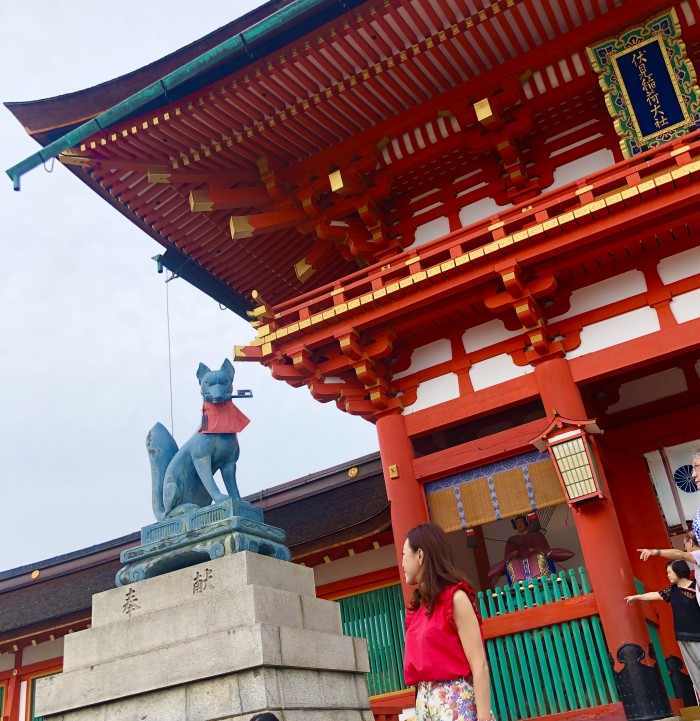
You enter through the large first torii on the main approach, then pass the Romon Gate, the outer and inner worship halls and the main hall. The Senbon Torii path starts behind the main hall and continues to the sacred sites on Mount Inari.
Fox guardians
Foxes, not lion-dogs, guard this shrine, and each holds something in its mouth. The pair in front of the Romon Gate hold keys. Others hold a scroll near the shrine office, ears of rice in front of the first torii, and a jewel near the exit of the mountain route. The scroll stands for wisdom and the rice for a rich harvest.
Photo and visiting tips
The torii paths run through woods, so even on a sunny day it feels dim inside, a bit like a summer late afternoon. Come in the morning, when the light is strongest. If you arrive around 8:00, you will have the paths almost to yourself and can photograph the gates without crowds, and you may meet people cleaning the grounds who can answer questions.
The woods feel cool even in summer, and in winter they get quite cold, so bring a warm layer. July to September is a good season: after the rainy season the trees are a vivid green that sets off the red gates. Small offering boxes stand along the path if you would like to pray.
Getting there
The easiest way is the JR Nara Line. Inari Station is about 5 minutes from Kyoto Station, and the shrine is right by the station; if you are arriving by shinkansen, allow a few minutes to walk to the Nara Line platform. From Fushimi-Inari Station on the Keihan Main Line, walk east for about 5 minutes.
Photos
Nearby
 Tofuku-ji1.0km
 Sanjusangendo2.3km
 Chishaku-in Temple2.3km
 Kyoto Station Skyway2.5km
 Kyoto Tower2.6km
 Kiyomizu-dera3.3km
Featured in these guides
 40 Best Places to Visit in Kyoto, Picked by Locals: Famous Sights and Hidden Gems40 placesKyoto is packed with historic buildings, and visitors from all over Japan and abroad come to see them. The best-known…
 Kyoto Sightseeing: 32 Popular Spots, from the Classics to Unusual Temples and Shrines32 placesKyoto is one of Japan's best-known travel destinations, and visitors from all over the world come for its historic…snaplaceKyoto in March: 20 Places to Visit, Spring-Only Openings and What to Wear20 placesMarch in Kyoto brings the Doll Festival, the first cherry blossoms and the start of spring. The city is busy all year…
 Kyoto in January: 18 New Year Rituals, Warm Indoor Stops and Kyoto Cuisine18 placesJanuary is a cold month in Kyoto, and it has fewer events than busy November. In return, the New Year brings many…
Recently viewed
More in Kyoto
Yasaka Koshin-doBuddhist temple Kitano TenmanguShinto shrine
 Jishu ShrineShinto shrine
 Shimogamo ShrineShinto shrine
 Heian ShrineShinto shrineKyoto AquariumAquarium
 Kifune ShrineShinto shrine
 Yasaka ShrineShinto shrine
 Kurama-deraBuddhist temple
 Sanzen-inBuddhist temple
 Kodai-jiBuddhist temple
 Kinkaku-ji (Golden Pavilion)Zen temple