
Kyoto Sightseeing: 32 Popular Spots, from the Classics to Unusual Temples and Shrines
32 places · Japanese version
Kyoto is one of Japan's best-known travel destinations, and visitors from all over the world come for its historic temples and shrines. This guide covers 32 popular places, grouped by area so you can plan your days. Alongside the classics such as Kiyomizu-dera, Fushimi Inari Taisha and Kinkaku-ji, you will find a few unusual stops: a shrine with a golden torii gate, a temple that sells a microSD card charm, and a temple where you write your wishes on the wall. Kyoto has something to enjoy in every season, whether you come with a partner, friends or family.
Around Kyoto Station and the south
Kyoto Aquarium Kyoto Station
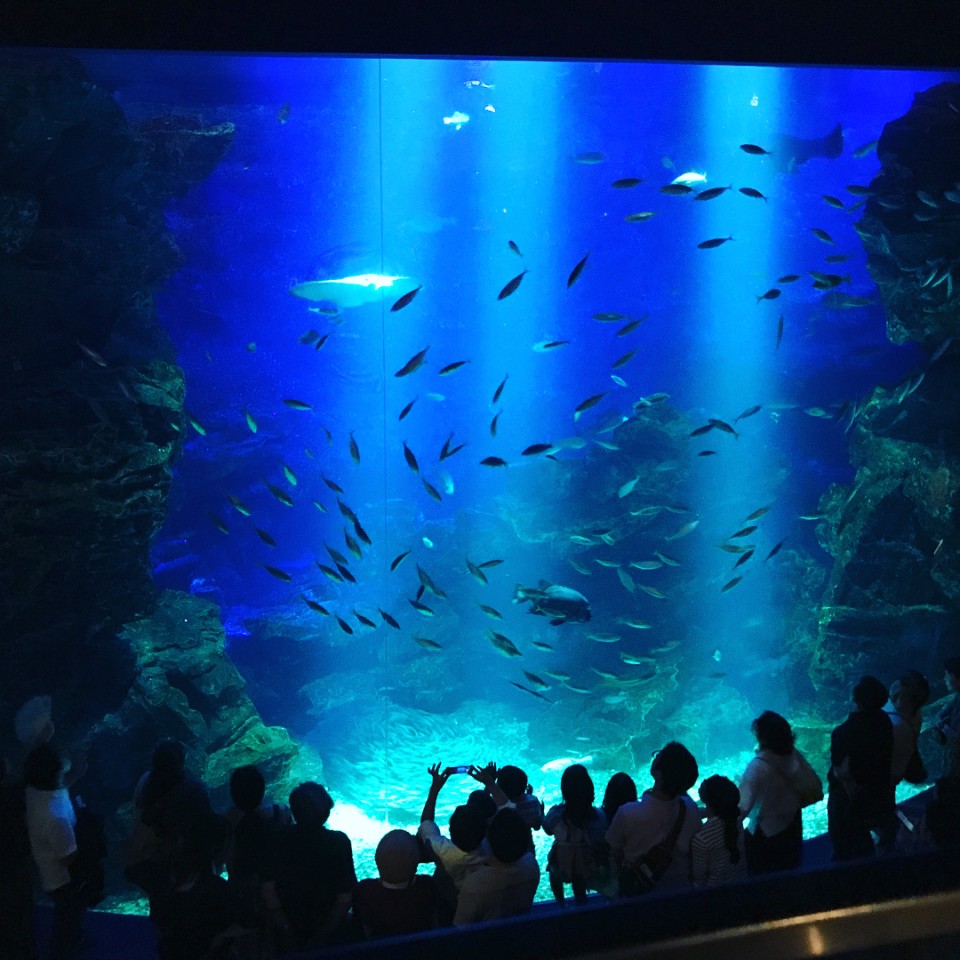
An aquarium within walking distance of Kyoto Station, about 15 minutes west on foot. Its 12 zones include a Kyoto river area with giant salamanders, one of the largest amphibians in the world, plus penguins, jellyfish and a dolphin stadium. Favorites are the Penguin Sky Walk, where you watch penguins waddle from below their feet, and the seals swimming through a tube tank. A cafe and giant salamander goods round out a visit.
Kyoto Tower Kyoto Station
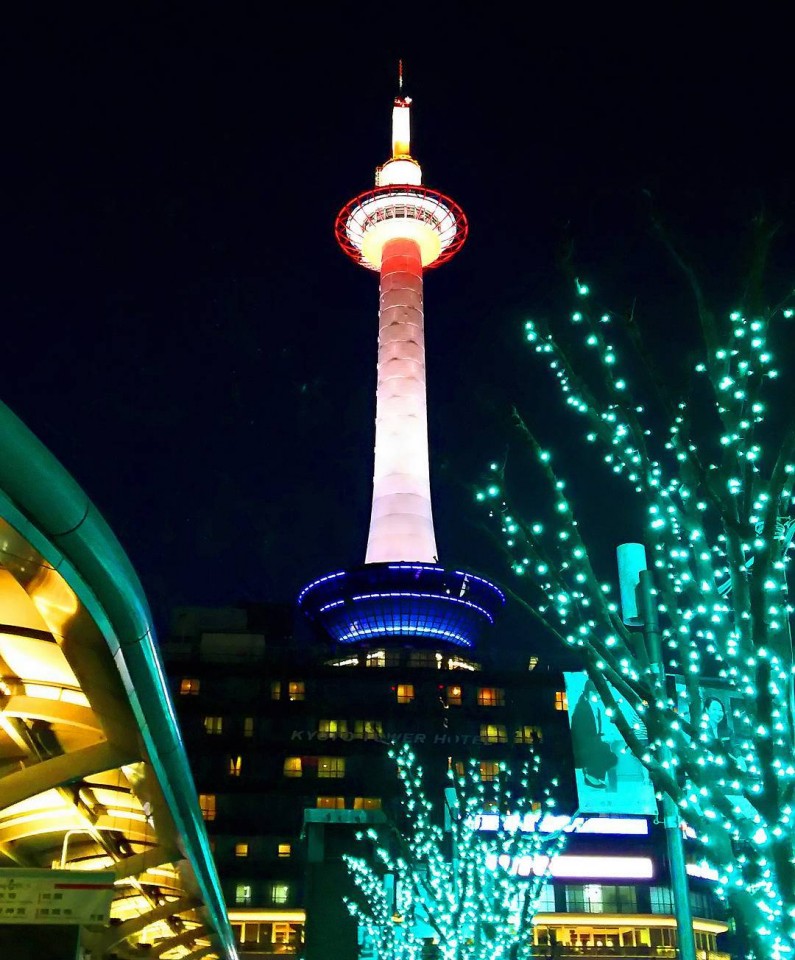
Kyoto's landmark tower stands just across from Kyoto Station through the underground passage. The observation room, 100 meters up, gives a 360-degree view over the city, so you can look down on national treasures like Kiyomizu-dera and To-ji that you normally look up at. The view changes with the seasons, from cherry blossoms to snow. The building also has restaurants, souvenir shops and hands-on workshops.
Kyoto Station Building Kyoto Station
Kyoto Station itself is a sight. The building is surprisingly modern, with a huge atrium of glass and metal over the central concourse, and it holds restaurants, shops, a theater and a hotel. Walk the open-air skyway, rest on the grand staircase, or window-shop for fashion and small goods. The Hotel Granvia Kyoto inside is the closest hotel to the station, a handy base for sightseeing.
Sanjusangendo Higashiyama
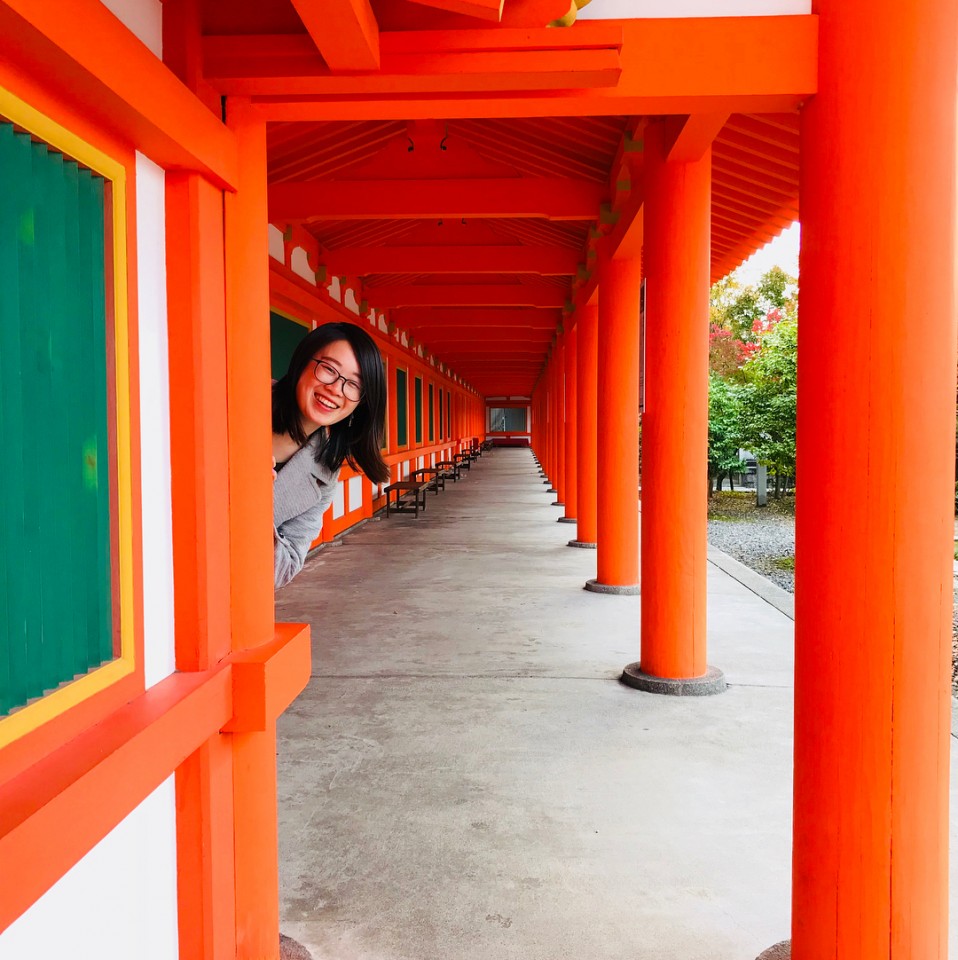
The formal name is Rengeo-in. The hall is 16 meters high and 120 meters long, with 33 bays between its pillars. Inside stand a seated Thousand-Armed Kannon, a national treasure, and 1,000 standing Kannon statues. It is said you can find the face of someone you long to meet among them. Look for the national treasure statues of the wind and thunder gods, too. The bus stop in front is served from Kyoto Station.
Fushimi Inari Taisha Fushimi
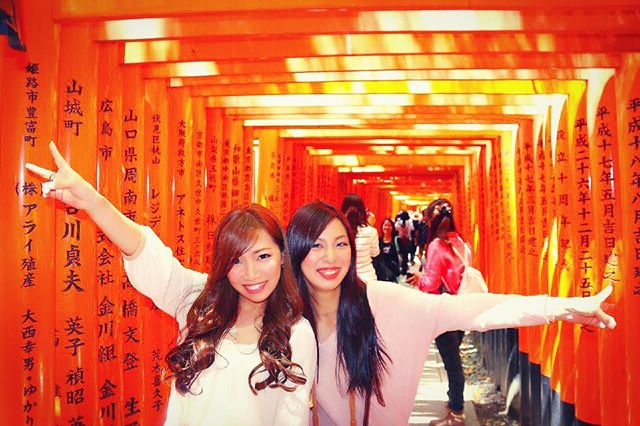
The head shrine of some 30,000 Inari shrines across Japan, covering all of Mount Inari. Its highlight is the rows of vermilion torii gates, donated by people whose wishes came true, and it is crowded at any time of day. Try the omokaru-ishi stone: make a wish and lift it; if it feels light, the wish will come true. It is right by JR Inari Station. It never closes, but it is dark and not recommended at night.
Higashiyama and Gion
Kiyomizu-dera Higashiyama
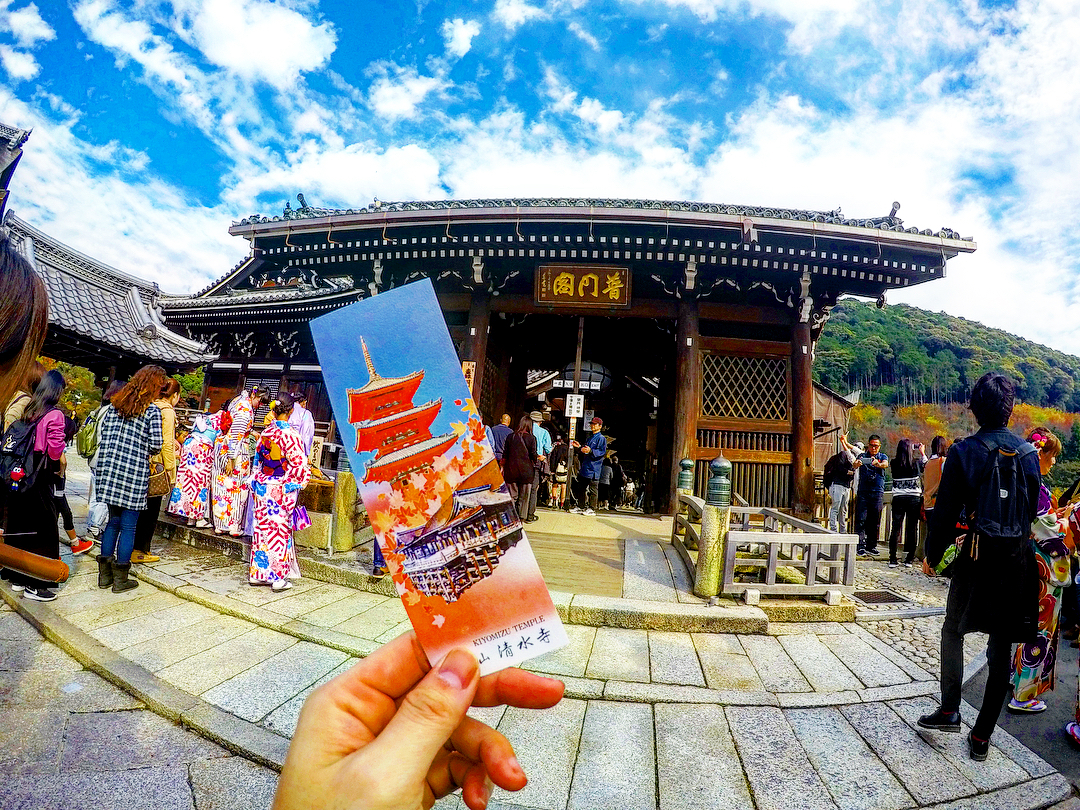
A must on any Kyoto trip. Its wooden stage, about 12 meters high, gave Japan the saying "to jump off the stage of Kiyomizu," meaning to take a bold step; temple records note more than 200 jumps between 1694 and 1864. Today jumping is prevented, but the view is superb, especially in spring and autumn. Drink from the Otowa waterfall for wishes to come true, and see the West Gate at sunset.
Kodai-ji Higashiyama
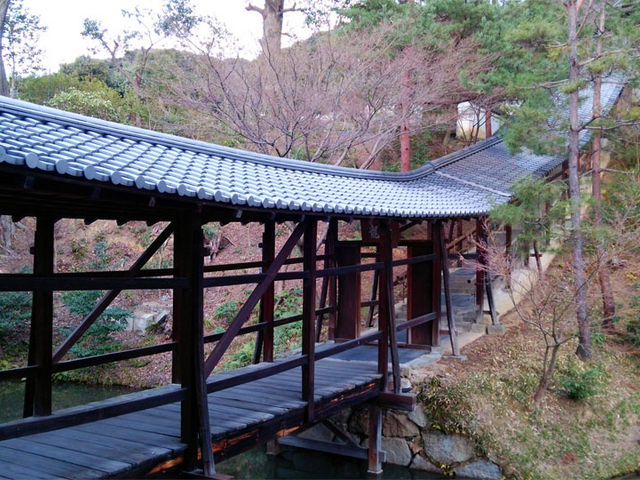
Kita-no-Mandokoro, the wife of Toyotomi Hideyoshi, founded this temple to pray for him after his death. It is called the temple of maki-e for its beautiful Momoyama-period lacquer work. Kodai-ji is known for cherry blossoms and autumn leaves and holds special evening openings with illumination. Walk the long, narrow Garyo-ro corridor, which feels like riding on a dragon's back, and try zazen or tea ceremony.
Yasaka Shrine Gion
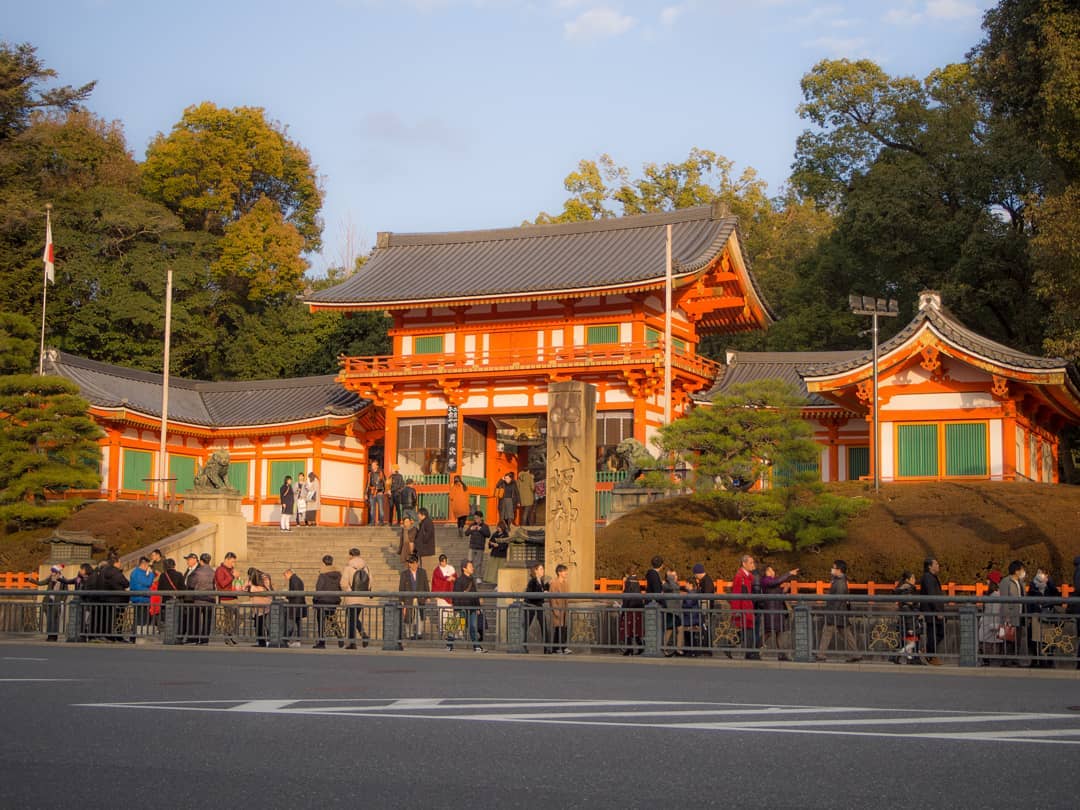
Locals call it Gion-san. Several smaller shrines inside the grounds draw visitors for their blessings, among them Okuninushi-sha for finding love and Utsukushi-gozen-sha for beauty, with its sacred beauty water in front. Yasaka Shrine offers many different goshuin seal stamps, which makes it popular with stamp collectors. It is about five minutes on foot from Gion-Shijo Station.
Yasui Konpiragu Shrine Higashiyama
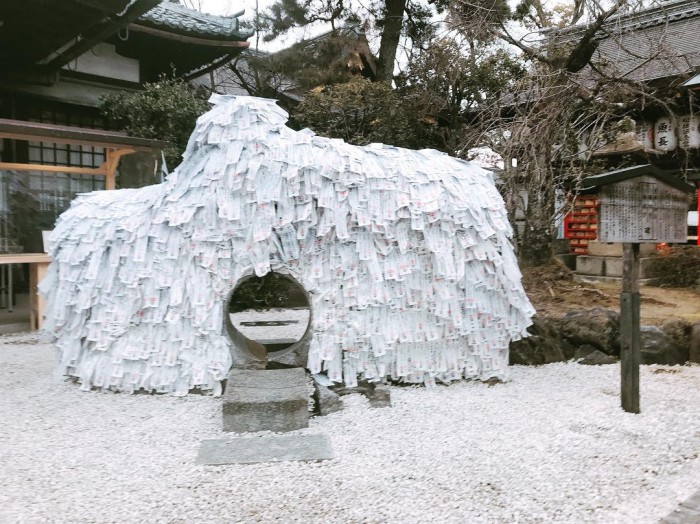
This shrine is famous for cutting bad ties and making good ones, not only in love but with bad habits and unhappy relationships. Its best-known feature is a stone about 3 meters wide and 1.5 meters tall with a round hole in the middle. After praying at the main hall, write your wish on a paper charm and follow the set way of passing through the hole.
Yasaka Koshin-do Higashiyama
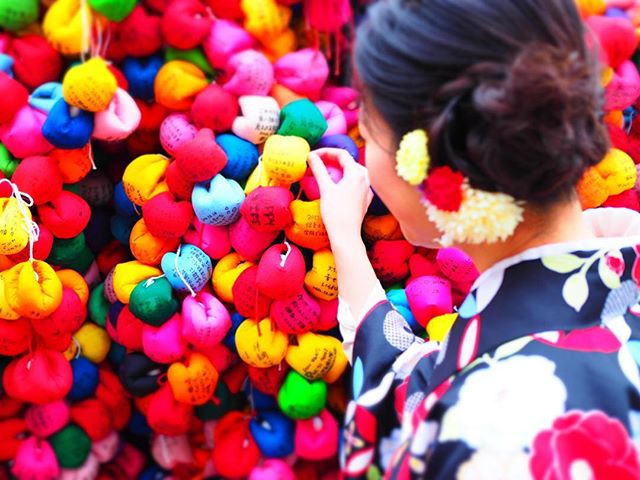
A small temple full of colorful kukuri-zaru, cloth monkeys with their hands and feet tied. They remind you not to act on every desire, and it is said that praying with one helps you control your urges. The red, yellow and blue monkeys covering the grounds make this one of the most Instagrammable spots in Kyoto. Look for the five-story Yasaka Pagoda and walk up the street hung with red monkeys.
Okazaki and Nanzen-ji
Kyoto City Zoo Okazaki
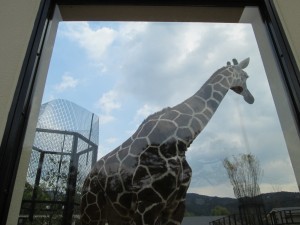
Locals sometimes call it the Okazaki Zoo, and it is close to Heian Shrine. Zones include a petting area with rabbits and guinea pigs, a big cat area with lions and jaguars, an African savanna with hippos and giraffes, and a tropical animal house. The library cafe, with animal books and picture books, is a good rest stop for families. It is about five minutes on foot from Keage Station.
Heian Shrine Okazaki
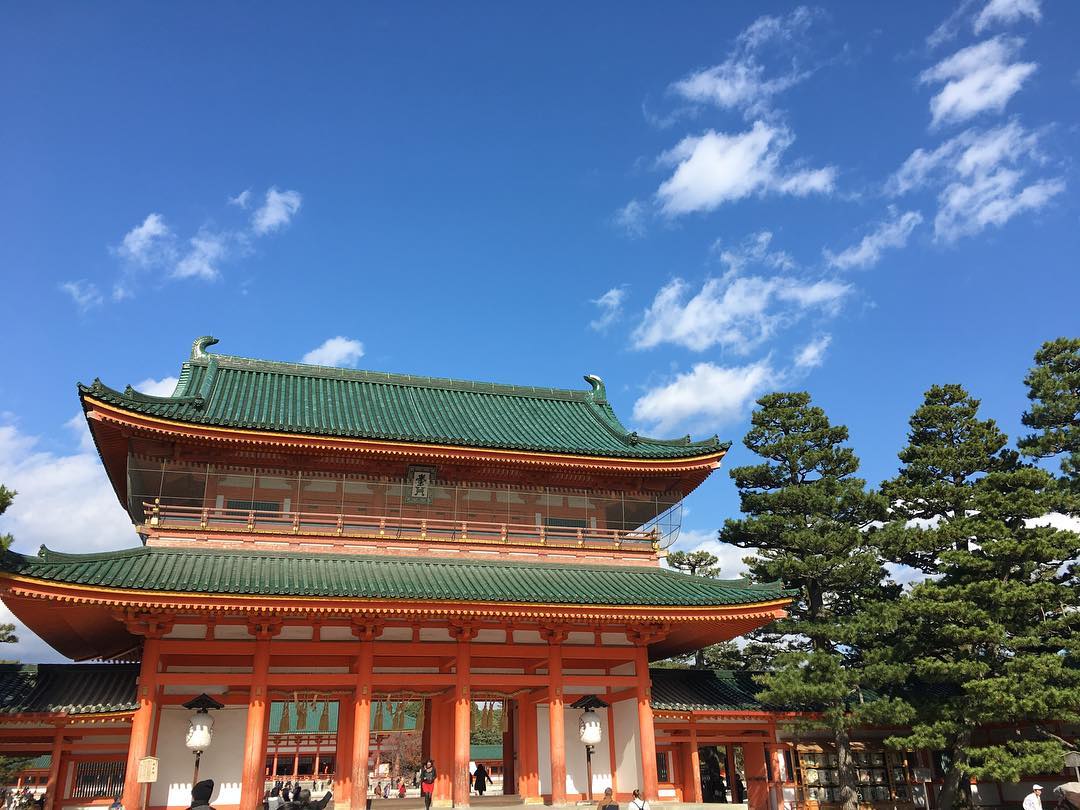
Built in 1895 to mark 1,100 years since the capital moved to Kyoto, the shrine is known for its huge torii gate, more than 24 meters tall, the landmark of Okazaki Park. Do not miss the stroll garden behind the shrine, with weeping cherry trees by the pond in spring, lotus flowers in the middle garden and irises in the west garden. Weddings are held here, and many visitors come to pray for love.
Nanzen-ji Okazaki
Said to be the first Zen temple in Japan founded at an emperor's wish, Nanzen-ji holds the highest rank among Zen temples. Its Sanmon gate, an Important Cultural Property, is counted among the three great gates of Japan. The gardens are the real highlight: the abbot's quarters garden, an early Edo-period dry landscape, the small garden laid out as the character for heart, and the Rokudo garden. It is about ten minutes on foot from Keage Station.
Central and northern Kyoto
Nijo Castle Nakagyo
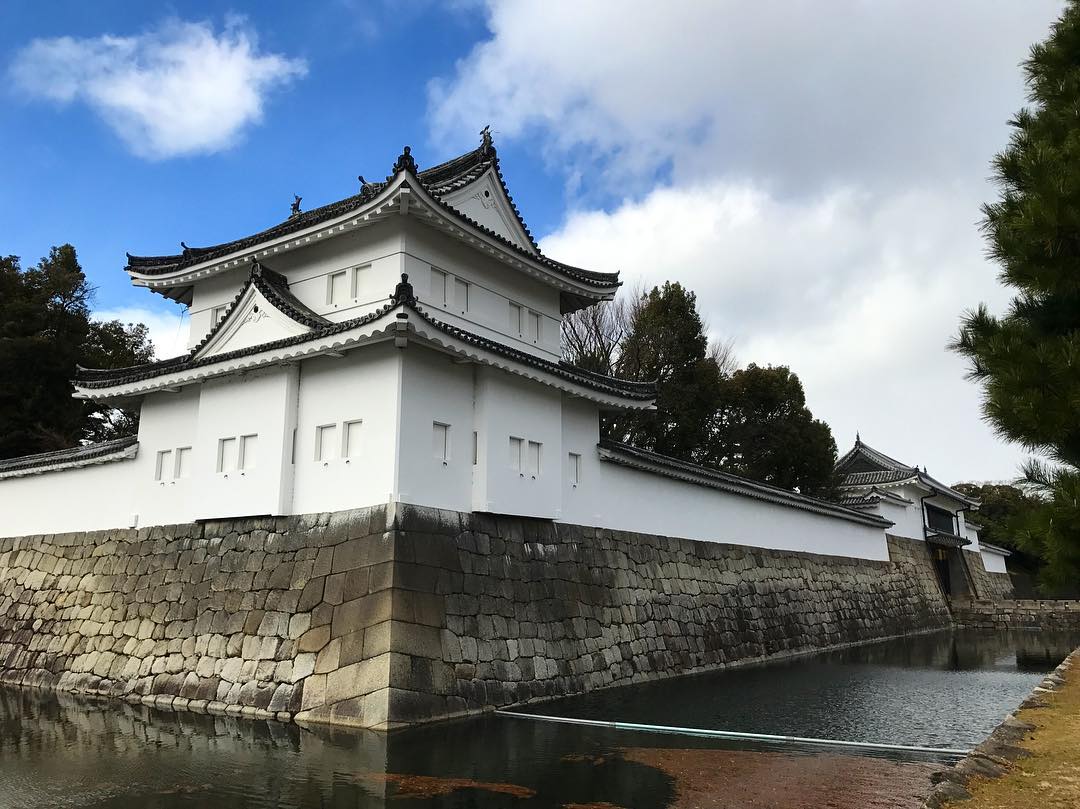
Tokugawa Ieyasu built Nijo Castle in 1603 to guard the Imperial Palace and as a place to stay in Kyoto; it was finished around 1626 under the third shogun, Iemitsu. In Ninomaru Palace the floors of the corridors chirp like birds as you walk, and more than 3,000 painted wall and door panels are Important Cultural Properties. If castles are not your thing, the gardens are worth the visit on their own.
Mikane Shrine Nakagyo
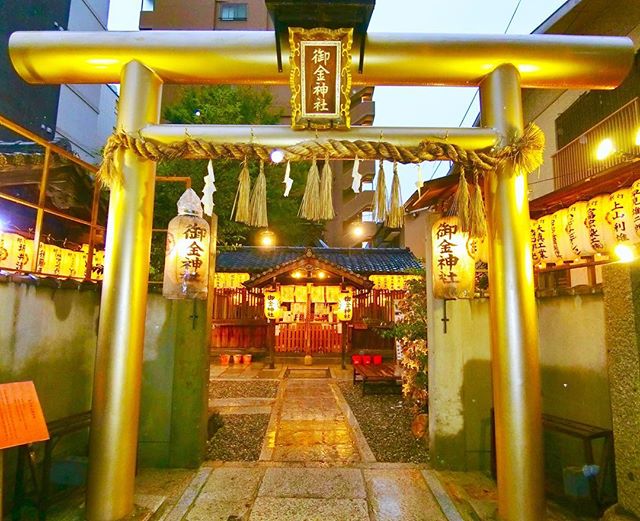
If you want an unusual shrine, this is it. The torii gate shines gold, and people come from all over Japan to pray for money luck. The shrine was originally for metal, not money, but its name drew a new kind of visitor. Hang a golden ema plaque shaped like a ginkgo leaf, or wash your coins at the water basin. It is about five minutes on foot from Karasuma Oike Station.
Kinkaku-ji (Golden Pavilion) Kita
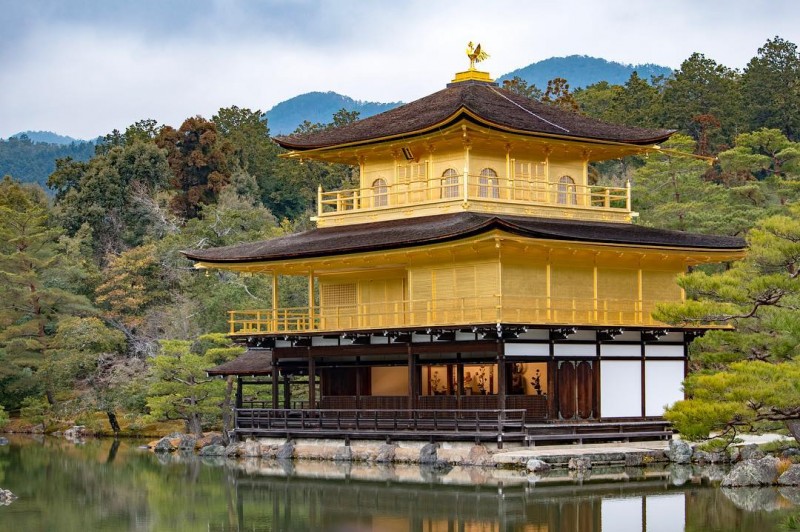
The formal name is Rokuon-ji. The three-story pavilion is covered in gold leaf inside and out. It burned in an arson fire in 1950 and was rebuilt in 1955, and it is part of the World Heritage site of historic Kyoto. On clear days the pavilion is mirrored in the pond, and in winter snow makes it even more beautiful. Climb to the Sekka-tei teahouse, from which you can also see the pavilion, ideally in the evening light.
Ryoan-ji Temple Ukyo
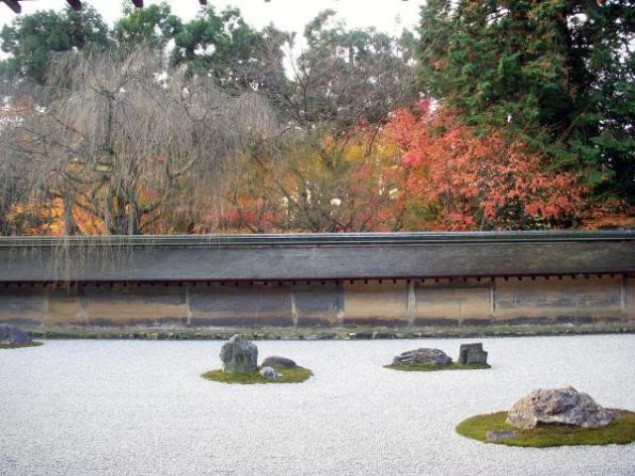
A Zen temple and World Heritage site famous for its rock garden: white gravel about 25 meters wide and 10 meters deep, with 15 stones set in groups of five, two, three, two and three. The garden holds several mysteries, from who made it to why, from any angle, one stone always stays hidden. Sitting on the veranda and gazing at it is strangely calming.
Kitano Tenmangu Kamigyo
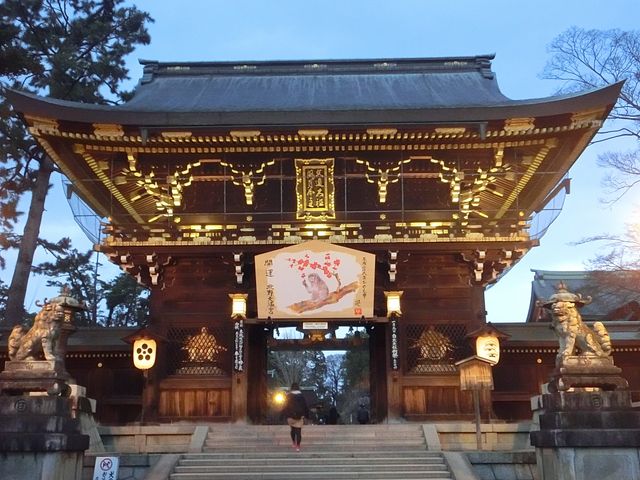
This shrine is dedicated to Sugawara no Michizane and closely tied to learning, so it is popular with students before exams. It is known for its seven wonders, such as the sacred pine by the great torii. At the Daikoku stone lantern, place a small pebble in Daikoku's mouth; if it stays, keep it in your wallet for money luck. The national treasure main hall and the green maples along the old earthen wall are also loved.
Shimogamo Shrine Sakyo
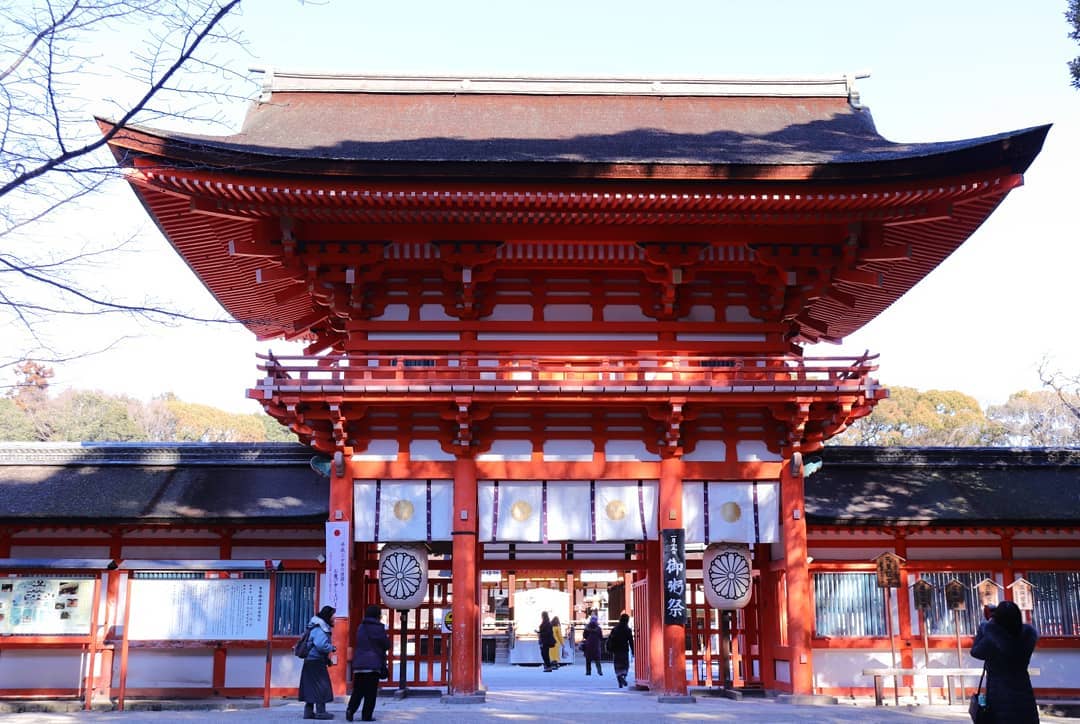
Formally Kamo-mioya Jinja, this shrine is especially popular with women for its blessings for love. Pray at Aioi-no-yashiro and visit the sacred twin tree called Renri-no-sakaki. Kawai Shrine in the grounds is dedicated to a goddess of beauty. Walk Tadasu-no-mori, the sacred forest that lines the approach, and see Oidono, the kitchen where offerings for the gods were once prepared.
Kamigamo Shrine Kita
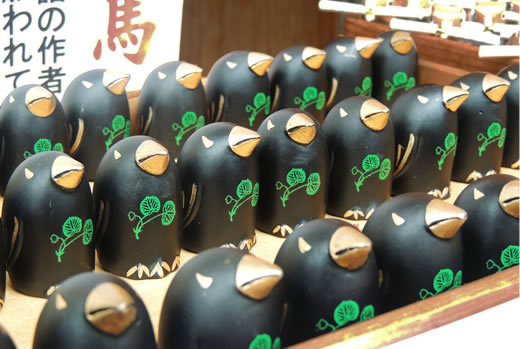
Formally Kamo-wakeikazuchi Jinja, the shrine is famous for the Aoi Festival. Look for the Hosodono hall, the cone-shaped sand mounds, the Saio weeping cherry tree, the gentle Nara-no-ogawa stream, the vermilion tower gate and the national treasure main halls. Kataoka Shrine in the grounds is popular for love, with ema plaques painted with scenes from The Tale of Genji. Buses run to the shrine from Kyoto Station.
Arashiyama and Sagano
Togetsukyo Bridge Arashiyama
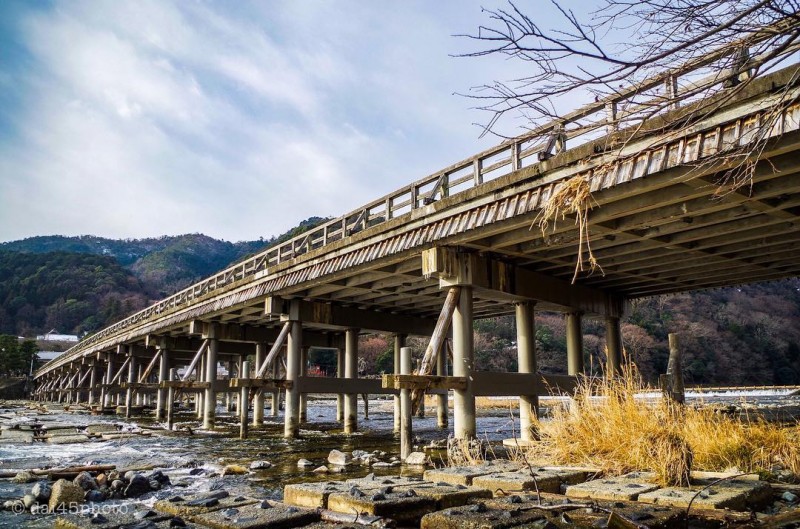
Arashiyama's famous bridge spans the Katsura River, 155 meters long with sidewalks so you can walk across. Its name, Moon Crossing Bridge, comes from a poem by Emperor Kameyama about the moon seeming to cross it. The wooden railings give it a retro look that fits the scenery. Spring cherry blossoms and autumn leaves on the hills behind make the best views, and an early winter lantern event lights it softly.
Tenryu-ji Arashiyama
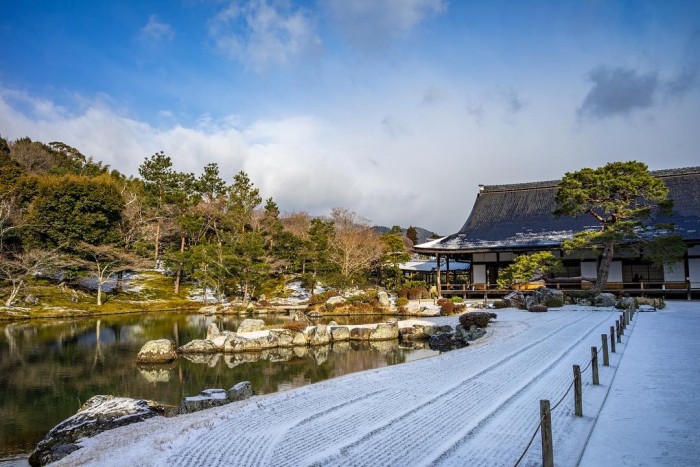
One of Kyoto's best-known temples, right by Arashiyama Station on the Randen line. Its cloud dragon painting, whose eyes seem to follow you, is shown only at special times, but the comic Daruma painting at the kitchen entrance is always there. The highlight is the Sogenchi Garden, a stroll garden around a central pond and Japan's first designated Special Place of Scenic Beauty. It looks different in every season.
Kurumazaki Shrine Saga
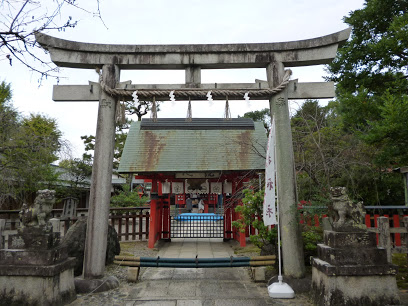
Many entertainers visit this shrine because of Geino Jinja, a small shrine in its grounds for the goddess of the performing arts. The red fence posts carry the names of actors and singers who donated them, and you can even find characters from the One Piece manga. The shrine also has a spot for cutting bad ties and is known for its wish-granting stone charms. It is right by the Kurumazaki Jinja-mae stop.
Horin-ji (Kokuzo Horin-ji) Arashiyama
Known for Jusan-mairi, a rite in which children visit at age 13 by the traditional count. In its grounds is Denden-gu, a shrine to the gods of electricity and radio waves, popular with people in IT and electric work. It sells a microSD card charm holding an image of the temple's Buddha to use as your phone or computer wallpaper, and you will even find plaques of Edison and Hertz.
Suzumushi-dera (Kegon-ji) Matsuo
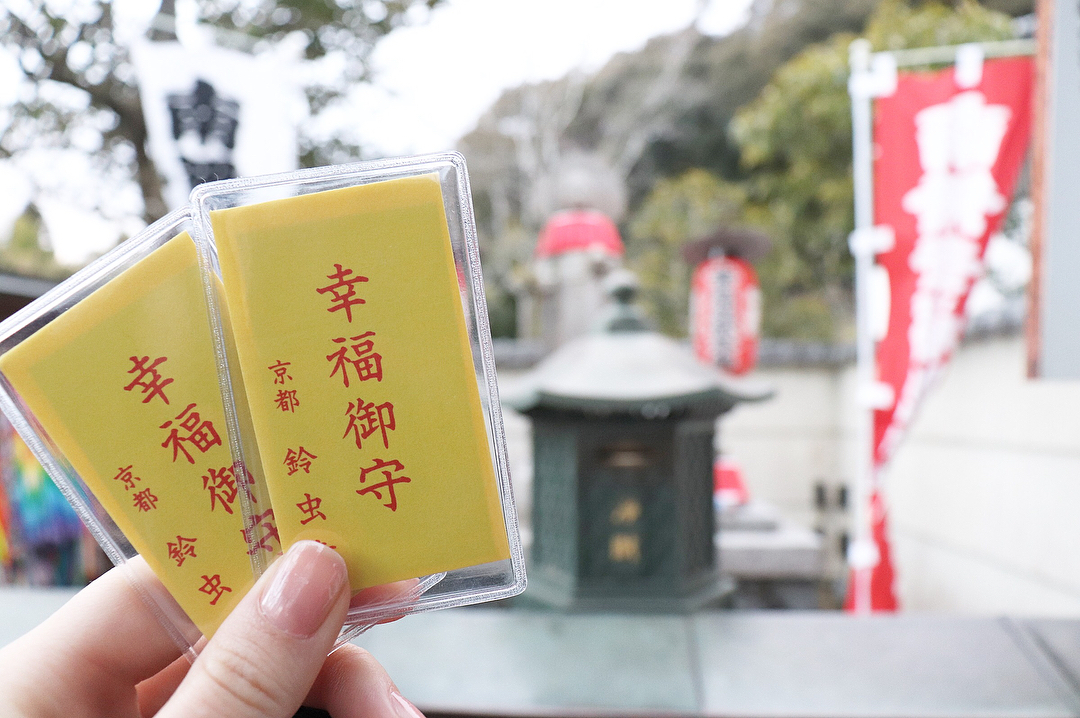
This small temple is named for the bell crickets that sing here. It is known for the Happiness Jizo, who wears straw sandals so he can walk to you and grant your wish. Its cricket sermons for visitors are funny and useful, and very popular. The crickets sing most from late summer into autumn. A visit takes about 30 minutes to an hour; buses run to the Suzumushi-dera stop.
Otagi Nenbutsu-ji Saga-Toriimoto
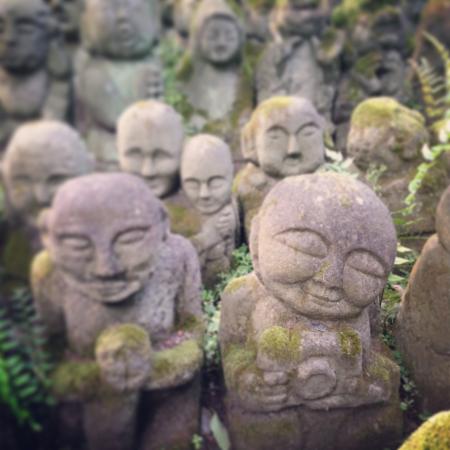
Also called the temple of 1,200 rakan. Visitors carved these stone disciples of the Buddha from the 1980s on, each with a slightly different face, and today they are softly covered in moss. There is also a Kannon statue that you are encouraged to touch, made so that people who cannot see can feel it. The temple is quiet and calming. Take the Kyoto Bus bound for Kiyotaki to the Otagi-dera-mae stop.
Kurama, Kibune and Ohara
Kurama-dera Kurama
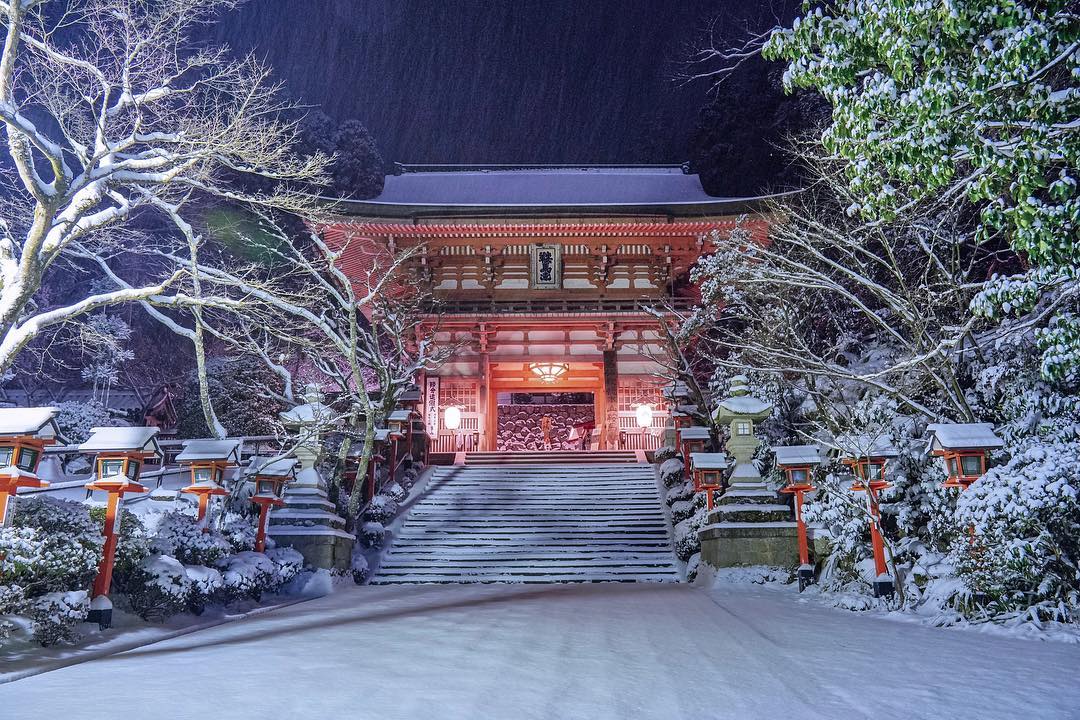
A temple in the nature of Mount Kurama, said to be home to tengu mountain goblins and known as the place where the young Minamoto no Yoshitsune trained. A huge tengu head greets you at Kurama Station. Take the cable car, or climb the winding Tsuzuraori path. See the tiger statues in front of the main hall and draw a tengu fortune at Yuki Shrine. Snow covers the mountain in winter.
Kifune Shrine Kibune
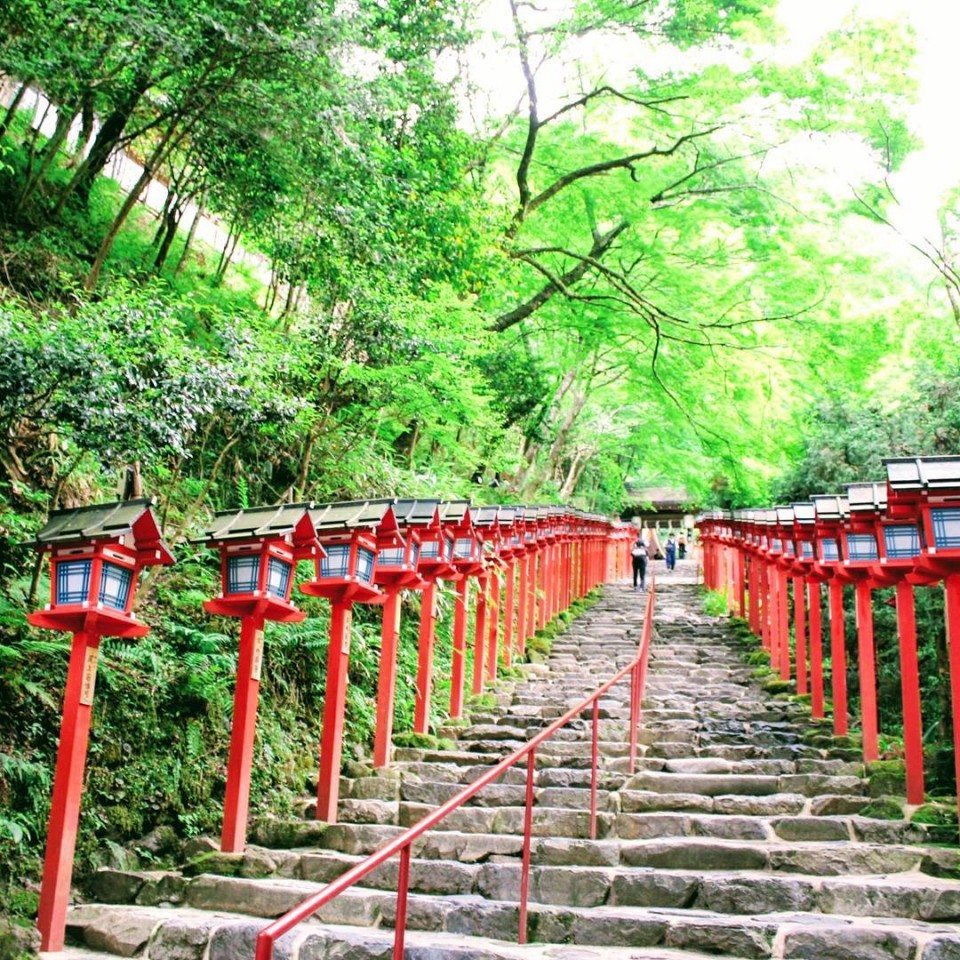
Famous for its long stone steps lined with red lanterns, this is the head shrine of more than 450 Kifune shrines across Japan. It is said to bring luck and grant wishes, and Yui-no-yashiro is popular for love. Visit in the set order: main shrine, then the inner shrine, then the middle shrine. Try the water fortune, and offer an ema plaque, since this shrine is said to be where ema began.
Sanzen-in Ohara
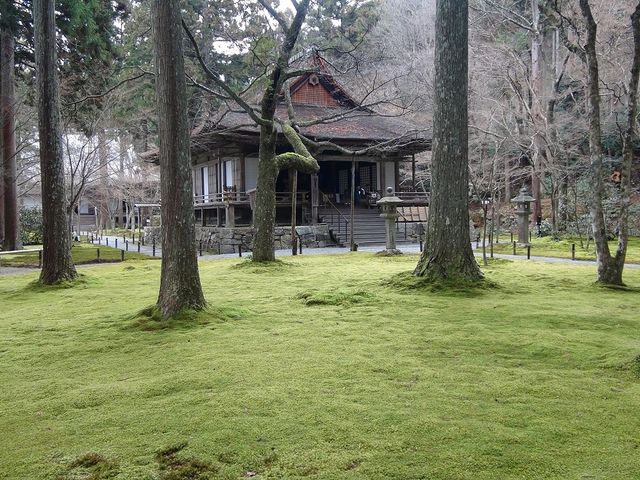
Sanzen-in is famous for its emerald-green moss gardens. The best times are the rainy season, when moss and hydrangeas are at their best, and the autumn leaf season, but it is peaceful all year. Inside are a national treasure Amida triad and painted sliding doors. In the Yusei-en garden, small stone Jizo statues sit among the moss. It is about ten minutes on foot from the Ohara bus stop.
Uji and beyond the city
Byodo-in Uji
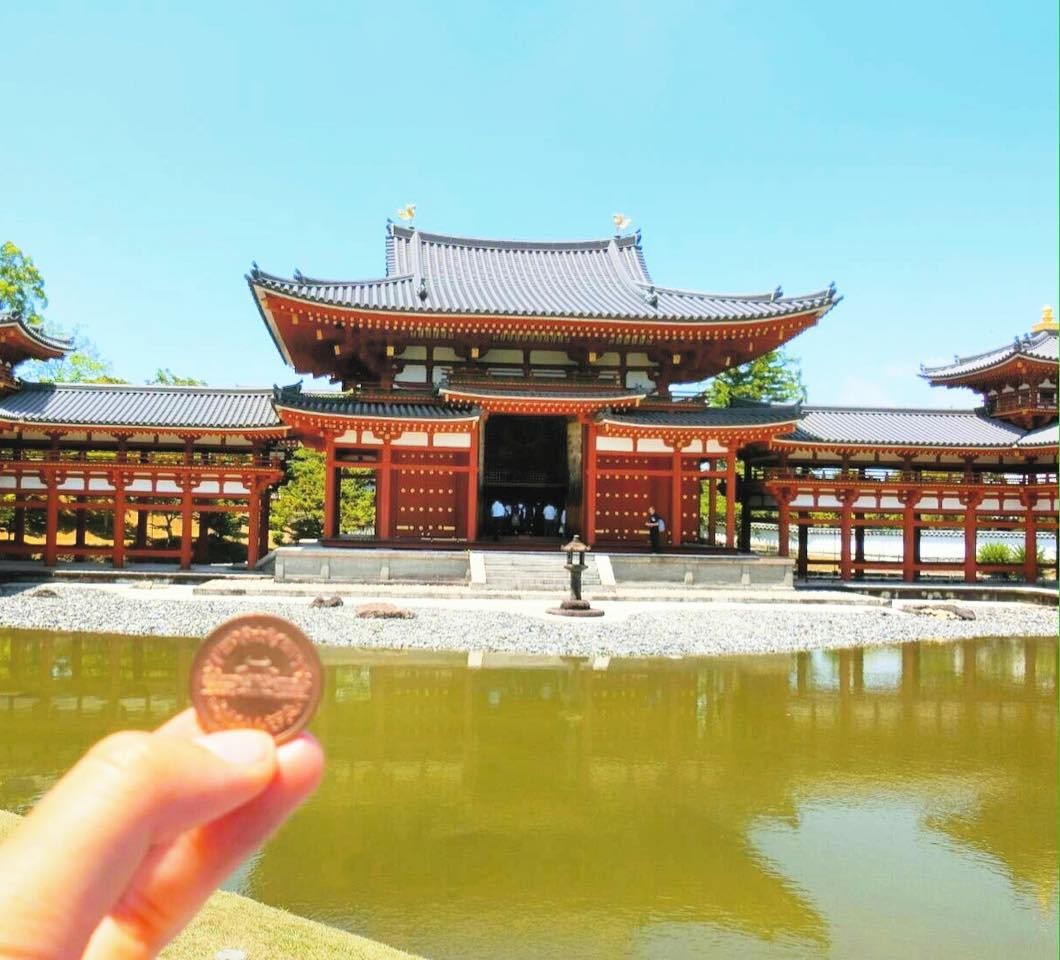
The temple pictured on the 10-yen coin is a World Heritage site in Uji. Its Phoenix Hall stands on an island in a pond, so on clear days it is mirrored on the water; look for the phoenixes on the roof. The Hoshokan museum shows national treasures, and the Pure Land garden represents paradise. Rest at the Japanese tea shop on the grounds, and come in wisteria season. It is about ten minutes on foot from Uji Station.
Shoju-in Temple Ujitawara
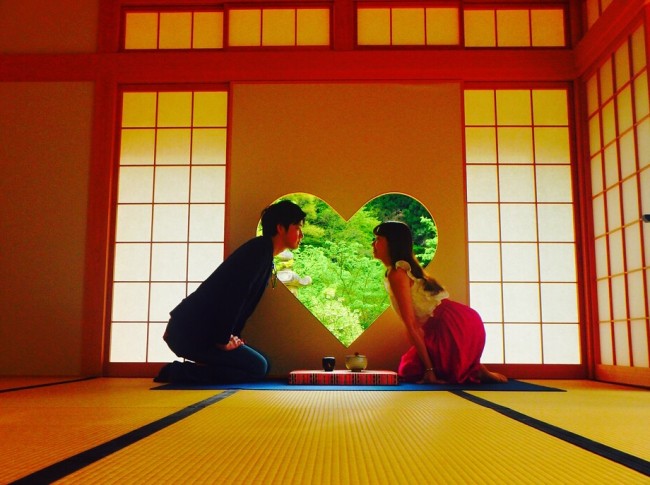
A temple in Ujitawara, a quiet tea-growing town in southern Kyoto Prefecture, famous for its heart-shaped inome window that frames the garden. The guest hall ceiling is covered with 160 painted panels, and in summer the temple hangs a great many wind chimes. Buses are infrequent, so check the route and timetable in advance.
Rakugaki-dera (Tanden-ji) Yawata
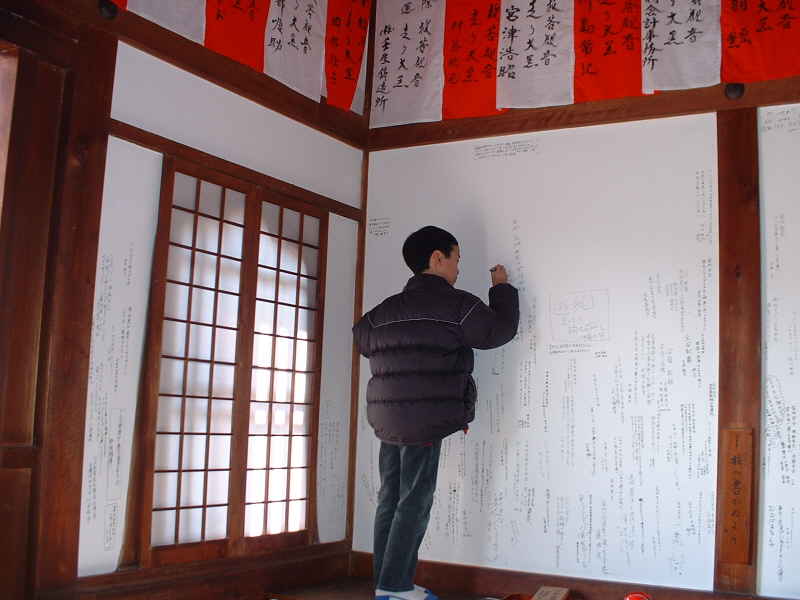
Known as the graffiti temple: you write your wish directly on the white walls of the Daikoku hall. The custom began about 200 years ago, when the rebuilt temple asked visitors to write wishes where Daikoku could see them. It opens only on weekends and the first three days of the New Year, and it is popular, so allow plenty of time. It is about ten minutes on foot from Yawatashi Station on the Keihan line.
The places on a map
Hours, prices and events change. Check each place's official website before you go.
More travel guides
 Tokyo Sightseeing by Area: 40 Classic Sights and Lesser-Known Spots from Asakusa to Odaiba40 placesTokyo has much more to see than Skytree, Tokyo Tower and Asakusa. This guide works through six of the city's main…
 Nagoya: 40 Best Places to Visit, from Nagoya Castle and Atsuta Jingu to Osu40 placesNagoya is one of Japan's biggest cities, yet many visitors don't know how much it has to see. Alongside its famous…
 Chichibu: 40 Best Places to Visit, from Nagatoro River Boats and Mitsumine Shrine to Moss Phlox and Icicles40 placesChichibu, the largest city in Saitama Prefecture, is about 90 minutes from central Tokyo. Most of the area is national…
 Niigata Prefecture: 40 Best Places to Visit, from Classic Sights to Hidden Gems40 placesNiigata Prefecture stretches a long way from north to south, and each area has its own scenery, climate and food. The…
 Nagasaki Prefecture: 40 Best Places to Visit, from Unzen Hot Springs to Hirado and Nagasaki City40 placesNagasaki grew up as a port open to the outside world, and the culture of those days still shapes its streets, churches…
 Fukuoka Prefecture: 40 Places to Visit in Kitakyushu, Chikuho and Around Fukuoka City40 placesFukuoka Prefecture is roughly divided into four areas, Kitakyushu, Chikuho, Fukuoka and Chikugo, and each has its own…