
Kyoto in June: 16 Places for Hydrangeas, Festivals and Rainy Days, Plus What to Wear
16 places · Japanese version
June is the rainy season in Kyoto, but it is also a quieter month, when you can visit famous sights without the usual crowds. Hydrangeas and irises are in bloom, and shrines and temples hold early summer festivals. Because outdoor events can be called off in the rain, it pays to know a few indoor places and cafes as well. Here are 16 places for June in Kyoto, from flower gardens and festivals to museums, quiet temples and a classic coffee shop, along with tips on the weather and what to wear.
Weather and what to wear in June
The average temperature in Kyoto in June is around 25 degrees Celsius, and the rainy season can bring many wet, humid days in a row. The weather changes a lot between the start and the end of the month.
Early June often brings rain, but it is warm and humid, so wear short sleeves and bring a thin layer to put on. Light, breathable clothes are better than heavy jeans. Waterproof your shoes or wear ones you do not mind getting dirty, and carry a regular umbrella.
In late June, some days go above 30 degrees, and it can feel hot even in shorts. There is less rain than early in the month, but sudden showers are common, so a folding umbrella is handy. If you feel the cool mornings and evenings, bring a thin, breathable jacket.
Hydrangeas and irises
Fujinomori Shrine Fushimi
Every year in mid-June, about 3,500 hydrangeas of some 40 kinds reach their best at Fujinomori Shrine. Paths run between the full blooms, and the garden draws plenty of visitors even in the rain. The shrine's website shows how the flowers are doing. It is about 10 minutes on foot from Fujinomori Station.
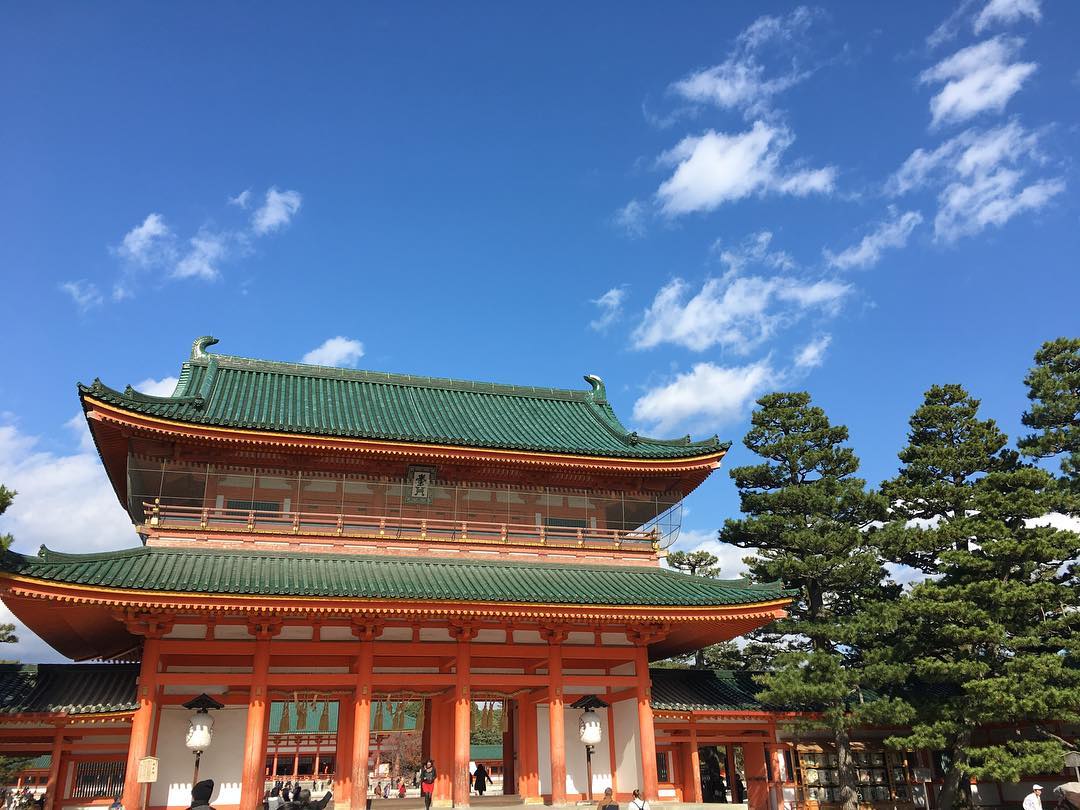
Heian Shrine Okazaki
In June, the shrine garden is bright with about 2,000 Japanese irises of some 200 kinds. Many Kyoto fans call it the best place to see flowers, so expect crowds even in a quiet season. The garden has opened free of charge for a short time in early June, so check the shrine's website. Cafes and souvenir shops nearby are handy if it starts to rain. It is a 3-minute walk from the Okazaki Koen Bijutsukan bus stop.
Mimuroto-ji Temple Uji
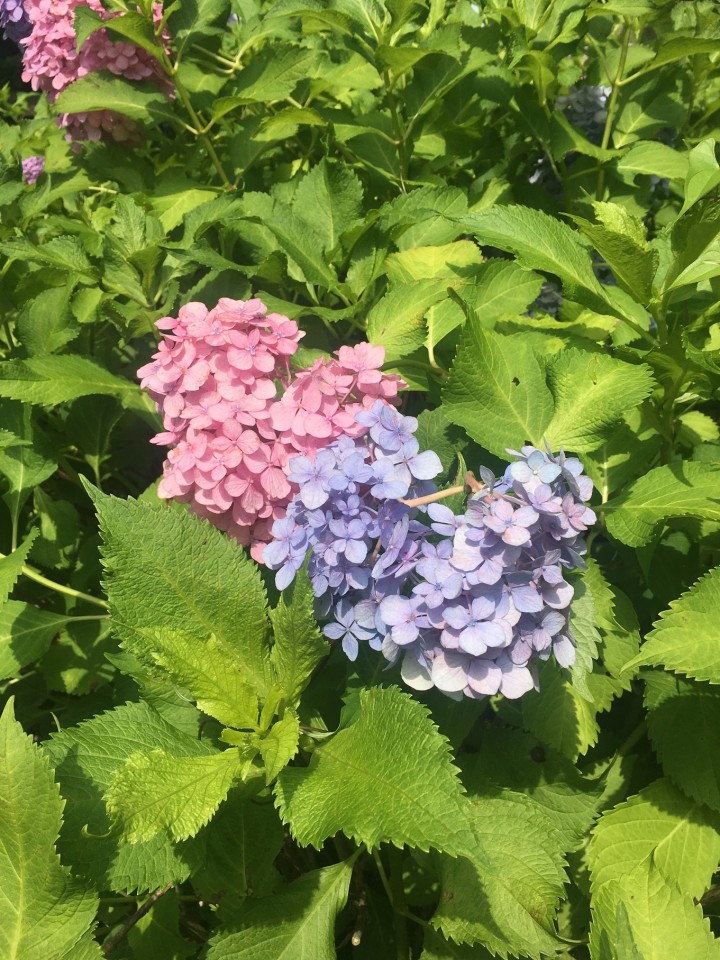
About 10,000 hydrangeas of some 50 kinds bloom at Mimuroto-ji in June, and many visitors come to see them. An old story says that if you find a heart-shaped hydrangea, your love will come true. Weekends get crowded, so come on a weekday if you want to take your time. There are cafes and restaurants nearby. It is about 15 minutes on foot from Mimurodo Station on the Keihan line.
Yoshimine-dera Temple Oharano
On wide grounds in the western hills, about 8,000 hydrangeas of many kinds, including mountain hydrangeas, bloom at Yoshimine-dera, usually at their best in mid-June. The temple sits at the top of stone steps and slopes, which can be hard for small children and older visitors, but the flowers are worth the climb. Take time to see the temple itself as well.
June festivals at shrines and temples
Kifune Shrine Kibune
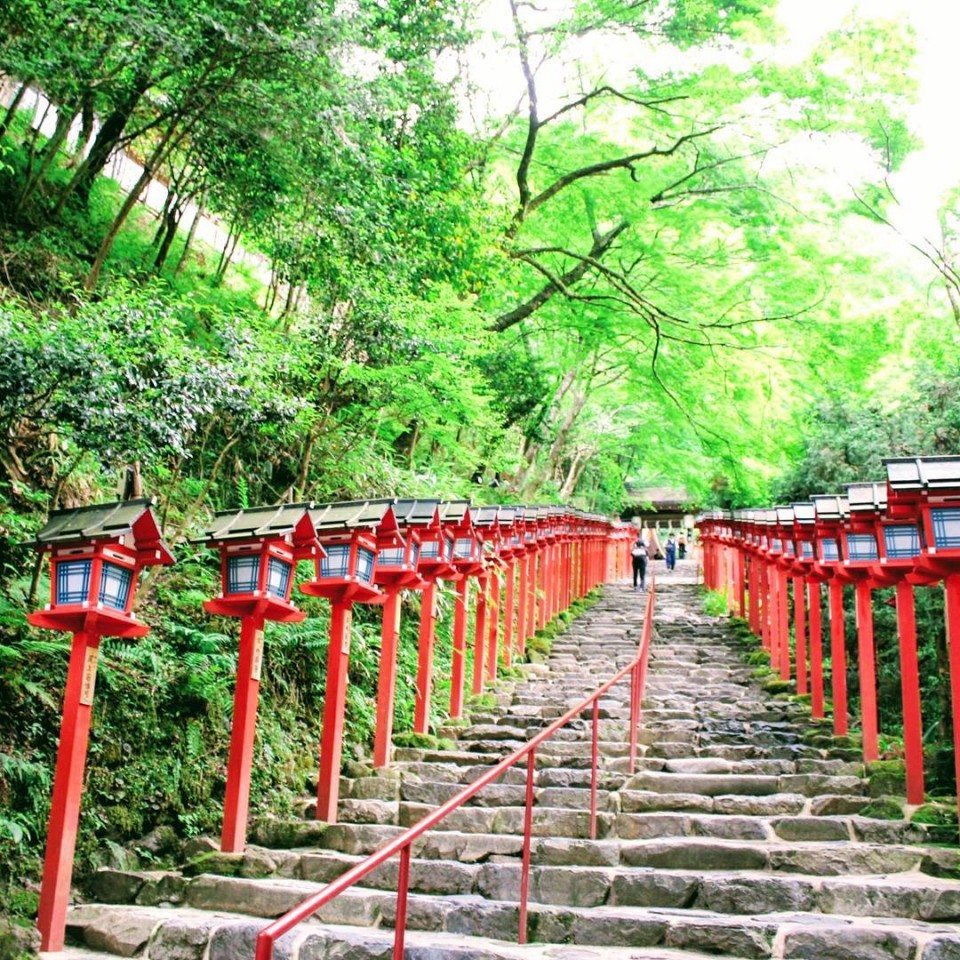
The Kifune Festival on June 1 each year prays for a good harvest, and the sight of the portable shrine being carried along the stone steps is very popular. Kifune Shrine is said to be where ema, wooden wish plaques, began, and you can also tie a written wish or draw a fortune. The shrine is in the hills and not easy to reach, and it has no parking, so if you drive, look for a lot nearby.
Fushimi Inari Taisha Fushimi
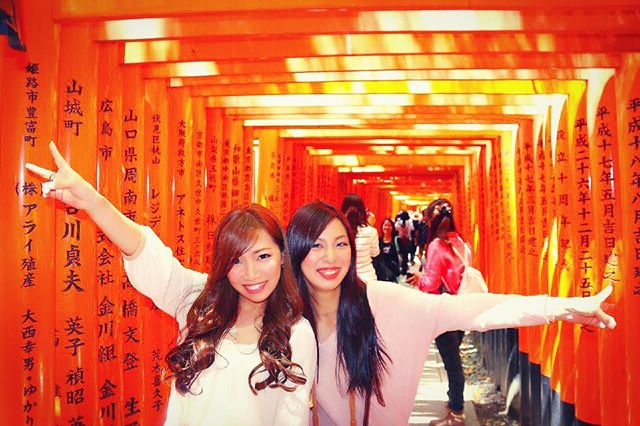
The rice-planting festival is held every year on June 10. After the priests' prayers, everyone moves to the sacred paddy, where rice is planted to pray to the Inari god for a good harvest. It is loved by all ages and gets busy. You may take photos, but not of the priests while they are walking. It is a 5-minute walk from Fushimi-Inari Station on the Keihan line.
Chishaku-in Temple Higashiyama
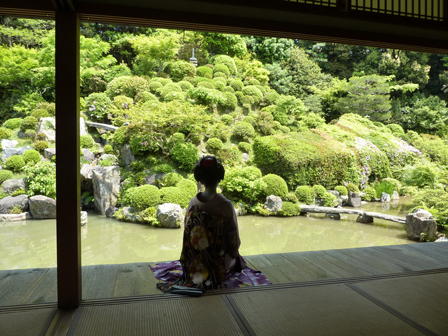
The Aoba Festival on June 15 celebrates the birthdays of Kukai and Kakuban. Its center is a great outdoor fire ritual held in the morning, so arrive early to beat the traffic. It is worth seeing even if you have no special interest in Buddhist rites. There are restaurants and souvenir shops nearby. It is a 3-minute walk from the Higashiyama Shichijo bus stop.
Kurama-dera Kurama
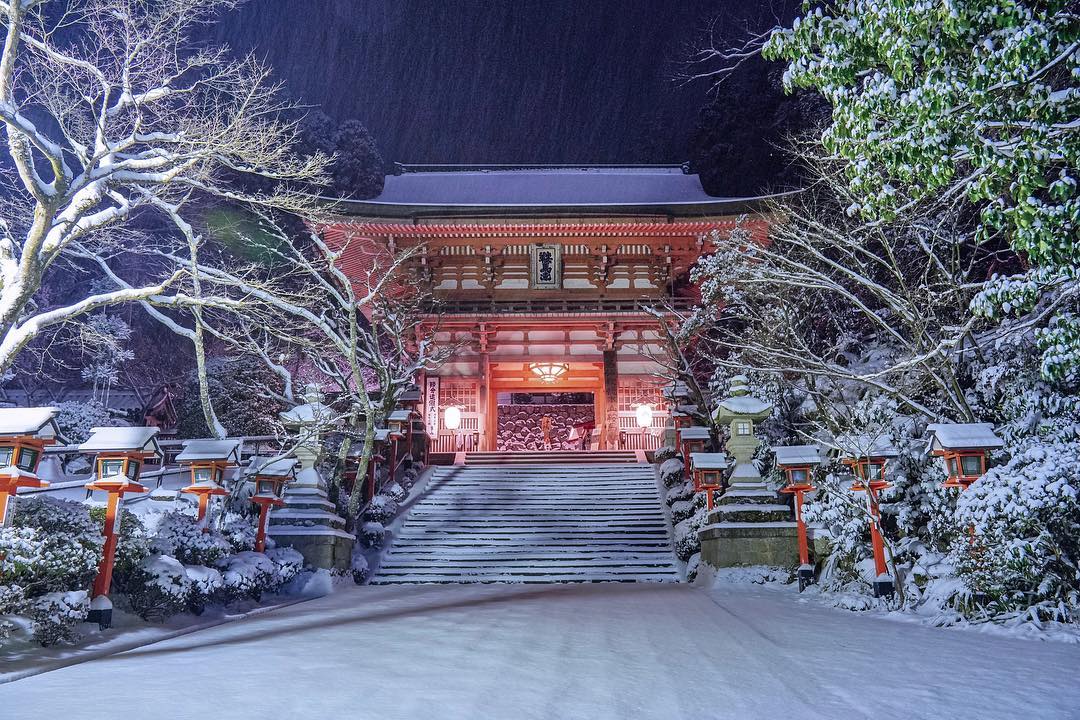
Each June, Kurama-dera holds the bamboo-cutting ceremony, in which priests dressed as warrior monks race to cut lengths of bamboo, said to stand for great serpents. The stalks are about 10 centimeters thick, and the crowd cheers at the power of each stroke. It gets crowded, so line up early if you want to watch up close. Taking home a piece is said to keep you healthy. The temple is a minute from Kurama Station.
Kitano Tenmangu Kitano
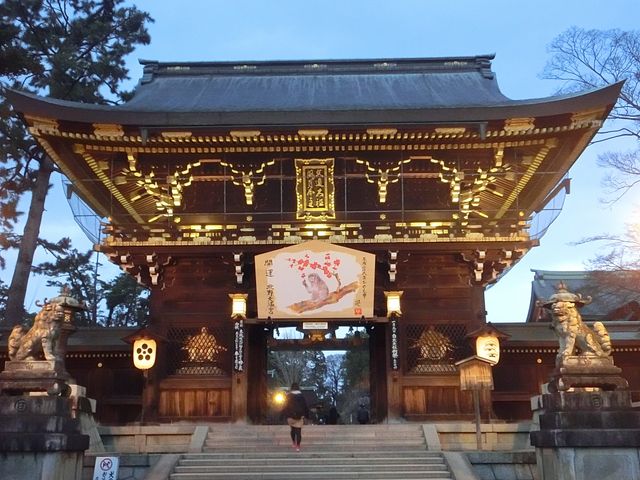
On June 25, the shrine celebrates the birthday of Sugawara no Michizane, with a large ring of grass about 5 meters high set up to pray for good health, and the day draws many visitors. On June 30 comes Nagoshi no Oharae, the summer purification, when people pass through the ring to pray for health in the months ahead. The Kitano Tenmangu-mae bus stop is right by the shrine.
Shimogamo Shrine Shimogamo
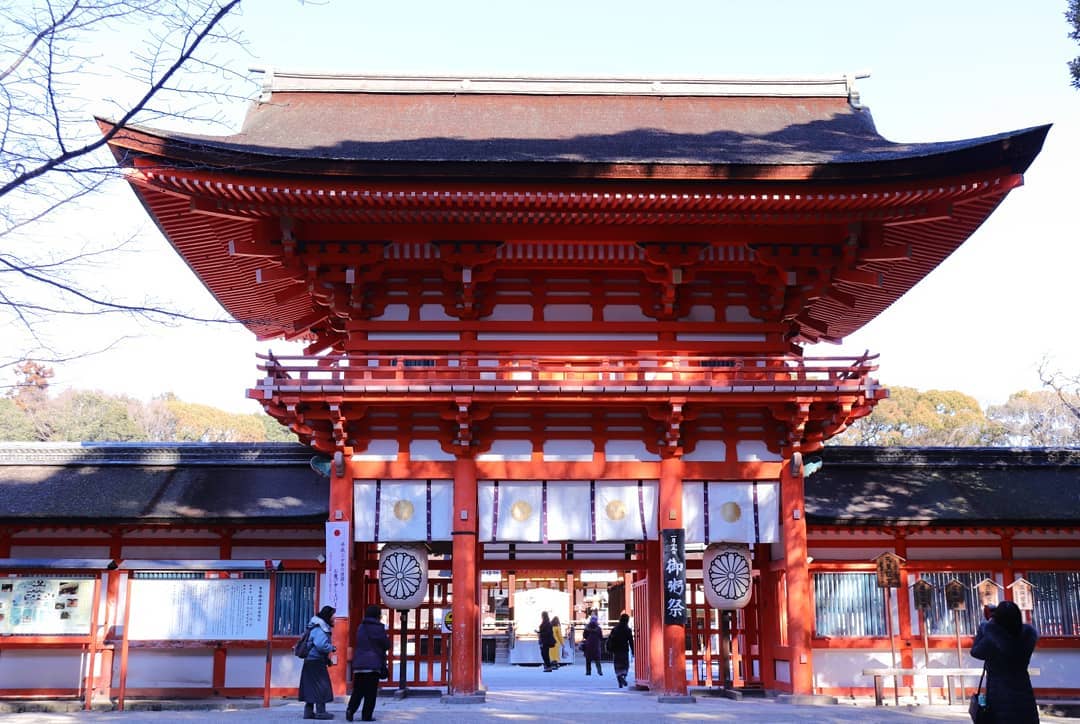
Known as one of the great power spots of Japan, Shimogamo Shrine also holds a firefly-viewing tea gathering in June. The grounds open at 6 pm, but it is often still light then, so the fireflies are best from around 7:30 pm. It gets busy, so leave yourself plenty of time. It is about 10 minutes on foot from Demachiyanagi Station on the Keihan line.
Places to enjoy on a rainy day
Kyoto Tower Kyoto Station
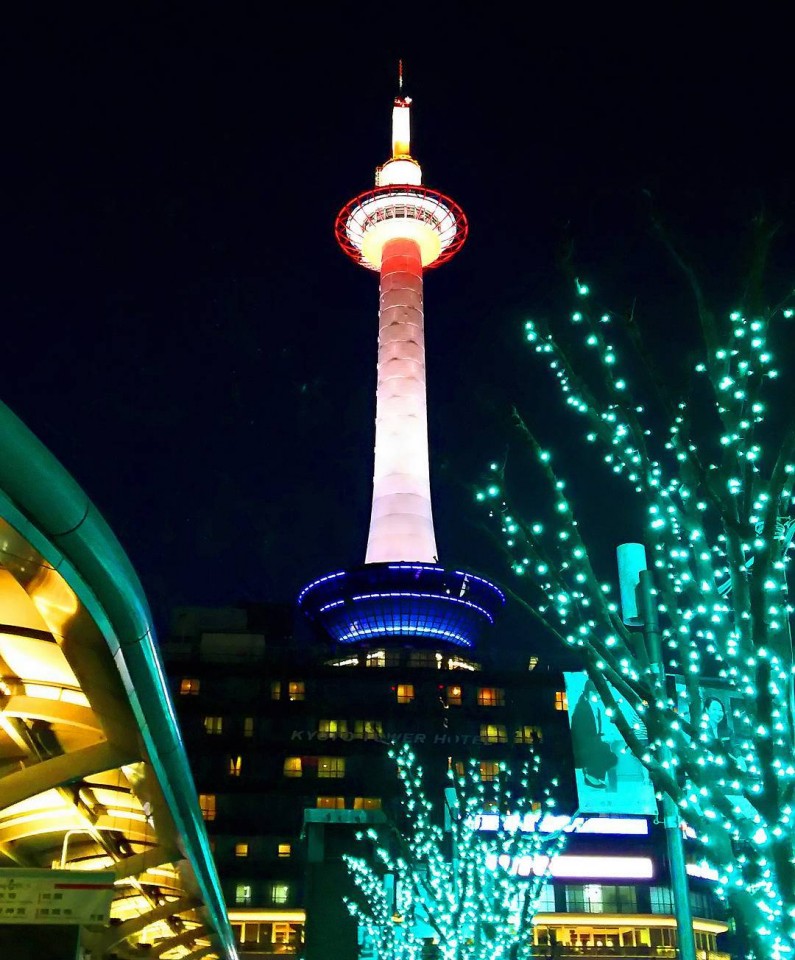
Just a 2-minute walk from JR Kyoto Station, Kyoto Tower gives a 360-degree view of the city from 131 meters up. Because you stay indoors, it works well on a rainy day, and it is an easy first or last stop on a Kyoto trip.
Kyoto National Museum Higashiyama
The Kyoto National Museum shows Japanese art, mainly from the Heian period on, along with treasures entrusted by Kyoto's great temples and shrines. More than 10,000 works are in its care, including National Treasures such as a painting of Amanohashidate and the Twelve Devas. Clear explanations make it enjoyable even if you are not a history buff, and it is a must for a rainy June day. It is near Shichijo Station.
Suntory Kyoto Brewery Nagaokakyo
At the Suntory Kyoto Brewery you can tour the factory and taste beer made with natural water. If you want to see how beer is made and try it fresh, it is a good indoor choice for the rainy season. The shop also sells goods you can only buy here. A free shuttle bus runs from Hankyu Nishiyama-Tennozan Station.
Quiet temples for June
Tofuku-ji Higashiyama
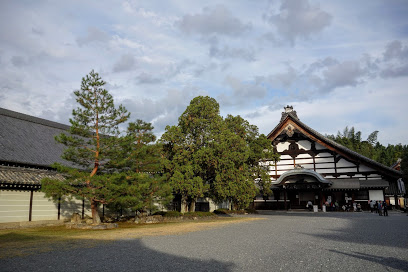
Tofuku-ji is famous for autumn leaves, but its Hojo gardens, a national Place of Scenic Beauty, surround the abbot's hall on all four sides. Tsutenkyo Bridge, between the main hall and the founder's hall, is a famous view. There is no special June event, but with fewer visitors you can take photos at your own pace. On a fine day, stroll across Tsutenkyo and listen to the stream below. It is about 10 minutes on foot from Tofukuji Station.
Jingo-ji Temple Takao
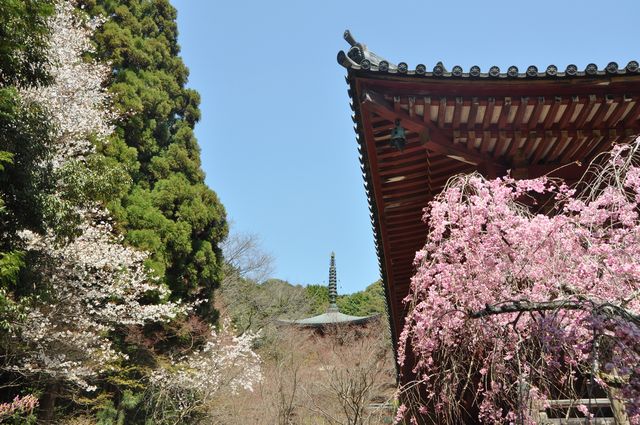
Jingo-ji keeps temple treasures and National Treasures from the Heian to the early Kamakura period, and in autumn it is a place for colored leaves. It is not easy to reach, about 50 minutes by bus from Kyoto Station and then a 20-minute walk, but in June there are fewer visitors and you can relax. Nearby Kozan-ji, said to be where tea was first grown in Japan, is also worth a visit.
A coffee shop break
Soiree Kawaramachi

Soiree is a coffee shop with more than 70 years of history, loved by locals and visitors alike. Its jelly punch, which sparkles like jewels, is the order most people choose. The dreamy interior is a nice place to rest and talk about your trip on a rainy afternoon. It is a minute on foot from Kawaramachi Station on the Hankyu line.
Tips for June in Kyoto
June brings big swings in temperature and many rainy days, so choose your clothes with care. Outdoor events may be called off in bad weather, so check before you go and keep some indoor places and cafes in mind for a change of plan.
The places on a map
Hours, prices and events change. Check each place's official website before you go.
More travel guides
 Tokyo Sightseeing by Area: 40 Classic Sights and Lesser-Known Spots from Asakusa to Odaiba40 placesTokyo has much more to see than Skytree, Tokyo Tower and Asakusa. This guide works through six of the city's main…
 Nagoya: 40 Best Places to Visit, from Nagoya Castle and Atsuta Jingu to Osu40 placesNagoya is one of Japan's biggest cities, yet many visitors don't know how much it has to see. Alongside its famous…
 Chichibu: 40 Best Places to Visit, from Nagatoro River Boats and Mitsumine Shrine to Moss Phlox and Icicles40 placesChichibu, the largest city in Saitama Prefecture, is about 90 minutes from central Tokyo. Most of the area is national…
 Niigata Prefecture: 40 Best Places to Visit, from Classic Sights to Hidden Gems40 placesNiigata Prefecture stretches a long way from north to south, and each area has its own scenery, climate and food. The…
 Nagasaki Prefecture: 40 Best Places to Visit, from Unzen Hot Springs to Hirado and Nagasaki City40 placesNagasaki grew up as a port open to the outside world, and the culture of those days still shapes its streets, churches…
 Fukuoka Prefecture: 40 Places to Visit in Kitakyushu, Chikuho and Around Fukuoka City40 placesFukuoka Prefecture is roughly divided into four areas, Kitakyushu, Chikuho, Fukuoka and Chikugo, and each has its own…