
Kyoto in July: 17 Festivals, Events and Cool Spots, Plus What to Wear
17 places · Japanese version
July in Kyoto is hot and humid, but it is also one of the city's busiest months for festivals. The Gion Matsuri fills the whole month, shrines celebrate Tanabata on July 7, and there are summer rites with water, fire, cucumbers and even pumpkins. Here are 17 festivals, events and places to cool off in July, from riverside dining platforms to garden openings, along with advice on the weather and what to pack. Drink water often and plan some indoor stops to rest from the heat.
Weather and what to wear in July
July is very hot across Japan, with many days of 25 to 30 degrees Celsius or more. Air conditioning indoors can feel chilly, though, so bring something light to put over short sleeves, especially if you feel the cold easily.
Early July: the average is around 25 degrees Celsius, and short sleeves and shorts are the norm. If the rainy season has not ended yet, sudden showers are possible, so carry a light layer and a folding umbrella, and keep a museum or cafe in mind in case of rain.
Late July: many days go over 30 degrees Celsius and even short sleeves feel hot. Drink water often, and a hat, cooling spray and a parasol are very useful against heatstroke. Put on sunscreen before you head out.
The Gion Matsuri
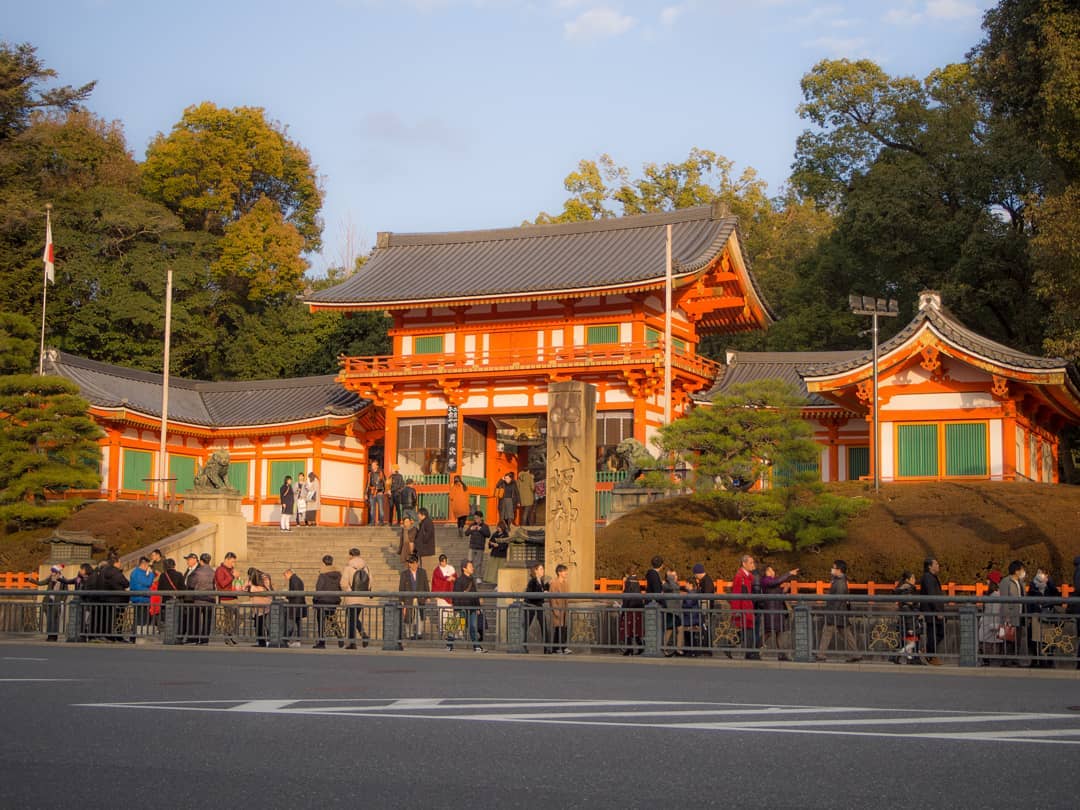
Yasaka Shrine Gion
The Gion Matsuri, the festival of Yasaka Shrine, runs through all of July. With more than 1,100 years of history, it is one of Japan's three great festivals, held to drive away epidemics and evil spirits. The Yamaboko Junko parade of floats and the evening of Yoiyoiyama are the most popular events, and they draw big crowds from all over Japan.
Other events are worth catching too. On the evening of July 10, the Omukae Chochin lantern procession welcomes the portable shrines. On July 24, the Hanagasa Junko parade, led by a children's portable shrine, passes along Oike-dori and Shijo-dori and returns to the shrine, usually starting around 10 am. Yasaka Shrine is also known for blessings of beauty and love, and many visitors buy charms or collect a goshuin stamp.
Abare Kannon Shinmachi, Nakagyo
Part of the later half of the Gion Matsuri, this lively rite starts at 11 pm on July 23. A statue wrapped in cloth is carried around in a small portable shrine, with bearers charging back and forth to shouts of wasshoi. It is held on Shinmachi-dori near Nishikikoji. Because it runs late, check the time of your last train.
Tanabata on July 7
Jishu Shrine Higashiyama
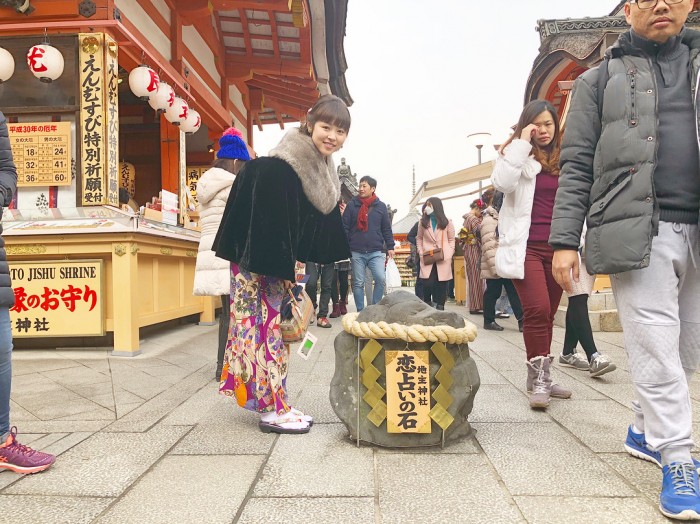
Every July 7 from 2 pm, this shrine holds a Tanabata festival to pray for love and good matches. Visitors write two names on paper kokeshi dolls and tie them together in the hope that the wish comes true. It gets very busy with women in kimono, families and couples, so arrive early. The shrine is about five minutes from Sannenzaka, with shops and places to eat nearby.
Shiramine Jingu Kamigyo
On July 7 this shrine holds the festival of Seidaimyojin, also called the god of Tanabata. You can watch the Tanabata Komachi dance, try kemari, the old court ball game, and pick up the shrine's fighting-spirit charm, found nowhere else in Japan. It is popular with families with small children. The shrine is right by the Horikawa Imadegawa bus stop.
Tondaya Kamigyo
A museum in a historic Kyoto townhouse where you can tour the building and try on kimono. It is a good choice if you want to join a Tanabata festival dressed in kimono, and a fun way to experience the old streets of Kyoto. It is about 15 minutes by taxi from Kyoto Station.
Summer festivals at shrines and temples
Kifune Shrine Kibune
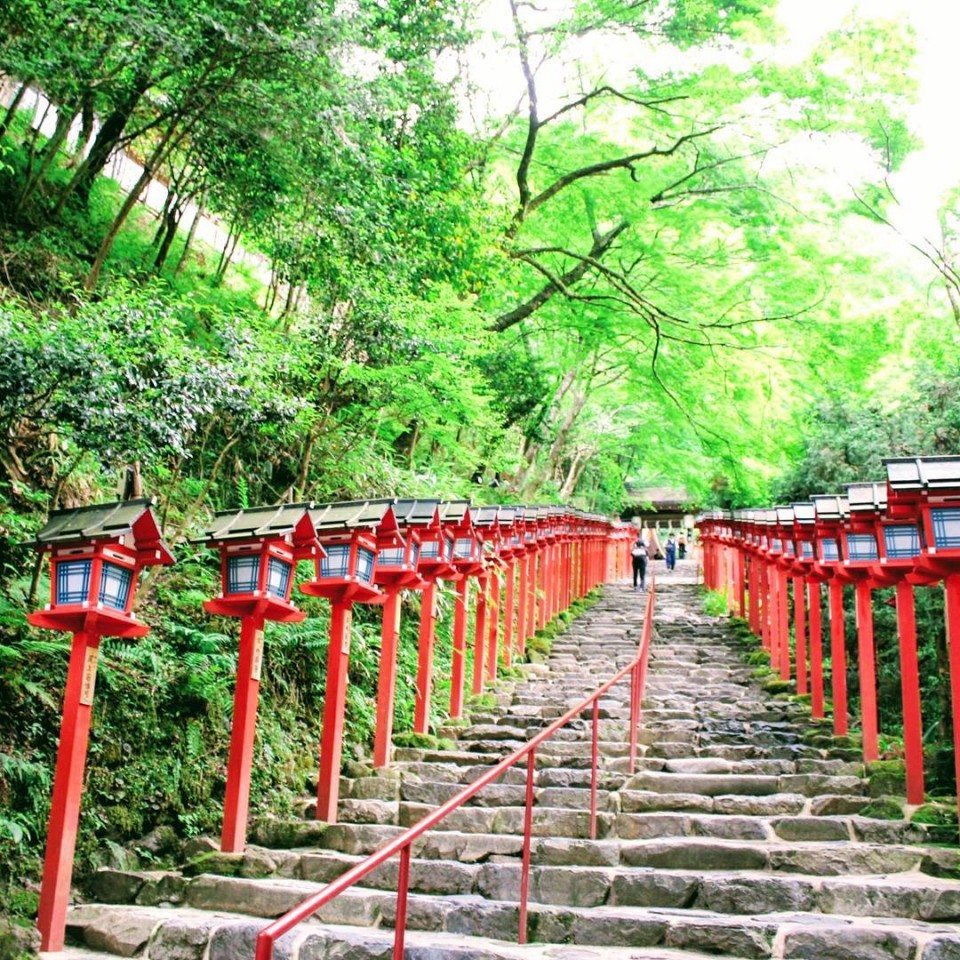
Every July the shrine holds its water festival, praying to the water god for rain, sunshine and steady weather. The rites take place among fresh green trees and feel refreshing even in the summer heat. Afterward, a tea ceremony is held right beside the Kibune River, a favorite with visitors who want to cool off.
Fushimi Inari Taisha Fushimi
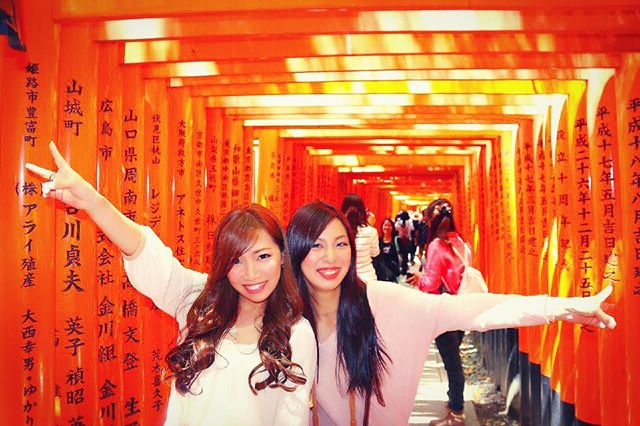
In July the shrine holds its Yoimiya-sai and Motomiya-sai festivals. The evening Yoimiya-sai is the one to see: lanterns are lit across the grounds for a dreamlike atmosphere. Look for the Romon gate, an Important Cultural Property, and the outer worship hall, where more than 400 painted lanterns are displayed. If you prefer daytime, the Motomiya-sai starts at 9 am the next morning, with stalls of local products and festival favorites. The shrine is right by JR Inari Station.
Shimogamo Shrine Shimogamo
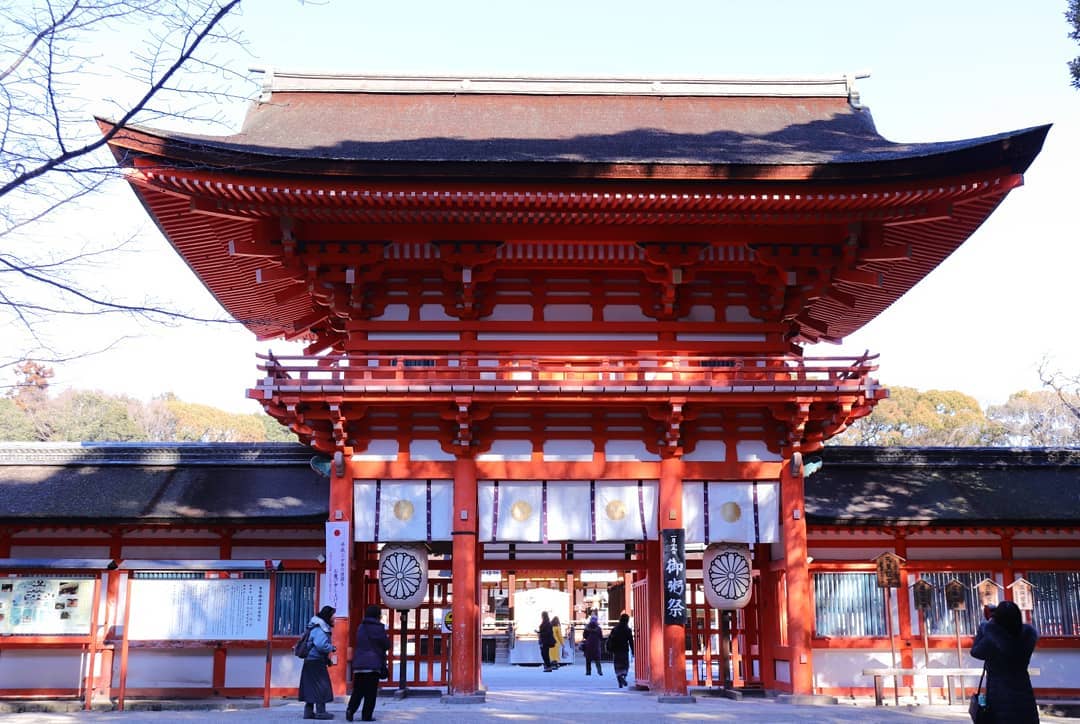
During the Mitarashi Festival in late July, visitors wade knee-deep into the Mitarashi Pond to pray for good health and safe childbirth. The water is about 20 degrees Celsius, so it feels cool, but you do not need to stay in long. The bubbles rising in this pond are said to have given mitarashi dango, the sweet rice dumplings, their name. The shrine is a UNESCO World Heritage Site.
Jonangu Fushimi
In early July the shrine sets up a giant chinowa, a ring of grass about five meters across, that you can drive through in your car to pray for traffic safety. It is said to work even better if you are purified first, and you receive a paper charm for free. If you come by public transport, take the charm home and keep it in your car for the same blessing.
Anraku-ji Shishigatani
Every July 25 this temple holds its pumpkin rite, a prayer to stay free of stroke. Visitors can eat freshly simmered pumpkin, which is soft and well loved, and some people come every year. Summer vegetables such as eggplant, Kujo green onions and chili peppers are also sold. The temple has no parking, so use a nearby lot if you drive.
Jinko-in Nishigamo
Every July 21 this temple holds kyuri-fuji, a prayer to ward off illness, performed once an hour. You write your name and age on a cucumber, rub it over your body, then bury it at the temple or in your own garden. Many people take part for their health, but it is less crowded than the big sights, so you can visit at a relaxed pace.
Tanukidani-san Fudo-in Ichijoji
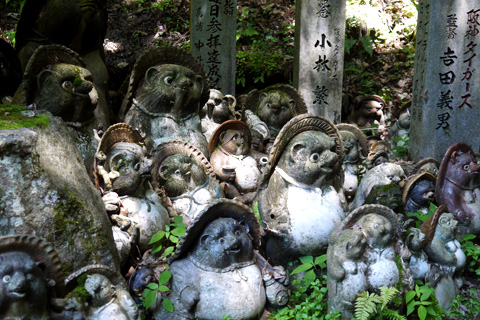
On the evening of July 28 the temple holds its fire-walking festival. People walk barefoot over the burnt-out goma sticks, about five meters long, to pray for good health, and it is also said to help against summer fatigue and stress. Visitors can take part too, with safety in mind. It is about 15 minutes on foot from Ichijoji Station on the Eizan Railway.
Places to cool off
Kamo River Pontocho
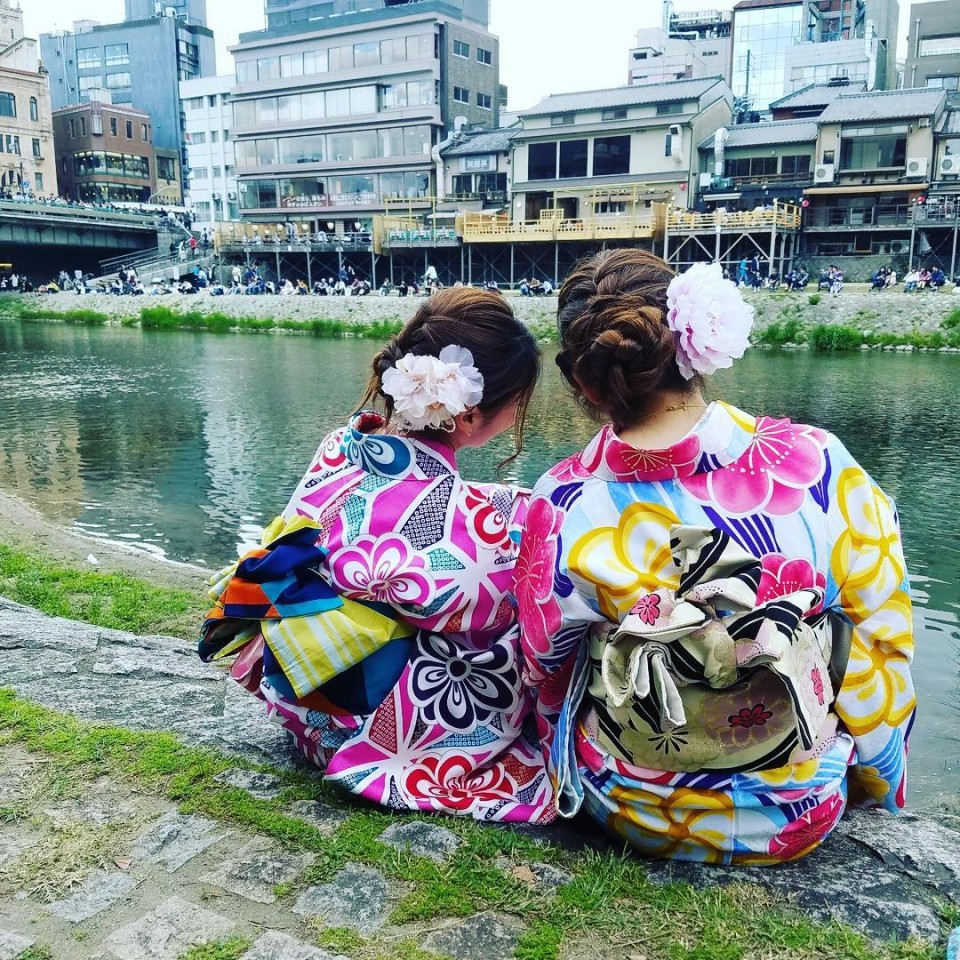
From May 1 to September 30, restaurants along the Kamo River set up noryo-doko, wooden platforms where you dine in the cool air over the river. The shops differ by area, from Kyoto cuisine made with local ingredients to French, Italian and stylish bars. Some take reservations and some require them, so check ahead.
Arashiyama Cormorant Fishing Arashiyama
From early July to late September you can watch cormorant fishing on the river in Arashiyama, as masters guide their birds to catch ayu sweetfish. It is an exciting show and gets crowded during the season. It is about 10 minutes on foot from JR Saga-Arashiyama Station, with restaurants and souvenir shops nearby.
Ryosoku-in Gion
This sub-temple of Kennin-ji opens its garden to the public only for limited periods in early summer and winter. The pond-stroll garden, designated a Place of Scenic Beauty by Kyoto Prefecture, and its natural stones and fresh greenery feel cool even in summer, and many visitors come to take photos. If you are in Kyoto in early July, it is worth a stop. It is about 10 minutes on foot from Kyoto-kawaramachi Station.
Sanzen-in Ohara
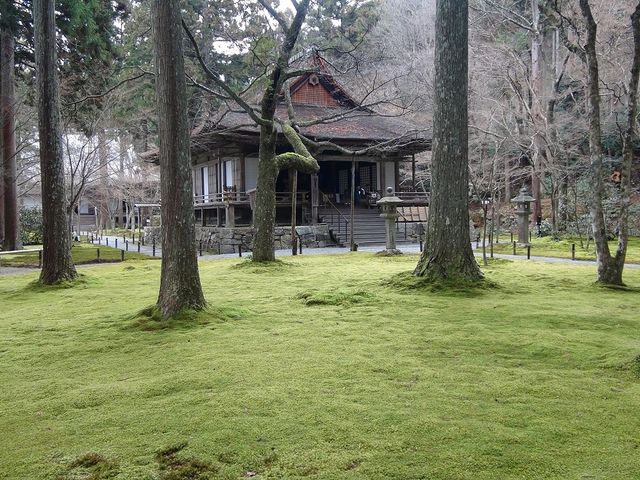
Sanzen-in is known for its hydrangeas, which peak around mid-June. In early July, near the end of the hydrangea festival, the petals start to fall and cover the ground, a different kind of beauty. Petals fall faster in rainy years, so go early in the month.
Fushimi Sake District Light-Up Fushimi
From late July into August, the streets of Fushimi's sake brewing district are lit up in the evening. It is a quiet area, and a calm stroll through the lantern-lit streets is refreshing. Drop in at any shop that catches your eye while it is open. It is about five minutes on foot from Chushojima Station.
Tips for July in Kyoto
July days stay between 25 and 30 degrees Celsius or more, so drink water often to avoid heatstroke. Mix outdoor sightseeing with places where you can cool off indoors. Many festivals and events are held in July, especially around Tanabata, and some need a reservation, so check before you go.
The places on a map
Hours, prices and events change. Check each place's official website before you go.
More travel guides
 Tokyo Sightseeing by Area: 40 Classic Sights and Lesser-Known Spots from Asakusa to Odaiba40 placesTokyo has much more to see than Skytree, Tokyo Tower and Asakusa. This guide works through six of the city's main…
 Nagoya: 40 Best Places to Visit, from Nagoya Castle and Atsuta Jingu to Osu40 placesNagoya is one of Japan's biggest cities, yet many visitors don't know how much it has to see. Alongside its famous…
 Chichibu: 40 Best Places to Visit, from Nagatoro River Boats and Mitsumine Shrine to Moss Phlox and Icicles40 placesChichibu, the largest city in Saitama Prefecture, is about 90 minutes from central Tokyo. Most of the area is national…
 Niigata Prefecture: 40 Best Places to Visit, from Classic Sights to Hidden Gems40 placesNiigata Prefecture stretches a long way from north to south, and each area has its own scenery, climate and food. The…
 Nagasaki Prefecture: 40 Best Places to Visit, from Unzen Hot Springs to Hirado and Nagasaki City40 placesNagasaki grew up as a port open to the outside world, and the culture of those days still shapes its streets, churches…
 Fukuoka Prefecture: 40 Places to Visit in Kitakyushu, Chikuho and Around Fukuoka City40 placesFukuoka Prefecture is roughly divided into four areas, Kitakyushu, Chikuho, Fukuoka and Chikugo, and each has its own…