
Kamo River (Kamogawa)
River · Higashiyama, Kyoto
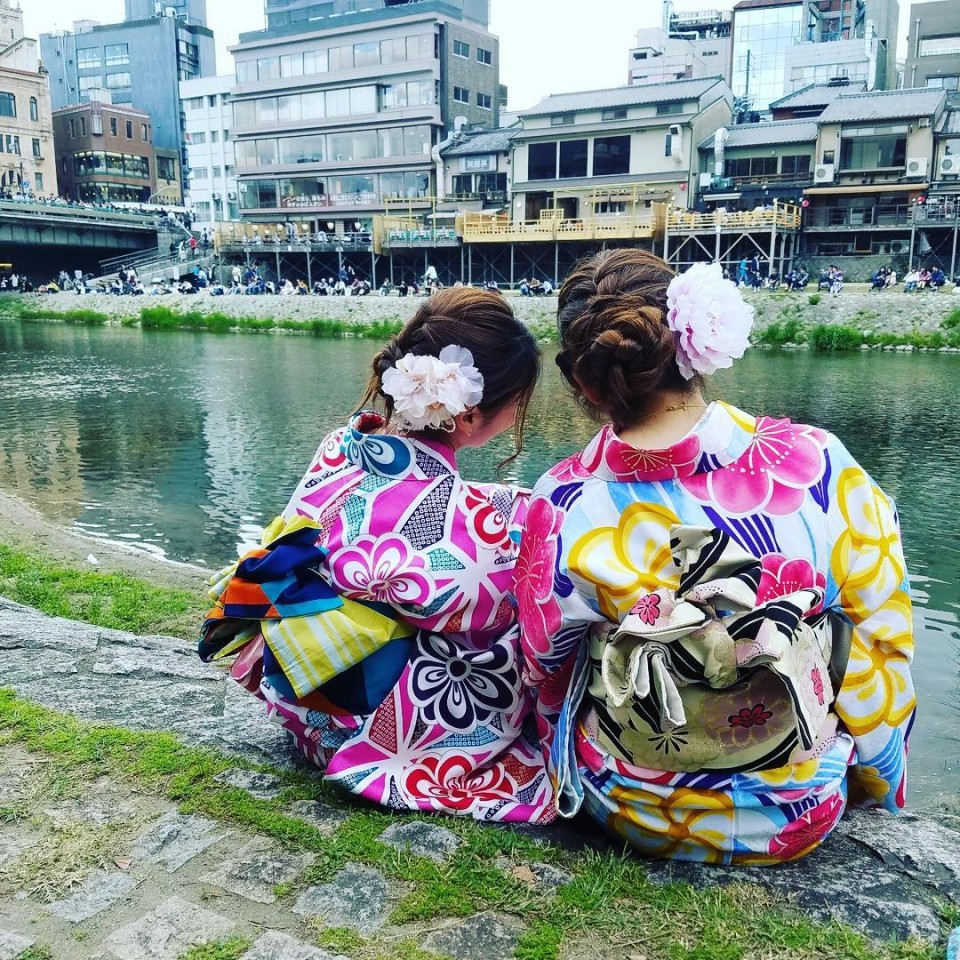 photo by @6a3y1a
The Kamogawa, or Kamo River, flows about 33 kilometers through the city of Kyoto from north to south and has watched over the city's long history. Its banks are a favorite place to stroll, sit and watch the city go by. Between Sanjo and Shijo bridges, couples sit along the bank at curiously even intervals, a sight that became famous online. The east bank leads straight into Gion and other historic streets, so it makes a natural start for a walk.
Good to know
- Japanese name
- 鴨川
- Address
- 京都府京都市東山区川端町In Japanese, to show a taxi driver or type into a map app.
- Nearest station
- Gion-Shijo Station
- Access
- About 5 min walk from Gion-Shijo Station (Keihan Main Line)
- Hours
- Open all year
- Admission
- Free
Hours and prices can change. Check the official website before you go.
Along the river
In summer, restaurants along the river set up yuka, raised wooden platforms over or beside the water where you can dine outdoors in the cool evening air. They are a classic sign of summer in Kyoto.
The rest of the year, the riverbank between Sanjo Ohashi and Shijo Ohashi bridges is where couples sit spaced almost perfectly evenly, and some people come just to see it. The bridges and banks are good spots for photos of the river and the city.
Walks on the east bank
At the east end of the Shijo bridge stands the Minamiza theater. The Shijo riverbed area is said to be the birthplace of kabuki, and theaters have stood here since the Edo period. Walk east and turn onto Hanamikoji Street, the heart of the Gion geisha district, where you may see maiko and geiko. At the south end of the street is Kennin-ji, said to be the oldest Zen temple in Kyoto.
South of Shijo along the east bank is Miyagawacho, another geisha district with stone-paved lanes. It is quieter than Gion, and its cafes are a calm place to rest.
Getting there and what to wear
Gion-Shijo Station on the Keihan Line is about 5 minutes on foot. Buses from Kyoto Station take about 20 minutes to Gion but can be slow in peak season. Taking the JR Nara Line to Tofukuji and changing to the Keihan Line avoids the traffic.
Kyoto summers are very hot and humid, and winters feel colder than the thermometer says. February is often the coldest month, and it can snow even in March, so dress warmly.
Nearby
 Cafe Soiree140m
 Hanamikoji Street324m
 Kennin-ji Temple448m
 Yasui Konpiragu Shrine598m
 Yasaka Shrine614m
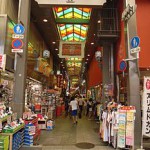 Nishiki Market648m
Featured in these guides
Kyoto in July: 17 Festivals, Events and Cool Spots, Plus What to Wear17 placesJuly in Kyoto is hot and humid, but it is also one of the city's busiest months for festivals. The Gion Matsuri fills…Recently viewed
More in Kyoto
 Yasaka Koshin-doBuddhist temple
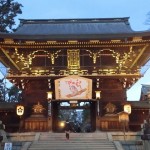 Kitano TenmanguShinto shrine
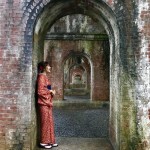 Nanzen-jiZen temple
 Fushimi Inari TaishaShinto shrine
 Mikane ShrineShinto shrine
 Jishu ShrineShinto shrine
 Shimogamo ShrineShinto shrine
 Heian ShrineShinto shrine
 Kyoto AquariumAquarium
 Kifune ShrineShinto shrine
 Kurama-deraBuddhist temple
 Sanzen-inBuddhist temple