
Kyoto in May: 20 Festivals, Seasonal Flowers and Events, Plus What to Wear
20 places · Japanese version
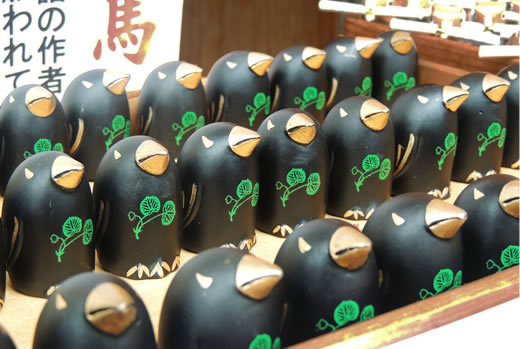
May is a lively month in Kyoto. Many shrines hold their spring festivals, from the Aoi Matsuri procession to horseback stunts and boat festivals, and gardens fill with azaleas, satsuki, irises, peonies and roses. Here are 20 places and events to enjoy Kyoto in May, from well-known highlights to quieter spots, grouped by flowers, festivals and seasonal sights. Some events need a reservation, so decide where to go in advance. Start with a quick guide to the weather and what to wear.
What to wear in Kyoto in May
Most days in May are fairly warm, but mornings and evenings can drop to about 8 degrees Celsius, so bring layers or a light jacket, especially if you plan to stay out after dark.
Early May: the average is around 20 degrees Celsius. Days can climb close to 30 degrees, so short sleeves are fine for sightseeing, but carry a thin jacket for the mornings and evenings. You will walk a lot in Kyoto, so wear sneakers rather than heels or boots.
Late May: more days go above 25 degrees and the gap between day and night gets smaller, so a light sweater or something to throw on is enough. Rainy days start to appear, so a folding umbrella is handy.
Flowers in May
Yamabuki Festival at Matsunoo Taisha Arashiyama
Matsunoo Taisha, one of the oldest shrines in Kyoto, holds an exhibition of yamabuki, the yellow Japanese kerria. About 3,000 plants brighten the grounds from early April to early May. On May 3 only, the flowers are lit up in the evening, and some visitors come back every year for it. Admission to the grounds is free. Get off at Matsuo-taisha Station on the Hankyu Arashiyama Line.
Nagaoka Tenmangu Nagaokakyo
About 100 Kirishima azaleas bloom along a stretch of about 60 meters at this shrine, from late April to early May. Some of the bushes are estimated to be about 150 years old. When your feet get tired, rest at the teahouse serving soba and Uji matcha, where the terrace seats look out on the azaleas. Admission is free.
Anraku-ji Shishigatani
This temple, known for blessings in love and matchmaking, is bright with satsuki azaleas from late April to early May. Many visitors from abroad come to photograph the flowers. Stop at the rest area to try some Kyoto specialties. It is about 10 minutes on foot from the Shinnyodo-mae city bus stop.
Kamigamo Shrine Kita
The kakitsubata irises at Kamigamo Shrine are a designated natural monument and draw many visitors every May. About 20,000 plants in bloom make a beautiful scene. You can also enjoy fresh green leaves and trees more than 500 years old. The irises are best from early to mid-May, but the timing changes a little each year, so check the bloom report before you go. Admission is free. Take city bus 4 to Kamigamo-jinja-mae.
Honman-ji Kamigyo
Famous for its weeping cherry in spring, this temple has flowers through the year, with peonies in pink, white and yellow from late April to early May. It is calmer than many flower temples, so you can enjoy the color and scent at your own pace. Nearby, the Shokoku-ji Jotenkaku Museum shows art including National Treasures and Important Cultural Properties. Admission is free. It is about 10 minutes on foot from Demachiyanagi Station.
Forest Park Swiss Village Kyotango
At the top of Mount Taiko, about 90,000 moss phlox plants carpet the area from early to late May. It is far from central Kyoto and not easy to reach by train, about 40 minutes by car from Mineyama Station on the Kyoto Tango Railway, but visitors praise the wide carpet of flowers.
Kyoto Botanical Gardens Kitayama
Said to be the oldest botanical garden in Japan, it has roses in full bloom from early May to early June, with walks through the rose garden and a rose show. You can photograph the roses with Mount Hiei behind them, and the crowds are rarely heavy, so you can take your time. It is right by Kitayama Station on the Kyoto City Subway.
Festivals and traditional events
Kamogawa Odori Pontocho
In this popular dance performance, held in May, you can watch the maiko of Kyoto dance on stage. It is one of the city's most sought-after events, so book early. You can choose between regular and special seats, but not the exact seat, and tickets can be reserved online or by phone. Book around the start of April to be sure of a place. It is about 5 minutes on foot from Sanjo Keihan Station.
Oharame Festival Ohara
From late April to early May, the village of Ohara holds a festival where you can dress in the costume of the oharame and try planting rice seedlings. The oharame were women of Ohara who carried firewood on their heads to sell in the city. It is a fun experience for families and couples. Take Kyoto Bus 17 from Kyoto Station to the last stop, Ohara.
Shimogamo Shrine Shimogamo
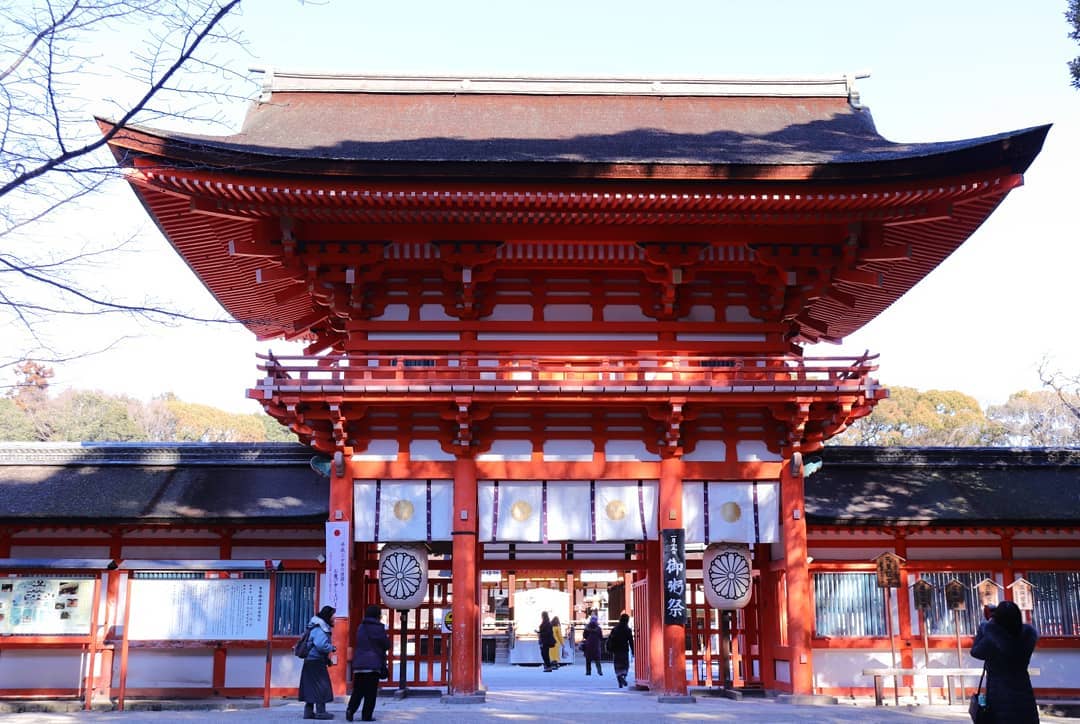
Every year on May 4 and 5, Shimogamo Shrine hosts a demonstration of traditional martial arts, a rare chance to see martial arts such as swordsmanship and jujutsu up close. It is free to watch and draws many visitors, even those with no special interest in martial arts. Satsuki and kerria bloom nearby. It is about 10 minutes on foot from Demachiyanagi Station on the Keihan line.
Fujinomori Festival Fushimi
Held at Fujinomori Shrine during Golden Week, from May 1 to 5, this is one of the few festivals where you can see horseback stunts. The crowd favorite is ichimonji-gaki, writing a character with a brush while riding, and in tazuna-kuguri the rider gallops as if dodging a rain of enemy arrows. It is free to watch and about 4 minutes on foot from Sumizome Station on the Keihan line.
Jishu Shrine Higashiyama
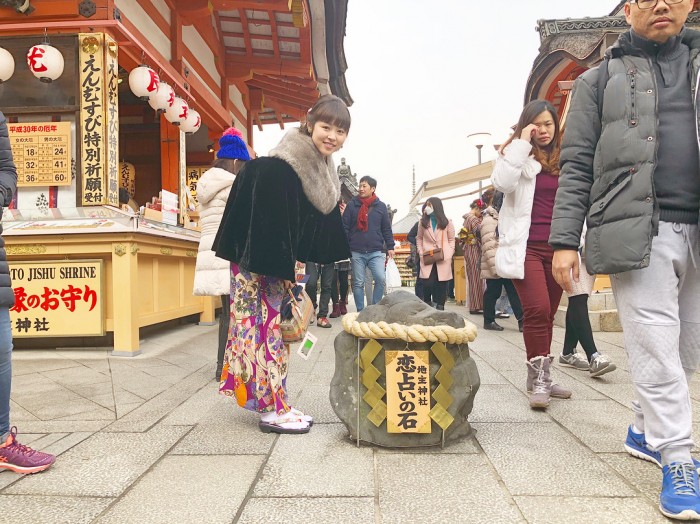
Known for blessings in love, Jishu Shrine holds its Jishu Festival on May 5, during Golden Week. You can watch shrine maidens and women in traditional Shirakawa-me dress walk along Kiyomizu-zaka and Sannen-zaka to music. The shrine is part of the Kiyomizu-dera World Heritage Site, so it is worth a visit for sightseeing too. It is about 10 minutes on foot from the Kiyomizu-michi bus stop.
Imamiya Shrine Murasakino
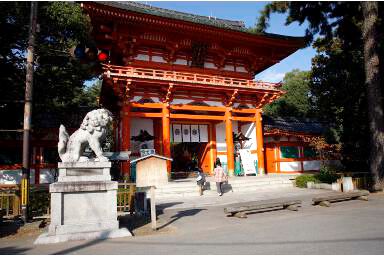
The Imamiya Festival, one of Kyoto's well-known festivals, is held every May. You can watch shrine maidens, an ox-drawn carriage and portable shrines make their way to the shrine's temporary resting place. It is free to watch, but it happens only on set days, so plan around it. Matchmaking charms are sold at the shrine. The Imamiya-jinja-mae bus stop is right by the shrine.
Enmado Dainenbutsu Kyogen Kamigyo
This is one of the three great nenbutsu kyogen of Kyoto, traditional comic plays, and unlike the others its actors speak lines. It is staged from late April into early May. Buy the pamphlet at the reception to follow the plays more easily. Nearby are Kitano Tenmangu, dedicated to Sugawara no Michizane, and Kenkun Shrine, dedicated to Oda Nobunaga. It is about 2 minutes on foot from the Senbon-Kuramaguchi bus stop.
Aoi Matsuri Kyoto Gyoen
One of Kyoto's three great festivals, the Aoi Matsuri takes place every year on May 15. A long procession in the dress of the Heian period passes by, with court nobles, ox-drawn carriages, the Saio-dai princess, horses and oxen. Paid seats let you watch in comfort, but they are limited and go on sale online in early April, so book early. The Kyoto Imperial Garden is about 5 minutes on foot from the Karasuma-Imadegawa bus stop.
Mifune Matsuri (Kurumazaki Shrine) Arashiyama
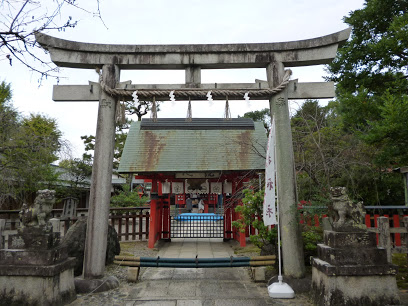
Held by Kurumazaki Shrine on the third Sunday of May, this festival recreates the boat outings of the Heian court. Performers dance and play music on boats on the river, and in the fan-floating ceremony about 100 folding fans are set adrift on the water. It is about 5 minutes on foot from Arashiyama Station on the Hankyu Arashiyama Line.
Kurama-dera Kurama
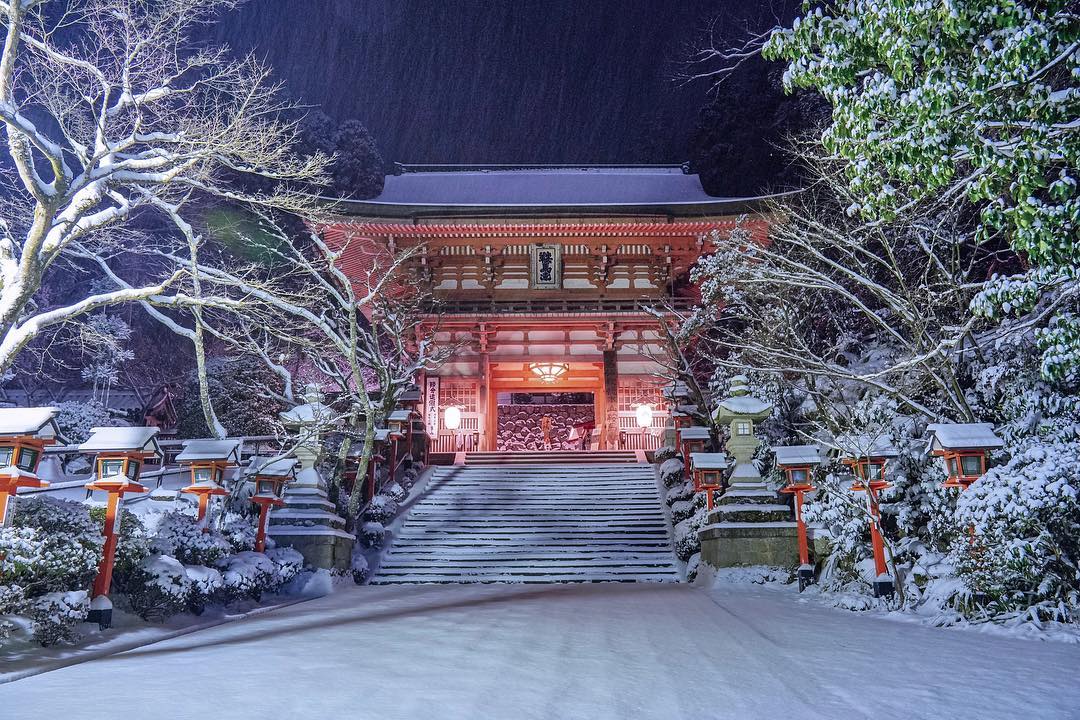
On the night of the full moon in May, Kurama-dera holds the May Full Moon Festival, where people purify themselves with the energy of the moon. It is a solemn, quiet ceremony rather than a lively festival, so come in that spirit. By tradition, holding water up to the moon and then drinking it cleanses you. It is about 5 minutes on foot from Kurama Station on the Eizan Railway.
Shisendo Ichijoji
Shisendo was the retreat of Ishikawa Jozan, a retainer of Tokugawa Ieyasu. In late May it holds a special exhibition of his belongings and portraits of poets, a treat for history lovers. Stroll the garden as well, and look for satsuki and kerria blooming in the area around it. It is about 10 minutes on foot from Ichijoji Station on the Eizan Railway.
Seasonal sights and riverside dining
Togetsukyo Bridge Arashiyama
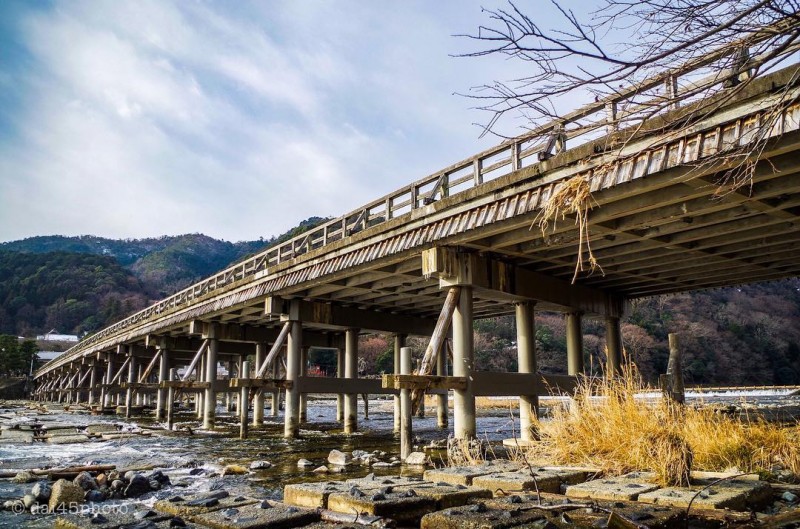
Arashiyama is not just a mountain but a whole area of famous sights, designated a National Historic Site and Place of Scenic Beauty. Its sights include Togetsukyo Bridge, and you can see many of them in one visit while enjoying the greenery and flowers. There are several rest areas when you need a break. It is about 5 to 10 minutes on foot from Arashiyama Station.
Kamogawa Noryo-yuka (Kamo River dining platforms) Pontocho
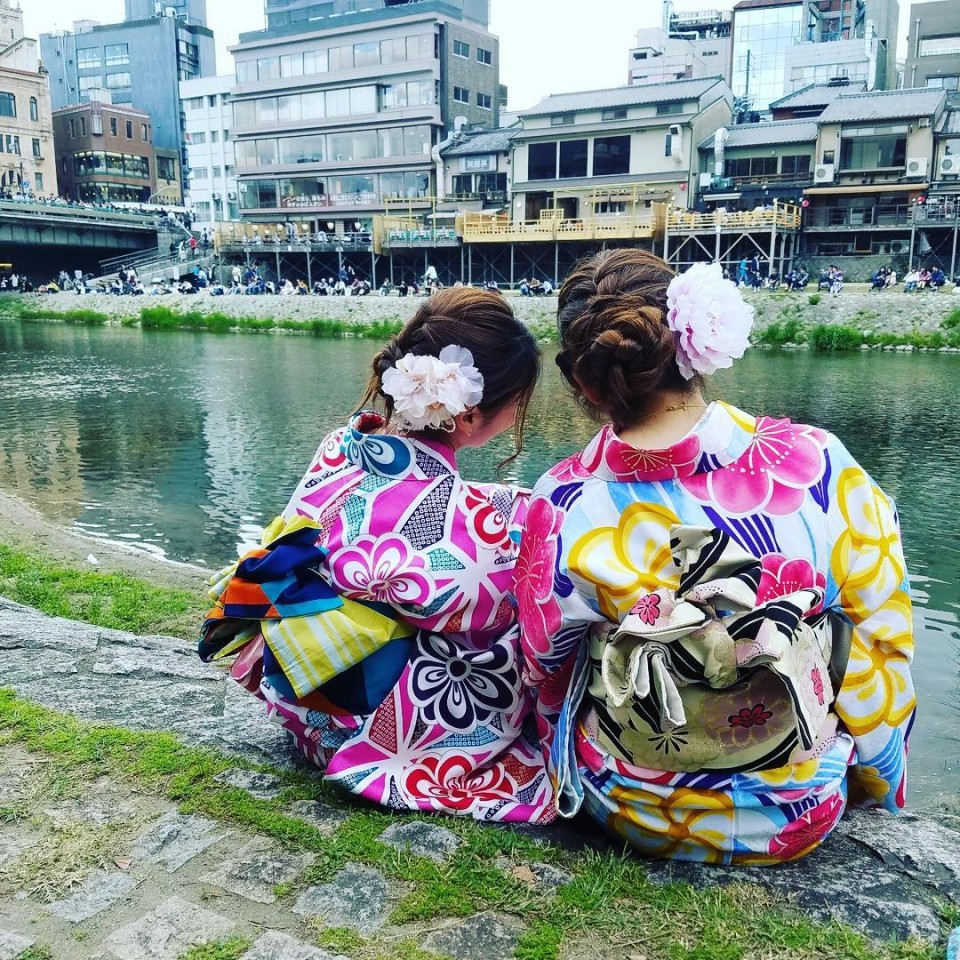
From May 1 to September 30, about 100 restaurants along the Kamo River in Kamiyacho, Pontocho and Saiseki build wooden platforms called yuka, where you can eat Kyoto cuisine outdoors. The breezes of May make it as pleasant as the hot summer months, and there are many distinctive restaurants to choose from, so come hungry.
The places on a map
Hours, prices and events change. Check each place's official website before you go.
More travel guides
 Tokyo Sightseeing by Area: 40 Classic Sights and Lesser-Known Spots from Asakusa to Odaiba40 placesTokyo has much more to see than Skytree, Tokyo Tower and Asakusa. This guide works through six of the city's main…
 Nagoya: 40 Best Places to Visit, from Nagoya Castle and Atsuta Jingu to Osu40 placesNagoya is one of Japan's biggest cities, yet many visitors don't know how much it has to see. Alongside its famous…
 Chichibu: 40 Best Places to Visit, from Nagatoro River Boats and Mitsumine Shrine to Moss Phlox and Icicles40 placesChichibu, the largest city in Saitama Prefecture, is about 90 minutes from central Tokyo. Most of the area is national…
 Niigata Prefecture: 40 Best Places to Visit, from Classic Sights to Hidden Gems40 placesNiigata Prefecture stretches a long way from north to south, and each area has its own scenery, climate and food. The…
 Nagasaki Prefecture: 40 Best Places to Visit, from Unzen Hot Springs to Hirado and Nagasaki City40 placesNagasaki grew up as a port open to the outside world, and the culture of those days still shapes its streets, churches…
 Fukuoka Prefecture: 40 Places to Visit in Kitakyushu, Chikuho and Around Fukuoka City40 placesFukuoka Prefecture is roughly divided into four areas, Kitakyushu, Chikuho, Fukuoka and Chikugo, and each has its own…