
Kyoto in November: 20 Autumn Leaf Spots, Festivals and Special Openings, Plus What to Wear
20 places · Japanese version
November is one of the best months to see Kyoto. The weather is mild, the autumn leaves reach their peak, and temples and shrines hold festivals, night light-ups and special openings of treasures that are hidden the rest of the year. It is also the busiest month for visitors. Below are 20 places to plan around, from famous leaf spots to quieter temples where you can take your time, followed by notes on the weather and what to pack. Dates shift a little each year, so check before you go.
Autumn festivals and performances
Jishu Shrine Higashiyama
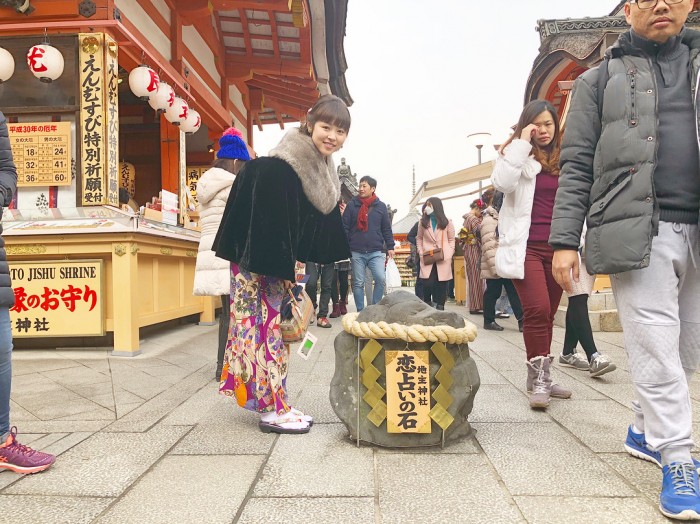
Jishu Shrine is a matchmaking shrine that is hugely popular with young women. Every year on November 23 it holds its Momiji Festival from 2:00 in the afternoon. Maple leaves are offered to the gods in thanks, with prayers for family safety and good business, and shrine maidens perform a maple leaf dance. Many people come on the day, so set out early.
Sanzen-in Ohara
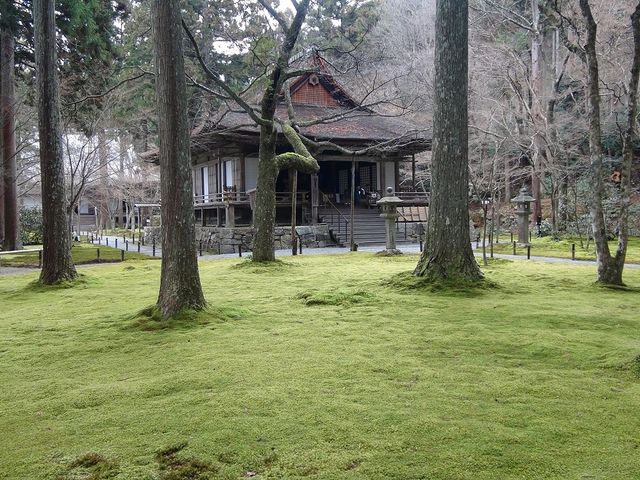
Sanzen-in, one of Kyoto's best-known temples, holds a Momiji Festival every autumn, from late October to late November. A grove of cedars stretches for about 50 meters, and up close you can look out over Yusei-en, one of the temple's gardens. During the festival a tea seat is set up, so you can sit and relax while you look at the leaves. City bus 17 runs from Shijo-Kawaramachi.
Gion Odori Gion
Gion Odori is a dance performance held every autumn, in early November, by maiko and geiko. It is a Japanese tradition that draws many visitors from abroad, and booking ahead is a must. Enjoy the graceful dances of these well-trained performers. A tea seat is set up before the show if you want to soak up the mood. It is about 3 minutes on foot from Gion-Shijo Station.
Special openings and autumn exhibitions
Sennyu-ji Temple Higashiyama
Sennyu-ji is a well-known temple, and every autumn, from late October to late November, it holds a chrysanthemum show. Cascading chrysanthemums in yellow, white and purple draw many visitors, so it can be hard to relax. For a calmer look, go on a weekday morning, and leave early, since the roads around it get busy. It is about 15 minutes on foot from Tofukuji Station.
Hokyo-ji Kamigyo
Hokyo-ji has drawn visitors for its autumn leaves since long ago, and every November it holds an autumn doll exhibition. Dolls given by the imperial family and dolls brought to the temple for memorial rites go on display. You can see the leaves from the main hall and garden, but weekends and holidays are busy. It is about 2 minutes on foot from the Horikawa Teranouchi bus stop, reached by city bus 9 from Kyoto Station.
Jingo-ji Takao
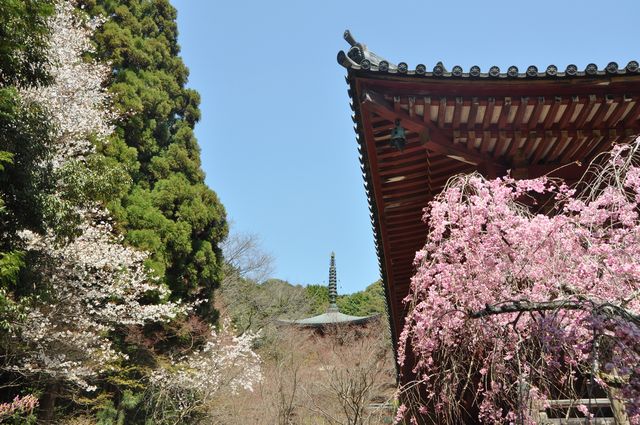
Every year in early November, Jingo-ji opens its Daishi-do hall, an Important Cultural Property, to show a carved wooden image of Kobo Daishi. It is a rare cultural treasure that is normally never shown. It is a must for anyone touring temples and Buddhist statues, but Jingo-ji is also an autumn leaf spot, so expect crowds. It is about 10 minutes on foot from the Yamashiro-Takao stop.
Eikando Higashiyama
From early November to early December, Eikando shows its temple treasures, including a gilt bronze gong with a lotus design that is a National Treasure and a wooden standing Amida Buddha that is an Important Cultural Property. Eikando is also famous for its evening light-up of the leaves. To see the garden you climb about 140 stone steps, so take care. It is about 15 minutes on foot from Keage Station.
Murin-an Okazaki
Every November, Murin-an holds a special evening opening for the autumn leaves, when its garden, a designated Place of Scenic Beauty, is lit up. The leaves and garden are beautiful, yet few people know about it. It gets very cold at night, so bring a warm layer. If you come by day instead, Nanzen-ji and Heian Shrine, with its huge torii gate, are close by.
Hiraoka Hachimangu Takao
From mid-September to early December, Hiraoka Hachimangu shows its flower ceiling, painted with 44 kinds of flowers. Most are seasonal flowers that stand for Japan, such as lotus and camellia, and many visitors from abroad come to see it. The shrine is also known for matchmaking and as a power spot. The leaves are pretty, though there are fewer trees than at other leaf spots. It is about 3 minutes on foot from the Hiraoka Hachiman-mae bus stop.
Shokoku-ji Kamigyo
Shokoku-ji is known for having the oldest Dharma Hall in Japan, and from late September to mid-December it opens the hall along with the Hojo and the Kaisando. The favorite is the dragon painted on the Dharma Hall ceiling: clap your hands below it and the dragon seems to cry, which children love. The opening is not limited to November, so it stays fairly relaxed. It is about 5 minutes on foot from Imadegawa.
Kogen-ji Arashiyama
Every autumn, from early October to early December, Kogen-ji opens its Kosho garden and shows a standing statue of Bishamonten, an Important Cultural Property. From the main hall you can look out over Arashiyama. It is less crowded than other famous spots, so you can enjoy it at your own pace even in November. Japanese paintings by an artist awarded the Order of Culture are also on show. It is near JR Saga-Arashiyama Station.
Daigo-ji Fushimi
Daigo-ji, a World Heritage Site, holds an autumn exhibition at its Reihokan treasure hall, showing National Treasures such as a painting of Monju crossing the sea, along with many Important Cultural Properties. It is a rare chance to see so many at once. The temple also lights up its autumn leaves in November. Buses run to Daigo-ji from the Hachijo exit of Kyoto Station.
Choraku-ji Higashiyama
Choraku-ji was founded by Saicho as a branch temple of Enryaku-ji. In its autumn special opening, from early September to mid-December, it shows temple treasures, and in November it holds a leaf festival, making it a little-known spot for autumn colors. It is about 20 minutes by city bus from Kyoto Station, with souvenir shops and restaurants nearby.
Kitano Tenmangu Kamigyo
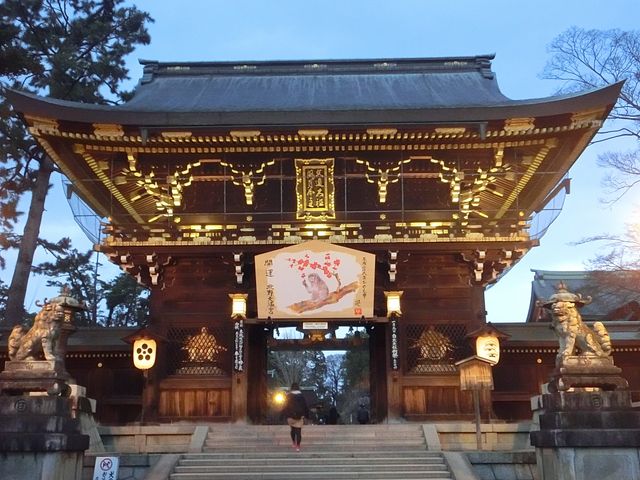
Kitano Tenmangu enshrines Sugawara no Michizane and is popular with students praying for exam success. It is also loved for cherry blossoms in spring and leaves in autumn. From mid-October to early December it opens the Odoi, a historic earthen bank said to have been built to protect the city from floods. Early mornings are fairly quiet. It is about 10 minutes on foot from Hakubaicho Station.
Classic autumn leaf temples
Kinkaku-ji (Golden Pavilion) Kita
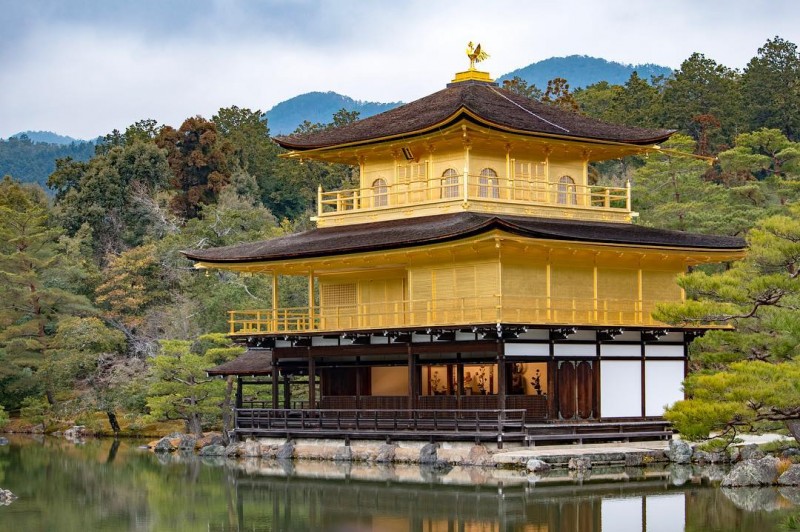
Kinkaku-ji, officially called Rokuon-ji, is a World Heritage Site and one of Japan's best-known temples, and its garden is a Special Place of Scenic Beauty and Special Historic Site. Most eyes go straight to the Golden Pavilion, but in November look around it too, where the maples turn red. The leaves are best from mid to late November. The Kinkakuji-mae bus stop is right outside.
Nanzen-ji Okazaki
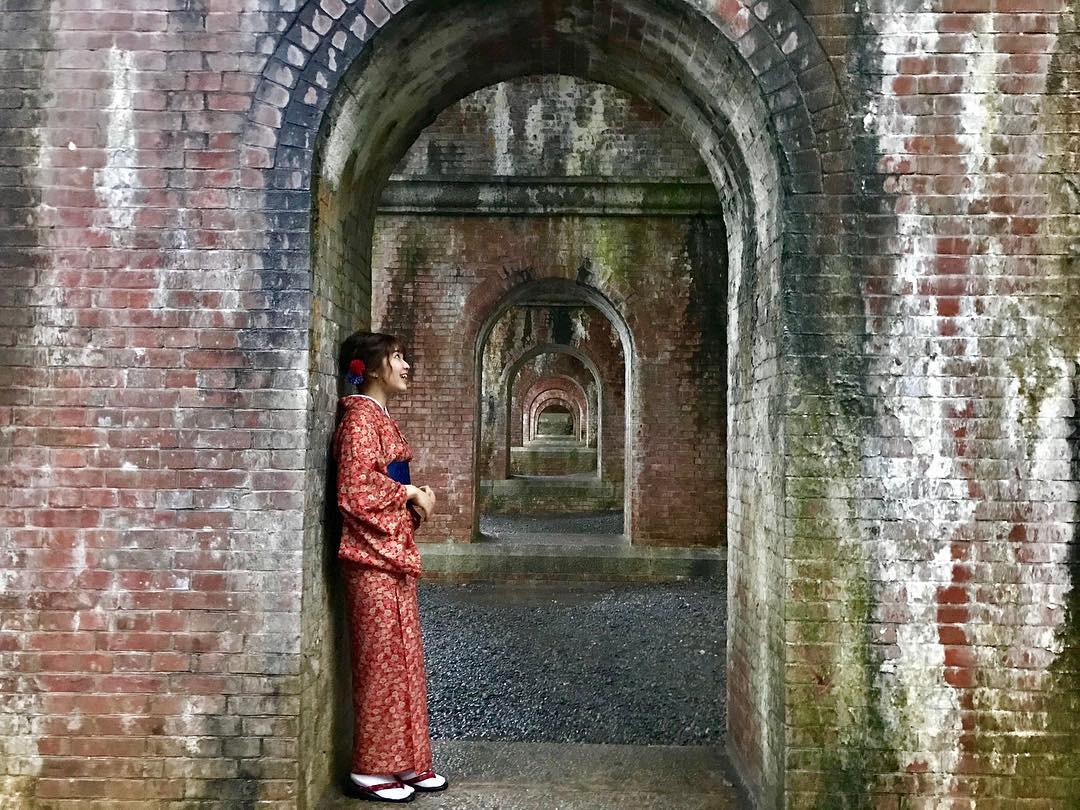
Nanzen-ji is the head temple of the Nanzen-ji school of Rinzai Zen, known for its Hojo garden, a Place of Scenic Beauty. It is also known as the birthplace of yudofu, simmered tofu, and many tofu restaurants line the area. The leaves peak from mid to late November and it gets busy, but not so packed that you cannot walk. Do not miss the huge Sanmon gate. It is about 8 minutes on foot from Keage Station.
Kennin-ji Temple Gion
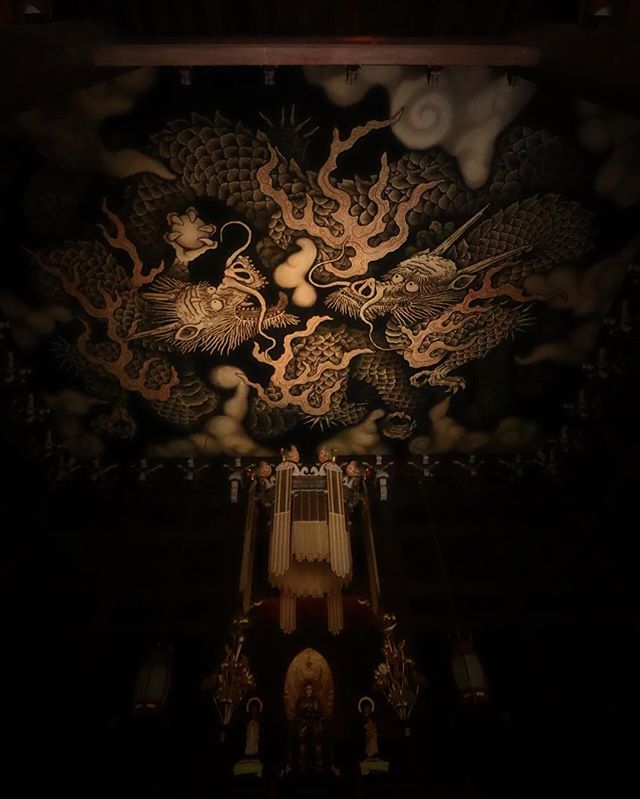
Kennin-ji is known as the oldest Zen temple in Kyoto and owns the Wind God and Thunder God screens, a National Treasure. Its leaves peak a little later than elsewhere, from late November to early December, after the mid-November crowds have passed, so it is fairly quiet. The view of the leaves from the garden of the main building is something special and a favorite for photos.
Tofuku-ji Higashiyama
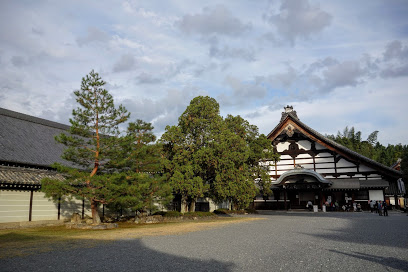
Tofuku-ji is loved by Kyoto fans as a quieter place for autumn leaves. In November, look for two things: the gardens laid out to the east, west, south and north, which are striking yet calming, and the view of the leaves from Tsutenkyo Bridge. The leaves peak from mid to late November. It is about 15 minutes by city bus from Kyoto Station, with cafes and souvenir shops nearby.
Ginkaku-ji (Silver Pavilion) Higashiyama
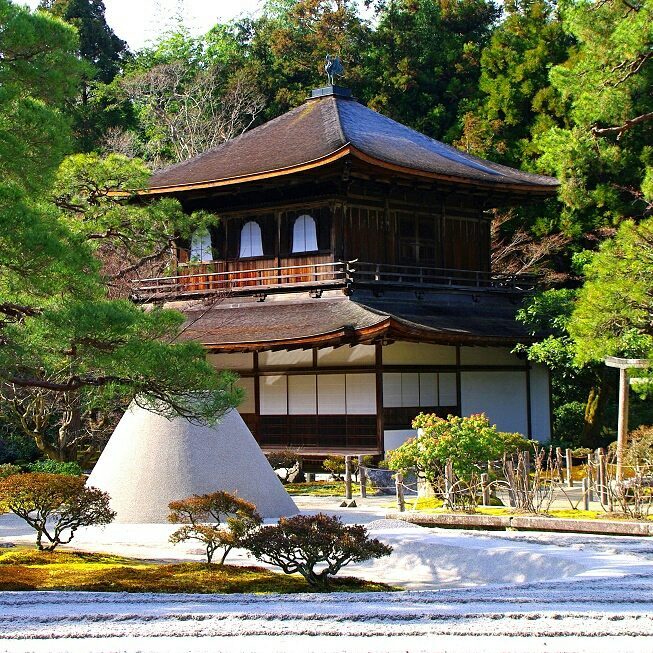
Ginkaku-ji has plenty to see, from the Silver Pavilion and the Togu-do hall, both National Treasures, to its garden, a Special Historic Site, and in autumn the leaves join them. The best view is from the lookout on the hillside, where you see the temple and the leaves together. It is one of the most famous sights, so expect some crowds. The leaves peak from mid to late November.
A tea break in Uji
Nakamura Tokichi Honten Uji
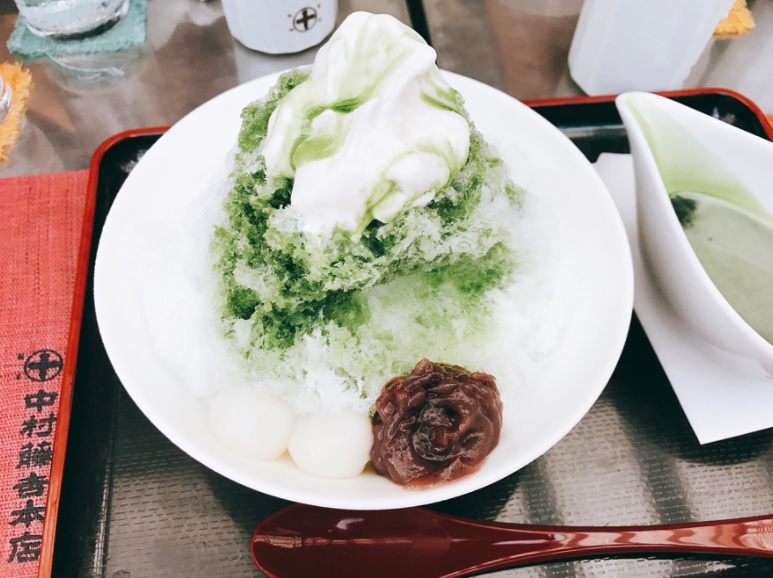
Nakamura Tokichi Honten is a long-established tea shop in Uji with a history of more than 140 years. The mild autumn weather tempts many people to travel farther, and this is a good place to rest or have a snack along the way. Its parfaits and jellies made with Uji matcha are especially popular.
Weather and what to wear
The average temperature in Kyoto in November is about 13 degrees Celsius, which makes it comfortable for sightseeing. There is little worry about typhoons or sudden heavy rain. Daytime is mild, but mornings and evenings are cold, and the start and end of the month feel different, so plan your clothes for your dates.
In early November the average is about 15 degrees and days are pleasant, but mornings and evenings can drop to around 5 degrees. If you plan to see night light-ups, bring a fairly thick jacket. If you feel the cold easily, thermal underwear, disposable heat packs and thick socks help. For daytime, a long-sleeved top with a light layer is enough. Rain is not likely, but a folding umbrella is worth carrying.
In late November the average falls to 12 or 13 degrees. Days are still often comfortable, but early mornings and nights can drop below 5 degrees, so bring a heavy jacket, long pants and gloves, just as you would in midwinter.
Tips for your trip
November is the busiest month in Kyoto. If you travel by bus and train, roads and transport get crowded, so leave plenty of time, especially if you want to make an event or opening at a set hour. Mixing a few lesser-known temples in with the famous ones is a good way to enjoy the leaves in peace.
The places on a map
Hours, prices and events change. Check each place's official website before you go.
More travel guides
 Tokyo Sightseeing by Area: 40 Classic Sights and Lesser-Known Spots from Asakusa to Odaiba40 placesTokyo has much more to see than Skytree, Tokyo Tower and Asakusa. This guide works through six of the city's main…
 Nagoya: 40 Best Places to Visit, from Nagoya Castle and Atsuta Jingu to Osu40 placesNagoya is one of Japan's biggest cities, yet many visitors don't know how much it has to see. Alongside its famous…
 Chichibu: 40 Best Places to Visit, from Nagatoro River Boats and Mitsumine Shrine to Moss Phlox and Icicles40 placesChichibu, the largest city in Saitama Prefecture, is about 90 minutes from central Tokyo. Most of the area is national…
 Niigata Prefecture: 40 Best Places to Visit, from Classic Sights to Hidden Gems40 placesNiigata Prefecture stretches a long way from north to south, and each area has its own scenery, climate and food. The…
 Nagasaki Prefecture: 40 Best Places to Visit, from Unzen Hot Springs to Hirado and Nagasaki City40 placesNagasaki grew up as a port open to the outside world, and the culture of those days still shapes its streets, churches…
 Fukuoka Prefecture: 40 Places to Visit in Kitakyushu, Chikuho and Around Fukuoka City40 placesFukuoka Prefecture is roughly divided into four areas, Kitakyushu, Chikuho, Fukuoka and Chikugo, and each has its own…