
Kyoto in December: 17 Places to Visit for Late Autumn Leaves, Year-End Rituals and Winter Food
17 places · Japanese version
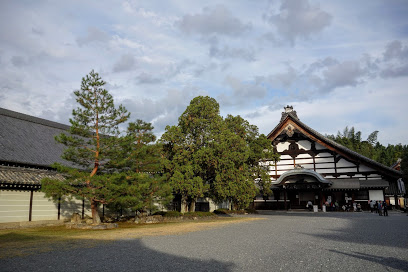
December is a good month to see Kyoto at a slower pace, because the crowds are much smaller than in autumn. It is not widely known, but many places in the city reach their autumn color peak late, from late November into early December. This guide covers 17 places that work well in December: temples and gardens with late leaves and special openings, yearly events from tea offerings to free simmered pumpkin and daikon, New Year's Eve traditions, and a food market for cold days. At the end you will find December temperatures and what to wear.
Late autumn leaves and special openings
Tofuku-ji Higashiyama
Tofuku-ji is famous for Tsutenkyo Bridge, one of Kyoto's best-known spots for autumn leaves, and around 2,000 maple trees wrap the temple in color. The special autumn viewing runs from early November to early December, and December is much less crowded, so you can take your time. Also see the main hall gardens, laid out on all four sides of the abbot's hall.
Hogon-in Arashiyama
Every autumn this temple opens its Shishiku no Niwa garden to the public, and many visitors come to see it. The garden is said to have been made in the Muromachi period to echo the scenery of Arashiyama. The autumn opening runs from early October to mid-December, and in early December you can also enjoy the leaves lit up at night.
Nison-in Saga-Arashiyama
About 15 minutes on foot from Togetsukyo Bridge, Nison-in is known for autumn leaves, and its approach is lovely enough to be called the Maple Riding Ground. Many people still come in early December, as the best time runs from late November into early December. During the leaf season the temple stamp, or goshuin, has a maple design. After praying to the two main Buddhas, step into the main hall too.
Jojuji Nishikyo
This little-known temple is a quiet spot for autumn leaves, and its whole grounds are protected for their rich natural setting. During the autumn special opening, from late November to early December, the main hall and abbot's hall are open, and the leaves are best seen from inside. There are not many trees, but the view has real charm. It is about 10 minutes on foot from Kami-Katsura Station on the Hankyu Arashiyama Line.
Shinnyo-do Sakyo
Shinnyo-do is one of Kyoto's spots for autumn leaves and is also known for its pagoda and main hall. It sees fewer people than other famous places, so it suits anyone who wants to enjoy the colors slowly, and the fallen leaves in the garden are beautiful too. The temple was once a convent, and it is said to bring blessings to women. The best time is late November to early December.
Shokoku-ji Kamigyo
This head temple of the Shokoku-ji school of Rinzai Zen was rebuilt with a donation from Toyotomi Hideyori. Its Dharma hall and abbot's hall open only in autumn each year, from late September to mid-December. Under the dragon painted on the Dharma hall ceiling, clap your hands in the center and the echo sounds as if the dragon is crying. Try it when you visit.
Kyoto Gyoen Kamigyo
This large park is one of Kyoto's major sights, with historic sites and the remains of old residences across its wide grounds. The leaves are at their best from late November to mid-December. The park is too big to see in one go, but rest areas and benches let you take breaks while you look. There are many photo spots, so bring a camera. It is right by Imadegawa Station on the Karasuma subway line.
Kyoto Botanical Gardens Sakyo
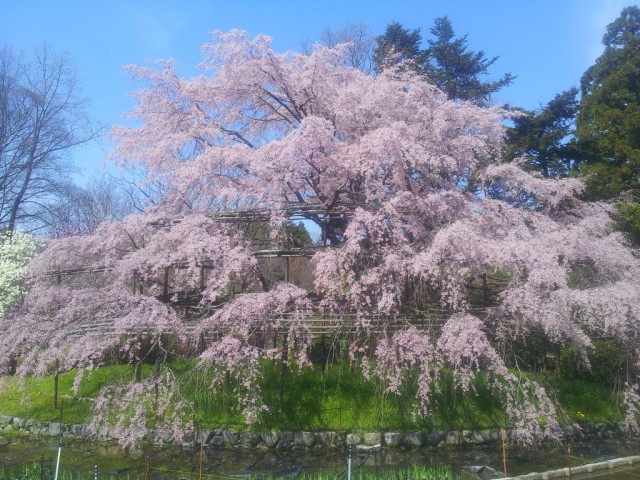
These gardens are known for about 120,000 plants that flower through the seasons. Depending on the weather, the autumn leaves stay at their best until early December, and the color across the wide grounds is impressive. The leaves are lit up from sunset until 8 pm, which gets crowded, so it is best to go in before dark.
Kiyomizu-dera Higashiyama
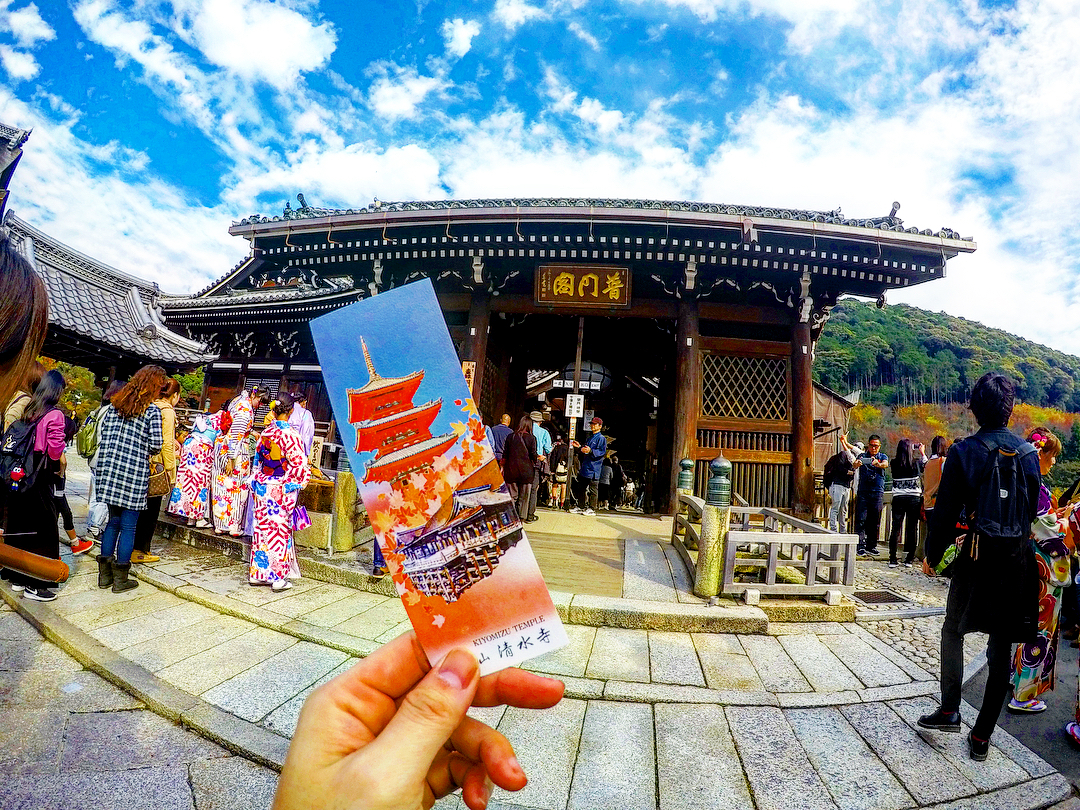
The autumn leaves at this World Heritage temple are stunning, especially when lit up at night. There is a lot to see, including the Nio Gate and the three-story pagoda, so go in the afternoon, tour slowly and stay for the light-up. On New Year's Eve you can ring the temple bell. Ringing is by numbered ticket only, and tickets are handed out at the temple from around December 25, so stop by ahead of time to get one.
December events and year-end traditions
Miyama Kayabuki no Sato Nantan
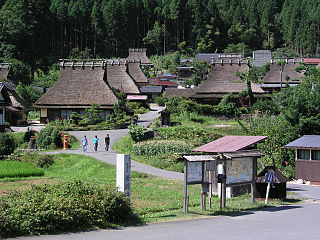
The Miyama area keeps many thatched-roof farmhouses and is also known for autumn leaves. In spring and autumn, with the autumn one held on December 1, all the fire hoses are turned on at once as a fire safety check. Water spraying over the thatched roofs and colored leaves makes a magical scene, and many people now come to watch. You may get wet up close, so protect your camera and phone.
Kitano Tenmangu Kamigyo
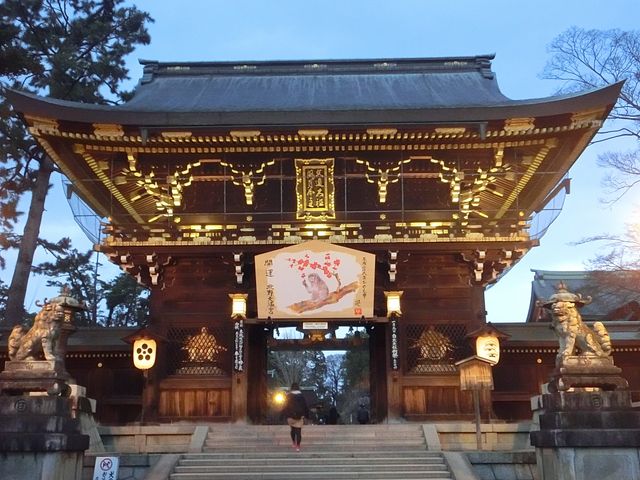
Kitano Tenmangu honors Sugawara no Michizane and draws many visitors as a shrine of learning. Every year on December 1, it holds a tea offering ceremony using tea offered at a festival in November. If you want to experience tea, one of Kyoto's traditions, this one-day event is a rare chance.
Jishu Shrine Higashiyama
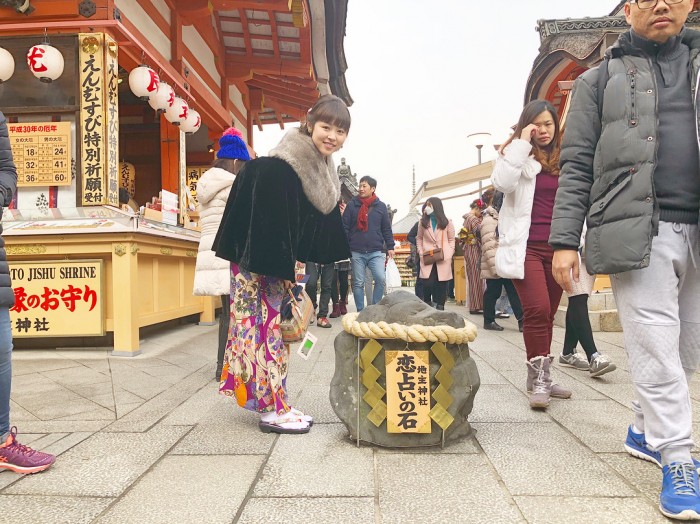
This shrine for love and matchmaking draws many young women and couples. Every December it holds Shimai Daikoku-sai, the last festival of the year, with prayers for good luck in the coming year. Visitors receive a small mallet charm for good fortune, so keep it safe.
Yata-dera Nakagyo
Every year on December 23 this temple holds a pumpkin memorial service to pray for good health. Simmered pumpkin is served free to the first 1,000 or so people, so come early if you want some. Before the service, ring the Okuri-gane, the bell in the main hall that sends the spirits of the dead on to the next world. The temple is about 5 minutes on foot from Keihan Sanjo Station.
Ryotoku-ji Ukyo
Daikon-daki, simmered daikon radish served to pray for protection from illness and bad luck, is a December custom at temples around Kyoto. Ryotoku-ji serves it to visitors, but the number is limited, so go as early as you can.
Yasaka Shrine Gion
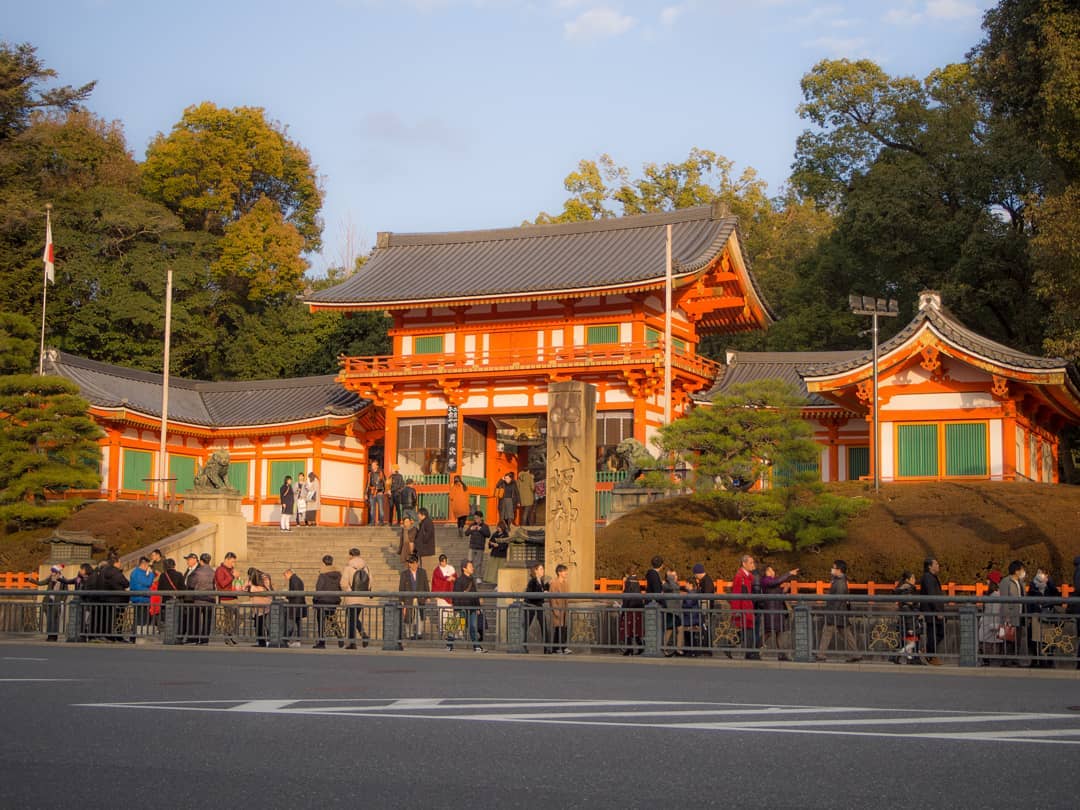
Every New Year's Eve, Yasaka Shrine holds Okera Mairi to ward off bad luck and pray for good health. Visitors light a fire cord called kicchonawa from the lanterns around the grounds and carry the flame home, which is said to bring good luck. It gets fairly busy on the evening of December 31, but usually not so crowded that you cannot walk. It is about 5 minutes on foot from Gion-Shijo Station.
Food and history on cold days
Nishiki Market Nakagyo
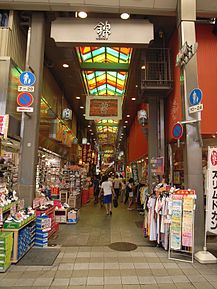
For eating your way around Kyoto or shopping for souvenirs, head to Nishiki Market. With about 400 years of history and some 130 shops, it is known as Kyoto's Kitchen, used by locals and visitors alike. Warming dishes such as dengaku with Kyoto miso and beef tendon with daikon are perfect on a cold December day.
Rokuharamitsu-ji Higashiyama
This temple is known for its kakure nenbutsu, or hidden prayer, so called because it was long kept from public view. Its treasures include a statue of Taira no Kiyomori and stone Buddhas from the Kamakura period, so it is a good stop for history lovers. Many people come alone, and it is easy to reach, with other sights and places to eat nearby.
December weather and what to wear
The average temperature in Kyoto in December is about 7 degrees Celsius (45 F), and many days feel chilly, so pack proper warm clothes.
In early December the average is around 10 degrees C (50 F), and highs usually reach only about 12 degrees C (54 F). Mornings and nights drop to about 5 degrees C (41 F). A fairly thick jacket and warm thermal underwear help, and if you plan to see the leaves lit up at night or walk early in the morning, bring disposable heat packs and thick socks.
In late December the first snow sometimes falls, and mornings and nights can drop to about 3 degrees C (37 F). If you get cold hands and feet, bring thick gloves and socks, and watch out for the change in temperature when you step outside from a warm room.
The places on a map
Hours, prices and events change. Check each place's official website before you go.
More travel guides
 Tokyo Sightseeing by Area: 40 Classic Sights and Lesser-Known Spots from Asakusa to Odaiba40 placesTokyo has much more to see than Skytree, Tokyo Tower and Asakusa. This guide works through six of the city's main…
 Nagoya: 40 Best Places to Visit, from Nagoya Castle and Atsuta Jingu to Osu40 placesNagoya is one of Japan's biggest cities, yet many visitors don't know how much it has to see. Alongside its famous…
 Chichibu: 40 Best Places to Visit, from Nagatoro River Boats and Mitsumine Shrine to Moss Phlox and Icicles40 placesChichibu, the largest city in Saitama Prefecture, is about 90 minutes from central Tokyo. Most of the area is national…
 Niigata Prefecture: 40 Best Places to Visit, from Classic Sights to Hidden Gems40 placesNiigata Prefecture stretches a long way from north to south, and each area has its own scenery, climate and food. The…
 Nagasaki Prefecture: 40 Best Places to Visit, from Unzen Hot Springs to Hirado and Nagasaki City40 placesNagasaki grew up as a port open to the outside world, and the culture of those days still shapes its streets, churches…
 Fukuoka Prefecture: 40 Places to Visit in Kitakyushu, Chikuho and Around Fukuoka City40 placesFukuoka Prefecture is roughly divided into four areas, Kitakyushu, Chikuho, Fukuoka and Chikugo, and each has its own…