
Gunma: 13 Best Places to Visit, from Kusatsu and Ikaho Hot Springs to Oze and Tomioka
13 places · Japanese version
Gunma has a local card game called Jomo Karuta, whose verses celebrate the famous places and people of the prefecture; Jomo is an old name for Gunma. As the cards suggest, there is plenty to see. This guide covers 13 classic sights, grouped by area: the hot springs and volcanoes around Kusatsu and Manza, the onsen towns and mountain shrine of central Gunma, the railway heritage and silk history of the west, and the highland wetlands of Oze.
Kusatsu, Manza and Mount Asama
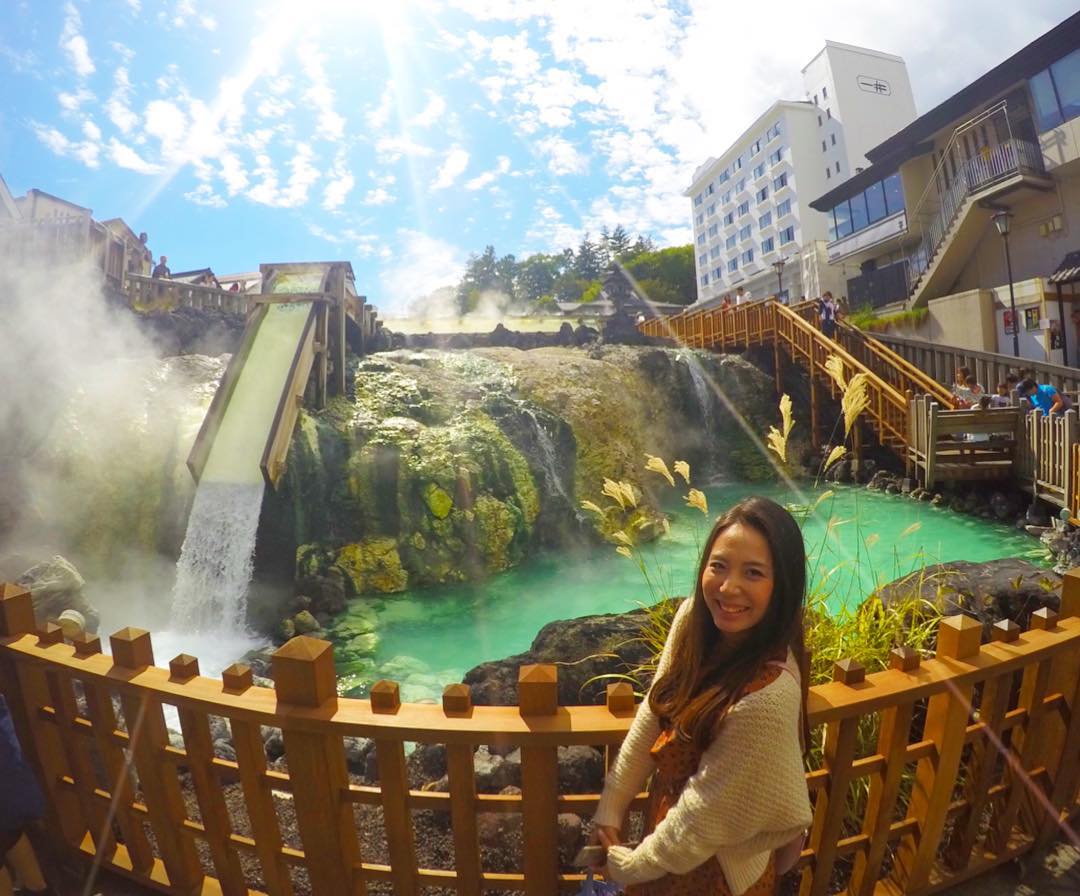
Yubatake (Kusatsu Onsen) Kusatsu
Kusatsu Onsen is one of Japan's best-known hot spring towns, and the steaming Yubatake is its symbol. Sainokawara Open-Air Bath is one of the largest outdoor baths in Japan, Otakinoyu offers alternating baths of different temperatures, and Gozanoyu recreates an old public bathhouse of the Edo to Meiji eras. The town has many places to eat, and in winter you can ski at Kusatsu Onsen Ski Resort. Buses take about 25 minutes from Naganohara-Kusatsuguchi Station.
Yugama Crater Lake (Mount Kusatsu-Shirane) Kusatsu
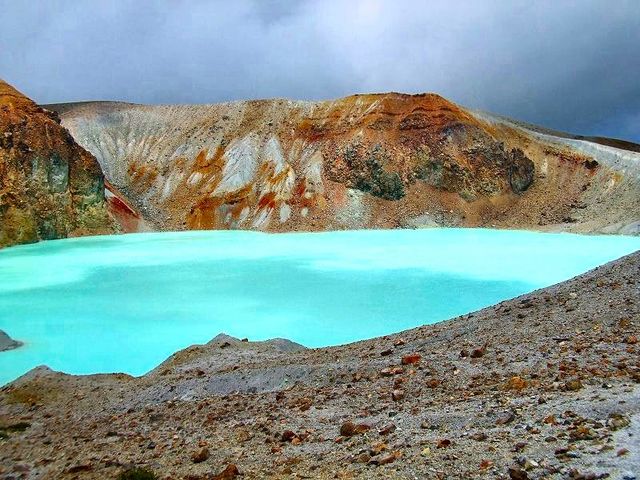
Many visitors to Kusatsu also go up Mount Kusatsu-Shirane. Near the summit lies Yugama, an emerald green crater lake about 300 m across, a color that hardly looks real. Since volcanic alert levels were introduced, access to the mountain has been restricted many times, so check the Kusatsu town website before you go. JR buses run from Naganohara-Kusatsuguchi Station, and drivers can take Route 292 from Kusatsu Onsen.
Manza Onsen Tsumagoi
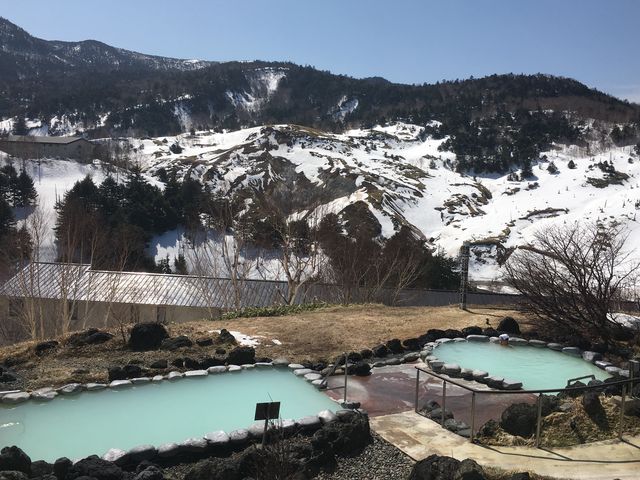
Manza Onsen sits 1,800 m above sea level, so many people come in summer to escape the heat. Its sulfur springs gush out 5.4 million liters a day and are said to be good for many things, above all the skin. The baths are inside the inns and hotels, each with its own style, and even if you are not staying you can pay for a day-trip bath.
Manza Onsen Ski Resort Tsumagoi
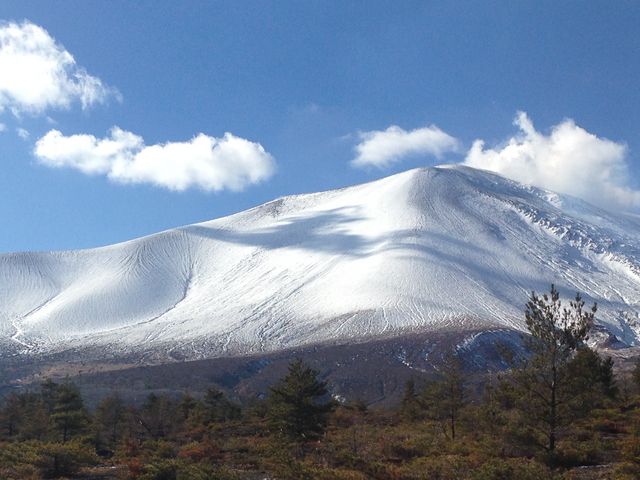
Dry, powdery snow falls around Manza Onsen, ideal for skiing, and the resort has runs for beginners through experts. Nearby are the highest point on Japan's national roads and the Tsumagoi Ranch. Buses take about 45 minutes from Manza-Kazawaguchi Station on the JR Agatsuma line, and there are also buses to Manza from Karuizawa Station on the Hokuriku Shinkansen.
Onioshidashi Park Tsumagoi
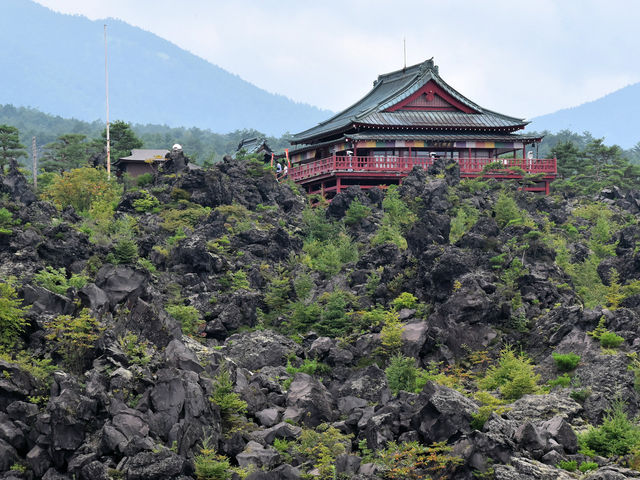
This park at the foot of Mount Asama is full of natural sculptures of lava. In 1783 the volcano erupted violently, and the lava that piled up at its foot cooled and hardened; over long years wind and rain carved its surface, and the rocks look different from every angle. There are restaurants and souvenir shops. Buses take about 40 minutes from Karuizawa Station or about 25 minutes from Manza-Kazawaguchi Station.
Hot spring towns and a mountain shrine
Shima Onsen Nakanojo
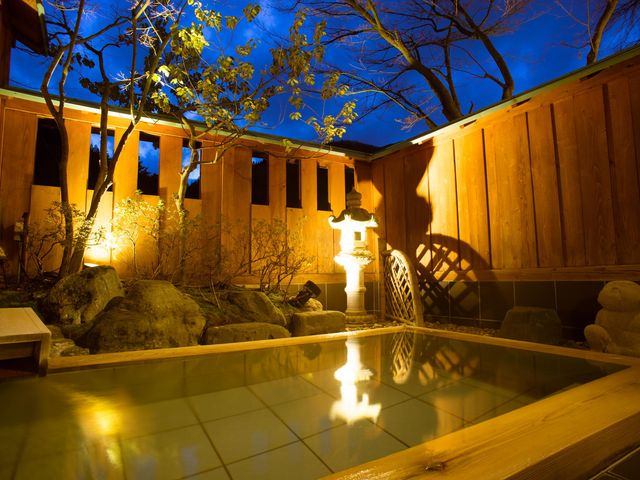
Shima Onsen is said to date back to around the year 700, when the general Sakanoue no Tamuramaro bathed here. The water is said to be good for the stomach when you drink it and for the skin when you bathe in it, so there are drinking fountains where you can try it freely, plus footbaths. Fresh green in spring and summer, autumn leaves and winter snow surround the baths. Buses take about 40 minutes from Nakanojo Station.
Ikaho Onsen Shibukawa
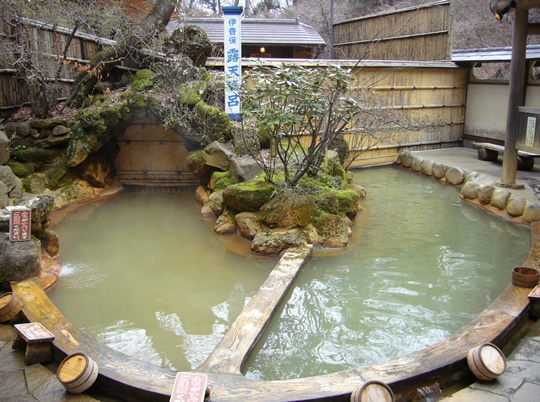
Ikaho Onsen has two kinds of water. Kogane no Yu, the golden water, is gentle and good for circulation, and has long been known as a bath that brings children. Shirogane no Yu, the silver water, flows at 110 liters a minute and is said to ease fatigue. After your bath, try Mizusawa udon, counted among Japan's three great udon, served on a bamboo tray with thin but firm noodles.
Haruna Shrine Takasaki
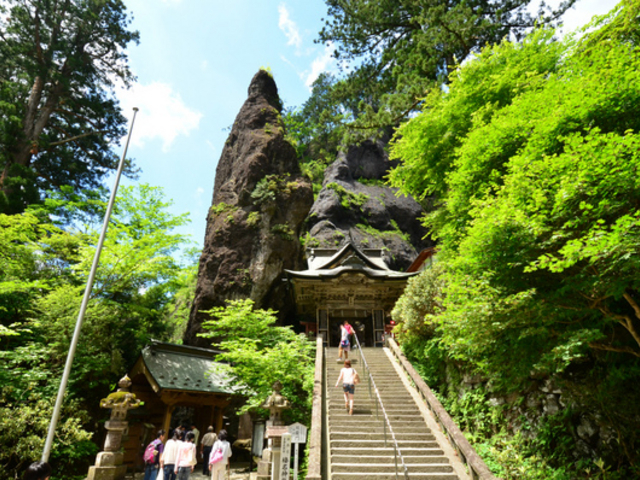
Haruna Shrine, known as a power spot, enshrines the god of Mount Haruna. Powerful natural features seem to guard it: the giant Yatate cedar, the Hoko-iwa rock rising straight into the sky, and the Misugata-iwa rock towering right behind the main hall. Take the Gunma Bus for Lake Haruna from Takasaki Station, get off at Haruna-jinja-mae and walk about 15 minutes.
Western Gunma: Usui Pass and Tomioka
Gunma Safari Park Tomioka
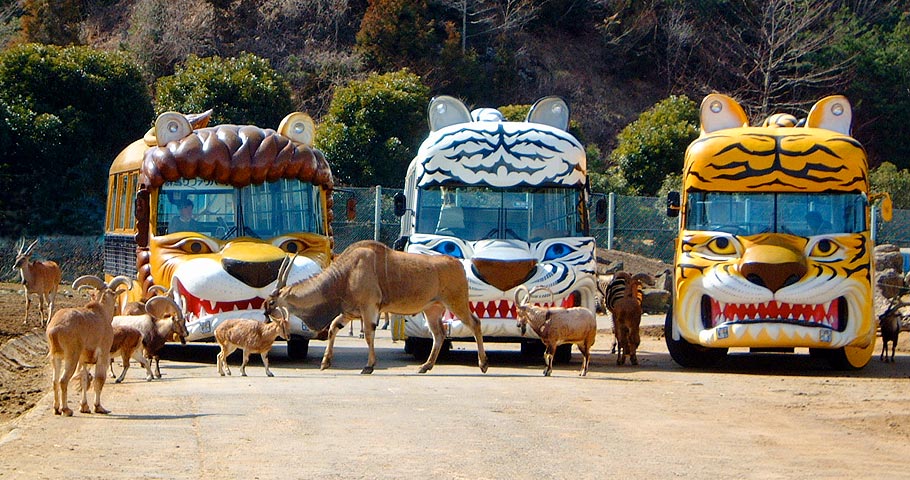
This park keeps more than 100 kinds of animals, about 1,000 in all. In the safari zone you watch them in a near-natural setting from a safari bus or your own car, and the amusement zone has rides such as a roller coaster and a merry-go-round. On some nights from April to October there are night safaris. It is closed on Wednesdays unless a holiday. Take a taxi from Joshu-Tomioka Station.
Usui Third Bridge (Megane-bashi) Annaka
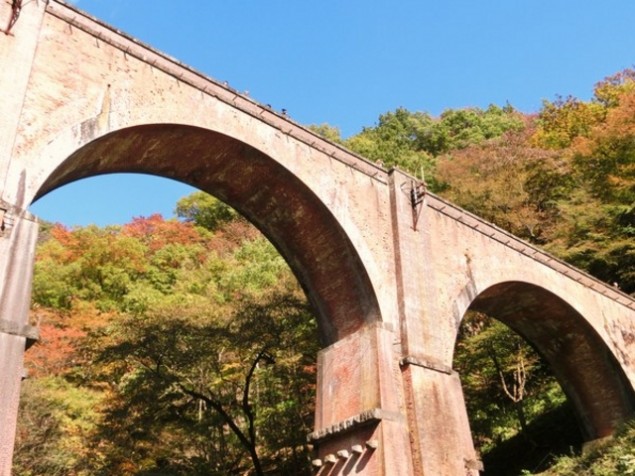
Nicknamed Megane-bashi, the spectacles bridge, this railway bridge is 91 m long and 31 m high, the largest brick arch bridge in Japan. Looking up at it from below is breathtaking. It became a national Important Cultural Property in 1993, and the old line is now a walking path called the Abt Road, so you can walk across the bridge. It is 15 minutes by taxi from Yokokawa Station.
Usui Pass Railway Heritage Park Annaka
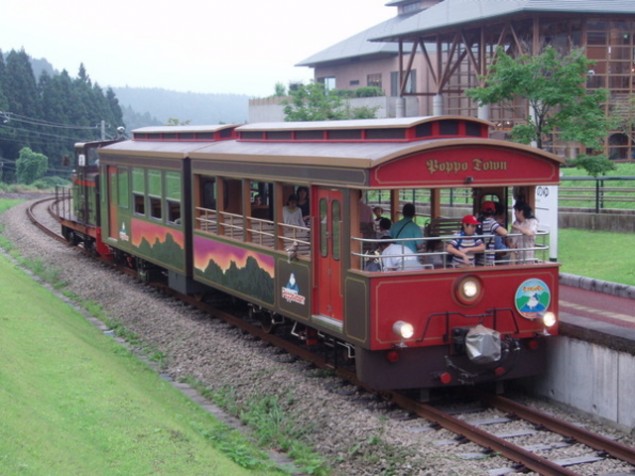
This hands-on railway park tells the story of the old Usui line that once crossed Usui Pass. Besides the museum, it offers a chance to drive a real EF63 locomotive, described as the only experience of its kind in Japan. Drivers must book ahead and take a one-day course first. The park is closed on Tuesdays except in August, and it is less than a minute's walk from Yokokawa Station on the JR Shinetsu line.
Tomioka Silk Mill Tomioka
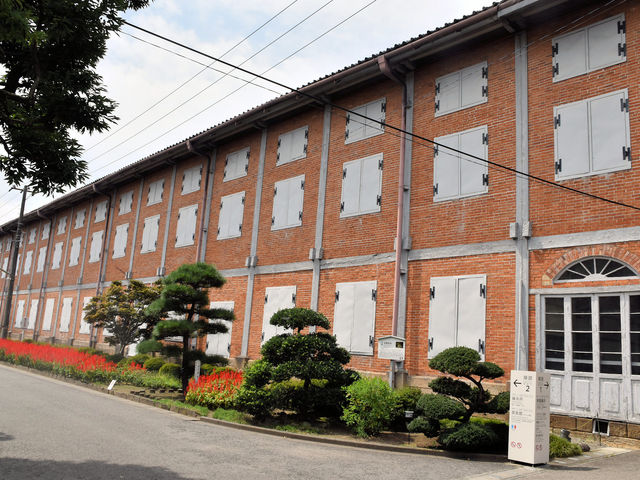
Tomioka Silk Mill was set up by the Japanese government in 1872 and fitted with machinery from the Industrial Revolution, among the most advanced in the world at the time. Today it is open as a place to learn about the early Meiji era and became a World Heritage Site in 2014. About half the grounds are open, with a silk-themed souvenir corner. It is about 12 minutes on foot from Joshu-Tomioka Station.
Oze
Oze National Park Oze
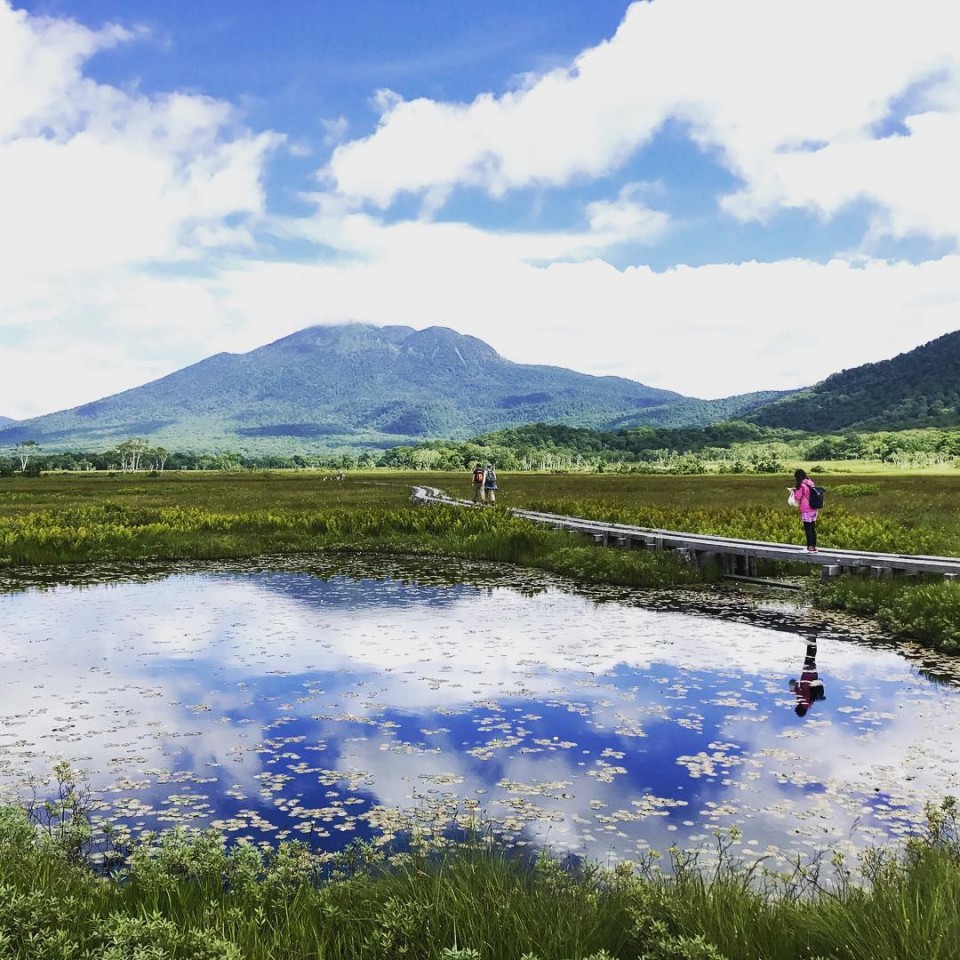
Oze is a highland basin ringed by tall mountains, spanning Fukushima, Niigata and Gunma, and home to many rare plants and animals. Its best-known sights are Ozenuma pond, the Ozegahara marsh, Hiraname and Sanjo falls, Mount Hiuchigatake and Ayamedaira. Mountain huts let you stay and take your time, and they can be booked online. From the Gunma side, buses take about 90 minutes from Numata Station on the JR Joetsu line.
The places on a map
Hours, prices and events change. Check each place's official website before you go.
More travel guides
 Tokyo Sightseeing by Area: 40 Classic Sights and Lesser-Known Spots from Asakusa to Odaiba40 placesTokyo has much more to see than Skytree, Tokyo Tower and Asakusa. This guide works through six of the city's main…
 Nagoya: 40 Best Places to Visit, from Nagoya Castle and Atsuta Jingu to Osu40 placesNagoya is one of Japan's biggest cities, yet many visitors don't know how much it has to see. Alongside its famous…
 Chichibu: 40 Best Places to Visit, from Nagatoro River Boats and Mitsumine Shrine to Moss Phlox and Icicles40 placesChichibu, the largest city in Saitama Prefecture, is about 90 minutes from central Tokyo. Most of the area is national…
 Niigata Prefecture: 40 Best Places to Visit, from Classic Sights to Hidden Gems40 placesNiigata Prefecture stretches a long way from north to south, and each area has its own scenery, climate and food. The…
 Nagasaki Prefecture: 40 Best Places to Visit, from Unzen Hot Springs to Hirado and Nagasaki City40 placesNagasaki grew up as a port open to the outside world, and the culture of those days still shapes its streets, churches…
 Fukuoka Prefecture: 40 Places to Visit in Kitakyushu, Chikuho and Around Fukuoka City40 placesFukuoka Prefecture is roughly divided into four areas, Kitakyushu, Chikuho, Fukuoka and Chikugo, and each has its own…