
12 Best Places to Visit in Hiroshima: Miyajima, Peace Sites, Port Towns and Okonomiyaki
12 places · Japanese version
Hiroshima Prefecture lies in the Chugoku region at the western end of Honshu, with the Seto Inland Sea along its south coast. Hiroshima City is the largest city in the region, and the prefecture is a favorite setting for films and TV dramas. Rebuilt after the atomic bombing at the end of World War II, the city is now a lively commercial center, and the prefecture also has rich nature and historic buildings. Here are 12 places worth seeing at least once, from Miyajima and the island-hopping Shimanami Kaido to peace sites and okonomiyaki in the city.
Miyajima and the Seto Inland Sea
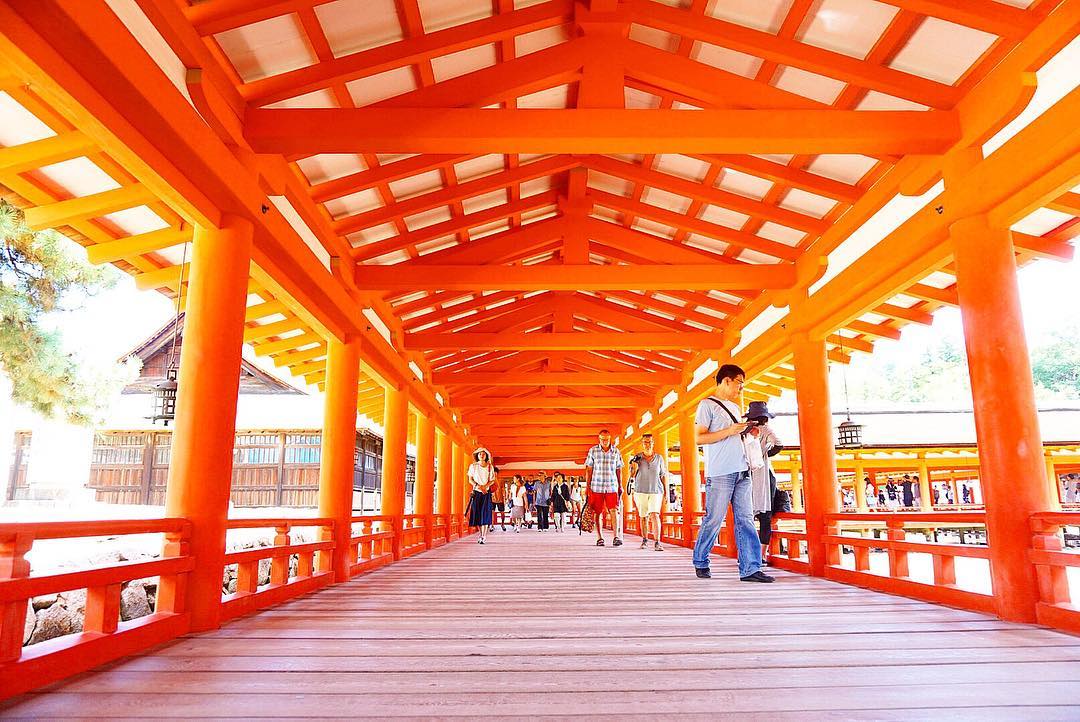
Itsukushima Shrine Miyajima
Miyajima, in Hatsukaichi, is known as the island where the gods dwell and is one of the Three Views of Japan. Its World Heritage shrine has a long history, and its torii gate, which seems to float on the sea, draws crowds all year. Deer wander among the old buildings. Ferries from Miyajimaguchi pier, about 5 minutes on foot from JR Miyajimaguchi Station, take about 10 minutes, with fine views of the island.
Tomonoura Fukuyama
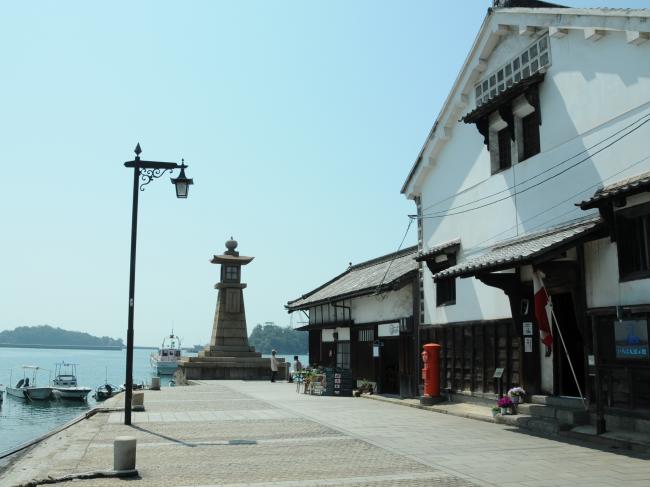
A port town at the southern tip of the Numakuma Peninsula in Fukuyama, in one of the first areas in Japan named a national park. It is one of the finest views of the Seto Inland Sea and is said to have inspired the Ghibli film Ponyo on the Cliff by the Sea. The old trading port keeps many historic sites and stone steps down to the water. It is about 30 minutes by bus from JR Fukuyama Station.
Yamato Museum (Kure Maritime Museum) Kure
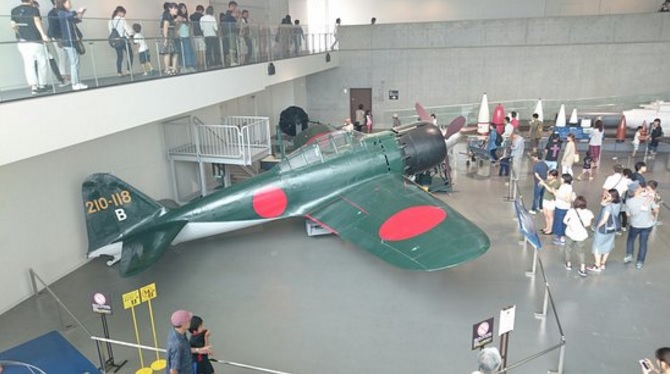
Kure was a wartime naval center, and the battleship Yamato, one of the largest ever built, was built in its port; after the war the city built many of the world's largest tankers. This museum tells the story of Kure as a shipbuilding town and naval port, and of the science of steelmaking and shipbuilding. A huge model of the Yamato greets you at the entrance. It is about 5 minutes on foot from JR Kure Station.
Senkoji Park Onomichi
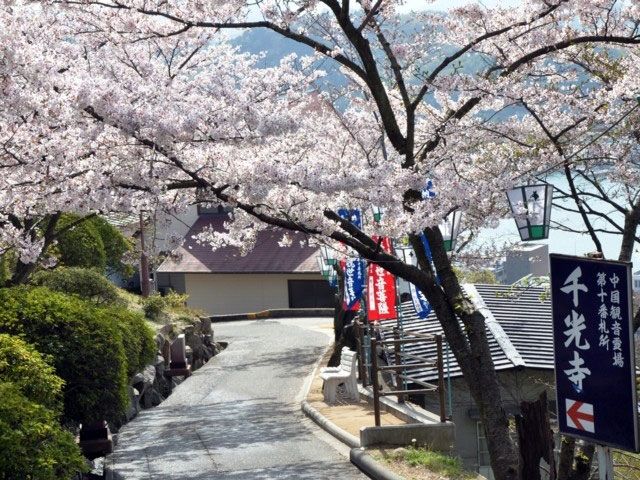
Senko-ji is a Shingon temple said to date from the early Heian period. It sits halfway up a hill in slope-filled Onomichi, reached on foot or by ropeway. The view over the town and the Seto Inland Sea from the grounds appears again and again in Onomichi travel guides. Beside the main hall is Tama-no-iwa, a rock with its own legend, which makes the temple a well-loved power spot. It is about 15 minutes on foot from JR Onomichi Station.
Shimanami Kaido Onomichi
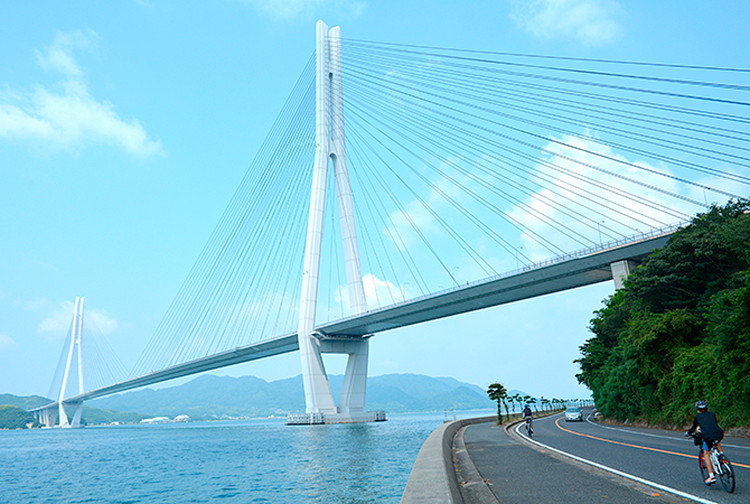
Officially the Nishiseto Expressway, the Shimanami Kaido is one of the routes linking Honshu and Shikoku, running from Onomichi in Hiroshima to Imabari in Ehime. Along the way you take in the islands of the Seto Inland Sea, the clear sea and huge bridges stretching across the water. It is popular for driving and even more so as a cycling route: bikes can be rented, and the islands along the way have many inns and restaurants geared to cyclists.
Into the mountains
Sandankyo Gorge Akiota
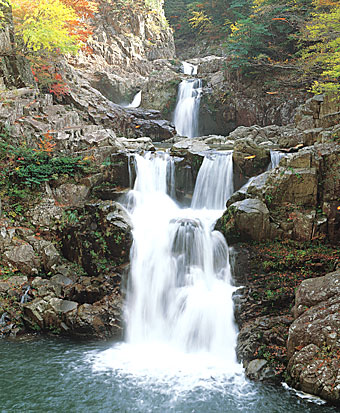
A gorge about 16 km long on the upper Ota River in Akiota. Its seven sights, five waterfalls led by the 30-meter Sandan Falls and two deep pools, are well known, and it is a national Special Place of Scenic Beauty. People come all year for forest walks and autumn leaves, and a ferry boat shows you the cliffs from the water. Seeing it all takes a long time. It is about 2 hours by bus from JR Hiroshima Station.
Central Hiroshima City
Atomic Bomb Dome Naka
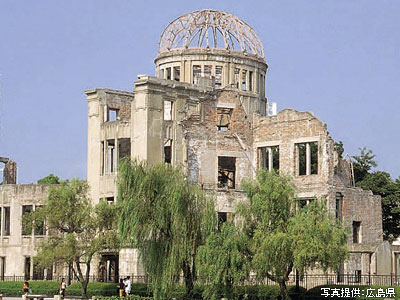
Preserved to show the horror of the atomic bomb, the dome stands almost directly below where it exploded. It was the Hiroshima Prefectural Industrial Promotion Hall, and everyone inside was killed instantly as the building burned. Because the blast struck from almost straight above and the structure had a steel frame and thick concrete, it did not collapse. It is a World Heritage site, kept with the wish that such a tragedy never happens again.
Hiroshima Orizuru Tower Naka
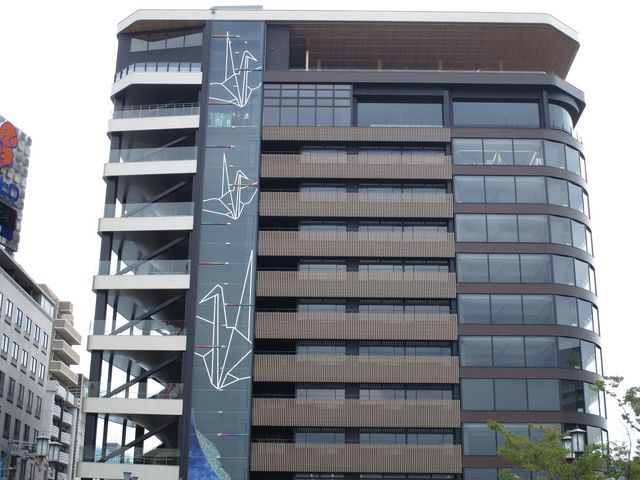
A building right next to the Atomic Bomb Dome, with a cafe and local products shop on the first floor and a paid observation area on the 12th floor and roof. The rooftop deck is designed like a hill, open to the wind, with views over the city and the Dome. The highlight is the Orizuru Wall: fold a paper crane in the 12th-floor Orizuru Square and drop it into a glass-walled shaft filling up with visitors' cranes.
Hiroshima Castle Naka
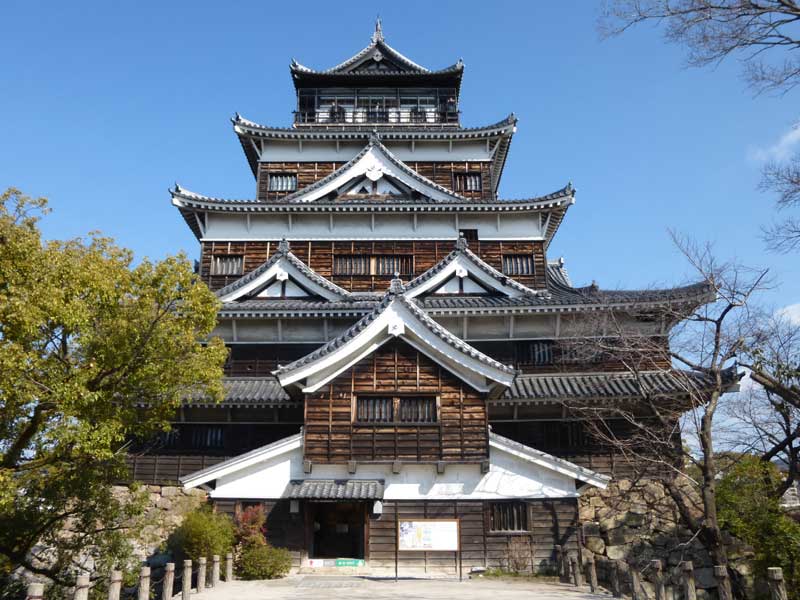
Built by Mori Terumoto, the castle flourished from the Azuchi-Momoyama period through the Edo period. Destroyed by the atomic bomb, it was rebuilt soon after the war, and its keep rises plain yet powerful above cherry trees. Its other name, Rijo, means Carp Castle, and the Hiroshima Carp baseball team is said to take its name from it. The team prays for victory every year at Hiroshima Gokoku Shrine nearby.
Shukkeien Garden Naka
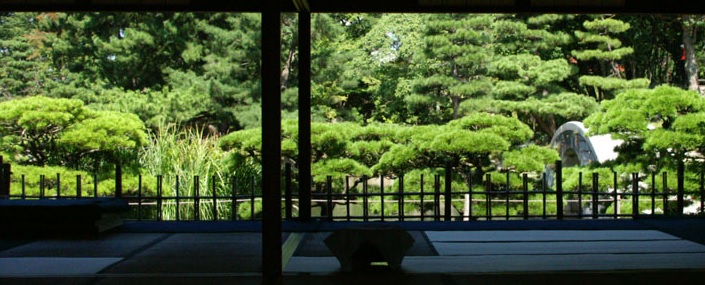
One of Japan's 100 best historic parks, this garden began in the Edo period as a villa of Asano Nagaakira, lord of Hiroshima. Its present form comes from a major remodeling by Kyoto gardener Shimizu Shichiroemon. Ruined by the atomic bomb, it was restored in the 1970s. It normally closes at night but opens after dark with light-ups in the cherry blossom and autumn leaf seasons. It is about 15 minutes on foot from JR Hiroshima Station.
Okonomi-mura Naka
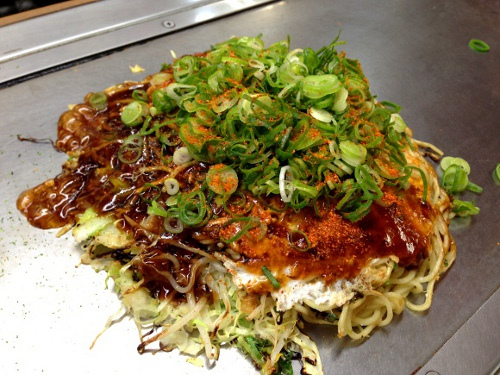
About 20 okonomiyaki restaurants share the second and third floors of a seven-story building. It traces its roots to the crowd of okonomiyaki stalls that sprang up as the city rebuilt after the war. The stalls later moved into a prefab building and then to today's home. Local office workers and Carp fans fill it every night, and it is a popular stop on school trips and tours. It is about 3 minutes on foot from the Hatchobori streetcar stop.
Wood Egg Okonomiyaki-kan Nishi
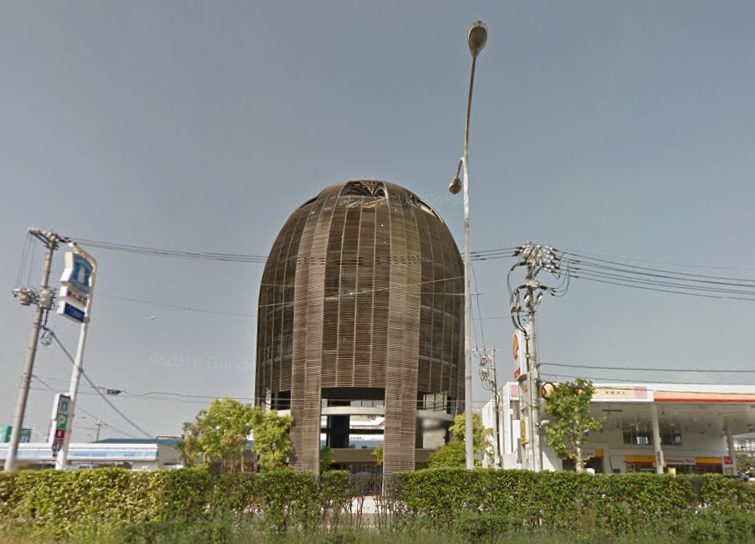
The head office factory of Otafuku, maker of the famous okonomiyaki sauce, with an okonomiyaki museum in an eye-catching wooden building shaped like an egg. By reservation you can tour the factory, make real Hiroshima-style okonomiyaki on an iron griddle, and learn the history of okonomiyaki and its sauce. A showroom in the annex sells local-only products. It is about 10 minutes on foot from the Inokuchi streetcar stop.
The places on a map
Hours, prices and events change. Check each place's official website before you go.
More travel guides
 Tokyo Sightseeing by Area: 40 Classic Sights and Lesser-Known Spots from Asakusa to Odaiba40 placesTokyo has much more to see than Skytree, Tokyo Tower and Asakusa. This guide works through six of the city's main…
 Nagoya: 40 Best Places to Visit, from Nagoya Castle and Atsuta Jingu to Osu40 placesNagoya is one of Japan's biggest cities, yet many visitors don't know how much it has to see. Alongside its famous…
 Chichibu: 40 Best Places to Visit, from Nagatoro River Boats and Mitsumine Shrine to Moss Phlox and Icicles40 placesChichibu, the largest city in Saitama Prefecture, is about 90 minutes from central Tokyo. Most of the area is national…
 Niigata Prefecture: 40 Best Places to Visit, from Classic Sights to Hidden Gems40 placesNiigata Prefecture stretches a long way from north to south, and each area has its own scenery, climate and food. The…
 Nagasaki Prefecture: 40 Best Places to Visit, from Unzen Hot Springs to Hirado and Nagasaki City40 placesNagasaki grew up as a port open to the outside world, and the culture of those days still shapes its streets, churches…
 Fukuoka Prefecture: 40 Places to Visit in Kitakyushu, Chikuho and Around Fukuoka City40 placesFukuoka Prefecture is roughly divided into four areas, Kitakyushu, Chikuho, Fukuoka and Chikugo, and each has its own…