
Awaji Island: 34 Places to Visit, from the Akashi Kaikyo Bridge to the Naruto Whirlpools
34 places · Japanese version
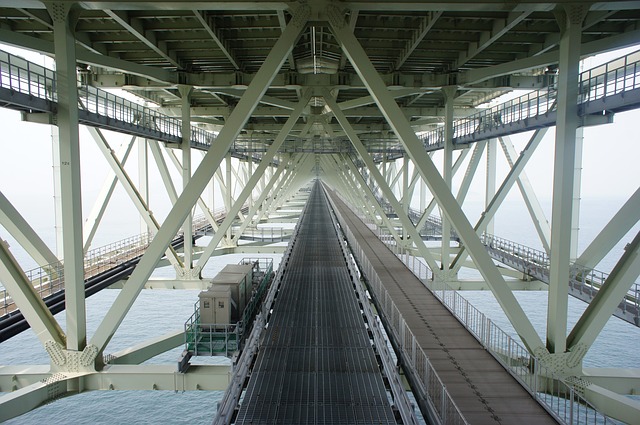
Awaji is the largest island in the Seto Inland Sea and part of Hyogo Prefecture. Cross the Akashi Kaikyo Bridge from Kobe and you are in easy reach of flower-covered hills, quiet beaches and the roaring Naruto Whirlpools. In Japanese myth, Awaji was the first land the gods created, and shrines tied to that story dot the island. It is also known for its food, from Awaji beef and onions to fresh seafood. Here are 34 places worth a visit, from famous sights to lesser-known spots, grouped from north to south.
Northern Awaji: Iwaya, Yumebutai and Higashiura
Akashi Kaikyo Bridge Akashi Strait
This huge suspension bridge, 3,911 meters long, links Kobe with Awaji Island and is the classic first sight of any trip here. Its towers rise about 300 meters above the sea. The bridge has a promenade and an observation deck, and visitors can even climb to the top. It looks different from morning to night, and after dark the cables are lit up for a romantic view.
Awaji Highway Oasis Iwaya
This large rest area on the expressway toward Shikoku is easy to spot by its big Ferris wheel and Western-style buildings. The observation deck has a fine view of the Akashi Kaikyo Bridge and makes a great place for a souvenir photo. Shops sell many local products from Awaji Island.
Hyogo Prefectural Awaji Island Park Kusumoto
One of the largest parks on the island, next to the Awaji Highway Oasis. It has big slides and serious climbing equipment for kids and adults, and an observation deck looking over Osaka Bay and the Akashi Kaikyo Bridge. Walking courses of 1 to 2 kilometers run through the park, including one up to a lookout at 218 meters. Families will like the water play area, wide lawns and long roller slide.
Awaji Hanasajiki Kusumoto
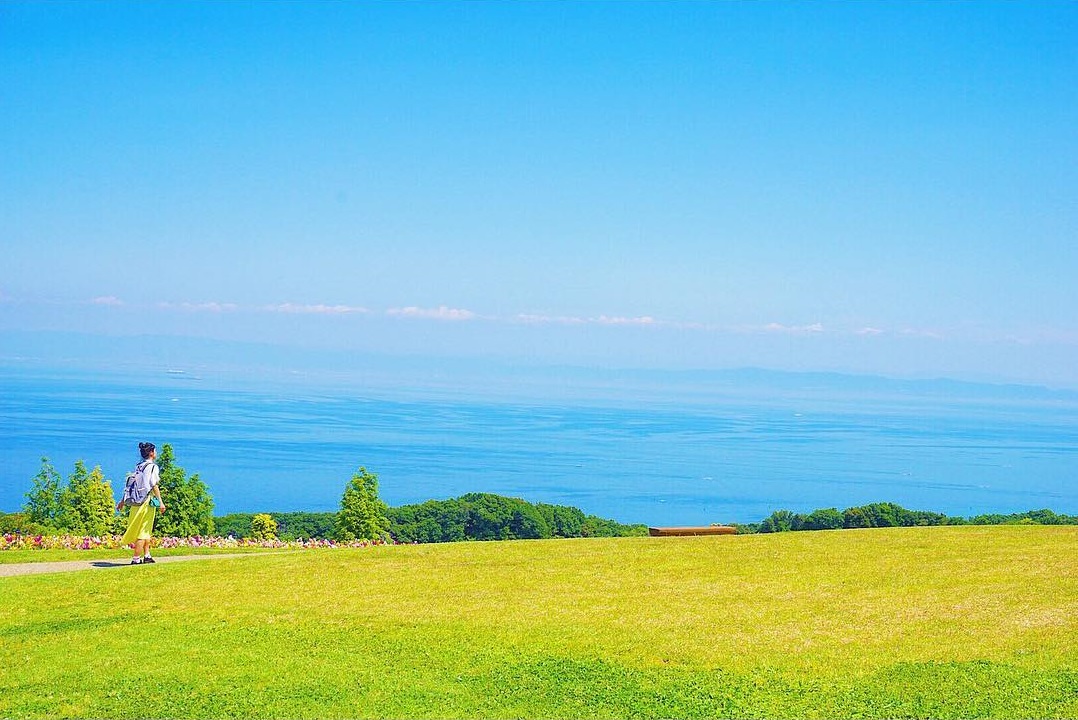
A wide hilltop covered in flowers that change with the seasons: rape blossoms in spring, sunflowers in summer, cosmos in autumn and pansies in winter. The panorama from the observation deck is a highlight, and the colors spread across the whole plateau like a scene from a picture book. Admission is free, and the view is worth a visit in any season.
Eshima Iwaya
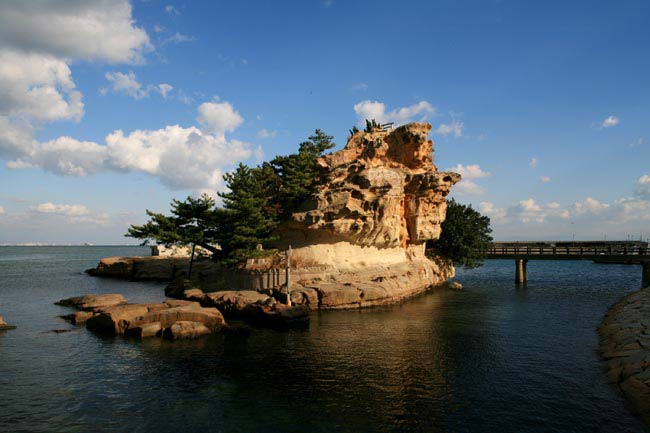
A tiny island in the small port town of Iwaya, said in legend to be the first island created in Japanese mythology. You can cross a bridge to see it up close. The stone pagoda on top is said to honor Matsuomaru, who gave his life as a human sacrifice during Taira no Kiyomori's building work in Hyogo. The island has long been a famous moon-viewing spot, and its rock faces show layers about 20 million years old.
Awaji Yumebutai Yumebutai
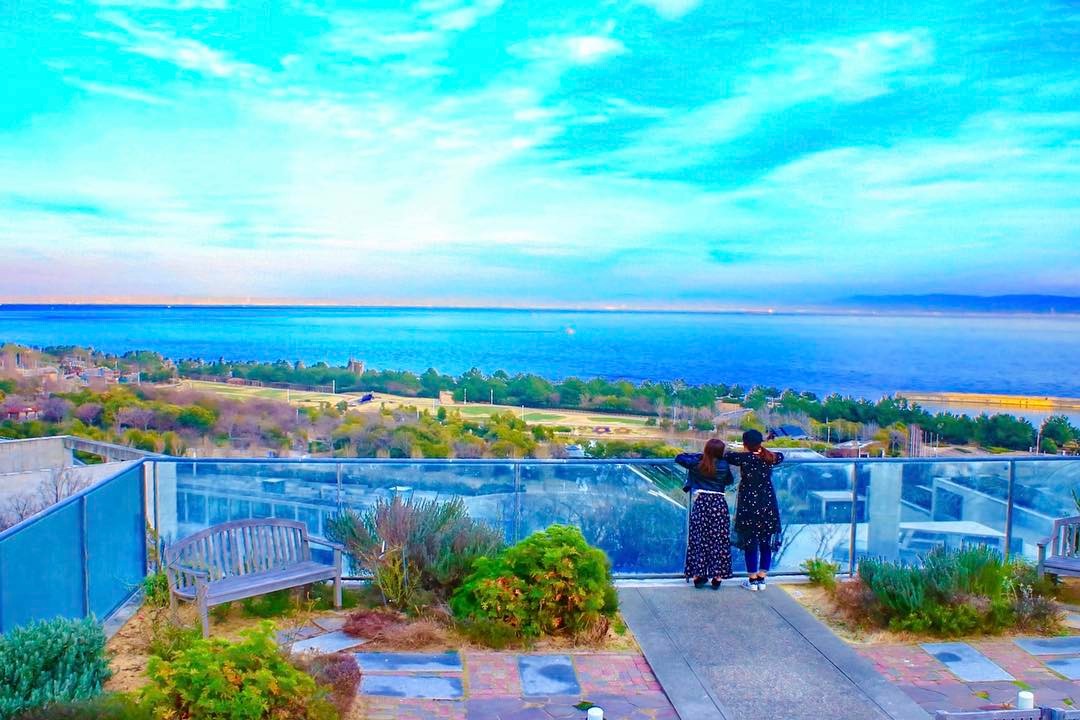
A resort complex designed by the architect Tadao Ando, centered on the Westin hotel and also home to an international conference center. Terraced flower beds bloom with seasonal flowers, and Ando's architecture is a sight in itself. Do not miss the Hundred-Step Garden, with flower beds climbing the hillside, and Shell Beach, a stretch of water lined with a million seashells.
Kiseki no Hoshi Botanical Museum Yumebutai
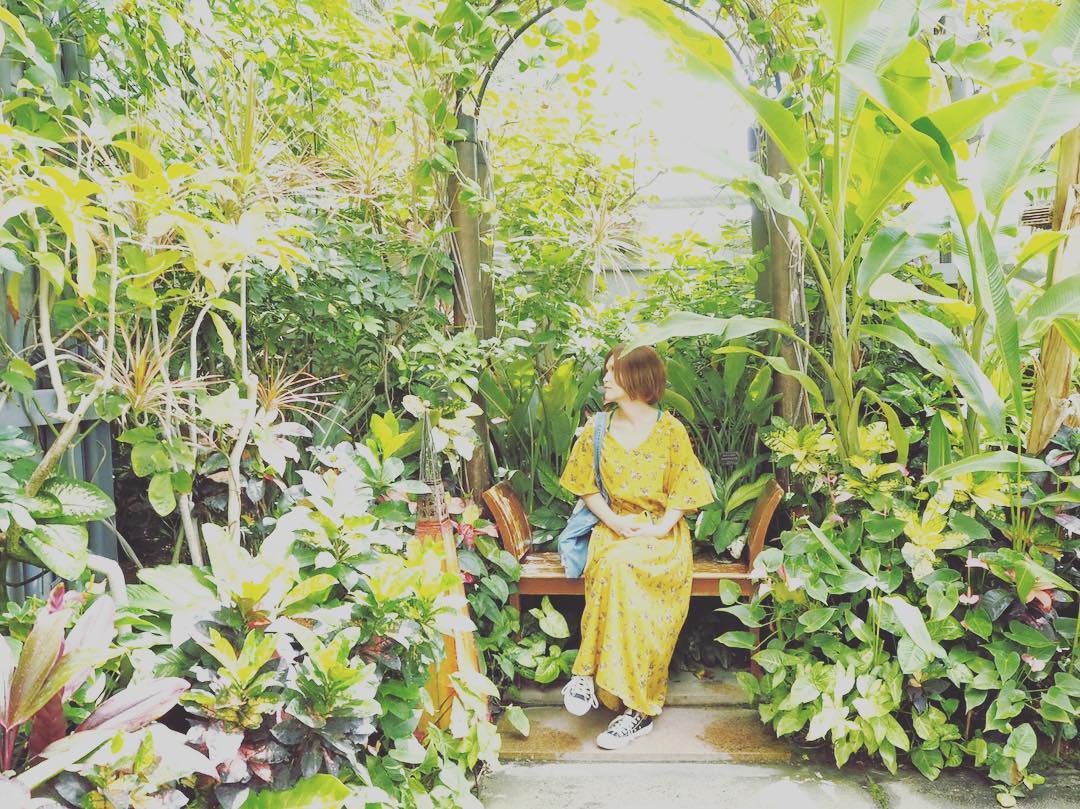
A well-organized botanical museum that opened in 2000, growing about 3,000 species and 30,000 plants. It has six exhibition areas and a special exhibition room, and its huge greenhouse hosts flower-themed events all year. The Plants Gallery pairs succulents with art objects, the Tropical Garden has heat-loving plants and rare insects, and a healing garden blends water, light and art. Near Christmas the museum is lit up.
Akashi Kaikyo National Government Park Yumebutai
A spacious national park with the Seto Inland Sea right in front of it. You can enjoy flowers through the seasons, row a boat on the lake and let children loose on plenty of play equipment, so it is easy to spend a whole day here. Seasonal events are held throughout the year, and the clear sky and sea of Awaji make it a refreshing place to walk.
Honpuku-ji Higashiura
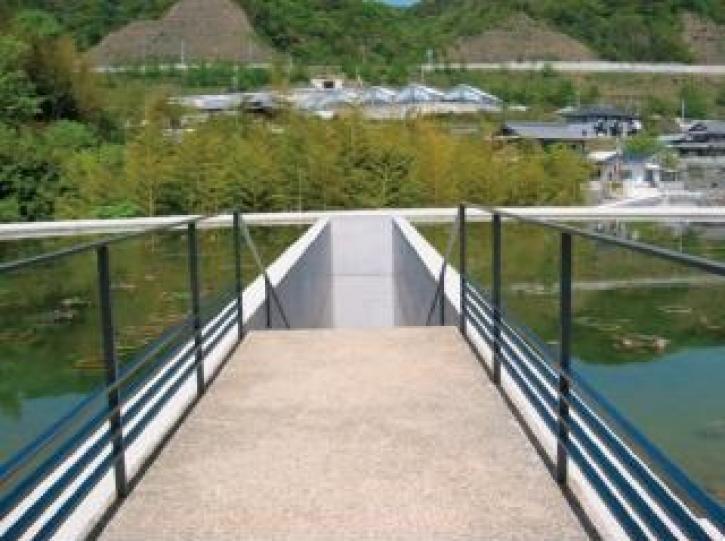
A temple designed by the world-famous architect Tadao Ando. Its bold reinforced-concrete design hardly looks like a temple at first, yet it is an old Shingon temple founded in the Heian period. The lotus pond on the roof and the red lattice inside the main hall are the must-sees.
Nakahama Minoru Cat Museum Higashiura
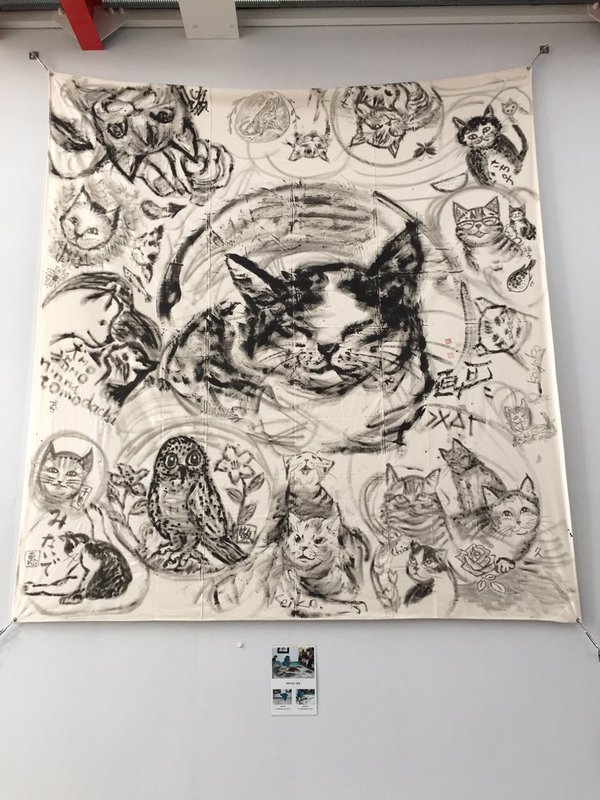
A museum that shows nothing but ink paintings of cats, something you will hardly find anywhere else in the world. The cats are full of expression and the paintings are warm and charming, making this a must for cat lovers. It is a short walk from the Higashiura bus terminal.
Fukimodoshi no Sato Higashiura
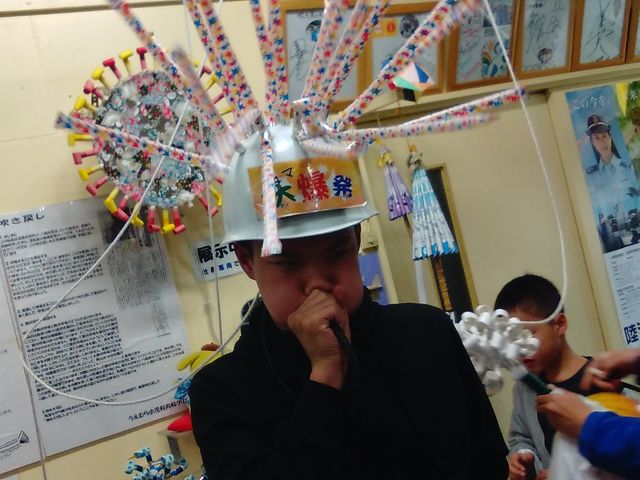
A factory making fukimodoshi, the paper party blowers that stretch out with a sound when you blow and curl back again. Once made all over Japan, they now come almost entirely from here, and the factory makes about 90 percent of those sold in the country. You can tour the factory and make your own original blower.
Harmony Farm Awaji Higashiura
A riding farm where you can explore Awaji's nature on horseback. Besides lessons on site, rides go out of the farm, with routes to Awaji Hanasajiki or up to high ground. Courses change with the season: in summer the horses walk into the sea, and you can ride through flower fields in spring, autumn leaves in autumn and snow in winter.
Central Awaji: Tsuna, Ichinomiya and Hokudan
Izanagi Jingu Ichinomiya
Famed as the oldest shrine in Japan, it appears in the Kojiki and Nihon Shoki and enshrines Izanagi and Izanami, the gods who created the land. In Japanese myth, Awaji was the first land the couple made, and Izanagi spent his retirement here. The shrine stands on the site of his home, which was forbidden ground until the Meiji period. Look for the Meoto Okusu, a pair of great camphor trees.
Kunjudo Ichinomiya
An incense maker with more than 100 years of history. You can tour the factory, buy incense in the showroom and try making your own. Shaping incense is as easy as working with clay, so it suits children and older visitors alike.
Awaji Baikundo Ei
An incense factory in Ei, a district chosen as one of Japan's 100 fragrant landscapes. It is known for its amacha incense, said to make wishes come true. Visitors can watch how incense sticks are made. Tours need a reservation.
Parche Kaori no Yakata Ichinomiya
A complex built around the theme of fragrance. You can make your own perfume, soap or candles, and eat at a buffet of Awaji food or at the restaurants. There is also a hot spring open to day visitors and a place to stay. About 100 kinds of herbs and seasonal flowers grow here, so both the scents and the views are relaxing.
Awajishima Fruit Farm Tsuna-Ichinomiya
A popular fruit-picking farm in the middle of the island. Strawberries are picked from mid-December to mid-June, Kyoho grapes from July to mid-October and blueberries from July to September, and there are also mandarins, figs and sweet potatoes. You can take everything home, and the farm has a cafe. Reservations are needed on weekends, holidays and in peak seasons.
Shizuka no Sato Park Tsuna
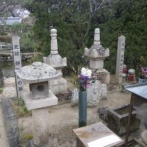
This park is said to be where Shizuka Gozen, famous for her tragic love with Minamoto no Yoshitsune, lived in seclusion. Today many people come to pray for a safe childbirth or for skill in the arts. Golden carp swim in the pond.
Awaji World Park Onokoro Tsuna
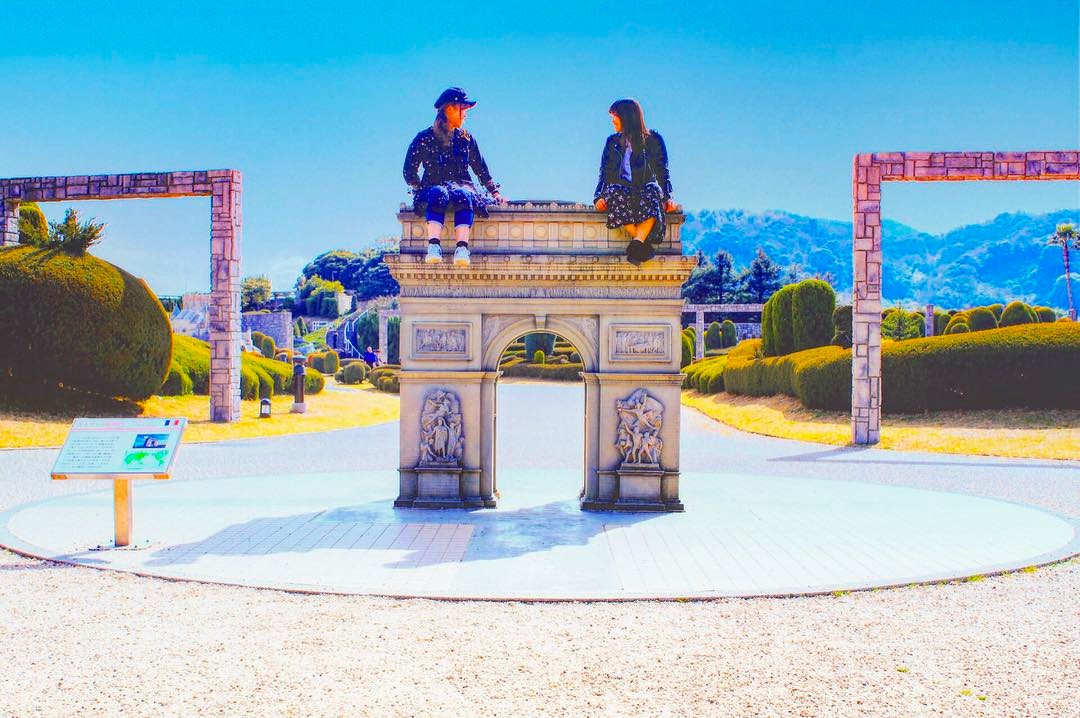
A theme park about the world, divided into four zones: a miniature world, ride attractions, a fairy-tale forest and a world of ruins. Famous buildings and World Heritage sites from many countries are rebuilt at 1/25 scale, so you can fit a Ferris wheel and the Taj Mahal into one photo. With a big Ferris wheel and a merry-go-round, it is popular with families.
Hokudan Earthquake Memorial Park Hokudan
The Great Hanshin-Awaji Earthquake of January 17, 1995 brought the Nojima Fault to the surface, and this facility preserves and displays it. It is a place to think again about earthquake safety. In the memorial hall you can feel the shaking of an earthquake for yourself.
Sumoto
Sumoto Castle Sumoto
A national historic site built in 1526 by a retainer of the Miyoshi clan, which passed through many lords during the age of warring states. It has two parts: a lower castle by Ohama Park and a mountain castle on Mt. Mikuma, where a replica keep stands at the top. Impressive stone walls remain, including rare climbing walls said to survive in only three places in Japan. The summit looks over Sumoto, and cherry blossoms are lit up in spring.
Awajishima Monkey Center Sumoto
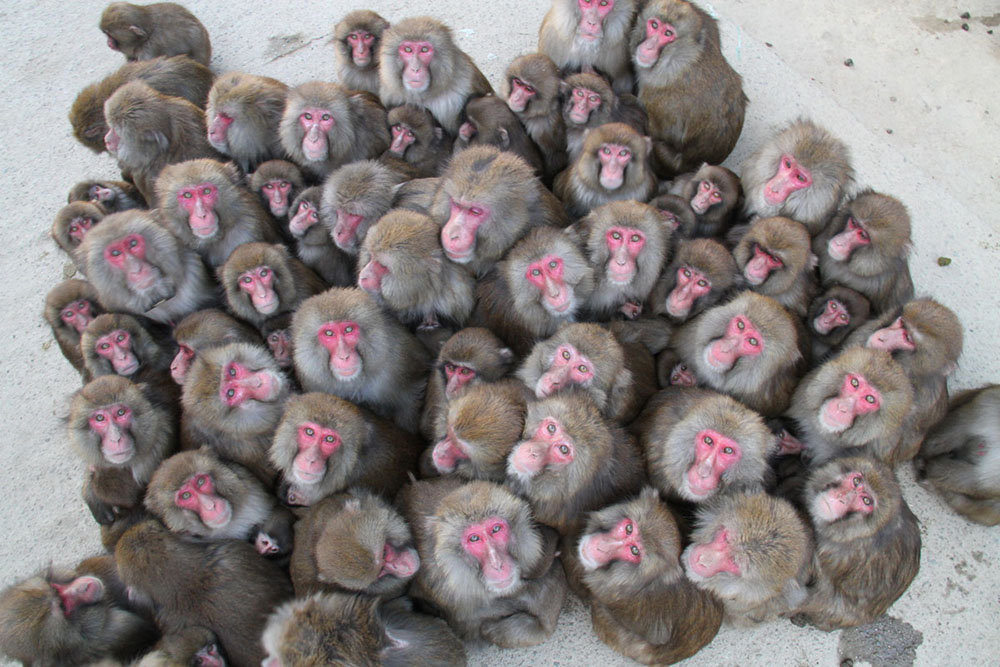
About 200 wild monkeys are fed here, so you can watch their society as it is. They come down from the mountain at about 9 a.m. and go back by 5:30 p.m., and most are fairly gentle. As they are wild, some days they do not appear: from mid-November to mid-June you can almost always see them, but from mid-September through October rarely.
Southern Awaji: Minamiawaji and the Naruto Strait
Awaji Farm Park England Hill Minamiawaji
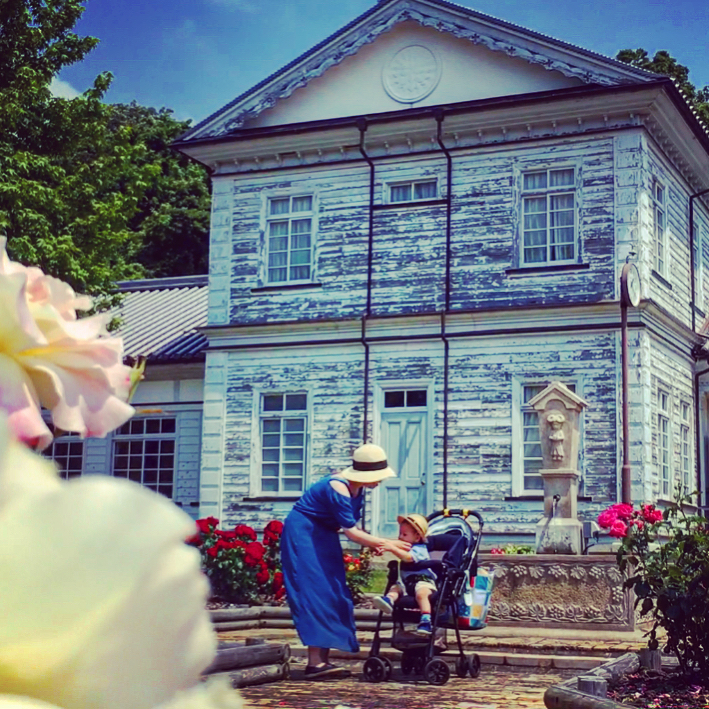
An agricultural park known as one of the few places in Japan where you can see koalas. There are plenty of flowers, strawberry picking and lunches made with natural ingredients. The grounds are wide and full of play equipment, so adults and children can spend a whole relaxed day outdoors.
Awajishima Bokujo Minamiawaji
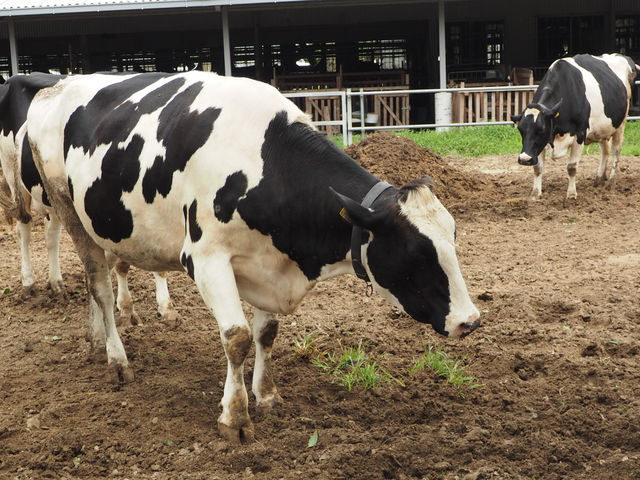
A hands-on dairy farm where you can try milking a cow or making butter from fresh milk. A barbecue hall serves Awaji beef. Children love the pony merry-go-round, where you ride ponies in circles inside a carousel-style tent, something you will rarely find anywhere else.
Awaji Kokubun-ji Minamiawaji
A little-known temple for lovers of history and Buddhist art. Its principal image, a seated Shaka Nyorai about 3 meters tall, is a national Important Cultural Property, and the temple also keeps figures of celestial beings. The grounds are larger than you might expect. Visits need a reservation.
Onokoro Island Shrine Minamiawaji
According to the Nihon Shoki, this is the sacred birthplace of Japan, created by Izanagi and Izanami. The great torii, 21.7 meters tall, is counted among the three great torii of Japan. The shrine is known for matchmaking. Before the main hall, red and white ropes hang from the Sekirei stone: hold white then red to wish for a new meeting, red then white to strengthen a bond, and couples hold one each while joining hands.
Hirota Plum Grove Park Minamiawaji
About 450 plum trees of varieties such as Nanko and Oshuku bloom across some 15,000 square meters, with lovely deep pink flowers from mid-February to mid-March. When the plums finish, Somei Yoshino cherry trees bloom. Entry is free, so stop by if your trip falls in the season.
Keino Matsubara Minamiawaji
A beach lined for 2.5 kilometers by about 50,000 Awaji black pines, with white sand among the most beautiful in the Seto Inland Sea. In summer it fills with swimmers and campers, and a fireworks show is held. It is one of Japan's 100 best sunset spots, and poets such as Kakinomoto no Hitomaro wrote about it in the Manyoshu.
Awaji Ningyoza Fukura
A theater for Awaji's puppet drama, an old tradition of the island and a national Important Intangible Folk Cultural Property. The puppets are larger than those of Bunraku, and their hands and eyes are richly expressive.
Uzu no Oka Onaruto Bridge Memorial Hall Fukura
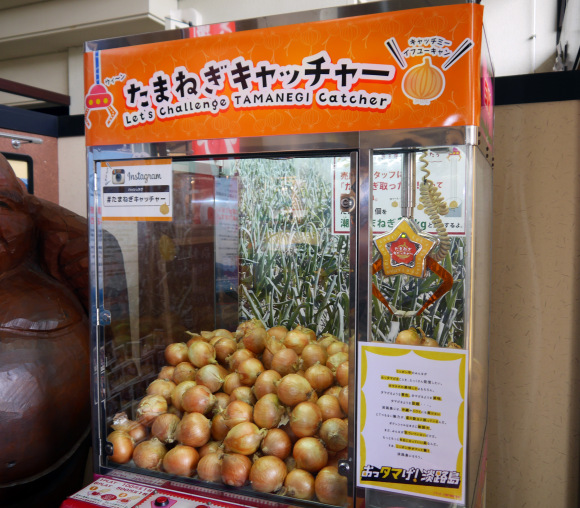
A hall about the Naruto Whirlpools and the building of the Onaruto Bridge, with a rooftop deck overlooking the bridge. Inside, the Uzushio Science Museum explains how whirlpools form, shows giant whirlpools about 20 meters across, which appear only a few times a year, in a 3D theater, and lets you check the real whirlpools live with a camera on the bridge tower. A good stop before you see them for real.
Naruto Whirlpools Naruto Strait
Whirlpools form here because of the difference in tides between the Pacific Ocean and the Seto Inland Sea. At the spring tides of spring and autumn they are said to be the largest in the world. The current is called the fastest in Japan and counts among the three great tidal currents of the world. The whirlpools also appear in ukiyo-e prints by Utagawa Hiroshige. Sightseeing boats leave from Fukura Port and Ibi Port.
Minamiawaji Megafloat Fishing Park Fukura
A fishing park floating off Fukura, where you can fish while looking at the Onaruto Bridge. Different fish are in season throughout the year. Rods can be rented and bait is sold on site, so you can come empty-handed, and anyone can join in regardless of age.
Nada Kuroiwa Suisenkyo Minamiawaji
In winter, wild daffodils cover a steep 45-degree slope facing the sea in southeastern Minamiawaji, about 5 million of them. It is counted among Japan's three great daffodil fields, and is said to have started when bulbs that washed ashore in the Edo period were planted. An observation deck looks over the flowers and the sea. The best time is late December to late February.
Nushima Minamiawaji
A small island 10 minutes by boat from Habu Port, and a leading candidate for the island of Japan's creation myth. Its symbol is Kamitategami-iwa, a 30-meter rock in the sea revered as the place where Izanagi and Izanami married. Part of the rock looks like a heart, so people pray here for love and a happy marriage. Boats are limited, so plan ahead.
The places on a map
Hours, prices and events change. Check each place's official website before you go.
More travel guides
 Tokyo Sightseeing by Area: 40 Classic Sights and Lesser-Known Spots from Asakusa to Odaiba40 placesTokyo has much more to see than Skytree, Tokyo Tower and Asakusa. This guide works through six of the city's main…
 Nagoya: 40 Best Places to Visit, from Nagoya Castle and Atsuta Jingu to Osu40 placesNagoya is one of Japan's biggest cities, yet many visitors don't know how much it has to see. Alongside its famous…
 Chichibu: 40 Best Places to Visit, from Nagatoro River Boats and Mitsumine Shrine to Moss Phlox and Icicles40 placesChichibu, the largest city in Saitama Prefecture, is about 90 minutes from central Tokyo. Most of the area is national…
 Niigata Prefecture: 40 Best Places to Visit, from Classic Sights to Hidden Gems40 placesNiigata Prefecture stretches a long way from north to south, and each area has its own scenery, climate and food. The…
 Nagasaki Prefecture: 40 Best Places to Visit, from Unzen Hot Springs to Hirado and Nagasaki City40 placesNagasaki grew up as a port open to the outside world, and the culture of those days still shapes its streets, churches…
 Fukuoka Prefecture: 40 Places to Visit in Kitakyushu, Chikuho and Around Fukuoka City40 placesFukuoka Prefecture is roughly divided into four areas, Kitakyushu, Chikuho, Fukuoka and Chikugo, and each has its own…