
Tokyo TV Drama Filming Locations: 8 Places from Famous Japanese Dramas You Can Visit
8 places · Japanese version
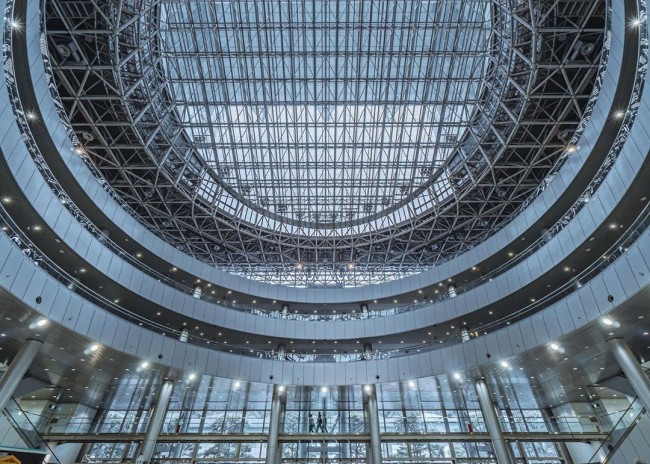
If you watch Japanese TV dramas, you have probably seen some of these places already. Most filming locations are in Tokyo, especially around Shibuya, Harajuku and Shinjuku, and simply standing where a famous scene was shot is a thrill for fans. Here are 8 locations from well-known dramas, from Hana Yori Dango (Boys Over Flowers) to Hanzawa Naoki, that you can easily add to a Tokyo trip, along with what else there is to enjoy at each.
Filming locations around Tokyo
Telecom Center Odaiba
This building in Odaiba has appeared in many dramas, including Rich Man, Poor Woman, and is often used as an airport lobby for farewell scenes. It is actually a working office building, so the public can only visit the observation deck. A free shuttle bus runs from Tokyo Teleport Station on the Rinkai Line in about three minutes.
Meiji Jingu Gaien Aoyama
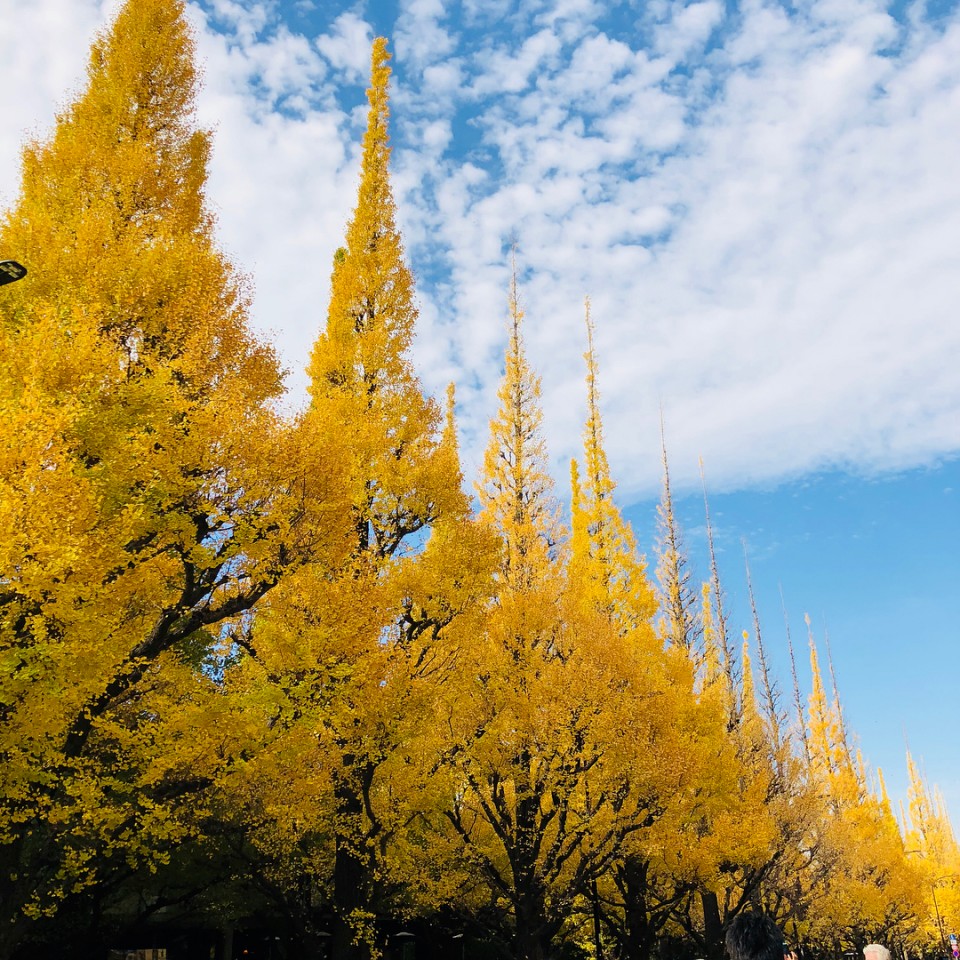
Rows of ginkgo trees form a tunnel over the avenue at Jingu Gaien, a scene used in classics such as 101st Proposal and in Hana Yori Dango. The avenue has appeared in both old trendy dramas and recent ones, and it looks romantic in any era. It is open around the clock and close to Shinanomachi, Sendagaya, Gaienmae, Aoyama-itchome and Kokuritsu-Kyogijo stations.
Ebisu Garden Place Ebisu
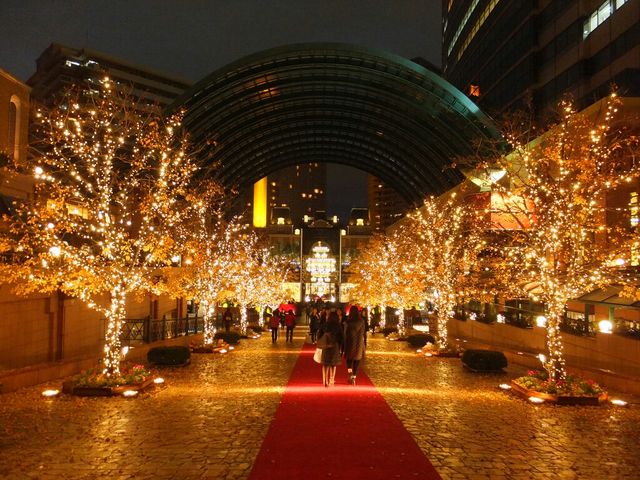
Fans know Ebisu Garden Place for the meeting scene in Hana Yori Dango, and the drama is said to have brought many more visitors here. Ebisu is a stylish, grown-up neighborhood with handsome buildings and a popular date spot, and people still meet here just as in the drama. It is about five minutes on foot from the east exit of JR Ebisu Station.
LOVE Sculpture Nishi-Shinjuku
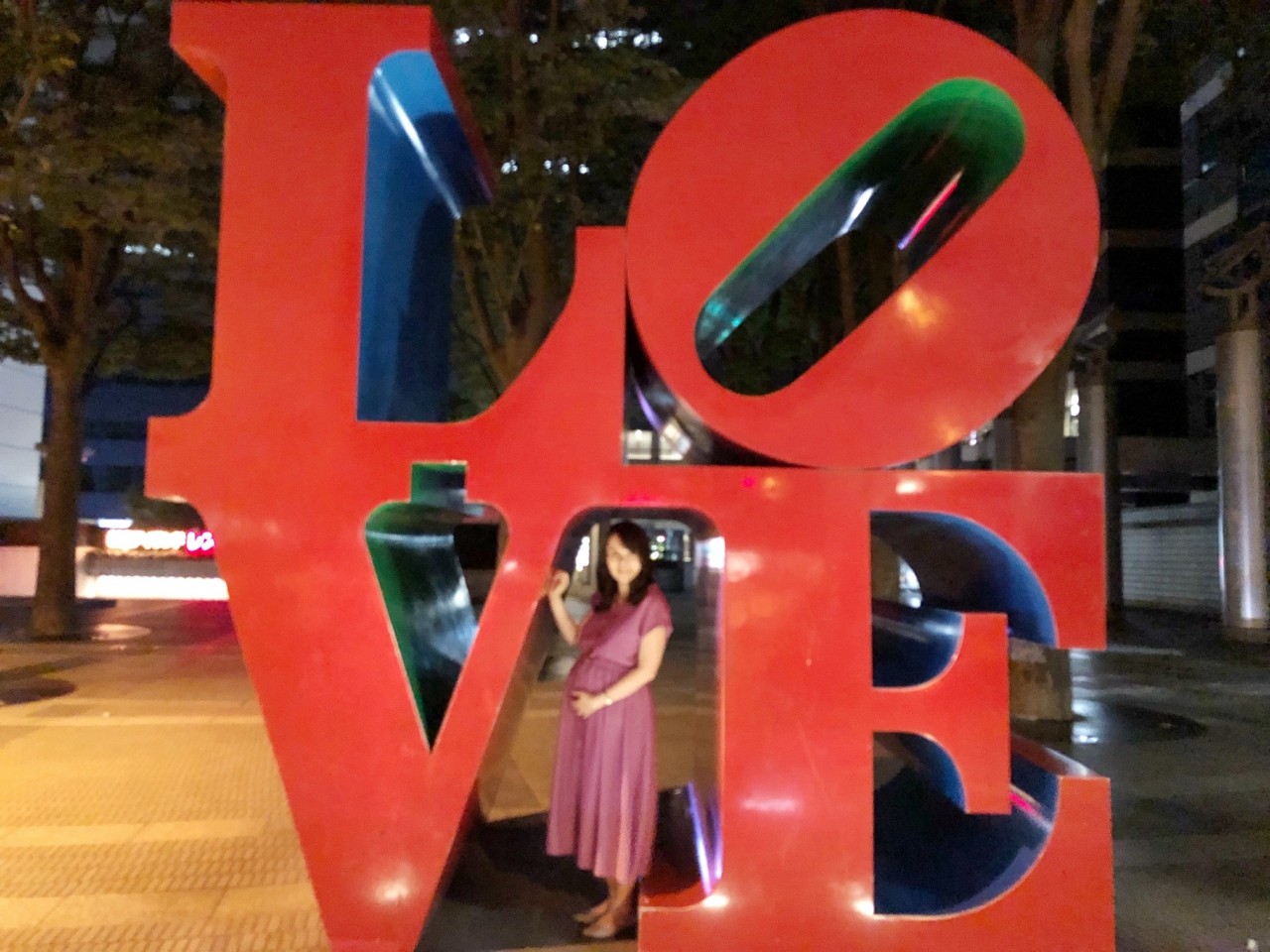
This bright red pop art sculpture spelling LOVE has appeared in dramas such as Last Cinderella and Densha Otoko (Train Man). It is a fun backdrop for selfies, and since it stands at the main entrance of Shinjuku i-Land in West Shinjuku, it is easy to find and often used as a meeting point. The nearest station is Nishi-Shinjuku on the Marunouchi Line.
Canal Cafe Iidabashi
Used in dramas such as Haikei, Chichiue-sama, starring Kazunari Ninomiya of Arashi, this cafe sits on the water near the west exit of Iidabashi Station, and you can even see it from passing trains. It has terrace seating that is lit up after dark for a romantic mood, and cherry trees along the road above make it a good place for spring blossoms.
Inari-yu Takinogawa
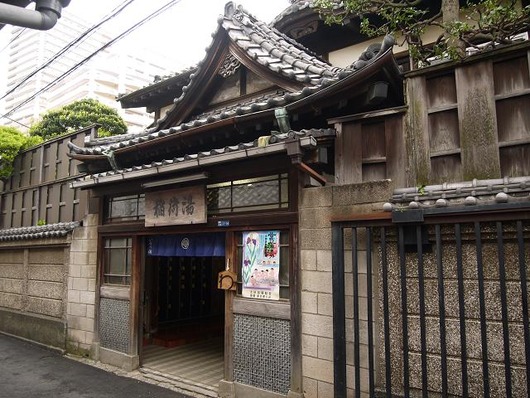
A classic public bathhouse built in 1930 that was used as a location for Thermae Romae. The temple-style building is kept spotless and keeps its old-fashioned character, while adding comforts for today's bathers. It is about six minutes on foot from Nishi-Sugamo Station on the Toei Mita Line or Itabashi Station on the Saikyo Line.
Hotel Chinzanso Tokyo Mejiro
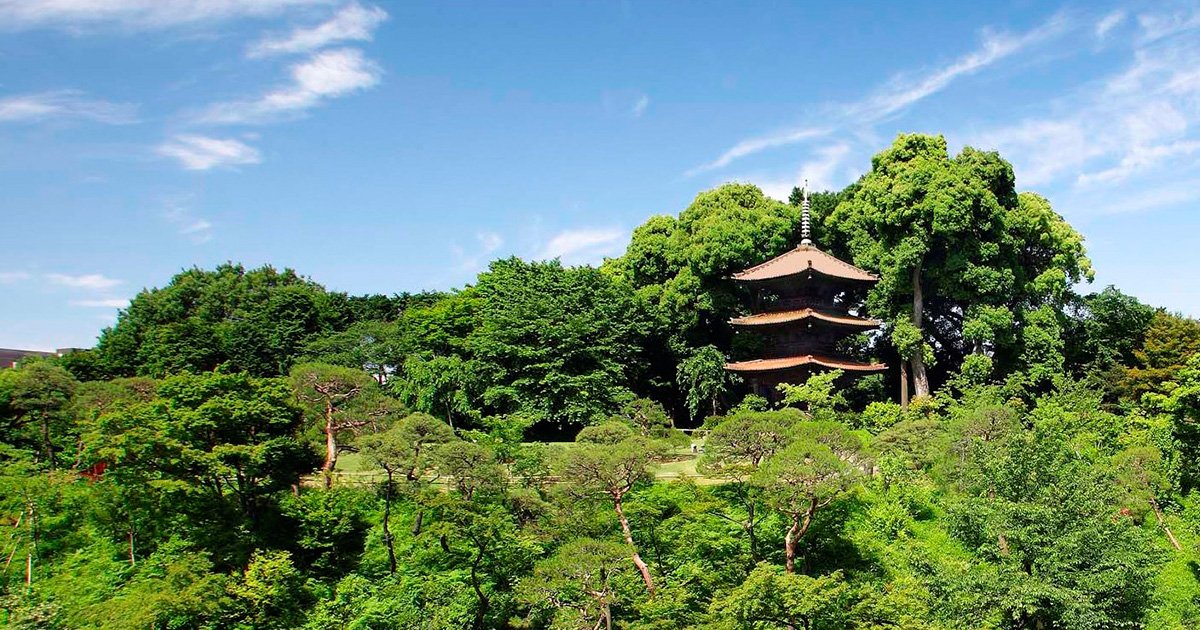
Used as a location in the hit drama Hanzawa Naoki, Chinzanso is a hotel set in a vast Japanese garden. From the rooms you look out on the garden, a calm scene that hardly feels like Tokyo. It has both Japanese and Western restaurants and a lounge bar. Take a Toei bus from Mejiro Station, about ten minutes, or walk ten minutes from Edogawabashi Station.
Tokyo National Museum Ueno
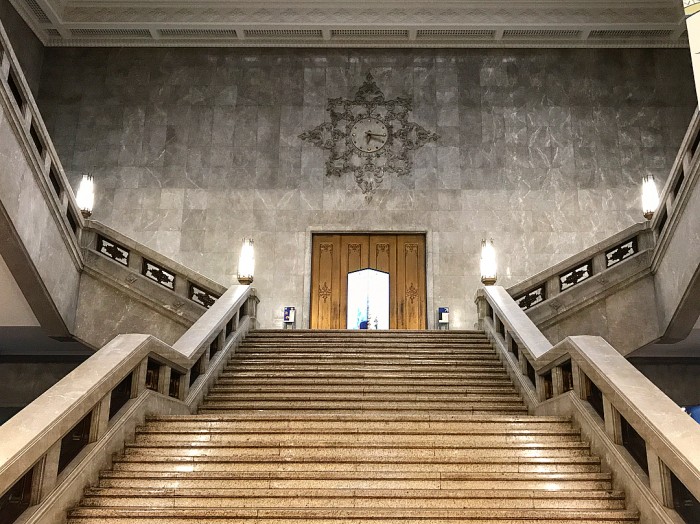
The staircase of the Tokyo Chuo Bank in Hanzawa Naoki is actually inside the Tokyo National Museum. Founded in 1872, it is the oldest museum in Japan and holds many famous cultural treasures, including National Treasures and Important Cultural Properties. There are stylish cafes around the museum, so you can spend a relaxed day. It is about ten minutes on foot from the Park exit of JR Ueno Station.
Tips for a location tour
Some of these places are working buildings rather than sights. At Telecom Center only the observation deck is open to the public, and Inari-yu is a neighborhood bathhouse.
The locations are spread across the city, so group them by area: Odaiba for Telecom Center, Aoyama, Ebisu and Shinjuku for the ginkgo avenue, Ebisu Garden Place and the LOVE sculpture, and Ueno for the Tokyo National Museum.
The places on a map
Hours, prices and events change. Check each place's official website before you go.
More travel guides
 Tokyo Sightseeing by Area: 40 Classic Sights and Lesser-Known Spots from Asakusa to Odaiba40 placesTokyo has much more to see than Skytree, Tokyo Tower and Asakusa. This guide works through six of the city's main…
 Nagoya: 40 Best Places to Visit, from Nagoya Castle and Atsuta Jingu to Osu40 placesNagoya is one of Japan's biggest cities, yet many visitors don't know how much it has to see. Alongside its famous…
 Chichibu: 40 Best Places to Visit, from Nagatoro River Boats and Mitsumine Shrine to Moss Phlox and Icicles40 placesChichibu, the largest city in Saitama Prefecture, is about 90 minutes from central Tokyo. Most of the area is national…
 Niigata Prefecture: 40 Best Places to Visit, from Classic Sights to Hidden Gems40 placesNiigata Prefecture stretches a long way from north to south, and each area has its own scenery, climate and food. The…
 Nagasaki Prefecture: 40 Best Places to Visit, from Unzen Hot Springs to Hirado and Nagasaki City40 placesNagasaki grew up as a port open to the outside world, and the culture of those days still shapes its streets, churches…
 Fukuoka Prefecture: 40 Places to Visit in Kitakyushu, Chikuho and Around Fukuoka City40 placesFukuoka Prefecture is roughly divided into four areas, Kitakyushu, Chikuho, Fukuoka and Chikugo, and each has its own…