
Ehime Prefecture: 16 Best Places to Visit, from Matsuyama Castle and Dogo Onsen to the Shimanami Kaido
16 places · Japanese version
Ehime is known for its mandarin oranges, but it has far more to offer. In Matsuyama you find a hilltop castle and Dogo Onsen, one of Japan's oldest hot springs, with temples and shrines close by. From Imabari, the Shimanami Kaido crosses the islands of the Seto Inland Sea, and in the south a grassy limestone plateau and another historic castle wait. This guide covers 16 classic places, grouped by area, with castles, shrines and temples, museums, a zoo, a cycling route and good picks for families.
Matsuyama and Dogo Onsen
Matsuyama Castle Matsuyama
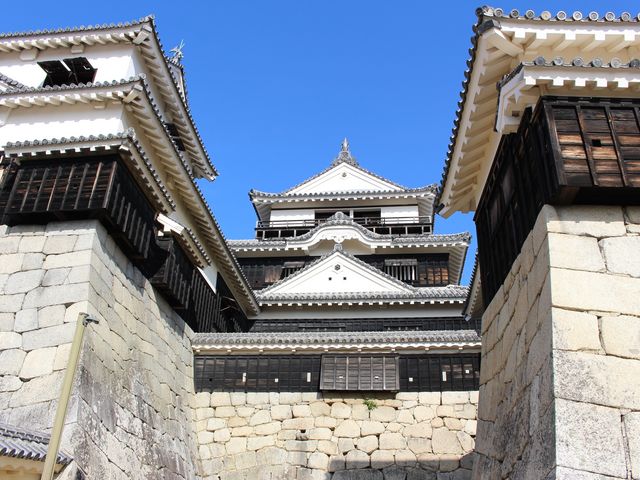
The castle stands on Mount Katsuyama in the center of Matsuyama. Twenty-one of its buildings, including the keep, are Important Cultural Properties, and the grounds are a national historic site. The hill is 132 meters high and the keep adds 30 meters, so you look over the city and, on clear days, the islands of the Seto Inland Sea. Ride the ropeway or chairlift up, or walk one of four paths. The parks below change with the seasons.
Dogo Onsen Dogo
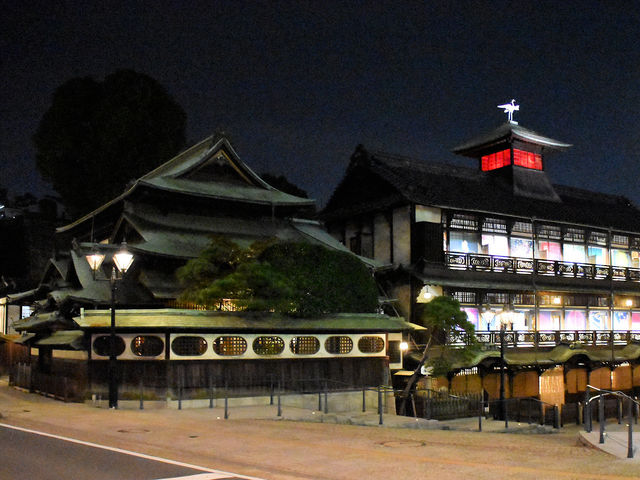
Dogo Onsen is counted among Japan's three oldest hot springs and appears in Natsume Soseki's novel Botchan. It was the first public bathhouse in Japan named an Important Cultural Property, and it is still a working bathhouse, loved by locals and visitors alike rather than kept as a museum. There are two baths, Tama no Yu and Kami no Yu, with four bathing courses. Look for the Botchan Room, made in memory of Soseki, and pick up mandarin soap as a souvenir.
Botchan Karakuri Clock Dogo
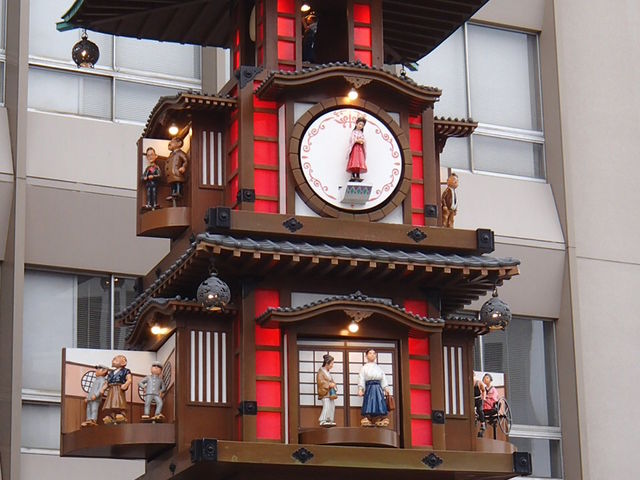
This mechanical clock stands in Hojoen square in front of Dogo Onsen Station. Every hour, characters from the novel Botchan come out to music; on weekends, holidays and in busy seasons they appear every 30 minutes. It was built to mark the 100th anniversary of the Dogo Onsen Honkan, and its design is based on the small tower on the bathhouse roof. A footbath next to it is a nice place to wait, and the clock is lit up at night.
Dogo Giyaman Glass Museum Dogo
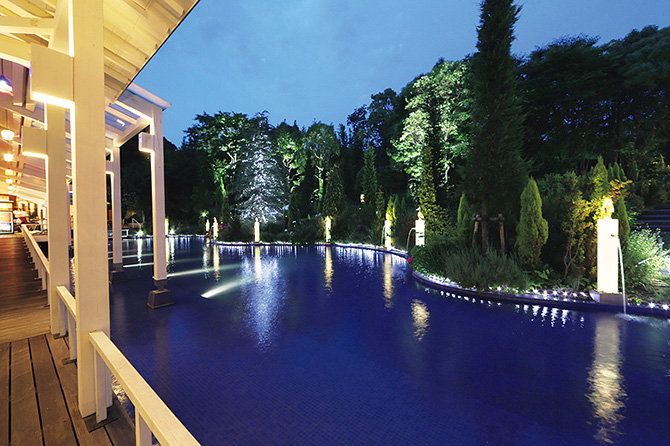
Set in a lovely garden, this museum shows Edo-period glassware, known as giyaman and vidro, and glass from the Meiji and Taisho eras. The colorful, finely designed pieces have a nostalgic charm. Glass artworks stand in the garden and are lit up at night for a magical look. A cafe restaurant on the grounds lets you eat or have tea while looking out at the garden.
Ishite-ji Temple Matsuyama
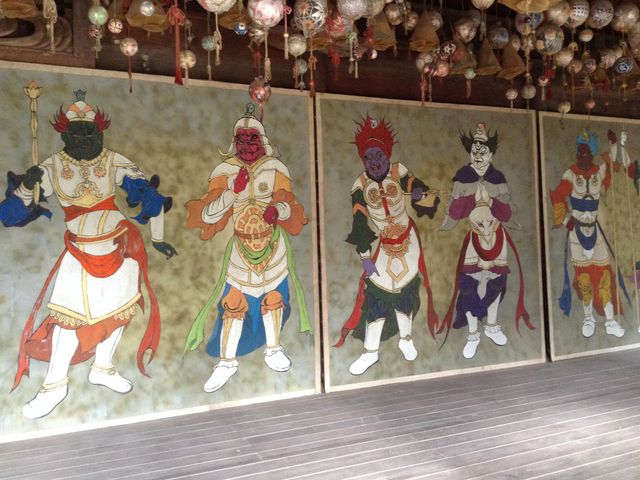
Ishite-ji is temple 51 of the Shikoku 88-temple pilgrimage. A covered approach is lined with shops, and many of its buildings are National Treasures or Important Cultural Properties. At the three-story pagoda, touch sand from all 88 temples for a mini pilgrimage. Also popular are the graffiti hall, where Natsume Soseki, Masaoka Shiki and other famous visitors left writing, and the giant straw sandals on the Nio gate, said to help people with bad legs.
Isaniwa Shrine Dogo
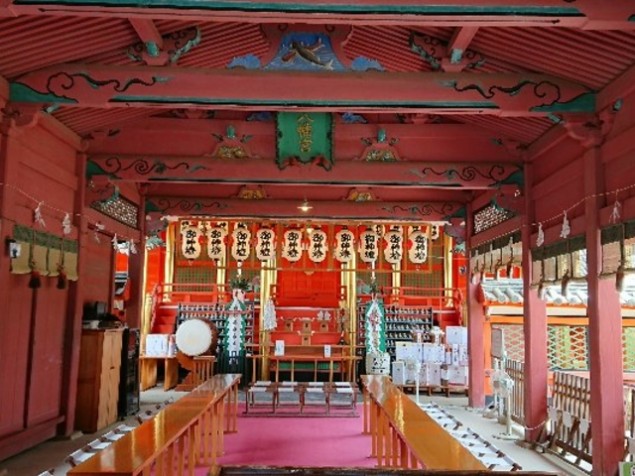
This bright vermilion shrine is one of Japan's three great examples of the Hachiman style, and it is popular with people praying for love, though its gods are also for success, business and skill. The main hall, worship hall, tower gate and corridor are Important Cultural Properties, restored to their vivid colors. Every October 7, at the Matsuyama Autumn Festival, six large portable shrines are carried down its 135 steps, a powerful sight that draws crowds.
Kururin Ferris Wheel Matsuyama
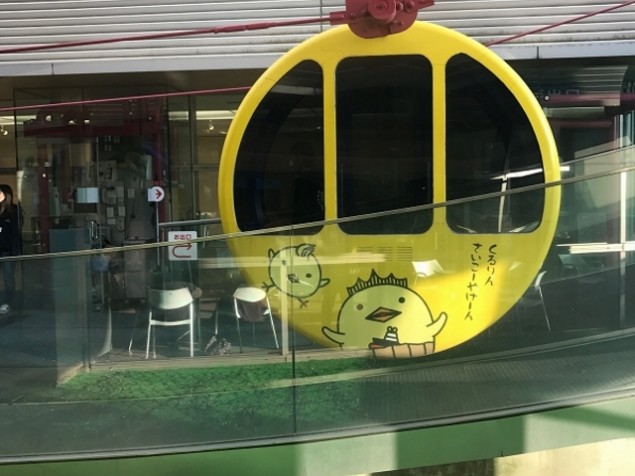
This Ferris wheel sits on the 9th floor of the Iyotetsu Takashimaya department store. The wheel is 45 meters across, but because it starts so high, the top is 85 meters above the ground, with views of the city, Matsuyama Castle and the Seto Inland Sea. By night you see the city lights. For an extra charge there is a see-through glass gondola that feels like floating in the air.
Family days out near Matsuyama
Ehime Prefectural Tobe Zoo Tobe

About 170 species live at this zoo, and red pandas, polar bears and African elephants are favorites. The grounds are divided into 12 zones by region and type of animal. At events you can ride a pony, touch small animals or feed the elephants. The shop sells goods based on the zoo's popular animals, and a restaurant has a 360-degree view over the zoo. Children and adults alike enjoy it.
Ehime Children's Castle Matsuyama
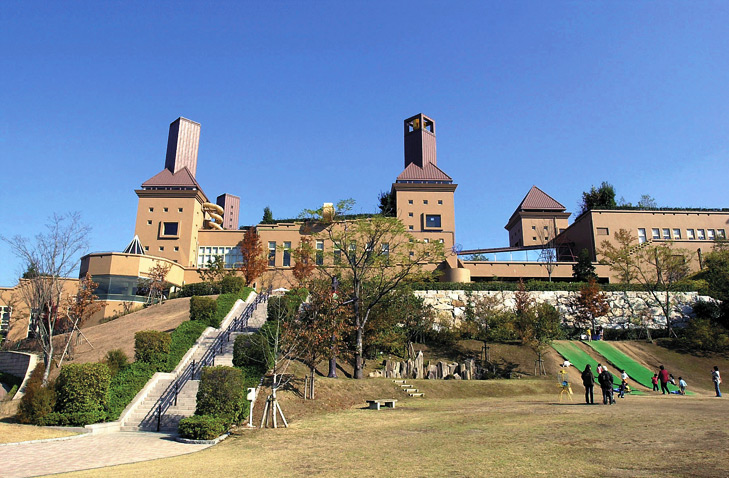
A great place for families, Ehime Children's Castle has plenty of rides: duck boats on a lake, a 360-meter bobsled run on a sled and four-wheel buggies. There are hands-on corners too, such as pottery with the clay of local Tobe ware, crafts with paper, clay and wire, and a cooking room for making sweets. Seasonal events are held through the year, and the restaurant is run by a chef who led the kitchen of a well-known hotel.
Imabari, Saijo and the Shimanami Kaido
Shimanami Kaido Imabari
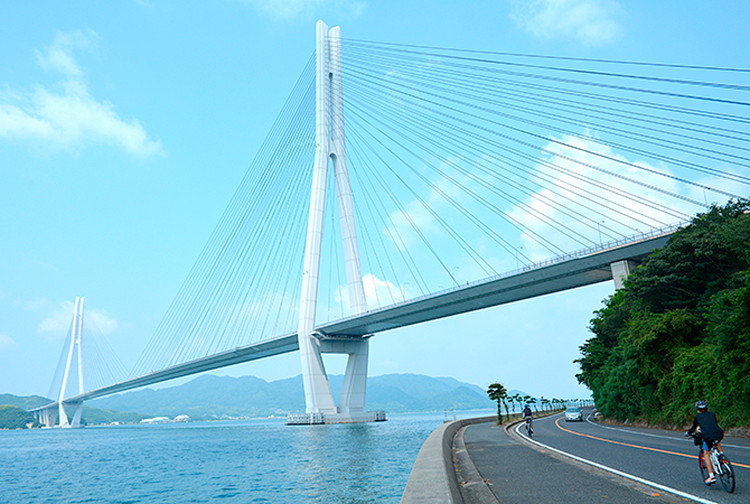
This 60-kilometer route links Ehime with Honshu across six islands and seven bridges. It has been named one of the world's seven best cycling routes and draws riders from around the world, and you can also cross on foot. A blue line marks the recommended route, so first-timers will not get lost. It is hard to cover in one day, so most people take two or three, stopping at inns, restaurants and sights on the islands.
Towel Museum ICHIHIRO Imabari

Here you can watch how towels are made and see towel art and towel products. A big ice cream sculpture made of cotton greets you at the entrance, and the towel workshop can embroider a towel you buy. Permanent exhibits show towel art inspired by the world of the Moomins and by Hawaii. A European garden blooms with seasonal flowers, and there is a Chinese restaurant and a garden restaurant.
Oyamazumi Shrine Omishima
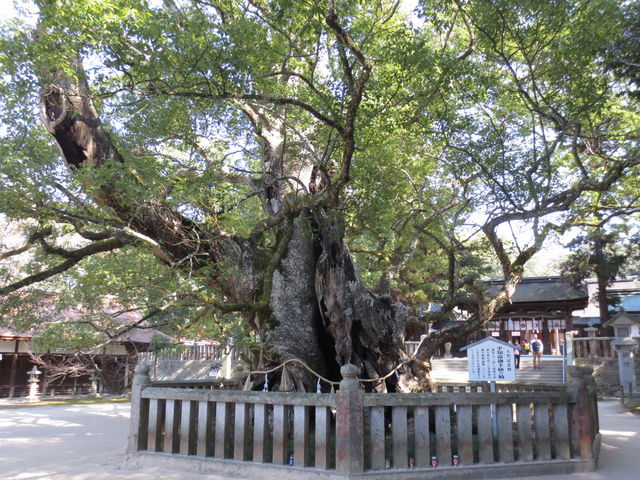
On the island of Omishima, this shrine has been worshiped as the guardian of all Japan by warlords and statesmen. Its most famous sight is the sacred camphor tree, thought to be 2,600 years old; walk around it three times while holding your breath, and your wish is said to come true. The camphor grove is a natural monument. The treasure hall holds about 80 percent of Japan's armor and weapons listed as National Treasures or Important Cultural Properties.
Imabari Castle Imabari
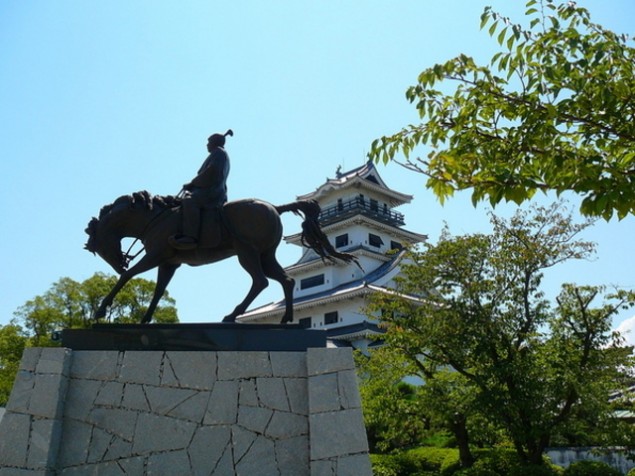
One of Japan's three great water castles, Imabari Castle is rare in drawing seawater into its inner moat, so the water rises and falls with the tide, and rays and even sharks have been spotted. The top floor has an observation deck with views over the city and Kurushima Kaikyo Bridge, and the keep shows armor, paintings and calligraphy. It is a cherry blossom spot in spring and is lit up at night.
Asahi Beer Shikoku Brewery Saijo
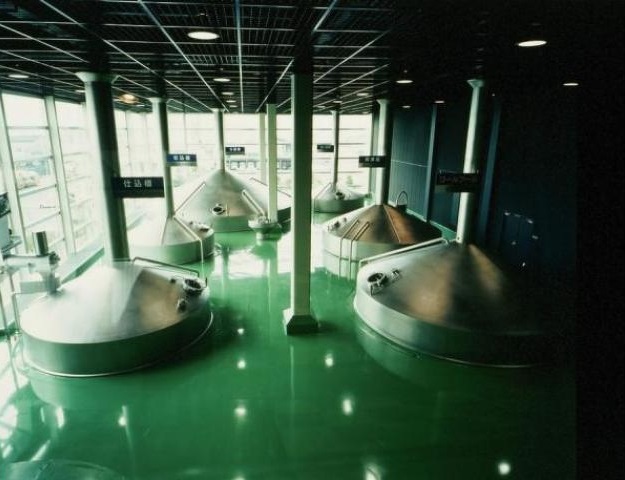
This is the only large brewery in Shikoku, and tours are free. You can touch malt and hops, then follow the whole process, from brewing and the control room to fermentation, aging and bottling. At the end you can taste fresh beer, with soft drinks for children and anyone not drinking. Asahi goods are sold on site.
Southern Ehime
Shikoku Karst Seiyo
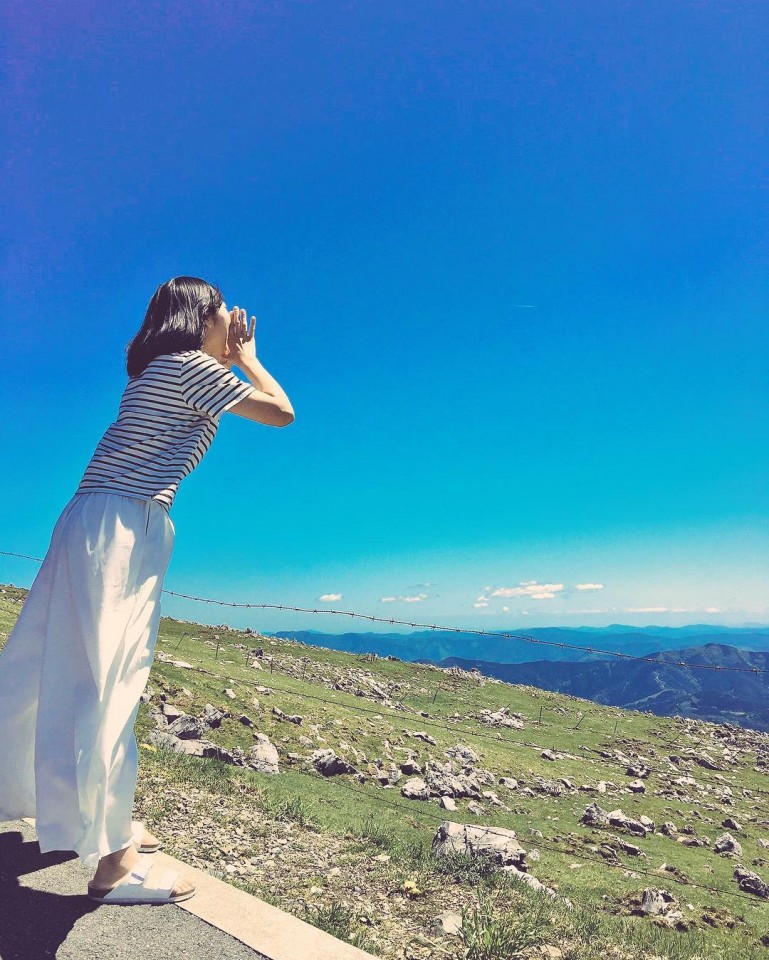
Also called Tengu Kogen, this limestone plateau about 1,400 meters high is one of Japan's three great karsts. Cows graze on wide green grassland, and a straight road across the highland seems to run into the sky, making it one of the best drives in Ehime. Try soft-serve ice cream made from the cows' milk, sold at shops on the plateau. It is also a camping spot, busy with families and friends on weekends and long holidays.
Uwajima Castle Uwajima
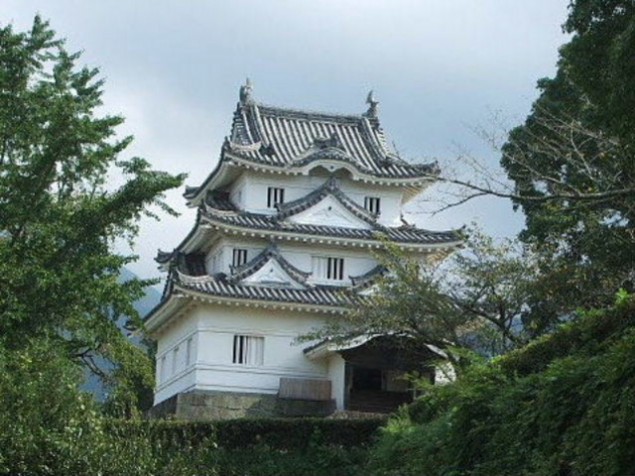
Uwajima Castle is the symbol of the city and is known for its link to Date Masamune. It has unusual features: an irregular pentagon layout, an entrance hall at the keep and no holes for firing guns, which give it a welcoming rather than a defensive feel. Forest covers the hill around it, and because it has escaped fire for over 300 years, about 400 kinds of plants grow there, nice for a walk.
The places on a map
Hours, prices and events change. Check each place's official website before you go.
More travel guides
 Tokyo Sightseeing by Area: 40 Classic Sights and Lesser-Known Spots from Asakusa to Odaiba40 placesTokyo has much more to see than Skytree, Tokyo Tower and Asakusa. This guide works through six of the city's main…
 Nagoya: 40 Best Places to Visit, from Nagoya Castle and Atsuta Jingu to Osu40 placesNagoya is one of Japan's biggest cities, yet many visitors don't know how much it has to see. Alongside its famous…
 Chichibu: 40 Best Places to Visit, from Nagatoro River Boats and Mitsumine Shrine to Moss Phlox and Icicles40 placesChichibu, the largest city in Saitama Prefecture, is about 90 minutes from central Tokyo. Most of the area is national…
 Niigata Prefecture: 40 Best Places to Visit, from Classic Sights to Hidden Gems40 placesNiigata Prefecture stretches a long way from north to south, and each area has its own scenery, climate and food. The…
 Nagasaki Prefecture: 40 Best Places to Visit, from Unzen Hot Springs to Hirado and Nagasaki City40 placesNagasaki grew up as a port open to the outside world, and the culture of those days still shapes its streets, churches…
 Fukuoka Prefecture: 40 Places to Visit in Kitakyushu, Chikuho and Around Fukuoka City40 placesFukuoka Prefecture is roughly divided into four areas, Kitakyushu, Chikuho, Fukuoka and Chikugo, and each has its own…