
Fukui: 13 Best Places to Visit, from Sea Cliffs and Castles to Dinosaurs and Echizen Crab
13 places · Japanese version
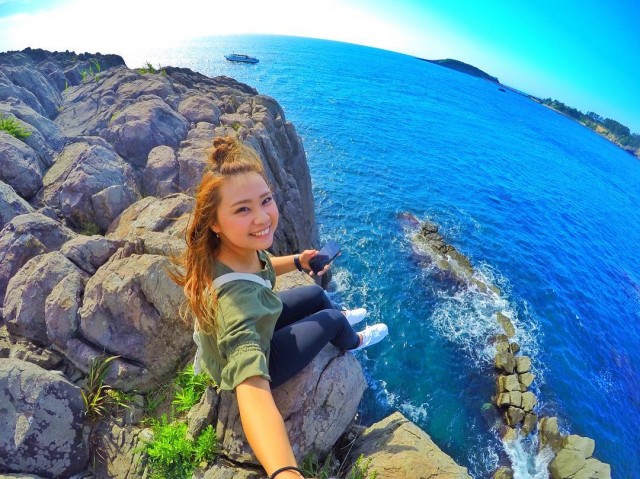
Fukui Prefecture sits near the middle of Honshu and stretches long from east to west. It has two parts with their own culture and dialect: Reihoku (the Echizen area) in the north and Reinan (the Wakasa area and Tsuruga) in the south. Its coastline runs for about 413 kilometers along the Sea of Japan, with cliffs and strange rocks carved by the waves. Inland you will find castles, a great Zen temple and a world-class dinosaur museum, and in winter there is Echizen crab. Here are 13 places to visit, grouped by what you want to do.
Coastal views and photo spots
Tojinbo Cliffs Sakai
Sheer cliffs about 25 meters high run for about a kilometer, a national Natural Monument and Place of Scenic Beauty and one of Japan's 100 best sunset spots. There are no fences, so standing at the edge above the sea is a thrill. Tojinbo Tower nearby has food and an observation deck. To see the cliffs from the water, take the 30-minute sightseeing boat past Oshima Island and odd rocks such as Lion Rock and Candle Rock.
Sotomo Obama
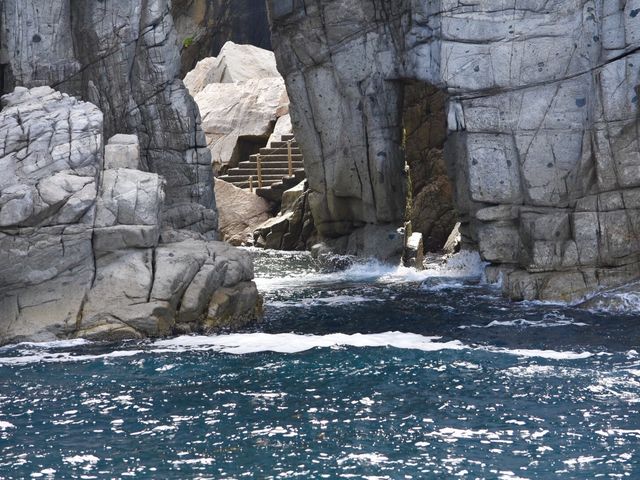
A scenic stretch of coast in Reinan, once named by CNN among Japan's most beautiful places. Sotomo is a natural cave carved out of granite by the waves of the Sea of Japan, and cliffs and strange rocks line the shore around it for 6 kilometers. Sightseeing boats run regularly to tour the rocks, sometimes with sunset cruises, and the restaurant by the boat pier serves Fukui seafood and local specialties.
Myokyodo Oi
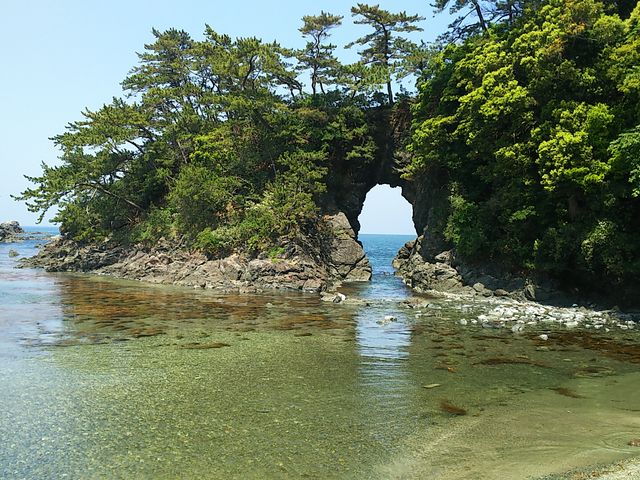
A natural cave through the middle of a huge rock in Reinan, near the western end of Fukui, framing the clear water of the Sea of Japan. At night, when the lights of fishing boats line the horizon, the view is even more magical. It suits anyone looking for a photo spot or a quiet place to relax.
Mikata Five Lakes and the Rainbow Line Mihama and Wakasa
Five lakes lie between the towns of Mihama and Wakasa in Reinan, each with its own look, and they are registered under the Ramsar Convention. The Rainbow Line, a scenic road north of Lake Suigetsu, gives grand views of the five lakes and the Sea of Japan. On the summit of Mt. Baijo along the route is a park certified as a Lovers' Sanctuary, reached by lift or cable car, a nice break on the drive.
History: ruins, castles and a great temple
Ichijodani Asakura Family Ruins Fukui City
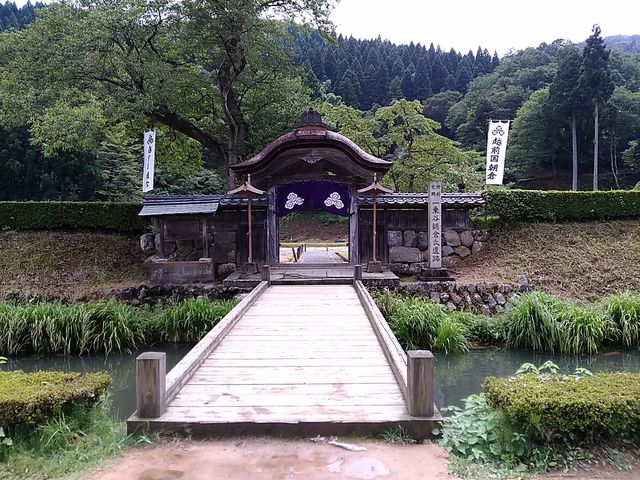
The remains of the Asakura clan, the warlords who ruled Echizen from Ichijodani Castle in the Sengoku (Warring States) period. Buried for 400 years, the site has drawn attention since digging began in 1967 and is sometimes called the Pompeii of Japan. It has two parts: the castle ruins, good for a walk with a picnic feel, and a rebuilt castle town lined with samurai houses and townhouses, where you seem to step back in time.
Maruoka Castle Sakai
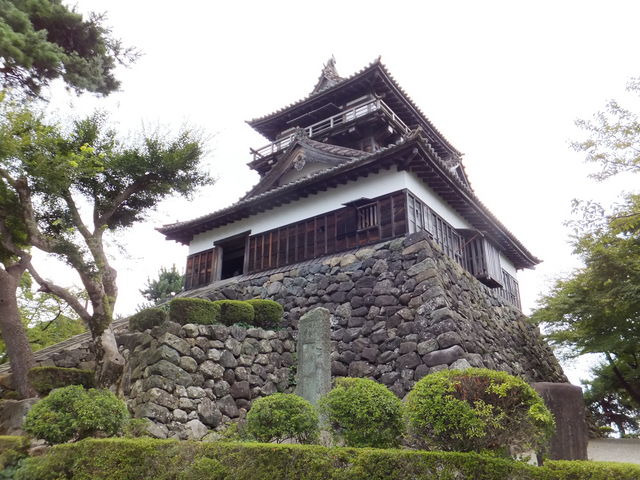
An old castle from the Sengoku period and the only castle in Hokuriku whose original keep still stands, often called the oldest keep in Japan. It is said to have been built by Shibata Katsutoyo, a retainer of Oda Nobunaga. The keep looks rugged rather than elegant, like a stern old samurai. About 400 Somei Yoshino cherry trees surround it, and it is one of Japan's 100 best cherry blossom spots, a great place to photograph the castle with blossoms.
Echizen Ono Castle Ono
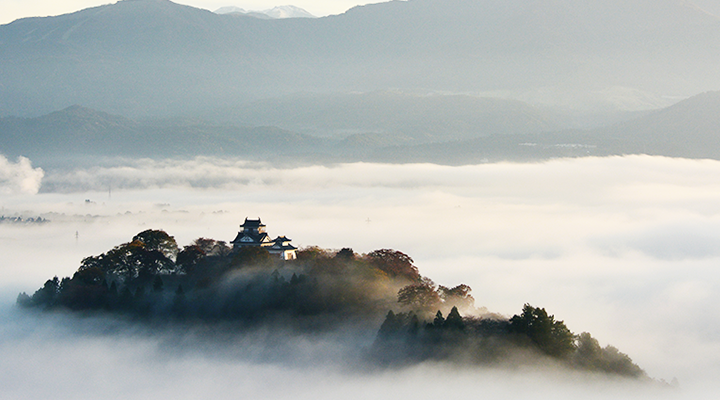
A castle in Ono dating from the Sengoku period, whose keep was rebuilt in the Showa era. It stands on Mt. Kameyama, about 249 meters above sea level, so when the right weather brings a sea of clouds below, it looks like a castle floating in the sky. This is rare and hard to plan for. From JR Echizen-Ono Station, walk up the trail for about 20 minutes, then enjoy the view and the small museum inside the keep.
Eihei-ji Temple Eiheiji
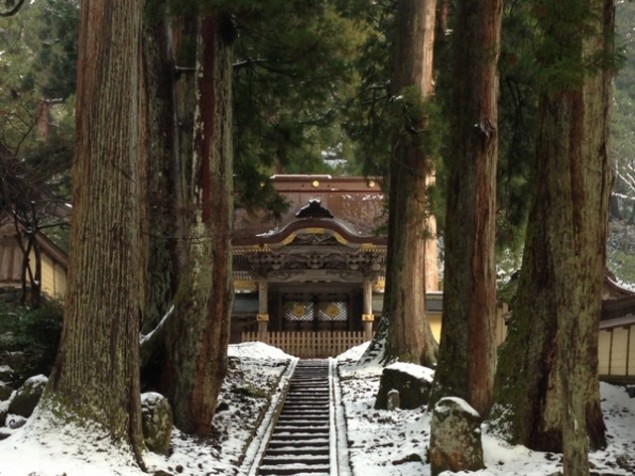
The head temple of the Soto school of Zen, with large grounds in a forest surrounded by mountains. It is featured in the Michelin Green Guide Japan, and close to 200 trainee monks, called unsui, still follow a strict daily routine here. Besides visiting, you can stay a night to try zazen and sutra copying. Do not miss Sanshokaku, a 156-tatami hall whose ceiling holds 230 colorful paintings of flowers and birds.
Family fun
Fukui Prefectural Dinosaur Museum Katsuyama
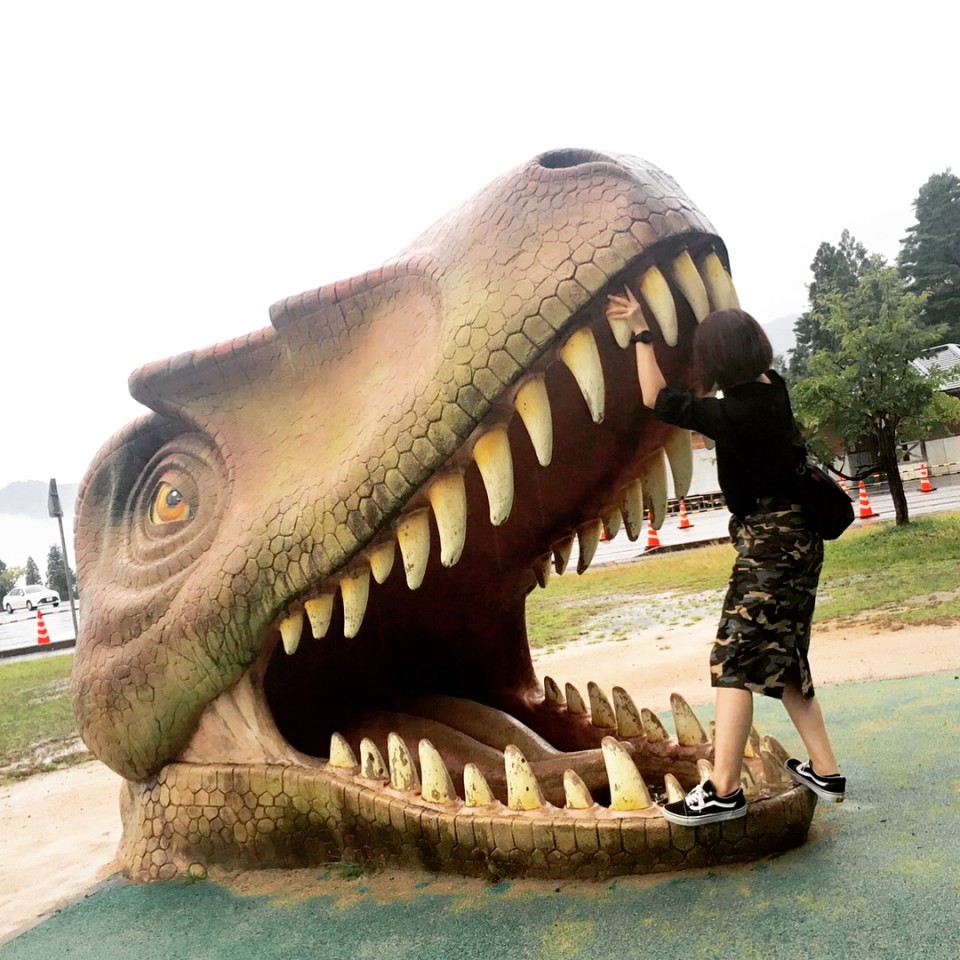
Fukui is dinosaur country: many dinosaur fossils have been found around Katsuyama, and giant dinosaur figures greet you outside JR Fukui Station. This silver dome is one of the world's three great dinosaur museums. Inside are more than 40 dinosaur skeletons, many fossil specimens and dioramas, and huge moving robots. You can also try digging for fossils, and with a restaurant and shop inside, it is easy to spend a whole day here.
Shibamasa World Sakai
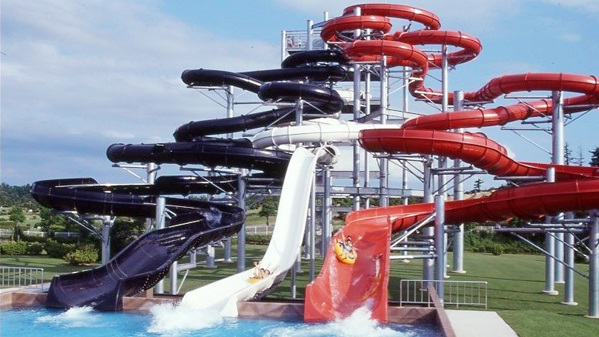
A large theme park in Sakai with rides, a golf course, a giant maze and a zoo. It is best known for its resort pool with many kinds of water slides. Triple Saurus, three huge red, white and black tubes you ride down on a two-person raft, was certified by Guinness World Records. Caribbean Beach is a wave pool facing the Sea of Japan. With archery, go-karts and mystery games too, one day is hardly enough.
Mizushima Island Tsuruga
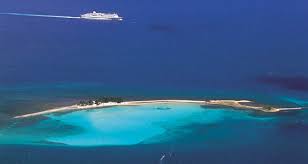
An uninhabited island in Wakasa Bay that you can only land on in summer, about 10 minutes by ferry. Its long white sand beach has earned it the nickname the Hawaii of Hokuriku. The water stays shallow far out and the waves are gentle, so it is safe with small children, and you can spot crabs and small fish.
Slow down: hot springs and an old post town
Awara Onsen Awara
Fukui's best-known hot spring town opened in 1883, fairly recent for Japan, but many hot spring sources are packed close together. Each inn has its own well, so the water differs from place to place, and more than 40 inns line the streets. There is also Ashiyu, a footbath facility with a corner where you can make onsen eggs.
Kumagawa-juku on the Saba Kaido Wakasa
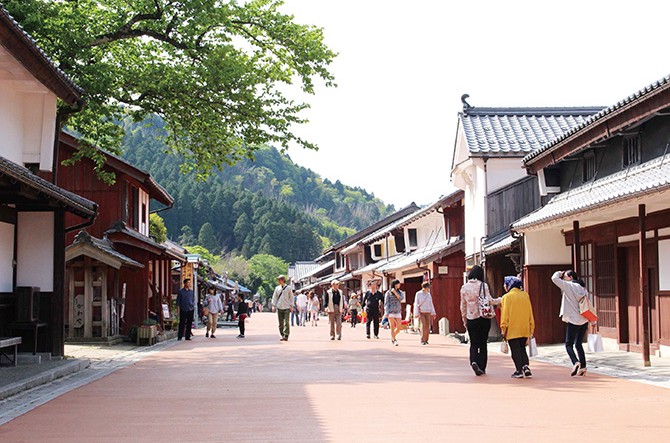
Before trains and buses, mackerel landed in Wakasa Bay was salted and carried to Kyoto along the Saba Kaido, the Mackerel Road, and post towns grew up along the way. Kumagawa-juku, near the border with Shiga, was one of them. It escaped redevelopment, so its streets still look much as they did in the Edo period, and it is recognized as a Japan Heritage site. Try local dishes such as mackerel sushi and heshiko.
Echizen crab in winter
If you visit Fukui in winter, try Echizen crab. The crab season usually opens on November 6. Echizen crab is the snow crab landed at Mikuni, Echizen, Tsuruga and Obama ports, and only the males carry the name; the females are called seiko crab. Genuine Echizen crabs wear a yellow tag, which is handy to know.
Fukui has so many famous sights and historic places that a short trip cannot cover them all, and there is something to enjoy in every season.
The places on a map
Hours, prices and events change. Check each place's official website before you go.
More travel guides
 Tokyo Sightseeing by Area: 40 Classic Sights and Lesser-Known Spots from Asakusa to Odaiba40 placesTokyo has much more to see than Skytree, Tokyo Tower and Asakusa. This guide works through six of the city's main…
 Nagoya: 40 Best Places to Visit, from Nagoya Castle and Atsuta Jingu to Osu40 placesNagoya is one of Japan's biggest cities, yet many visitors don't know how much it has to see. Alongside its famous…
 Chichibu: 40 Best Places to Visit, from Nagatoro River Boats and Mitsumine Shrine to Moss Phlox and Icicles40 placesChichibu, the largest city in Saitama Prefecture, is about 90 minutes from central Tokyo. Most of the area is national…
 Niigata Prefecture: 40 Best Places to Visit, from Classic Sights to Hidden Gems40 placesNiigata Prefecture stretches a long way from north to south, and each area has its own scenery, climate and food. The…
 Nagasaki Prefecture: 40 Best Places to Visit, from Unzen Hot Springs to Hirado and Nagasaki City40 placesNagasaki grew up as a port open to the outside world, and the culture of those days still shapes its streets, churches…
 Fukuoka Prefecture: 40 Places to Visit in Kitakyushu, Chikuho and Around Fukuoka City40 placesFukuoka Prefecture is roughly divided into four areas, Kitakyushu, Chikuho, Fukuoka and Chikugo, and each has its own…