
Gifu Travel Guide: 18 Classic Places to Visit, from Shirakawa-go to Gero Onsen
18 places · Japanese version
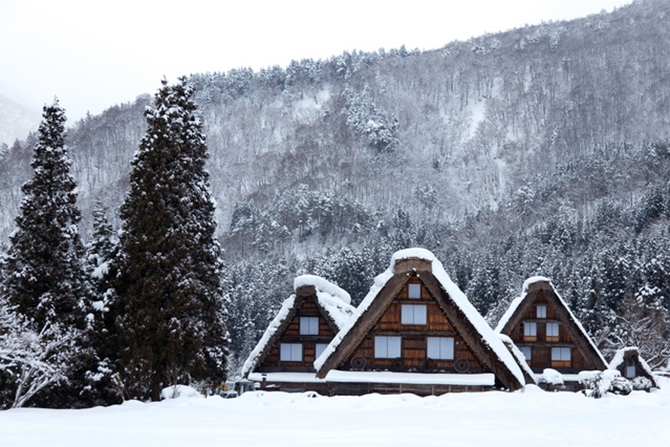
Gifu Prefecture sits almost in the middle of Japan, and its rich nature shows a different face in every season. In the north you will find the thatched farmhouses of Shirakawa-go, the old streets of Takayama and Hida Furukawa, the hot spring town of Gero and ropeways and roads high into the Alps. Further south are castle towns, the cormorant fishing of the Nagara River, a giant Buddha, waterfalls, gorges and a pond that looks like a painting. Here are 18 classic places, grouped by area.
Hida: Shirakawa-go, Takayama and the Alps
Shirakawa-go Shirakawa
In the north of Gifu, Shirakawa-go is known for some of the heaviest snow in Japan. More than 100 old gassho-zukuri farmhouses still stand here, and the village became a UNESCO World Cultural Heritage site in 1995. Walk through the village or stay in a gassho-zukuri house. Winter under white snow is the highlight, with a magical light-up every snow season, but the fresh green of summer and the autumn leaves are lovely too.
Takayama Takayama
Stop in Takayama on your way to Shirakawa-go. The center is a preserved district of traditional buildings, perfect for a stroll, and many shops sell Hida beef dishes and mitarashi dango to snack on as you walk. Spring, when the cherry trees bloom, is the best time to come. The Takayama Festival is held every spring, and its richly decorated floats and mechanical karakuri puppets look wonderful with the blossoms. It is one of Japan's three great float festivals.
Shin-Hotaka Ropeway Takayama
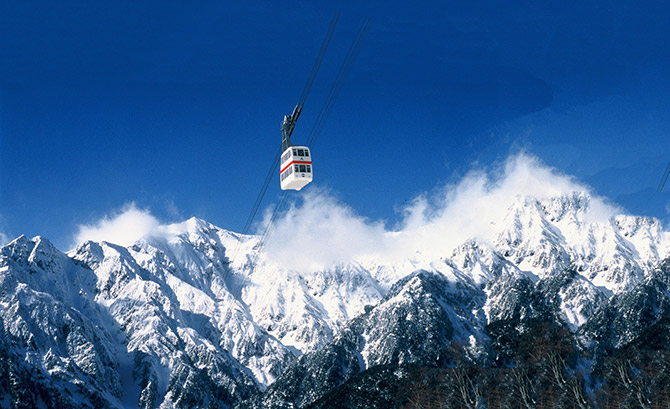
This ropeway climbs a ridge of Mount Hotaka in the Alps and is famous for the only double-decker gondolas in Japan. In just over ten minutes it carries you up to 2,156 meters, with different views in every season. The summit observation deck has a 360-degree panorama and the Yamabiko Post, the highest mailbox in Japan, so you can send a card home. Near Shirakabadaira Station there is a day-use hot spring and a foot bath to rest in on the way back.
Hida Furukawa Hida
If you like nostalgic townscapes, try Hida Furukawa, sometimes called the inner parlor of Takayama. Old townhouses and white-walled storehouses keep the feel of a castle town. Along the storehouse street, about 500 meters long, the Seto River flows with more than 1,000 carp, a pleasant place for a walk. The town also served as a model for the hit film Your Name, and fans visit places from the movie such as Hida Furukawa Station, Keta Wakamiya Shrine and the Hida City Library.
Gero Onsen Gero
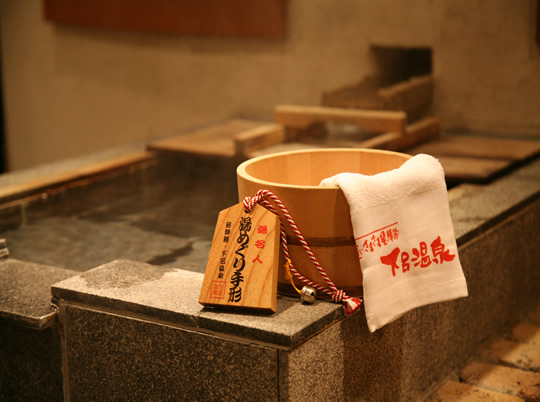
Gero Onsen is one of Japan's three famous hot springs, along with Kusatsu in Gunma and Arima in Hyogo, and it is busy all year round. It has a history of more than 1,000 years. The clear, alkaline water is said to leave your skin smooth as silk, so it is known as a bath of beauty. Public baths and free foot baths make a day trip easy, and the atmospheric hot spring town has traditional inns and resort hotels for an overnight stay.
Norikura Skyline Takayama
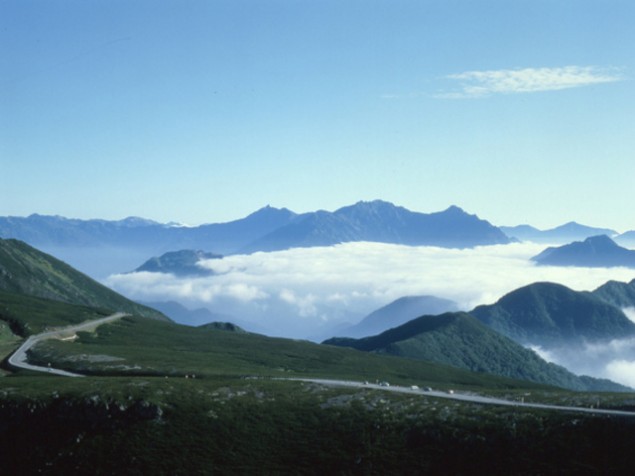
This 14.4-kilometer mountain road runs from Hirayu Pass to Tatamidaira on Mount Norikura and feels like a road above the clouds. It is open every year from mid-May to the end of October, and private cars are not allowed, to protect nature, so take a bus or taxi. Look for alpine flowers and ptarmigans along the way. Until about mid-June you can see walls of snow beside the road.
Gujo Hachiman
Gujo Hachiman Gujo
Gujo Hachiman is the place to be in summer. For two months every summer the town holds the Gujo Odori, a traditional bon dance with about 400 years of history, and during the Obon holidays people dance all night until morning. The old streets of this former castle town remain, and the clear waterways are the main attraction. Stop at the water tanks called mizubune to taste the local water, and watch carp and sweetfish swim in the channels along the pebbled lanes.
Gujo Hachiman Castle Gujo
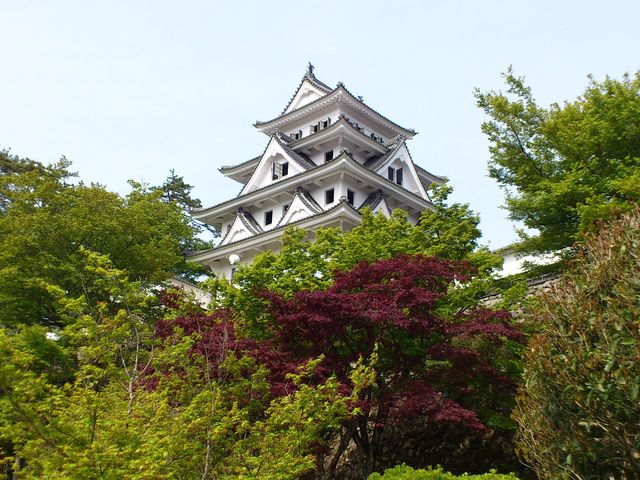
When you visit Gujo Hachiman, climb up to the castle as well. It was first built in the Warring States period. The keep was rebuilt in 1933, but the stone walls are original, so you can feel its long history. Standing on a hill, the keep looks over the whole town, which has made it popular as a castle in the sky. It is lit up at night for a different, magical look.
Gifu City and the Nagara River
Gifu Castle Gifu City
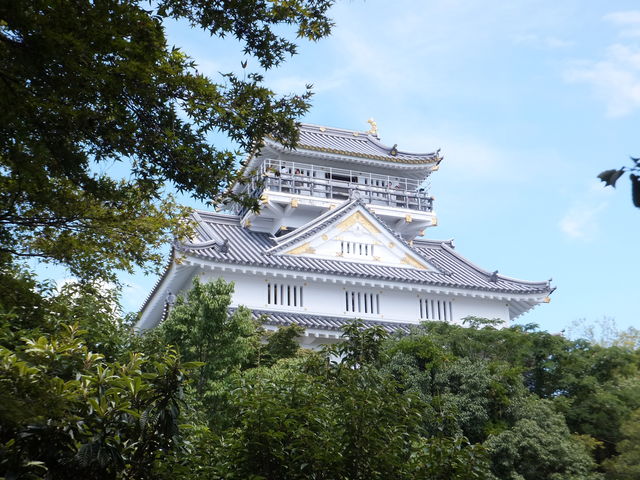
Oda Nobunaga used Gifu as his base for unifying Japan, and Gifu Castle was his home. It stands on top of Mount Kinka, 329 meters high, and on clear days the view from the keep reaches as far as Mount Ibuki in Shiga and Mount Haku in Ishikawa. The summit has souvenir shops and restaurants. You can go up by ropeway, or hike the trail if you have time. The castle is also popular for its night view, making it a good date spot.
Gifu City Tower 43 Gifu City
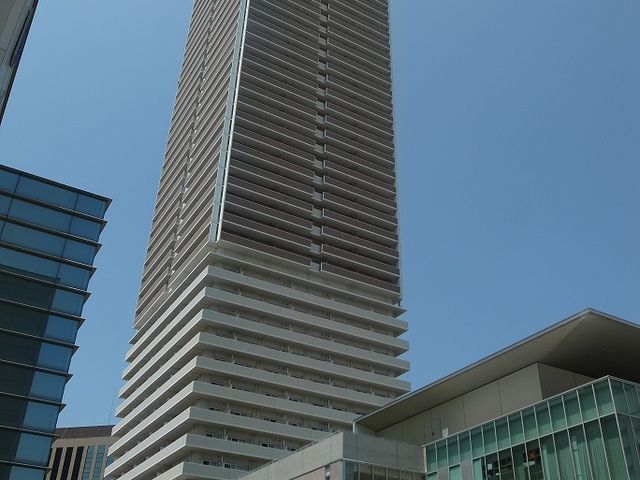
In front of JR Gifu Station, this tower is another place known for its night view. The observation room on the top floor, the 43rd, is free, so anyone can drop in to enjoy the city lights. The building also has restaurants and shops, and it is directly connected to the station, which makes it easy to reach. A sky restaurant with a view over Gifu is a nice choice for anniversaries and celebrations.
Nagara River Cormorant Fishing Gifu City
Every year from May 11 to October 15, you can watch ukai on the Nagara River in Gifu City. In this classic way of fishing, about 1,300 years old, fishermen use cormorants to catch fish. Nobunaga, Tokugawa Ieyasu, Matsuo Basho and Charlie Chaplin all loved it, and the skills are passed down within the same families. You can watch from the riverbank, but a boat brings you close to the action, with views of the river and Mount Kinka. Boats need a reservation.
Nagara River Ukai Museum Gifu City
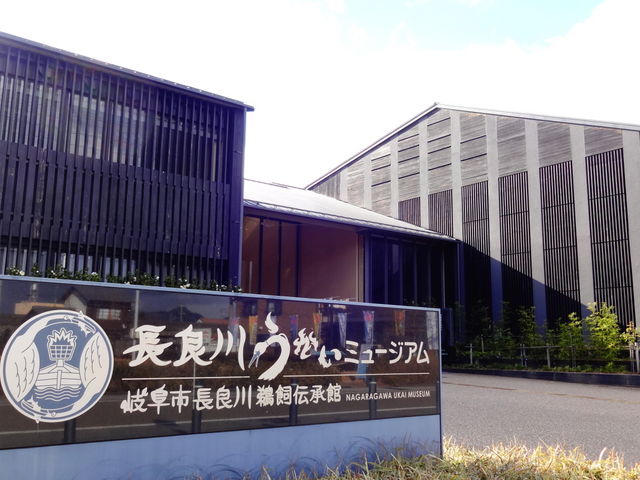
About a 15-minute walk from the cormorant fishing boat landing, this museum shows all kinds of materials on Nagara River ukai, so you can enjoy it even in the off-season. The exhibits are hands-on, which makes them fun for children too. On the second floor, a stylish lounge looks out over the river and Mount Kinka, a good place to sit back on a sofa and relax.
Shoho-ji Temple Gifu City
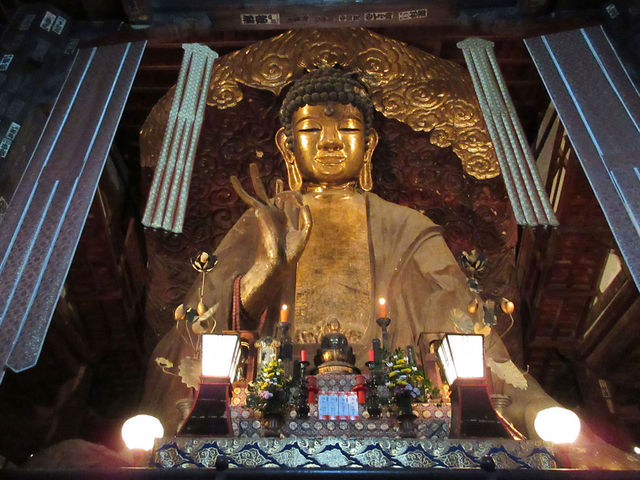
Shoho-ji is home to a 13-meter Great Buddha, counted as one of Japan's three great Buddhas with those of Nara and Kamakura. It is the largest dry-lacquer Buddha in Japan and very impressive up close. There are fewer visitors than in Nara or Kamakura, so you can take your time. Many well-known soba restaurants are nearby, so plan to stop around lunchtime.
Southern Gifu: Yoro, Seki, Kaizu and Ena
Yoro Falls Yoro
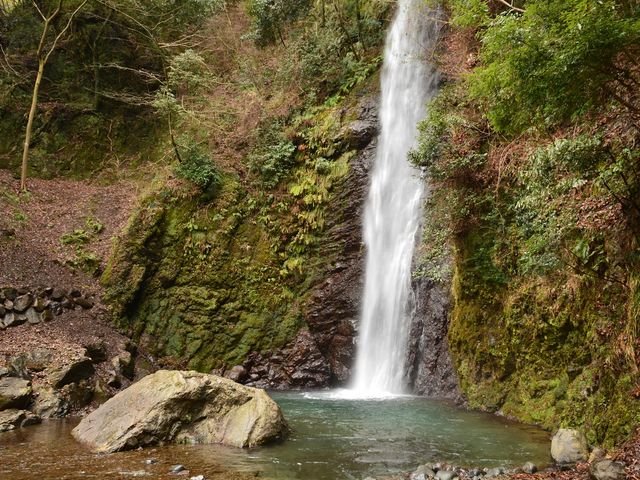
At the very back of Yoro Park, water drops about 30 meters at this well-known scenic falls. Cherry blossoms in spring, cool air in summer and red leaves in autumn make it worth a visit in any season. Yoro Park also has a park golf course, a children's area, a camping center and tennis courts, so all ages can have fun.
Site of Reversible Destiny Yoro
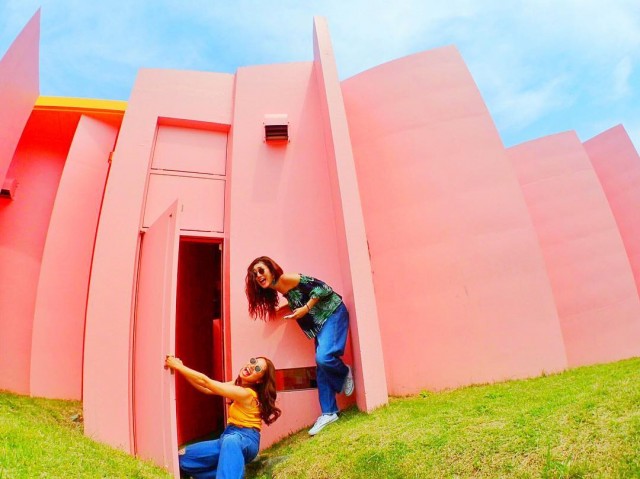
One of the most popular places in Yoro Park is this paid art park created by Shusaku Arakawa and Madeline Gins. The best part is exploring huge artworks with your whole body. Its strange, one-of-a-kind design is also great for trick-art photos, so bring a camera.
Monet's Pond (Nemichi Shrine) Seki
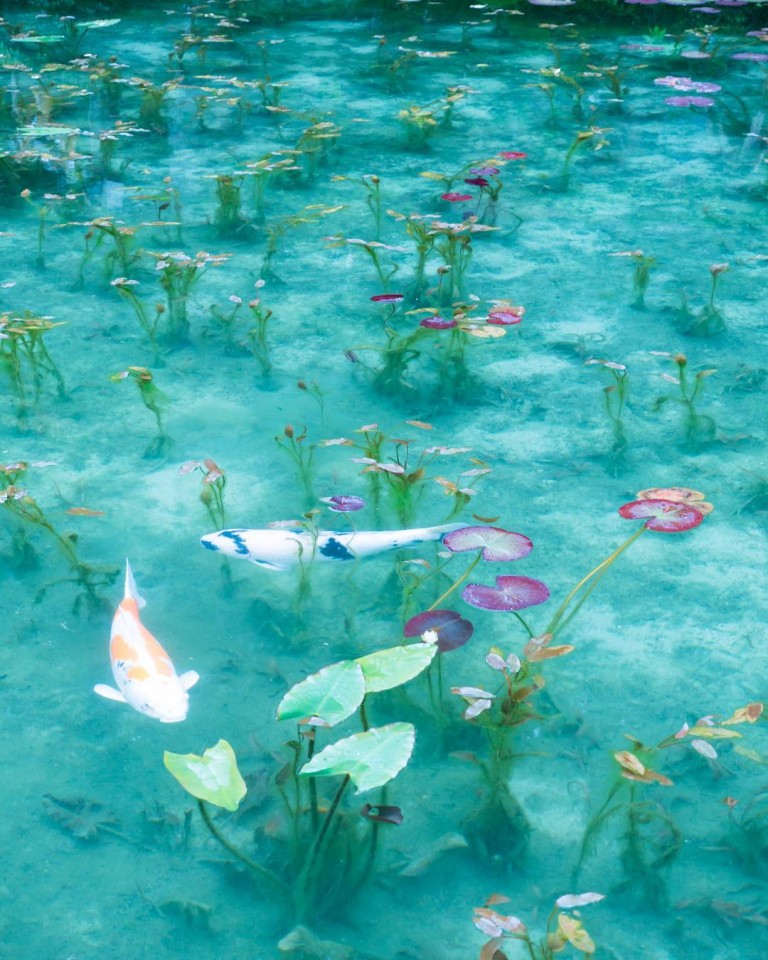
The pond beside the approach to Nemichi Shrine in Seki looks like Claude Monet's Water Lilies. Colorful goldfish and carp swim in its clear water, and word of mouth has turned it into a favorite with photographers. Depending on the light, the water changes from blue to green, like a work of art. The shrine itself is small, but its grounds are green and peaceful, so pay a visit while you are there.
Chiyobo Inari Shrine Kaizu
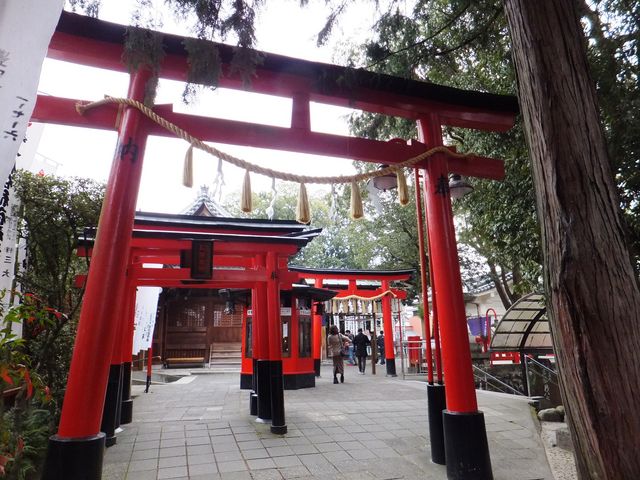
This shrine in Kaizu is one of Gifu's best-known power spots, fondly called Ochobo-san by locals. People pray here for family safety and business success. From the last day of each month into the first day of the next, crowds come for the Tsukikoshi-mairi visit, so it gets very crowded, and public transport is safer than a car. About 120 stalls line the approach, selling local food such as grilled catfish and kushikatsu.
Ena Gorge Ena
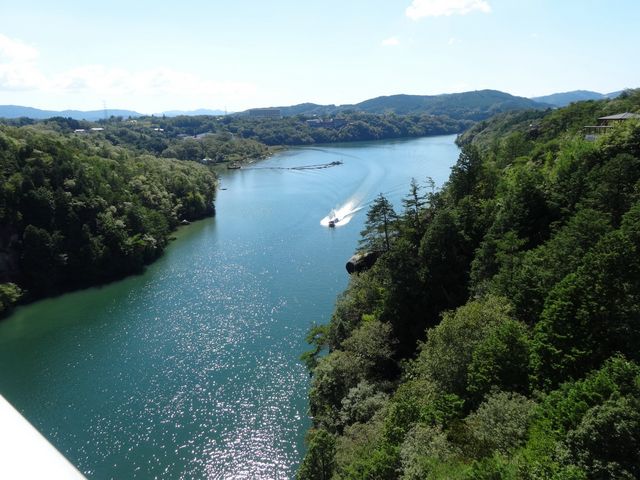
Ena Gorge is a valley on the middle reaches of the Kiso River, with strange rocks rising on both banks, cherry blossoms in spring and migrating birds in winter. Take a sightseeing boat or walk the paths. Ena-kyo Wonderland and other places for kids are nearby, so it suits families. In cherry blossom season the gorge is lit up from sunset until around 10 p.m.
The places on a map
Hours, prices and events change. Check each place's official website before you go.
More travel guides
 Tokyo Sightseeing by Area: 40 Classic Sights and Lesser-Known Spots from Asakusa to Odaiba40 placesTokyo has much more to see than Skytree, Tokyo Tower and Asakusa. This guide works through six of the city's main…
 Nagoya: 40 Best Places to Visit, from Nagoya Castle and Atsuta Jingu to Osu40 placesNagoya is one of Japan's biggest cities, yet many visitors don't know how much it has to see. Alongside its famous…
 Chichibu: 40 Best Places to Visit, from Nagatoro River Boats and Mitsumine Shrine to Moss Phlox and Icicles40 placesChichibu, the largest city in Saitama Prefecture, is about 90 minutes from central Tokyo. Most of the area is national…
 Niigata Prefecture: 40 Best Places to Visit, from Classic Sights to Hidden Gems40 placesNiigata Prefecture stretches a long way from north to south, and each area has its own scenery, climate and food. The…
 Nagasaki Prefecture: 40 Best Places to Visit, from Unzen Hot Springs to Hirado and Nagasaki City40 placesNagasaki grew up as a port open to the outside world, and the culture of those days still shapes its streets, churches…
 Fukuoka Prefecture: 40 Places to Visit in Kitakyushu, Chikuho and Around Fukuoka City40 placesFukuoka Prefecture is roughly divided into four areas, Kitakyushu, Chikuho, Fukuoka and Chikugo, and each has its own…