
Iwate: 12 Best Things to Do, from Chuson-ji and Geibikei Gorge to Hot Springs and Wanko Soba
12 places · Japanese version
Iwate is full of things to enjoy: hot springs, sightseeing, food and outdoor fun. Its rich nature means the food is good, and there are many places for families. With Shinkansen stations and an airport, it is easy to reach, and a rental car lets you explore at your own pace. Here are 12 picks, from the Golden Hall of Chuson-ji and the world of author Miyazawa Kenji to boat rides, a cave with a blue underground lake, two hot springs, and Morioka's noodle dishes.
Sights and nature
Chuson-ji Konjikido Hiraizumi
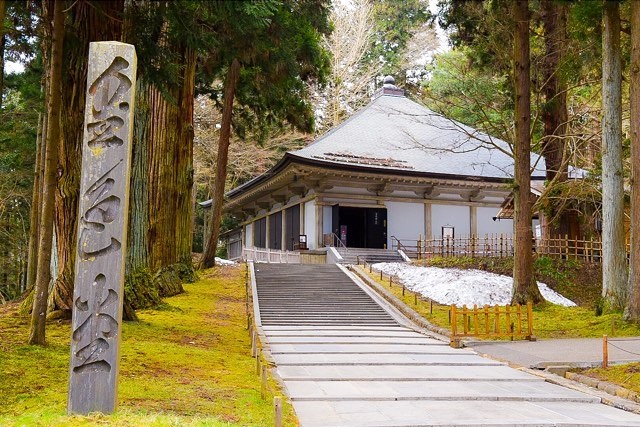
Part of a World Cultural Heritage site in southern Iwate, this hall was built in the Heian period by the Fujiwara clan, who ruled the region. It shows the Buddhist Pure Land in shining gold. The Buddha statues and decoration inside are delicate and rare in Japan, made with precious materials such as ivory, turban shell and gold. The area was famous for gold at the time, which is thought to be why such a hall could be built.
Miyazawa Kenji Memorial Museum Hanamaki
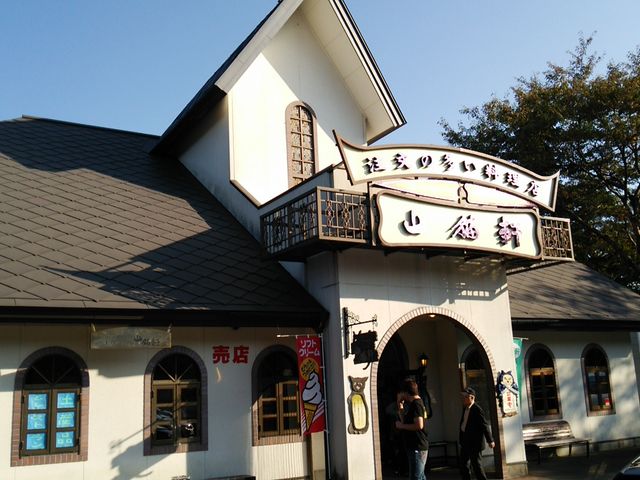
Miyazawa Kenji, author of Night on the Galactic Railroad and The Restaurant of Many Orders, came from Iwate. This museum in Hanamaki lets you learn about him and about the nature, gems, constellations and Iwate history that appear in his works. On display are instruments he played and his manuscripts. Outside, park-like grounds with a sundial and woodland paths are pleasant to stroll, and Yamanekoken, a restaurant by the parking lot, serves Iwate home cooking.
Miyazawa Kenji Fairy Tale Village Hanamaki
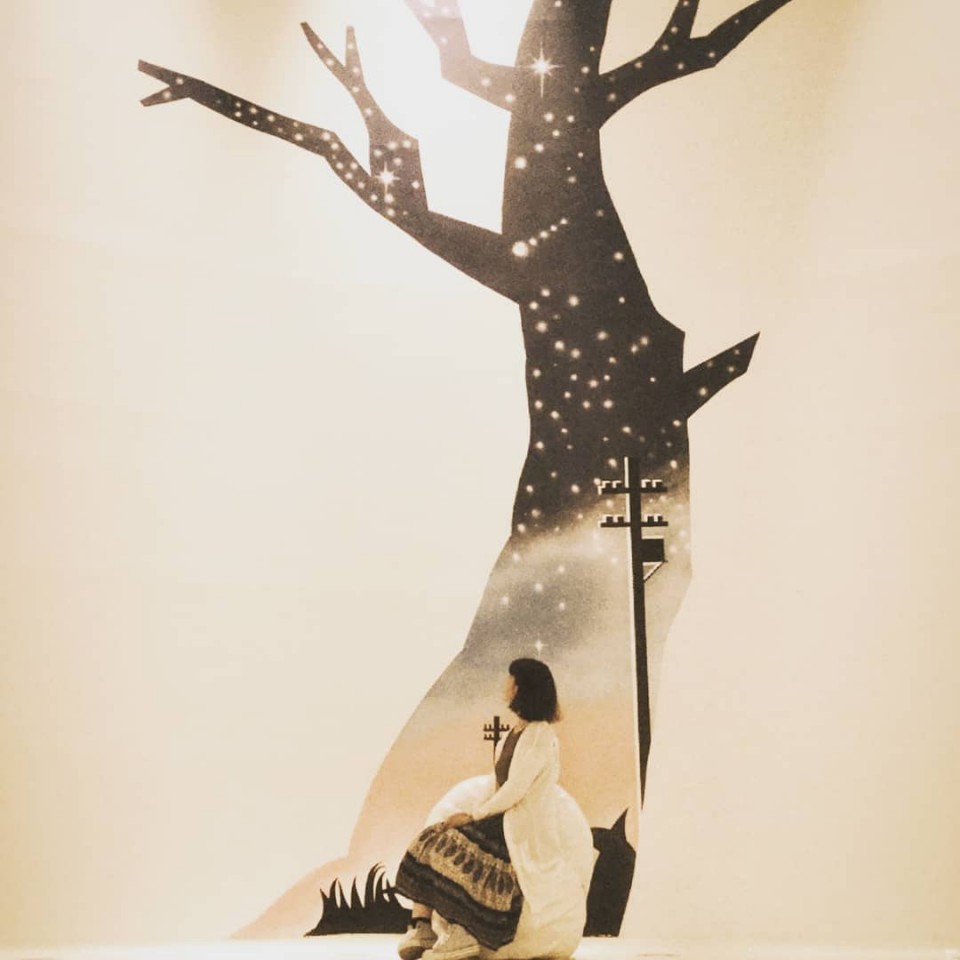
A short way from the memorial museum, this village lets you step into the world of Kenji's stories. Things from his tales stand as artworks along the forest paths, blending into the scenery so that finding one feels like walking into a story. Indoors, themed rooms use sound and light, with readings of his words, music and starry-sky effects. The exhibits are easy for small children to follow, and the shop sells sweets made with Iwate ingredients.
Koiwai Farm Shizukuishi
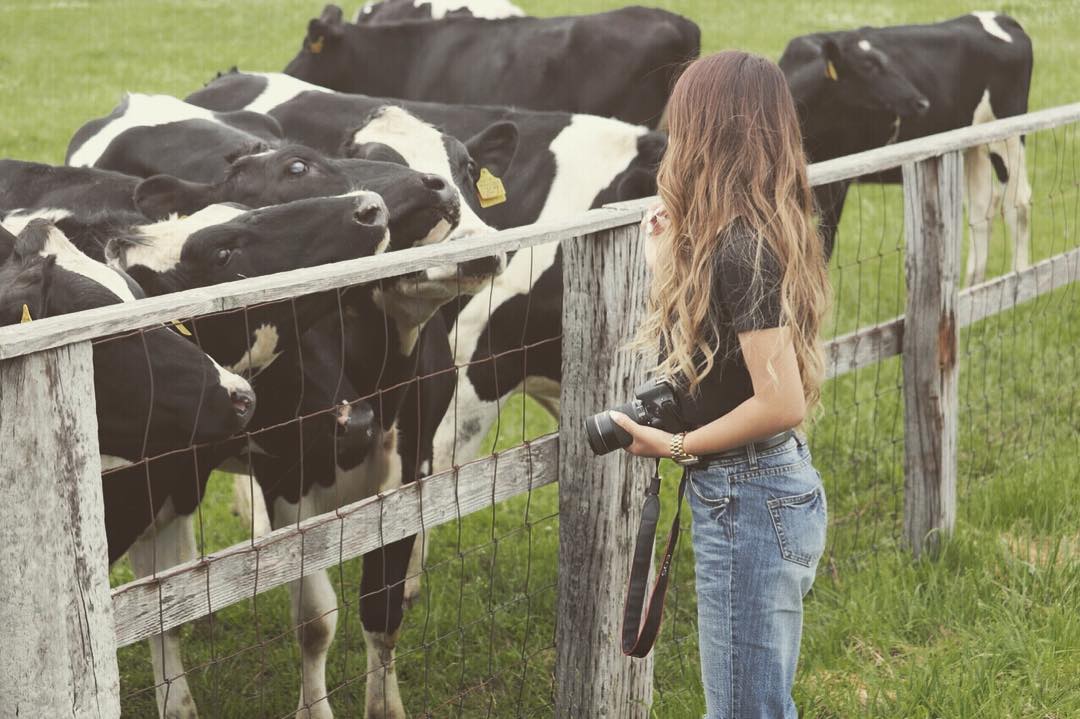
A place where adults and children alike have fun. The vast farm keeps cows, horses and sheep, and you can touch the animals and watch sheep herding shows. There is also an observatory dome for looking at the stars. Do try the soft serve made with fresh milk: it is rich in milk flavor but not too sweet, with a clean finish. The restaurants serve dishes with Iwate vegetables, dairy and meat.
Geibikei Gorge Ichinoseki
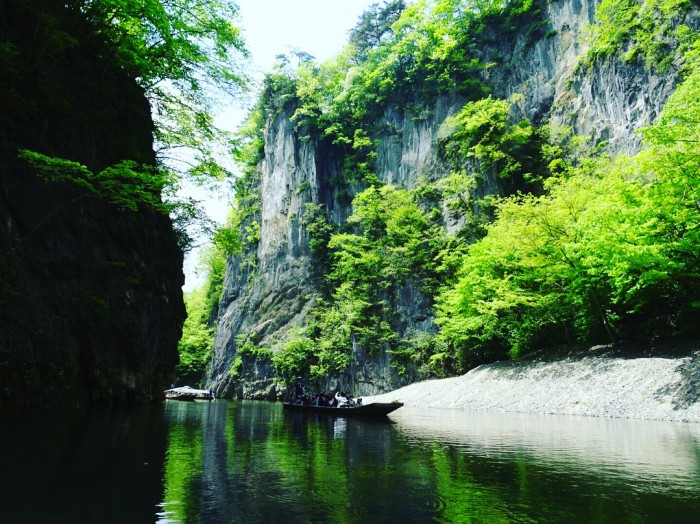
About 20 minutes by car from Ichinoseki Station, sheer cliffs rise on both sides of a gentle river. The best way to see them is a river boat poled by a boatman, who tells stories and sings along the way. Expect fresh green, autumn leaves or ink-painting snow scenes; in winter the boats get a roof and a kotatsu heated table. A teahouse on the far bank sends its famous dango across the gorge in a basket on a rope.
Ryusendo Cave Iwaizumi
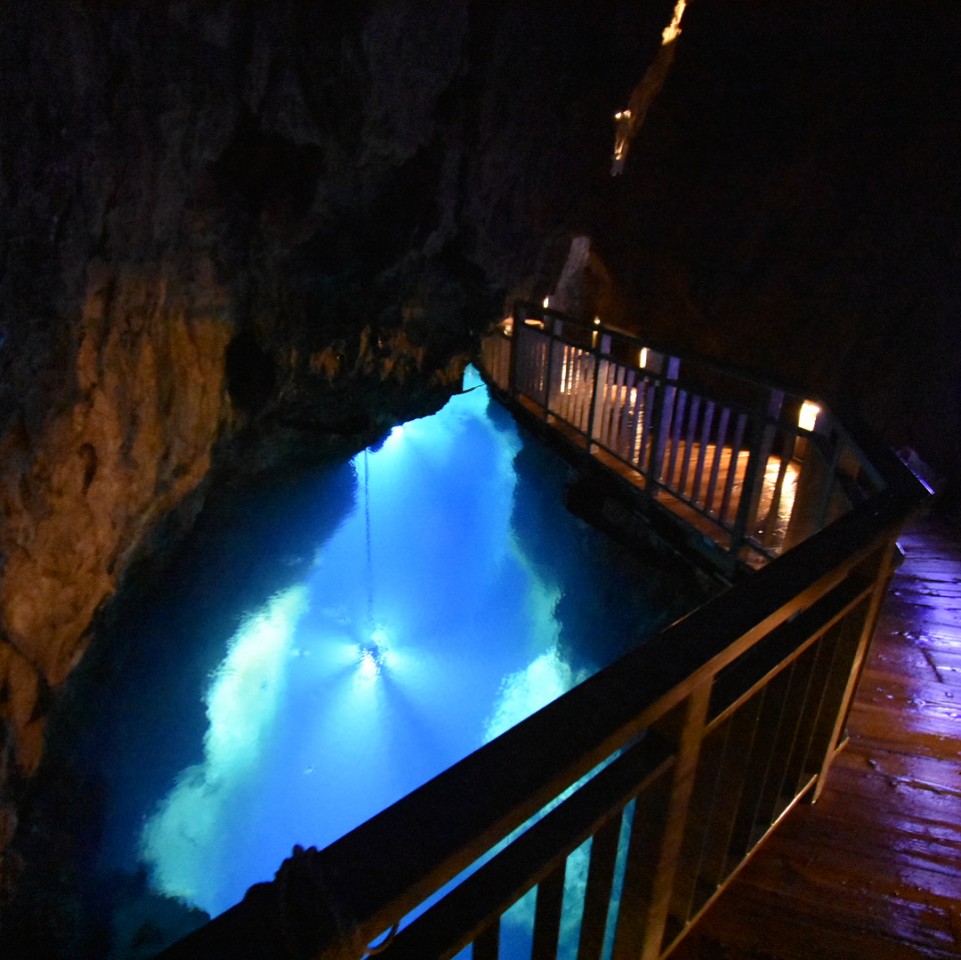
One of the largest limestone caves in Japan. Its underground lakes are so clear that they glow blue under the lights. Follow the route past a rock like a dragon's face and many unusual stalactites. The walk is long, so wear sneakers rather than heels, and bring a layer, since the cave is cold even in summer. After rain the water turns cloudy and the blue lakes cannot be seen, so watch the weather.
Hot springs
Osawa Onsen Hanamaki
Iwate is known for fine hot springs, and Hanamaki Onsen, a group of inns just south of the center of the prefecture, is a good choice. Osawa Onsen is popular for its range of stays: Sansuikaku for large baths, Tojiya for long, cheap stays, and Kikusuikan for a quiet, relaxed time. The water is clear, said to be good for nerve pain, and flows straight from the source.
Kyukamura Iwate Amihari Onsen Mount Iwate
A hotel-style hot spring at the foot of Mount Iwate, the largest mountain in the prefecture. The water flows straight from the source, milky and silky on the skin, with a strong sulfur smell, and is said to be good for the skin. On clear days you may look out over a sea of clouds. A ski area is close by in winter, and the meals use Iwate seafood and mountain foods, with local sake.
Food and shopping
Azumaya (Wanko Soba) Morioka
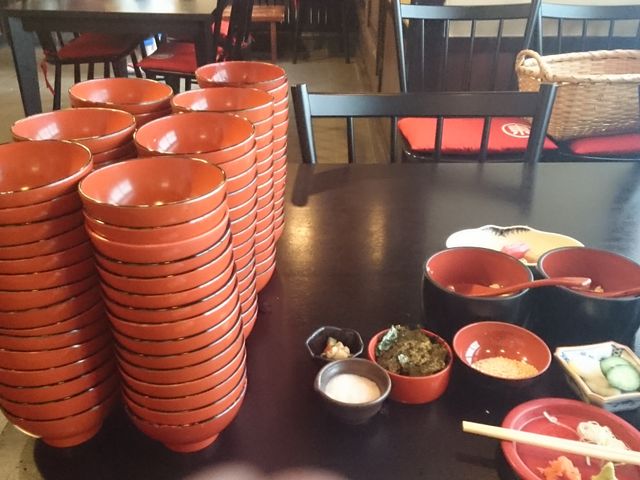
Azumaya has four soba shops in Morioka, and the thing to try is wanko soba. Staff drop a bite of soba into your bowl each time you empty it, and you keep eating. It is not a race but a game to count how many bowls you can eat. When you have had enough, put the lid on your empty bowl to give up. The katsudon made with the shop's soba broth is also popular.
Morioka Reimen Morioka
One of Iwate's signature foods: cold noodles that are semi-clear, smooth and very chewy, in a light soup. Toppings include seasoned spinach and bean sprouts, grilled beef and kimchi, and sometimes pear or watermelon depending on the season. It goes well with yakiniku. There is also onmen, the same noodles in hot soup with grilled pork instead of beef and no fruit, a warming choice in winter. You can choose how much kimchi and spice you want.
Kogensha Morioka
About 10 minutes on foot from Morioka Station, Kogensha sells Iwate handicrafts. It began as the publisher of Miyazawa Kenji's The Restaurant of Many Orders, as its founder was his schoolmate. Several shops sell lacquerware, dyed clothing and washi paper goods. At the cafe Kahikan, have coffee with walnut cookies, sweet and salty walnuts between cookies; you can also buy them as souvenirs at the Morio shop.
Wine Chateau Ohasama Ohasama, Hanamaki
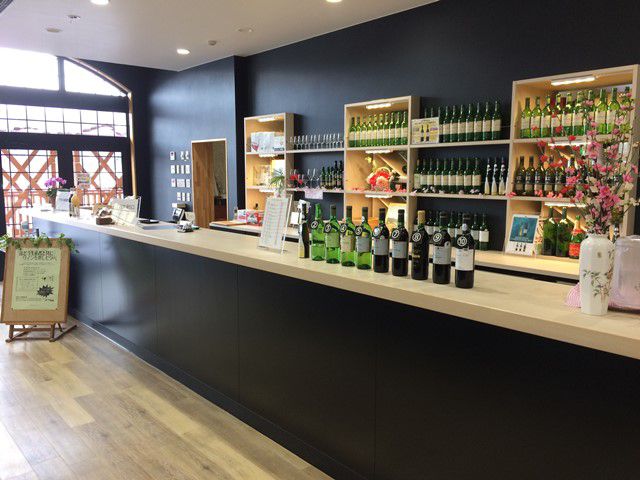
Wine has been made in Ohasama in Hanamaki since 1962, starting with growing wine grapes, once thought hard to do in Japan. Here you can see how Edel Wine is made, looking through glass at the production line, with panels explaining each step. Individuals can visit freely, while groups need to book. At the shop you can taste Edel Wine for free, and a bar corner pours wines sold only at the chateau for a fee.
The places on a map
Hours, prices and events change. Check each place's official website before you go.
More travel guides
 Tokyo Sightseeing by Area: 40 Classic Sights and Lesser-Known Spots from Asakusa to Odaiba40 placesTokyo has much more to see than Skytree, Tokyo Tower and Asakusa. This guide works through six of the city's main…
 Nagoya: 40 Best Places to Visit, from Nagoya Castle and Atsuta Jingu to Osu40 placesNagoya is one of Japan's biggest cities, yet many visitors don't know how much it has to see. Alongside its famous…
 Chichibu: 40 Best Places to Visit, from Nagatoro River Boats and Mitsumine Shrine to Moss Phlox and Icicles40 placesChichibu, the largest city in Saitama Prefecture, is about 90 minutes from central Tokyo. Most of the area is national…
 Niigata Prefecture: 40 Best Places to Visit, from Classic Sights to Hidden Gems40 placesNiigata Prefecture stretches a long way from north to south, and each area has its own scenery, climate and food. The…
 Nagasaki Prefecture: 40 Best Places to Visit, from Unzen Hot Springs to Hirado and Nagasaki City40 placesNagasaki grew up as a port open to the outside world, and the culture of those days still shapes its streets, churches…
 Fukuoka Prefecture: 40 Places to Visit in Kitakyushu, Chikuho and Around Fukuoka City40 placesFukuoka Prefecture is roughly divided into four areas, Kitakyushu, Chikuho, Fukuoka and Chikugo, and each has its own…