
Miyagi Prefecture: 22 Best Places to Visit, from Sendai and Matsushima to Hot Springs and Waterfalls
22 places · Japanese version
Miyagi Prefecture, with Sendai at its center, is the economic hub of the Tohoku region and has many sights known across Japan. Nature, amusement spots and historic buildings are all here, so there are many ways to enjoy a trip. Here are 22 classic places, grouped by area: the city of Sendai, the mountains and hot springs west of it, Matsushima and the coast, and the north and south of the prefecture.
Sendai city
Sendai Station is a stop on the shinkansen, so many trips to Miyagi start here.
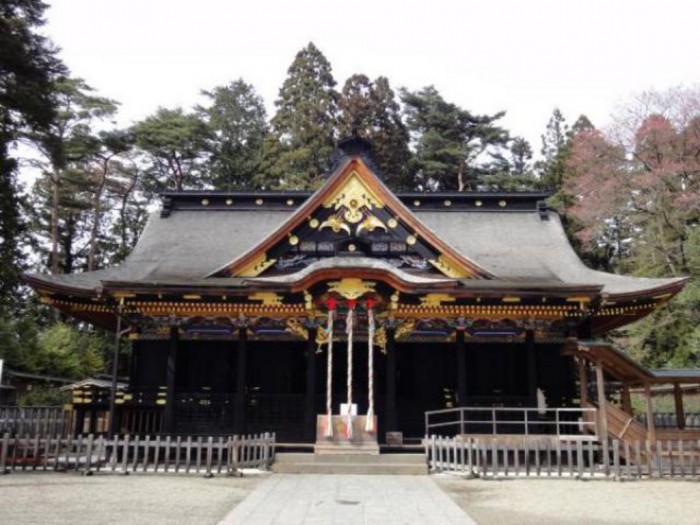
Osaki Hachimangu Shrine Sendai
This shrine dates back to the Heian period and took its name from the Osaki clan, who moved it in the Muromachi period. It is a National Treasure and is known for bringing luck with money and in contests, so many people come to pray before sports matches and exams. It is about 20 minutes on foot from Tohoku-Fukushi-daimae Station on the JR Senzan Line.
Around Sendai Station Sendai
Sendai is famous for gyutan, grilled beef tongue, and zunda, a sweet paste of green edamame beans. Restaurants serving them are packed within a 10-minute walk of Sendai Station, so you can try the local classics as soon as you arrive. Many of these foods can also be taken home, which makes the station area a good place to shop for souvenirs.
Sendai Anpanman Children's Museum and Mall Sendai
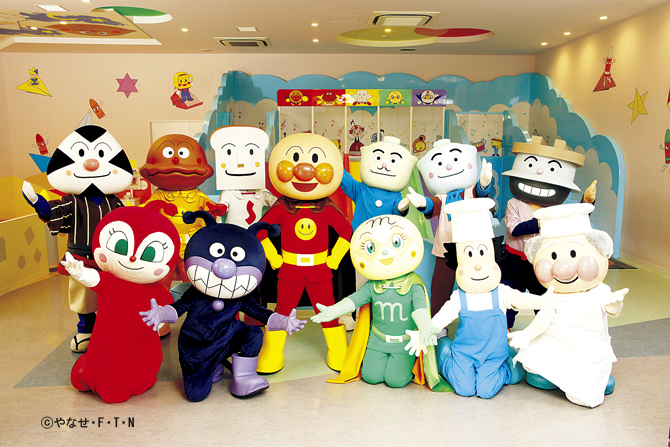
About 10 minutes on foot from Sendai Station, this museum makes you feel as if you have stepped into the world of Anpanman, the much-loved children's character, and it is popular with families with small children. Plenty of Anpanman goods are on sale, and seasonal events keep it fresh even on repeat visits.
Sendai Umino-Mori Aquarium Sendai Port
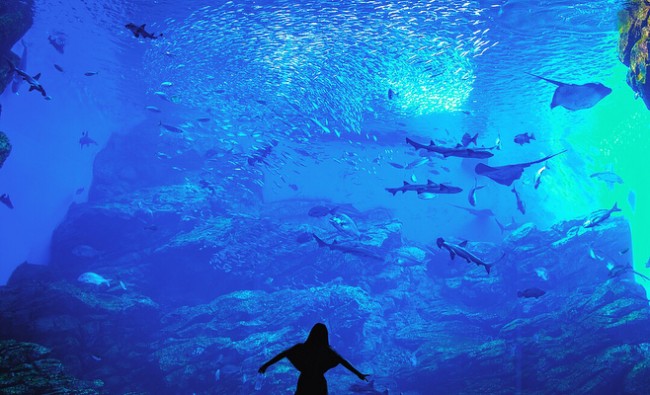
This aquarium shows otters, finless porpoises and other less common sea creatures. Programs let you touch dolphins or take a tour behind the scenes, so there is plenty to learn. Mitsui Outlet Park Sendai Port is close by, so you can go shopping on the way back.
Yagiyama Zoological Park Sendai
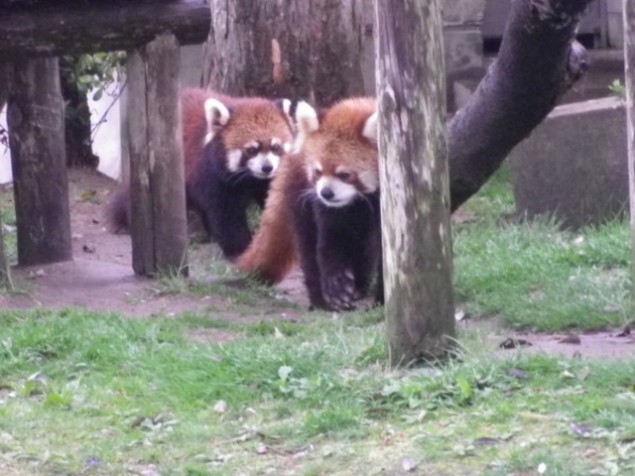
More than 100 species of mammals, birds and reptiles live at this zoo. It puts a lot of effort into learning for children and holds many events during the summer and winter school holidays. Food is a highlight too, with many dishes designed after the zoo's animals, fun to photograph before you eat.
Kotodai Park Sendai
Events with Sendai food are held here almost every week, and the park is busy with locals. It gets especially crowded, with visitors too, during the Sendai Craft Beer Festival at the end of August and the SENDAI Pageant of Starlight, the illumination held every winter.
Shopping arcades near Sendai Station Sendai
The covered shopping streets near Sendai Station, starting with Hapina Nakakecho, keep an old-fashioned feel and have many places to try Sendai food. Every year from August 6 to 8 they host the Sendai Tanabata Festival, which draws visitors from all over Japan, and huge decorations up to 10 meters long hang along the streets. The Sendai Tanabata fireworks are held the evening before, so plan to arrive a day early.
Sendai Castle (Aoba Castle) Sendai
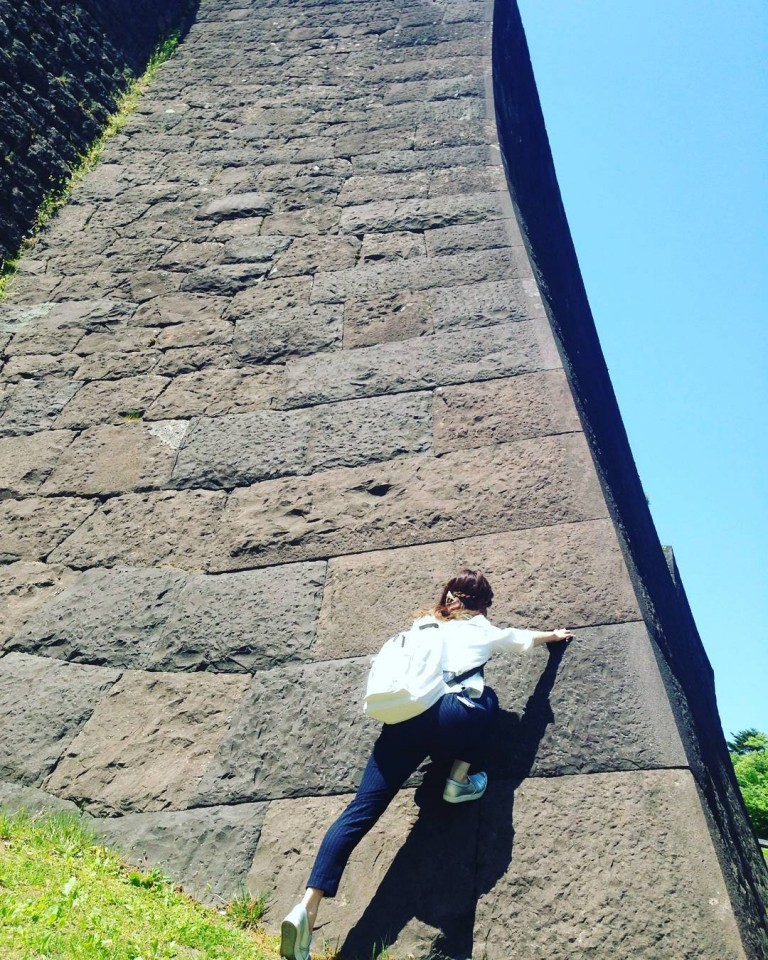
Sendai Castle was built by Date Masamune, the famous one-eyed dragon, and is a standard stop for school trips. It was said to be impregnable. The castle buildings were lost to fire and only the stone walls remain, but their scale is still impressive. Come after sunset until about 22:00, when the walls and the statue of Masamune are lit up, and enjoy the night view of the city from the old main bailey.
Kirin Brewery Sendai Plant Sendai
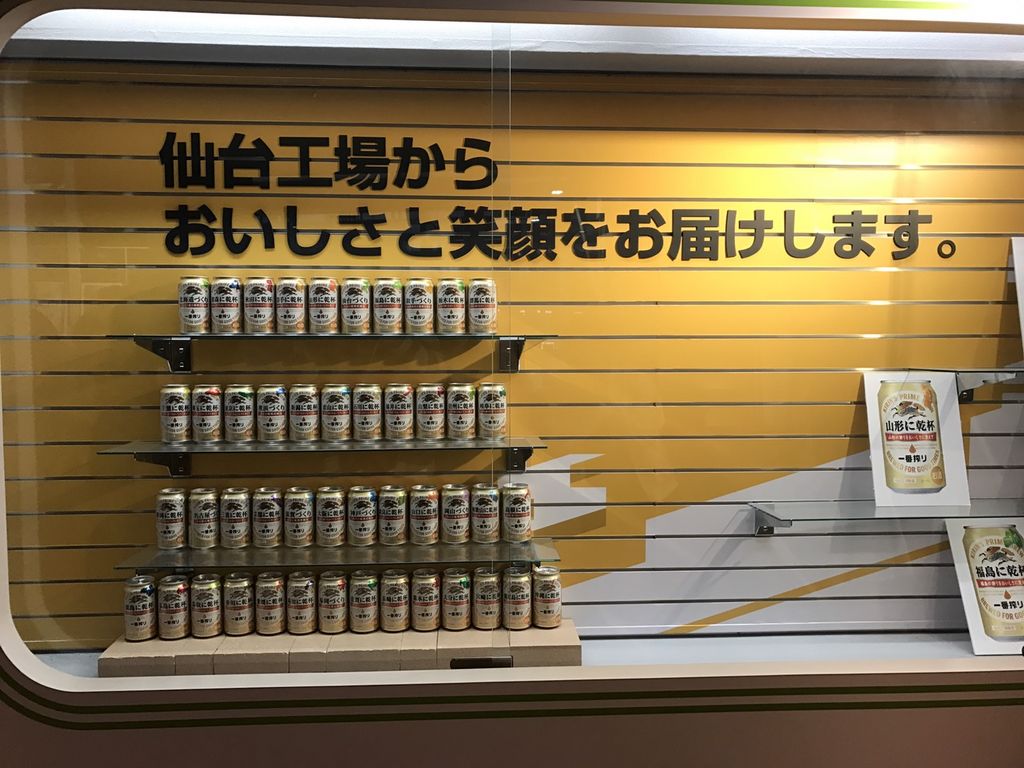
The brewery tour shows how Kirin Ichiban Shibori, a standard Japanese beer, is made. It is popular not only with beer-loving adults but also with children. Adults can compare versions of Ichiban Shibori that differ by region, and children can try Kirin Lemon and other soft drinks, so it works for a family trip.
West of Sendai: Akiu, Sakunami and Miyagikyo
Nikka Whisky Miyagikyo Distillery Sendai
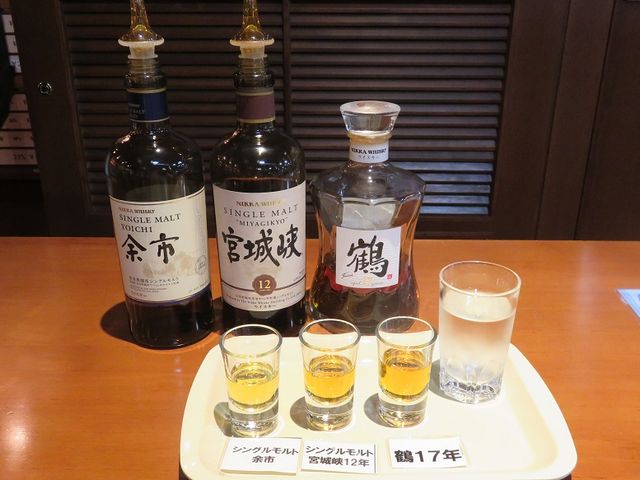
Nikka is one of the best-loved whisky brands in Japan, and at its Miyagikyo distillery you can tour the plant for free. With a reservation, you can also taste the whisky and other drinks Nikka makes, which makes it a favorite stop for adult travelers. The shop sells chocolate and other treats that go well with whisky, good as a souvenir of the visit.
Akiu Great Falls (Akiu Otaki) Akiu
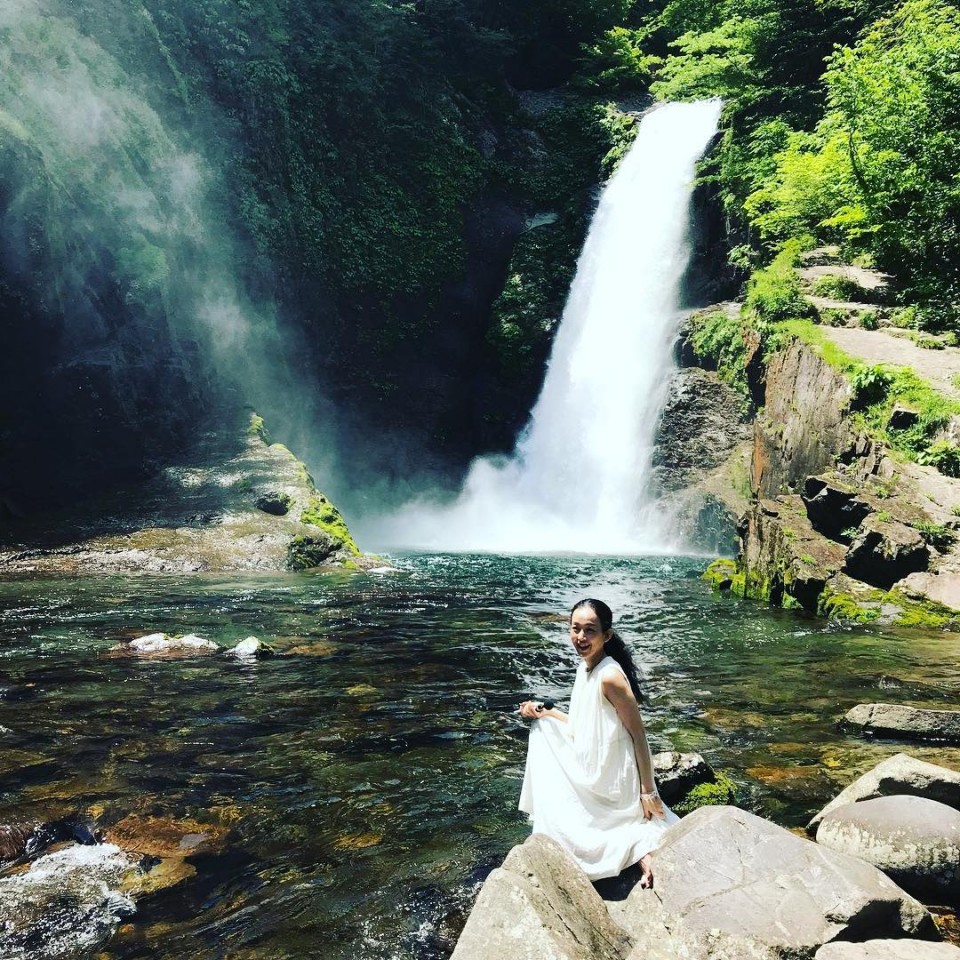
In the mountains a little away from central Sendai, Akiu Otaki is one of the 100 best waterfalls of Japan, and you can stand close to the basin and feel its power. The path down, called the Akiu Otaki Panorama no Michi, runs through calming greenery. On the way is the Akiu Otaki Fudoson hall: find the carp carved on the building and you are said to be blessed with good relationships. Teahouses nearby serve tofu shakes.
Rairaikyo Gorge and Nozoki-bashi Bridge Akiu Onsen
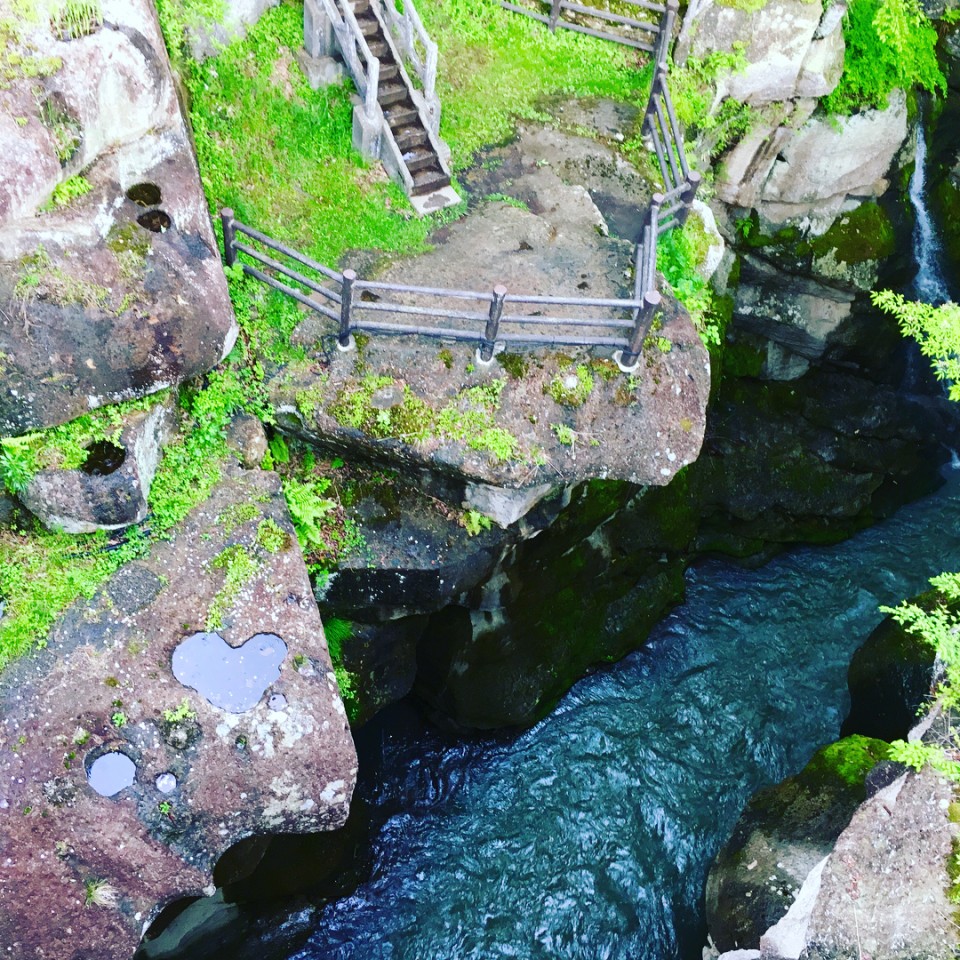
Rairaikyo is a gorge of rugged rocks carved by the Natori River, popular as a place to feel the power of nature. At night it is lit up, and the mix of lights and natural rock is magical. Under the Nozoki-bashi bridge, a heart-shaped hole in the rock, called the Nozoki-bashi heart, draws couples praying for lasting love.
Sakunami Onsen Sendai
The weakly alkaline water of Sakunami is called a bath for beautiful skin, and it is popular with women traveling together. It is about an hour from Sendai Station, so many visitors stop to soak away the tiredness of the trip before heading home. Yugami Shrine is known for matchmaking, and at several hot springs you can pour water from a small bottle over a love jizo statue to make your wish come true. Fall brings autumn leaves.
Matsushima and the coast
Kesennuma Fish Market Kesennuma
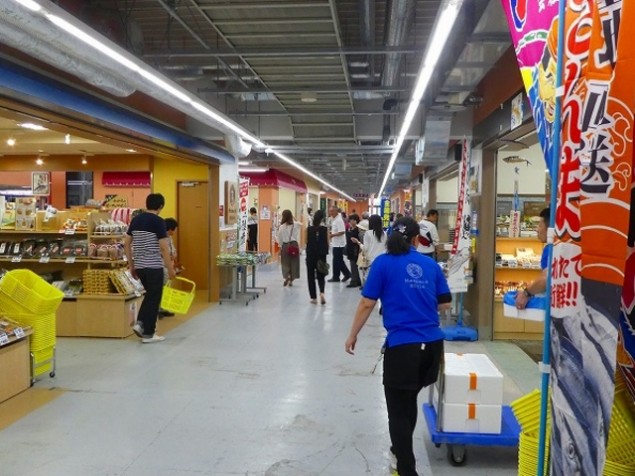
Kesennuma lands more bonito than any other port in Japan, along with many other kinds of seafood every day. Guided tours explain how the fish are landed and auctioned, and end with sashimi of fish caught that morning, a favorite with seafood lovers. Many eateries nearby serve fresh local seafood, so this is the place to come for a seafood meal in Miyagi.
Ishinomori Manga Museum Ishinomaki
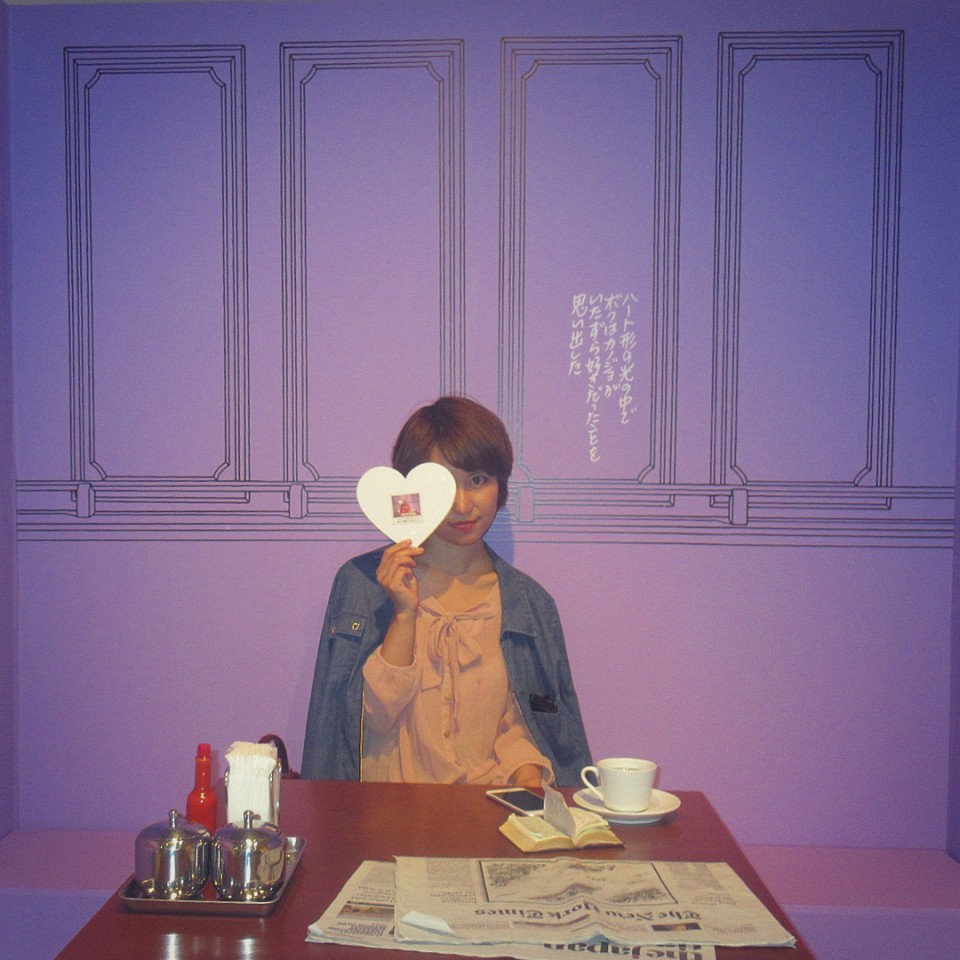
This museum shows the work of Ishinomori Shotaro, creator of Kamen Rider and Cyborg 009. He spent his school years in Ishinomaki, and masks of the Kamen Riders are on display, making it a place of pilgrimage for fans. The walk from Ishinomaki Station, known as the Ishinomaki Manga Road, is lined with statues of his characters, and more are hidden on mailboxes and around town, so the way there is fun too.
Matsushima Shidaikan (Four Great Views) Matsushima
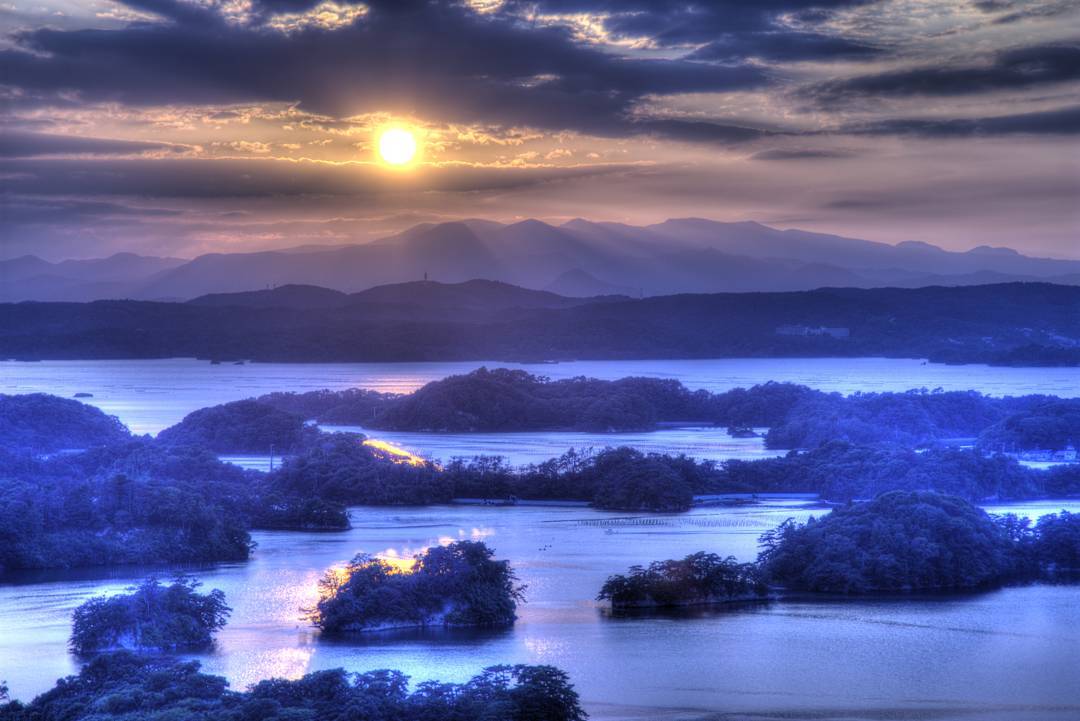
Matsushima Bay, dotted with some 260 islands, has many sights spread around it. Four hilltop lookouts, the Shidaikan, each give a different view over the bay. For a relaxed look at the islands, take a sightseeing cruise; the guide's commentary means you need no research. Winter is a great time to come: oysters are a Miyagi specialty, and oyster huts in Matsushima serve all-you-can-eat oysters in winter only. Restaurants also serve seafood and beef tongue.
Shiogama Shrine Shiogama
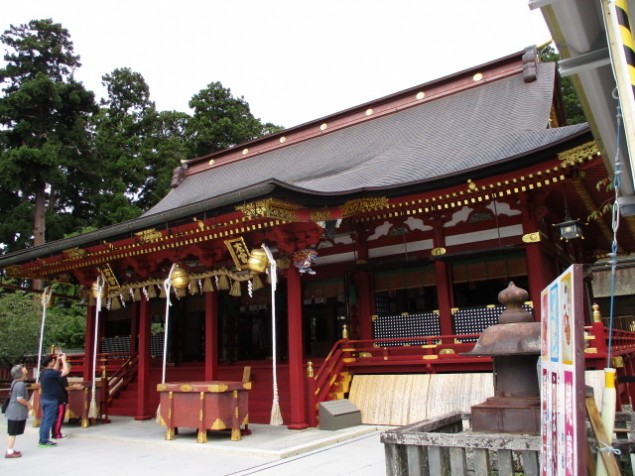
As fits a port town, Shiogama Shrine is visited for safety at sea, as well as safe childbirth and long life, and many people come before an important challenge. Some climb the steep stone stairway called Otokozaka to the main hall. Spring is the best season: of about 60 Shiogama cherry trees on the grounds, 27 are a national natural monument, and their flowers are said to be larger than other cherry blossoms. Autumn leaves color the grounds in fall.
Northern and southern Miyagi
Naruko Onsen-kyo Osaki
Five hot spring areas, Naruko, Higashi-Naruko, Kawatabi, Nakayamadaira and Onikobe, together make up Naruko Onsen-kyo. Nearly 400 sources give many different types of water, so hopping between baths is popular, and a yumeguri ticket lets you try several of them. Many shops also offer hands-on traditional crafts, and lots of visitors make something as a memento of Naruko.
Mount Kurikoma Kurihara
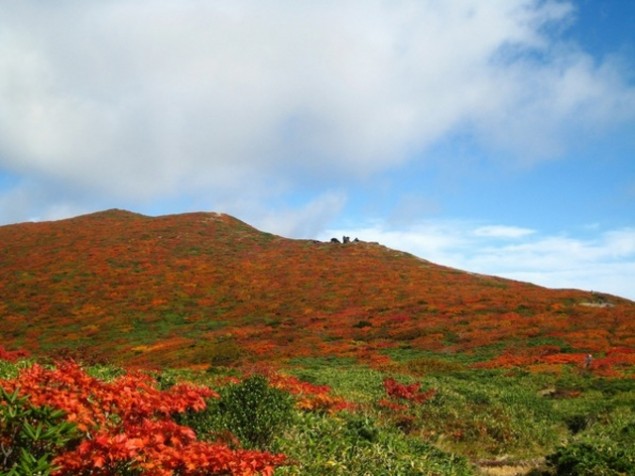
Mount Kurikoma is one of the best-known places for autumn leaves in Tohoku, with the peak said to come from late September to early October. When the whole mountain turns orange the view is superb, and many people ride through on motorcycle tours as well as coming to sightsee.
Kakuda Space Center Kakuda
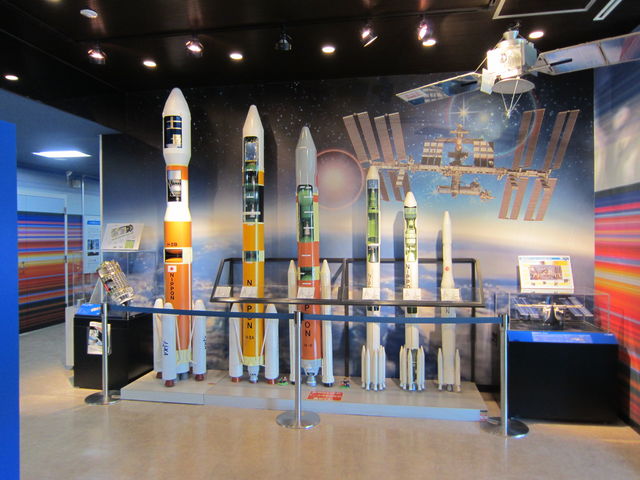
JAXA, Japan's space agency, develops and researches rocket engines here, and exhibits show rocket engines and related work. Several times a year, mainly during the summer holidays, events let you learn more about space, and they are popular with families.
Funaoka Castle Ruins Park Shibata
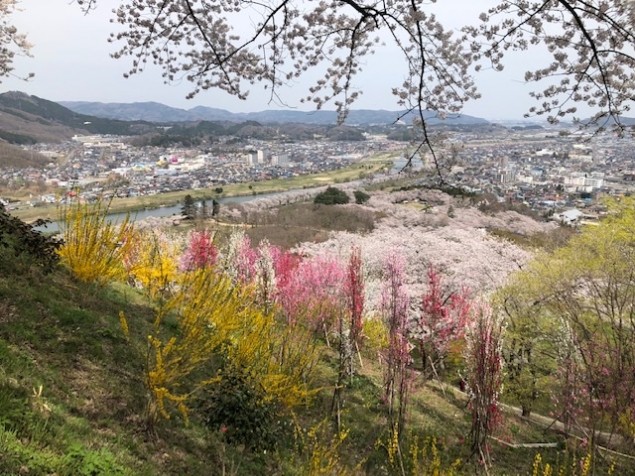
Miyagi has many cherry blossom spots, and the Hitome Senbon Zakura along the Shiroishi River stands out: 1,200 Somei-yoshino trees line the river for 3.5 kilometers, one of the 100 best cherry blossom spots in Japan. A slope car runs up through a tunnel of cherry blossoms to the top of Funaoka Castle Ruins Park, with views over the trees and the town of Shibata, peaceful by day and dreamy at night.
Kankaku Museum Osaki

This museum takes the senses as its theme and is popular as a hands-on museum that adults enjoy too. Many of its exhibits and attractions use light, scent and the other senses, so it is a good choice if you would like to visit a museum that is a little different.
The places on a map
Hours, prices and events change. Check each place's official website before you go.
More travel guides
 Tokyo Sightseeing by Area: 40 Classic Sights and Lesser-Known Spots from Asakusa to Odaiba40 placesTokyo has much more to see than Skytree, Tokyo Tower and Asakusa. This guide works through six of the city's main…
 Nagoya: 40 Best Places to Visit, from Nagoya Castle and Atsuta Jingu to Osu40 placesNagoya is one of Japan's biggest cities, yet many visitors don't know how much it has to see. Alongside its famous…
 Chichibu: 40 Best Places to Visit, from Nagatoro River Boats and Mitsumine Shrine to Moss Phlox and Icicles40 placesChichibu, the largest city in Saitama Prefecture, is about 90 minutes from central Tokyo. Most of the area is national…
 Niigata Prefecture: 40 Best Places to Visit, from Classic Sights to Hidden Gems40 placesNiigata Prefecture stretches a long way from north to south, and each area has its own scenery, climate and food. The…
 Nagasaki Prefecture: 40 Best Places to Visit, from Unzen Hot Springs to Hirado and Nagasaki City40 placesNagasaki grew up as a port open to the outside world, and the culture of those days still shapes its streets, churches…
 Fukuoka Prefecture: 40 Places to Visit in Kitakyushu, Chikuho and Around Fukuoka City40 placesFukuoka Prefecture is roughly divided into four areas, Kitakyushu, Chikuho, Fukuoka and Chikugo, and each has its own…